
Northern Red Oak Tree – Quercus rubra Live Bare Root Plant – 12-24″ Tall
Original price was: $74.99.$49.99Current price is: $49.99.
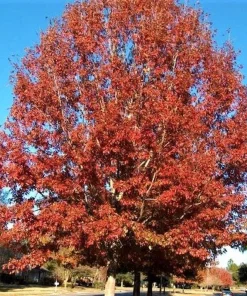
Bring natural beauty to your landscape with a Northern Red Oak tree. This Quercus rubra plant is a fast-growing, deciduous shade tree, arriving as a 12-24″ tall bare root starter. Perfect for adding significant size and character to your outdoor space.
Estimated arrival
Sep 29
Oct 04 - Oct 06
Oct 09 - Oct 13
Shop With Confidence
30-Day Plant Health Guarantee
Arrives damaged? We’ll replace it free — see our return policy.
Responsive Support
Email us anytime, we reply within 1 business day.
Expert Packaging
Temperature-controlled shipping to protect your plants in transit.
Secure Checkout
Pay safely with Visa, Mastercard, PayPal.
Plant Specifications
-
USDA Hardiness Zone
USDA Zones 3-8 -
Soil Type
Well-draining, acidic to neutral soil -
Sunlight Exposure
Full sun -
Expected Planting Period
Early spring or fall
Overview
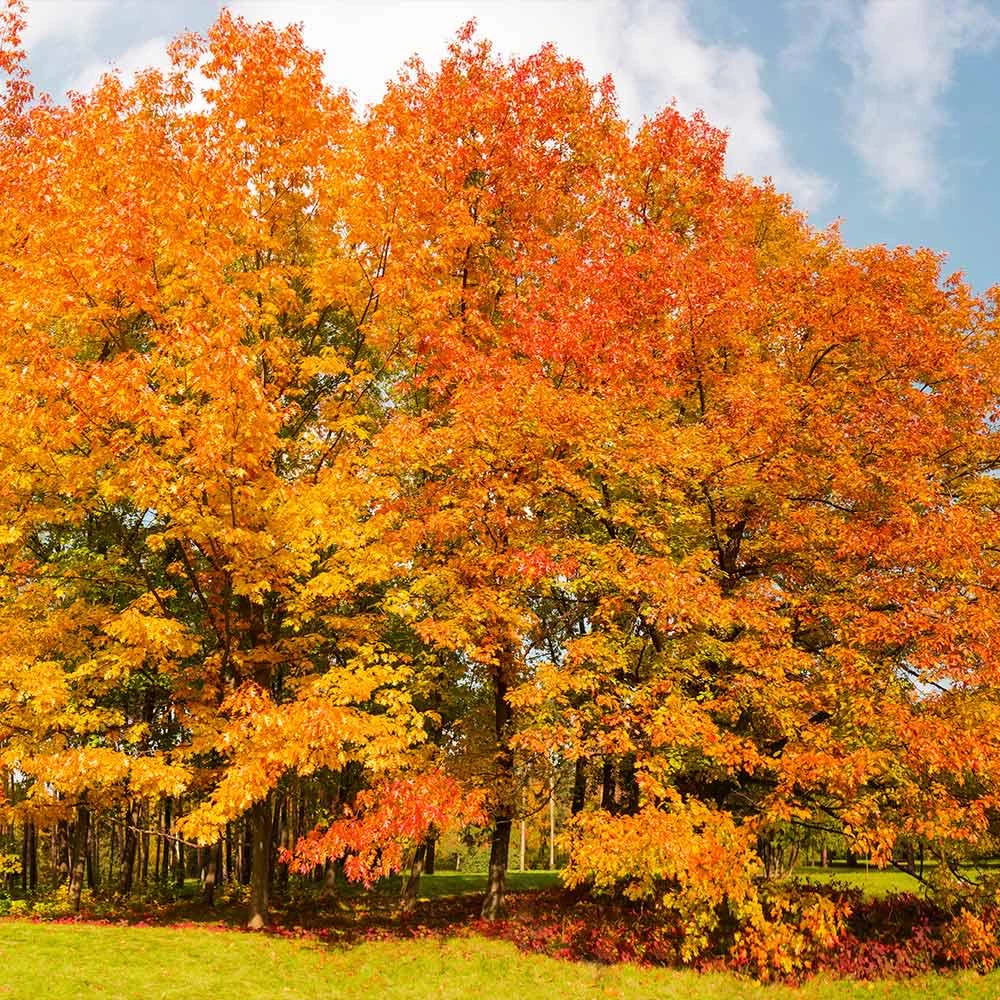
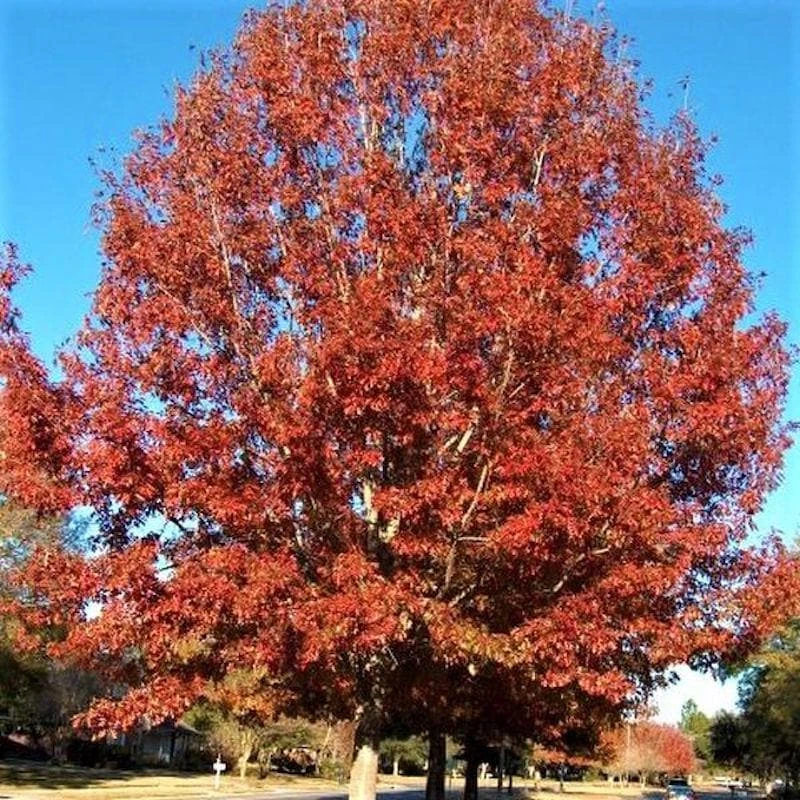
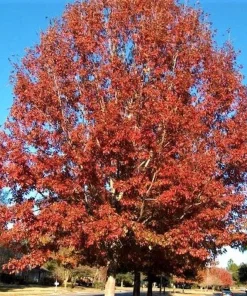
Introduce a magnificent centerpiece to your landscape with the Northern Red Oak tree (Quercus rubra). This impressive deciduous tree is renowned for its rapid growth, striking fall foliage, and stately presence, making it a popular choice for large properties, parks, and naturalized areas. Native to eastern and central North America, the Northern Red Oak tree is a robust species that provides excellent shade and contributes significantly to local ecosystems. Our offering is for a live bare root starter plant, typically 12-24 inches tall, ready to establish itself and flourish in its new environment. Known for its high-quality timber and ornamental value, this tree develops a rounded to broad, spreading crown, providing ample shade during warmer months and a beautiful silhouette in winter.
The Quercus rubra is not just a tree; it’s an investment in your property’s future and local biodiversity. Its acorns, which mature over two growing seasons, are a vital food source for wildlife, including deer, squirrels, and various bird species. Whether you are looking to create a substantial shade canopy, enhance your property’s aesthetic appeal, or support local wildlife, this Quercus rubra plant is an excellent choice. It’s a testament to nature’s resilience and beauty, promising years of enjoyment and ecological benefits.
Key Benefits
The Northern Red Oak tree offers a multitude of benefits for both your property and the environment. Its impressive growth rate and adaptability make it a rewarding addition to many landscapes.
- Exceptional Shade Provider: Known for its large, spreading canopy, the Northern Red Oak tree provides dense, cooling shade, significantly reducing energy costs for homes situated nearby during hot summer months. It creates a comfortable outdoor living space.
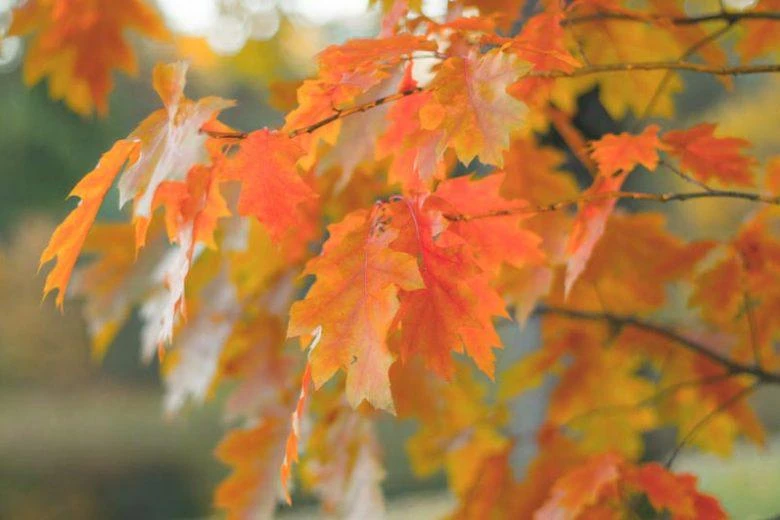
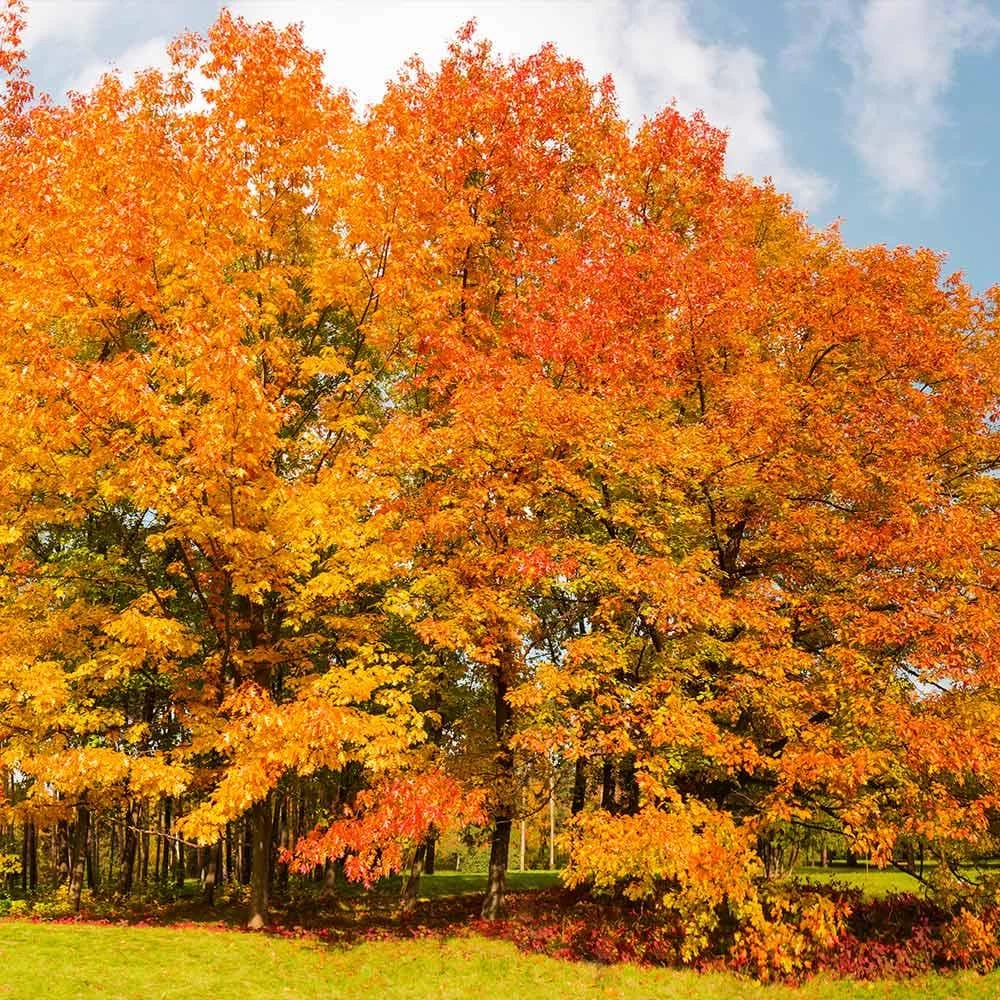
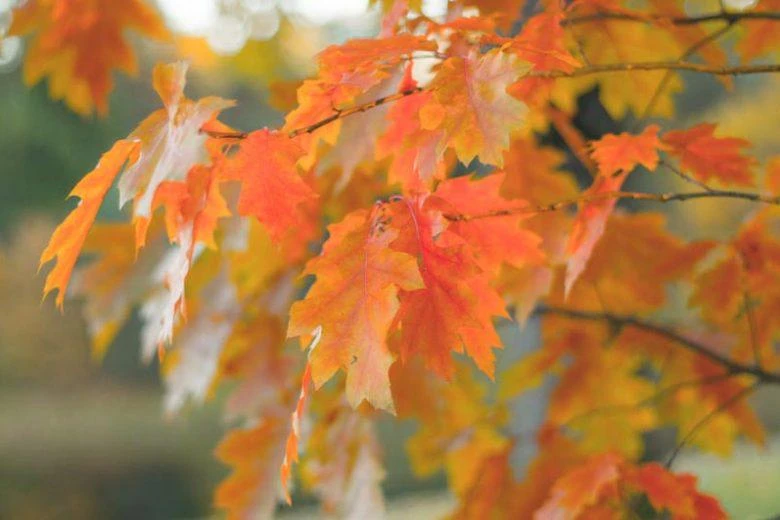
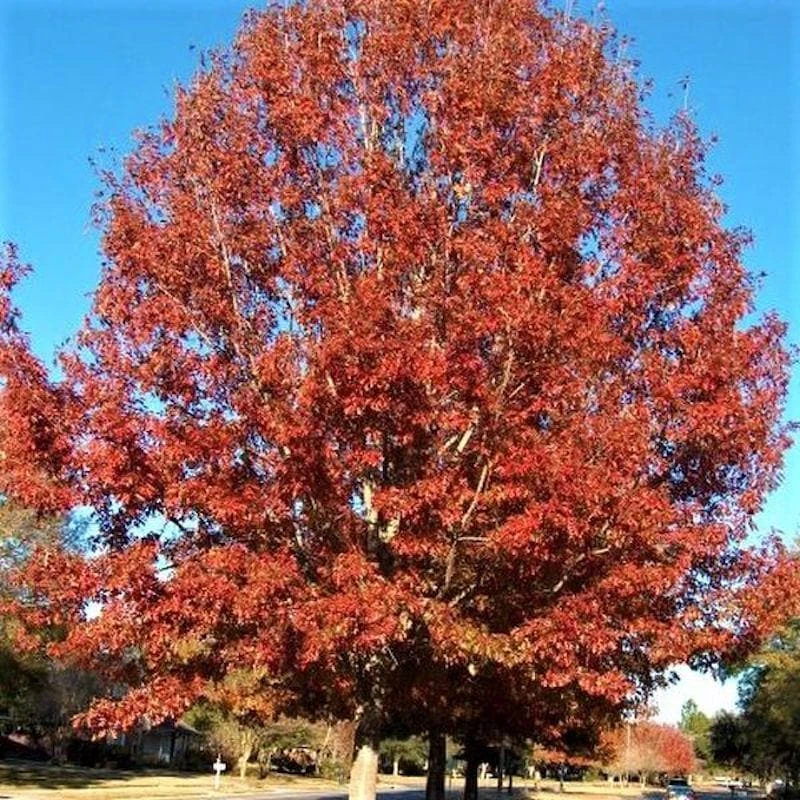
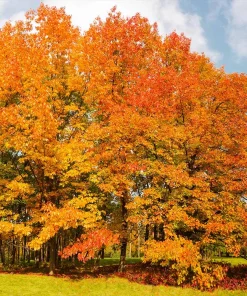
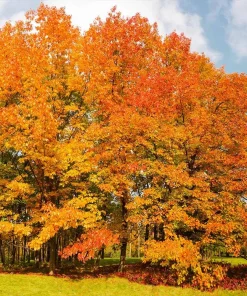
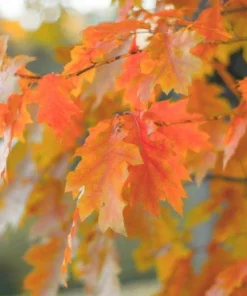
- Stunning Autumn Color: Experience a spectacular display of fall foliage with leaves turning vibrant shades of red and reddish-brown, adding dramatic visual interest to your garden or property.
- Rapid Growth Rate: Unlike many oak varieties, the Quercus rubra is a fast-growing deciduous tree, allowing you to establish a mature tree much quicker, providing benefits sooner.
- Wildlife Habitat and Food Source: The acorns produced by the Quercus rubra plant are a crucial food source for a wide array of wildlife, including deer, squirrels, and various bird species, enhancing biodiversity in your area.
- Long-Lived and Durable: Northern Red Oaks are known for their longevity and resilience, capable of thriving for centuries with proper care, becoming a lasting legacy for generations.
- Valuable Timber: Beyond its ornamental qualities, the Northern Red Oak is highly valued for its strong, durable timber, used in furniture, flooring, and construction.
- Low Maintenance Once Established: After its initial establishment period, this tree is relatively low maintenance, tolerating a range of soil conditions and requiring minimal intervention.
Plant Care & Growing Tips
Caring for your Northern Red Oak tree involves understanding its fundamental needs to ensure healthy growth and establishment. As a bare root plant, initial care is crucial for successful transplantation. Upon arrival, soak the bare roots in water for a few hours before planting. Dig a hole wide enough to accommodate the roots spread out, and deep enough so that the root collar (where the roots meet the stem) is at ground level. Backfill with native soil, gently tamping to remove air pockets, and water thoroughly.
The Quercus rubra thrives in full sun, meaning it requires at least 6 hours of direct sunlight per day. While it can tolerate partial shade, optimal growth and fall color are achieved in sunnier locations. It prefers well-draining, acidic to neutral soil, but is adaptable to a variety of soil types, including sandy, loamy, and clay soils, as long as drainage is adequate. Regular watering is essential during the first few years to help the young bare root oak tree establish a strong root system. Once established, it becomes more drought-tolerant, though supplemental watering during prolonged dry spells will be beneficial.
This species is hardy in USDA Zones 3-8, making it suitable for a broad range of climates across the United States. Fertilization is generally not necessary for established trees in good soil, but a balanced, slow-release fertilizer can be applied in spring for young trees to encourage vigorous growth. Protect young trees from pests and diseases with regular inspection and appropriate treatments if issues arise. Proper pruning to remove dead or diseased branches, typically in late winter or early spring, will help maintain the tree’s health and structure. Understanding red oak tree care is key to a thriving specimen.
Size & Details
This offering is for one Northern Red Oak tree (Quercus rubra) presented as a bare root starter plant. The plant will arrive approximately 12-24 inches tall, measured from the root collar to the tip of the highest stem. Shipping as a bare root specimen means the plant will not have soil around its roots, which minimizes shipping weight and stress, allowing for easier transplanting. While the initial size is modest, the Northern Red Oak tree is known for its fast growth rate, typically adding 1-2 feet per year once established. Mature trees can reach impressive heights of 60-80 feet with a similar spread, forming a majestic, broad canopy.
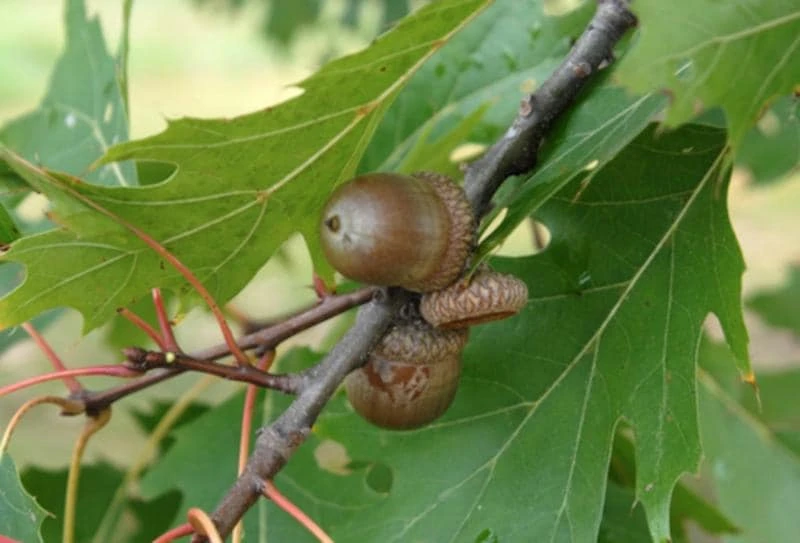
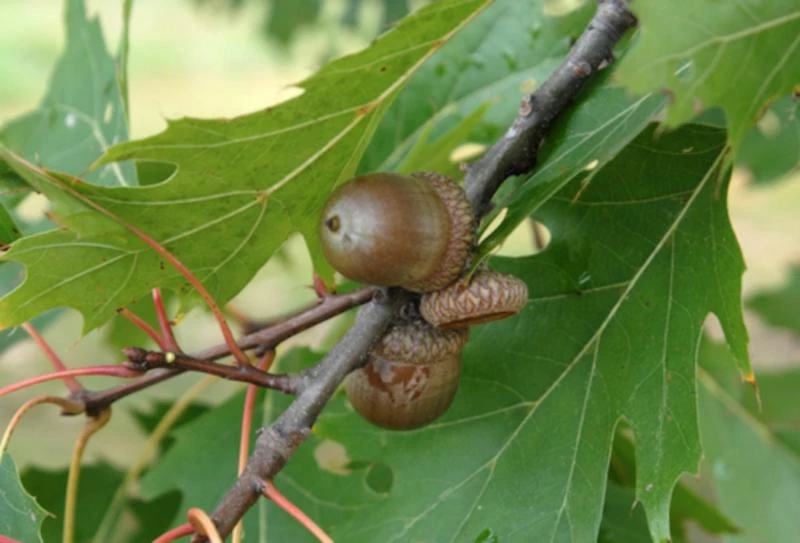
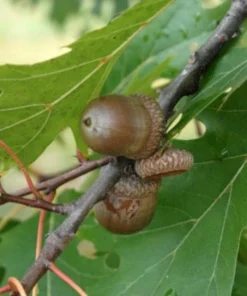
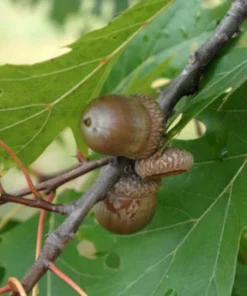
The acorns produced by this tree are round, measuring about ¾ to 1 inch long, with a relatively flat, saucer-like cap covering approximately one-quarter of the nut. These acorns are a key identifying feature and a valuable food source for wildlife. Expect the tree to begin producing acorns once it reaches maturity, typically around 20-30 years of age. Its potential for significant growth makes it an ideal choice for those looking to add a substantial, long-term feature to their landscape. Ensure you provide ample space for its future growth when selecting a planting location for your Quercus rubra plant.
Frequently Asked Questions
- Q: How big does this Northern Red Oak tree get? A: A mature Northern Red Oak tree typically grows to be 60-80 feet tall with a similar spread. Its size makes it an excellent choice for large properties seeking significant shade and a grand presence.
- Q: Is this an indoor or outdoor plant? A: The Northern Red Oak tree is an outdoor plant. It requires plenty of space and full sun exposure to thrive and grow to its full potential as a large shade tree.
- Q: How much sunlight does a Quercus rubra plant need? A: This tree requires full sun, meaning at least 6 hours of direct sunlight per day, for optimal growth, health, and vibrant fall color. It can tolerate partial shade but will not grow as vigorously.
- Q: Is this plant easy to care for? A: Once established, the Northern Red Oak tree is relatively low maintenance. The initial establishment period for a bare root plant requires consistent watering and attention, but mature trees are quite resilient.
- Q: What condition will the bare root oak tree arrive in? A: Your bare root oak tree will arrive with its roots carefully packaged without soil. This method helps reduce transplant shock and allows for easier handling upon arrival.
- Q: When is the best time to plant a Northern Red Oak tree? A: The best time to plant a bare root Northern Red Oak is in early spring, after the last frost, or in the fall after the leaves have dropped, allowing the tree to establish its root system before extreme weather.
- Q: What USDA Hardiness Zones is the Quercus rubra plant suitable for? A: The Northern Red Oak is hardy in USDA Zones 3-8, making it adaptable to a wide range of temperate climates across North America.
- Q: What kind of soil does this tree prefer? A: It prefers well-draining, acidic to neutral soil, but is adaptable to various soil types including sandy, loamy, and clay, as long as good drainage is provided.
- Q: How fast does the Northern Red Oak tree grow? A: This is considered a fast-growing oak, typically adding 1-2 feet in height per year under ideal growing conditions once established.
- Q: Will this tree attract wildlife to my yard? A: Yes, the acorns produced by the Northern Red Oak tree are a valuable food source for many wildlife species, including squirrels, deer, and various birds, enhancing biodiversity.
Be the first to review “Northern Red Oak Tree – Quercus rubra Live Bare Root Plant – 12-24″ Tall”
People Also Viewed

Flower Plants
Trailing Lavender Lantana Live Plants (2-Pack) – Purple Weeping Montevidensis, 5-9″ Tall
Reviews
There are no reviews yet.