
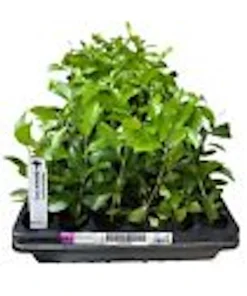
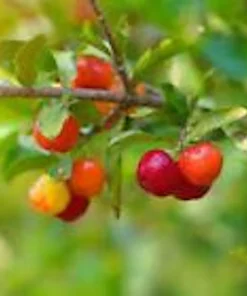
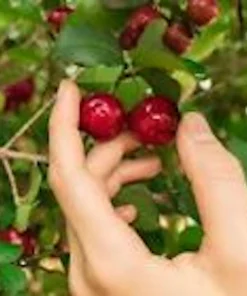
Barbados Cherry Tree Live Plant – Malpighia Emarginata Fruit Tree Starter
Original price was: $69.99.$44.99Current price is: $44.99.
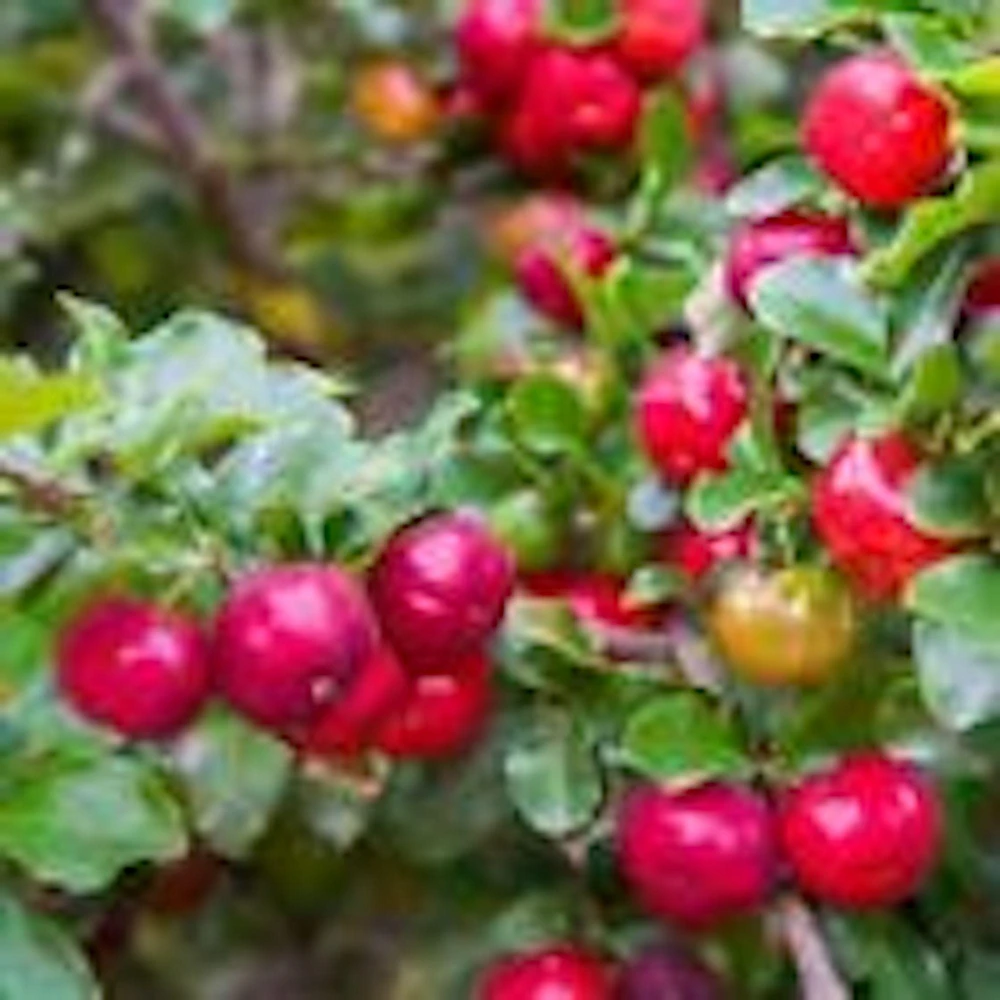
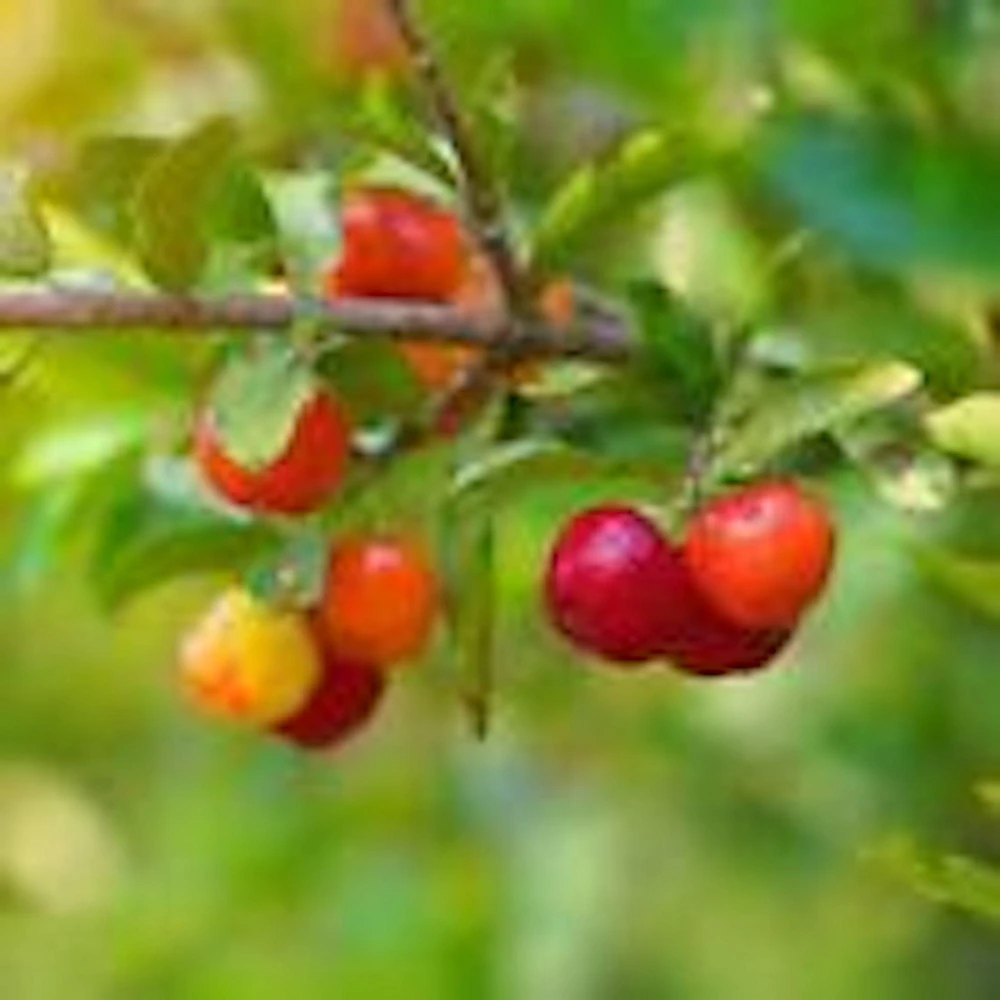
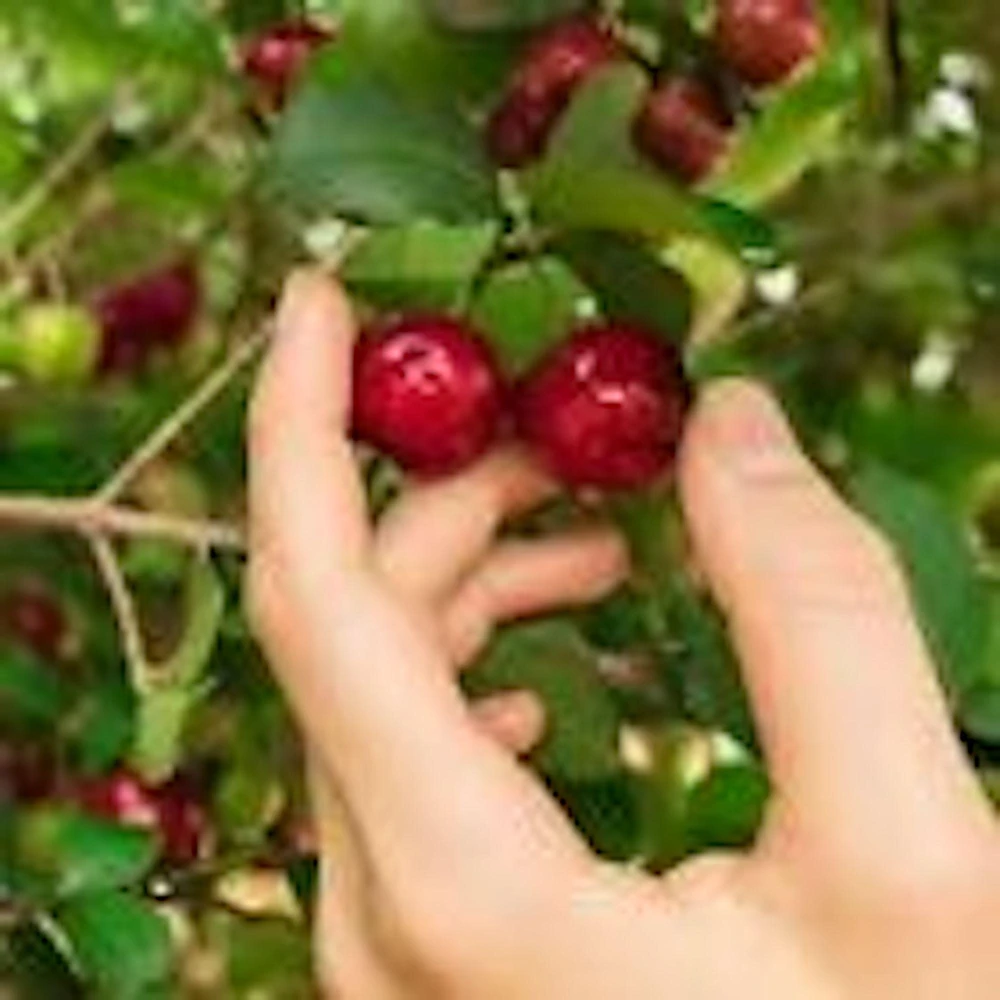
Cultivate your own delicious fruit with this Barbados Cherry Tree live plant. Also known as Malpighia Emarginata fruit or Acerola cherry, this fast-growing tropical tree produces vibrant pink flowers and vitamin-rich fruit. Ideal for backyard orchards and warm climates.
Estimated arrival
Sep 29
Oct 04 - Oct 06
Oct 09 - Oct 13
Shop With Confidence
30-Day Plant Health Guarantee
Arrives damaged? We’ll replace it free — see our return policy.
Responsive Support
Email us anytime, we reply within 1 business day.
Expert Packaging
Temperature-controlled shipping to protect your plants in transit.
Secure Checkout
Pay safely with Visa, Mastercard, PayPal.
Plant Specifications
-
USDA Hardiness Zone
USDA zones 9-11 -
Soil Type
Well-draining, fertile soil -
Sunlight Exposure
Full sun -
Expected Planting Period
Spring to early summer
Overview
Bring the tropics to your home garden with a vibrant Barbados Cherry Tree live plant. Known botanically as Malpighia Emarginata, and often referred to as the Acerola cherry plant, this delightful species is a must-have for fruit enthusiasts and tropical plant collectors. Originating from the West Indies, this small, attractive, and fast-growing tree is celebrated for its delicious, vitamin C-rich fruit and ornamental appeal. It makes a fine addition to any backyard fruit orchard, especially in warmer climates, providing both beauty and bounty. Our starter plant offers a convenient way to begin growing your own fresh, homegrown cherries.
The Barbados Cherry Tree live plant is a versatile specimen, capable of reaching up to 12 feet in height if left untrimmed, but can also be easily maintained as a shrub. Its dense, evergreen foliage provides year-round visual interest, while its prolific flowering and fruiting cycles ensure a continuous harvest of sweet and tart cherries. This plant is not only a source of nutritious fruit but also an attractive landscape feature, offering bright pink flowers that add a splash of color to your garden.
Whether you’re an experienced gardener or just starting, learning to grow Barbados cherry is a rewarding experience. This resilient tropical fruit tree adapts well to various conditions within its preferred climate zones, making it a popular choice for home growers looking for both an edible and an ornamental plant. With proper care, your Barbados Cherry Tree will thrive and provide you with an abundance of healthful fruit for many years.
Key Benefits
The Barbados Cherry Tree live plant offers a multitude of benefits, making it an excellent choice for any garden. From its nutritional value to its aesthetic appeal, this plant is truly a treasure.
- Nutrient-Rich Fruit: The cherries produced by the Malpighia Emarginata fruit are exceptionally high in Vitamin C, often surpassing oranges. Enjoy fresh, healthy fruit directly from your garden, packed with antioxidants and essential nutrients that support overall well-being.
- Attractive Ornamental Plant: With its small, thick, bright green evergreen leaves and vibrant pink, five-petaled flowers, this tree adds significant aesthetic value to any landscape. The continuous blooming from spring to fall, and sometimes year-round in warm climates, ensures a consistent display of beauty.
- Fast-Growing & Versatile: This tree is known for its rapid growth, quickly establishing itself in your garden. It can be grown as a small tree or a bushy shrub, allowing you to prune it to fit your specific garden design and space requirements.
- Prolific Fruiting: The Acerola cherry plant yields fruit mainly from May to November, with some cherries appearing throughout the winter. This extended fruiting period means you’ll have a steady supply of fresh cherries for an extended part of the year.
- Suitable for Warm Climates: As a true tropical fruit tree, it thrives in warm, humid conditions, making it an ideal candidate for gardeners in USDA zones where frost is not a major concern. It’s a perfect choice for creating a mini-orchard in South Florida and similar regions.
- Easy to Maintain: While it is important to understand how to grow Barbados cherry, the plant itself is relatively low-maintenance once established. It tolerates various soil types and is generally robust against common pests and diseases, making it suitable for gardeners of all experience levels.
Plant Care & Growing Tips
Caring for your Barbados Cherry Tree live plant is straightforward, especially when you understand its basic needs. This tropical beauty thrives with consistent attention, leading to abundant fruit production and lush growth. To successfully grow Barbados cherry, consider the following environmental factors and care routines.
Sunlight Requirements: The Malpighia Emarginata fruit tree flourishes in full sun, meaning it needs at least 6-8 hours of direct sunlight per day to produce the most fruit. While it can tolerate partial shade, fruit production may be reduced. For best results, choose a location in your garden that receives ample morning and afternoon sun. If growing in a container, ensure it’s placed in a bright, sunny spot, and rotate it occasionally to ensure even growth.
Watering Schedule and Soil Moisture: This tropical fruit tree prefers consistently moist soil, but it is crucial to avoid waterlogging. Water thoroughly when the top inch of soil feels dry to the touch. During warmer months or active growth periods, it may require more frequent watering. In cooler months, reduce watering frequency. Good drainage is paramount to prevent root rot. The plant can be quite responsive to rainfall or irrigation, often blooming shortly after a good watering.
Soil Type and Drainage: The Barbados Cherry Tree is not overly particular about soil type but performs best in well-draining, fertile soil. A slightly acidic to neutral pH (6.0-7.0) is ideal. Amending heavy clay soils with organic matter like compost or sand can improve drainage and aeration. For potted plants, use a high-quality potting mix designed for fruit trees or general purpose with added perlite or sand for drainage. The brittle branches of some varieties emphasize the need for stable root conditions.
Temperature Range and USDA Hardiness Zone: As a tropical plant, the Barbados Cherry Tree is sensitive to frost. It thrives in warm climates and is best suited for USDA Hardiness Zones 9-11. In areas with occasional light frost, it may survive but could experience some dieback. In colder zones, it can be grown in containers and brought indoors during winter or treated as an annual. It generally prefers temperatures above 60°F (15°C).
Fertilization Schedule and Type: Fertilize your Acerola cherry plant with a balanced, slow-release fertilizer during its active growing season, typically from spring through fall. A fertilizer rich in phosphorus can encourage flowering and fruiting. Follow the product instructions for application rates. Avoid over-fertilizing, which can lead to excessive foliage growth at the expense of fruit production. Organic options like compost tea or well-rotted manure can also provide essential nutrients.
Common Problems and Solutions: The Barbados Cherry is generally robust, but watch out for common garden pests like aphids or scale insects. These can usually be managed with organic insecticidal soaps or neem oil. Ensure good air circulation to prevent fungal issues. Pay attention to the fuzz on the stems and leaves, especially on young trees, as it can be irritating; wear gloves when handling. Consistent watering and proper sunlight will help prevent most stress-related problems and keep your Barbados Cherry Tree live plant healthy and productive.
Size & Details
Our Barbados Cherry Tree live plant is provided as a starter plant, ready to establish itself in your garden or a larger container. This small, attractive, and fast-growing tree typically reaches mature heights of about 12 feet (3.5 meters) when planted in the ground, though it can be kept smaller through regular pruning, maintaining a shrub-like form. Its dense, evergreen leaves contribute to its year-round appeal.
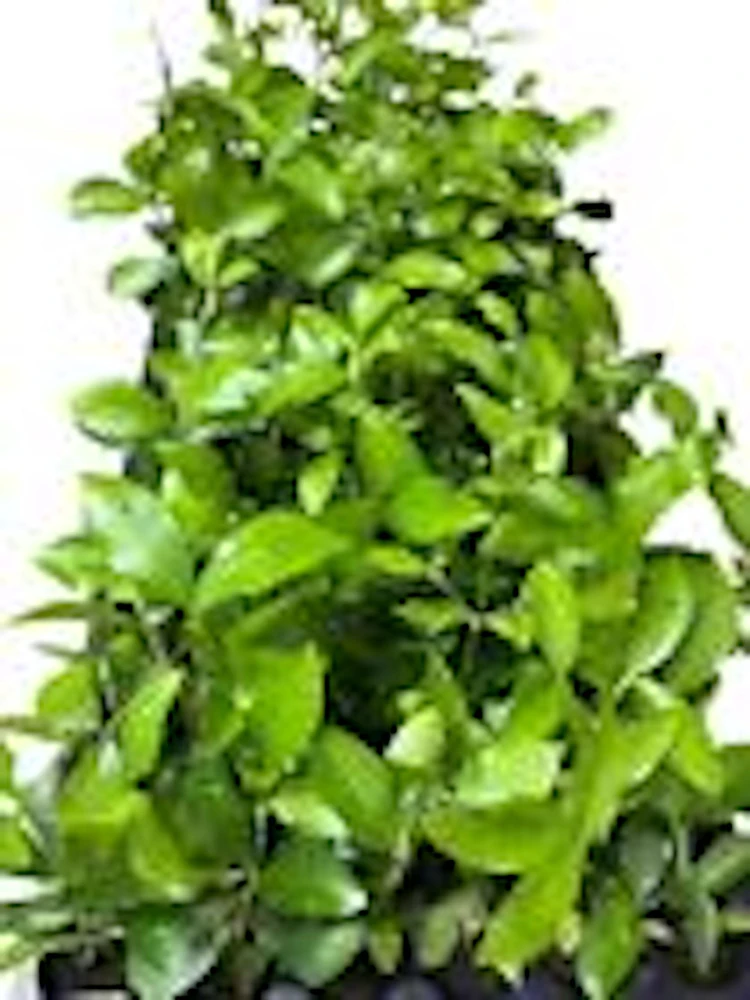
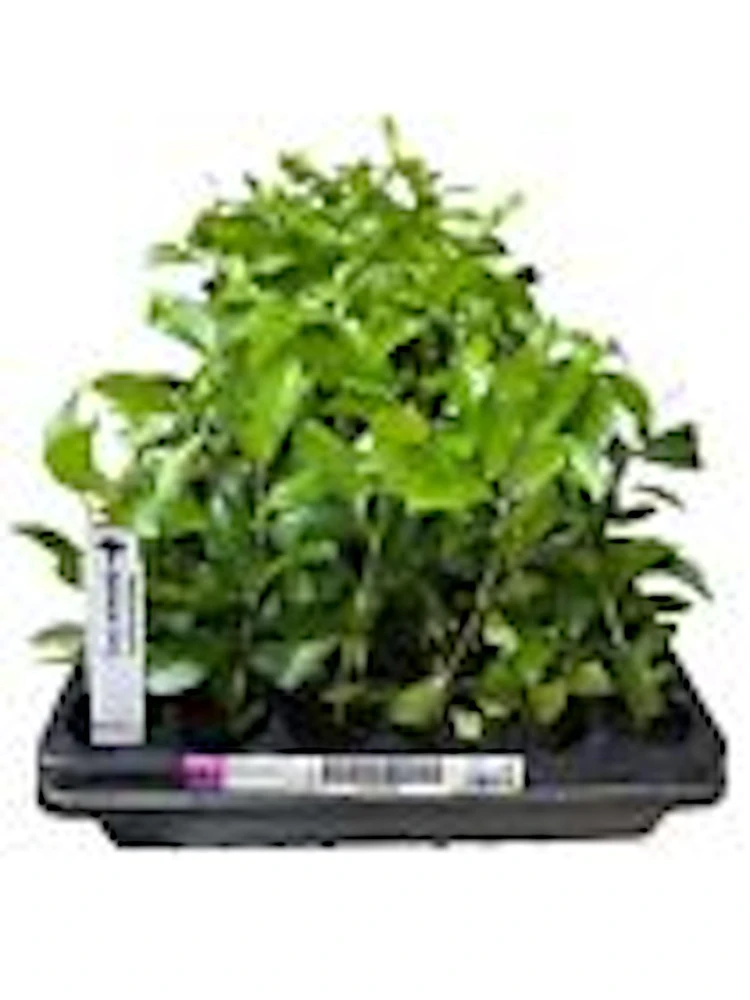
The plant will arrive in a nursery pot, with its root system well-developed and ready for transplanting. While specific dimensions may vary slightly depending on the individual plant’s growth, you can expect a healthy specimen with established foliage. Fruiting generally occurs from May to November, with some cherries appearing throughout the winter, especially in warmer climates. The bright pink flowers mainly bloom from April through October, adding continuous color to your landscape. This tropical fruit tree offers a moderate to fast growth rate, allowing you to enjoy its benefits relatively quickly after planting.
Frequently Asked Questions
- Q: How big does this Barbados Cherry Tree live plant get? A: When mature, the Barbados Cherry Tree can reach heights of about 12 feet (3.5 meters) if left unpruned. However, it is easily kept smaller and can be maintained as a bushy shrub with regular trimming, making it suitable for various garden sizes.
- Q: Is this an indoor or outdoor plant? A: The Malpighia Emarginata fruit tree is a tropical plant best suited for outdoor growing in warm climates (USDA Zones 9-11). In colder regions, it can be grown in a container and brought indoors during the winter months to protect it from frost.
- Q: How much sunlight does the Acerola cherry plant need? A: For optimal growth and fruit production, the Barbados Cherry Tree requires full sun, which means at least 6-8 hours of direct sunlight per day. It can tolerate partial shade, but fruiting may be less abundant.
- Q: Is this plant easy to care for, especially for beginners? A: Yes, once established, the Barbados Cherry Tree live plant is considered relatively easy to care for. It requires consistent watering, well-draining soil, and plenty of sunlight. While some basic knowledge of tropical plant care is helpful, beginners can successfully grow Barbados cherry with attention to these needs.
- Q: What condition will the starter plant arrive in? A: Your tropical fruit tree starter plant will arrive healthy, carefully packaged, and ready for planting. It will be an established live plant in a nursery pot, with a well-developed root system and foliage.
- Q: When is the best time to plant a Barbados Cherry Tree? A: The best time to plant a Barbados Cherry Tree is in the spring or early summer, after the last chance of frost has passed. This allows the plant ample time to establish its root system before cooler weather arrives.
- Q: Will the Malpighia Emarginata fruit tree survive winter in my zone? A: This tree is hardy in USDA Zones 9-11. If you are in a colder zone, it will likely not survive outdoor winters and should be grown in a container and moved indoors to a protected, bright location when temperatures drop.
- Q: How long until the Acerola cherry plant starts producing fruit? A: While growth rates vary, a healthy starter plant can begin producing fruit within 1-2 years after planting, especially with proper care and optimal growing conditions. Fruiting season is typically from May to November.
- Q: Do I need to wear gloves when handling the plant? A: Yes, it is recommended to wear gloves when handling the Barbados Cherry Tree, especially when it is young. The fuzz on the stems and leaves can sometimes cause skin irritation.
- Q: What kind of soil is best for this tropical fruit tree? A: The Barbados Cherry Tree prefers well-draining, fertile soil with a slightly acidic to neutral pH. A good quality potting mix amended with organic matter works well for container planting, while rich, loamy garden soil is ideal for in-ground planting.
Be the first to review “Barbados Cherry Tree Live Plant – Malpighia Emarginata Fruit Tree Starter”
People Also Viewed
Vines
Wisteria Plant Live – Hardy Climbing Shrub, Fragrant Blue to Violet Flowers, 7-14″ Tall in 2.5″ Pot
Reviews
There are no reviews yet.