
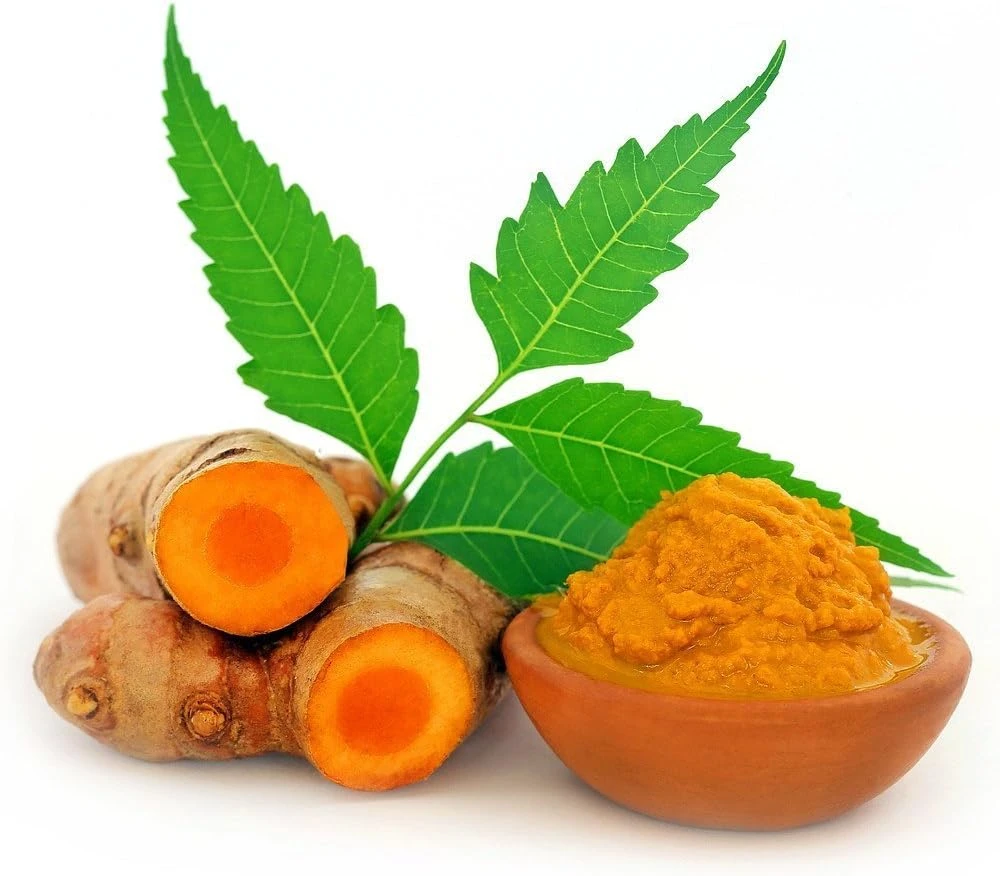
Yellow Turmeric Root Live Plant – Curcuma Longa – 4″ Pot
Original price was: $57.99.$47.99Current price is: $47.99.
Cultivate your own yellow turmeric root plant (Curcuma Longa) with this healthy 4″ potted specimen. Perfect for fresh culinary use or as a unique ornamental, this plant thrives in warm climates and brings vibrant color and flavor to your home or garden.
Estimated arrival
Sep 29
Oct 04 - Oct 06
Oct 09 - Oct 13
Shop With Confidence
30-Day Plant Health Guarantee
Arrives damaged? We’ll replace it free — see our return policy.
Responsive Support
Email us anytime, we reply within 1 business day.
Expert Packaging
Temperature-controlled shipping to protect your plants in transit.
Secure Checkout
Pay safely with Visa, Mastercard, PayPal.
Plant Specifications
-
USDA Hardiness Zone
7-10 -
Soil Type
Rich, well-draining soil -
Sunlight Exposure
Bright, indirect light -
Expected Planting Period
Year-round indoors; spring to early summer outdoors
Overview
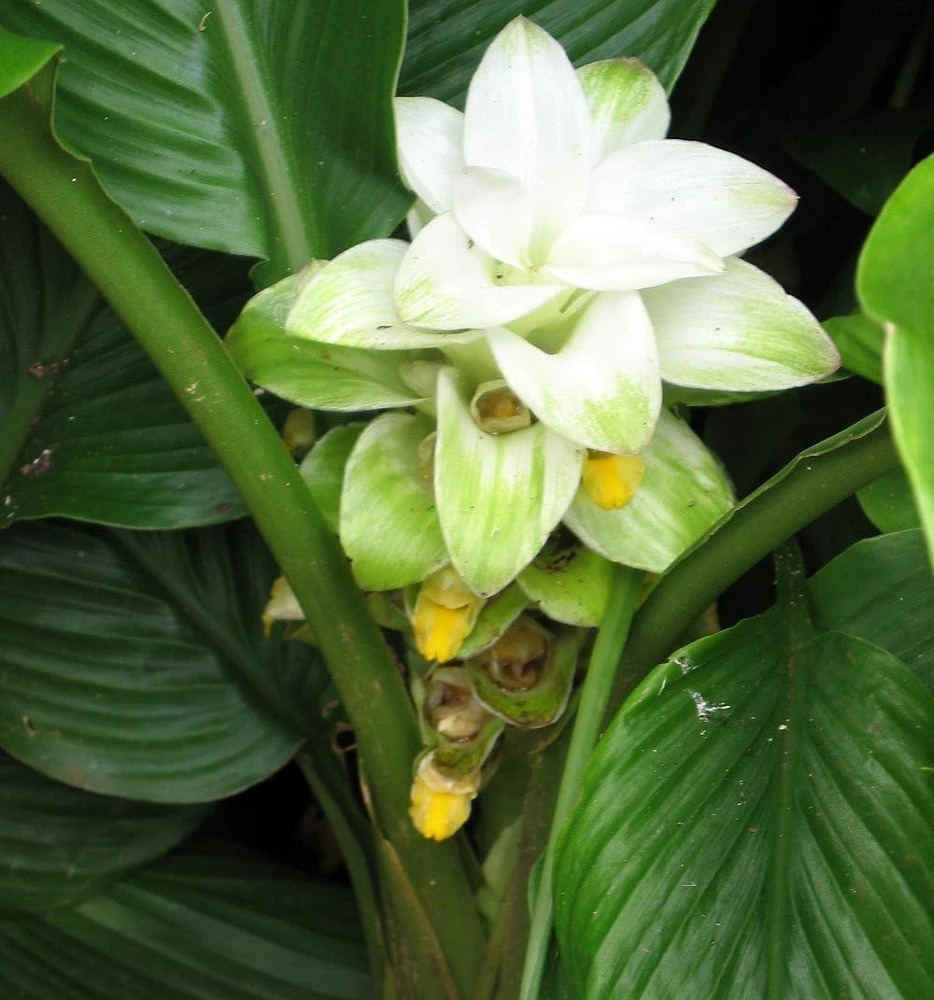
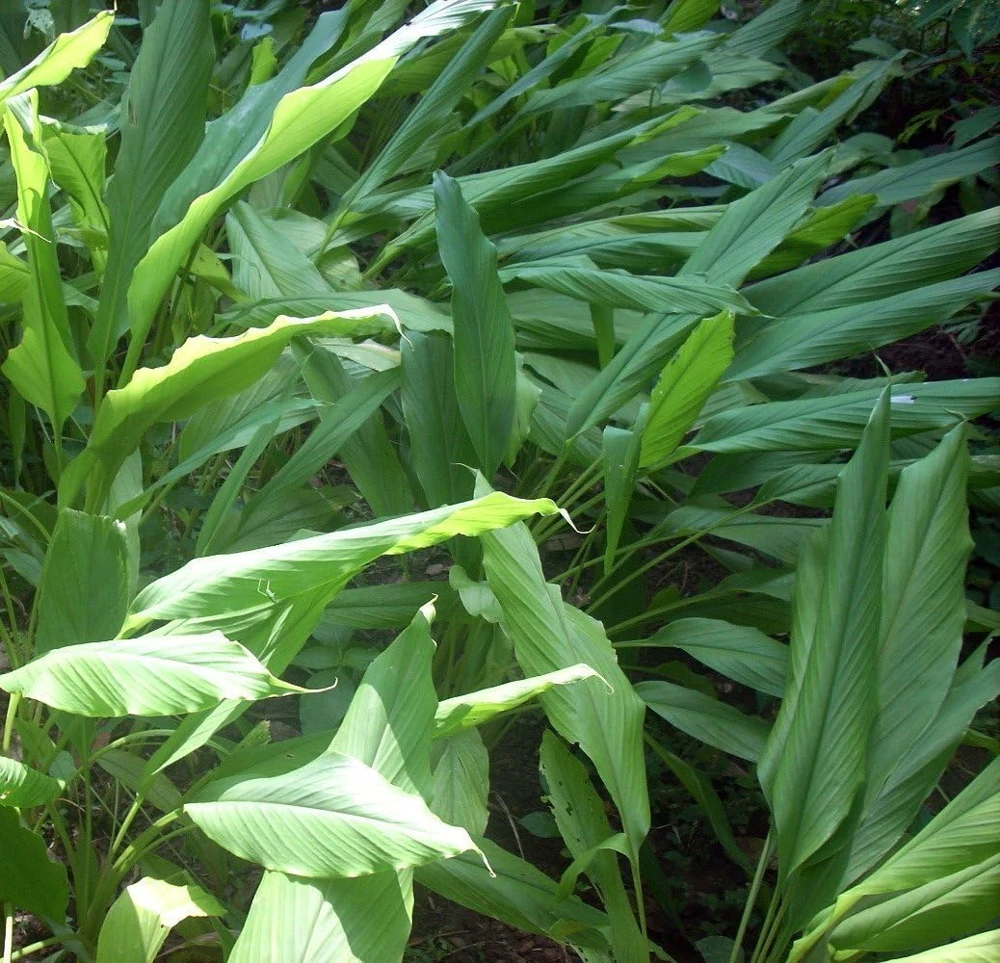
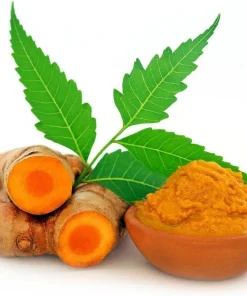
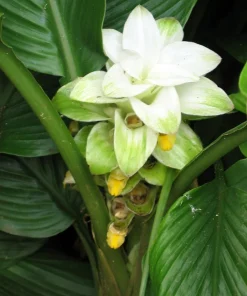
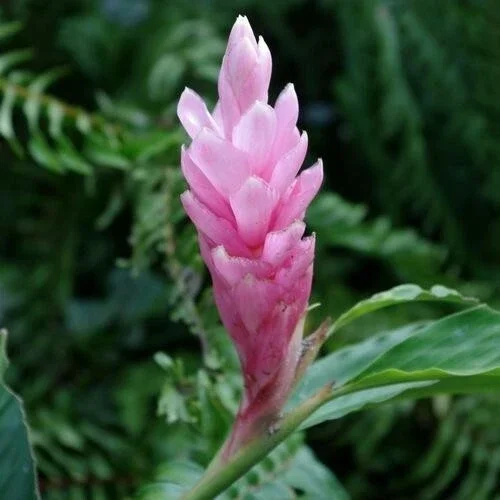
Bring the exotic beauty and health benefits of the yellow turmeric root plant into your home or garden. This vibrant and versatile plant, scientifically known as Curcuma Longa, is provided in a healthy 4-inch pot, ready to thrive. For centuries, Curcuma Longa has been cherished not only for its distinctive flavor in culinary dishes but also for its profound medicinal properties. Originating from Southeast Asia, this tropical perennial is a fascinating addition for both experienced gardeners and those new to growing herbs. Its slightly hidden flowers resemble unique psychedelic pinecones, adding an intriguing visual element before the prized rhizomes develop beneath the soil. This particular variety is cultivated for its bright yellow roots, which are the source of the popular spice and superfood.
The yellow turmeric root plant is more than just a spice producer; it’s a living piece of history, cultivated for over 4000 years. Its lush green foliage makes it an attractive ornamental plant, whether grown indoors or as part of an outdoor garden in suitable climates. Our live plant ensures you get a head start on growing your own fresh turmeric, providing a sustainable source of this incredible root. Discover the joy of harvesting your own turmeric, knowing exactly where it comes from and how it’s been grown. This is an excellent opportunity to start growing turmeric at home, bringing a touch of the tropics and a wealth of wellness to your life.
Key Benefits
The yellow turmeric root plant offers a multitude of benefits, from enhancing your culinary creations to providing potential health advantages and adding a unique aesthetic to your space. Here are some compelling reasons to grow your own:
-
Fresh Culinary Ingredient: Enjoy the unparalleled flavor of freshly harvested turmeric root. Unlike dried or powdered forms, fresh turmeric offers a more potent and vibrant taste, perfect for curries, smoothies, teas, and various other dishes. Having a yellow turmeric root plant means a continuous supply.
-
Potential Health Properties: Turmeric is renowned for its active compound, curcumin, which is studied for its antioxidant and anti-inflammatory properties. Growing your own ensures you have access to this powerful root, supporting your wellness journey.
-
Unique Ornamental Appeal: Beyond its practical uses, the Curcuma Longa plant boasts attractive, broad green leaves and distinctive flower spikes that resemble pinecones. It adds a tropical touch to any indoor space or outdoor garden, making it a conversation starter.
-
Easy to Grow: While it enjoys warmth, the yellow turmeric root plant is relatively low-maintenance once established. It’s a rewarding plant for gardeners of all skill levels, providing a satisfying harvest with minimal fuss.
-
Sustainable Source: Cultivating your own turmeric reduces reliance on store-bought options, which may have traveled long distances. This sustainable approach allows you to enjoy organic, chemical-free turmeric right from your garden.
-
Educational Experience: It’s a fantastic educational tool for children and adults alike, demonstrating the process of growing a valuable spice from a live plant. Learning about curcuma longa care fosters a deeper connection to nature and food sources.
-
Air Purification: Like many houseplants, the lush foliage of the yellow turmeric root plant can contribute to improving indoor air quality, making your living space healthier and more pleasant.
Plant Care & Growing Tips
Caring for your yellow turmeric root plant, or Curcuma Longa, is straightforward, especially when provided with the right conditions that mimic its tropical origins. This plant thrives in warm, humid environments and requires consistent attention to light, water, and soil. For those interested in growing turmeric at home, understanding these basics will ensure a bountiful harvest.
Sunlight Requirements: Turmeric prefers bright, indirect light. If growing outdoors, choose a spot that receives morning sun and afternoon shade, especially in hotter climates, to prevent leaf scorch. Indoors, place it near a window where it can receive several hours of bright, filtered light. Too much direct, intense sun can burn the leaves, while too little light can hinder rhizome development. A good indicator of sufficient light is healthy, vibrant green foliage. For optimal growth, provide at least 6-8 hours of bright light daily.
Watering Schedule and Soil Moisture: Consistent moisture is key for the yellow turmeric root plant. The soil should remain consistently damp but never waterlogged, as this can lead to root rot. Water thoroughly when the top inch of soil feels dry to the touch. During warmer months or in drier climates, you may need to water more frequently. Reduce watering in cooler months or during the plant’s dormant period. Ensure good drainage to prevent water accumulation at the roots. If you are learning about curcuma longa care, remember that proper watering is paramount.
Soil Type and Drainage: Turmeric prefers rich, well-draining soil. A mix of potting soil, compost, and sand or perlite works well to provide both nutrients and adequate drainage. The ideal pH for turmeric is between 6.0 and 7.0. Good drainage is crucial to prevent the rhizomes from rotting. If planting in containers, ensure they have drainage holes. For garden beds, amend heavy clay soils with organic matter to improve aeration and drainage, which is vital for the health of your yellow turmeric root plant.
Temperature Range and USDA Hardiness Zone: Being a tropical plant, turmeric loves warmth. It thrives in temperatures between 68°F (20°C) and 95°F (35°C). It is hardy in USDA zones 7-10, meaning it can survive mild winters outdoors in these regions. In colder zones, it should be grown as an annual or brought indoors before the first frost. Protect it from temperatures below 50°F (10°C), as prolonged exposure to cold can damage the plant and hinder rhizome production. Understanding the appropriate zone helps you successfully buy turmeric live plant and care for it.
Fertilization Schedule and Type: Feed your yellow turmeric root plant with a balanced liquid fertilizer every 2-4 weeks during its active growing season (spring through fall). A fertilizer rich in potassium can promote larger rhizome development. Reduce or stop fertilization during the dormant period in winter. Organic options like compost tea or fish emulsion can also be beneficial. Remember that healthy soil is the foundation for a productive turmeric plant.
Common Problems and Solutions: Overwatering is the most common issue, leading to root rot. Ensure proper drainage and allow the topsoil to dry slightly between waterings. Pests like spider mites or aphids can occasionally be a problem; treat with insecticidal soap or neem oil. Yellowing leaves can indicate either overwatering, nutrient deficiency, or too much direct sun. Adjust your care routine accordingly to maintain a healthy yellow turmeric root plant.
Size & Details
This yellow turmeric root plant is delivered as a healthy, established live plant in a 4″ pot, ensuring a strong start for your cultivation efforts. At the time of shipping, the plant typically stands approximately 6-10 inches tall from the base of the pot, with lush green foliage. Turmeric is a moderately fast grower under ideal conditions, reaching a mature height of about 2-3 feet tall and spreading 1-2 feet wide. The rhizomes, which are the prized part of the plant, develop beneath the soil, typically maturing within 8-10 months from planting. You can expect to harvest your first roots approximately 9-10 months after receiving your plant, with the plant potentially going dormant in cooler months before regrowing from the rhizomes in spring. This offering makes it easy to buy turmeric live plant and begin your home growing journey.
Frequently Asked Questions
-
Q: How big does this plant get? A: Your yellow turmeric root plant will typically grow to be about 2-3 feet tall and 1-2 feet wide at maturity. The roots, or rhizomes, develop underground and can be harvested once mature, usually after 8-10 months of growth.
-
Q: What size pot does it come in? A: The yellow turmeric root plant is shipped in a sturdy 4-inch nursery pot. This size is perfect for immediate placement or transplanting into a larger container or garden bed.
-
Q: Is this an indoor or outdoor plant? A: It can be both! The yellow turmeric root plant thrives outdoors in USDA zones 7-10. In colder climates, it’s best grown in a container and brought indoors during winter, or grown as an annual. It makes an excellent houseplant with bright, indirect light.
-
Q: How much sunlight does it need? A: This plant prefers bright, indirect sunlight for at least 6-8 hours daily. If grown outdoors, morning sun with afternoon shade is ideal. Indoors, place it near a window with filtered light to prevent leaf burn.
-
Q: Is this plant easy to care for? A: Yes, curcuma longa care is relatively easy. It requires consistent moisture, warmth, and bright, indirect light. With proper attention to these factors, it’s a rewarding plant for beginners and experienced gardeners alike.
-
Q: What condition will it arrive in? A: Your yellow turmeric root plant will arrive as a healthy, live plant in its 4-inch nursery pot, carefully packaged to ensure it reaches you in excellent condition, ready for planting or continued growth.
-
Q: Can I use the turmeric for cooking? A: Absolutely! The primary purpose of growing turmeric at home is to harvest the fresh rhizomes for culinary use. They can be grated, sliced, or juiced to add flavor and color to a wide variety of dishes.
-
Q: How long until I can harvest the roots? A: You can typically expect to harvest the turmeric rhizomes approximately 8-10 months after planting. The foliage will often begin to yellow and die back, signaling that the roots are mature and ready for harvest.
-
Q: Will it survive winter in my zone? A: The yellow turmeric root plant is hardy in USDA zones 7-10. In these zones, it may survive winter outdoors. In colder zones, you’ll need to bring it indoors or treat it as an annual, replanting from saved rhizomes each spring.
-
Q: What are the main benefits of growing my own turmeric? A: The main benefits include access to fresh, potent turmeric for culinary and potential health uses, the joy of gardening, and having a beautiful ornamental plant. It’s a great way to enjoy turmeric plant benefits directly from your garden.
Be the first to review “Yellow Turmeric Root Live Plant – Curcuma Longa – 4″ Pot”
People Also Viewed
Flower Seeds
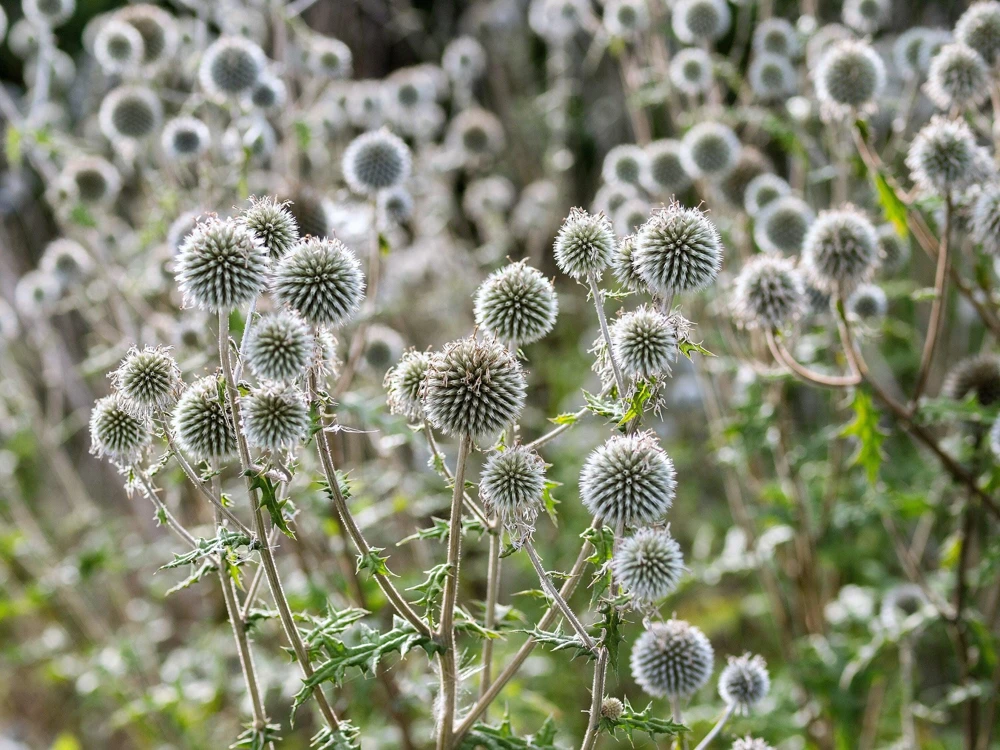
Giant Globe Thistle Seeds – Echinops Sphaerocephalus – Silvery White Flowers – 20 Seeds
Reviews
There are no reviews yet.