
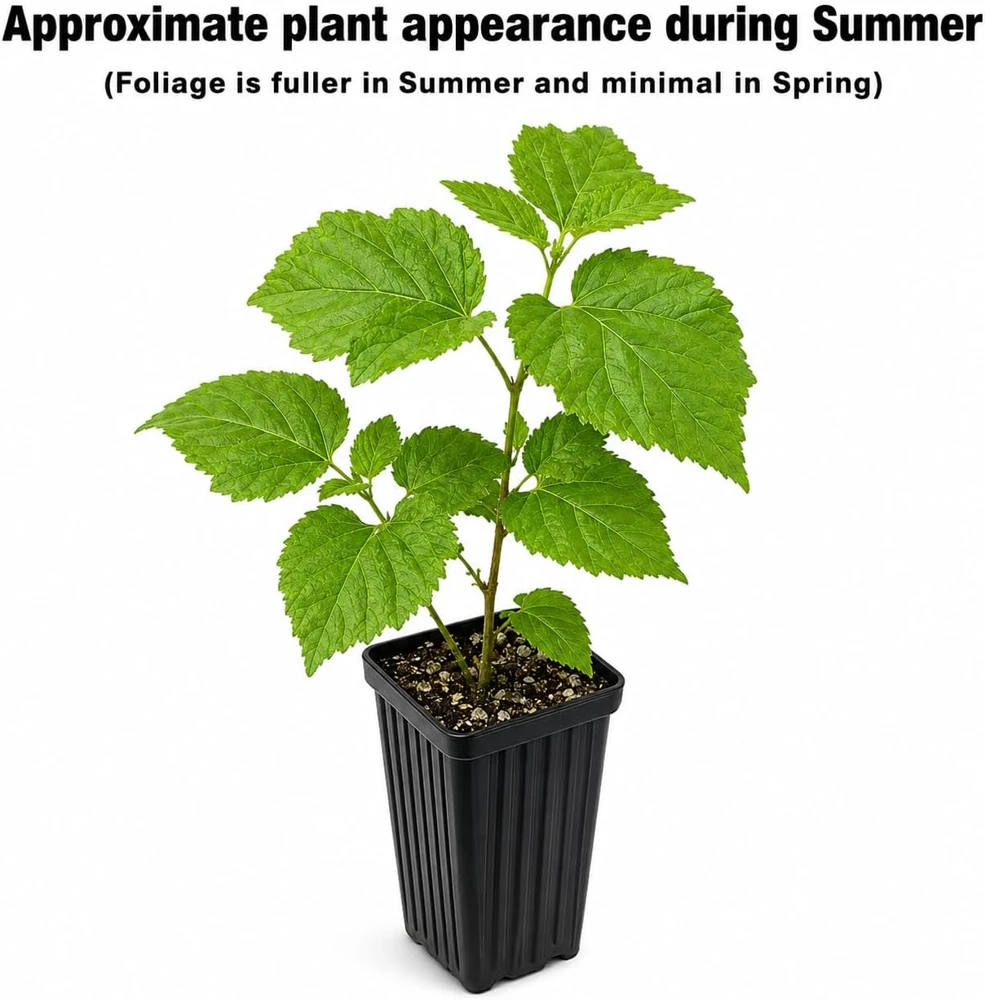
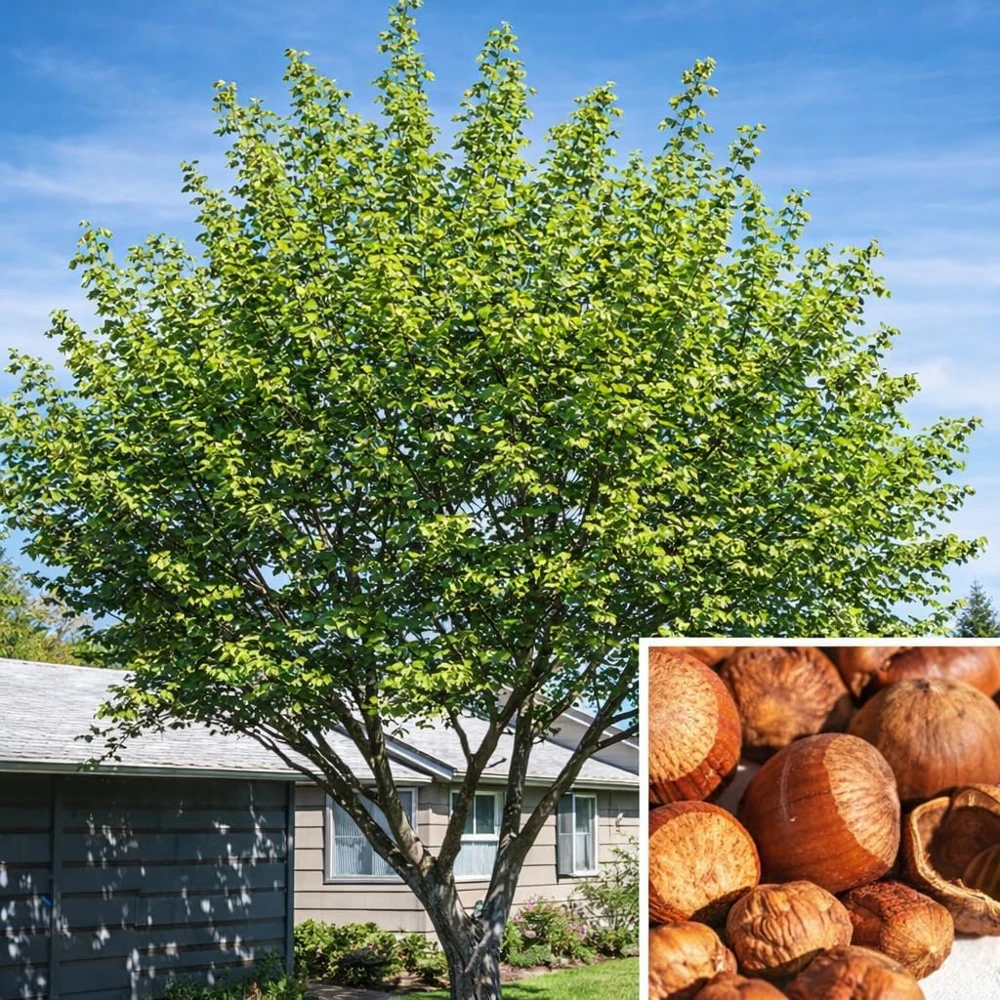
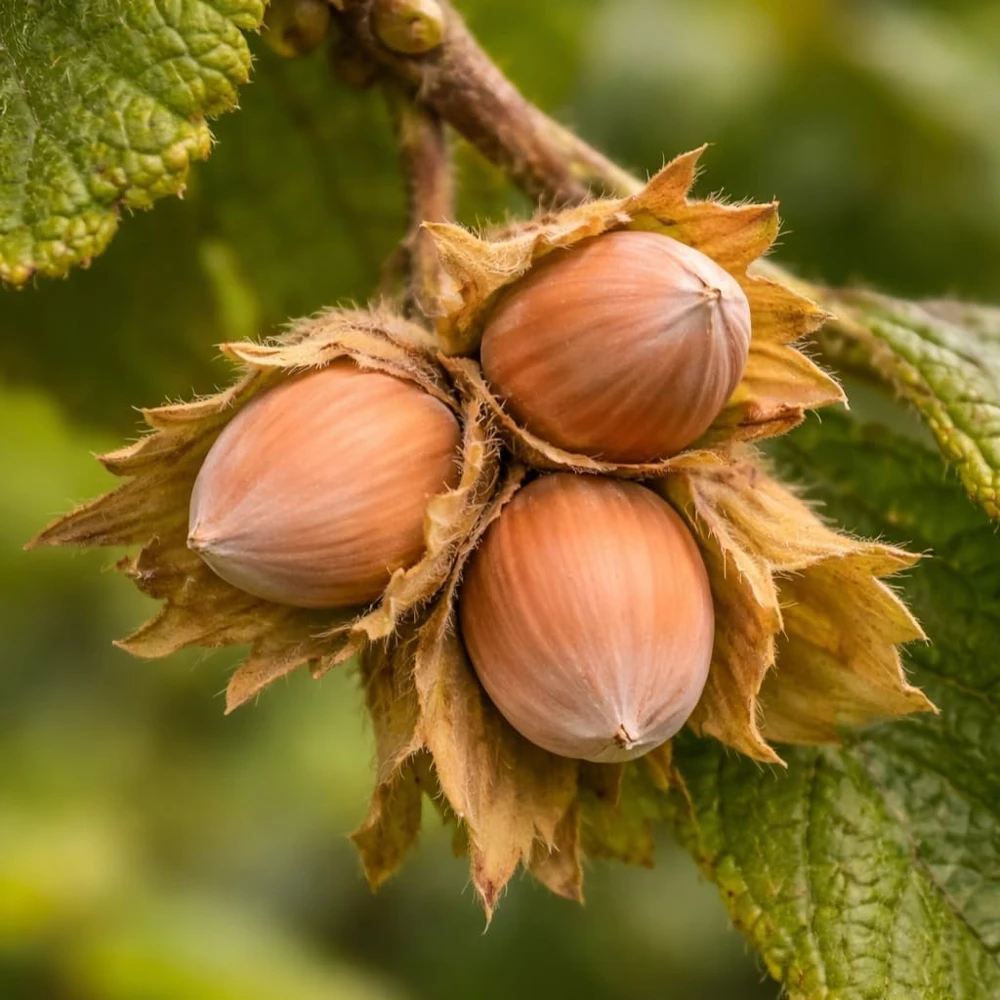
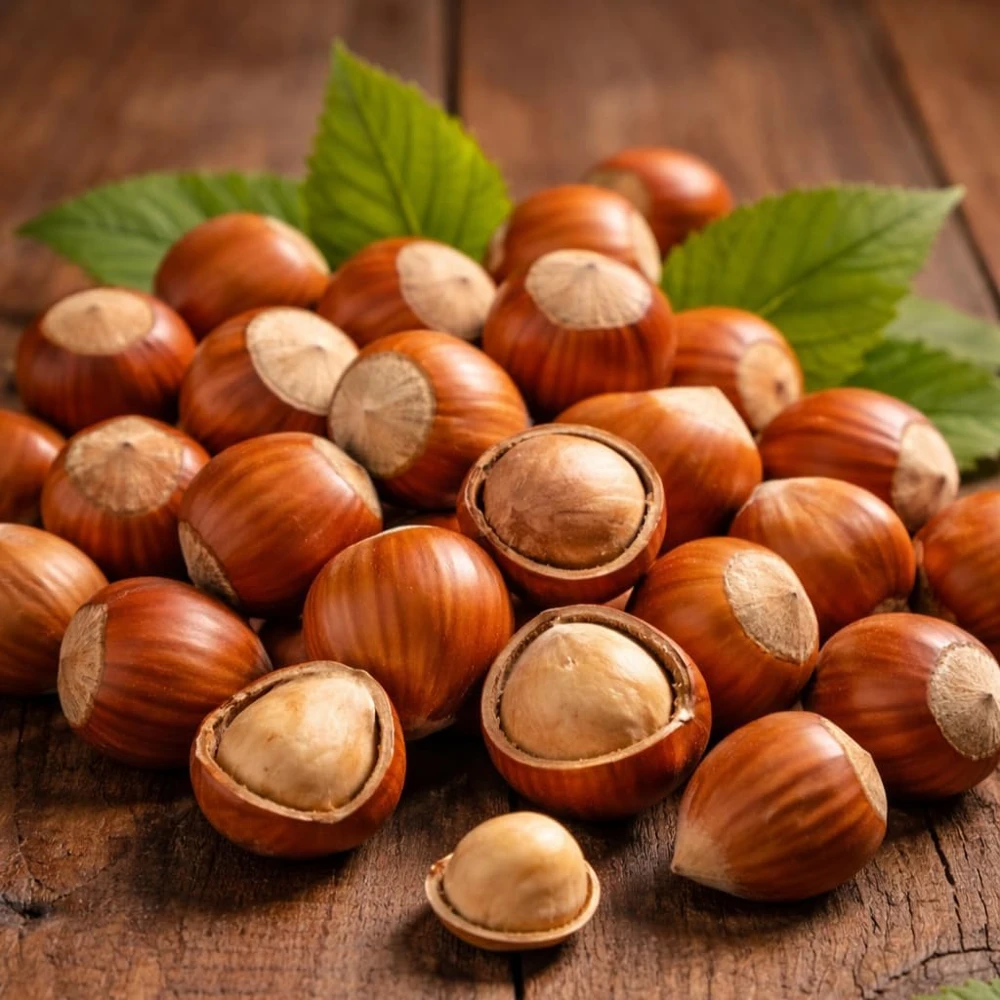
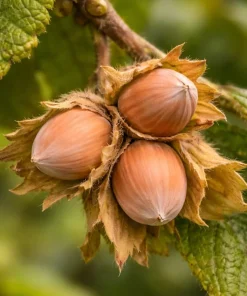
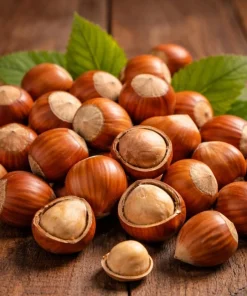
3 American Hazelnut Trees – 6-12″ Tall Live Plants – Corylus Americana
Original price was: $89.98.$49.99Current price is: $49.99.
Cultivate your own delicious nuts with 3 American Hazelnut trees. These 6-12 inch tall live plants are perfect for attracting wildlife and adding natural beauty to your landscape. Enjoy an annual harvest of tasty nuts and support local ecosystems with these easy-to-grow Corylus americana plants.
Estimated arrival
Oct 13
Oct 18 - Oct 20
Oct 23 - Oct 27
Shop With Confidence
30-Day Plant Health Guarantee
Arrives damaged? We’ll replace it free — see our return policy.
Responsive Support
Email us anytime, we reply within 1 business day.
Expert Packaging
Temperature-controlled shipping to protect your plants in transit.
Secure Checkout
Pay safely with Visa, Mastercard, PayPal.
Plant Specifications
-
USDA Hardiness Zone
USDA Zones 4-9 -
Soil Type
Well-draining, loamy soil -
Sunlight Exposure
Full sun to partial shade -
Expected Planting Period
Early spring or late fall
Overview
Transform your garden into a productive and beautiful space with these 3 American Hazelnut trees. Each living plant stands approximately 6 to 12 inches tall, ready to establish and thrive in your landscape. Also known as Filbert Trees or Corylus americana plants, these native beauties offer a dual-purpose appeal: stunning foliage and a savory harvest of edible nuts. These resilient shrubs are a fantastic addition for gardeners looking for both aesthetic value and practical yield. They are well-regarded for their adaptability and the ecological benefits they bring to any outdoor setting.
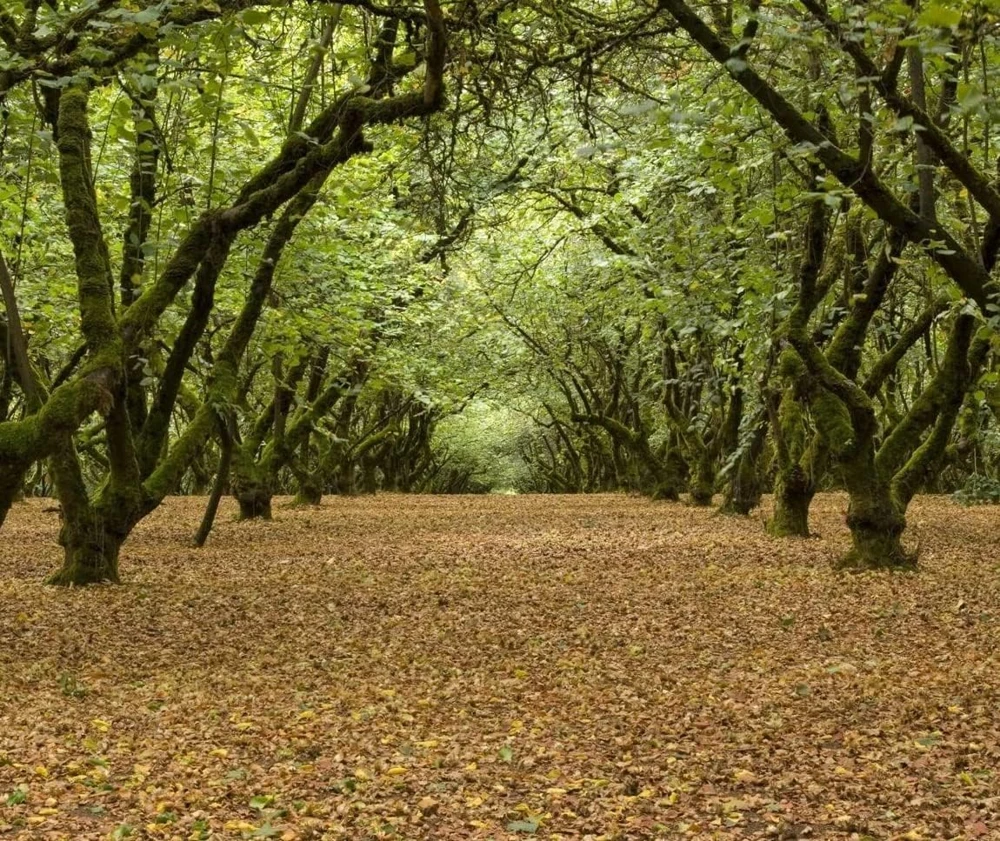
The American Hazelnut trees are known for their hardiness and ability to grow in various conditions, making them a superb choice for both novice and experienced gardeners. Beyond their delicious nuts, these plants contribute significantly to local ecosystems by providing food and habitat for wildlife. Their natural form and vibrant seasonal changes make them an attractive feature in any garden design, from formal to wild. Get ready to enjoy the satisfaction of growing your own nuts and observing the increased biodiversity in your yard with these exceptional plants.
Key Benefits
Investing in American Hazelnut trees offers a wealth of advantages for your home garden and local environment. These plants are not just attractive; they are highly beneficial and productive:
- Edible Nut Production: Enjoy a consistent annual harvest of delicious and nutritious hazelnuts. These nuts are perfect for snacking, baking, or incorporating into various culinary dishes, providing a fresh, homegrown source of healthy fats and protein.
- Wildlife Attraction: These trees are a magnet for local wildlife, including birds, squirrels, and other small mammals, providing a natural food source and enhancing the biodiversity of your garden. Their presence contributes to a vibrant and active outdoor space.
- Pollinator-Friendly: The flowers of the Corylus americana plants attract a variety of beneficial insects, including bees, which are essential for pollination not just of the hazelnut trees themselves, but also for other plants in your garden, promoting a healthier ecosystem.
- Low Maintenance: Known for their adaptability, these filbert nut shrubs thrive in diverse soil conditions and sun exposures, requiring minimal care once established. This makes them an ideal choice for gardeners seeking rewarding plants without extensive upkeep.
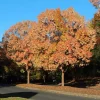
- Year-Round Appeal: From their catkins in early spring to their rich green foliage in summer and beautiful fall colors, American Hazelnut trees offer visual interest throughout the seasons, adding continuous beauty to your landscape.
- Soil Stabilization: Their strong root systems help prevent soil erosion, making them excellent choices for sloped areas or as part of a permaculture design, contributing to the health and stability of your garden’s soil.
- Native Plant Benefits: As a native species, these native plant for wildlife varieties are well-suited to local climates and are naturally resistant to many common pests and diseases, reducing the need for chemical interventions and supporting ecological balance.
Plant Care & Growing Tips
Caring for your new American Hazelnut trees is straightforward, ensuring they grow into robust, nut-producing shrubs. These resilient plants are quite forgiving, but providing optimal conditions will maximize their health and yield. When it comes to sunlight, American Hazelnuts prefer full sun to partial shade, meaning at least 4-6 hours of direct sunlight daily. While they can tolerate some shade, more sun generally leads to a larger nut harvest. Ensure they are planted in a location that receives adequate light throughout the growing season.
Regarding watering, newly planted Corylus americana plants require consistent moisture to establish their root systems. Water deeply 2-3 times a week during their first year, especially during dry spells. Once established, they become quite drought-tolerant, only needing supplemental watering during prolonged periods of drought. Good drainage is crucial; avoid waterlogged soil as this can lead to root rot. They are adaptable to various soil types, but prefer well-draining, loamy soil with a pH between 6.0 and 7.0. Amending heavy clay soils with organic matter can improve drainage and aeration.
These filbert nut shrubs are hardy in USDA Zones 4-9, making them suitable for a wide range of climates. They can tolerate cold winters and hot summers. Fertilization is not always necessary for established plants, especially in rich soils. However, a balanced slow-release fertilizer can be applied in early spring if growth appears sluggish or the soil is poor. Pruning should be done in late winter or early spring while the plant is dormant. Remove any dead, damaged, or crossing branches, and thin out older stems to encourage new growth and better air circulation. This helps maintain the plant’s shape and promotes better nut production from your American Hazelnut trees.
Size & Details
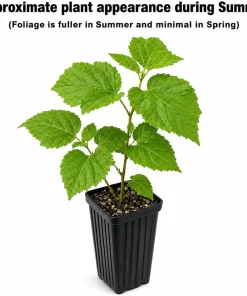
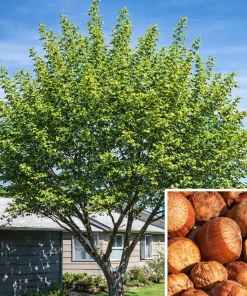
This offering includes 3 American Hazelnut trees, each standing approximately 6 to 12 inches tall when shipped. These are young, healthy live plants ready for transplanting into your garden or a larger container. American Hazelnuts are fast-growing shrubs that can reach a mature height of 8 to 15 feet with a similar spread, forming a multi-stemmed bush. They typically begin producing nuts within 2-3 years of planting, with significant harvests usually starting around 5-7 years.
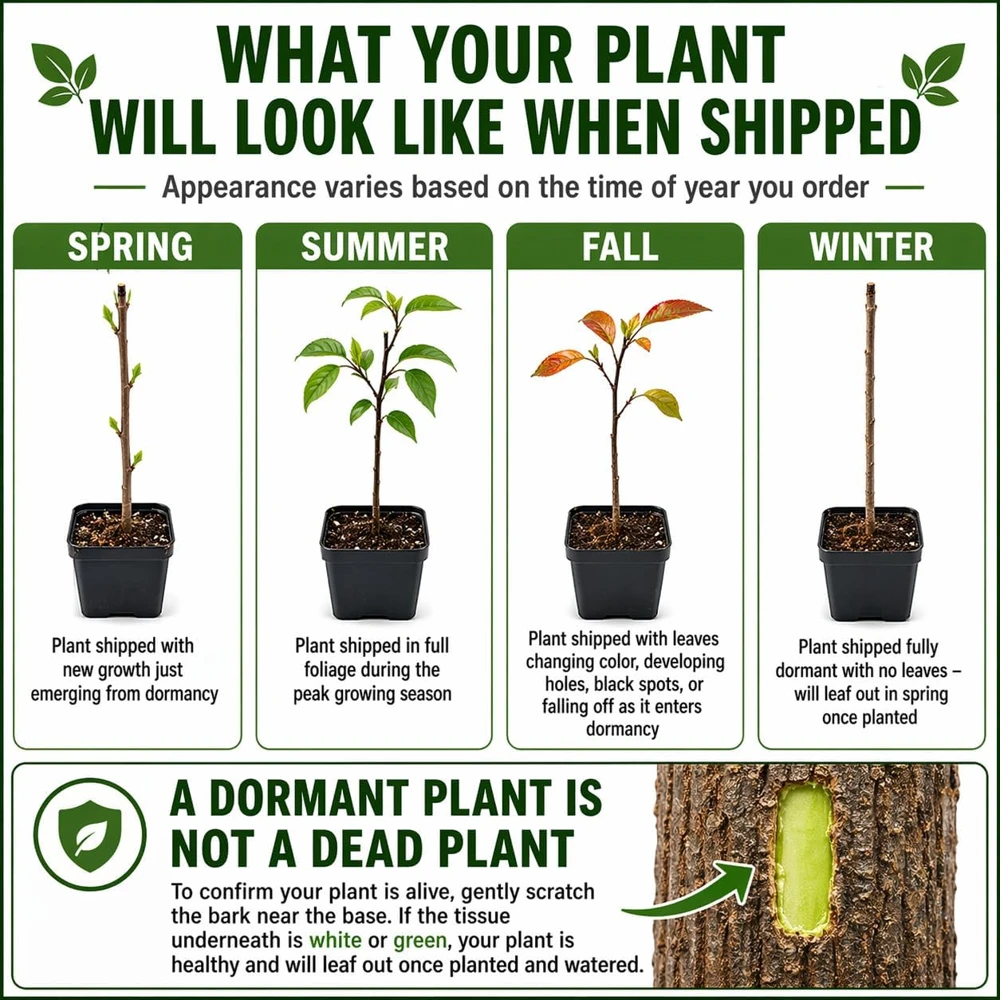
The plants are shipped in a manner that protects their root systems, often as bare-root or in small nursery pots, ensuring they arrive in optimal condition for planting. They are deciduous, meaning they will lose their leaves in the fall and regrow them in the spring. Expect to see catkins (male flowers) appear in late winter to early spring, followed by the development of nuts that mature in late summer to early fall. These edible nut trees are a long-term investment that will continue to provide beauty and bounty for many years.
Frequently Asked Questions
- Q: How big do these American Hazelnut trees get at maturity? A: American Hazelnut trees typically grow to a mature height of 8 to 15 feet and can spread equally wide, forming a multi-stemmed shrub. Their size can be managed with proper pruning.
- Q: Is this an indoor or outdoor plant? A: The American Hazelnut trees are hardy outdoor plants, ideal for landscaping, garden beds, or as part of a naturalized area. They are not suitable for long-term indoor cultivation.
- Q: How much sunlight does an American Hazelnut tree need? A: These Corylus americana plants thrive in full sun to partial shade, ideally receiving at least 4-6 hours of direct sunlight per day to ensure good nut production.
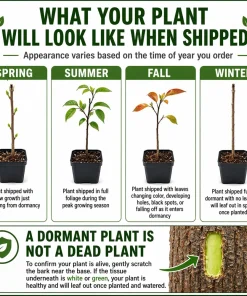
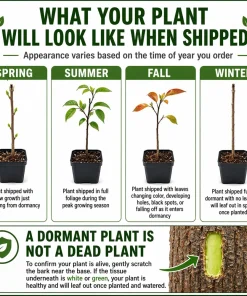
- Q: What condition will the plants arrive in? A: Your 3 American Hazelnut trees will arrive as healthy, dormant or actively growing live plants, approximately 6-12 inches tall, with their root systems protected for safe transit. They will be ready for immediate planting upon arrival.
- Q: Can I use the nuts from these trees for cooking? A: Yes, the hazelnuts produced by these edible nut trees are perfect for snacking, baking, and various culinary uses. They offer a rich, sweet flavor.
- Q: When is the best time to plant these filbert nut shrubs? A: The best time to plant filbert nut shrubs is in early spring or late fall when the plants are dormant, allowing them to establish their root systems before extreme temperatures.
- Q: Are these American Hazelnut trees easy to care for? A: Yes, these are considered low-maintenance plants. Once established, they are quite adaptable to various soil types and are relatively drought-tolerant, making them a great choice for gardeners of all experience levels.
- Q: Will these native plant for wildlife varieties attract pests? A: While they are a native plant for wildlife and can attract beneficial insects, they are generally resistant to major pests and diseases. Regular inspection and proper care can prevent common issues.
- Q: What USDA Hardiness Zones are suitable for these trees? A: American Hazelnut trees are hardy and can thrive in USDA Zones 4 through 9, making them suitable for a wide range of climates across the US.
- Q: Do I need more than one American Hazelnut tree for nut production? A: While American Hazelnut trees are monoecious (having both male and female flowers on the same plant), planting at least two or more trees will significantly improve cross-pollination and result in a much larger and more consistent nut harvest.
Be the first to review “3 American Hazelnut Trees – 6-12″ Tall Live Plants – Corylus Americana”
People Also Viewed
Trees
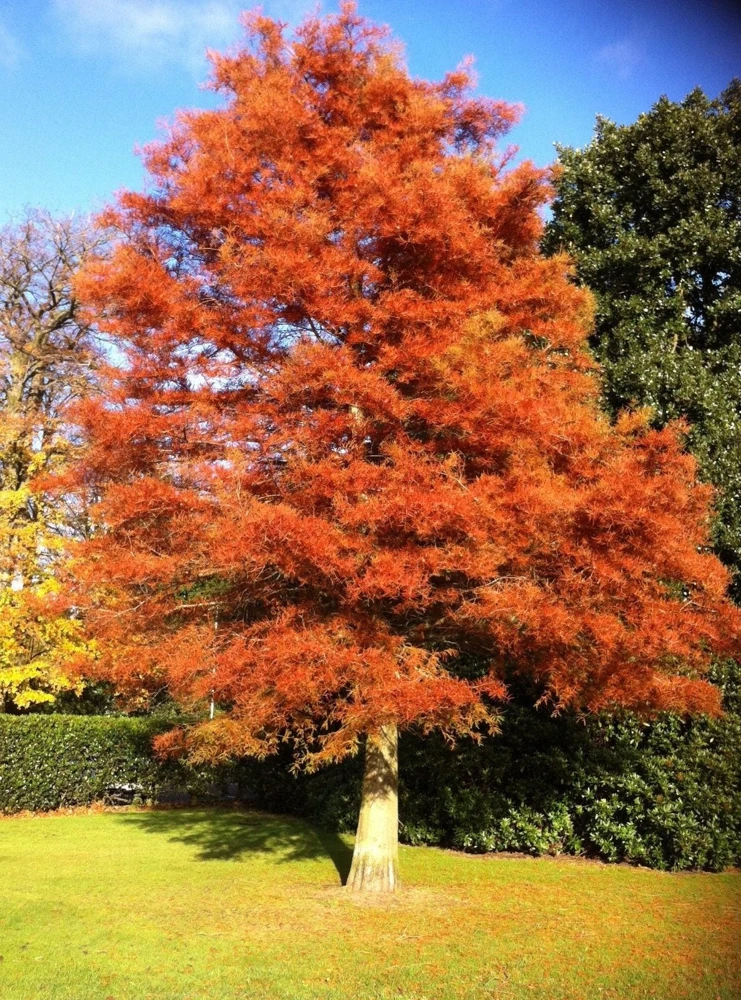
Dawn Redwood Live Plant – Metasequoia glyptostroboides – 1 Quart Pot 8-12″ Tall – Outdoor Tree
Houseplants
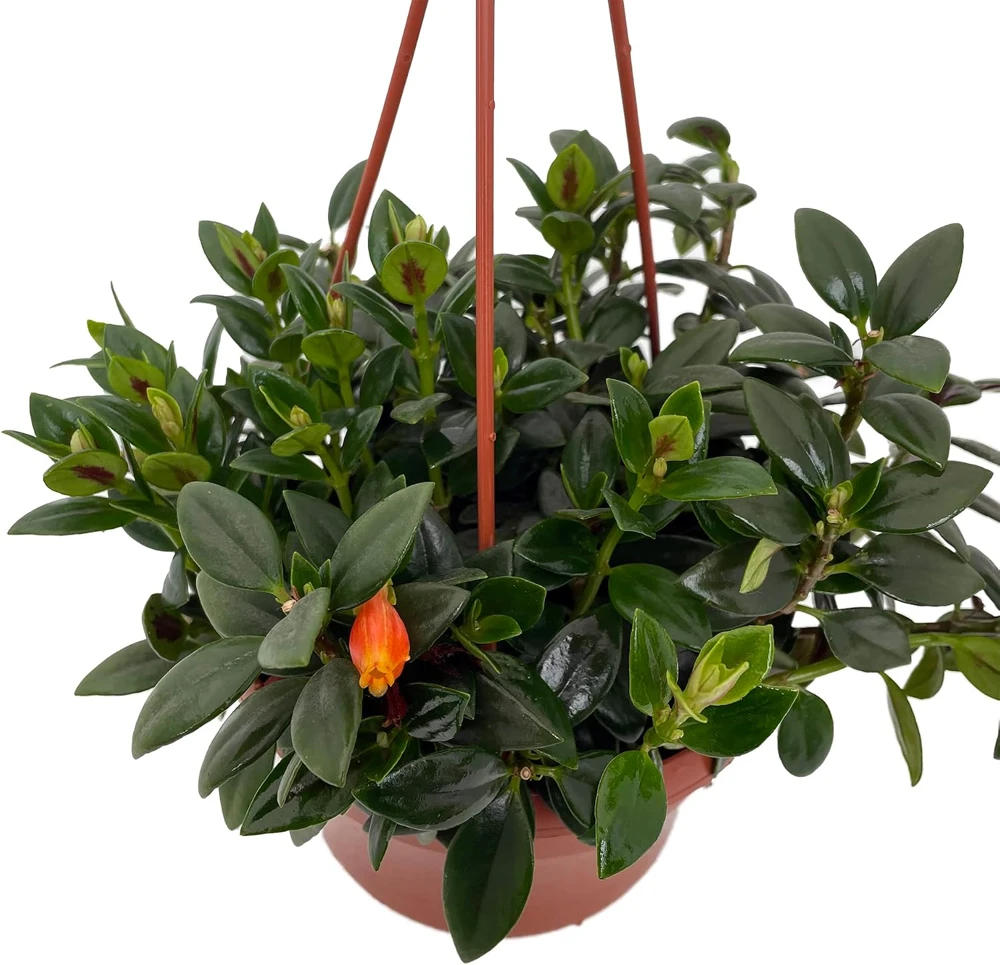
Goldfish Plant Nematanthus Live Plant – 6 Inch Hanging Basket – Blooms Frequently – Indoor
Reviews
There are no reviews yet.