

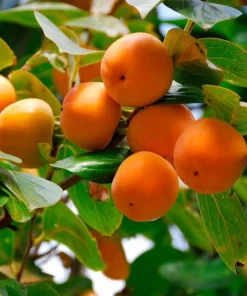
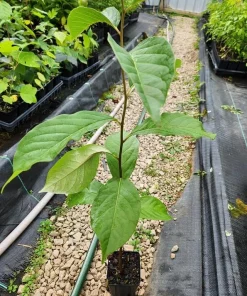
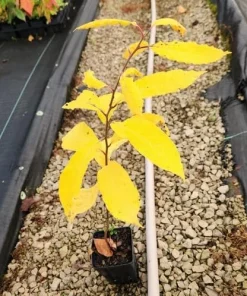
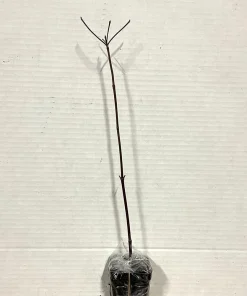
American Persimmon Tree – 8-16″ Tall Live Plant – Quart Pot – Cold Hardy Fruit Seedling
Original price was: $53.98.$29.99Current price is: $29.99.
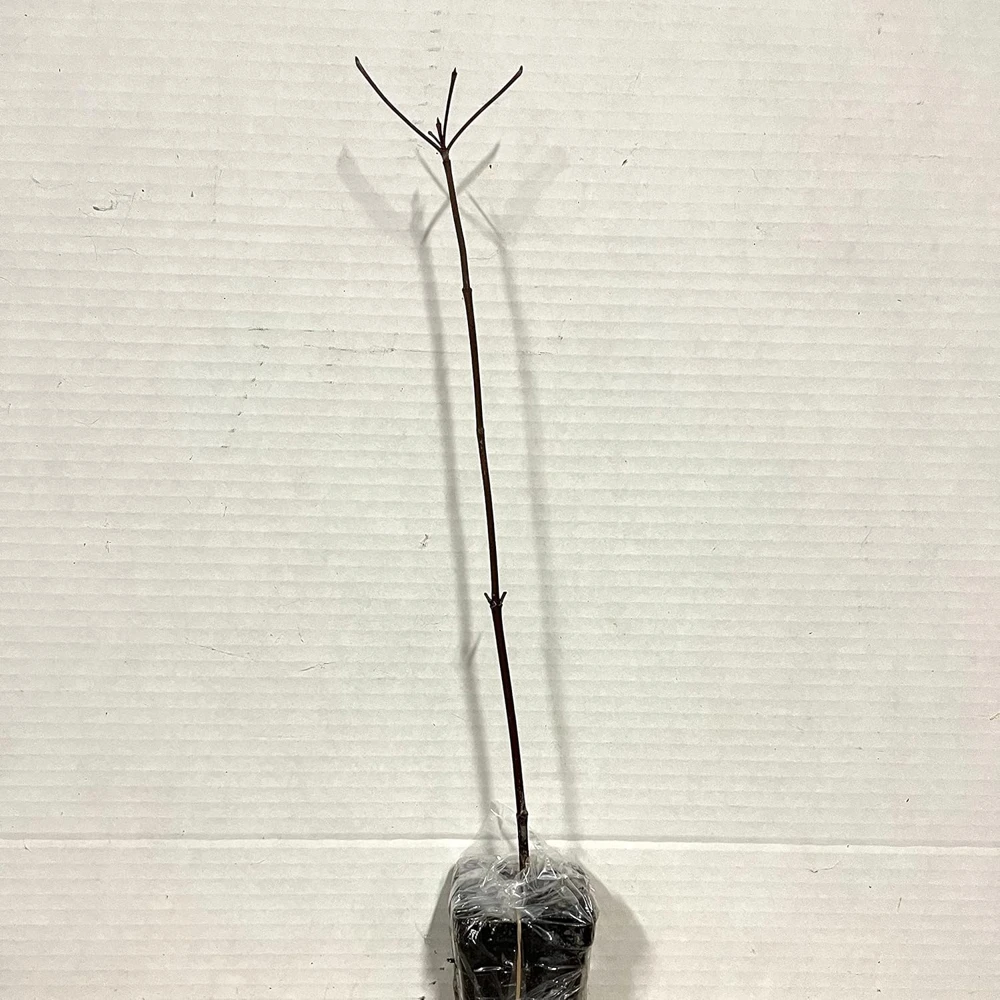
Cultivate your own delicious fruit with an American Persimmon Tree! This 8-16″ tall live plant, shipped in a quart pot, is a cold-hardy, native fruit seedling perfect for backyard orchards or edible landscaping. Enjoy sweet, honeyed persimmons every autumn.
Estimated arrival
Oct 13
Oct 18 - Oct 20
Oct 23 - Oct 27
Shop With Confidence
30-Day Plant Health Guarantee
Arrives damaged? We’ll replace it free — see our return policy.
Responsive Support
Email us anytime, we reply within 1 business day.
Expert Packaging
Temperature-controlled shipping to protect your plants in transit.
Secure Checkout
Pay safely with Visa, Mastercard, PayPal.
Plant Specifications
-
USDA Hardiness Zone
USDA Zones 4-9 -
Soil Type
Well-draining soil, adaptable to various types -
Sunlight Exposure
Full sun -
Expected Planting Period
Spring or early fall
Overview
Embark on a delightful journey of homegrown fruit with your very own American Persimmon Tree. This offering is for a vibrant, young American Persimmon Tree, approximately 8-16 inches tall, meticulously grown in a quart-sized pot and ready for planting. Known botanically as Diospyros virginiana, this native North American species is celebrated for its exceptional cold hardiness and the unique, honeyed sweetness of its autumn fruits. Forget the bland, store-bought varieties; cultivating your own persimmons ensures a fresh, flavorful harvest that will transform your garden into a haven of fall bounty. This resilient fruit tree is an excellent choice for both experienced gardeners and those new to fruit cultivation, promising years of delicious yields and ornamental beauty.
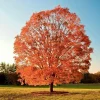
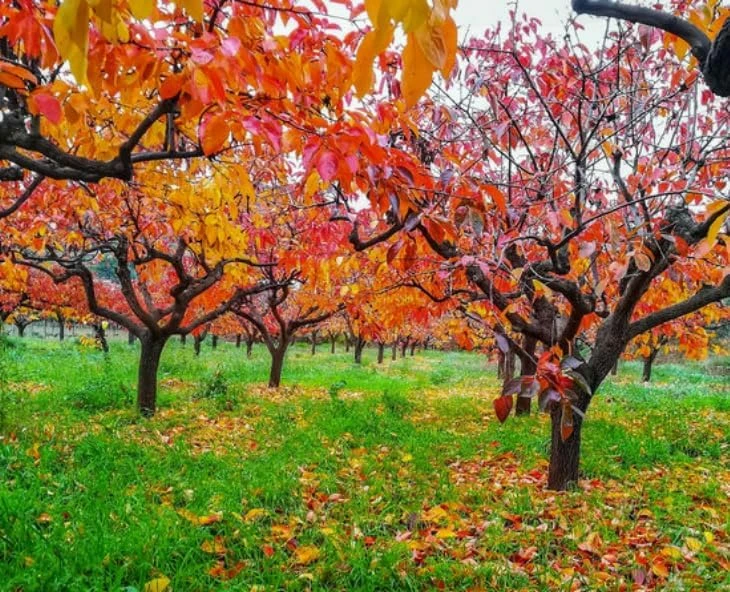
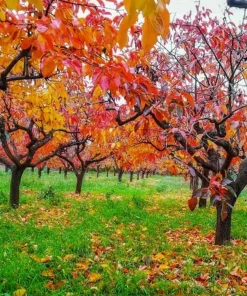
The American Persimmon Tree is not just a fruit producer; it’s a beautiful addition to any landscape. Its attractive foliage, often turning brilliant shades of red and orange in the fall, adds seasonal interest even after the fruit has been harvested. As a native species, it’s also highly beneficial for local wildlife, providing food and habitat. Plant this native persimmon plant and enjoy the satisfaction of growing your own nutritious and delectable fruit, while also contributing to the ecological health of your garden.
Key Benefits
Bringing an American Persimmon Tree into your garden offers a multitude of rewards, from its unique fruit to its environmental contributions. Here are some of the standout benefits:
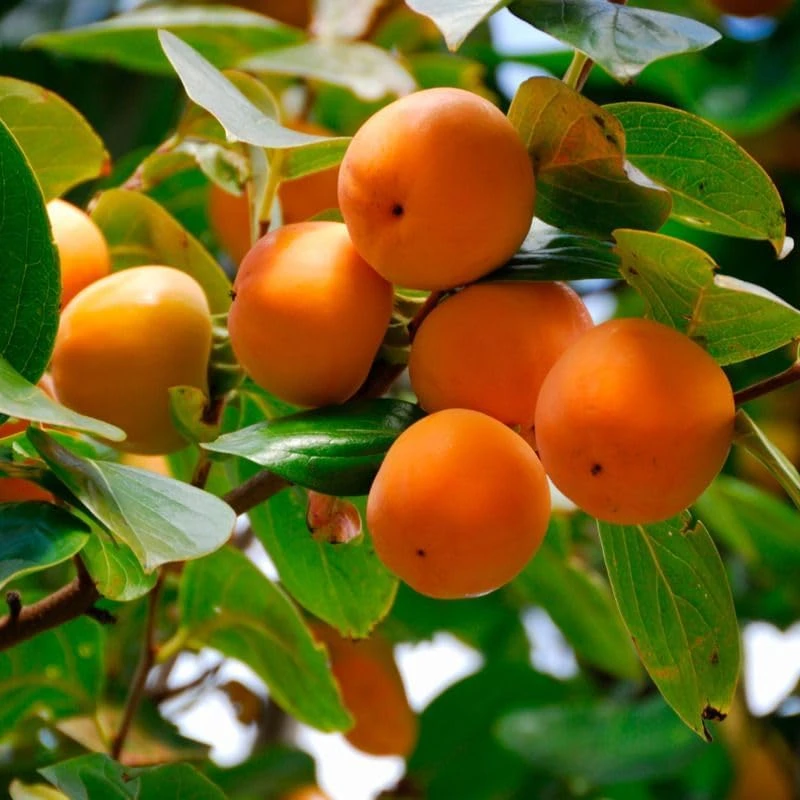
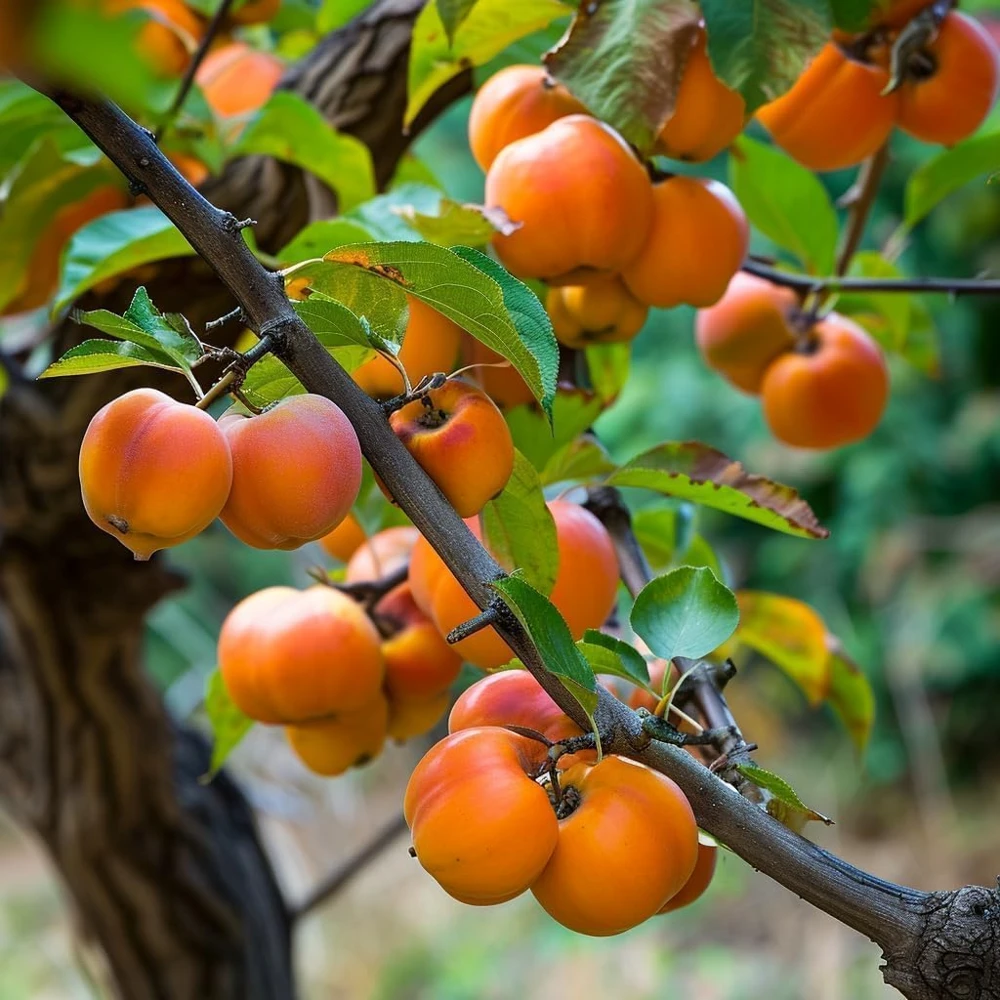
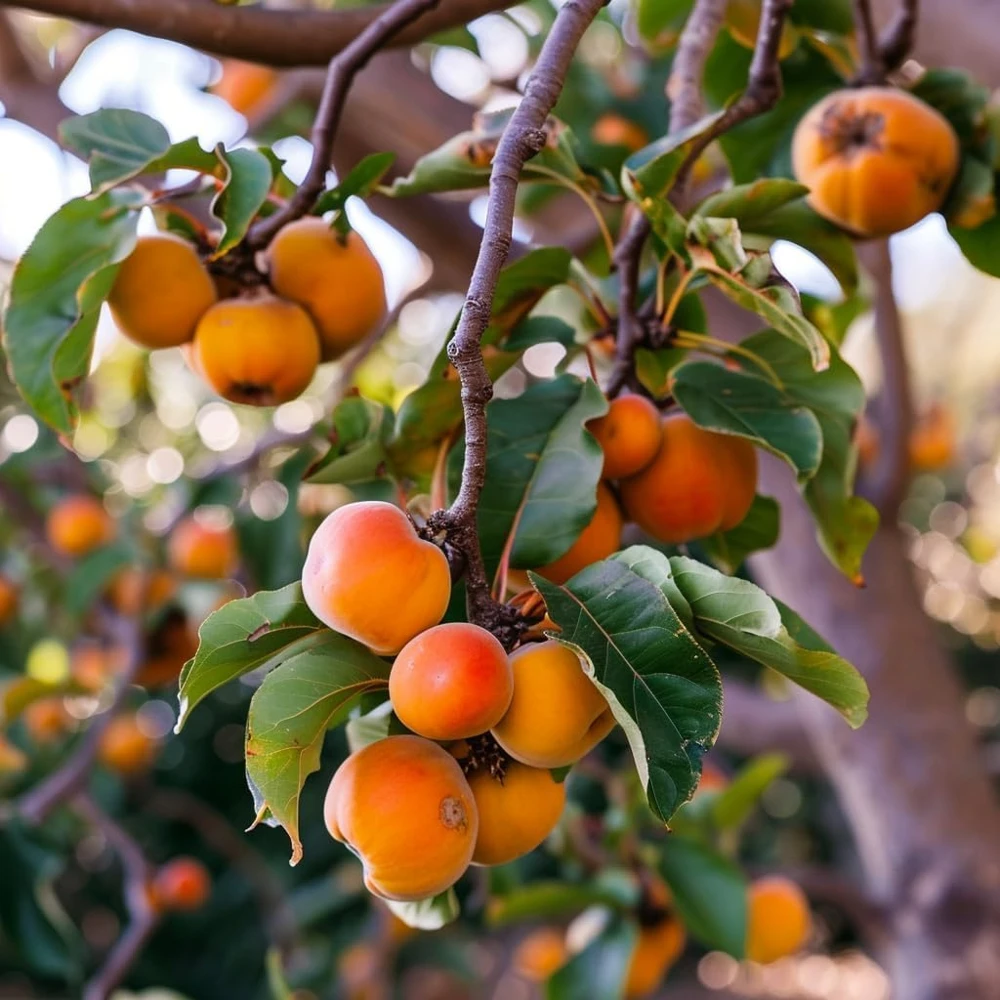
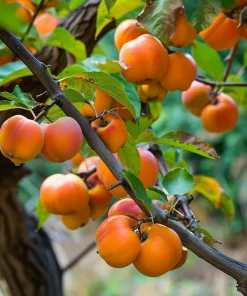
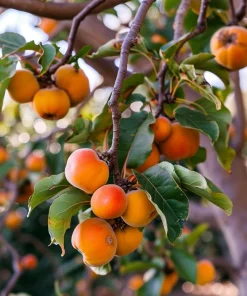
- Exceptional Fruit Quality: Experience the unparalleled taste of perfectly ripened persimmons directly from your own tree. The fruit boasts a velvety-smooth texture and an intensely sweet, honeyed flavor with subtle notes of cinnamon and caramel, a true autumn delicacy far superior to commercially grown options.
- Cold Hardy and Adaptable: As a cold hardy fruit tree, the American Persimmon (Diospyros virginiana) is remarkably resilient and can thrive in a wide range of climates, tolerating cold temperatures that many other fruit trees cannot. This makes it suitable for many USDA hardiness zones across the country.
- Low Maintenance: This adaptable species requires minimal care once established. It tolerates various soil types and is generally resistant to pests and diseases, making it an ideal choice for busy gardeners seeking a rewarding, yet easy-to-manage, fruit-bearing plant.
- Versatile Culinary Uses: Beyond fresh eating, the sweet persimmon fruit is incredibly versatile. Use it in decadent pies, muffins, and breads, or transform it into rich, flavorful jams, jellies, and sauces. The culinary possibilities are endless.
- Native Plant Benefits: As a native species, the American Persimmon Tree supports local ecosystems. It provides valuable food for wildlife, including birds and deer, and its presence can attract beneficial pollinators to your garden, enhancing overall biodiversity.
- Ornamental Value: With its attractive green foliage that transitions to stunning fall colors, this tree adds significant aesthetic appeal to your landscape throughout the growing season. Its sturdy structure and moderate growth habit make it a beautiful specimen tree.
- Long-Term Investment: A well-cared-for American Persimmon Tree can produce fruit for many decades, providing a sustainable and delicious food source for generations to come. It’s a truly rewarding long-term investment for your home and garden.
Plant Care & Growing Tips
Caring for your American Persimmon Tree is straightforward, especially given its native resilience. To ensure your persimmon seedling care leads to a healthy, productive tree, consider the following guidelines. This tree thrives in full sun, meaning it needs at least 6-8 hours of direct sunlight per day to produce the best fruit. While it can tolerate partial shade, fruit production may be reduced. Choose a location in your garden that receives ample sunlight throughout the day. When planting, dig a hole twice as wide as the root ball and just as deep. Gently loosen the roots before placing the tree, ensuring the top of the root ball is level with the surrounding soil. Backfill with native soil, avoiding excessive amendments that can hinder root establishment.
Watering is crucial during the first few years as the tree establishes its root system. Provide deep, consistent watering, especially during dry spells, aiming for about 1 inch of water per week, either from rain or irrigation. Once established, the American Persimmon Tree is quite drought-tolerant. It prefers well-draining soil but is adaptable to a wide range of soil types, including sandy, loamy, and clay soils, provided there’s good drainage. The ideal pH range is slightly acidic to neutral (6.0-7.0). Fertilization can be done in early spring with a balanced, slow-release fertilizer once the tree is established, typically after the first year. Follow product instructions carefully to avoid over-fertilization. The cold hardy fruit tree is highly resistant to most pests and diseases, but good air circulation and proper watering practices will help prevent any potential issues. Pruning should focus on maintaining a strong central leader and removing any dead, damaged, or crossing branches to promote good air circulation and fruit production.
Size & Details
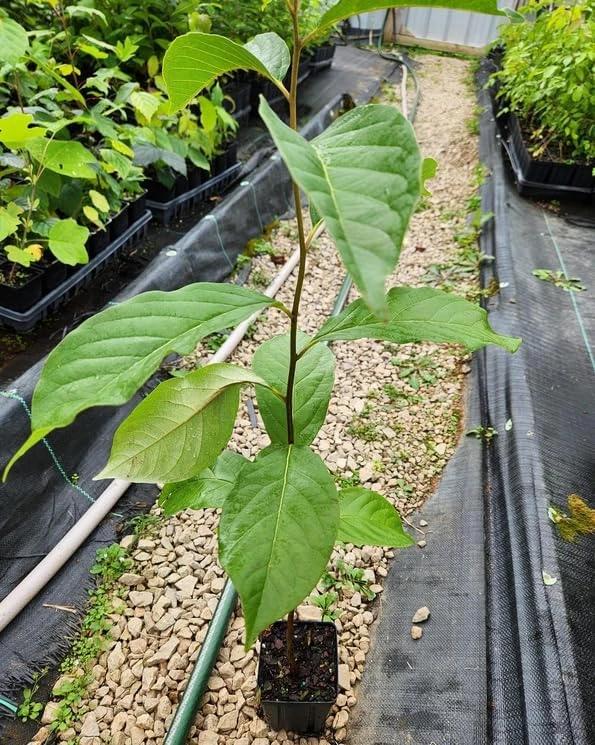
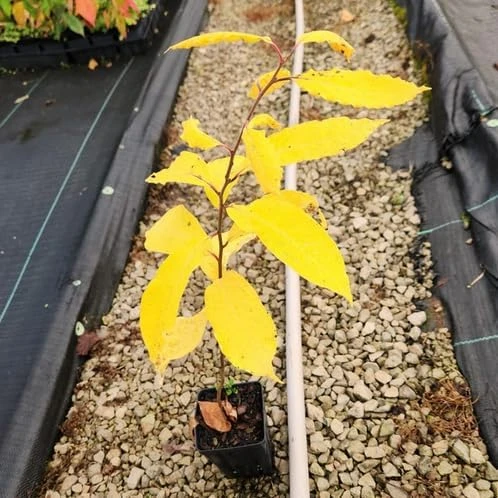
This offering includes one American Persimmon Tree, a live plant that measures approximately 8-16 inches in height from the base of the soil to the tip of the tallest stem. It is shipped securely rooted in a quart-sized nursery pot, providing a robust root system ready for transplanting into your garden or a larger container. The tree is a young persimmon seedling care stage, ensuring it adapts well to its new environment and grows into a mature, fruit-bearing specimen. American Persimmon trees typically grow at a moderate rate, reaching mature heights of 30-60 feet with a spread of 20-35 feet, though they can be kept smaller with proper pruning. Expect the first fruits within 3-5 years after planting, with increasing yields as the tree matures. The form it ships in is a healthy, potted plant with established roots and developing foliage, carefully packaged to ensure safe arrival.
Frequently Asked Questions
- Q: How big does this American Persimmon Tree get? A: This particular plant is 8-16 inches tall in a quart pot. Mature trees can reach heights of 30-60 feet with a spread of 20-35 feet, though growth can be managed with pruning.
- Q: Is this an indoor or outdoor plant? A: The American Persimmon Tree is an outdoor tree. It requires ample sunlight and space to grow into a productive fruit-bearing specimen.
- Q: How much sunlight does the cold hardy fruit tree need? A: For optimal growth and fruit production, this tree needs full sun, which means at least 6-8 hours of direct sunlight per day.
- Q: Is this plant easy to care for? A: Yes, the American Persimmon Tree is known for being relatively low-maintenance once established, making it a good choice for both novice and experienced gardeners. Its native resilience contributes to its ease of care.
- Q: What condition will the persimmon seedling care plant arrive in? A: Your tree will arrive as a live, healthy plant in a quart pot, with its root system intact and securely packaged to minimize stress during transit.
- Q: When is the best time to plant an American Persimmon Tree? A: The best time to plant is typically in spring or early fall, allowing the tree to establish its roots before extreme summer heat or winter cold.
- Q: Will it survive winter in my zone? A: Yes, the American Persimmon Tree is a cold hardy fruit tree, generally hardy in USDA Zones 4-9, making it suitable for a wide range of climates.
- Q: What kind of soil does this native persimmon plant prefer? A: It prefers well-draining soil but is adaptable to various soil types, including sandy, loamy, and clay, with a pH range of 6.0-7.0.
- Q: How long until it starts producing fruit? A: You can typically expect your American Persimmon Tree to start producing its delicious fruit within 3-5 years after planting.
- Q: Can I grow the Diospyros virginiana in a large pot? A: While it’s possible to grow it in a large container for a few years, for best long-term growth and fruit production, it is recommended to plant it directly in the ground.
Be the first to review “American Persimmon Tree – 8-16″ Tall Live Plant – Quart Pot – Cold Hardy Fruit Seedling”
People Also Viewed

Reviews
There are no reviews yet.