


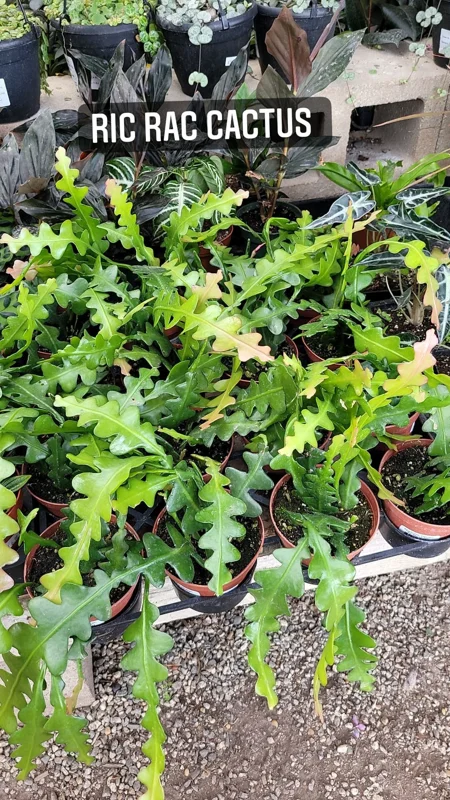
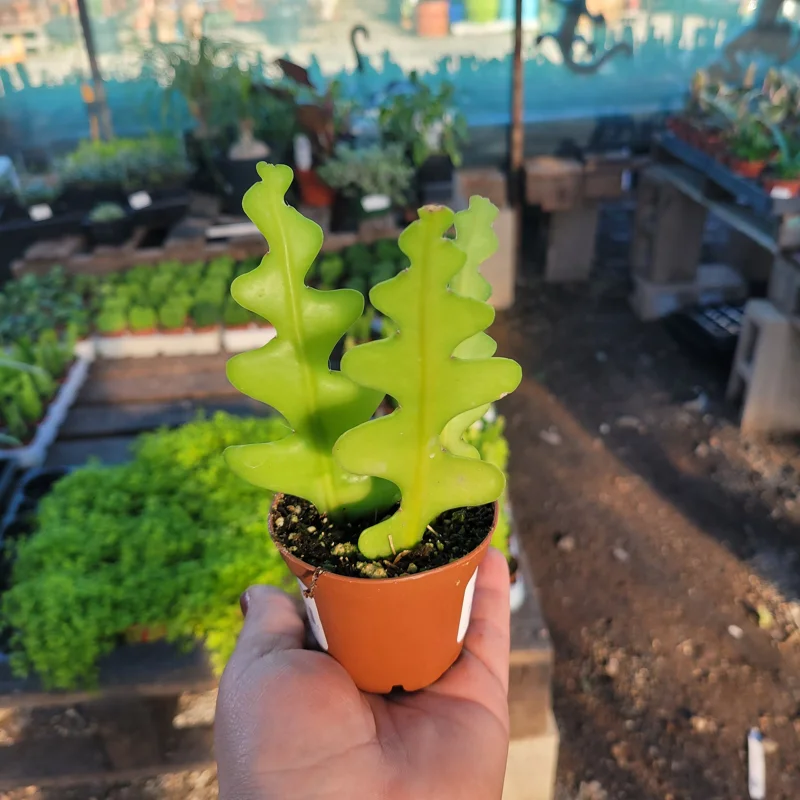
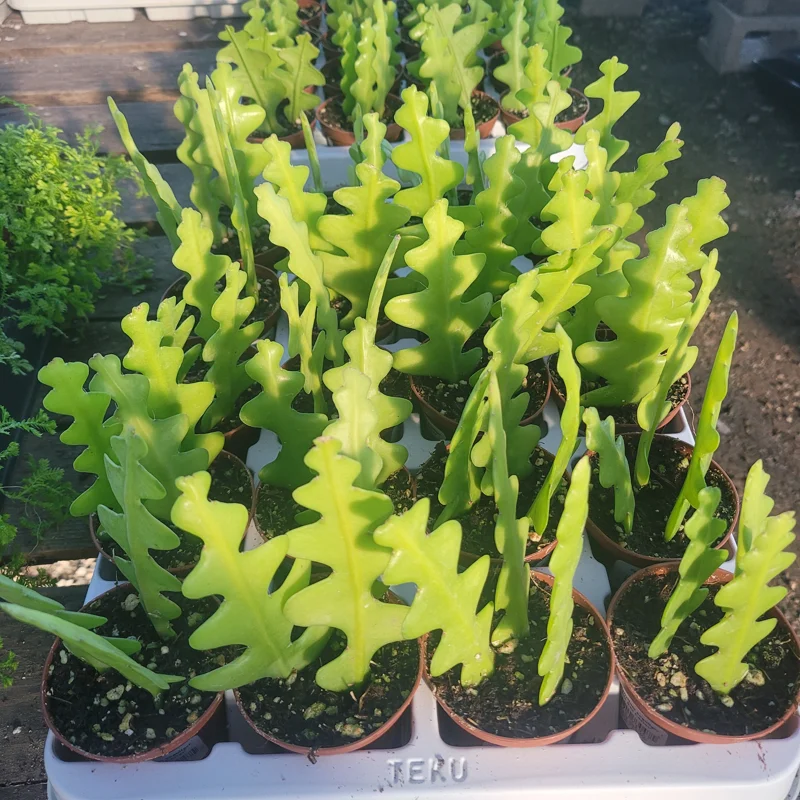
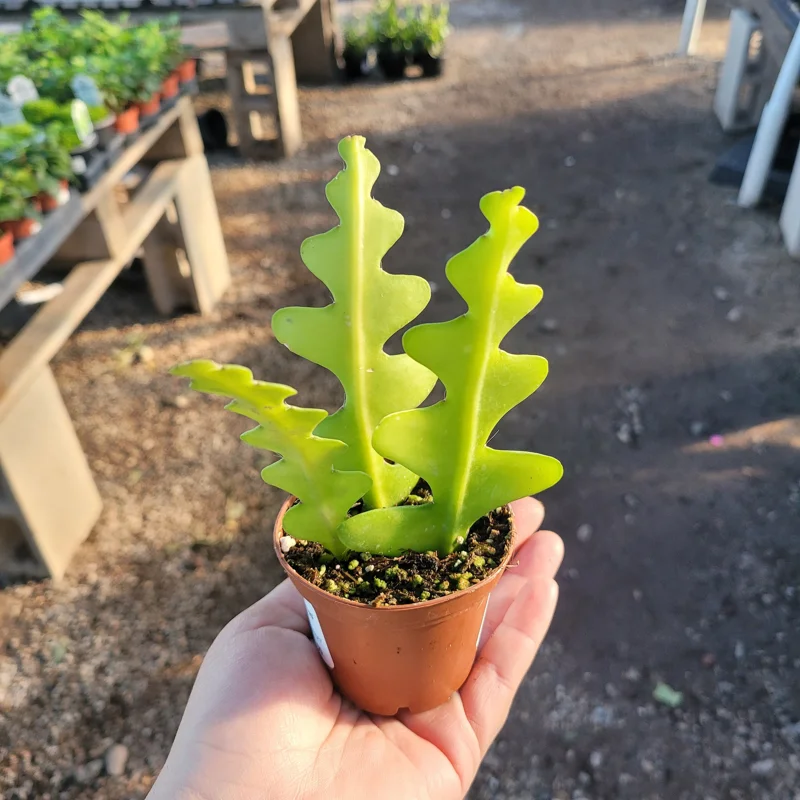
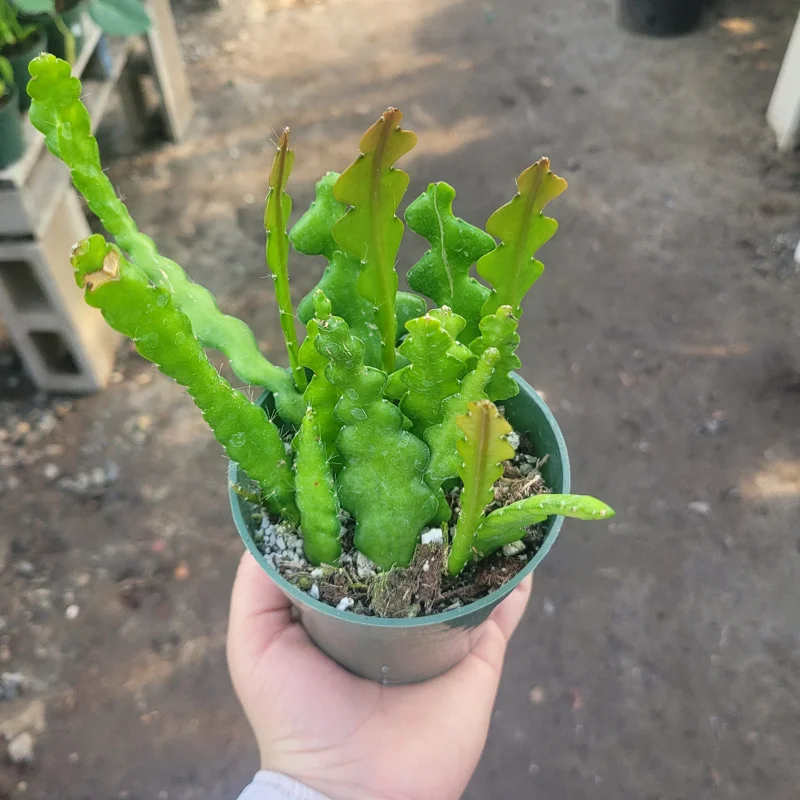
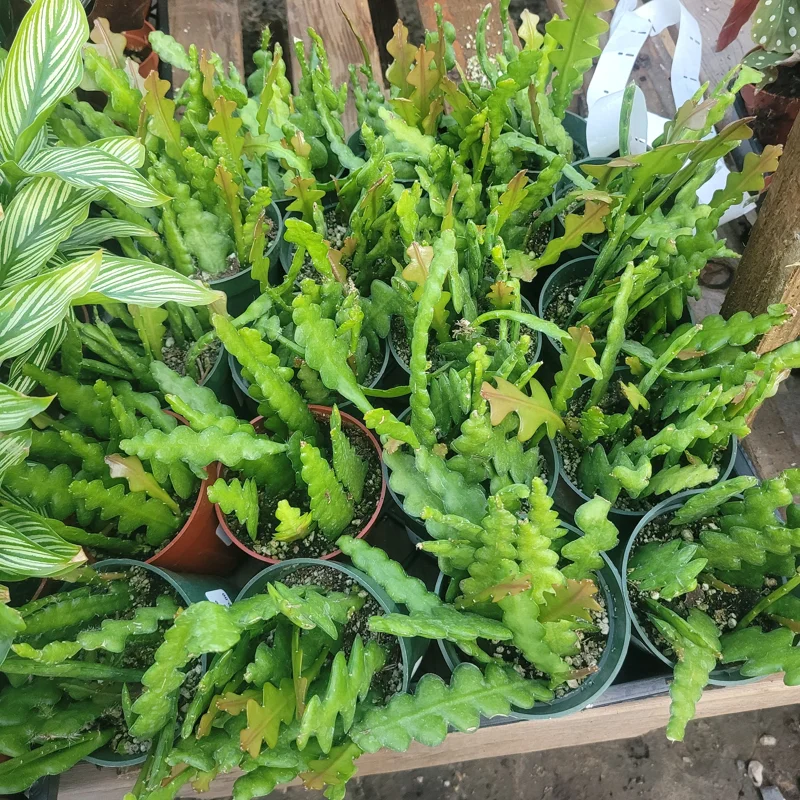
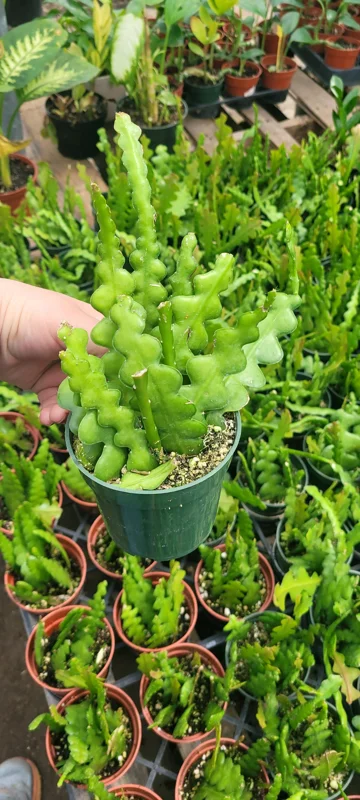
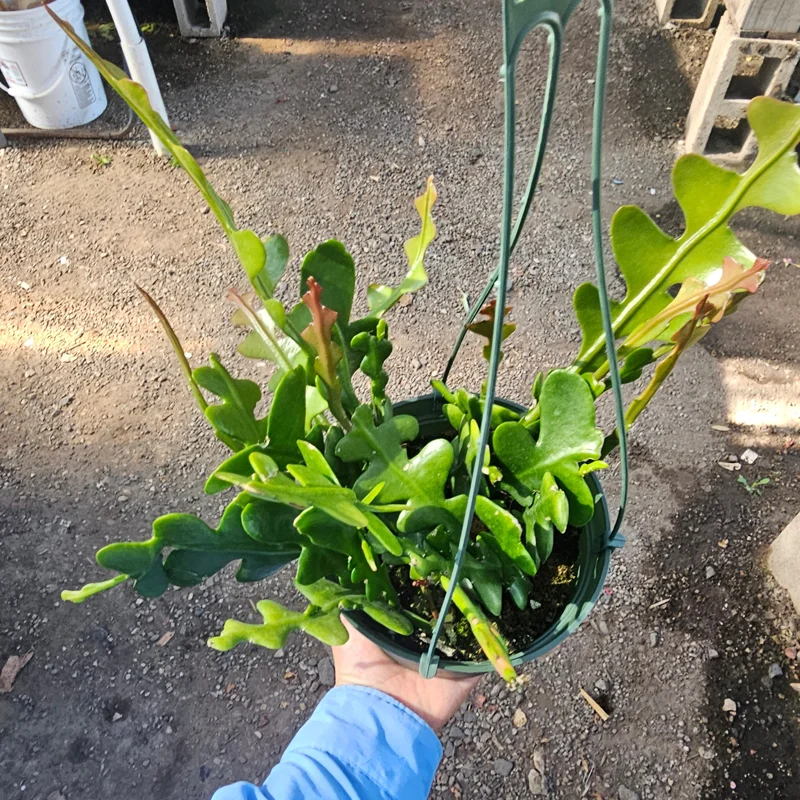
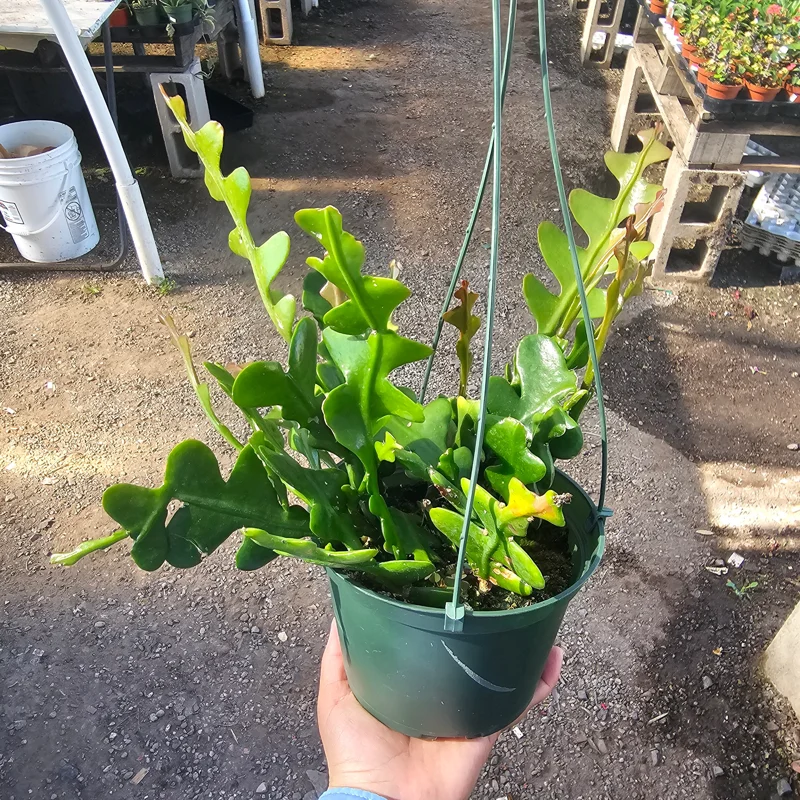
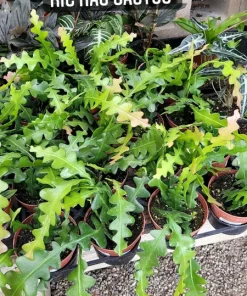
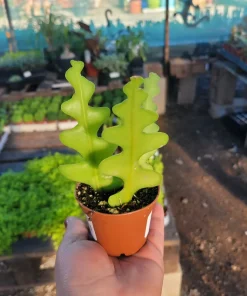
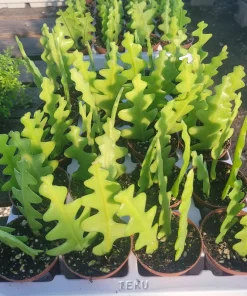
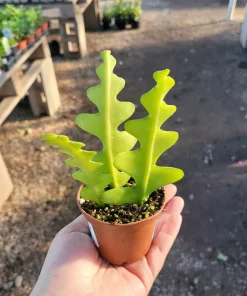
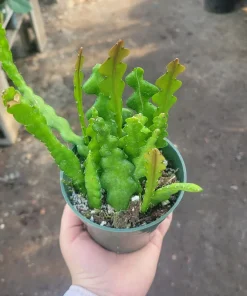
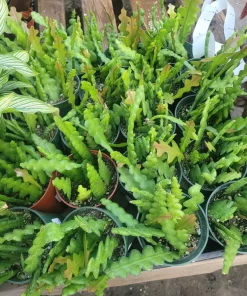
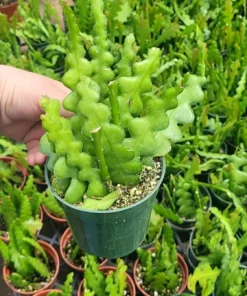
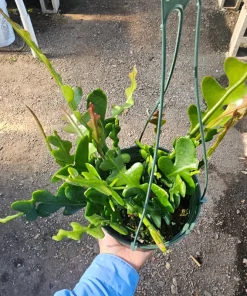
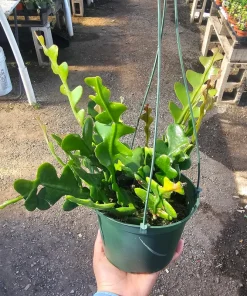
Fishbone Cactus Live Plant – Epiphyllum Anguliger Zig Zag Ric Rac Houseplant
Original price was: $45.99.$20.99Current price is: $20.99.
Bring unique appeal to your home with the fishbone cactus live plant. This striking ric rac cactus care is minimal, making it an ideal zig zag cactus houseplant. Its distinctive serrated foliage and potential for beautiful pink and white flowers make it a captivating addition to any indoor space, especially in hanging baskets.
Estimated arrival
Oct 15
Oct 20 - Oct 22
Oct 25 - Oct 29
Shop With Confidence
30-Day Plant Health Guarantee
Arrives damaged? We’ll replace it free — see our return policy.
Responsive Support
Email us anytime, we reply within 1 business day.
Expert Packaging
Temperature-controlled shipping to protect your plants in transit.
Secure Checkout
Pay safely with Visa, Mastercard, PayPal.
Plant Specifications
-
USDA Hardiness Zone
USDA zones 10-11 (outdoors) / Indoor plant (all zones) -
Soil Type
Well-draining, airy potting mix (succulent/cactus mix with perlite/orchid bark) -
Sunlight Exposure
Bright, indirect light -
Expected Planting Period
Year-round indoors
Overview
Introduce an extraordinary touch to your indoor plant collection with the fishbone cactus live plant. Also widely recognized as the Ric Rac Cactus or Zig Zag Cactus due to its distinctively serrated, bone-like stems, this epiphytic succulent is a true conversation starter. Scientifically known as Epiphyllum anguliger, this unique houseplant thrives with minimal fuss, offering both intriguing foliage and the promise of stunning, orchid-like blooms. Originating from the tropical rainforests of Mexico, it naturally cascades from tree branches, making it an excellent choice for hanging baskets or elevated planters where its dramatic trailing stems can be fully appreciated. Its leathery, dark green stems create a lush, exotic display, transforming any room into a vibrant, botanical haven.
The epiphyllum anguliger plant is cherished not only for its unusual appearance but also for its relatively easy care requirements, making it suitable for both novice and experienced plant enthusiasts. When provided with adequate light and proper care, this plant will reward you with a spectacular show of large, fragrant flowers, typically in shades of pink and white. These blooms often appear in the evening, adding another layer of allure to this already fascinating specimen. Embrace the beauty and simplicity of cultivating a fishbone cactus live plant in your home.
Key Benefits
The fishbone cactus live plant offers a multitude of benefits, making it a highly desirable addition to any indoor garden. Its unique aesthetic and straightforward maintenance contribute to a truly rewarding plant ownership experience.
- Unique Ornamental Value: The most striking feature of the ric rac cactus care is its distinctive zig-zag shaped stems. These deeply lobed, leathery green fronds resemble a fishbone or ric-rac ribbon, providing unparalleled visual interest and a touch of exotic flair to your home decor. It’s a guaranteed conversation starter.
- Stunning Orchid-like Flowers: With proper light and care, the epiphyllum anguliger plant produces breathtaking, fragrant flowers. These large, showy blooms, typically white with pink accents, open at night and create a dramatic, ephemeral display that is truly magical.
- Easy to Care For: Despite its exotic appearance, the zig zag cactus houseplant is surprisingly low-maintenance. It tolerates a range of indoor conditions and doesn’t demand constant attention, making it perfect for busy individuals or beginners.
- Versatile Display Options: Its naturally trailing habit makes it ideal for hanging baskets, allowing its unique foliage to cascade gracefully. It can also be placed on shelves or in elevated planters, adding vertical interest to your plant arrangements.
- Air Purifying Qualities: Like many houseplants, the fishbone cactus live plant contributes to a healthier indoor environment by helping to filter and purify the air, promoting better air quality in your living space.
- Drought Tolerant: As a cactus, it has adapted to store water in its stems, making it quite forgiving if you occasionally forget to water it. This drought tolerance adds to its easy-care nature.
- Pet-Friendly (Non-Toxic): While always good to monitor, the Fishbone Cactus is generally considered non-toxic to pets, making it a safer choice for homes with curious cats or dogs compared to many other houseplants.
Plant Care & Growing Tips
Caring for your fishbone cactus live plant is relatively straightforward, allowing you to enjoy its unique beauty with minimal effort. Understanding its natural habitat in tropical rainforests helps in replicating ideal growing conditions indoors. This epiphyllum anguliger plant thrives when its basic needs for light, water, and soil are met.
For sunlight, the zig zag cactus houseplant prefers bright, indirect light. Direct, harsh sunlight, especially during the hottest parts of the day, can scorch its delicate stems, leading to yellowing or browning. An east-facing window is often ideal, providing gentle morning sun, or a spot a few feet away from a south or west-facing window. If you notice the stems becoming reddish or pale, it might be receiving too much direct light. Conversely, insufficient light can lead to leggy growth and a lack of flowering. When it comes to watering, treat your ric rac cactus care more like a tropical plant than a desert cactus. It enjoys consistent moisture during its growing season (spring and summer) but dislikes being waterlogged. Allow the top inch or two of soil to dry out completely between waterings, then water thoroughly until water drains from the bottom of the pot. Reduce watering significantly in the cooler, dormant months (fall and winter). Overwatering is a common cause of rot, so ensure good drainage.
The ideal soil for your trailing cactus indoor is a well-draining, airy mix. A standard succulent or cactus mix amended with additional perlite or orchid bark works wonderfully to provide the necessary drainage and aeration. This plant prefers slightly acidic to neutral soil (pH 6.0-7.0). Maintaining consistent temperatures between 60-80°F (15-27°C) is best, and it should be protected from temperatures below 50°F (10°C), as it is not frost-hardy. While it appreciates humidity, typical household humidity levels are usually sufficient. Fertilize monthly during the spring and summer growing season with a balanced liquid fertilizer diluted to half strength. Avoid fertilizing in fall and winter. Common problems include root rot from overwatering and sunburn from too much direct light. Keep an eye out for pests like mealybugs or spider mites, which can be treated with insecticidal soap.
Size & Details
Your fishbone cactus live plant will arrive as a healthy, actively growing specimen, ready to be integrated into your home environment. While the exact size may vary slightly due to natural growth, we ensure each plant is vibrant and well-rooted. These plants are typically sent in a nursery grow pot, ensuring they are protected during transit and ready for you to enjoy upon arrival. The distinctive stems can range from several inches to over a foot in length, already showcasing the characteristic zig-zag pattern that makes this plant so appealing. Over time, with proper care, the stems will continue to lengthen and cascade, creating a lush, full display.
The epiphyllum anguliger plant has a moderate to fast growth rate under optimal conditions. When mature, its trailing stems can reach lengths of 2-3 feet or more, making it a spectacular choice for hanging baskets where its unique form can truly shine. Expect the plant to establish quickly in its new home, beginning to produce new growth within a few weeks. Flowering typically occurs on mature plants, often in late summer to fall, given sufficient light and a period of slightly cooler temperatures. This trailing cactus indoor is a long-lived plant, providing years of beauty and exotic charm.
Frequently Asked Questions
- Q: How big does this plant get? A: The fishbone cactus live plant is a trailing variety, with its unique zig-zag stems capable of reaching lengths of 2-3 feet or more when mature. Its spread depends on how you choose to let it cascade or if you prune it to maintain a more compact shape.
- Q: Is this an indoor or outdoor plant? A: This is primarily an indoor plant for most climates, especially in the US. It thrives in typical household temperatures and humidity. It can be grown outdoors in very warm, humid, frost-free climates (USDA zones 10-11) in a shaded, protected spot.
- Q: How much sunlight does it need? A: The ric rac cactus care requires bright, indirect light. Avoid direct, intense sunlight which can scorch its foliage. An east-facing window or a spot a few feet away from a south or west-facing window works best.
- Q: Is this plant easy to care for? A: Yes, the zig zag cactus houseplant is considered relatively easy to care for, making it suitable for beginners. Its main requirements are bright, indirect light and proper watering, allowing the soil to dry out between waterings.
- Q: What condition will it arrive in? A: Your epiphyllum anguliger plant will arrive as a healthy, live plant in a nursery grow pot. We pack carefully to ensure it reaches you in the best possible condition, though some minor soil displacement might occur during transit.
- Q: How often should I water my Fishbone Cactus? A: Water thoroughly when the top 1-2 inches of soil feel dry to the touch. Reduce watering in the dormant winter months. It’s better to underwater slightly than to overwater, as it’s susceptible to root rot.
- Q: When does the Fishbone Cactus bloom? A: Mature trailing cactus indoor plants typically bloom in late summer or fall, producing large, fragrant, orchid-like flowers that often open at night. Consistent care and adequate light encourage flowering.
- Q: What kind of soil is best for a Fishbone Cactus? A: A well-draining, airy potting mix is ideal. A succulent or cactus mix amended with extra perlite, pumice, or orchid bark will provide the perfect environment for its roots.
- Q: Is the Fishbone Cactus pet-safe? A: Yes, the Fishbone Cactus (Epiphyllum anguliger) is generally considered non-toxic to cats and dogs, making it a safer option for homes with pets.
- Q: Can I propagate my Fishbone Cactus? A: Absolutely! The fishbone cactus live plant is very easy to propagate from stem cuttings. Simply take a healthy stem segment, let it callus for a few days, then plant it in well-draining soil.
| Option | 2In Pot, Rooted Cutting, Unrooted Cutting |
|---|
Be the first to review “Fishbone Cactus Live Plant – Epiphyllum Anguliger Zig Zag Ric Rac Houseplant”
People Also Viewed

Aquatic Plant Seeds
Colorful Water Lily Seeds – Easy Grow Live Aquarium Plant Seeds for Freshwater Tanks







Flower Seeds
Scabiosa Black Knight Seeds – 50 Count – Deep Purple-Black Blooms – Attracts Pollinators
Reviews
There are no reviews yet.