

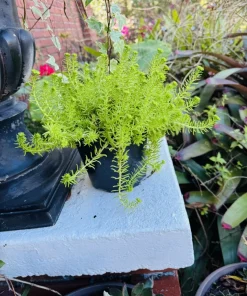
Sedum Angelina Live Plant – Golden Stonecrop Ground Cover Succulent
Original price was: $29.99.$23.99Current price is: $23.99.
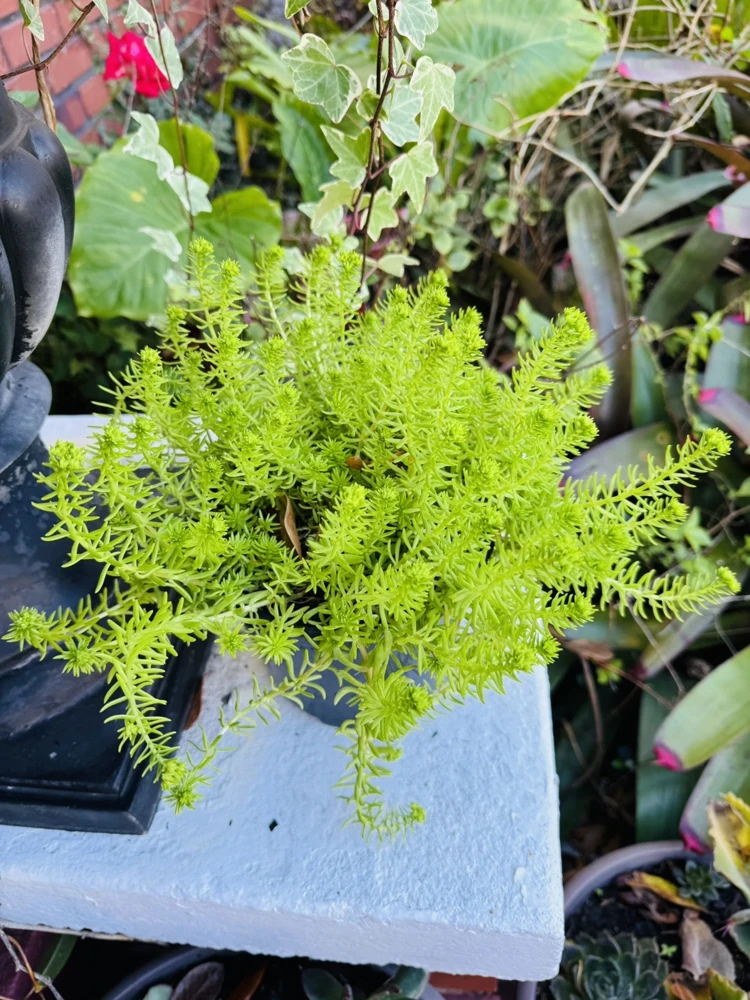
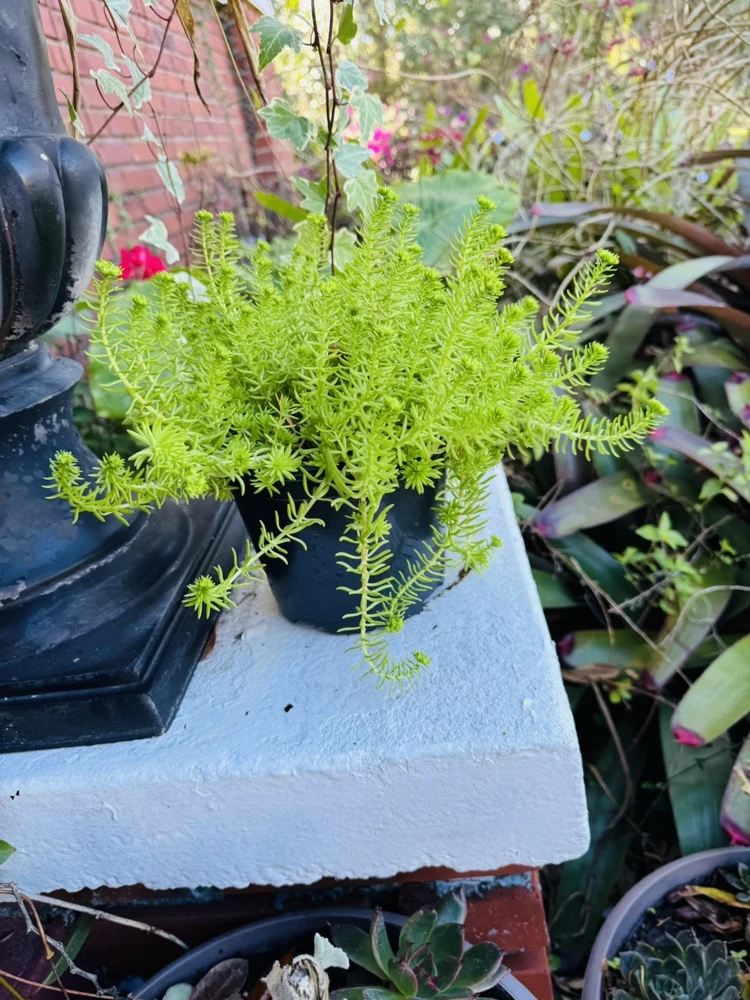
Enhance your garden with the vibrant Sedum Angelina live plant. This stunning golden stonecrop succulent offers brilliant yellow-green foliage that turns orange in cooler weather, making it an ideal Angelina sedum ground cover for various landscapes. Perfect for rockeries, borders, or containers.
Estimated arrival
Oct 27
Nov 01 - Nov 03
Nov 06 - Nov 10
Shop With Confidence
30-Day Plant Health Guarantee
Arrives damaged? We’ll replace it free — see our return policy.
Responsive Support
Email us anytime, we reply within 1 business day.
Expert Packaging
Temperature-controlled shipping to protect your plants in transit.
Secure Checkout
Pay safely with Visa, Mastercard, PayPal.
Plant Specifications
-
USDA Hardiness Zone
USDA zones 5-9 -
Soil Type
Well-draining soil -
Sunlight Exposure
Full sun to partial shade -
Expected Planting Period
Spring to early fall
Overview
Transform your landscape with the brilliant beauty of the Sedum Angelina live plant. This captivating succulent, commonly known as Golden Stonecrop, is a true garden gem, celebrated for its striking chartreuse to golden-yellow foliage that intensifies with sun exposure and develops fiery orange hues in cooler temperatures. Its low-growing, spreading habit makes it an exceptional choice for an Angelina sedum ground cover, filling spaces with vibrant color and texture. Unlike many plants, Sedum ‘Angelina’ thrives on neglect, offering a stunning display with minimal effort. It’s a fantastic option for gardeners seeking a resilient and visually appealing plant that can withstand various conditions. This particular variety of Sedum is highly prized for its ornamental value and its ability to create a lush, carpet-like effect in challenging garden spots.
The golden stonecrop succulent is not just beautiful; it’s also incredibly versatile. Whether you’re designing a rock garden, edging a pathway, or adding a splash of color to container arrangements, this plant delivers. Its fine, needle-like leaves form dense mats that suppress weeds and prevent soil erosion, making it a practical as well as pretty choice. As a live plant, it arrives ready to establish quickly in your garden, bringing immediate visual impact. Its robust nature and adaptability make it a favorite among both novice and experienced gardeners looking for a reliable and attractive ground cover solution.
Key Benefits
The Sedum Angelina live plant offers a multitude of benefits that make it a standout choice for any garden. Its vibrant foliage and easy-care nature are just the beginning:
- Stunning Year-Round Color: Enjoy brilliant golden-yellow foliage that can take on orange and red tones in cooler weather, providing visual interest throughout the seasons. This dynamic color makes it a favorite golden stonecrop succulent for adding continuous appeal.
- Excellent Ground Cover: Its low-growing, spreading habit creates a dense mat, effectively suppressing weeds and preventing soil erosion, making it an ideal Angelina sedum ground cover.
- Drought Tolerance: Once established, this plant is incredibly resilient to dry conditions, requiring minimal watering and making it a perfect choice for xeriscaping or low-water gardens. This characteristic highlights its status as a drought-tolerant sedum.
- Low Maintenance: Sedum ‘Angelina’ requires very little attention once planted. It’s largely pest and disease resistant, making it an excellent option for gardeners seeking easy-care succulents.
- Versatile Landscaping Use: Perfect for rock gardens, borders, containers, green roofs, or as a filler between stepping stones, adapting well to a variety of garden designs.
- Attracts Pollinators: While primarily grown for its foliage, small yellow flowers appear in summer, attracting beneficial pollinators like bees and butterflies to your garden.
- Cold Hardiness: Tolerant of a wide range of temperatures, it can thrive in many USDA zones, ensuring its beauty persists even through colder periods.
Plant Care & Growing Tips
Caring for your Sedum Angelina live plant is remarkably straightforward, making it an excellent choice for gardeners of all skill levels. This hardy succulent thrives with minimal intervention, preferring conditions that mimic its natural arid habitats. For optimal growth and the most vibrant golden hues, ensure your plant receives ample sunlight. It performs best in full sun, meaning at least six hours of direct sunlight per day. While it can tolerate partial shade, too little light may result in leggy growth and less intense coloration. When planting, choose a location with excellent drainage, as soggy soil is the primary enemy of sedums.
Watering should be infrequent and thorough. Allow the soil to dry out completely between waterings, especially during cooler months. Overwatering is the most common cause of sedum failure, leading to root rot. During hot, dry spells, you may need to water more frequently, but always check the soil moisture first. The ideal soil for this golden stonecrop succulent is a well-draining mix, such as a cactus and succulent blend, or an amended garden soil with sand or perlite to improve drainage. Sedum ‘Angelina’ is not a heavy feeder; a light application of a balanced, slow-release fertilizer in spring is usually sufficient if desired, but often not necessary. It is a truly easy-care succulent.
This Angelina sedum ground cover is incredibly resilient to pests and diseases, but good air circulation and proper watering practices will help prevent any potential issues. It is cold hardy and can withstand winter temperatures in many regions, often turning a beautiful reddish-orange as temperatures drop. Minimal pruning is required; you can trim back any leggy growth in spring to encourage a denser habit. For propagation, simply take stem cuttings and allow them to callus for a few days before planting them in well-draining soil. This makes expanding your collection of drought-tolerant sedum incredibly simple.
Size & Details
The Sedum Angelina live plant is typically sold as a well-rooted specimen, ready for immediate planting. This quick-spreading succulent forms a dense mat, generally reaching a height of 4-6 inches (10-15 cm) and spreading up to 12-24 inches (30-60 cm) wide, depending on growing conditions and maturity. Its rapid growth rate makes it an excellent choice for quickly covering areas or filling in gaps in rock gardens and borders. The plant will arrive in a nursery pot, ensuring its roots are protected during transit and ready to establish in your garden. The vibrant golden-yellow, needle-like foliage provides continuous color and texture throughout the growing season, often developing attractive orange and red tones in cooler weather, making it a dynamic visual element in any landscape.
This golden stonecrop succulent is celebrated for its robust nature and ability to thrive in challenging environments. It’s delivered as a healthy, actively growing plant, ready to enhance your outdoor spaces. Its compact size and spreading habit make it suitable for various applications, from mass plantings to container arrangements where it can spill gracefully over edges. Expect this Angelina sedum ground cover to establish quickly and begin showcasing its brilliant coloration shortly after planting, providing an almost instant impact on your garden’s aesthetic.
Frequently Asked Questions
- Q: How big does this plant get? A: The Sedum Angelina live plant typically grows to a height of 4-6 inches (10-15 cm) and can spread up to 12-24 inches (30-60 cm) wide, creating a dense, low-growing mat. Its spreading habit makes it an excellent ground cover.
- Q: Is this an indoor or outdoor plant? A: While it can be grown indoors in very bright conditions, the golden stonecrop succulent is primarily an outdoor plant, thriving in full sun and various outdoor garden settings. It’s excellent for rock gardens and borders.
- Q: How much sunlight does it need? A: This drought-tolerant sedum requires full sun exposure for at least six hours a day to achieve its most vibrant golden and orange colors. It can tolerate partial shade, but growth may be less dense and color less intense.
- Q: Is this plant easy to care for? A: Yes, Sedum ‘Angelina’ is known for being an easy-care succulent. It’s very low maintenance, requiring minimal watering once established and is generally resistant to pests and diseases, making it perfect for beginners.
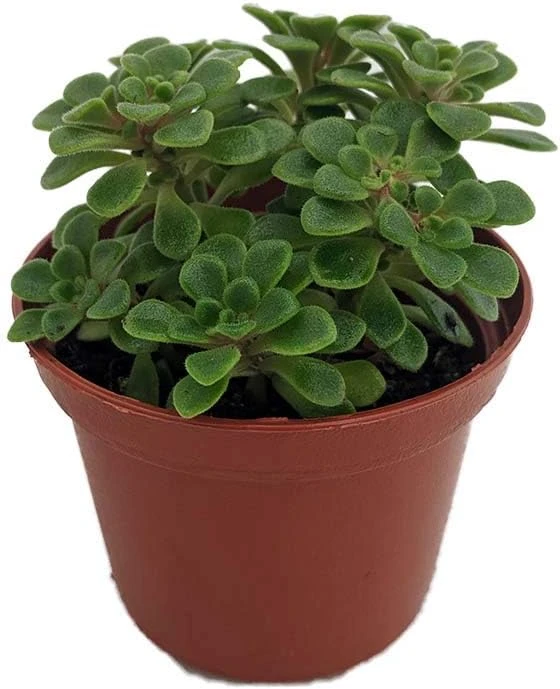
- Q: What condition will it arrive in? A: Your Sedum Angelina live plant will arrive as a healthy, well-rooted plant in a nursery pot, carefully packaged to ensure its safety during transit and ready for planting in your garden.
- Q: When is the best time to plant Angelina sedum ground cover? A: The best time to plant is in spring or early fall, allowing the plant to establish its root system before extreme temperatures. However, potted plants can be planted throughout the growing season.
- Q: Will it survive winter in my zone? A: Sedum ‘Angelina’ is cold hardy and typically thrives in USDA Zones 5-9. In colder zones, it may die back to the ground but often re-emerges in spring, or can be grown in containers and protected during winter.
Be the first to review “Sedum Angelina Live Plant – Golden Stonecrop Ground Cover Succulent”
People Also Viewed

Houseplants
Glacier English Ivy | Live Trailing Plant | Climbing Houseplant | 4 inch Pot | Easy Care

Reviews
There are no reviews yet.