

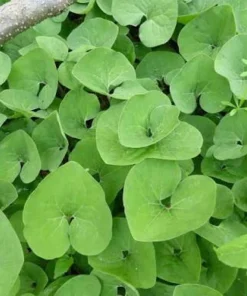
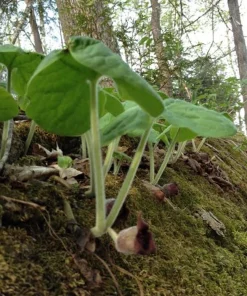
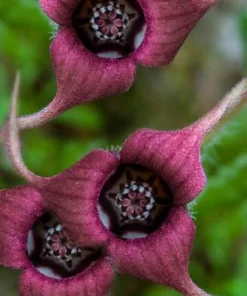
10 Wild Ginger Bare Root Plants Asarum canadense Native Perennial Shade
Original price was: $48.99.$33.99Current price is: $33.99.
Bring natural charm to your shade garden with 10 Wild Ginger bare root plants (Asarum canadense). Perfect for woodland settings, these native shade plant perennials establish easily, providing unique heart-shaped foliage and subtle, intriguing blooms. Ideal for groundcover in Zones 3-9.
Estimated arrival
Oct 10
Oct 15 - Oct 17
Oct 20 - Oct 24
Shop With Confidence
30-Day Plant Health Guarantee
Arrives damaged? We’ll replace it free — see our return policy.
Responsive Support
Email us anytime, we reply within 1 business day.
Expert Packaging
Temperature-controlled shipping to protect your plants in transit.
Secure Checkout
Pay safely with Visa, Mastercard, PayPal.
Plant Specifications
-
USDA Hardiness Zone
USDA Zones 3-9 -
Soil Type
Rich, organic, well-draining soil -
Sunlight Exposure
Partial to full shade -
Expected Planting Period
Early spring to fall
Overview
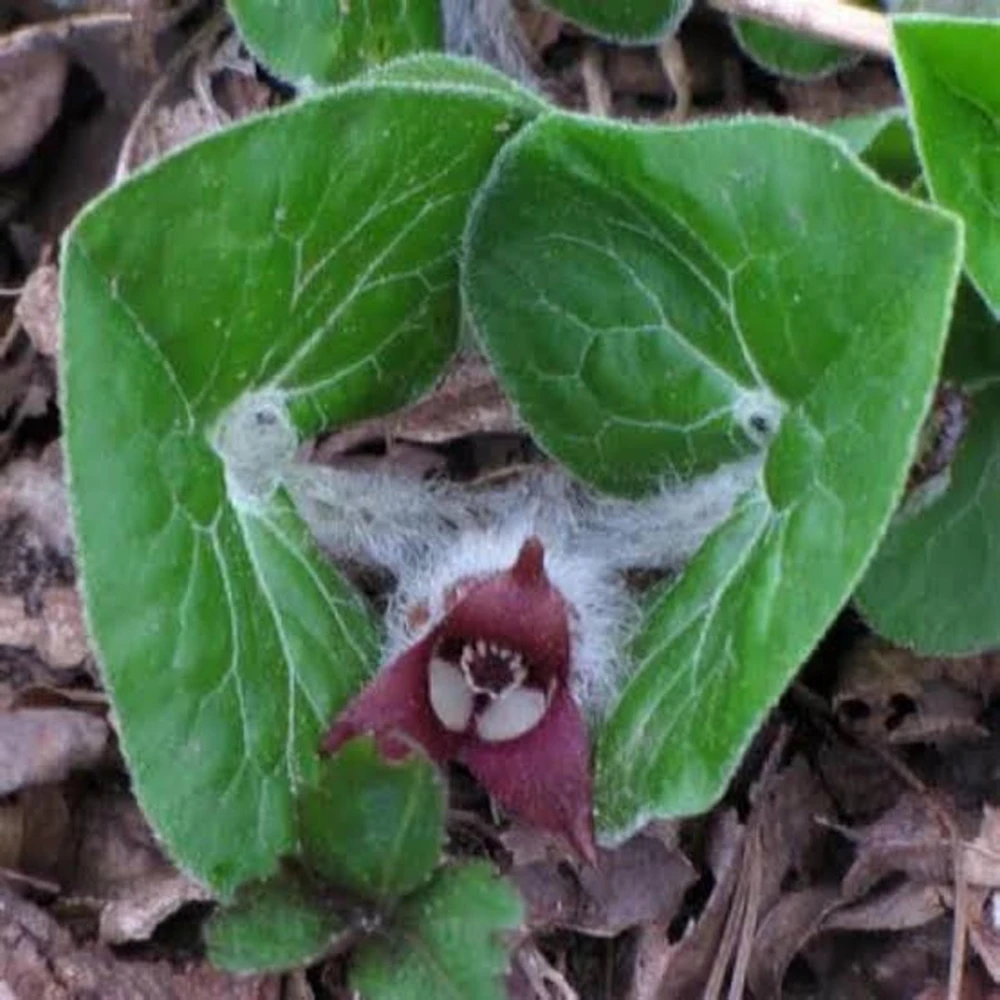
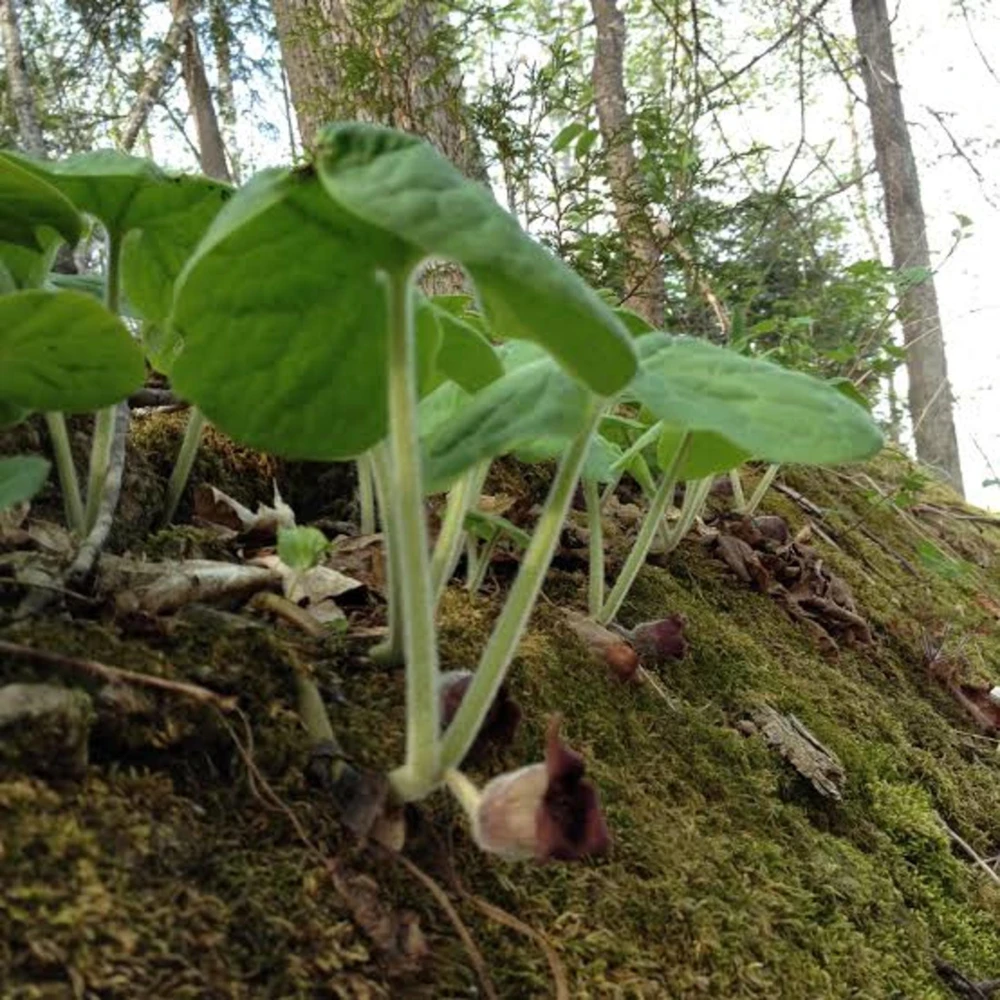
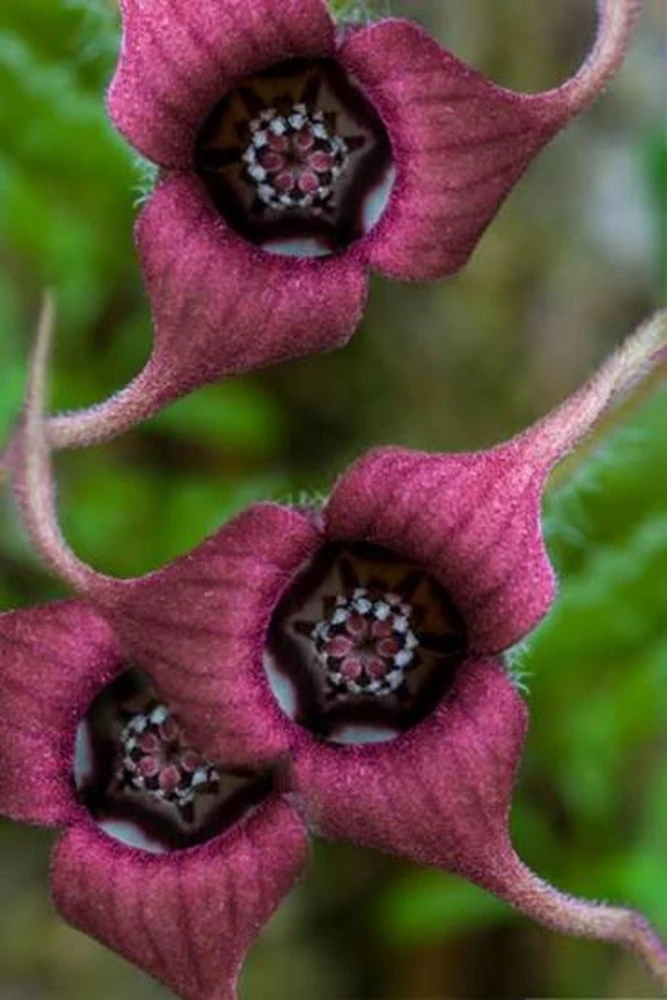
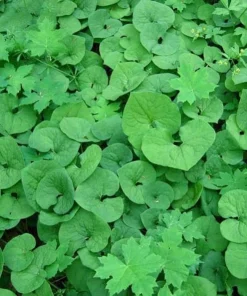
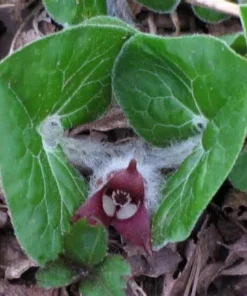
Transform your shaded areas into a lush, natural retreat with our 10 Wild Ginger bare root plants. Scientifically known as Asarum canadense, this exceptional native perennial is cherished for its distinctive heart-shaped leaves and its ability to thrive in dappled light, making it an ideal choice for woodland gardens and shaded borders. Wild Ginger, also commonly referred to as Asarum canadense perennial, offers a unique aesthetic with its velvety foliage and understated, jug-shaped flowers that bloom at ground level in early spring. These bare roots are carefully prepared to ensure robust growth and successful establishment in your garden, providing a sustainable and beautiful groundcover solution.
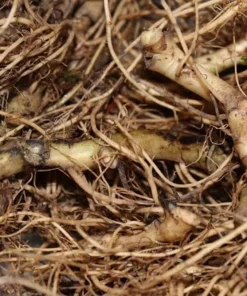
Choosing bare roots for planting offers significant advantages, promoting faster establishment and reducing transplant shock. Our Wild Ginger bare root plants are dormant, allowing them to focus all their energy on developing a strong root system once planted. This method ensures a higher success rate for gardeners looking to introduce this charming native shade plant into their landscape. Whether you’re creating a new shade garden or enhancing an existing one, Wild Ginger provides an attractive, low-maintenance solution that contributes to local biodiversity and offers a touch of woodland elegance.
Key Benefits
Incorporating Wild Ginger into your garden offers a multitude of advantages, from its aesthetic appeal to its ecological contributions. These Wild Ginger bare root plants are not only beautiful but also incredibly beneficial for your garden environment.
- Exceptional Shade Tolerance: Wild Ginger thrives in conditions where many other plants struggle, making it perfect for those challenging shaded spots under trees or on the north side of buildings. Its natural habitat is the forest floor, so it’s perfectly adapted to low light.
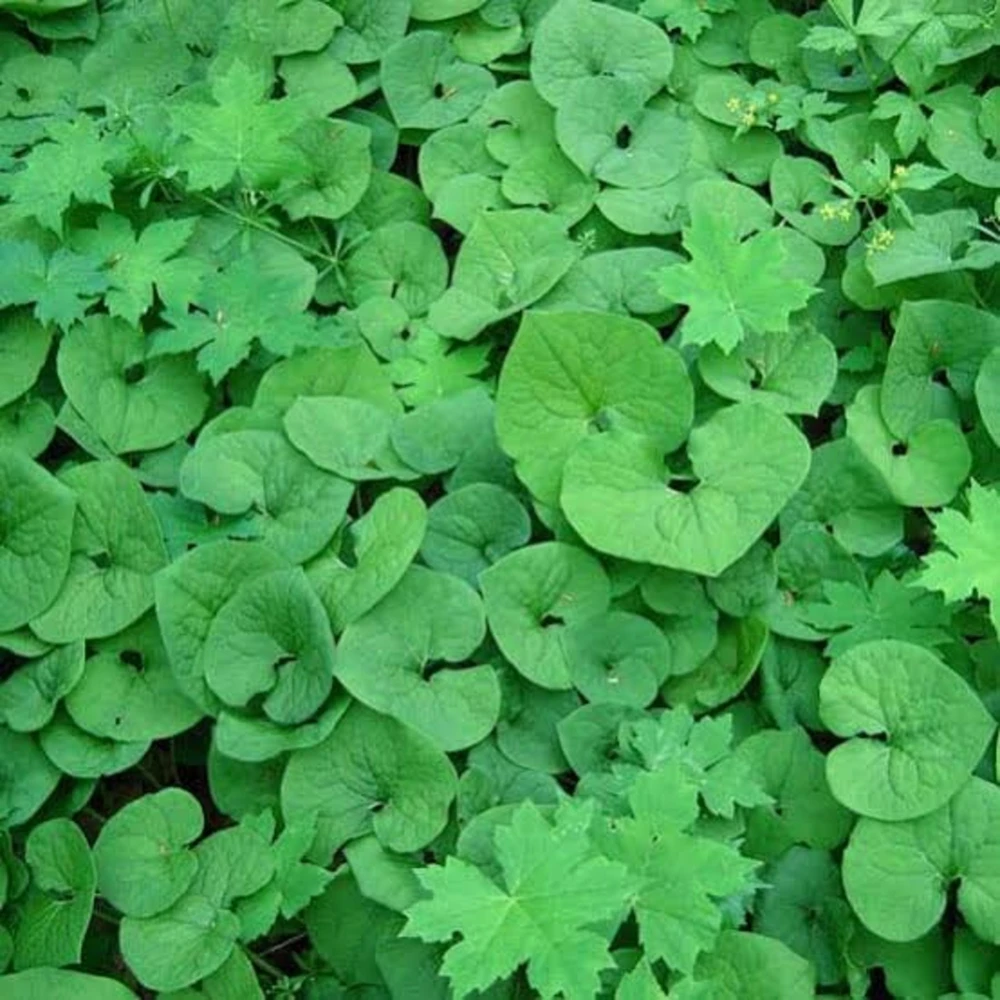
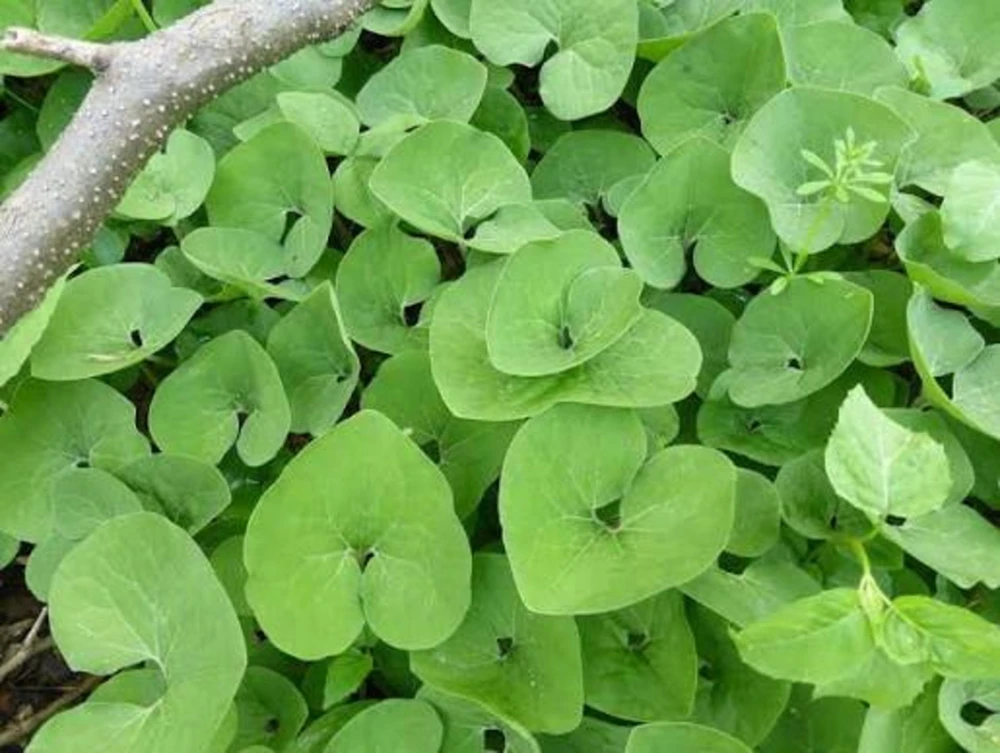
- Native Groundcover: As a native shade plant, Wild Ginger provides excellent groundcover, helping to suppress weeds and retain soil moisture. It spreads gently to form a dense carpet of foliage, creating a cohesive and natural look.
- Unique Foliage: The large, velvety, heart-shaped leaves of Asarum canadense are its most striking feature. They provide visual interest throughout the growing season, offering a rich texture and vibrant green color to shaded areas.
- Pollinator Support: While its flowers are subtle, they attract specific native pollinators. The unique, jug-like blooms are an intriguing detail for observant gardeners and contribute to the local ecosystem.
- Low Maintenance: Once established, Wild Ginger bare root plants require minimal care. They are generally resistant to pests and diseases, and their natural vigor means less intervention from the gardener.
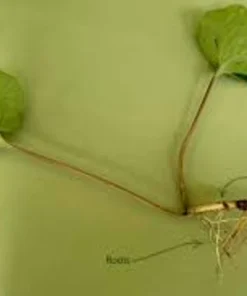
- Erosion Control: Its spreading habit and fibrous root system help to stabilize soil, making it an excellent choice for slopes or areas prone to erosion in shaded environments.
- Durable and Hardy: This Asarum canadense perennial is incredibly resilient, capable of withstanding a wide range of conditions within its hardiness zones, including cold winters.
Plant Care & Growing Tips
Caring for your Wild Ginger bare root plants is straightforward, especially when following their natural preferences. As a woodland native, Wild Ginger thrives in conditions that mimic its forest floor habitat. It prefers partial to full shade, meaning it should receive no more than 2-4 hours of direct sunlight, preferably in the morning. Too much sun can scorch its leaves. When considering how to grow Wild Ginger, remember that consistent moisture is key, especially during establishment. The soil should be kept consistently moist but not waterlogged. Good drainage is crucial to prevent root rot.
For soil, Wild Ginger prefers rich, organic, well-draining soil with a slightly acidic to neutral pH. Amending heavy clay soils with compost or leaf mold will significantly improve drainage and provide the necessary nutrients. Plant the bare roots shallowly, ensuring the crown is just at or slightly below the soil surface, and space them about 6-12 inches apart to allow for spread. Water thoroughly after planting. Once established, these Asarum canadense perennial plants are fairly drought-tolerant but will benefit from supplemental watering during prolonged dry spells. Fertilization is generally not necessary in rich soil, but a light application of a balanced, slow-release organic fertilizer in early spring can promote vigorous growth. Wild Ginger is hardy in USDA Zones 3-9, making it suitable for a wide range of climates. Watch out for slugs and snails, which can occasionally chew on the leaves, especially in damp conditions.
Size & Details
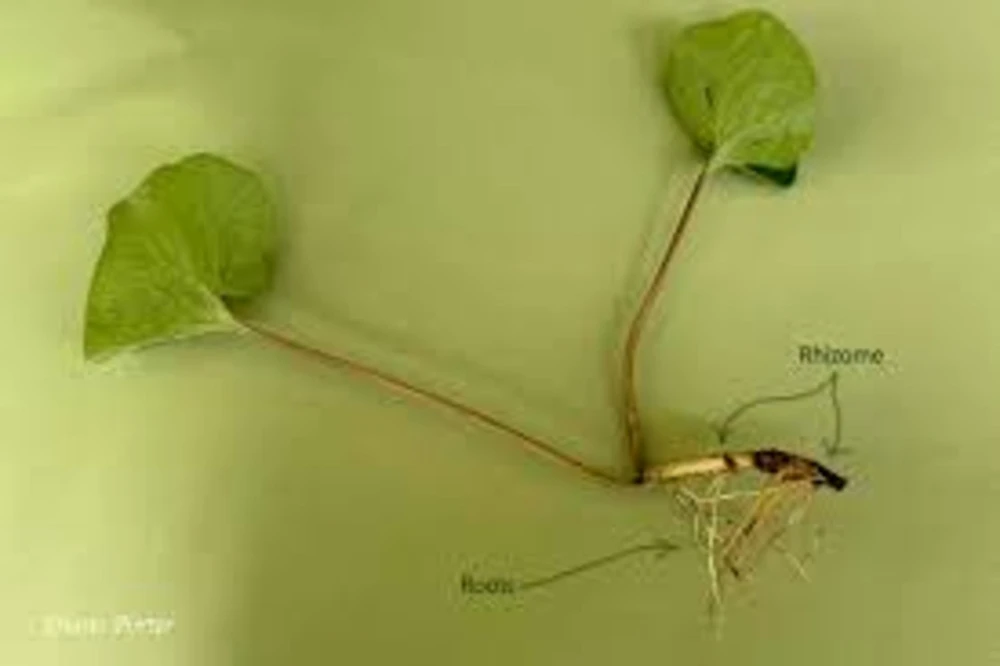
This offering includes 10 Wild Ginger bare root plants (Asarum canadense), ready for planting. Each bare root is a healthy, dormant specimen, carefully prepared for optimal transplant success. When mature, Wild Ginger typically forms a dense groundcover, reaching a height of 6-12 inches and spreading up to 18-24 inches wide over time. Its growth rate is moderate, and it will gradually colonize suitable shaded areas, creating a beautiful and naturalized look. The plants will typically establish their root systems in the first year, with more vigorous foliage and spread in subsequent years. These bare roots are an efficient and economical way to quickly establish a significant patch of this beautiful native shade plant in your garden, ensuring strong, healthy plants from the start.
Frequently Asked Questions
- Q: How big does this plant get? A: Wild Ginger typically grows 6-12 inches tall and spreads 18-24 inches wide, forming a dense groundcover over time. Its spreading habit helps to fill in shaded areas beautifully.
- Q: Is this an indoor or outdoor plant? A: Wild Ginger (Asarum canadense) is an outdoor perennial plant, native to North American woodlands. It is not suitable for indoor cultivation.
- Q: How much sunlight does it need? A: This native shade plant thrives in partial to full shade, requiring no more than 2-4 hours of direct sunlight, preferably morning sun. Intense afternoon sun can damage its leaves.
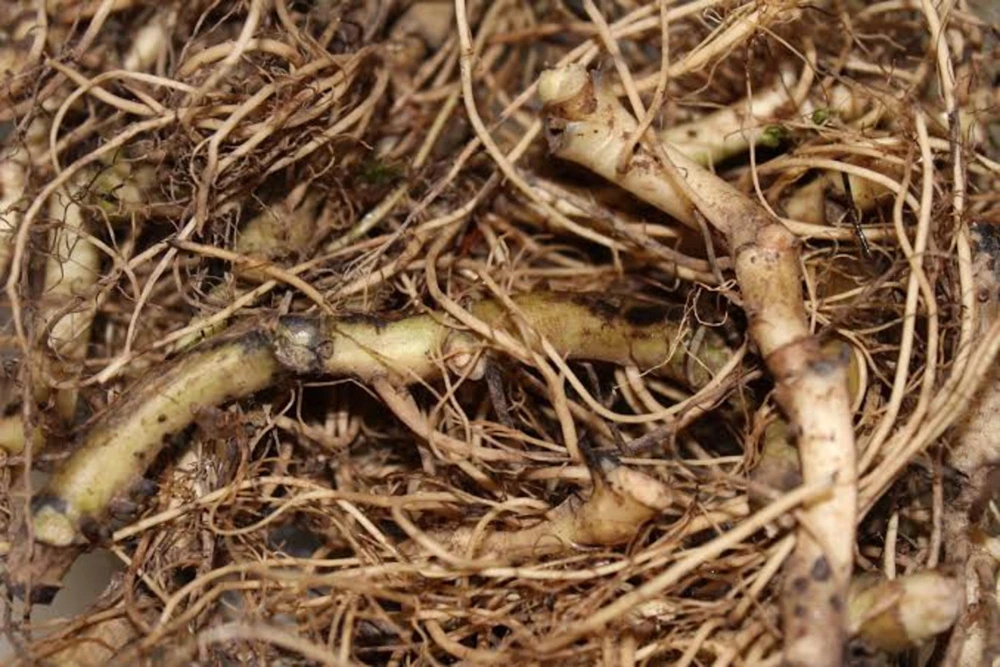
- Q: What condition will the Wild Ginger bare root plants arrive in? A: Your plants will arrive as healthy, dormant bare roots with no foliage. This is the safest and most successful way to ship and transplant Wild Ginger.
- Q: Is this plant easy to care for? A: Yes, once established, how to grow Wild Ginger is relatively easy. It’s a low-maintenance perennial that thrives in its preferred shaded, moist, and rich soil conditions.
- Q: When is the best time to plant Wild Ginger bare roots? A: The best time to plant bare roots is in early spring or fall when the plants are dormant and temperatures are mild, allowing for optimal root establishment before extreme heat or cold.
- Q: Will it survive winter in my zone? A: Wild Ginger is very hardy and will survive winter in USDA Zones 3-9. It is a deciduous perennial, meaning its foliage will die back in winter and re-emerge in spring.
- Q: What kind of soil does Wild Ginger prefer? A: It prefers rich, organic, well-draining soil with a slightly acidic to neutral pH. Amending with compost or leaf mold is highly beneficial for this Asarum canadense perennial.
- Q: Does Wild Ginger attract wildlife? A: Yes, its subtle flowers attract specific native pollinators. It also serves as a host plant for certain butterfly and moth species, contributing to local biodiversity.
- Q: Can I use Wild Ginger for culinary purposes? A: While historically used, it’s generally not recommended to consume Wild Ginger due to compounds that can be toxic in large quantities. It’s primarily grown for its ornamental value.
Be the first to review “10 Wild Ginger Bare Root Plants Asarum canadense Native Perennial Shade”
People Also Viewed


Reviews
There are no reviews yet.