
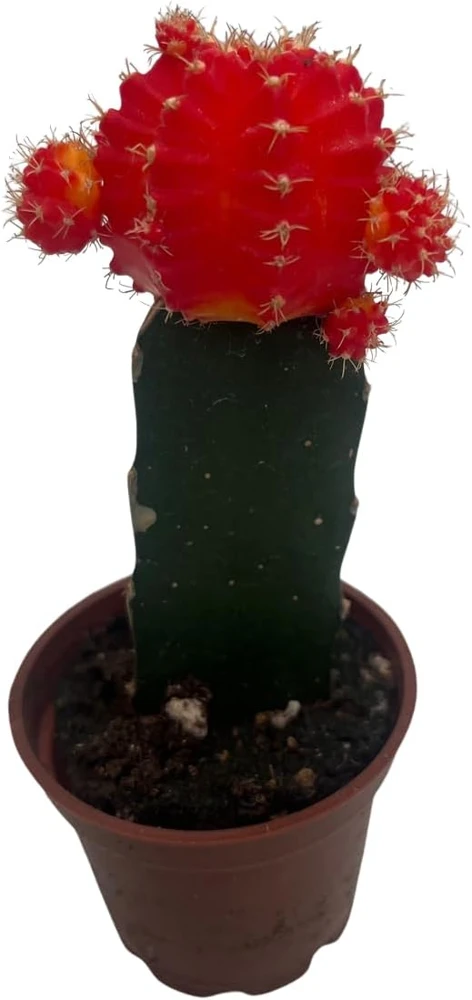
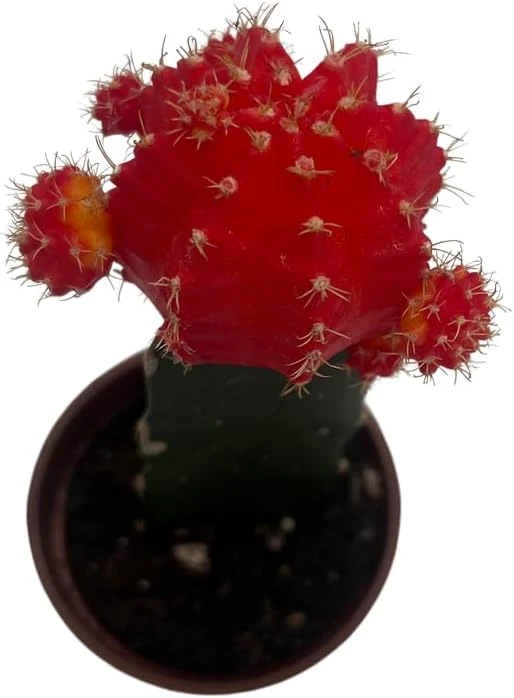
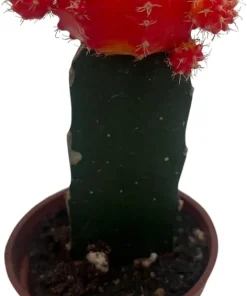
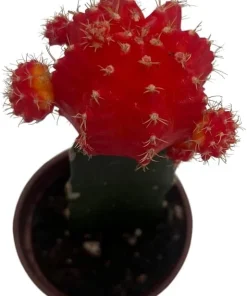
Red & Orange Grafted Moon Cactus Live Plant – 2.5″ Pot
Original price was: $41.99.$31.99Current price is: $31.99.
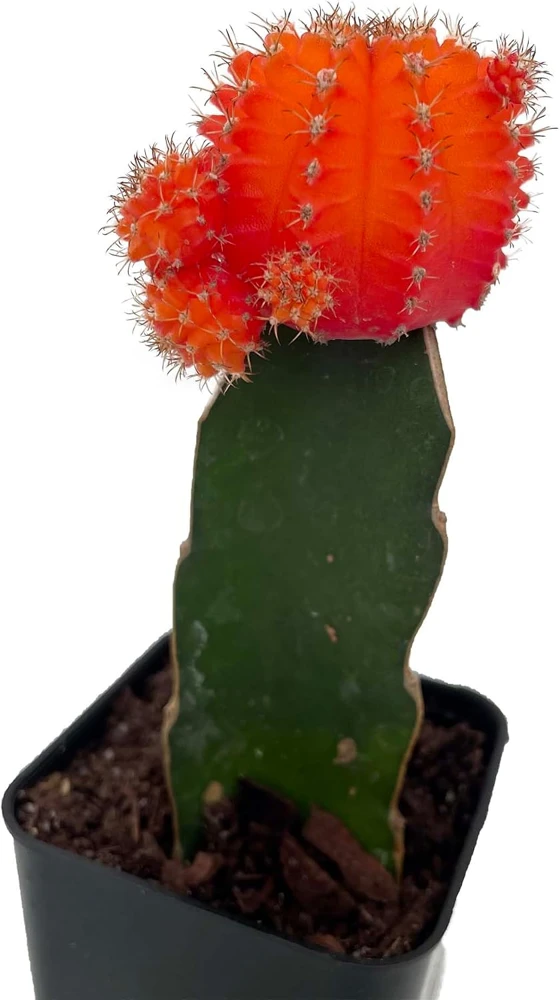
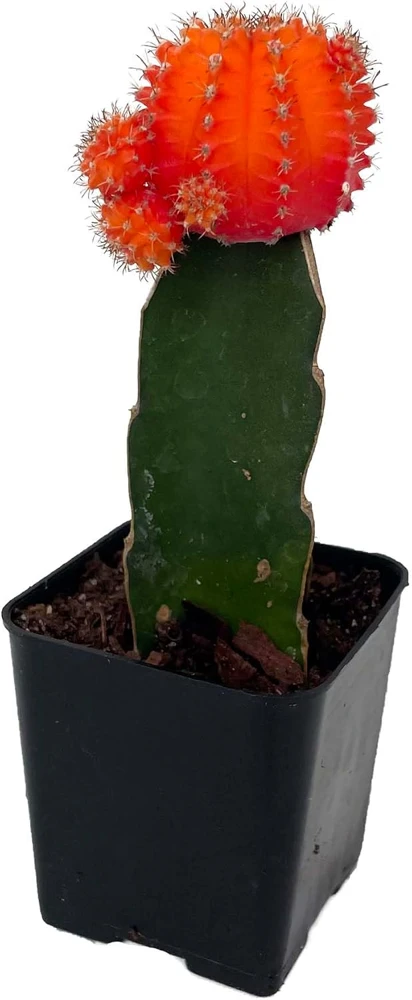
Brighten your space with a stunning grafted moon cactus live plant featuring vibrant red and orange coloration. This 2.5″ potted succulent is easy care cactus, perfect for adding a pop of color to any indoor garden or desk. Its unique appearance makes it a fantastic gift for plant enthusiasts.
Estimated arrival
Sep 29
Oct 04 - Oct 06
Oct 09 - Oct 13
Shop With Confidence
30-Day Plant Health Guarantee
Arrives damaged? We’ll replace it free — see our return policy.
Responsive Support
Email us anytime, we reply within 1 business day.
Expert Packaging
Temperature-controlled shipping to protect your plants in transit.
Secure Checkout
Pay safely with Visa, Mastercard, PayPal.
Plant Specifications
-
USDA Hardiness Zone
unknown (indoor plant) -
Soil Type
well-draining cactus mix -
Sunlight Exposure
bright indirect light -
Expected Planting Period
year-round indoors
Overview
Introduce a splash of exotic color and unique form into your home with the captivating grafted moon cactus live plant. Also known by its scientific name, Gymnocalycium mihanovichii, this fascinating succulent is not just one plant, but two different cacti expertly joined together to create a vibrant display. The colorful top, often seen in striking red and orange hues, is a chlorophyll-deficient mutant that cannot survive on its own roots. It relies on the robust green rootstock below, usually a Hylocereus species, for sustenance. This symbiotic relationship results in a visually stunning and relatively easy-to-care-for houseplant, ideal for beginners and seasoned collectors alike. Its compact size makes it perfect for windowsills, desks, or as part of a larger succulent arrangement, bringing a desert aesthetic to any indoor setting.
The red orange moon cactus is a popular choice for its low maintenance requirements and eye-catching appearance. Unlike many traditional cacti, the Moon Cactus’s vibrant top portion doesn’t perform photosynthesis, making its care slightly unique. Its striking coloration, ranging from bright reds and oranges to yellows and pinks, ensures it stands out in any plant collection. This particular offering is a healthy live plant, ready to thrive in its new home, providing long-lasting beauty with minimal effort.
Key Benefits
Owning a grafted moon cactus live plant brings numerous advantages, from its aesthetic appeal to its ease of care. It’s a fantastic way to introduce unique textures and colors into your indoor decor without requiring extensive gardening knowledge. Here are some of the key benefits:
- Stunning Visual Appeal: The vibrant red and orange hues of the Moon Cactus provide an instant burst of color, making it a focal point in any room. Its unusual grafted form is a conversation starter and adds a modern, sculptural element to your decor.
- Low Maintenance: As an easy care cactus, it requires minimal watering and attention, making it perfect for busy individuals or those new to plant ownership. It thrives on neglect, which is often the best approach for succulents.
- Compact Size: Housed in a convenient 2.5″ pot, this plant is ideal for small spaces, office desks, shelves, or as part of a terrarium or succulent garden. It doesn’t take up much room but still makes a significant visual impact.
- Drought Tolerant: Like most cacti, the Moon Cactus is highly adapted to arid conditions, meaning it can go for extended periods without water. This resilience makes it a forgiving plant for those who occasionally forget to water.
- Unique Gift Idea: Its distinctive appearance and straightforward care make it an excellent and thoughtful gift for friends, family, or colleagues, suitable for various occasions.
- Air Purifying: While not as potent as some leafy plants, cacti contribute to improving indoor air quality by absorbing carbon dioxide and releasing oxygen, especially at night.
- Educational Value: The unique grafting process of gymnocalycium mihanovichii offers an interesting educational aspect, showcasing plant biology and horticulture.
Plant Care & Growing Tips
Caring for your grafted moon cactus live plant is relatively simple, especially if you understand its unique needs as a grafted succulent. The key is to mimic its natural desert environment while accounting for the specific requirements of the colorful scion (top part) and the green rootstock (bottom part).
Sunlight Requirements: Unlike many green cacti, the colorful top of the Moon Cactus lacks chlorophyll and is sensitive to direct, intense sunlight. It prefers bright, indirect light. Place it near a window that receives plenty of ambient light but avoids harsh, direct afternoon sun, which can scorch the colorful top. An east-facing window is often ideal, or a few feet away from a south or west-facing window. Insufficient light can lead to a dulling of the vibrant colors.
Watering Schedule and Soil Moisture: Overwatering is the most common cause of problems for this easy care cactus. Water thoroughly only when the soil has completely dried out, typically every 2-4 weeks during the growing season (spring and summer). In winter, reduce watering significantly, perhaps once a month or even less, as the plant enters a dormant phase. Always ensure excess water can drain away freely. The ‘soak and dry’ method is best: water until it drains from the bottom, then wait until the soil is bone dry before watering again. If you’re unsure, it’s better to underwater than overwater.
Soil Type and Drainage: Excellent drainage is crucial. Use a well-draining cactus and succulent potting mix, or create your own by mixing regular potting soil with perlite, pumice, or coarse sand at a 1:1 ratio. The pot itself should have drainage holes to prevent waterlogging, which can lead to root rot.
Temperature Range and USDA Hardiness Zone: Moon cacti prefer warm temperatures, ideally between 65-80°F (18-27°C). They are not frost-tolerant and should be protected from temperatures below 50°F (10°C). As an indoor plant, USDA zones are less relevant, but generally, they thrive in warmer climates (zones 9-11 if grown outdoors in protected areas). Avoid sudden temperature fluctuations or cold drafts.
Fertilization Schedule and Type: Fertilize sparingly, if at all. During the active growing season (spring and summer), you can feed it once with a diluted, balanced liquid fertilizer specifically formulated for cacti and succulents. Dilute it to half or quarter strength to avoid over-fertilization, which can harm the plant. Do not fertilize during fall and winter.
Common Problems and Solutions: Yellowing or mushy rootstock indicates overwatering or root rot. Reduce watering and ensure proper drainage. If the colorful top shrivels, it might be due to extreme underwatering or the rootstock failing; check the rootstock for health. Pests like mealybugs can occasionally appear; treat with rubbing alcohol on a cotton swab. The lifespan of a gymnocalycium mihanovichii is typically shorter than non-grafted cacti, often lasting a few years, but proper care can extend its vibrancy.
Size & Details
This offering is for one vibrant grafted moon cactus live plant, presented in a 2.5-inch nursery pot. The overall height of the plant, including the pot, typically ranges from 3-5 inches, making it a perfect compact addition to any collection. The colorful scion (top part) will display striking shades of red and orange, providing a beautiful contrast to the green rootstock. While growth rates vary, these cacti are generally slow-growing, maintaining their charming, diminutive size for an extended period. They are shipped as fully rooted, established plants, ensuring a smooth transition to your home environment. Expect a healthy, well-formed specimen that is ready to be admired upon arrival. The small pot size makes it easy to incorporate into existing plant displays or to place in a decorative planter of your choice.
Frequently Asked Questions
- Q: How big does this plant get? A: This grafted moon cactus live plant typically grows to an overall height of 3-5 inches, including the 2.5-inch pot. It remains a compact and desk-friendly plant.
- Q: What size pot does it come in? A: It comes pre-potted in a standard 2.5-inch nursery pot, ready for display or transplanting into a decorative container.
- Q: Is this an indoor or outdoor plant? A: While it can tolerate some outdoor conditions in very warm climates, the red orange moon cactus is primarily an indoor plant, especially due to its sensitivity to direct sunlight and cold temperatures.
- Q: How much sunlight does it need? A: It thrives in bright, indirect sunlight. Avoid direct, harsh afternoon sun which can scorch the colorful top. An east-facing window or a spot with filtered light is ideal for this easy care cactus.
- Q: Is this plant easy to care for? A: Yes, the Moon Cactus is considered an easy care cactus. Its primary requirement is infrequent watering and bright, indirect light, making it suitable for beginners.
- Q: Is it good for beginners? A: Absolutely! Its low maintenance needs make it an excellent choice for those new to caring for succulents and houseplants.
- Q: What condition will it arrive in? A: Your grafted moon cactus live plant will arrive as a healthy, fully rooted plant in its nursery pot, carefully packaged to ensure its safe journey.
- Q: Is it shipped in soil? A: Yes, it is shipped in its original nursery pot with well-draining soil, ensuring minimal stress during transit and easy transition to your home.
- Q: How long do Moon Cacti typically live? A: Grafted Moon Cacti, including gymnocalycium mihanovichii, typically have a shorter lifespan than non-grafted cacti, usually lasting a few years. Proper care can help extend its life.
- Q: What is the best way to water this plant? A: Water thoroughly when the soil is completely dry to the touch, and allow all excess water to drain. Reduce watering significantly in winter.
- Q: What kind of soil is best for a Moon Cactus? A: A well-draining cactus or succulent potting mix is essential to prevent root rot. You can amend regular potting soil with perlite or coarse sand.
Be the first to review “Red & Orange Grafted Moon Cactus Live Plant – 2.5″ Pot”
People Also Viewed

Uncategorized
Reviews
There are no reviews yet.