

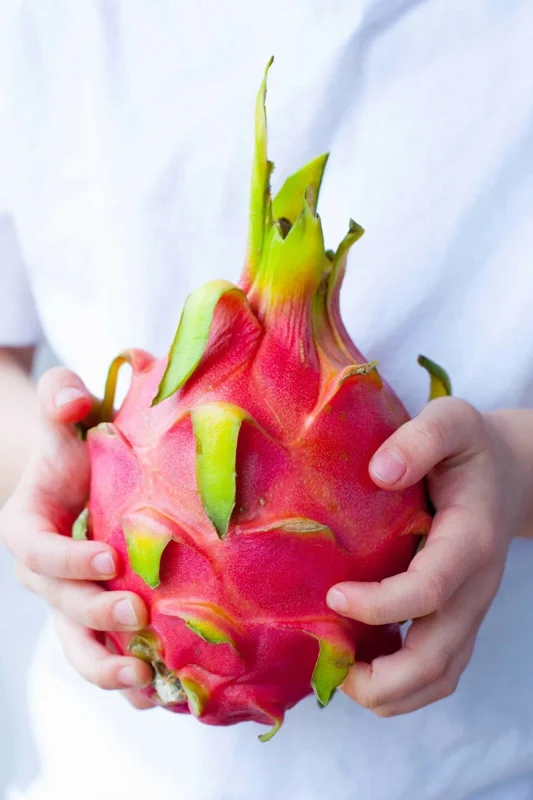












Dragon Fruit (Pitahaya) Plant Cuttings & Seeds – US Grown
Original price was: $36.99.$11.99Current price is: $11.99.
Cultivate your own exotic fruit with our premium dragon fruit plant offerings. Choose between robust pitahaya plant cuttings or high-quality dragon fruit seeds to start your tropical garden. Ideal for both indoor and outdoor growing, these plants promise delicious, vibrant fruit.
Estimated arrival
Oct 27
Nov 01 - Nov 03
Nov 06 - Nov 10
Shop With Confidence
30-Day Plant Health Guarantee
Arrives damaged? We’ll replace it free — see our return policy.
Responsive Support
Email us anytime, we reply within 1 business day.
Expert Packaging
Temperature-controlled shipping to protect your plants in transit.
Secure Checkout
Pay safely with Visa, Mastercard, PayPal.
Plant Specifications
-
USDA Hardiness Zone
USDA Zones 9-11 -
Soil Type
Well-draining sandy loam or cactus mix -
Sunlight Exposure
Full sun to partial shade -
Expected Planting Period
Spring to early summer (or year-round indoors)
Overview
Embark on an exciting gardening journey with our premium selection of dragon fruit plant options. Also known as Pitahaya, this exotic cactus produces beautiful, vibrant fruits that are as delicious as they are striking. Whether you’re a seasoned gardener or just starting out, our offerings provide everything you need to successfully cultivate this tropical marvel. You can choose to grow from vigorous pitahaya plant cuttings, which offer a faster path to fruiting, or from viable dragon fruit seeds, providing a rewarding experience from germination. Native to Central and South America, dragon fruit thrives in warm climates and can be a stunning addition to any garden or even as an indoor plant in cooler regions. Its unique appearance, with a leathery, often pink or yellow skin and a white or red pulp speckled with tiny black seeds, makes it a true conversation starter.
Our dragon fruit plant selection is sourced to ensure quality and vitality, giving you the best chance for a bountiful harvest. The plant itself is a vining cactus, requiring support as it grows, and its large, nocturnal flowers are a sight to behold, often blooming for only one night. These plants are relatively low-maintenance once established, making them an excellent choice for those looking to add an unusual and productive plant to their collection. With proper care, your dragon fruit can provide you with fresh, healthy fruit for years to come.
Key Benefits
Beyond their stunning appearance, dragon fruit plant varieties offer numerous advantages for the home gardener and fruit enthusiast alike. Growing your own dragon fruit provides access to fresh, organic produce right from your backyard or patio.
- Exotic Fruit Production: Enjoy the unique, sweet, and subtly earthy flavor of fresh dragon fruit plant, a superfood packed with antioxidants, vitamins, and minerals. Growing your own ensures you get the freshest possible fruit.
- Ornamental Appeal: The vining cactus structure and large, fragrant nocturnal flowers add significant aesthetic value to your garden or indoor space. The vibrant fruit itself is a beautiful sight.
- Adaptable Growth: Whether you choose pitahaya plant cuttings or dragon fruit seeds, these plants can be grown in various settings, including large pots, making them suitable for patios, greenhouses, or even indoors in bright locations.
- Relatively Low Maintenance: Once established, dragon fruit plants are quite resilient and drought-tolerant, requiring less intensive care compared to many other fruit-bearing plants.
- Rewarding Experience: From watching the unique flowers bloom to harvesting your first fruit, growing a dragon fruit plant offers a highly gratifying gardening experience.
- Health Benefits: Dragon fruit is known for its high fiber content, vitamin C, and beneficial antioxidants, contributing to overall well-being.
- Versatile Use: The fruit can be eaten fresh, added to smoothies, salads, desserts, or used to make jams and jellies.
Plant Care & Growing Tips
Successful cultivation of your dragon fruit plant begins with understanding its basic needs. Dragon fruit, being a cactus, thrives in warm, tropical, or subtropical climates. For optimal growth and fruit production, aim for a location that receives ample sunlight. A minimum of 6 hours of direct sunlight per day is ideal, though some afternoon shade can be beneficial in extremely hot climates to prevent sunburn on the stems. If growing indoors, place your plant near a south-facing window or use supplemental grow lights to ensure it gets enough light. The ideal temperature range for dragon fruit is between 65°F and 85°F (18°C to 29°C), and it should be protected from frost. These plants are generally hardy in USDA Zones 9-11.
Watering is crucial, especially for young plants and during fruiting periods. While drought-tolerant, consistent moisture promotes better growth and fruit size. Water thoroughly when the top 1-2 inches of soil feel dry to the touch, and allow the soil to dry out slightly between waterings to prevent root rot. Good drainage is paramount, so ensure your soil mix is well-draining. A sandy loam or a cactus-specific potting mix works well. For container-grown plants, choose a large pot with drainage holes. Fertilize your dragon fruit plant every 2-3 months during the growing season (spring and summer) with a balanced fertilizer, or one higher in potassium for fruiting. Pruning is also important to encourage branching and fruit production, as well as to manage the plant’s vining habit. Remove any dead, damaged, or overcrowded stems. If you’re growing from dragon fruit seeds, keep the soil consistently moist but not waterlogged during germination, and provide plenty of warmth.
Providing a sturdy trellis or support structure is essential as the dragon fruit plant matures, as its stems can grow quite long and heavy. Training the plant to grow upwards will encourage it to branch and flower. Common problems include scale insects and mealybugs, which can be treated with insecticidal soap. Fungal diseases can occur in overly wet conditions, so ensure good air circulation. Understanding dragon fruit care will lead to a thriving plant and abundant harvests.
Size & Details
Our dragon fruit plant offerings include both robust cuttings and viable seeds, providing flexibility for your gardening preferences. The pitahaya plant cuttings are typically 8-14 inches long, ready for rooting and quicker establishment. These cuttings are selected for their vigor and health, giving you a head start on fruit production, often within 1-3 years. If you choose to grow from dragon fruit seeds, you can expect a longer journey, with germination typically occurring within 1-4 weeks under ideal conditions, and fruiting usually beginning around 3-5 years after planting. Both options allow you to cultivate this fascinating fruit, with the choice depending on your desired timeline and gardening experience.
Dragon fruit plants are fast-growing vines, and with proper support, they can reach heights of 10-20 feet. They are typically grown as an evergreen, perennial succulent. The fruit itself can vary in size, generally weighing between 0.5 to 1.5 pounds per fruit. The plant’s growth habit is succulent, and it can be grown both indoors and outdoors, making it a versatile choice for many climates. Our products are proudly made in the USA, ensuring quality and adherence to domestic standards. Understanding growing dragon fruit involves appreciating its unique growth pattern and providing the necessary support for its vining stems.
Frequently Asked Questions
- Q: How big does this plant get? A: A mature dragon fruit plant can grow into a large, vining cactus, often reaching heights of 10 to 20 feet if given adequate support. Its spread can also be substantial, requiring space for its long stems.
- Q: Is this an indoor or outdoor plant? A: Dragon fruit can be grown both indoors and outdoors. It thrives outdoors in warm, tropical climates (USDA Zones 9-11). In cooler regions, it can be grown indoors in a bright, sunny location or in a greenhouse.
- Q: How much sunlight does it need? A: The dragon fruit plant requires a minimum of 6 hours of direct sunlight per day for optimal growth and fruit production. In extremely hot climates, some afternoon shade can be beneficial to prevent stem sunburn.
- Q: Is this plant easy to care for? A: Once established, dragon fruit plants are relatively easy to care for. They are drought-tolerant and require good drainage. Regular watering during dry spells and consistent fertilization will promote better fruiting. Understanding dragon fruit care is straightforward.
- Q: What condition will it arrive in? A: If you order pitahaya plant cuttings, they will arrive as healthy, unrooted stem sections ready for planting. If you order dragon fruit seeds, they will be packaged for viability and ready for germination.
- Q: How long until it blooms? A: If growing from pitahaya plant cuttings, you can expect blooms and fruit within 1-3 years. If growing from dragon fruit seeds, it typically takes 3-5 years for the plant to mature enough to produce flowers and fruit.
- Q: Will it survive winter in my zone? A: Dragon fruit plants are sensitive to frost. They are best suited for USDA Hardiness Zones 9-11. If you live in a colder zone, you will need to bring the plant indoors or provide frost protection during winter.
- Q: What is the best soil type for dragon fruit? A: Dragon fruit plants prefer well-draining soil. A sandy loam mix or a cactus-specific potting mix with good aeration is ideal. Avoid heavy clay soils that retain too much moisture.
- Q: Can I grow dragon fruit seeds in a pot? A: Yes, dragon fruit seeds and cuttings can be successfully grown in large pots. Ensure the pot has excellent drainage and is big enough to accommodate the plant’s vining growth.
- Q: What are the benefits of growing dragon fruit at home? A: Growing dragon fruit at home provides fresh, organic fruit, adds an exotic and beautiful plant to your garden, and offers the rewarding experience of cultivating a unique tropical fruit.
| Options | 15 Seeds, 25 Seeds, 50 Seeds, Plant Cutting Pack, Sample 5 Seeds, Seedling, Starter Plant |
|---|
Be the first to review “Dragon Fruit (Pitahaya) Plant Cuttings & Seeds – US Grown”
People Also Viewed





Reviews
There are no reviews yet.