
Gardening Tips
How to Grow Sweetheart Hoya Plants for Happy, Heart-Shaped Leaves
Aug
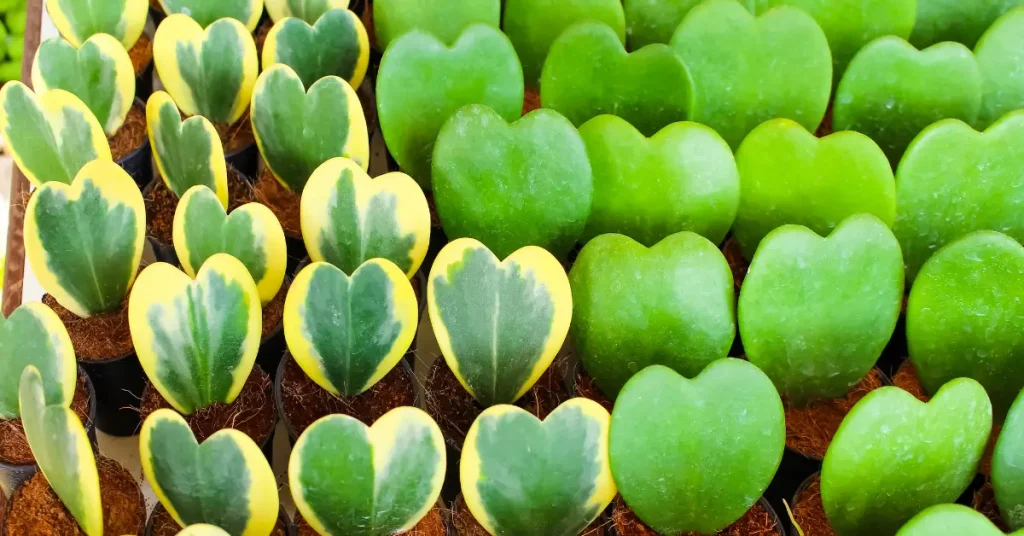
Sweetheart Hoya (Hoya kerrii) is one of the most charming and recognizable houseplants you can grow. Known for its distinct, thick, heart-shaped leaves, this slow-growing succulent vine is a favorite for Valentine’s Day gifts and plant lovers alike. With the right light and a gentle hand with the watering can, your Sweetheart Hoya can thrive for years, growing from a single leaf into a lush, trailing plant with beautiful porcelain-like flowers.
In this guide, you’ll learn everything you need to know about growing Sweetheart Hoya plants, from choosing between a leaf cutting and a rooted vine to light, soil, watering, and pest care. Whether you’re placing it on a bright windowsill or cascading it from a hanging basket, these practical tips will help you keep your foliage healthy and glowing.
What Is Sweetheart Hoya?
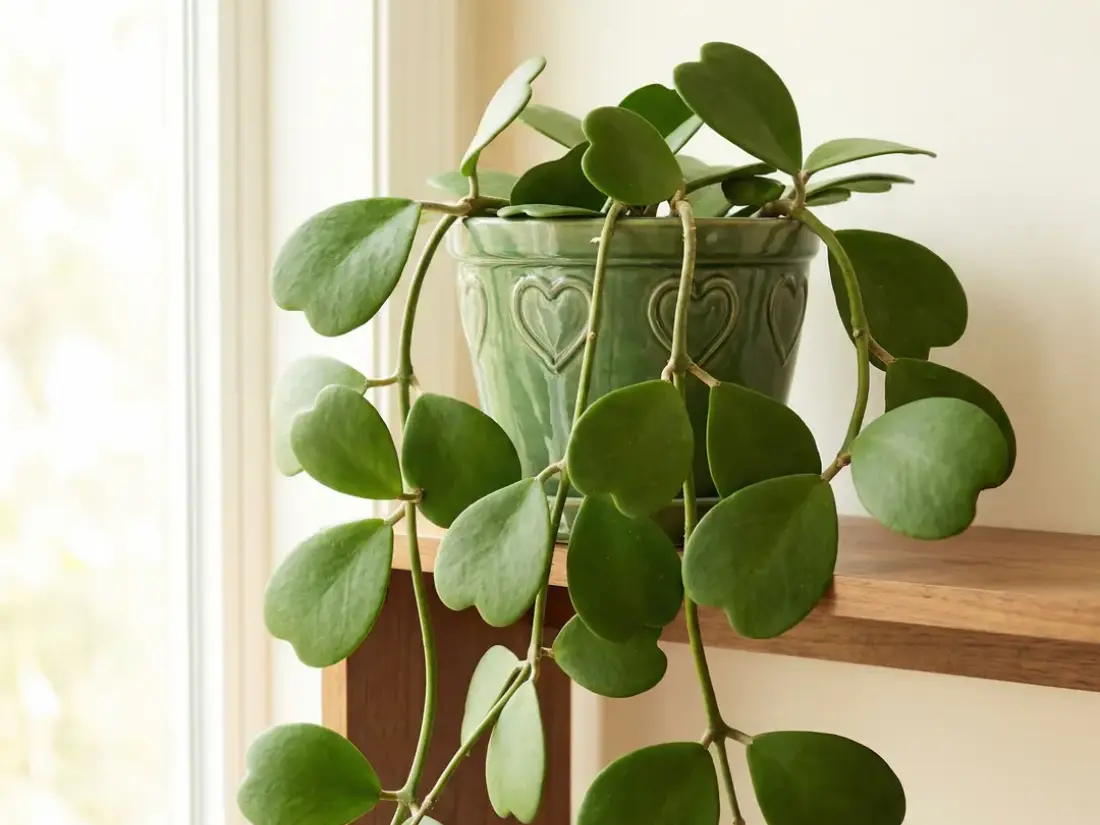
Sweetheart Hoya, also called the Heart Leaf Hoya or Valentine Hoya, is a tropical climbing vine native to Southeast Asia. It belongs to the Apocynaceae (milkweed) family.
Unlike standard thin-leaved houseplants, Sweetheart Hoya has thick, waxy, succulent leaves that store water. In its natural environment, it grows as an epiphyte, using tree trunks for support as it climbs toward the light.
When grown indoors, it develops long woody vines that produce pairs of thick, green, heart-shaped leaves. Mature plants may eventually produce clusters of star-shaped, fragrant, cream-and-pink flowers that secrete sweet nectar.
The plant is often sold around Valentine’s Day because of its leaf shape.
Sweetheart Hoya is a perennial houseplant. It grows slowly, especially while young, but a well-established plant can live for many years.
Single Leaf vs. Vine: Choose the Right Plant
Before buying a Sweetheart Hoya, it is important to know what kind of plant you are bringing home.
-
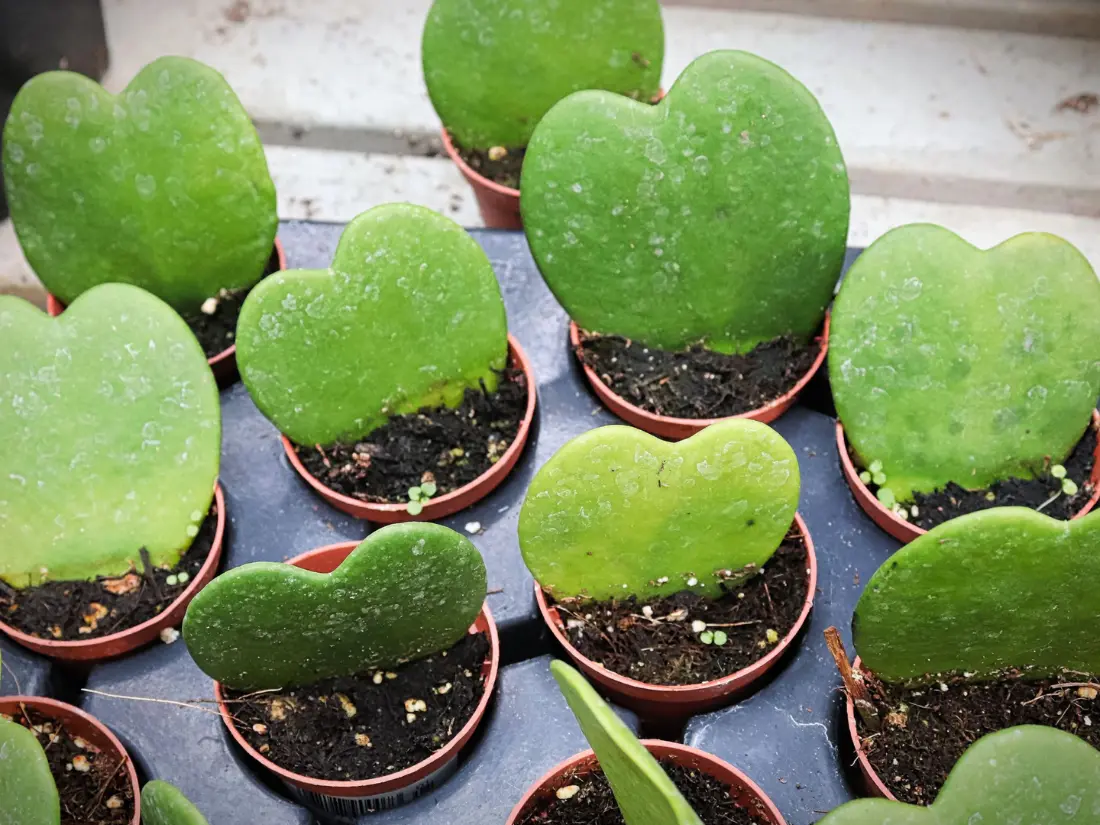
Single-Leaf Cuttings: You will often see single heart-shaped leaves rooted in small pots around holidays. While these adorable leaves can live and stay green for years, most single leaves will never grow into a full trailing vine. They usually lack the stem node required to produce new stems and growth points.
-
Rooted Vine Plants: If you want a plant that grows longer stems, climbs, and eventually produces blooms, buy a rooted Sweetheart Hoya plant with an active stem and visible node.
Check the base of the plant before buying to ensure you are getting a stem node if your goal is long-term growth.
How to Plant and Pot Sweetheart Hoya
Choose the Right Container
Sweetheart Hoya likes to be slightly root-bound. Choose a pot that is only slightly larger than the plant’s root ball.
Always use a pot with clear drainage holes. Terracotta pots work exceptionally well because they allow moisture to evaporate through the sides, protecting the roots from excess water.
Prepare the Best Soil
Sweetheart Hoya roots need plenty of airflow and fast drainage. Heavy, dense potting soil can lead to root rot.
Mix a chunky, airy potting blend. A great homemade soil recipe includes:
-
Equal parts standard indoor potting soil
-
Perlite or coarse pumice
-
Orchid bark or coconut coir chunks
For a detailed soil blend guide, read our guide to mixing airy soil for tropical epiphytes.
How to Care for Sweetheart Hoya
Bright Light Requirements
Sweetheart Hoya needs bright, indirect sunlight to thrive and maintain its thick leaves.
-
Place your plant near a bright east- or south-facing window.
-
Protect the leaves from intense, direct afternoon sun, which can scorch the foliage and cause yellowing.
-
In low-light conditions, growth will stall, and the plant may drop lower leaves or fail to produce new stems.
If your space lacks natural light, place your Hoya under a quality LED grow light for 12 to 14 hours a day.
Watering
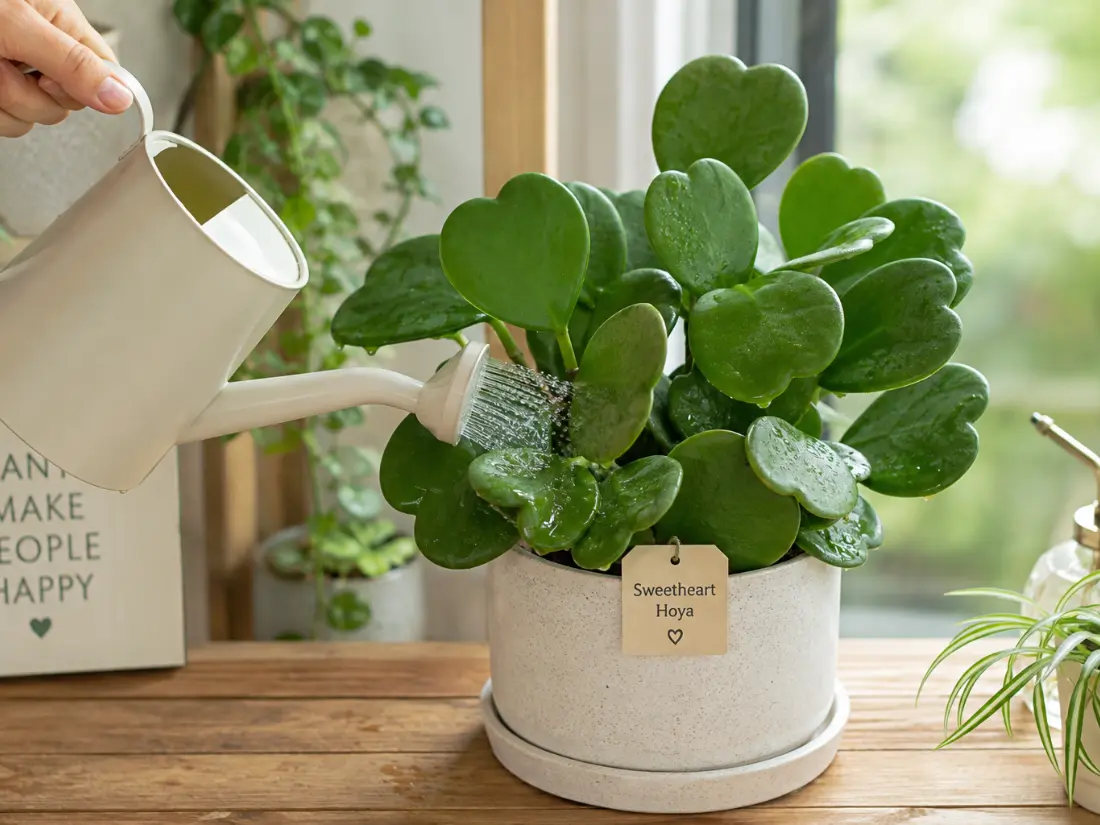
Because Sweetheart Hoya stores water in its thick, waxy leaves, overwatering is the quickest way to kill it.
-
Allow the potting mix to dry out almost completely between waterings.
-
Push your finger two to three inches into the soil. If it feels dry and the pot feels light, it is time to water.
-
Give the leaves a gentle squeeze. If they feel firm and plump, wait a few more days. If they feel slightly soft or puckered, water deeply.
-
Soak the soil thoroughly until water drains out the bottom. Empty the saucer so the pot does not sit in standing water.
Reduce watering significantly during late fall and winter when growth naturally slows down.
Temperature and Humidity
Sweetheart Hoya prefers warm home temperatures between 65°F and 80°F (18°C to 27°C). Protect it from cold window drafts and air conditioning vents.
While it tolerates normal indoor humidity, it grows faster and produces larger leaves when humidity stays above 50%. A humid bathroom or nearby humidifier can give it a gentle boost.
Fertilizing
Sweetheart Hoya is a light feeder. Over-fertilizing can burn the sensitive root system.
-
Feed your plant once a month during spring and summer with a balanced indoor houseplant fertilizer diluted to half strength.
-
Do not fertilize in late fall or winter when the plant is dormant.
-
Water the soil before applying liquid fertilizer to avoid burning dry roots.
How to Propagate Sweetheart Hoya
Stem cuttings are the most reliable way to propagate Hoya kerrii. A cutting must include at least one node. The node is the point on the stem where leaves and roots can grow.
Follow these steps:
-
Choose a healthy vine with no signs of pests.
-
Cut a section with one or two nodes.
-
Remove the lowest leaf if it would sit below the soil or water.
-
Let excess milky sap stop flowing.
-
Place the node in water, damp sphagnum moss, perlite, or a loose propagation mix.
-
Keep the cutting warm in bright indirect light.
-
Maintain light moisture without leaving the cutting waterlogged.
-
Pot the cutting after it develops a useful root system.
Roots may take several weeks to form. New vine growth can take longer.
You can also propagate Hoya through layering. Bend a healthy vine toward a second pot and hold a node against damp potting mix. After roots develop, cut the new plant away from the parent vine. RHS lists layering and stem cuttings as suitable propagation methods for Hoya kerrii.
A single heart-shaped leaf may form roots, but it needs node or stem tissue to have a strong chance of becoming a full plant.
Training and Supporting Your Sweetheart Hoya
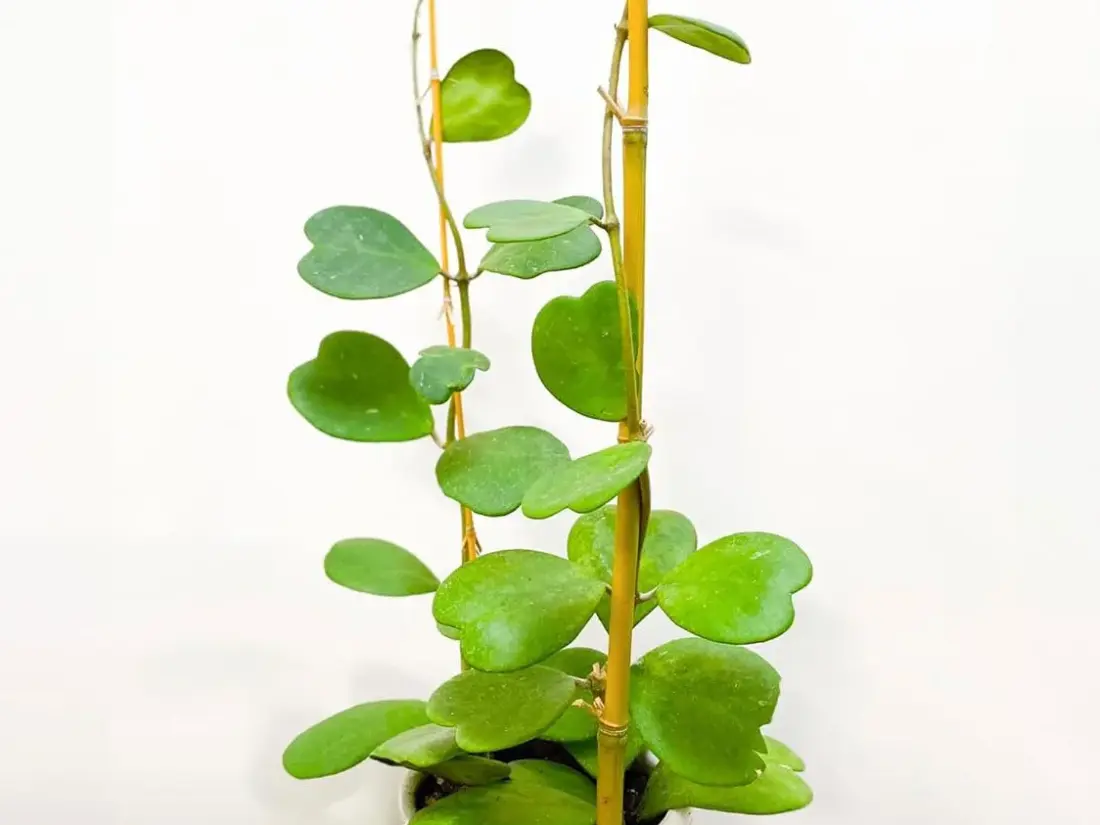
As your vine grows longer, its heavy, heart-shaped leaves need support.
-
Trellising: Gently wrap trailing stems around a small metal hoop or bamboo trellis. Secure the vine with soft plant ties.
-
Hanging Baskets: Let mature vines cascade naturally over the edge of a pot placed on a high shelf or plant hanger.
Handle young vine shoots carefully. Avoid trimming long, leafless tendrils—leaves and flower clusters (peduncles) will form along these stems over time.
Common Sweetheart Hoya Pests
Mealybugs
Mealybugs are tiny, cotton-like pests that hide in leaf crevices and under heart lobes where they suck plant sap.
-
Inspect new growth regularly.
-
Dab individual bugs with a cotton swab dipped in rubbing alcohol.
-
Treat larger outbreaks with insecticidal soap or neem oil spray.
Root Rot
Root rot is caused by soggy soil and poor drainage. Symptoms include yellowing leaves, soft stems, and leaves dropping unexpectedly.
If you suspect root rot, unpot the plant, trim away mushy black roots, and repot the healthy remaining roots into fresh, dry, airy soil.
Common Sweetheart Hoya Growing Mistakes
-
Overwatering: Watering too frequently is the most common reason Hoya kerrii fails. Always err on the dry side.
-
Expecting a single leaf to vine: Buying a single heart leaf and expecting a vine without a stem node leads to disappointment.
-
Cutting off bare tendrils: Trimming long leafless vines removes the places where new leaves and flowers grow.
-
Using heavy soil: Standard garden soil traps too much moisture around roots.
Frequently Asked Questions (FAQs)
How long does Sweetheart Hoya take to bloom?
Sweetheart Hoya is a slow grower. A young plant may take several years to reach maturity and produce its first star-shaped flowers. Giving it bright indirect light and keeping it slightly root-bound encourages flowering.
Why is my Sweetheart Hoya leaf turning yellow?
Yellow leaves are most often a sign of overwatering or poor drainage. Check the soil moisture immediately. Occasionally, an old lower leaf may turn yellow and drop naturally as the plant grows.
Can I propagate a Sweetheart Hoya from a leaf?
You can root a single leaf in water or soil, but unless a small piece of the main stem node is attached, it will only stay as a single leaf and will not grow into a climbing vine.
How fast does Sweetheart Hoya grow?
Hoya kerrii is a slow-growing plant, especially when young. A mature plant with strong light and healthy roots may grow faster during spring and summer. A single leaf without a node may never produce a vine.
How often should I water Sweetheart Hoya?
Water after part of the potting mix has dried. This may be every one or two weeks in some homes, but the timing will change with light, season, humidity, pot size, and soil type. Check the soil instead of following a fixed calendar.
Can Sweetheart Hoya grow in low light?
It may survive in lower light, but growth will be very slow and flowering will be unlikely. Bright indirect light is better for healthy vines, firm leaves, and blooms.
Why is my single Hoya heart not growing?
The cutting may not contain a node or enough stem tissue. A leaf can form roots and remain alive without developing into a full vine. Look for a small piece of stem or new growth near the soil line.
Should I mist Sweetheart Hoya?
Misting is not required. A humidifier or naturally humid room provides more consistent humidity. If you mist, do not keep the leaves wet for long periods, and maintain airflow around the plant.
Conclusion
Growing Sweetheart Hoya plants comes down to a few easy habits.
Give it bright indirect light, use an airy soil mix, let the soil dry out between waterings, and give it a sturdy support to climb. You don’t need a green thumb to enjoy these charming heart-shaped leaves, just a little patience and a spot near a sunny window.
Pick up a rooted Hoya kerrii vine, set it in a sunny spot, and enjoy watching its distinctive leaves unfold season after season!
