
Gardening Tips
Crape Myrtle Care & Planting Guide for Vibrant Summer Blooms
Oct
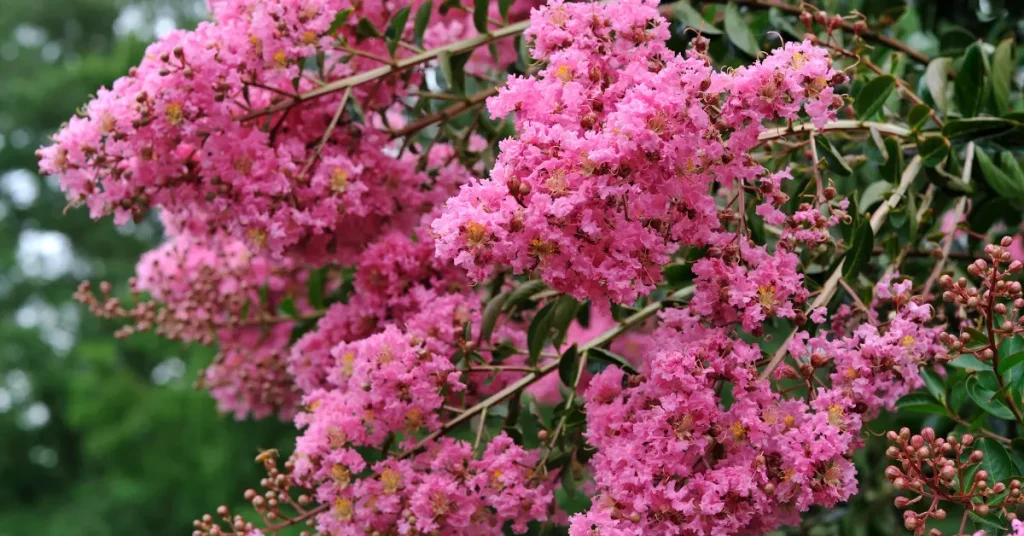
Crape Myrtle (Lagerstroemia spp.) is widely celebrated as the “Lilac of the South,” famed for its long-lasting summer blooms, graceful multi-trunk architecture, and striking paper-thin peeling bark. This stunning ornamental shrub puts on a multi-season show in the landscape. Large, crinkled flower panicles, resembling crepe paper, emerge in early summer in shades of fiery red, vibrant pink, deep purple, and pure white. As summer turns to autumn, the dark foliage transforms into brilliant shades of orange, yellow, and crimson before shedding to reveal smooth, mottled cinnamon-colored bark in winter.
In this guide, you’ll learn everything you need to know about planting and caring for Crape Myrtles, from selecting the ideal planting location and preparing the soil to watering, fertilizing, proper pruning, and winter protection. Whether you’re planting a majestic specimen tree, designing a privacy screen, or growing dwarf varieties in patio containers, these practical tips will help you achieve lush growth and breathtaking blooms year after year.
What Is Crape Myrtle?
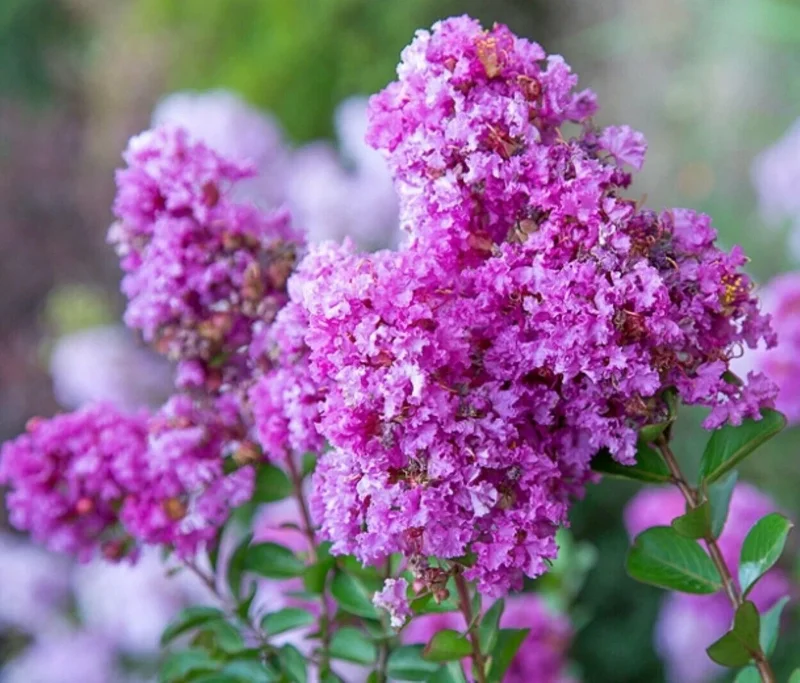
Crape Myrtle is a deciduous, heat-loving shrub or small tree native to warm regions of Asia and Australia. It thrives exceptionally well across USDA Hardiness Zones 6 through 10, thriving in summer heat where other flowering trees struggle.
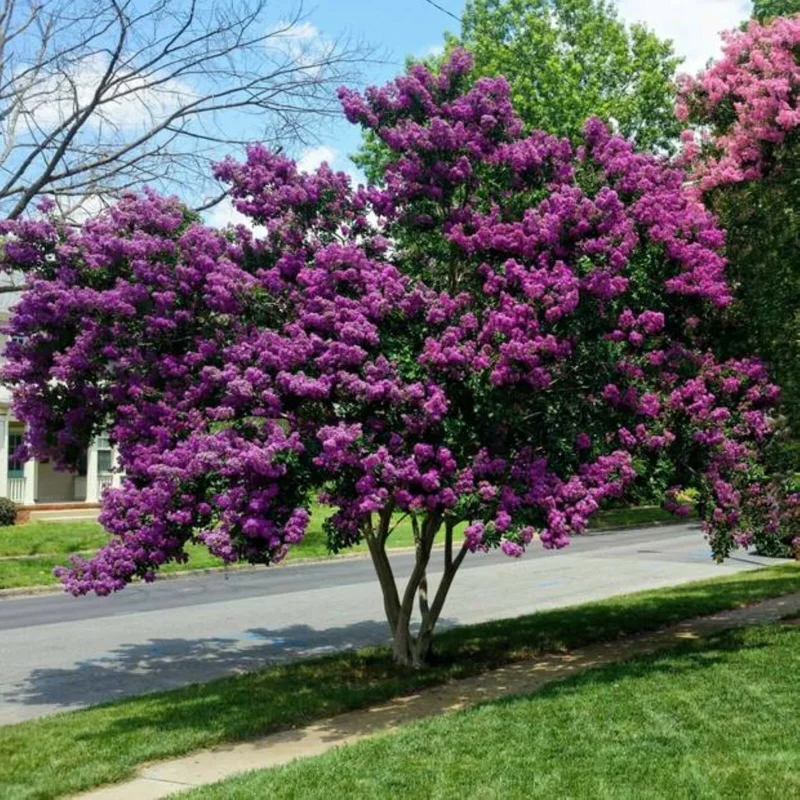
Depending on the cultivar, Crape Myrtles come in a wide range of sizes. Miniature and dwarf varieties (such as the ‘Razzle Dazzle’ series) stay between 2 and 5 feet tall, making them perfect for containers or small garden borders. Intermediate semi-dwarf varieties grow 6 to 12 feet, while traditional tree forms (like ‘Natchez’ or ‘Tuscarora’) reach mature heights of 20 to 30 feet.
The plant produces large, tissue-like flower clusters on new wood at the tips of branches. Its smooth, shedding bark sheds annually in late summer to create a eye-catching marble pattern on mature trunks, making it an architectural highlight even in dead of winter.
How to Plant Crape Myrtle
Choose the Right Planting Site
Selecting the correct location is essential for maximizing flower production and preventing common foliar diseases.
-
Sunlight Needs: Crape Myrtles are true sun-worshipers. Plant in a spot that receives full sun (at least 6 to 8 hours of direct, unfiltered sunlight daily). Shade drastically reduces bloom count and leaves the foliage susceptible to powdery mildew.
-
Air Circulation: Position your Crape Myrtle where air flows freely around the canopy. Good spacing keeps leaves dry and deters fungal issues.
-
Soil Drainage: Crape Myrtles adapt to various soil types, but they require good drainage. Avoid soggy, low spots where water pools after heavy rain, which can cause root rot.
When to Plant
The best time to plant Crape Myrtle is in late spring or early summer when soil temperatures are warm and the plant is actively growing. Early autumn is also a great window in warmer zones, allowing roots to establish before winter dormancy.
Prepare the Best Soil
Crape Myrtles prefer well-draining, slightly acidic to neutral soil with a pH between 6.0 and 6.5.
-
Dig a hole two to three times wider than the root ball, but keep the depth slightly shallower than the container height.
-
Mix organic compost or aged bark into native heavy clay or sandy soils to improve drainage and aeration.
-
Ensure the root crown rests slightly above the surrounding soil line to prevent water accumulation near the main trunk base.
Step-by-Step Planting Process
-
Gently remove the tree from its container and loosen any tightly wrapped or circling roots.
-
Set the root ball into the center of the prepared hole.
-
Backfill with the excavated soil blend, firming it down gently with your hands to eliminate air pockets.
-
Water thoroughly at the base to settle the soil around the root system.
-
Apply a 3-inch layer of organic mulch (such as shredded pine bark or pine straw) around the root zone, keeping it two inches away from the trunk.
Crape Myrtle Care
Watering
Establishing a deep, drought-tolerant root system requires consistent moisture during the first two growing seasons.
-
Water newly planted Crape Myrtles deeply two to three times a week during dry summer spells.
-
Soak the root zone thoroughly rather than giving frequent, shallow surface sprays.
-
Once fully established, Crape Myrtles are exceptionally drought-tolerant and usually rely on natural rainfall except during severe, prolonged drought conditions.
-
Always check soil moisture two inches deep; water deeply when it feels dry to the touch.
Fertilizing
Crape Myrtles are moderate feeders, and over-fertilizing can do more harm than good.
-
Apply a balanced, slow-release fertilizer (such as an 8-8-8 or 10-10-10 formula) or a layer of rich compost around the drip line in early spring as new green leaf buds break.
-
Avoid high-nitrogen fertilizers, which cause rapid growth of lush foliage at the expense of flower clusters.
-
Stop fertilizing by midsummer so late-season shoots can harden off properly before cold weather arrives.
Pruning (Avoiding “Crape Topping”)
Crape Myrtles bloom on new wood produced during the current season. Proper pruning preserves the natural beauty of the tree while boosting bloom count.
-
Prune in late winter or early spring before new growth emerges.
-
Remove dead, damaged, crossing, or rubbing branches to open up the canopy for better sun and airflow.
-
Trim away thin, weak suckers growing from the base of the trunk or main root flare.
-
Avoid severe topping (“Crape Murder”): Never chop main trunks straight across at a uniform height. Severe topping creates unsightly, weak, whip-like branches that fail to support heavy flower heads during summer rain.
How To Get Crape Myrtle To Bloom
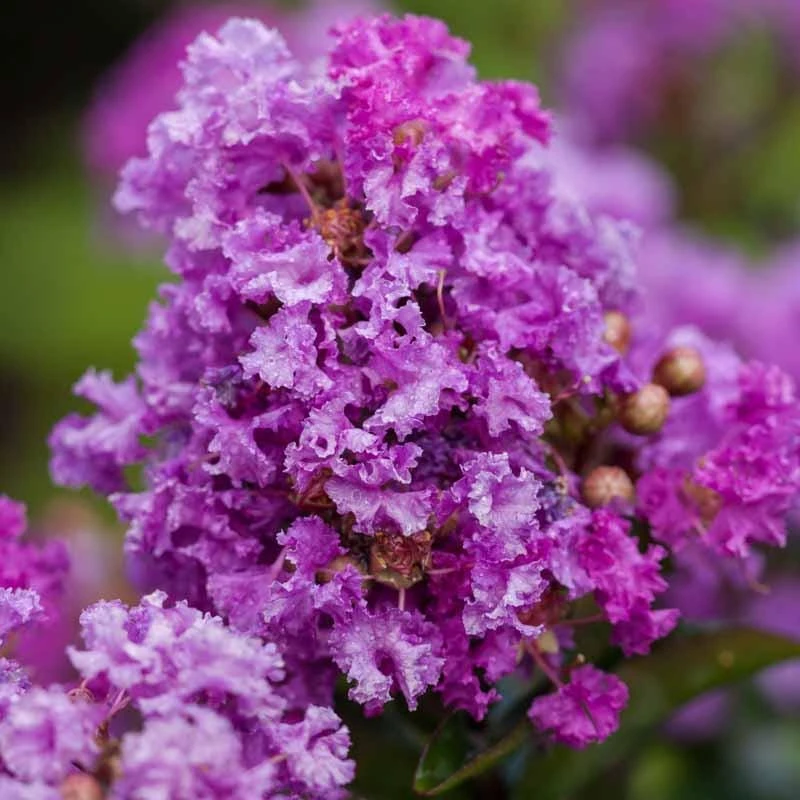
If your Crape Myrtle is lush and leafy but failing to put on a colorful flower show, a few key fixes can get it back on track.
-
Provide Full Sun: Move shaded plants or prune back surrounding tree branches. Without at least six full hours of direct sun, flower production drops drastically.
-
Cut Nitrogen: Excess nitrogen promotes heavy leafy growth while suppressing flower buds. Switch to a fertilizer richer in phosphorus or stick to organic compost.
-
Deadhead First Blooms: Promptly clip off spent flower heads in midsummer before they set seed pods. This encourages a second flush of blossoms in late summer.
-
Avoid Over-Pruning: Excessive winter pruning forces the tree to spend energy replacing lost wood rather than setting healthy flower buds.
Growing Crape Myrtle in Containers
Compact dwarf and miniature Crape Myrtle varieties thrive in large pots on sunlit decks, patios, and balconies.
-
Choose a Large Pot: Select a heavy pot at least 15 to 20 inches in diameter with clear drainage holes to support root mass and balance top growth.
-
Use Well-Draining Potting Mix: Fill the pot with a light, commercial potting soil blended with perlite or coarse pine bark. Never use heavy garden soil.
-
Water Frequently: Soil in containers dries out rapidly under full summer sun. Check the pot daily and soak deeply whenever the top inch of soil feels dry.
-
Feed Monthly: Apply a balanced, slow-release fertilizer in early spring, supplemented with a diluted liquid fertilizer once a month through midsummer.
Overwintering
Crape Myrtles are cold-hardy down to USDA Zone 6. Taking simple precautions during late fall protects roots and dormant stems from severe freeze damage.
-
Mulch the Root Flare: Apply a 3- to 4-inch blanket of shredded bark or leaf mulch over the root zone in late autumn to insulate roots against deep soil freezes.
-
Water Before the Freeze: Soak the ground around the tree deeply in late autumn before the ground freezes to keep dormant wood hydrated through dry winter winds.
-
Protect Potted Trees: Container roots are vulnerable to cold snaps. In Zones 6 and 7, move potted Crape Myrtles into an unheated garage, shed, or basement after foliage drops for winter dormancy.
-
Protect Northern Trees: In Zone 6, late frosts may kill top growth down to ground level. Don’t worry, Crape Myrtles sprout vigorously from the root crown in spring and still bloom the same summer!
Common Pests and Diseases
Crape Myrtles are tough, but they can occasionally face a few garden pests and fungal problems:
Powdery Mildew
This fungal infection forms a white powdery coating on young leaves and flower buds, usually in humid shade. Prevent it by planting in full sun, maintaining proper plant spacing, and selecting disease-resistant cultivars (look for Indian tribe names like ‘Natchez’, ‘Tuscarora’, or ‘Teton’).
Crape Myrtle Bark Scale (CMBS)
Small, white or gray felt-like scales appear on stems and trunks, bleeding pink fluid when crushed. They secrete sticky honeydew that leads to black sooty mold on the bark. Treat infested trees with horticulture oil or systemic soil drench insecticides in early spring.
Crape Myrtle Aphids
Tiny yellowish-green aphids feed on new leaf growth in summer, leaving sticky honeydew behind. Blast them off with a hard spray of water or treat with insecticidal soap.
Common Growing Mistakes
-
Planting in partial or deep shade: Results in weak stems, poor bloom production, and frequent powdery mildew.
-
Practicing severe topping (“Crape Murder”): Destroys natural tree shape and creates weak, drooping branches.
-
Overwatering in heavy soil: Saturated, muddy roots cause root rot and rapid leaf yellowing.
-
Using excess high-nitrogen fertilizer: Drives foliage growth while stripping away summer blooms.
Frequently Asked Questions (FAQs)
When do Crape Myrtles start blooming?
Crape Myrtles typically begin blooming in early summer (June or July) and continue producing flowers for 90 to 120 days, often lasting well into early autumn depending on the variety and local climate.
Why is my Crape Myrtle turning black?
Black trunk bark or foliage is caused by black sooty mold, a fungus that grows on sticky honeydew secreted by aphids or Crape Myrtle bark scale. Treat the underlying insect pest, and the black mold will weather off over time.
How big do Crape Myrtles get?
Crape Myrtle sizes vary widely by cultivar, ranging from miniature dwarf varieties that grow just 2 to 3 feet tall to large, tree-form varieties that reach over 25 to 30 feet at maturity. Always check plant tags before buying!
Can I prune my Crape Myrtle into a single trunk tree?
Yes! Select the strongest, straightest central trunk on a young plant and prune away all competing lower branches and ground suckers over a few seasons until you establish a clean main trunk.
Conclusions
Learning how to grow Crape Myrtle comes down to a few basic principles.
Choose a sunny spot receiving full direct sunlight, provide well-drained soil, keep moisture steady during the first couple of years, avoid harsh severe topping, and let the plant’s natural structure shine. You don’t need a high-maintenance care routine to enjoy this garden star, just plenty of warmth and room to stretch out.
Pick up a Crape Myrtle tree or dwarf cultivar, prepare your garden bed or patio pot, and enjoy months of vibrant summer blooms, gorgeous fall leaf color, and marble-patterned winter bark!
You may like:
