
Gardening Tips
How to Grow Ruby Slipper Oakleaf Hydrangea for Vibrant Autumn Color
Aug
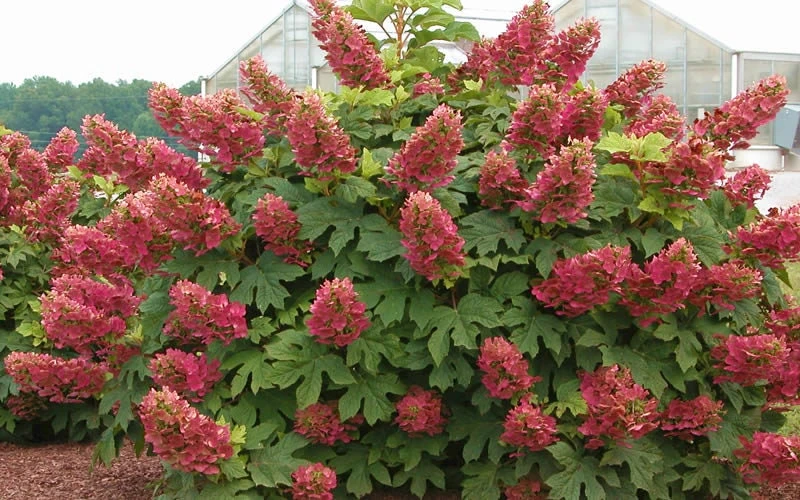
Ruby Slipper Oakleaf Hydrangea (Hydrangea quercifolia ‘Ruby Slippers’) is one of the most stunning, compact flowering shrubs you can plant in a home landscape. Famous for its dramatic, oversized oak-like leaves and large upright flower cones, this hardy native cultivar puts on a breathtaking multi-season show. The flowers emerge crisp white in early summer, age to a soft blush pink, and deepen into a rich, ruby-red hue by late summer before the foliage turns a brilliant mahogany-crimson in autumn.
In this guide, you’ll learn everything you need to know about growing Ruby Slipper Oakleaf Hydrangea, from choosing the perfect planting site and soil preparation to watering, pruning, fertilizing, and winter protection. Whether you’re planting a single specimen shrub, building an informal hedge, or filling out a woodland garden border, these practical tips will help you enjoy robust growth and spectacular color year after year.
What Is Ruby Slipper Oakleaf Hydrangea?
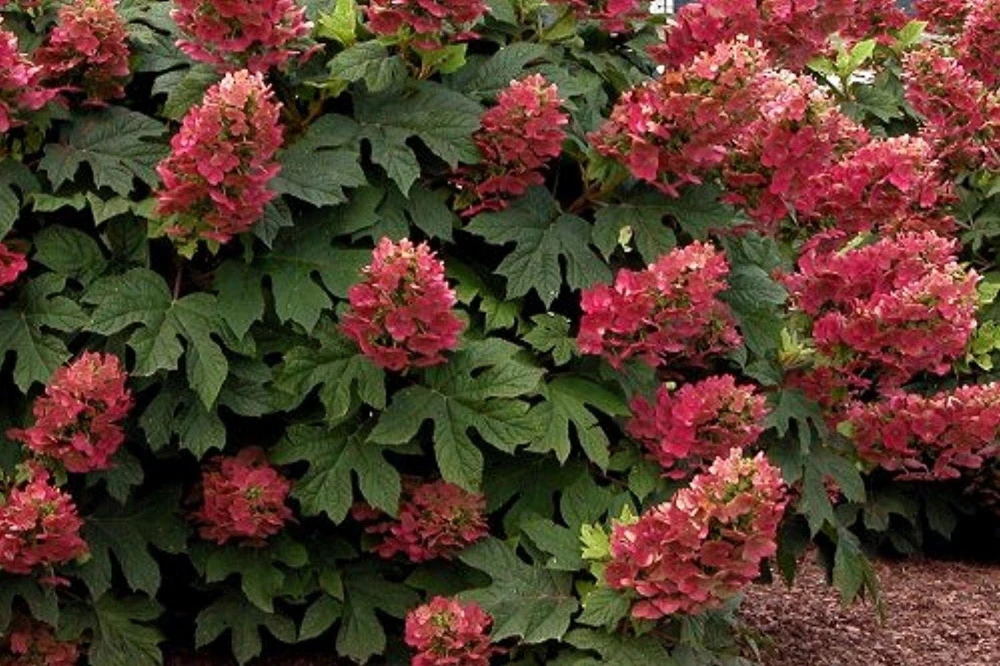
Ruby Slipper Oakleaf Hydrangea is a compact, deciduous shrub developed by the USDA Agricultural Research Service. It is a cross between the popular cultivars ‘Snow Queen’ and ‘Pee Wee’.
Ruby Slipper Oakleaf Hydrangea Live Plant – Color Changing Blooms – 6-12″ Tall – 4″ Pot
Unlike traditional mophead hydrangeas that require large garden spaces, ‘Ruby Slippers’ stays manageable, reaching a mature height of only 3 to 4 feet with a 3 to 5 foot spread. This makes it an exceptional choice for smaller yards, foundation plantings, and low hedges.
The shrub features bold, deeply lobed leaves resembling oak foliage. In early summer, it produces abundant 9-inch upright flower panicles that hold their weight effortlessly on sturdy stems without drooping after heavy rains.
How to Plant Ruby Slipper Oakleaf Hydrangea
Choose the Right Planting Site
Selecting the right location is key to getting the best floral display and richest autumn foliage.
-
Sunlight Needs: Oakleaf hydrangeas tolerate more sun than many other hydrangea species. Plant ‘Ruby Slippers’ in a location that receives full sun to partial shade. Morning sun with afternoon shade is ideal in warmer climates, while northern gardeners can plant in full sun.
-
Protection: Position the shrub where it is sheltered from harsh, drying winds that can scorch the broad leaves during midsummer heat waves.
-
Soil Drainage: Avoid low spots where water pools after rain. Like all oakleaf hydrangeas, ‘Ruby Slippers’ is prone to root issues if left standing in soggy soil.
When to Plant
Plant in spring after frost danger has passed or in early autumn while the soil is still warm. Autumn planting gives roots several weeks to establish before winter dormancy.
Prepare the Best Soil
Ruby Slipper Oakleaf Hydrangea grows best in moist, fertile, well-draining soil rich in organic matter.
-
Dig a hole twice as wide as the root ball and equal in depth.
-
Mix finished compost or leaf mold into the excavated native soil to improve texture and fertility.
-
Ensure the soil pH is slightly acidic to neutral (5.5 to 6.5) for optimal nutrient absorption. Unlike mophead hydrangeas, flower color in oakleaf hydrangeas is determined by genetics, not soil pH.
Planting Ruby Slipper Oakleaf Hydrangea
-
Gently remove the shrub from its container and loosen any tightly bound exterior roots.
-
Set the plant in the hole so the top of the root ball sits flush with the surrounding ground level.
-
Backfill with the amended soil blend, pressing down firmly to remove air pockets.
-
Water deeply to settle the soil around the root system.
-
Apply a 2- to 3-inch layer of organic mulch around the base, keeping it a few inches away from the main stems.
How to Care for Ruby Slipper Oakleaf Hydrangea
Watering
Establishing a deep, healthy root system requires steady soil moisture during the first year or two after planting.
-
Water newly planted shrubs two to three times a week during dry spells.
-
Soak the root zone deeply rather than giving light surface splashes.
-
Once established, ‘Ruby Slippers’ exhibits better drought tolerance than most hydrangeas, but it still benefits from regular moisture during hot summer weeks.
-
Check the soil moisture by inserting a finger two inches deep; water when it feels dry.
Fertilizing
Oakleaf hydrangeas are light feeders and do not require excessive fertilization.
-
Apply a balanced, slow-release shrub fertilizer or a layer of rich compost around the dripline in early spring as new growth emerges.
-
Avoid high-nitrogen fertilizers, which promote heavy leaf growth at the expense of flower buds.
-
Do not fertilize in late summer or autumn, as this can stimulate tender new growth susceptible to early winter frosts.
Pruning
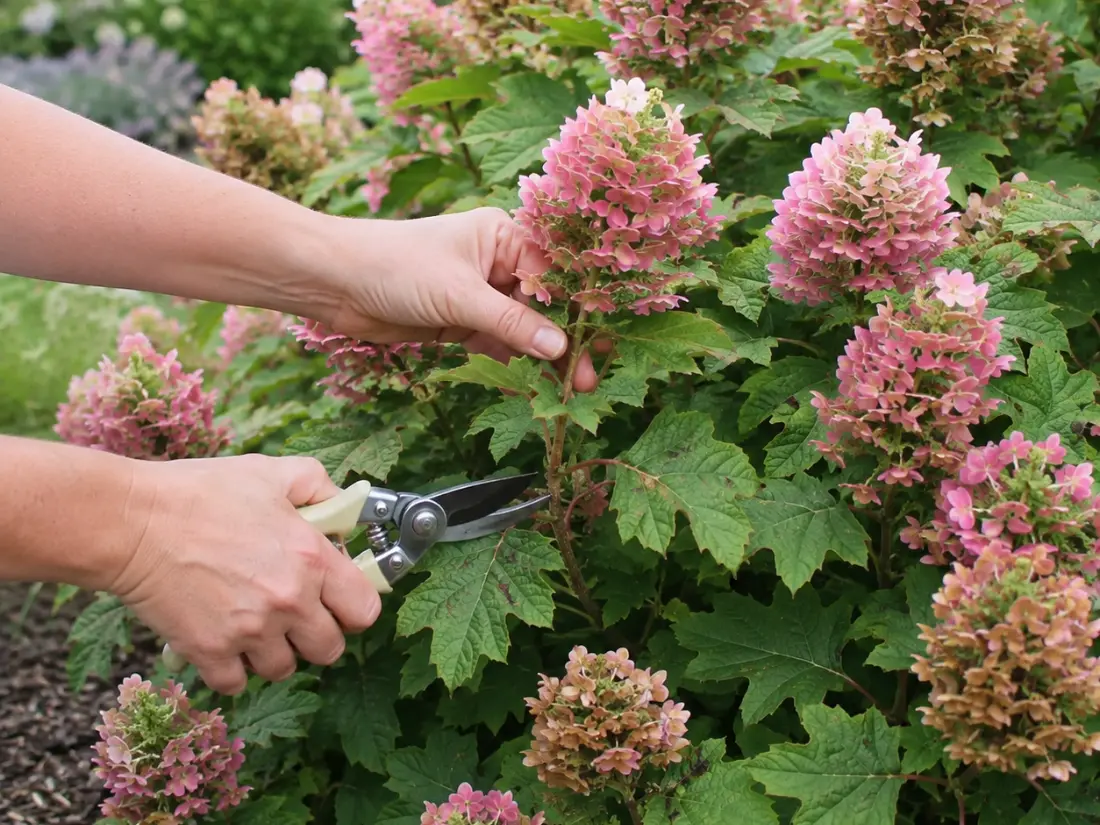
Ruby Slipper Oakleaf Hydrangea blooms on old wood (buds formed during the previous summer). Pruning at the wrong time of year will strip away next season’s flower display.
-
Prune immediately after the shrub finishes flowering in late summer if shaping is necessary.
-
Remove dead, damaged, or crossing branches in early spring.
-
Minimal pruning is required thanks to its naturally compact, mounding habit.
How To Get ‘Ruby Slippers’ To Bloom
While oakleaf hydrangeas tolerate partial shade, too much deep shade reduces bloom count significantly. Move your shrub or thin out overhead tree canopies so it gets at least four to six hours of bright sun each day.
Because flower buds form on stems during late summer for the following year, avoid any late fall, winter, or spring pruning. Cutting back stems during these seasons prunes off next year’s flowers before they ever open.
Too much nitrogen encourages massive foliage at the expense of blooms. Switch to a fertilizer higher in phosphorus or top-dress with organic compost in early spring to support healthy bud formation.
Drought stress during late-summer bud set can cause buds to abort. Keep the soil evenly moist during hot spells to protect next season’s bloom development.
Growing Ruby Slipper Oakleaf Hydrangea in Containers
Thanks to its compact mature height of just 3 to 4 feet, Ruby Slipper Oakleaf Hydrangea is an excellent candidate for container gardening on sunlit patios, decks, and entryways.
-
Select a container that is at least 18 to 24 inches in diameter with multiple, clear drainage holes. Terracotta or heavy ceramic pots work well to counterbalance the shrub’s top weight.
-
Fill the pot with a high-quality, well-draining potting mix blended with perlite or pine bark. Avoid using heavy garden soil, which packs down and restricts airflow around the roots.
-
Soil in containers dries out much faster than ground soil, especially during midsummer heat. Check the top inch of soil daily and water thoroughly until water flows out the drainage holes.
-
Liquid nutrients wash out quickly through container drainage holes. Apply a balanced, slow-release fertilizer in early spring, and supplement with a diluted liquid fertilizer once a month through early summer.
Overwintering
Ruby Slipper Oakleaf Hydrangea is hardy in USDA Zones 5 through 9. While the shrub is exceptionally cold-hardy, taking a few steps in late autumn protects overwintering flower buds from harsh winter conditions.
-
Apply a fresh 3- to 4-inch blanket of organic mulch, shredded leaves, or wood chips around the base of the shrub in late autumn. This insulates the root system against extreme freeze-thaw cycles.
-
Give your shrub a deep soaking in late autumn before the ground freezes solid. Well-hydrated stems withstand cold, drying winter winds much better than dry stems.
-
Roots in containers are more exposed to sub-freezing temperatures than roots in the ground. In Zone 5 and 6, move potted hydrangeas into an unheated garage, shed, or basement after the plant drops its leaves for the winter. Alternatively, sink the pot into the ground or wrap the exterior with burlap and bubble wrap.
-
In colder parts of Zone 5, wrap the outer stems loosely in burlap or surround the bush with a wire cage filled with dry leaves to shield old-wood flower buds from extreme winter winds.
Common Pests and Diseases
Ruby Slipper Oakleaf Hydrangea is remarkably low-maintenance and naturally resistant to many common garden problems, but keep an eye out for a few potential issues:
Powdery Mildew
In humid, stagnant conditions, a white powdery coating can form on the leaves. Ensure good spacing around the shrub for airflow, avoid overhead watering, and plant in a spot with morning sun.
Leaf Spot
Fungal leaf spots can appear during wet seasons. Water at soil level using a soaker hose or drip line to keep the broad foliage dry.
Deer Browsing
While less appealing to deer than other hydrangea species, hungry deer may browse tender spring buds. Use deer fencing or apply an organic repellent early in the season if deer are frequent visitors to your garden.
Common Growing Mistakes
-
Planting in wet, poorly drained soil: Saturated soil leads to root rot and weak plants.
-
Pruning in late winter or spring: Cutting stems before summer bloom strips off the dormant flower buds.
-
Overwatering in shady spots: Shade reduces soil evaporation; always check soil wetness before watering.
-
Using too much nitrogen: Heavy nitrogen causes tall, weak stems with fewer blooms.
Frequently Asked Questions (FAQs)
Does soil pH change the flower color of Ruby Slipper?
No. Unlike Hydrangea macrophylla varieties, the flower color of Ruby Slipper Oakleaf Hydrangea is genetically set. The blossoms start white, age to deep ruby-red, and are not altered by aluminum or soil acidity.
How big does Ruby Slipper Oakleaf Hydrangea get?
It grows into a compact shrub reaching 3 to 4 feet tall and 3 to 5 feet wide, making it ideal for small garden spaces where larger native oakleaf hydrangeas would overpower the landscape.
Is Ruby Slipper Oakleaf Hydrangea winter hardy?
Yes, it is hardy in USDA Zones 5 through 9. In Zone 5, applying a thick layer of mulch around the root zone helps protect roots from freeze-thaw cycles.
Why is my Ruby Slipper Hydrangea not blooming?
Lack of blooms is usually caused by pruning at the wrong time (pruning in late winter/spring removes old wood buds), harsh winter freeze damage to stems, or planting in deep shade.
Grow Ruby Slipper Oakleaf Hydrangea With Confidence
Learning how to grow Ruby Slipper Oakleaf Hydrangea comes down to a few basic principles.
Choose a sunny to partially shaded spot with well-drained soil, keep soil moisture steady during establishment, mulch to protect the roots, and avoid late spring pruning. You don’t need a complex care routine to enjoy this native treasure, just a good planting site and a little room to spread.
Pick up a ‘Ruby Slippers’ shrub, prepare your garden bed, and enjoy four full seasons of outstanding flowers, bold foliage, and fiery autumn color!
