
Yellow False Indigo Seeds – 30 Count – Perennial Wildflower for Garden
Original price was: $32.55.$12.55Current price is: $12.55.
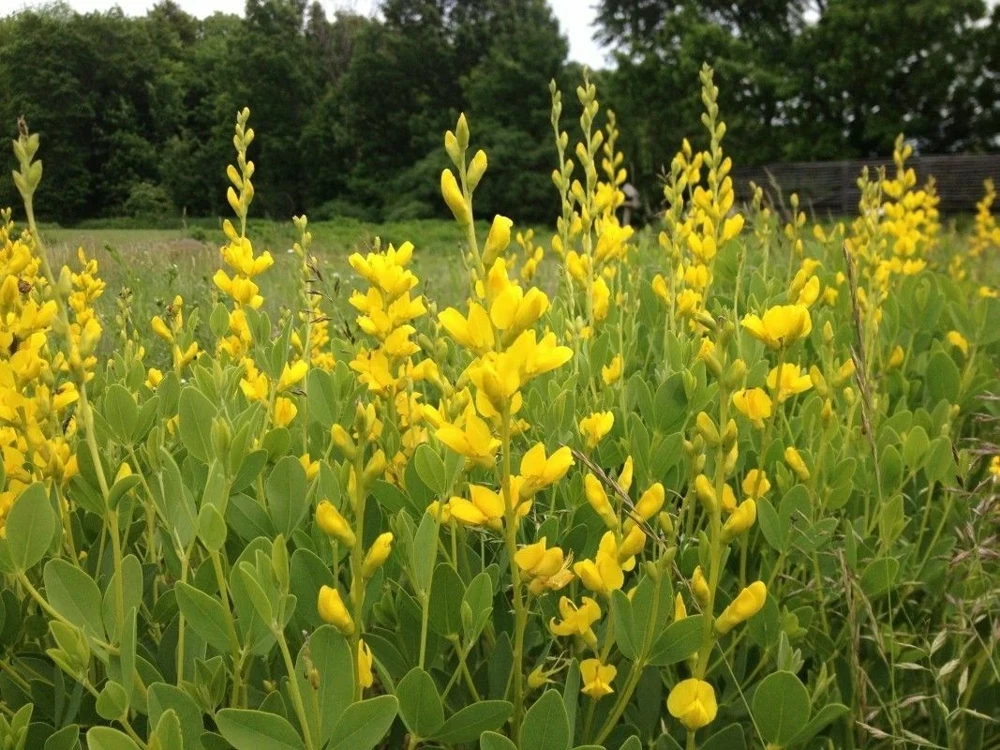
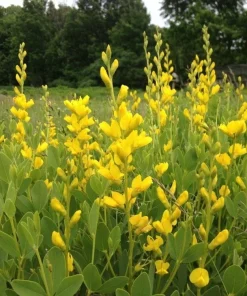
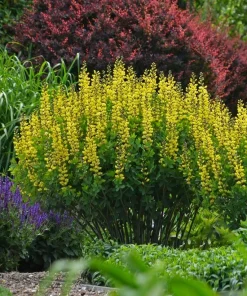
Discover the charm of Yellow False Indigo seeds for your garden. This perennial wildflower (Baptisia tinctoria seeds) produces striking yellow blooms, adding vibrant color and attracting beneficial pollinators. Each packet contains 30 count high-quality seeds, ideal for creating a naturalized look or enhancing your garden beds.
Estimated arrival
Oct 15
Oct 20 - Oct 22
Oct 25 - Oct 29
Shop With Confidence
30-Day Plant Health Guarantee
Arrives damaged? We’ll replace it free — see our return policy.
Responsive Support
Email us anytime, we reply within 1 business day.
Expert Packaging
Temperature-controlled shipping to protect your plants in transit.
Secure Checkout
Pay safely with Visa, Mastercard, PayPal.
Plant Specifications
-
USDA Hardiness Zone
USDA Zones 3-9 -
Soil Type
Well-draining soil (clay, loam, or sand) -
Sunlight Exposure
Full Sun, Medium Sun -
Expected Planting Period
Spring or Fall
Overview
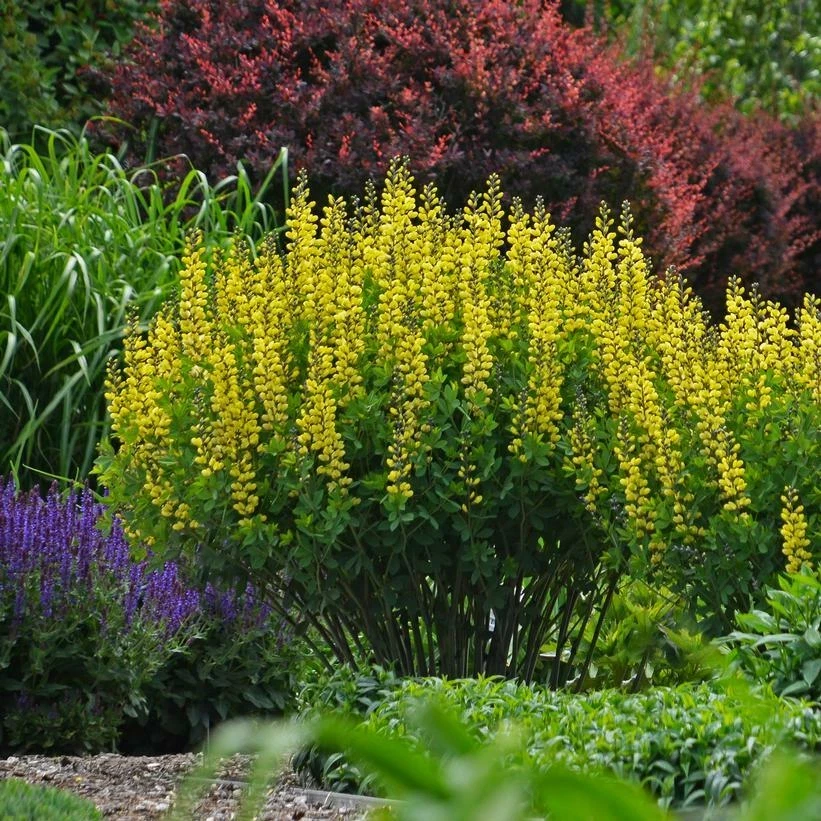
Introduce a touch of native beauty to your landscape with these premium Yellow False Indigo seeds. Also known by its botanical name, Baptisia tinctoria seeds, this robust perennial wildflower is celebrated for its upright spikes of bright yellow, pea-like flowers that emerge in late spring to early summer. Growing to a mature height of 2-4 feet, False Indigo forms an attractive, bushy presence, making it an excellent choice for garden borders, naturalized areas, or meadow plantings. These 30 count seed packets provide a generous start for cultivating a thriving patch of this resilient and visually appealing plant. Enjoy its long-lasting blooms and the ecological benefits it brings to your outdoor space.
The common name, False Indigo, comes from its historical use as a dye plant, though it’s not a true indigo. Its charming yellow flowers are a beacon for pollinators, including various bee species, making it a valuable addition to an eco-conscious garden. Once established, the yellow indigo plant is remarkably low-maintenance and drought-tolerant, providing years of enjoyment with minimal effort. Its distinctive seed pods, which turn black in late summer, also add seasonal interest.
Key Benefits
Planting Yellow False Indigo seeds offers numerous advantages for both the gardener and the ecosystem. This resilient perennial brings enduring beauty and ecological value to any garden setting, truly enhancing outdoor spaces.
- Stunning Yellow Blooms: Enjoy a spectacular display of bright yellow flowers that create a cheerful and vibrant atmosphere in your garden from late spring to early summer. These unique blooms are a true highlight.
- Attracts Pollinators: The nectar-rich flowers are a magnet for native bees, butterflies, and other beneficial insects, supporting local biodiversity and contributing to a healthy ecosystem. This makes it an ideal choice for a pollinator garden.
- Low Maintenance: Once established, the yellow indigo plant is incredibly drought-tolerant and requires minimal care, making it perfect for busy gardeners or those seeking sustainable landscape solutions. It thrives with little intervention.
- Deer Resistant: Its foliage is generally unpalatable to deer, providing peace of mind for gardeners in areas prone to deer browsing. This reduces the need for protective measures.
- Nitrogen Fixer: As a legume, False Indigo enriches the soil by fixing atmospheric nitrogen, improving soil health and benefiting neighboring plants. This natural process enhances garden fertility.
- Long-Lived Perennial: This plant is a true investment, returning year after year with increasing vigor and beauty, establishing deep roots that ensure its longevity. You’ll enjoy its presence for many seasons.
- Architectural Interest: Beyond its flowers, the plant’s bushy habit and distinctive black seed pods provide structural interest throughout the growing season and into winter.
Plant Care & Growing Tips
Growing false indigo from seed is a rewarding process that results in a hardy and beautiful perennial. To ensure successful germination and robust growth of your Baptisia tinctoria seeds, proper care is essential. False Indigo thrives in full sun to partial sun, ideally receiving at least 6 hours of direct sunlight per day. While it can tolerate some shade, too much will result in leggy growth and fewer flowers. It is adaptable to a range of climates, performing well in USDA Zones 3-9, making it a versatile choice for many gardeners across the continental US.
For best results, Sow Yellow False Indigo seeds in well-draining soil. It tolerates various soil types, including clay, loam, and sandy soils, but prefers a slightly acidic to neutral pH. Before planting, consider scarifying the seeds (lightly scratching the hard seed coat) and then stratifying them (exposing them to cold, moist conditions for 30-60 days) to improve germination rates. Plant seeds about 1/4 inch deep and 12-18 inches apart. Water regularly until established, but once mature, the plant is quite drought-tolerant and needs only occasional watering during prolonged dry spells. Avoid overwatering, as this can lead to root rot. Fertilization is generally not necessary, as this plant is a nitrogen fixer, naturally enriching the soil.
Pest and disease problems are rare, contributing to its low-maintenance appeal. Pruning can be done after flowering to maintain a tidy appearance or to encourage a second flush of blooms, though the striking black seed pods are often left for winter interest. The yellow indigo plant has a deep taproot, making it difficult to transplant once established, so choose its permanent location carefully. With these simple tips, your Yellow False Indigo seeds will flourish into a magnificent garden specimen.
Size & Details
Each packet contains 30 count of high-quality Yellow False Indigo seeds (Baptisia tinctoria), providing ample opportunity to establish a beautiful patch of these native perennials. When mature, the yellow indigo plant typically reaches a height of 2 to 4 feet with a similar spread, forming a robust, bushy clump. This makes it an excellent choice for adding vertical interest to garden beds or creating a naturalized look in larger landscapes. The plant exhibits a moderate growth rate, establishing a strong root system in its first year and producing its characteristic yellow flower spikes in subsequent seasons.
These seeds are intended for outdoor cultivation, ideal for gardens, meadows, and perennial borders. Expect blooms to appear from late spring through early summer, providing a vibrant display. The mature foliage is deciduous, contributing to a clean winter appearance while the dark seed pods offer continued visual appeal. Plant these seeds knowing you are investing in a long-term addition to your garden that will return year after year, growing more impressive with time.
Frequently Asked Questions
- Q: How big does the Yellow False Indigo plant get? A: The yellow indigo plant typically grows to a mature height of 2 to 4 feet with a similar spread, forming an attractive, bushy clump in your garden.
- Q: How much sunlight does Yellow False Indigo need? A: For optimal growth and flowering, Yellow False Indigo seeds should be planted in a location that receives full sun to partial sun, ideally at least 6 hours of direct sunlight per day.
- Q: Is this plant easy to care for? A: Yes, once established, growing false indigo is remarkably low-maintenance. It is drought-tolerant and generally pest and disease-free, making it an excellent choice for beginners and experienced gardeners alike.
- Q: What condition will the seeds arrive in? A: You will receive 30 count of high-quality, viable Baptisia tinctoria seeds, carefully packaged to ensure their integrity and readiness for planting.
- Q: When is the best time to plant Yellow False Indigo seeds? A: The ideal time to plant these seeds is in the fall or early spring, after proper scarification and stratification, to allow them to establish before the heat of summer.
- Q: Will Yellow False Indigo survive winter in my zone? A: Yellow False Indigo seeds are suitable for USDA Hardiness Zones 3-9, meaning the mature plants are well-equipped to survive cold winters within this wide range.
- Q: What kind of soil does Yellow False Indigo prefer? A: This plant thrives in well-draining soil and can adapt to various soil types, including clay, loam, and sandy soils, preferring a slightly acidic to neutral pH.
Be the first to review “Yellow False Indigo Seeds – 30 Count – Perennial Wildflower for Garden”
People Also Viewed
Reviews
There are no reviews yet.