

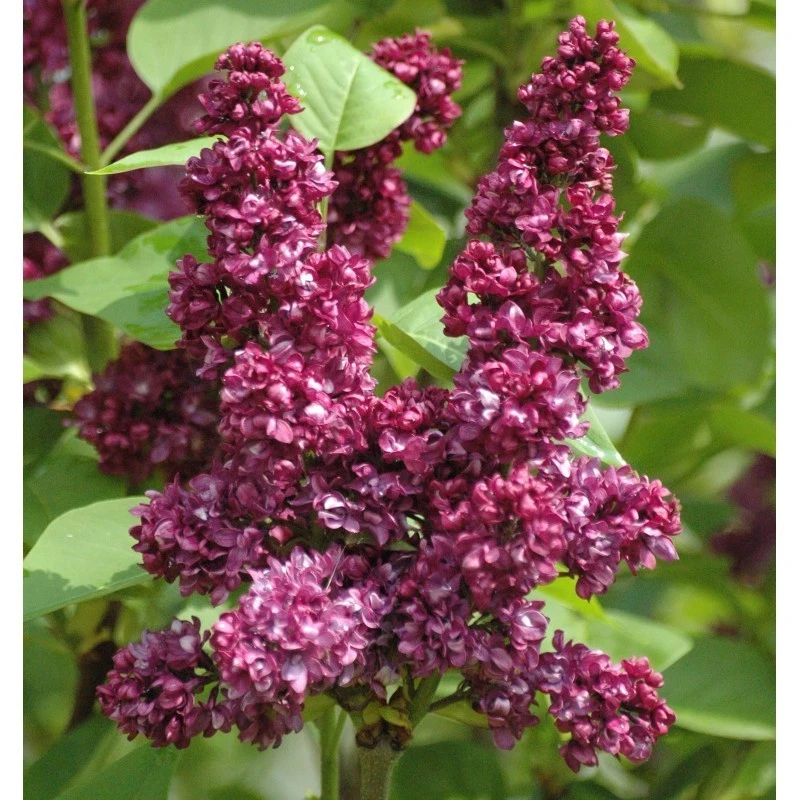
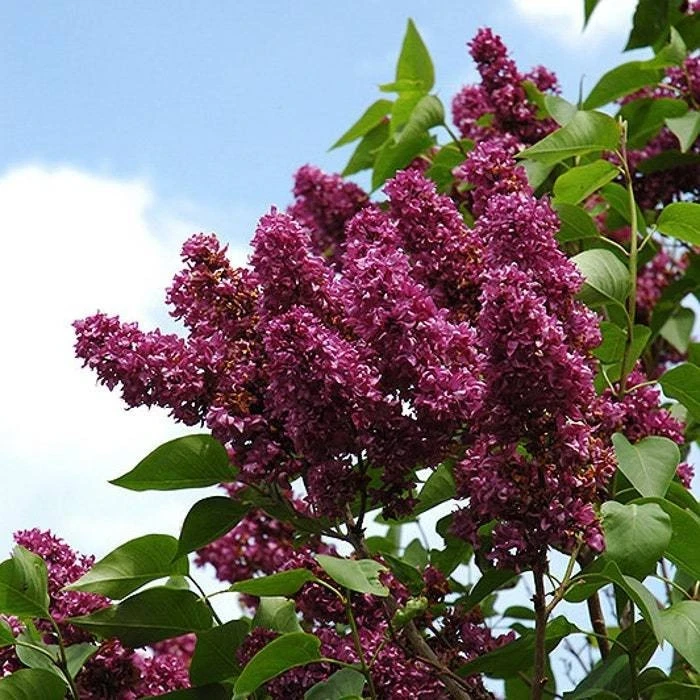
Syringa vulgaris ‘Charles Joly’ Red French Lilac Live Plant 4+ Inches Tall
Original price was: $62.79.$42.79Current price is: $42.79.
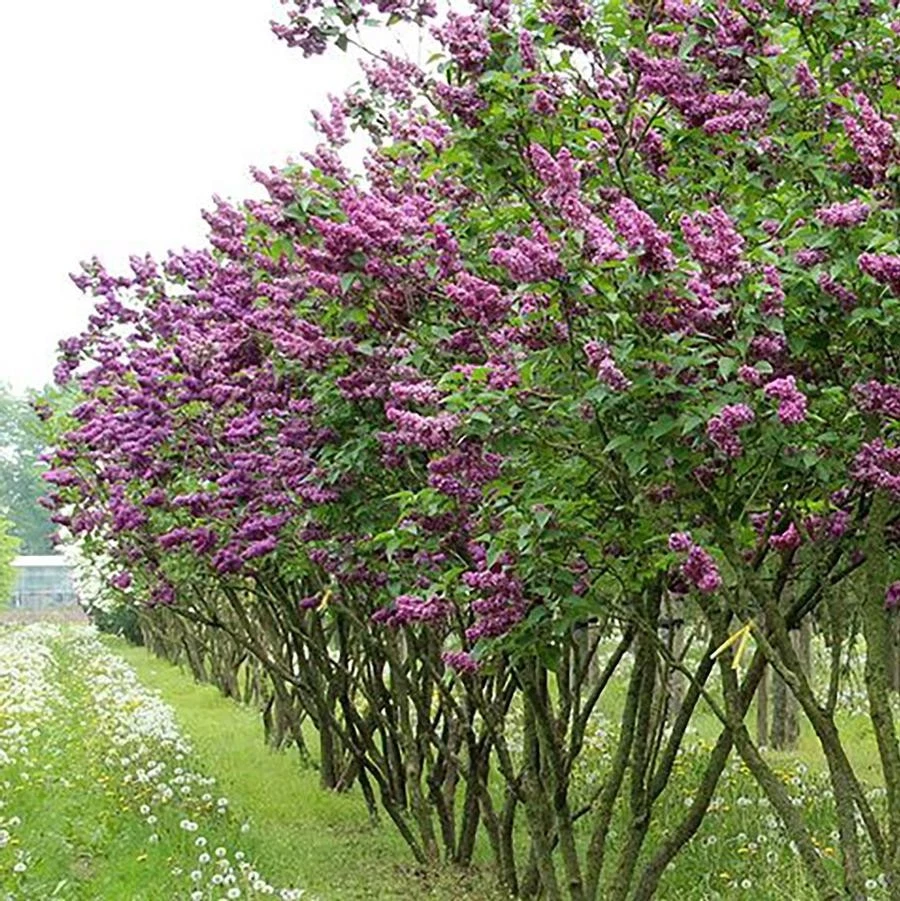
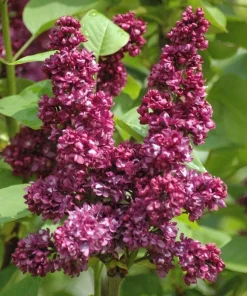
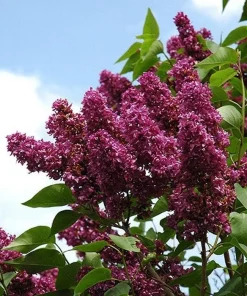
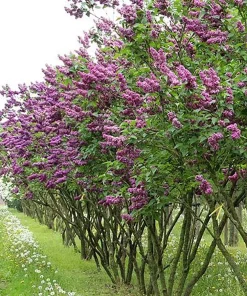
Enhance your garden with the beautiful Charles Joly French Lilac. This live plant features stunning red-purple, double blooms that release a captivating fragrance, making it a garden favorite. Perfect for hedges or as a specimen plant, this red French Lilac thrives in full sun and well-drained soil.
Estimated arrival
Oct 15
Oct 20 - Oct 22
Oct 25 - Oct 29
Shop With Confidence
30-Day Plant Health Guarantee
Arrives damaged? We’ll replace it free — see our return policy.
Responsive Support
Email us anytime, we reply within 1 business day.
Expert Packaging
Temperature-controlled shipping to protect your plants in transit.
Secure Checkout
Pay safely with Visa, Mastercard, PayPal.
Plant Specifications
-
USDA Hardiness Zone
USDA Zones 3-7 -
Soil Type
Well-draining, fertile, neutral to slightly alkaline soil -
Sunlight Exposure
Full Sun -
Expected Planting Period
Early Spring to Fall
Overview
Introduce a touch of classic elegance to your outdoor space with the Charles Joly French Lilac live plant. This exquisite variety of Syringa vulgaris is renowned for its dense clusters of highly fragrant, deep red-purple, double flowers that emerge in late spring. Originating from France, the ‘Charles Joly’ cultivar is a vigorous grower, forming an upright, multi-stemmed shrub that can serve as a stunning focal point or an impressive flowering hedge. Its intoxicating scent and vibrant color make it an indispensable addition to any garden design, attracting pollinators and delighting gardeners with its annual display. This Syringa vulgaris Charles Joly specimen arrives as a healthy live plant, ready to establish and beautify your landscape for years to come.
The allure of the ‘Charles Joly’ lies in its rich, almost regal coloration and its powerful, sweet perfume, a hallmark of traditional French lilacs. Unlike some single-flowered varieties, the double blooms of this red French Lilac create a fuller, more luxurious appearance, making each flower cluster a miniature bouquet. Whether you’re an experienced horticulturist or a budding gardener, growing a fragrant lilac plant like ‘Charles Joly’ promises a rewarding experience, transforming your garden into a sensory paradise during its blooming season.
Key Benefits
Choosing the ‘Charles Joly’ Lilac brings a multitude of benefits to your garden and home. Its striking beauty and ease of care make it a highly desirable plant for various landscape applications:
- Spectacular Fragrance: The most celebrated feature of the Charles Joly French Lilac is its intensely sweet and classic lilac fragrance. Each spring, the air around your garden will be filled with this delightful aroma, creating a truly enchanting atmosphere.
- Vibrant Red-Purple Blooms: Adorn your garden with a profusion of rich, deep red-purple double flowers. These showy blooms provide a dramatic visual impact and are perfect for cutting to create fragrant indoor arrangements.
- Attracts Pollinators: The nectar-rich flowers are a magnet for butterflies, bees, and other beneficial pollinators, contributing to the biodiversity and health of your garden ecosystem.
- Low Maintenance Shrub: Once established, this red French Lilac is remarkably resilient and requires minimal care. It’s drought-tolerant and generally pest-resistant, making it an excellent choice for busy gardeners.
- Versatile Landscape Use: Ideal for use as a specimen plant, in mixed shrub borders, as an informal hedge, or planted near windows and patios where its fragrance can be fully enjoyed.
- Long-Lived Perennial: A well-cared-for Syringa vulgaris Charles Joly can live for decades, providing reliable spring blooms year after year and becoming a cherished part of your landscape.
- Hardy and Adaptable: This robust plant tolerates a wide range of growing conditions and is well-suited to many climates, ensuring success for gardeners across various regions.
Plant Care & Growing Tips
To ensure your Charles Joly French Lilac thrives and produces abundant, fragrant blooms, follow these essential care guidelines. Proper planting and ongoing maintenance are key to the health and longevity of your fragrant lilac plant. Lilacs, including this exquisite Syringa vulgaris Charles Joly, are generally robust and forgiving, making them suitable for gardeners of all skill levels.
Sunlight Requirements
Lilacs perform best in full sun, meaning at least 6 hours of direct sunlight per day. Adequate sunlight is crucial for prolific flowering. While they can tolerate some partial shade, too little sun will result in fewer blooms and a more open, leggy growth habit. Position your red French Lilac in a location that receives ample morning sun, which helps to dry dew from the leaves and reduce the risk of powdery mildew.
Watering & Soil Moisture
During its first year, water your newly planted lilac regularly to help it establish a strong root system. Once established, lilacs are quite drought-tolerant. Water deeply once a week during dry periods, especially when the plant is flowering. Avoid overwatering, as lilacs do not like consistently wet feet. Ensure the soil drains well to prevent root rot. For optimal growth, the soil should be consistently moist but not waterlogged.
Soil Type & Drainage
The ‘Charles Joly’ Lilac prefers fertile, humus-rich, well-draining soil with a neutral to slightly alkaline pH (6.5 to 7.0). If your soil is acidic, you may need to amend it with lime. Heavy clay soils should be amended with organic matter like compost or peat moss to improve drainage and aeration. Good drainage is paramount for preventing disease and promoting healthy root development for your Charles Joly French Lilac.
Temperature Range & USDA Hardiness Zone
This lilac is very cold hardy, thriving in USDA Zones 3-7. It requires a period of winter chill to set flower buds properly. It can tolerate hot summers but may require more frequent watering in extreme heat. Protect young plants from harsh winter winds in colder zones.
Fertilization
Lilacs do not require heavy fertilization. An annual application of a balanced, all-purpose fertilizer (such as a 5-10-5 or 10-10-10) in early spring, before new growth begins, is usually sufficient. Avoid high-nitrogen fertilizers, which can promote leafy growth at the expense of flowers. A layer of compost applied around the base of the plant in spring can also provide slow-release nutrients.
Pruning
Prune your lilac immediately after it finishes flowering in late spring or early summer. This allows the plant to form new flower buds for the following year. Remove spent flower clusters to encourage energy toward new growth rather than seed production. Remove any dead, damaged, or diseased branches, and thin out older, unproductive stems to encourage vigorous new growth from the base. This practice helps maintain the shape and vigor of your French Lilac care regimen.
Common Problems & Solutions
Powdery Mildew: This common fungal disease appears as a white, powdery coating on leaves, especially in humid conditions or shaded areas. Ensure good air circulation, plant in full sun, and prune to open up the canopy. Fungicides can be used in severe cases. Lilac Borer: A pest that tunnels into stems, causing branches to wilt. Prune out affected branches and destroy them. Maintain plant health to increase resistance. Lack of Blooms: Often caused by insufficient sunlight, improper pruning (pruning at the wrong time), or lack of winter chill. Ensure the plant gets full sun and prune correctly after flowering.
Size & Details
The Charles Joly French Lilac live plant you receive will be approximately 4+ inches tall, ready to be planted and establish quickly in your garden. This lilac is typically shipped as a bare root plant or in a small nursery pot, carefully packaged to ensure its health upon arrival. When mature, this impressive shrub can reach a height of 8 to 12 feet with a spread of 6 to 10 feet, creating a substantial presence in your landscape. It exhibits a moderate to fast growth rate, quickly filling out to establish its stately form. Expect this red French Lilac to begin flowering within 1-3 years after planting, with its full display developing as it matures. The strong, upright habit of Syringa vulgaris Charles Joly makes it an excellent choice for a variety of garden applications, from specimen planting to fragrant hedging. Its robust root system helps it to withstand various environmental conditions once established, providing a reliable and beautiful bloom each spring.
Frequently Asked Questions
- Q: How big does this Charles Joly French Lilac get? A: This lilac typically grows to a mature height of 8 to 12 feet with a spread of 6 to 10 feet, forming an upright, multi-stemmed shrub. Its size makes it suitable for hedges or as a standalone specimen plant.
- Q: Is this an indoor or outdoor plant? A: The Charles Joly French Lilac is an outdoor plant, requiring full sun and a cold winter dormancy period to thrive and produce its magnificent blooms. It is not suitable for indoor cultivation.
- Q: How much sunlight does this red French Lilac need? A: This lilac requires at least 6 hours of direct sunlight per day to flower profusely. Planting in full sun also helps to keep the foliage healthy and reduce the risk of fungal diseases.
- Q: Is this plant easy to care for? A: Yes, once established, the ‘Charles Joly’ Lilac is considered easy to care for and low maintenance. It is relatively drought-tolerant and pest-resistant, making it a good choice for both novice and experienced gardeners.
- Q: What condition will the Syringa vulgaris Charles Joly arrive in? A: Your plant will arrive as a healthy live plant, typically bare root or in a small nursery pot, carefully packaged to ensure its vitality. We recommend planting it as soon as possible after arrival.
- Q: When is the best time to plant this fragrant lilac plant? A: The best time to plant ‘Charles Joly’ Lilac is in early spring or fall when temperatures are mild. This allows the plant to establish its root system before extreme weather conditions.
- Q: Will it survive winter in my zone? A: Yes, this lilac is very cold hardy and thrives in USDA Zones 3-7. It requires a period of winter chill to properly set its flower buds for the spring bloom.
- Q: What kind of soil does it prefer? A: It prefers fertile, humus-rich, well-draining soil with a neutral to slightly alkaline pH. Good drainage is crucial to prevent root rot.
- Q: How long until it blooms? A: This Charles Joly French Lilac typically begins to bloom within 1-3 years after planting, with the flower production increasing as the plant matures and establishes itself.
- Q: Is this French Lilac care regimen different from other lilacs? A: The care for ‘Charles Joly’ is very similar to other common lilac varieties, focusing on full sun, well-drained soil, and proper pruning after flowering.
Be the first to review “Syringa vulgaris ‘Charles Joly’ Red French Lilac Live Plant 4+ Inches Tall”
People Also Viewed






Reviews
There are no reviews yet.