
Hydrangea Live Plant – Flowering Shrub for Garden & Landscape
Original price was: $64.99.$44.99Current price is: $44.99.
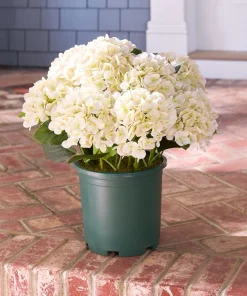
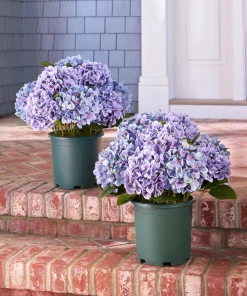
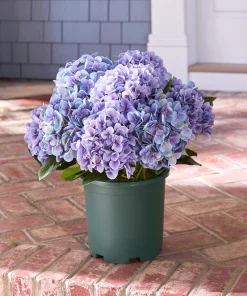
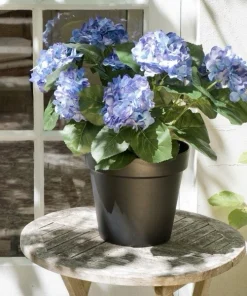
Bring vibrant color to your garden with a beautiful hydrangea live plant. These popular outdoor flowering shrubs are known for their spectacular blooms and lush foliage, perfect for creating stunning landscapes or charming garden beds. Easy to grow and maintain, hydrangeas offer a rewarding gardening experience.
Estimated arrival
Sep 14
Sep 19 - Sep 21
Sep 24 - Sep 28
Shop With Confidence
30-Day Plant Health Guarantee
Arrives damaged? We’ll replace it free — see our return policy.
Responsive Support
Email us anytime, we reply within 1 business day.
Expert Packaging
Temperature-controlled shipping to protect your plants in transit.
Secure Checkout
Pay safely with Visa, Mastercard, PayPal.
Plant Specifications
-
USDA Hardiness Zone
USDA zones 5–9 -
Soil Type
Well-draining, rich, moist soil -
Sunlight Exposure
Partial shade to full sun (morning sun preferred) -
Expected Planting Period
Spring to early fall
Overview
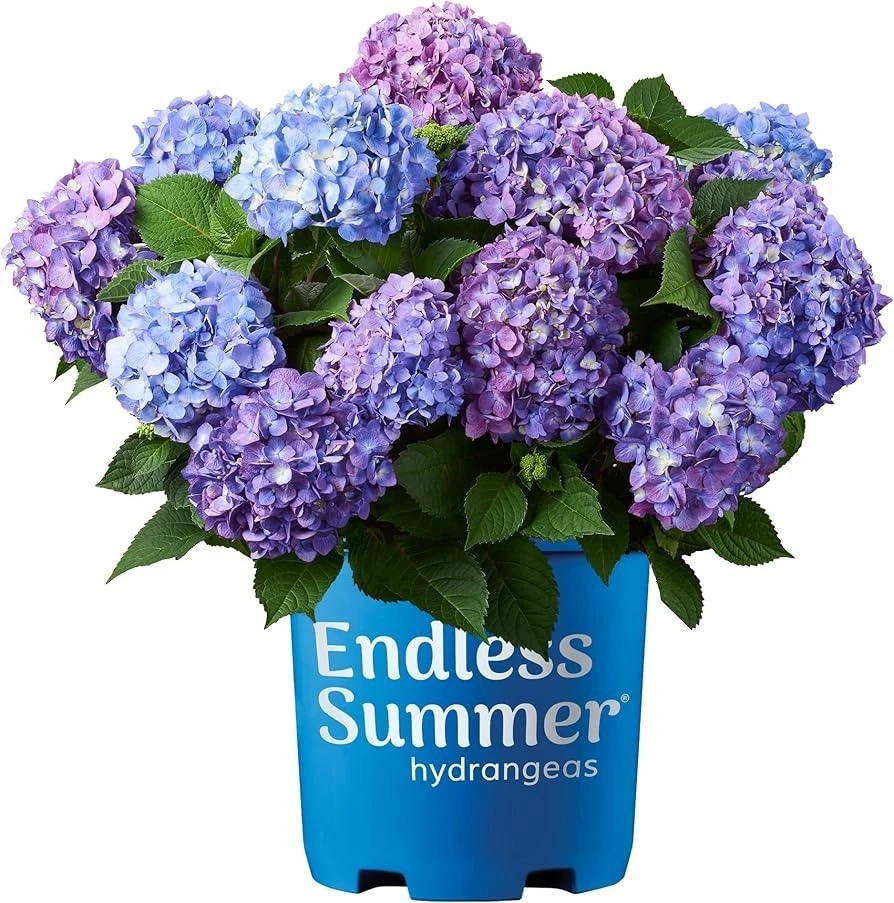
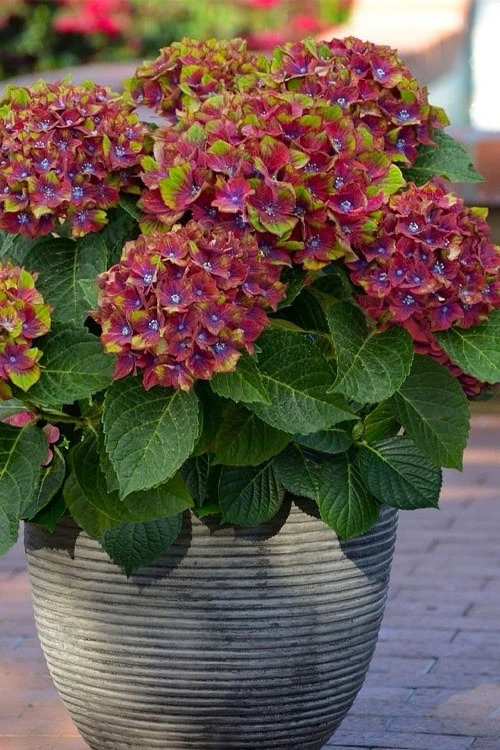
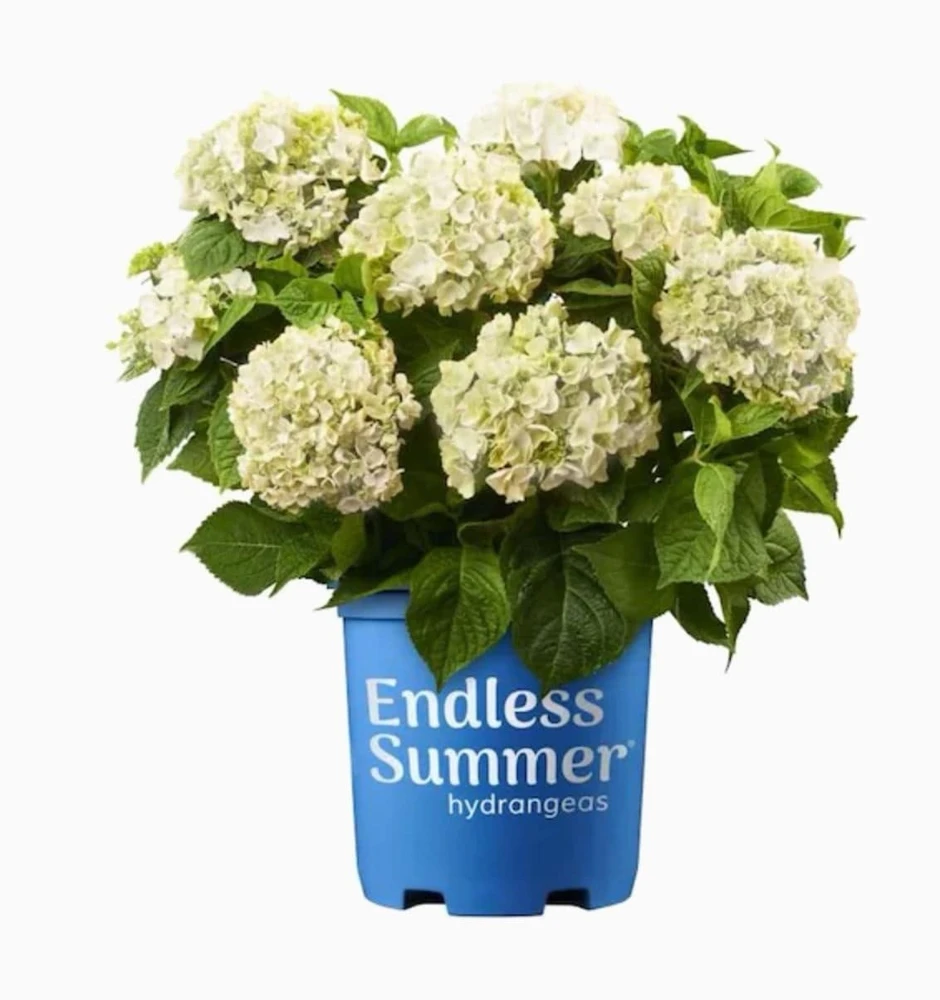
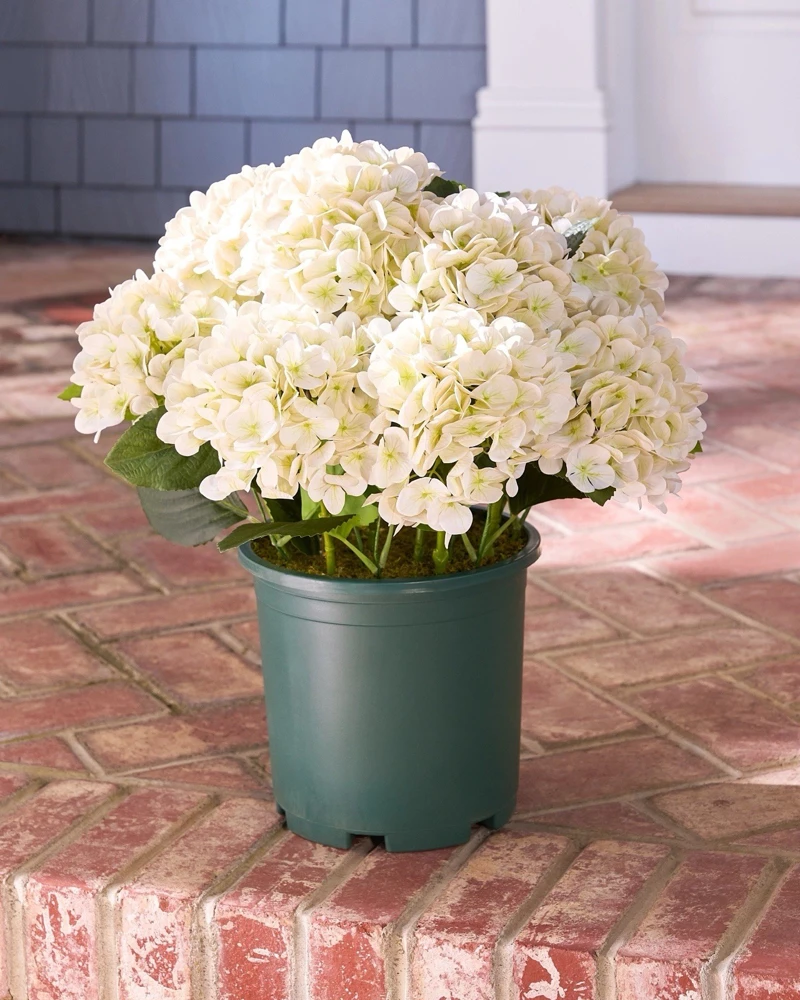
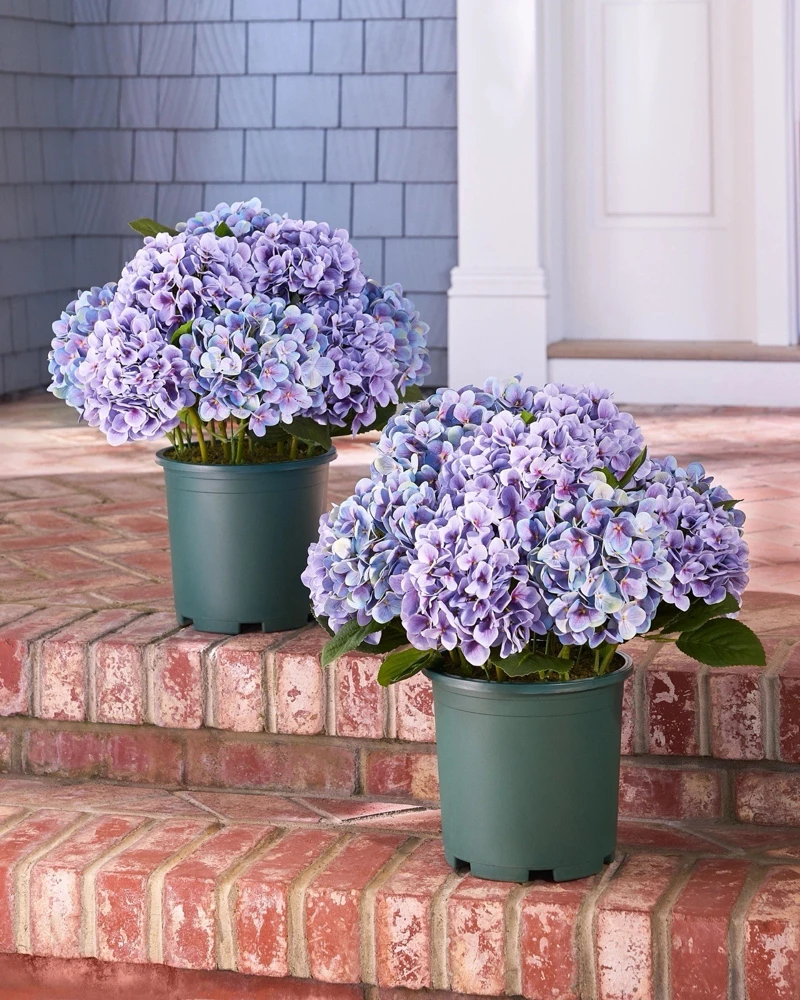
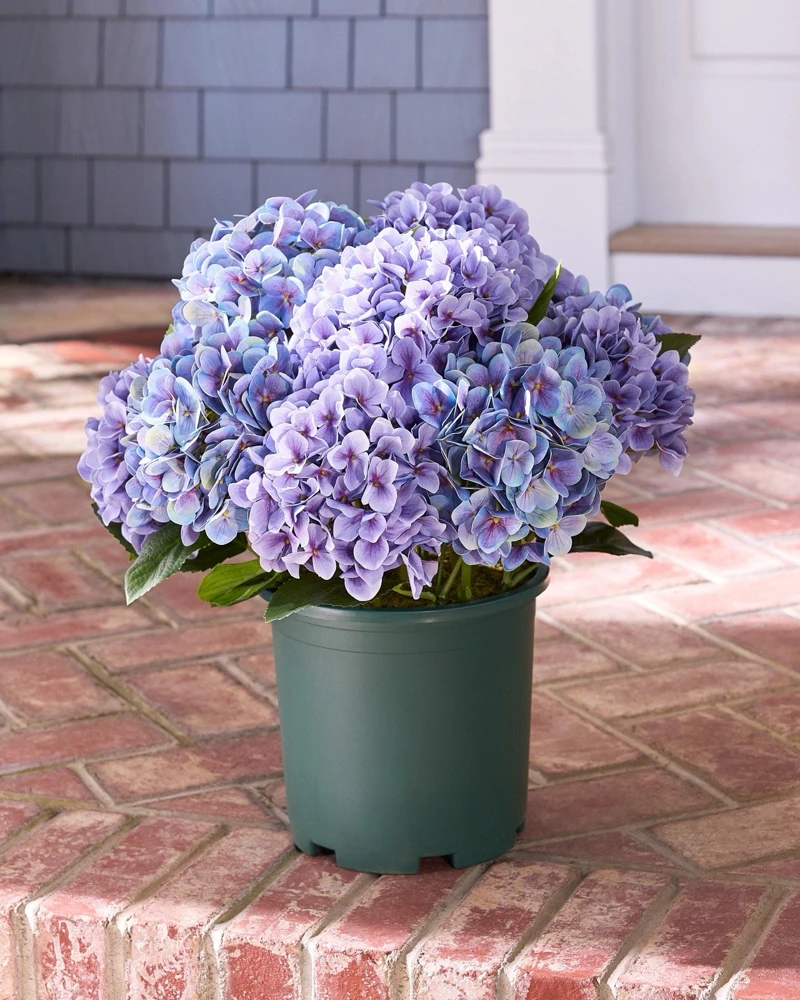
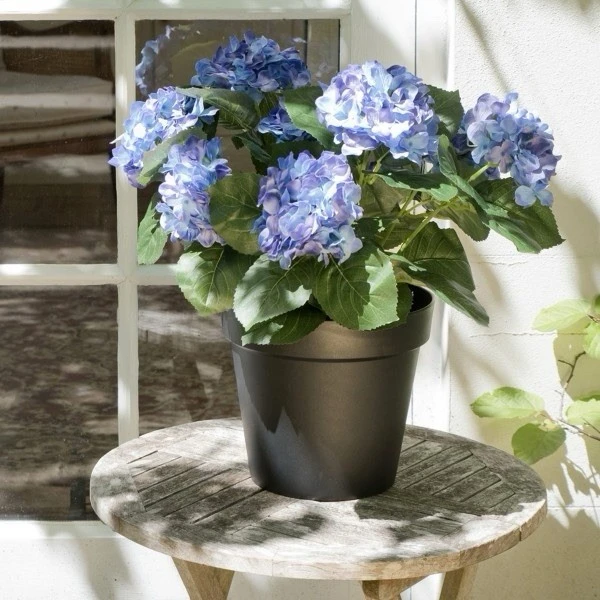
Introduce breathtaking beauty to your outdoor space with a stunning hydrangea live plant. Renowned for their abundant and colorful flower clusters, hydrangeas are a beloved choice for gardeners seeking to add dramatic flair and continuous blooms to their landscape. These versatile outdoor flowering shrubs come in a variety of forms and colors, from classic blues and pinks to crisp whites and vibrant purples, making them suitable for diverse garden designs. Whether you’re creating a cottage garden, a formal border, or simply enhancing your existing greenery, a hydrangea live plant is an excellent investment that provides years of enjoyment. Their lush foliage and impressive flower heads make them a focal point in any setting.
Our selection offers healthy, ready-to-plant specimens, ensuring a strong start for your garden. Hydrangeas are relatively easy to care for, making them suitable for both novice and experienced gardeners. With proper hydrangea plant care, these shrubs can grow into magnificent specimens, transforming your garden into a vibrant oasis. Explore the joy of growing hydrangeas and witness their stunning transformation from season to season.
Key Benefits
Hydrangea live plant offers numerous benefits for any garden, enhancing both aesthetics and ecological value. Their significant visual impact and adaptability make them a top choice for gardeners.
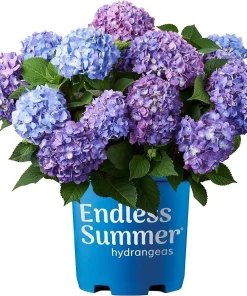
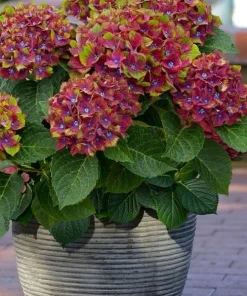
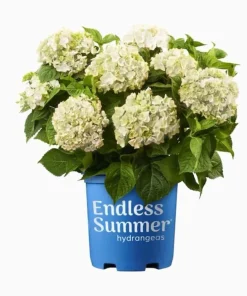
- Spectacular Blooms: Hydrangeas produce large, showy flower clusters in a range of colors, including blue, pink, purple, and white, providing continuous visual interest throughout the growing season. These vibrant blooms can instantly elevate the beauty of your garden.
- Versatile Landscape Use: Perfect as specimen plants, in mass plantings, borders, or even in large containers, hydrangeas fit seamlessly into various garden designs. Their adaptability allows for creative landscaping solutions.
- Long-Lasting Cut Flowers: The beautiful flower heads are excellent for cutting and can be used to create stunning fresh bouquets or dried arrangements, bringing the beauty of your garden indoors.
- Attracts Pollinators: While not all hydrangea varieties are equally attractive to pollinators, some types, especially those with lacecap flowers, can provide nectar and pollen for bees and butterflies, contributing to garden biodiversity.
- Relatively Low Maintenance: Once established, hydrangeas are fairly easy to care for, requiring consistent watering and occasional pruning to maintain their shape and encourage flowering. This makes growing hydrangeas a rewarding experience without excessive effort.
- Shade Tolerance: Many hydrangea live plant types thrive in partial shade, making them ideal for areas of the garden where other sun-loving plants might struggle.
- Seasonal Interest: Beyond their summer blooms, some hydrangeas offer attractive fall foliage color, adding another layer of seasonal beauty to your landscape.
Plant Care & Growing Tips
Proper hydrangea plant care is essential for ensuring robust growth and abundant blooms. Hydrangeas generally prefer a location with morning sun and afternoon shade, especially in hotter climates. Too much direct, intense sun can scorch their leaves and fade their flowers. Aim for about 4-6 hours of morning sunlight. In cooler regions, they can tolerate more sun. Adequate air circulation is also important to prevent fungal diseases.
These shrubs thrive in well-draining, rich soil that is consistently moist. Avoid overly wet or waterlogged conditions, as this can lead to root rot. Amending the soil with organic matter like compost before planting will improve drainage and fertility. Water deeply and regularly, especially during dry spells and when the plant is establishing. The first year after planting is crucial for consistent moisture. Mulching around the base of the plant can help retain soil moisture and regulate soil temperature. The pH of the soil can influence the flower color of certain hydrangea varieties (specifically Bigleaf Hydrangeas – Hydrangea macrophylla); acidic soil tends to produce blue flowers, while alkaline soil yields pink flowers. You can modify soil pH with amendments like aluminum sulfate for blue or garden lime for pink, if desired.
Fertilize your hydrangea live plant in spring with a balanced slow-release fertilizer formulated for flowering shrubs. Avoid over-fertilizing, as this can lead to lush foliage at the expense of flowers. Pruning requirements vary by type of hydrangea. Some bloom on old wood (last year’s growth) and should be pruned right after flowering, while others bloom on new wood (current year’s growth) and are best pruned in late winter or early spring. Understanding your specific hydrangea varieties is key to successful pruning. Protect young plants from severe winter cold with mulch or burlap in colder zones to ensure successful growing hydrangeas year after year.
Size & Details
This hydrangea live plant typically arrives as a well-rooted specimen, ready for transplanting into your garden or a larger container. Depending on the specific variety, mature hydrangeas can reach heights of 3 to 6 feet and spread equally wide, forming a dense, rounded shrub. Growth rate is moderate, with plants often showing significant development within the first few years after planting. Expect the first substantial blooms within one to two growing seasons, with increasing flower production as the plant matures. These are hardy outdoor flowering shrubs, designed to establish well and provide long-term beauty.
The plant is shipped potted, ensuring minimal stress during transit and a smoother transition to its new home. The exact size at shipment will vary, but it will be a healthy, actively growing plant. With proper hydrangea plant care, these plants will grow to their full potential, providing a spectacular display of color and texture in your landscape. They are a fantastic addition for those interested in growing hydrangeas for their garden’s visual appeal.
Frequently Asked Questions
- Q: How big does this hydrangea plant get? A: Most common hydrangea varieties grow to be 3 to 6 feet tall and equally wide at maturity. The exact size can depend on the specific cultivar, growing conditions, and pruning habits.
- Q: Is this an indoor or outdoor plant? A: This is an outdoor flowering shrub intended for garden planting. While small hydrangeas can be temporarily kept indoors for short periods, they require outdoor conditions to thrive long-term.
- Q: How much sunlight does a hydrangea live plant need? A: Hydrangeas generally prefer morning sun and afternoon shade. In cooler climates, they can tolerate more sun, but in warmer regions, protection from intense afternoon sun is crucial to prevent leaf scorch and maintain vibrant blooms.
- Q: Is this plant easy to care for? A: Yes, hydrangeas are considered relatively easy to care for once established. Key aspects of hydrangea plant care include consistent watering, proper sun exposure, and occasional pruning based on the variety.
- Q: What condition will it arrive in? A: Your hydrangea live plant will arrive as a healthy, well-rooted specimen in a nursery pot, carefully packaged to minimize stress during shipping. It will be ready for immediate planting upon arrival.
- Q: When is the best time to plant hydrangeas? A: The best time for growing hydrangeas is in spring or early fall. This allows the plant to establish its root system before the extreme temperatures of summer or winter.
- Q: How long until my hydrangea blooms? A: Many hydrangeas will produce their first blooms in the first or second growing season after planting. Bloom production will typically increase as the plant matures and establishes itself.
- Q: Will it survive winter in my zone? A: Most common hydrangea varieties are hardy in USDA Zones 5-9. It’s important to know your specific zone and choose a variety suited for your climate. In colder zones, some winter protection may be beneficial.
- Q: Can I change the flower color of my hydrangea? A: For Bigleaf Hydrangeas (Hydrangea macrophylla), yes, soil pH can influence flower color. Acidic soil (pH 5.5-6.5) typically produces blue flowers, while alkaline soil (pH 6.5-7.5) results in pink flowers. White hydrangeas do not change color.
- Q: What kind of soil is best for growing hydrangeas? A: Hydrangeas prefer rich, well-draining soil with consistent moisture. Amending heavy clay soils with organic matter will improve drainage, while sandy soils will benefit from organic matter to improve moisture retention.
Be the first to review “Hydrangea Live Plant – Flowering Shrub for Garden & Landscape”
People Also Viewed
Reviews
There are no reviews yet.