
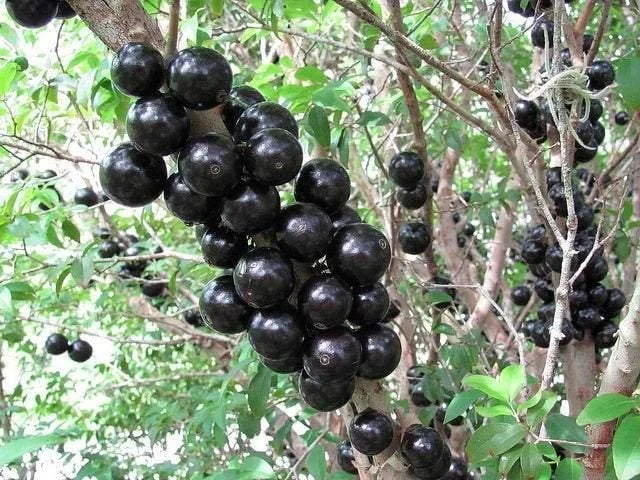
Jaboticaba Live Plant – Myrciaria Cauliflora Tree – 1-2 ft Tall – 3 Gallon Pot
$137.76
Bring the exotic taste of the tropics to your home with a jaboticaba live plant. This unique myrciaria cauliflora for sale is 1 to 2 feet tall and ships in a 3-gallon pot, ready to produce delicious, grape-like fruit directly on its trunk and branches. Ideal for enthusiasts looking to grow jaboticaba and enjoy its distinctive flavor profile.
Estimated arrival
Sep 14
Sep 19 - Sep 21
Sep 24 - Sep 28
Shop With Confidence
30-Day Plant Health Guarantee
Arrives damaged? We’ll replace it free — see our return policy.
Responsive Support
Email us anytime, we reply within 1 business day.
Expert Packaging
Temperature-controlled shipping to protect your plants in transit.
Secure Checkout
Pay safely with Visa, Mastercard, PayPal.
Plant Specifications
-
USDA Hardiness Zone
USDA Zones 9-11 (or indoors) -
Soil Type
Well-draining, slightly acidic soil -
Sunlight Exposure
Full sun to partial shade -
Expected Planting Period
Year-round indoors; spring to summer outdoors
Overview
Experience the joy of growing your own exotic fruit with this remarkable jaboticaba live plant. Also known as Myrciaria cauliflora or Brazilian Grape Tree, the jaboticaba is celebrated for its unique growth habit where its sweet, purple-black fruits develop directly on the trunk and main branches. This jaboticaba live plant, standing 1 to 2 feet tall and shipped in a 3-gallon pot, offers an exciting opportunity for gardeners in tropical and subtropical regions, or those with suitable indoor growing conditions. The fruit, often compared to grapes in taste and texture, transitions through various delightful flavors as it ripens, making it a truly fascinating and rewarding addition to any garden or collection. Cultivating a jaboticaba live plant not only provides a bountiful harvest but also adds a striking ornamental element with its distinctive fruit-laden trunk.
Key Benefits
Adding a jaboticaba live plant to your collection offers numerous advantages, from its unique aesthetic to its delicious and nutritious fruit. This tropical gem is a conversation starter and a source of fresh, homegrown produce.
- Unique Fruiting Habit: The most striking feature of the jaboticaba is its cauliflorous fruiting, where plump, grape-like berries grow directly on the tree’s trunk and branches. This makes for an incredibly ornamental and fascinating display.
- Delicious & Versatile Fruit: Enjoy sweet, juicy, purple-black fruit that tastes like a cross between a grape and a plum. The fruit is excellent eaten fresh, or can be used to make jams, jellies, wines, and juices.
- High Nutritional Value: Jaboticaba fruit benefits include being rich in antioxidants, vitamins, and minerals, contributing to a healthy diet.
- Ornamental Appeal: Beyond its fruit, the jaboticaba live plant has attractive, glossy green foliage and a smooth, often mottled trunk, making it a beautiful landscape specimen or patio plant.
- Multiple Harvests Per Year: Mature jaboticaba trees can produce several flushes of fruit throughout the year, especially in warm climates, ensuring a continuous supply of fresh fruit.
- Adaptable Growth: While preferring warm climates, this plant can be grown in containers in cooler regions, allowing you to move it indoors during colder months.
- Long-Lived & Productive: With proper jaboticaba tree care, these plants can live for decades, becoming a long-term source of delicious fruit.
Plant Care & Growing Tips
Proper jaboticaba tree care is essential for a healthy and productive plant. These trees thrive in warm, humid environments but can be adapted to various conditions with attention to their specific needs. They are relatively slow-growing but incredibly rewarding once established.
For sunlight, the jaboticaba live plant prefers full sun to partial shade. In very hot climates, some afternoon shade can prevent leaf scorch. If growing indoors, place it near a bright window that receives several hours of direct sunlight daily, or supplement with grow lights. Consistent moisture is crucial; the soil should be kept consistently moist but not waterlogged. Water thoroughly when the top inch of soil begins to feel dry, reducing frequency slightly in cooler months. Well-draining, slightly acidic soil (pH 5.5-6.5) is ideal. A mix of rich organic matter, sand, and perlite works well for container growing. For outdoor planting, ensure good drainage to prevent root rot. The USDA hardiness zones for outdoor cultivation are typically 9-11, where temperatures do not drop below 20-25°F (-6 to -3°C). In colder zones, the plant must be grown in a container and brought indoors during winter.
Fertilize your jaboticaba live plant with a balanced, slow-release fertilizer formulated for acid-loving plants, or a fruit tree fertilizer, every 2-3 months during the growing season. Avoid over-fertilizing. Pruning is generally minimal, focused on shaping the tree and removing any dead or diseased branches. Pests are not a major issue, but keep an eye out for aphids or scale insects. Good air circulation and proper watering practices will help prevent fungal diseases. Understanding how to grow jaboticaba successfully involves patience, as they can take several years to fruit, but the wait is well worth it for the unique harvest.
Size & Details
This jaboticaba live plant is currently 1 to 2 feet tall, measured from the base of the pot to the top of the foliage. It is shipped in a sturdy 3-gallon nursery pot, ensuring a well-established root system ready for transplanting into a larger container or directly into the ground in appropriate climates. Jaboticaba trees are known for their slow to moderate growth rate. When mature, they can reach heights of 10-25 feet, though they can be kept smaller with pruning, especially when grown in containers. The plant will arrive with healthy foliage and a strong root ball, packed to withstand transit. Expect the plant to establish quickly in its new environment with proper care. While it may take a few years for the plant to begin fruiting, the reward of fresh, homegrown jaboticaba fruit benefits is immense. This myrciaria cauliflora for sale offers a great starting point for cultivating your own Brazilian Grape Tree.
Frequently Asked Questions
- Q: How big does this plant get and what size pot does it come in? A: This jaboticaba live plant is currently 1 to 2 feet tall and is shipped in a 3-gallon nursery pot. Mature trees can grow 10-25 feet tall, but they can be maintained at a smaller size with regular pruning, especially when container-grown.
- Q: Is this an indoor or outdoor plant, and how much sunlight does it need? A: The jaboticaba can be grown outdoors in USDA Zones 9-11. In cooler climates, it should be grown in a container and brought indoors during winter. It thrives in full sun to partial shade, requiring at least 6 hours of sunlight daily for best fruiting.
- Q: Is this plant easy to care for? Is it good for beginners? A: While not extremely difficult, jaboticaba tree care requires consistent attention to watering and soil conditions. It’s a moderately easy plant for those willing to provide consistent care and suitable environmental conditions. Understanding how to grow jaboticaba is key to success.
- Q: What condition will it arrive in? Is it shipped in soil? A: Your jaboticaba live plant will arrive with good roots, fresh from our garden, securely packed in its 3-gallon pot with soil to ensure its health during transit.
- Q: How long until it blooms and produces fruit? A: Jaboticaba trees are known for being slow to fruit, often taking 5-8 years from seed. However, grafted plants or those grown from cuttings, like this one, can fruit sooner, typically within 3-5 years under optimal conditions.
- Q: Will it survive winter in my zone? What’s the minimum temperature? A: The jaboticaba is sensitive to frost. It can tolerate brief drops to 20-25°F (-6 to -3°C) but prefers temperatures above 30°F (-1°C). If you are in a zone colder than USDA 9, you must protect it from freezing temperatures by bringing it indoors.
- Q: What are the main uses for jaboticaba fruit? A: The fruit is delicious eaten fresh, directly off the tree. It’s also excellent for making jams, jellies, juices, and even wine. The unique flavor of jaboticaba fruit benefits many culinary creations.
- Q: What kind of soil does a jaboticaba tree prefer? A: Jaboticaba trees prefer well-draining, slightly acidic soil with a pH between 5.5 and 6.5. A rich, loamy soil with good organic content is ideal.
- Q: Can I grow this myrciaria cauliflora for sale in a pot indefinitely? A: Yes, jaboticabas grow well in containers and can be kept in pots indefinitely with proper pruning and repotting as they grow. This makes them suitable for patios or indoor growing in colder climates.
- Q: Are there any significant jaboticaba fruit benefits for health? A: Yes, jaboticaba fruit is known to be rich in antioxidants, particularly anthocyanins, which contribute to its dark color and potential health benefits, including anti-inflammatory properties.
Be the first to review “Jaboticaba Live Plant – Myrciaria Cauliflora Tree – 1-2 ft Tall – 3 Gallon Pot”
People Also Viewed
Vines
Wisteria Plant Live – Hardy Climbing Shrub, Fragrant Blue to Violet Flowers, 7-14″ Tall in 2.5″ Pot
Reviews
There are no reviews yet.