


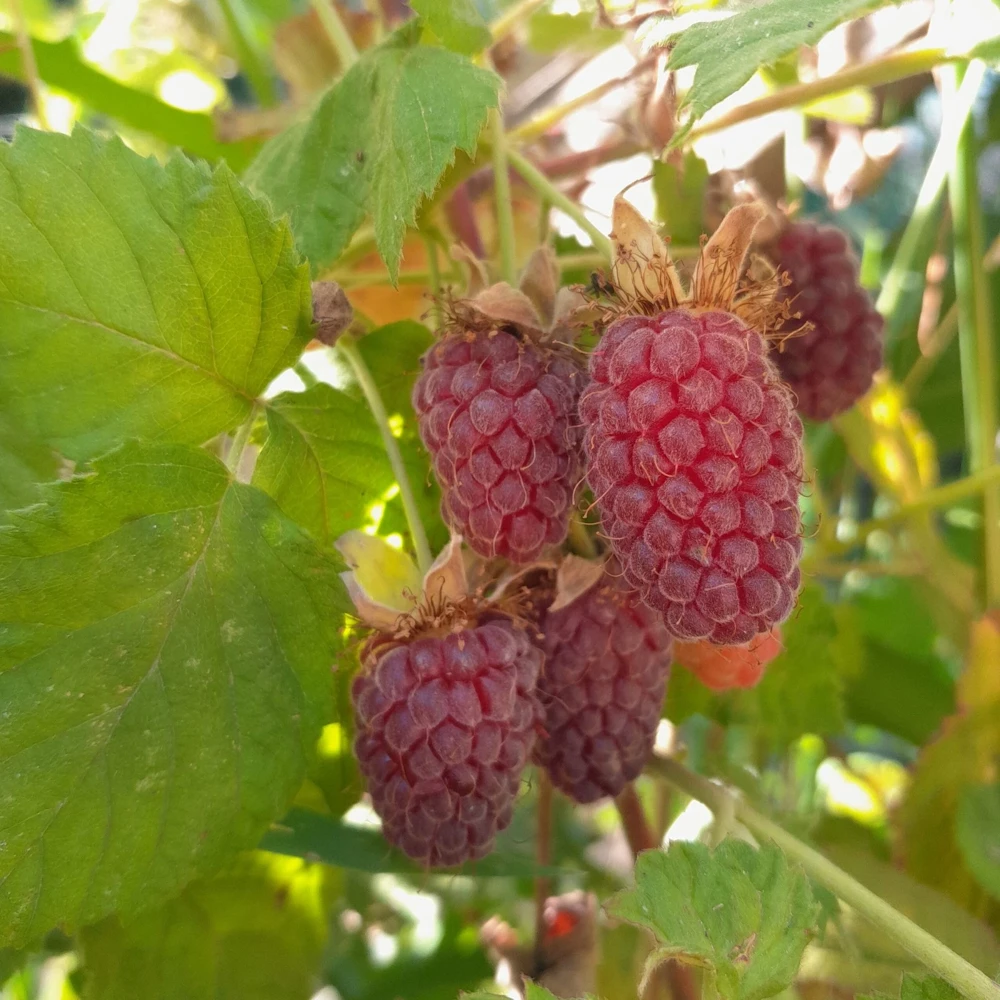
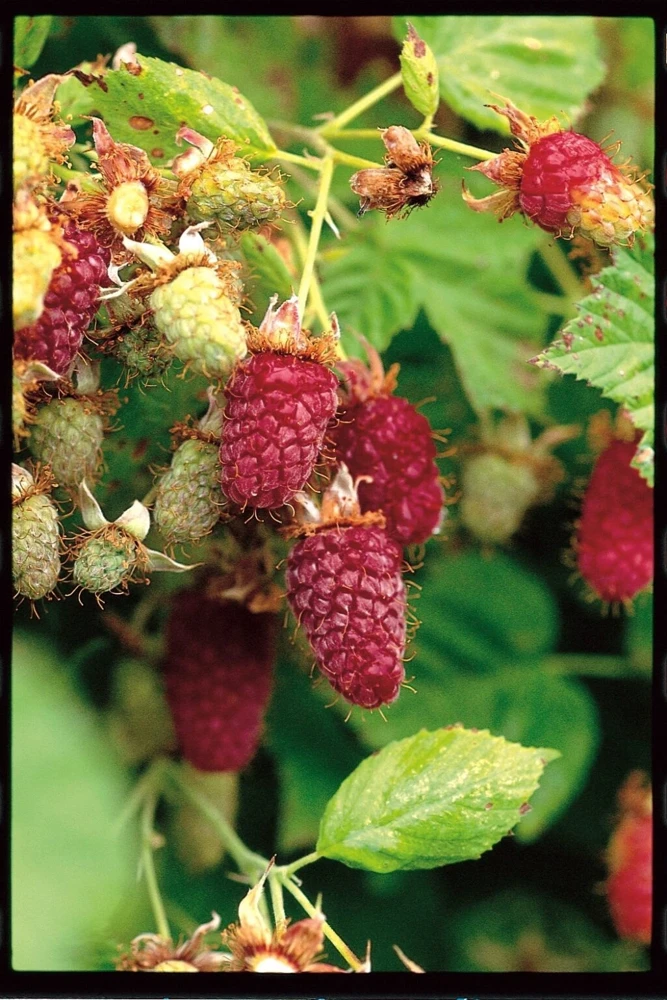
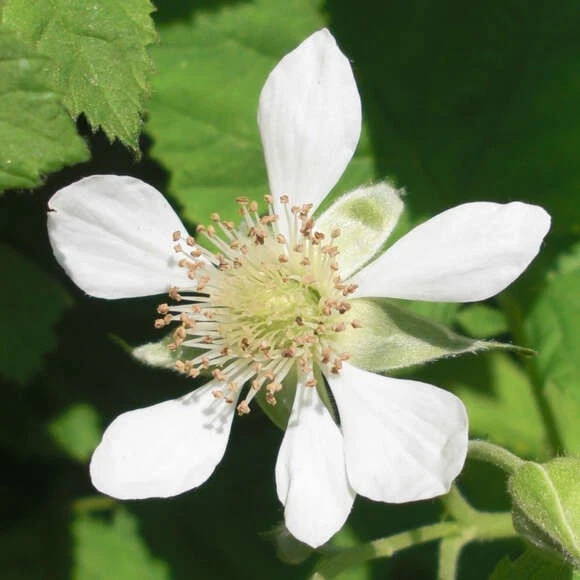
Loganberry Live Plant Rubus loganobaccus 4+ Inches – Outdoor Fruit Bush
Original price was: $83.79.$63.79Current price is: $63.79.
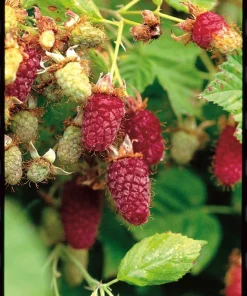
Cultivate your own sweet and tart berries with this loganberry live plant. A vigorous hybrid of blackberry and raspberry, Rubus loganobaccus offers delicious fruit for fresh eating, jams, and desserts. This outdoor fruit bush is easy to grow loganberry and thrives in full sun.
Estimated arrival
Oct 15
Oct 20 - Oct 22
Oct 25 - Oct 29
Shop With Confidence
30-Day Plant Health Guarantee
Arrives damaged? We’ll replace it free — see our return policy.
Responsive Support
Email us anytime, we reply within 1 business day.
Expert Packaging
Temperature-controlled shipping to protect your plants in transit.
Secure Checkout
Pay safely with Visa, Mastercard, PayPal.
Plant Specifications
-
USDA Hardiness Zone
USDA Zones 6-9 -
Soil Type
Well-draining, fertile, slightly acidic soil -
Sunlight Exposure
Full sun -
Expected Planting Period
Early spring or fall
Overview
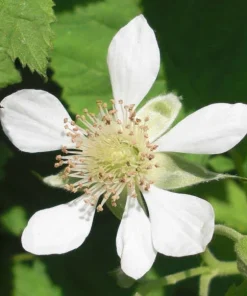
Introduce a unique and prolific fruit producer to your garden with this loganberry live plant. The loganberry (Rubus × loganobaccus) is a fascinating hybrid cane fruit, resulting from a cross between a raspberry and a blackberry. This particular offering is a healthy, established plant measuring 4+ inches, ready to be transplanted and begin its journey of growth in your outdoor space. Known for its large, deep red to purplish-red fruits, the loganberry offers a delightful balance of sweet and tart flavors, making it a versatile addition to any home garden. Whether you’re an experienced gardener or just starting, this robust plant provides an excellent opportunity to grow loganberry fruit that is perfect for fresh consumption, baking, preserves, or juicing. Its vigorous growth habit and relatively low maintenance requirements make it a rewarding choice for those looking to expand their edible landscape.
The Rubus loganobaccus is a perennial fruit, meaning it will return year after year to provide a bountiful harvest. Often described as having a richer, more complex flavor than either parent, the loganberry is a true garden gem. This loganberry live plant promises to bring both ornamental beauty with its lush green foliage and delicious yields to your backyard orchard. Prepare to enjoy homegrown berries that are superior in taste and quality to anything you’ll find in stores.
Key Benefits
Adding a loganberry plant to your garden provides numerous advantages, from fresh produce to a beautiful landscape feature. These benefits make the effort to grow loganberry well worth it:
-
Delicious Homegrown Fruit: Enjoy a consistent supply of large, flavorful berries that are perfect for eating fresh, making pies, jams, jellies, and sauces. The unique sweet-tart taste is a favorite among berry enthusiasts.
-
Vigorous Growth and High Yields: Loganberry plants are known for their strong growth habit and ability to produce abundant harvests once established. With proper care, a single plant can provide a significant amount of fruit.
-
Nutritional Value: Like its berry relatives, loganberries are packed with vitamins, antioxidants, and fiber, contributing to a healthy diet. Growing your own ensures you have access to fresh, pesticide-free produce.
-
Adaptable and Resilient: These plants are generally hardy and can adapt to various soil types and climates, making them a good choice for many different regions. Understanding proper loganberry plant care ensures its longevity.
-
Thornless Variety: Many loganberry cultivars, including the one implied here (often referred to as thornless loganberry), offer easier harvesting and maintenance without the hassle of prickly canes, making gardening a more pleasant experience.
-
Attractive Garden Addition: Beyond its fruit, the loganberry bush provides attractive foliage and can be trained along fences or trellises, adding an appealing vertical element to your garden design.
-
Early Ripening: Loganberries typically ripen earlier than many blackberries, extending your berry harvesting season and allowing you to enjoy fresh fruit sooner.
Plant Care & Growing Tips
Successful loganberry plant care is straightforward, ensuring a healthy plant and a bountiful harvest. Loganberries thrive in a location with full sun, meaning at least 6-8 hours of direct sunlight per day. Adequate sunlight is crucial for fruit production and flavor development. While they can tolerate some partial shade, yields will be significantly reduced. Ensure your planting site has good air circulation to prevent fungal diseases. For soil, loganberries prefer well-drained, fertile soil with a slightly acidic pH between 6.0 and 6.5. Amend heavy clay soils with organic matter like compost or aged manure to improve drainage and fertility. Avoid planting in areas where raspberries or blackberries have recently grown to prevent the transfer of soil-borne diseases.
Watering is essential, especially during dry periods and when the fruit is developing. Aim for consistent moisture, providing about 1 inch of water per week through rainfall or irrigation. The soil should be kept moist but not waterlogged. Mulching around the base of the plant with straw, wood chips, or compost can help retain soil moisture, suppress weeds, and regulate soil temperature. Fertilize your loganberry live plant in early spring with a balanced slow-release fertilizer or an organic compost. Pruning is vital for maintaining plant health and maximizing fruit production. Loganberries fruit on second-year canes (floricanes). After harvesting, prune these canes back to the ground. New first-year canes (primocanes) will grow and produce fruit the following year. Trellising or supporting the canes is highly recommended to keep them off the ground, improve air circulation, and make harvesting easier, especially for a thornless loganberry.
Protect your Rubus loganobaccus from pests and diseases by regularly inspecting the plant and addressing any issues promptly. Common pests might include aphids or Japanese beetles, which can often be managed with organic sprays or manual removal. Fungal diseases can be prevented by ensuring good air circulation and avoiding overhead watering. In colder climates, some winter protection, such as covering the canes with burlap or straw, may be beneficial. With these care tips, your loganberry live plant will flourish and provide delicious berries for years to come.
Size & Details
This offering is for one healthy loganberry live plant, which stands at least 4+ inches tall upon arrival. These young plants are typically shipped either as a bare root or with some soil around the roots to ensure successful transplanting. Loganberries are vigorous growers and will quickly establish themselves in your garden. Once mature, the canes can reach lengths of 6-10 feet or more, requiring support such as a trellis, fence, or stakes. The plant is perennial, meaning it will return each year from its rootstock, producing new fruiting canes annually. Expect your plant to begin producing fruit within 1-2 years after planting, with full production typically achieved by the third year. The fruit ripens in late spring to early summer, depending on your specific climate and growing conditions. This plant is delivered ready for planting, allowing you to begin your journey to homegrown berries without delay.
Frequently Asked Questions
-
Q: How big will my loganberry plant get? A: Once established, loganberry live plant canes can grow quite long, typically reaching 6 to 10 feet in length. They are best grown with support like a trellis or fence to manage their vigorous growth and facilitate harvesting.
-
Q: Is this an indoor or outdoor plant? A: Loganberries are outdoor fruit bushes. They require full sun and space to grow, making them unsuitable for indoor cultivation. They thrive in garden settings where they can get plenty of natural light.
-
Q: How much sunlight does a loganberry need? A: For optimal fruit production and plant health, your loganberry live plant needs at least 6-8 hours of direct sunlight per day. Full sun exposure is key to developing sweet, flavorful berries.
-
Q: Is this plant easy to care for? A: Yes, loganberries are generally considered easy to care for, especially for gardeners familiar with cane fruits. Basic loganberry plant care involves proper watering, annual pruning, and providing support for the canes.
-
Q: What condition will the plant arrive in? A: Your loganberry live plant will arrive as a healthy, actively growing plant, likely with some soil around its roots to help it survive transit. It will be ready for immediate planting upon arrival.
-
Q: When is the best time to plant a loganberry? A: The best time to plant a loganberry is in early spring after the last frost, or in the fall before the ground freezes. This allows the plant to establish its root system before extreme temperatures.
-
Q: Can I grow a thornless loganberry? A: Yes, many loganberry varieties are thornless, making them much easier to manage and harvest. While this specific listing does not confirm thornlessness, it is a common and desirable feature to look for.
-
Q: How long until it produces fruit? A: A young loganberry live plant typically begins to produce fruit in its second year after planting, with a more substantial harvest in its third year. Patience will be rewarded with delicious berries.
-
Q: What are loganberries good for? A: Loganberries are incredibly versatile. They are excellent for fresh eating, but their unique flavor also makes them superb for jams, jellies, pies, crumbles, sauces, and juices. They can be used anywhere you would use raspberries or blackberries.
-
Q: What kind of soil does Rubus loganobaccus prefer? A: Rubus loganobaccus thrives in well-drained, fertile soil that is slightly acidic, with a pH between 6.0 and 6.5. Good drainage is crucial to prevent root rot.
Be the first to review “Loganberry Live Plant Rubus loganobaccus 4+ Inches – Outdoor Fruit Bush”
People Also Viewed


Grasses
50 Mondo Grass Live Plugs – Ophiopogon japonicus Ground Cover Plants, Bare Root, Outdoor, Green
Grass Seeds
Zenith Zoysia Grass Seeds – 12,000+ Seeds – 1 Ounce for Low-Maintenance Lawn – Outdoor Perennial

Reviews
There are no reviews yet.