





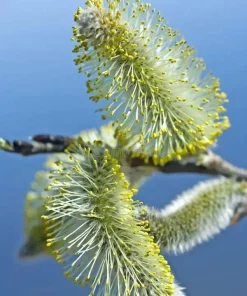
Silky Willow Tree – Salix sericea – Bare Root Plant – 12-18″ Tall – Outdoor
Original price was: $135.99.$110.99Current price is: $110.99.
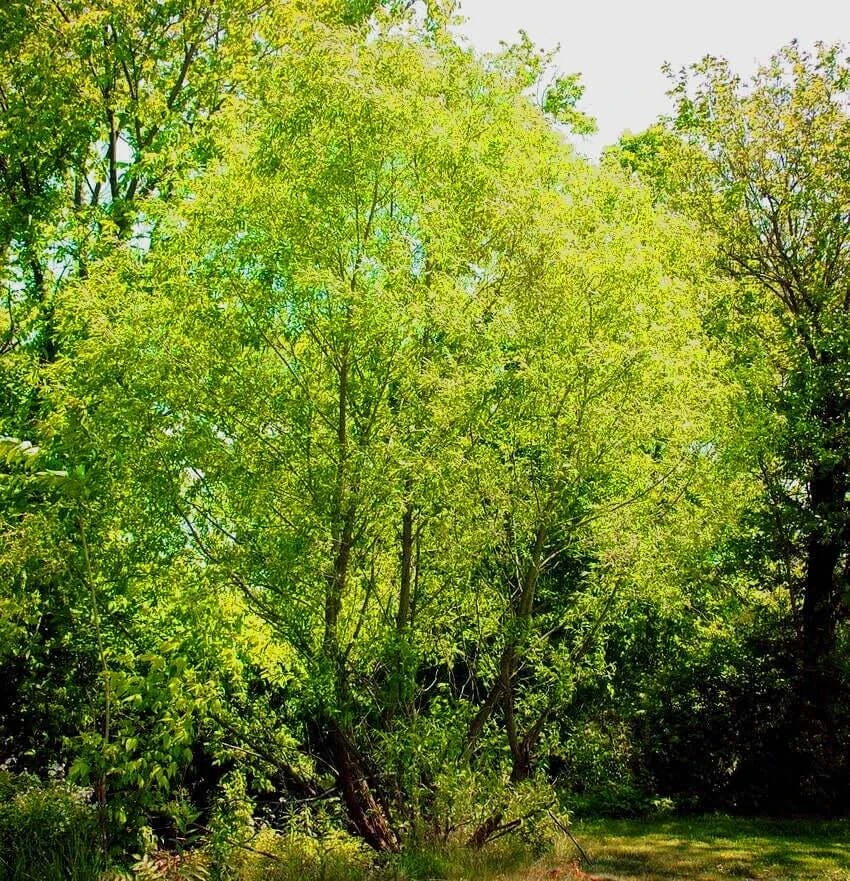
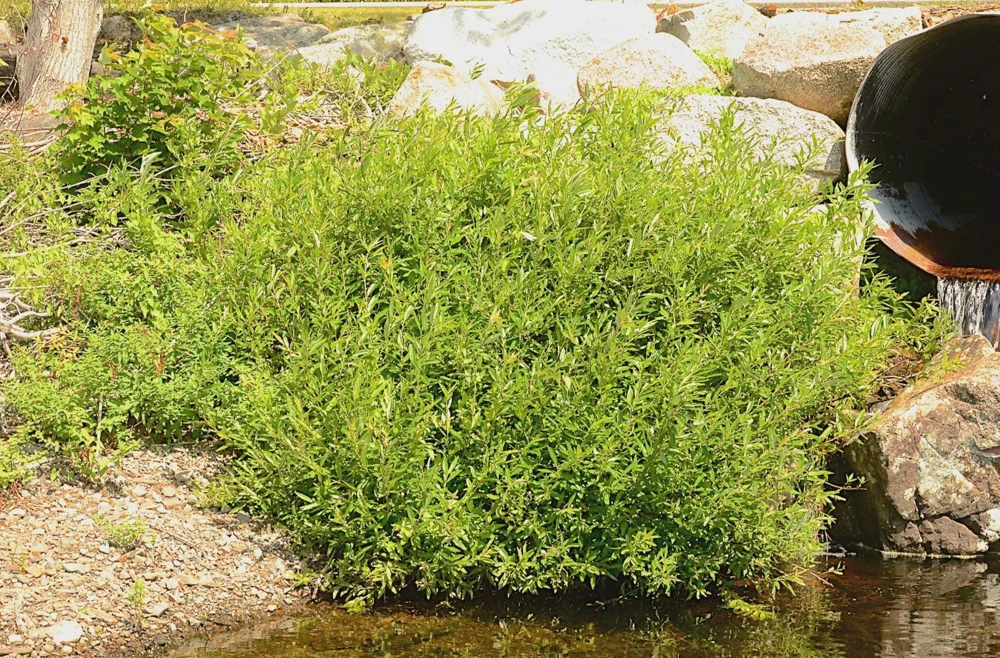
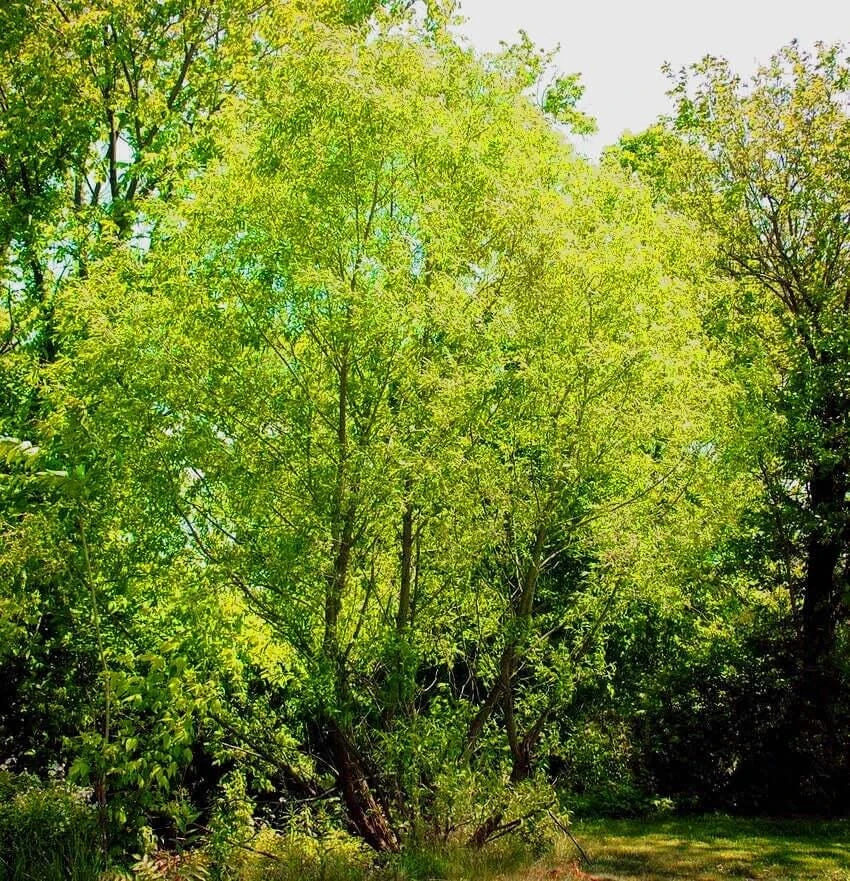
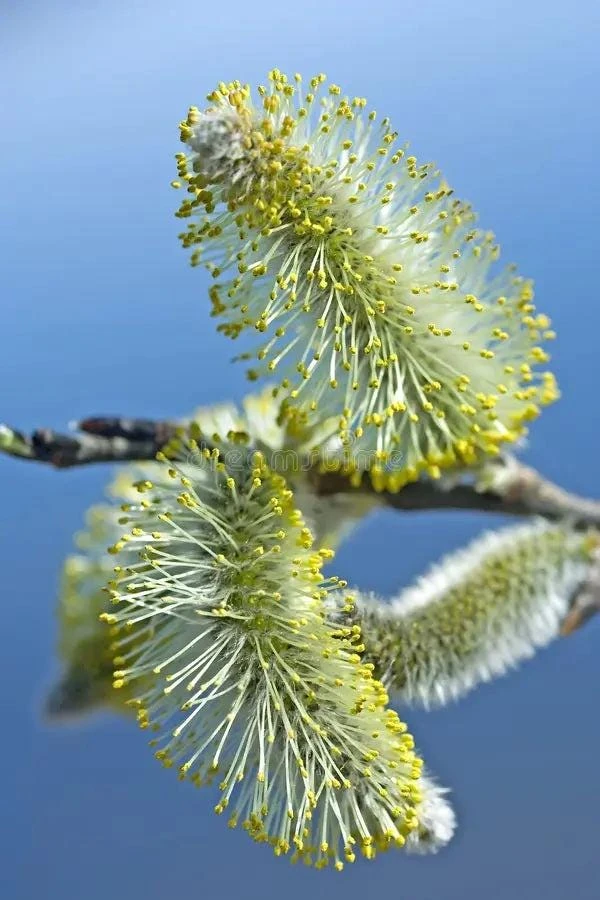
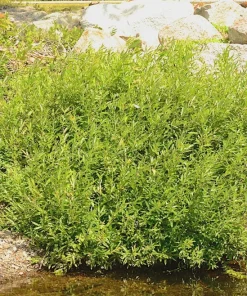
Cultivate a beautiful and beneficial landscape with the silky willow tree (Salix sericea). This bare root plant, typically 12-18″ tall upon arrival, is a fast-growing, multi-stemmed shrub or small tree. Valued for its role in erosion control and as a vital early-season pollinator plant tree, it thrives in moist soils and can reach 6-12 feet tall.
Estimated arrival
Sep 29
Oct 04 - Oct 06
Oct 09 - Oct 13
Shop With Confidence
30-Day Plant Health Guarantee
Arrives damaged? We’ll replace it free — see our return policy.
Responsive Support
Email us anytime, we reply within 1 business day.
Expert Packaging
Temperature-controlled shipping to protect your plants in transit.
Secure Checkout
Pay safely with Visa, Mastercard, PayPal.
Plant Specifications
-
USDA Hardiness Zone
USDA zones 4-8 -
Soil Type
Moist to wet soils -
Sunlight Exposure
Full sun to partial sun -
Expected Planting Period
Early spring or fall
Overview
Introduce a touch of natural elegance and ecological benefit to your garden with the silky willow tree (Salix sericea). This offering includes 3 bare root plants, each measuring 12-18 inches tall, ready to establish quickly in your landscape. The silky willow tree is a remarkable, fast-growing, multi-stemmed deciduous shrub or small tree, scientifically known as Salix sericea. Native to the eastern United States and Canada, this species is highly regarded for its adaptability to moist to wet soils and its distinctive, softly hairy leaf undersides, which give it its ‘silky’ name. It typically matures to a height of 6 to 12 feet, providing a substantial presence in any garden setting. Beyond its aesthetic appeal, it serves crucial environmental functions, making it a valuable addition for both beauty and utility.
The Salix sericea is particularly noted for its robust growth habit and resilience. As a bare root plant, it is prepared for optimal transplanting and rapid establishment, allowing you to enjoy its benefits sooner. Whether you are looking to enhance a waterside garden, stabilize a bank, or simply add a beautiful native species, the silky willow tree is an excellent choice. Its ability to flourish in challenging conditions, coupled with its ecological contributions, makes it a favored plant among gardeners and conservationists alike.
Key Benefits
The silky willow tree offers a multitude of advantages for any landscape, combining aesthetic appeal with significant ecological benefits. Its unique characteristics make it a standout choice for various gardening needs.
- Erosion Control: The fibrous root system of the silky willow tree is exceptionally effective at stabilizing soil, particularly in areas prone to erosion such as stream banks or slopes. This makes it an invaluable plant for preventing soil loss and maintaining landscape integrity.
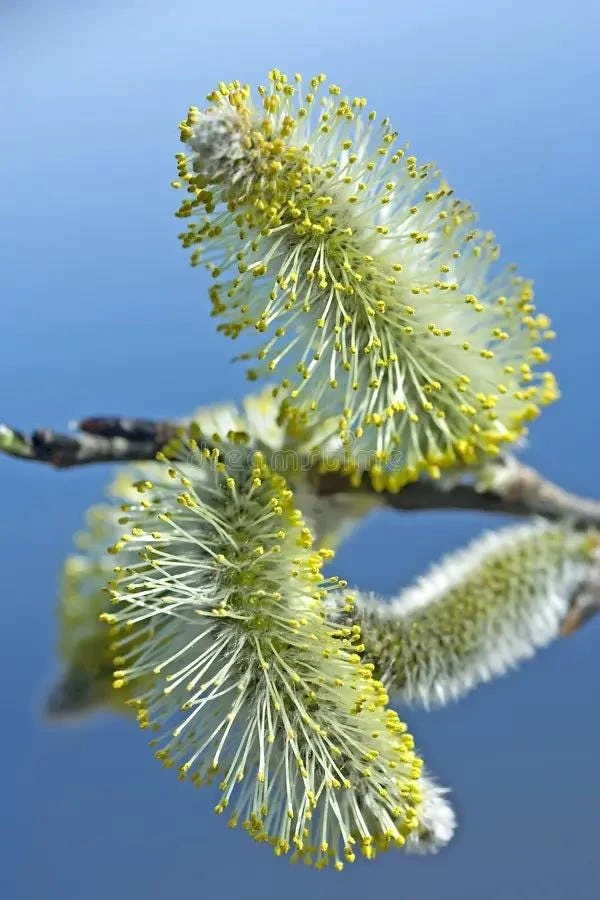
- Early Pollinator Support: As one of the earliest plants to bloom in spring, the Salix sericea provides a critical food source for emerging pollinators, including bees and other beneficial insects. This vital early-season pollinator plant tree helps sustain local ecosystems when other nectar sources are scarce.
- Fast Growth Rate: Known for being a fast growing willow, this tree quickly establishes itself and provides rapid coverage, making it ideal for new gardens or areas needing quick remediation. You’ll see significant growth in a relatively short period.
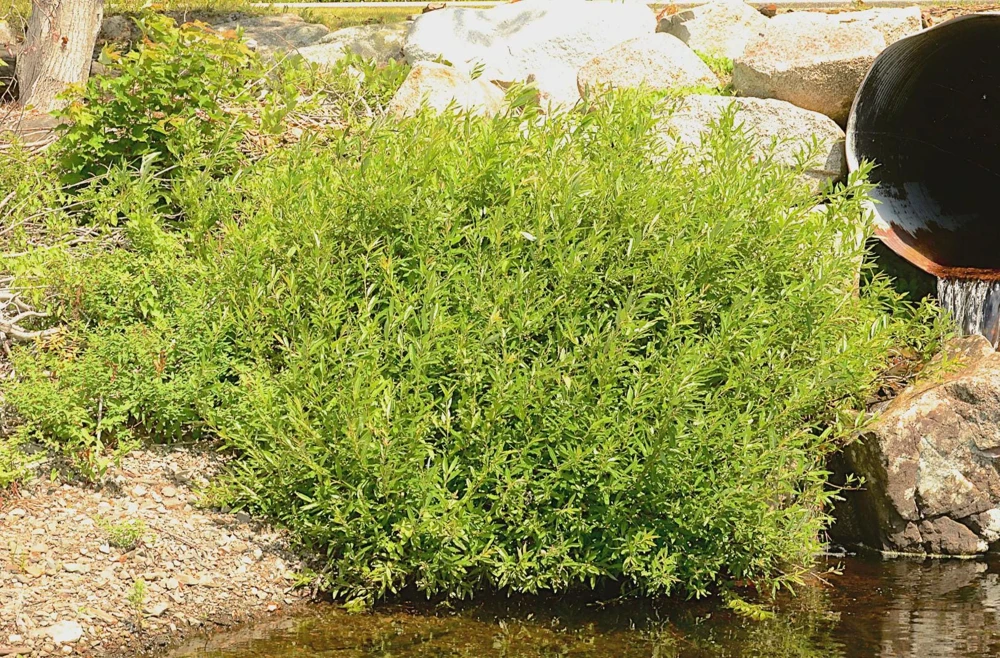
- Adaptability to Wet Soils: Unlike many other plants, the silky willow thrives in moist to wet conditions, making it perfect for rain gardens, boggy areas, or alongside ponds and streams where other species might struggle.
- Wildlife Habitat: The dense foliage and early blooms provide shelter and food for various wildlife, including birds and insects, enhancing biodiversity in your garden.
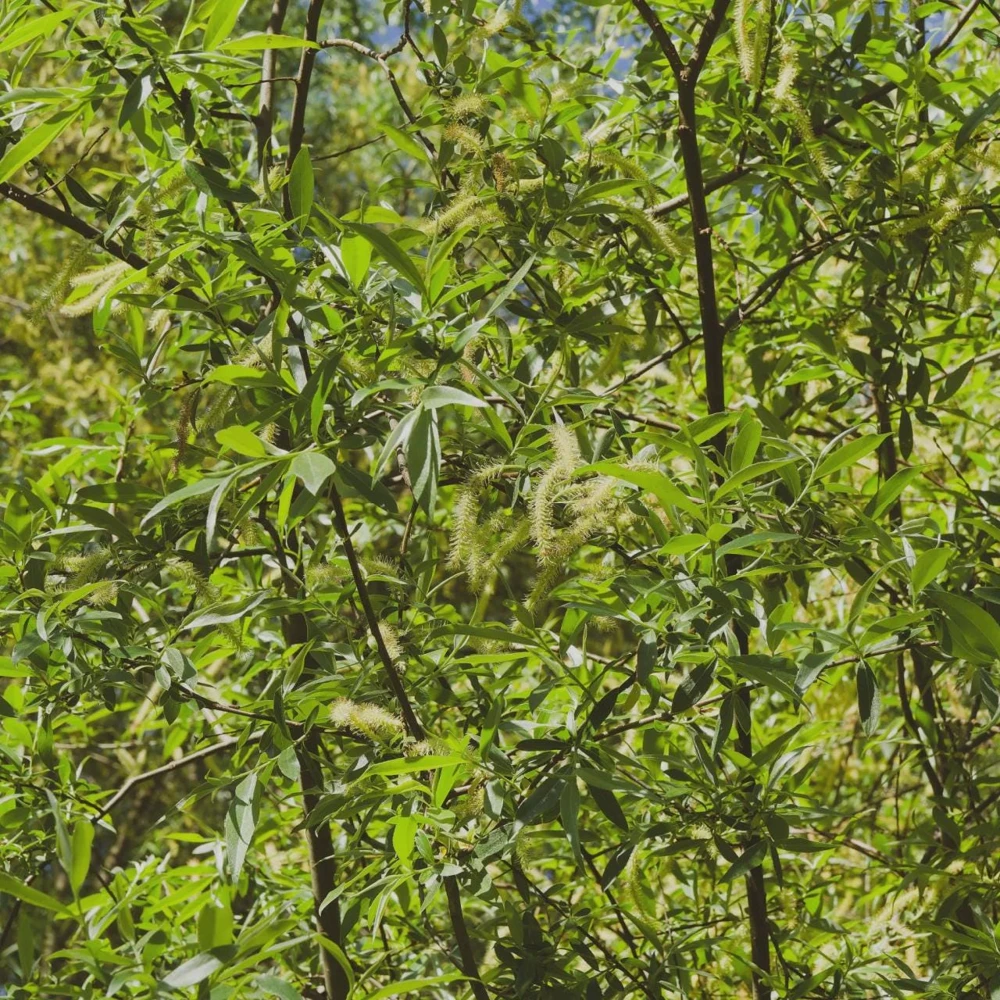
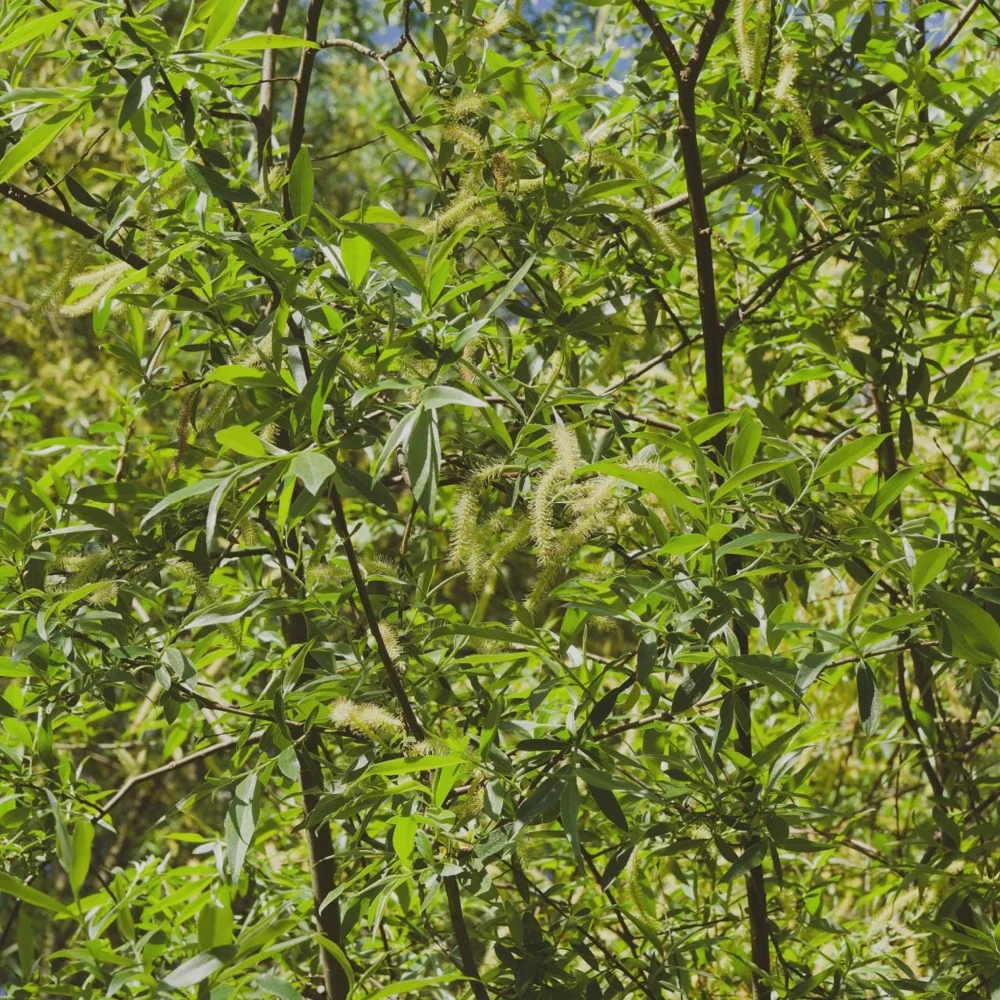
- Distinctive Foliage: The undersides of the leaves are covered in fine, silky hairs, giving the plant a unique texture and visual appeal, especially when caught by a breeze.
- Low Maintenance: Once established, the silky willow tree requires minimal care, making it a great option for gardeners seeking a resilient and self-sufficient plant.
Plant Care & Growing Tips
Caring for your silky willow tree (Salix sericea) is relatively straightforward, thanks to its robust and adaptable nature. These plants prefer sites with full sun to partial sun exposure, meaning they will thrive with at least 6 hours of direct sunlight per day, though they can tolerate some afternoon shade in hotter climates. Adequate sunlight is crucial for vigorous growth and abundant bloom production. When planting your bare root silky willow, ensure the site has ample space for its mature size of 6 to 12 feet tall and wide.
The most critical aspect of care for the silky willow tree is its preference for moist to wet soils. It naturally occurs in wetlands, stream banks, and low-lying areas, so replicating these conditions will lead to the best results. The soil should be consistently damp, but well-draining enough to prevent stagnant water, unless it’s a naturally boggy area. Regular watering is essential, especially during dry spells and in the first few years after planting. While it tolerates a range of soil types, a rich, organic soil will support optimal growth. Fertilization is generally not heavily required for this fast growing willow, but a balanced, slow-release fertilizer can be applied in early spring to encourage robust development, particularly in poorer soils. Pruning can be done in late winter or early spring to shape the plant, remove dead or damaged branches, and maintain its desired size and form.
Common problems are few for this resilient species. Ensure proper drainage to prevent root rot in overly saturated, poorly aerated soils. Pests and diseases are generally not a major concern, making it a relatively trouble-free addition to the garden. By providing consistent moisture and adequate sunlight, your silky willow tree will flourish, offering its many benefits for years to come.
Size & Details
This offering includes 3 silky willow tree bare root plants, each measuring approximately 12-18 inches tall upon arrival. Bare root plants are dormant and ship without soil, making them lightweight and easy to plant. The Salix sericea is a multi-stemmed deciduous shrub or small tree that typically grows to a mature height of 6 to 12 feet, with a similar spread. Its growth rate is considered fast, allowing for quick establishment and noticeable development within the first few seasons after planting. These plants are ideal for creating natural screens, stabilizing soil, or as a foundational element in a garden that benefits from a native pollinator plant tree.
The mature size and vigorous growth habit make it suitable for larger garden spaces or naturalized areas where it can spread. While these plants ship bare root, they quickly establish a strong root system once planted in appropriate conditions. Expect to see initial leaf development in the spring following planting, with significant vertical growth in subsequent years. The silky willow tree is a long-lived species, providing many years of beauty and ecological service.
Frequently Asked Questions
- Q: How big does this silky willow tree get? A: The silky willow tree (Salix sericea) typically grows to a mature height and spread of 6 to 12 feet. It is a multi-stemmed shrub or small tree.
- Q: What size pot does it come in? A: These silky willow tree plants are shipped as bare roots, not in pots. They will be approximately 12-18 inches tall upon arrival, ready for immediate planting in your garden.
- Q: Is this an indoor or outdoor plant? A: The silky willow tree is an outdoor plant, best suited for garden landscapes, especially in areas with moist to wet soil. It is not recommended for indoor cultivation.
- Q: How much sunlight does it need? A: This fast growing willow thrives in full sun to partial sun. It requires at least 6 hours of direct sunlight daily for optimal growth and health.
- Q: Is this plant easy to care for? A: Yes, the silky willow tree is considered low maintenance once established. Its primary requirements are consistent moisture and adequate sunlight.
- Q: What condition will it arrive in? A: Your silky willow tree will arrive as dormant bare root plants, 12-18 inches tall, carefully packaged without soil to ensure safe transit and optimal transplanting success.
- Q: When is the best time to plant a silky willow tree? A: The best time to plant bare root silky willow tree specimens is in early spring, after the last frost, or in the fall before the ground freezes.
- Q: Will it survive winter in my zone? A: The silky willow tree is native to temperate regions and is hardy in USDA zones 4-8, making it highly tolerant of cold winters within these zones.
- Q: What type of soil does a silky willow prefer? A: This plant thrives in moist to wet soils, including loamy, sandy, or clay soils, as long as they retain consistent moisture. It is an excellent choice for boggy areas.
- Q: Is the silky willow tree good for pollinators? A: Absolutely! It is a vital early-season pollinator plant tree, providing crucial nectar and pollen for bees and other beneficial insects when few other plants are blooming.
Be the first to review “Silky Willow Tree – Salix sericea – Bare Root Plant – 12-18″ Tall – Outdoor”
People Also Viewed
Houseplants
Set of 2 Tree Philodendron Live Plants, Faux Monstera, Indoor Tropical, 5-8 Inch Tall, 4 Inch Pot






Flower Seeds
1000 Chia Sage Seeds – Salvia Hispanica Flower Seeds – Blue Violet – Attracts Pollinators
Reviews
There are no reviews yet.