
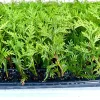
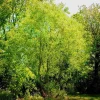
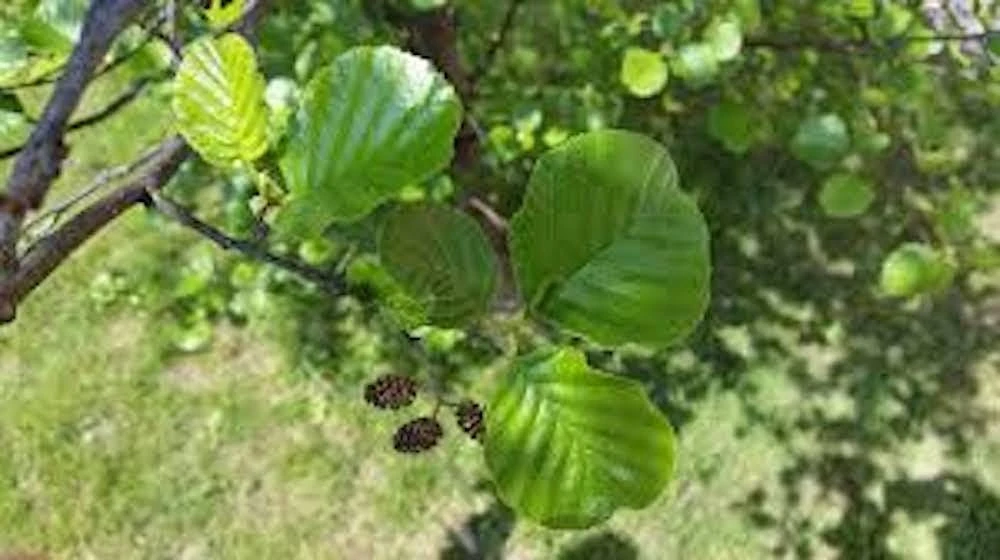
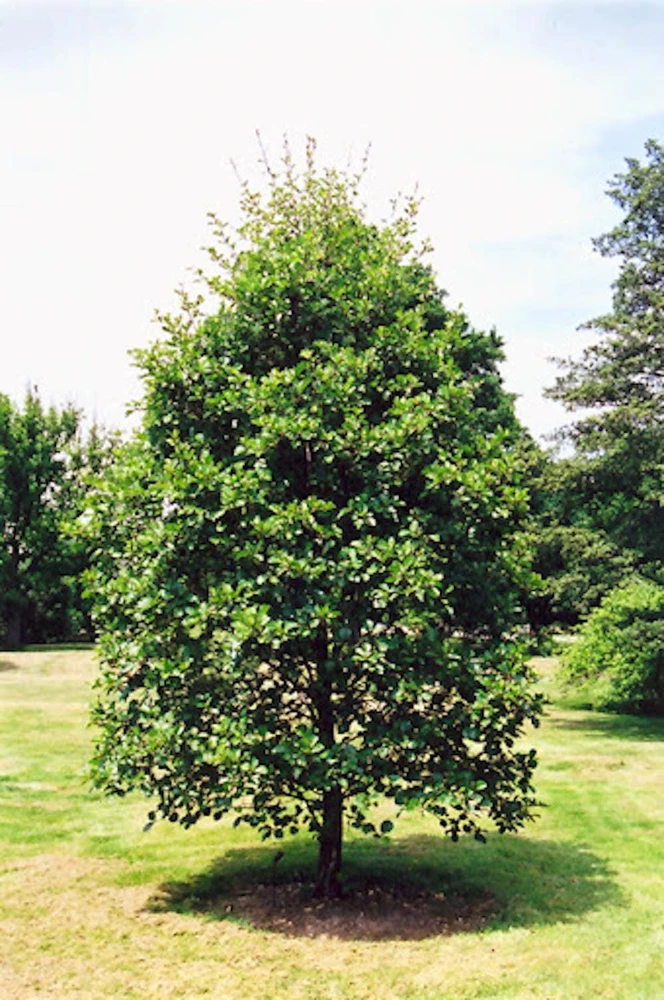
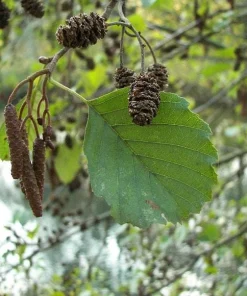
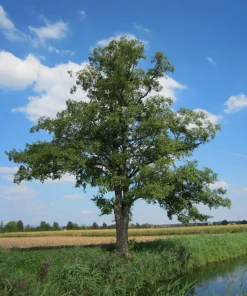
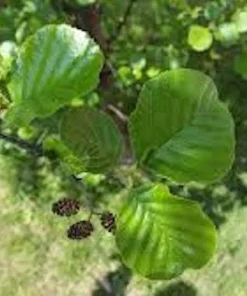
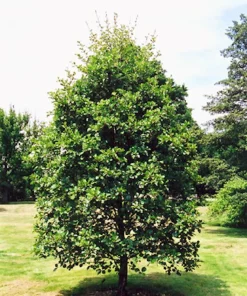
5 Black Alder Tree 12-24 inch Bare Root Live Plant Alnus glutinosa
Original price was: $123.99.$98.99Current price is: $98.99.
Cultivate black alder tree (Alnus glutinosa), a fast-growing, medium-sized deciduous tree. This offering includes 5 European common alder bare root plants, each 12-24 inches tall. Renowned for thriving in wet, poor soils due to its nitrogen-fixing capabilities, it’s an excellent choice for challenging landscapes.
Estimated arrival
Sep 29
Oct 04 - Oct 06
Oct 09 - Oct 13
Shop With Confidence
30-Day Plant Health Guarantee
Arrives damaged? We’ll replace it free — see our return policy.
Responsive Support
Email us anytime, we reply within 1 business day.
Expert Packaging
Temperature-controlled shipping to protect your plants in transit.
Secure Checkout
Pay safely with Visa, Mastercard, PayPal.
Plant Specifications
-
USDA Hardiness Zone
USDA Zones 3-7 -
Soil Type
Moist, well-draining soil; tolerates poor and wet soils -
Sunlight Exposure
Full sun to partial shade -
Expected Planting Period
Early spring or late fall
Overview
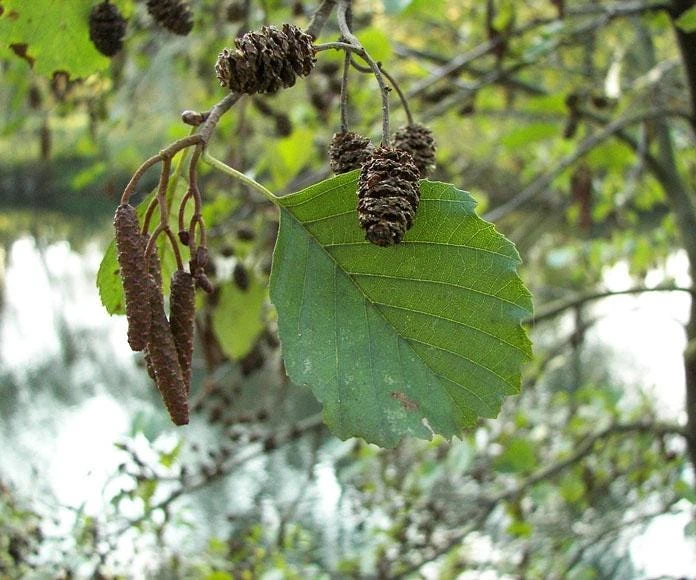
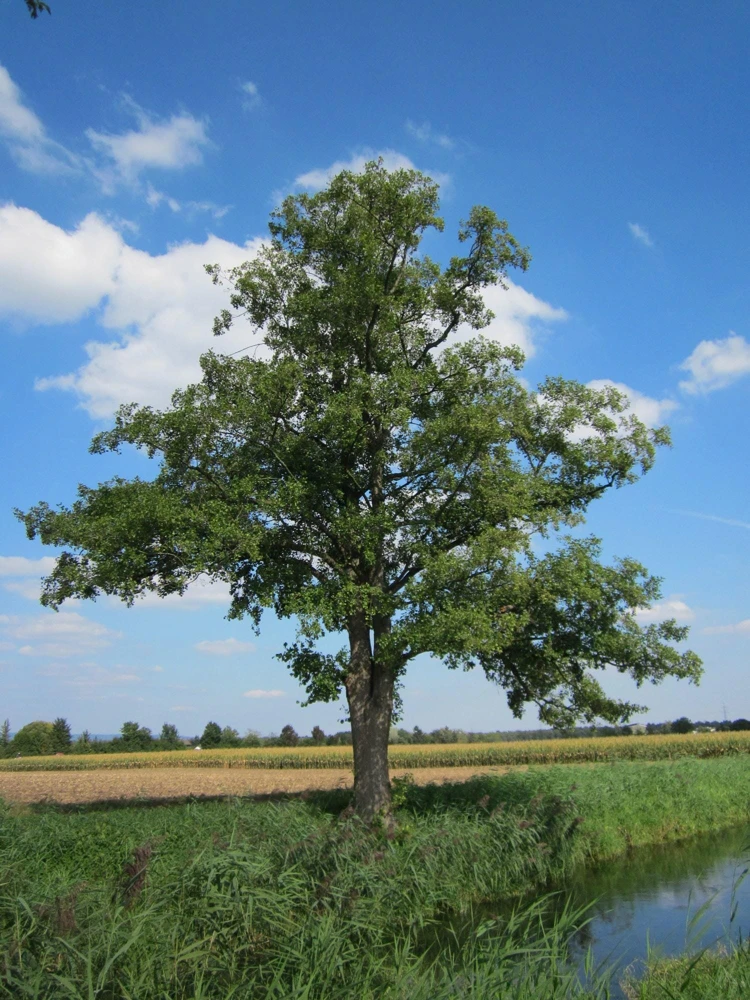
Introduce robust, native beauty to your landscape with this collection of 5 black alder tree bare root plants. Also known as European common alder or Common Alder, and scientifically as Alnus glutinosa, these deciduous trees are a fantastic choice for a variety of settings. Each plant measures 12-24 inches, providing a strong start for establishment. The black alder tree is celebrated for its rapid growth and its remarkable ability to flourish in conditions where many other trees struggle, particularly in wet or poor soils. Native to Europe, North Africa, and western Asia, this species plays a vital ecological role, making it an excellent addition for both aesthetic appeal and environmental benefit.
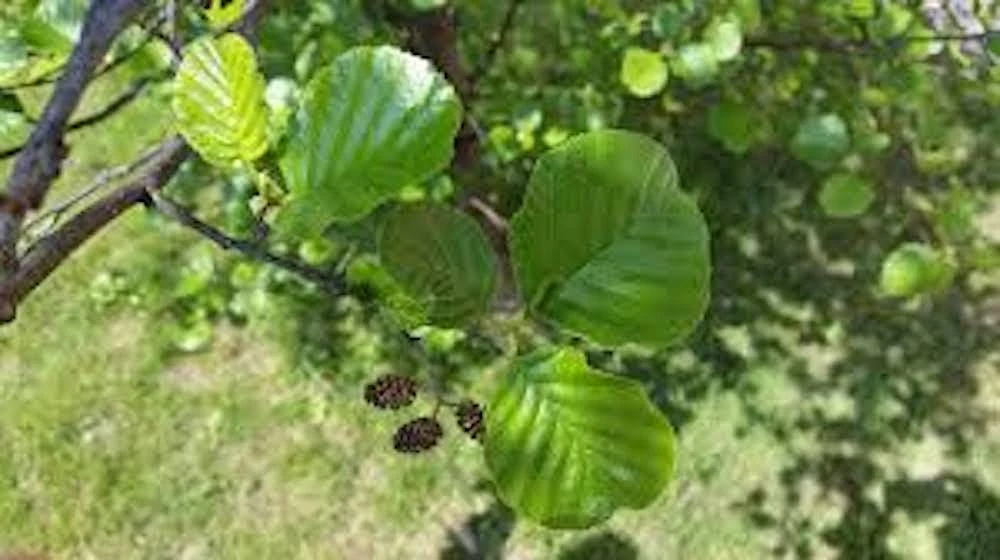
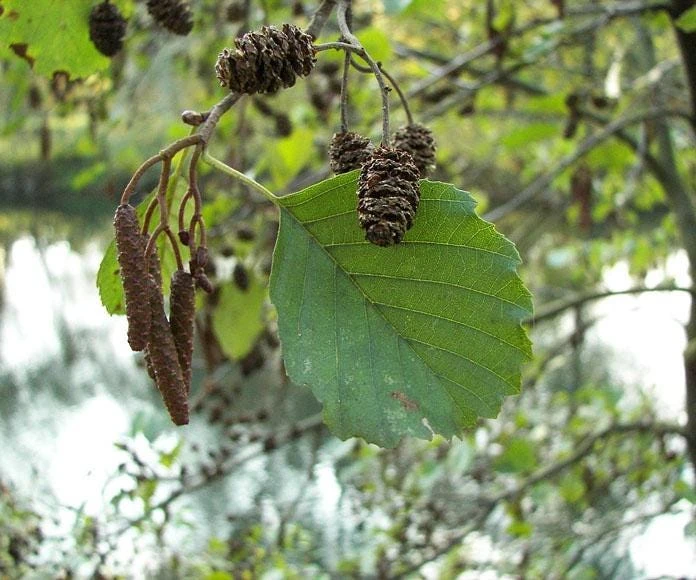
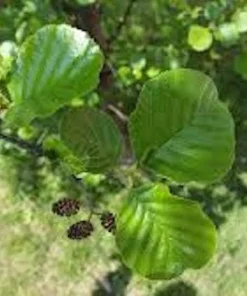
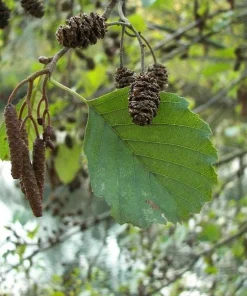
As a member of the birch family (Betulaceae), the Alnus glutinosa is easily recognizable by its distinctive foliage and growth habit. Its resilience and adaptability make it a popular choice for reforestation, streambank stabilization, and adding biodiversity to gardens. These bare root specimens are ready to be planted and will quickly establish themselves, transforming your chosen area with their natural charm and ecological prowess.
Key Benefits
The black alder tree offers a multitude of benefits, making it a valuable addition to any landscape. Its unique characteristics contribute to both its hardiness and its positive environmental impact. Choosing these trees means investing in a plant that gives back to its surroundings.
- Soil Improvement: The Alnus glutinosa is famous for its nitrogen-fixing capabilities. It forms a symbiotic relationship with bacteria in its root nodules, converting atmospheric nitrogen into a usable form, thereby enriching the surrounding soil and benefiting neighboring plants. This makes it an ideal choice for improving poor or depleted soils.
- Fast Growth Rate: Enjoy a quickly maturing landscape. These trees are known for their fast growth, allowing you to see significant development in a relatively short period, providing shade and structure sooner.
- Wet Soil Tolerance: Unlike many other tree species, the European common alder thrives in moist to wet soil conditions, making it perfectly suited for areas near ponds, streams, or in poorly drained parts of your yard. It can even tolerate periodic flooding.
- Erosion Control: Its extensive root system helps to stabilize soil, making it an excellent choice for erosion control, especially on slopes or along waterways. This natural engineering protects your land.
- Wildlife Habitat: The black alder tree provides food and shelter for various wildlife, including birds and insects, contributing to local biodiversity and creating a vibrant ecosystem in your garden.
- Deciduous Beauty: Offers attractive green foliage in spring and summer, providing lush canopy, and then sheds its leaves in fall, adding seasonal interest to your garden.
- Low Maintenance: Once established, these trees require minimal care, making them an easy-to-grow option for busy gardeners or those looking for a resilient landscape solution.
Plant Care & Growing Tips
Caring for your black alder tree is relatively straightforward, especially given its hardy nature. These 12-24 inch bare root plants are designed for easy establishment. Upon arrival, soak the roots in water for a few hours before planting. Dig a hole wide enough to accommodate the spread of the roots and deep enough so that the root collar (where the roots meet the stem) is at ground level. Backfill with soil, gently tamping down to remove air pockets, and water thoroughly.
The Alnus glutinosa prefers full sun to partial shade, meaning it should receive at least 4-6 hours of direct sunlight per day for optimal growth. It is highly adaptable to various soil types but performs best in moist, well-draining soil. However, its tolerance for wet and poor soils is one of its most defining characteristics, making it suitable for challenging sites. USDA hardiness zones typically range from 3 to 7, indicating good cold tolerance. Regular watering is crucial during the first year of establishment, ensuring the soil remains consistently moist but not waterlogged. Once established, the European common alder is quite drought-tolerant, though it will benefit from supplemental watering during prolonged dry spells.
Fertilization is generally not necessary for the black alder tree, especially given its nitrogen-fixing abilities. If growth appears stunted in very poor soil, a balanced, slow-release granular fertilizer can be applied in early spring. Pruning should be done in late winter or early spring while the tree is dormant. Focus on removing any dead, damaged, or crossing branches to maintain a strong structure and healthy canopy. Watch out for common pests like aphids or leaf miners, and treat with organic insecticides if necessary. Overall, the nitrogen fixing tree is a robust and forgiving species, making it an excellent choice for both novice and experienced gardeners.
Size & Details
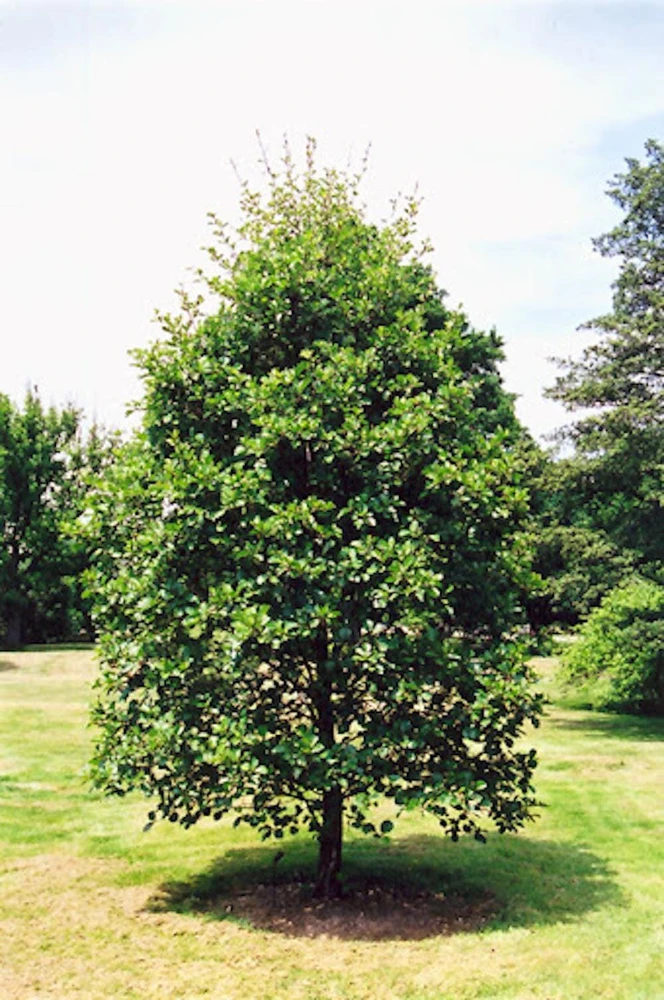
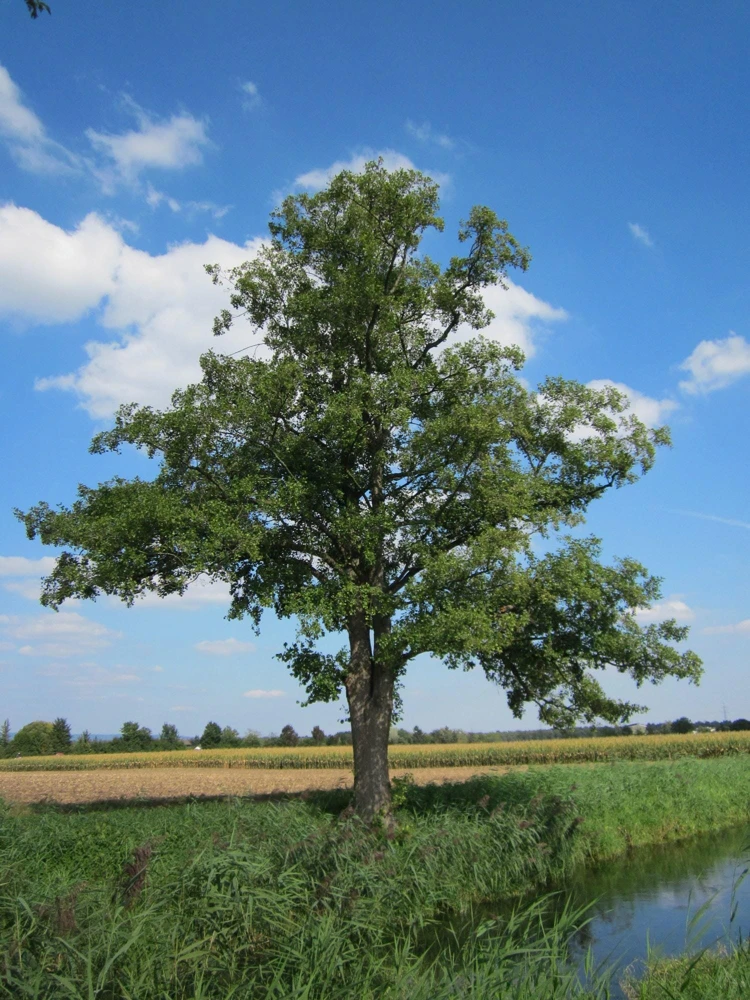
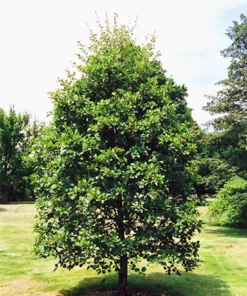
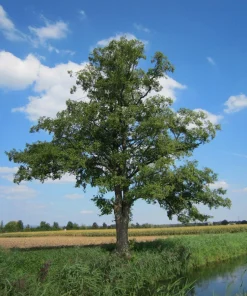
This offering includes 5 black alder tree bare root live plants, each measuring approximately 12-24 inches in height at the time of shipment. These are young, vigorous trees ready for planting. As a medium-sized deciduous tree, the Alnus glutinosa can reach mature heights of 40-60 feet with a spread of 20-40 feet, developing a pyramidal to oval crown. Its growth rate is considered fast, often adding 1-2 feet or more per year under ideal conditions. The trees are shipped as bare root specimens, meaning they are dormant and without soil around their roots, which is the ideal and most cost-effective way to transport young trees for successful establishment. Expect these trees to begin leafing out and establishing new roots shortly after planting in suitable conditions.
Frequently Asked Questions
- Q: How big does this black alder tree get? A: The black alder tree can reach a mature height of 40-60 feet with a spread of 20-40 feet. It is considered a medium-sized deciduous tree that grows relatively quickly.
- Q: What size pot does it come in? A: These are 12-24 inch bare root plants, meaning they are shipped without a pot and soil around their roots for optimal transplanting and cost-efficiency.
- Q: Is this an indoor or outdoor plant? A: The European common alder is an outdoor tree, well-suited for landscaping, streambank stabilization, and naturalized areas. It is not suitable for indoor cultivation.
- Q: How much sunlight does it need? A: This tree thrives in full sun to partial shade, ideally receiving at least 4-6 hours of direct sunlight daily to ensure vigorous growth.
- Q: Is this tree easy to care for? A: Yes, the Alnus glutinosa is known for its hardiness and low maintenance requirements once established. It’s an excellent choice for various gardeners.
- Q: What condition will it arrive in? A: Your order will arrive as 5 bare root plants, 12-24 inches tall, in a dormant state, carefully packaged to ensure their health during transit.
- Q: When is the best time to plant these black alder trees? A: The best time to plant bare root trees like the black alder tree is typically in early spring or late fall when the tree is dormant.
- Q: Will it survive winter in my zone? A: The European common alder is hardy in USDA zones 3-7, making it resilient to cold winters in many regions of the United States.
- Q: What are the benefits of a nitrogen fixing tree? A: A nitrogen fixing tree like the black alder enriches the soil by converting atmospheric nitrogen into a usable form, which benefits itself and surrounding plants, improving overall soil fertility.
- Q: Can this tree grow in wet soil? A: Absolutely, one of the most notable features of the Alnus glutinosa is its exceptional tolerance and preference for wet soil conditions, even tolerating periodic flooding.
Be the first to review “5 Black Alder Tree 12-24 inch Bare Root Live Plant Alnus glutinosa”
People Also Viewed
Flower Plants
Reviews
There are no reviews yet.