
Maroon Monster Venus Flytrap Live Plant – Large Carnivorous Plant Indoor/Outdoor
Original price was: $84.99.$59.99Current price is: $59.99.
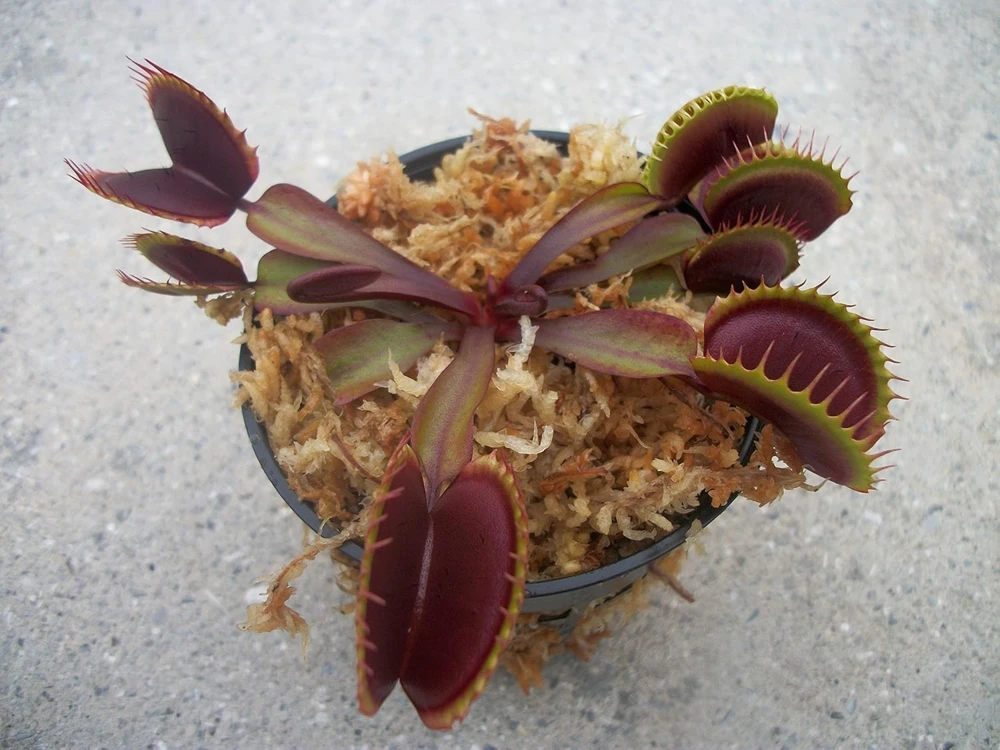
Bring home a captivating maroon monster venus flytrap, a striking carnivorous plant indoor or outdoor. This large dionaea muscipula features deep red traps, perfect for catching insects and adding a unique touch to your plant collection. Ideal for enthusiasts and beginners alike seeking a fascinating specimen.
Estimated arrival
Sep 28
Oct 03 - Oct 05
Oct 08 - Oct 12
Shop With Confidence
30-Day Plant Health Guarantee
Arrives damaged? We’ll replace it free — see our return policy.
Responsive Support
Email us anytime, we reply within 1 business day.
Expert Packaging
Temperature-controlled shipping to protect your plants in transit.
Secure Checkout
Pay safely with Visa, Mastercard, PayPal.
Plant Specifications
-
USDA Hardiness Zone
9 (20 to 30 °F) -
Soil Type
Peat moss and perlite/sand mix -
Sunlight Exposure
Full Sun -
Expected Planting Period
Year-round indoors, Spring to Summer outdoors
Overview
The maroon monster venus flytrap is a truly captivating and unique addition to any plant collection. This particular variety of Dionaea Muscipula is renowned for its strikingly large, deep maroon traps, which give it its distinctive ‘Maroon Monster’ name. As a live carnivorous plant, it actively captures and digests insects, providing a fascinating display of nature’s ingenuity right in your home or garden. Originating from wetland environments, the maroon monster venus flytrap is a resilient and relatively easy-to-care-for specimen, making it suitable for both experienced carnivorous plant enthusiasts and curious beginners. Its vibrant coloration and active trapping mechanism make it a constant source of wonder and an excellent conversation starter.
This large carnivorous plant indoor specimen is a vibrant and active predator, perfect for controlling small insect populations in its vicinity. Its unique aesthetic appeal, combined with its intriguing biological function, ensures it stands out. Observing the traps snap shut is an experience that delights all ages, making it an engaging educational tool as well as a beautiful plant. Embrace the wild side of horticulture with this extraordinary plant.
Key Benefits
The maroon monster venus flytrap offers a range of unique benefits beyond its visual appeal and fascinating predatory nature. This specific variety is known for its robust growth and striking color, enhancing any environment it inhabits.
- Natural Insect Control: The primary benefit of owning a maroon monster venus flytrap is its ability to naturally control small flying and crawling insects like flies, gnats, and ants. This makes it an eco-friendly solution for pest management without the need for harsh chemicals. Each trap is a marvel of biological engineering, designed for efficient capture.
- Educational Value: Observing the Venus Flytrap’s trapping mechanism is an excellent educational experience for children and adults. It provides a firsthand look at plant biology, adaptation, and the food chain, fostering a deeper appreciation for the natural world. It’s a living science experiment.
- Unique Aesthetic Appeal: With its deep maroon coloration and distinctive trap structure, this large dionaea muscipula serves as a dramatic focal point in any room or garden. Its unusual form and color palette add a touch of exotic beauty that traditional houseplants cannot offer, making it a true showstopper.
- Low Maintenance for Carnivores: While carnivorous plants have specific needs, the maroon monster venus flytrap is relatively low maintenance once its basic requirements are met. It doesn’t require frequent repotting or complex fertilization, simplifying care for busy plant owners.
- Adaptable to Indoor & Outdoor Settings: This versatile carnivorous plant indoor or outdoor thrives in a variety of settings, from a sunny windowsill to a bog garden. Its adaptability allows you to enjoy its beauty and function wherever it best suits your lifestyle and climate.
- Conversation Starter: Its unusual nature and active insect-catching abilities make the maroon monster venus flytrap an instant conversation starter. Guests will be intrigued by its appearance and eager to learn more about this remarkable plant, adding a unique element to your home decor.
- Therapeutic Hobby: Caring for a unique plant like the maroon monster venus flytrap can be a relaxing and rewarding hobby. The process of observing its growth and development, and understanding its specific needs, can provide a sense of accomplishment and connection to nature.
Plant Care & Growing Tips
Caring for your maroon monster venus flytrap requires understanding its specific environmental needs, which are quite distinct from typical houseplants. These plants thrive in conditions that mimic their natural bog habitats. The most crucial aspects are water quality, sunlight, and proper soil. Always use distilled water, rainwater, or reverse osmosis water for your Venus Flytrap. Tap water, even filtered, often contains minerals and salts that can harm and eventually kill the plant by accumulating in the soil and burning its sensitive roots. Water heavily, ensuring the soil is consistently moist but not waterlogged. A good method is to place the pot in a tray of about 1 inch of water, allowing the plant to wick up moisture as needed. This ensures constant hydration and mimics its natural habitat.
Sunlight is paramount for a healthy maroon monster venus flytrap. These plants require at least 6-8 hours of direct sunlight daily to develop strong traps and vibrant maroon coloration. For indoor cultivation, a south-facing window is ideal, or you can supplement with a strong grow light for 12-16 hours a day. Insufficient light will result in weak, green traps and overall poor health. The USDA Hardiness Zone for Venus Flytraps is typically 9 (20 to 30 °F), meaning they can tolerate mild winters outdoors in these regions. However, in colder zones, they should be brought indoors or provided with winter protection. The soil mix is also critical; never use standard potting soil. A mix of 50% peat moss and 50% perlite or horticultural sand (free of added fertilizers or minerals) is ideal. This provides the acidic, nutrient-poor, and well-draining environment they need. Do not fertilize your dionaea muscipula; they obtain all necessary nutrients from the insects they catch. Repotting is generally needed every 1-2 years, ideally in early spring before active growth begins.
Understanding the dormancy period is also key to successful long-term venus flytrap care. During fall and winter, the plant will enter dormancy, characterized by smaller, lower-growing traps and a reduction in growth. It’s crucial not to disturb the plant during this time. Reduce watering slightly, but keep the soil moist, and ensure it experiences cooler temperatures (between 35-55°F). This period of rest is essential for the plant’s health and vigorous growth in the following spring. Common problems include traps turning black, which is natural as old traps die off, but excessive blackening can indicate overwatering, poor light, or mineral buildup from tap water. Ensure good air circulation to prevent fungal issues, especially for a large flytrap plant.
Size & Details
This maroon monster venus flytrap is offered as a large-sized live plant, ready to thrive in its new environment. While exact dimensions can vary slightly with each individual specimen due to its live nature, you can expect a robust and established plant with multiple active traps. Typically, these plants will have a spread of approximately 4-6 inches in diameter, with traps reaching up to 1.5 inches or more in length, showcasing the impressive ‘Maroon Monster’ characteristics. It will arrive as a healthy, potted plant, carefully packaged to ensure its safe journey to you, complete with an established root system in appropriate carnivorous plant soil.
The growth habit of this particular dionaea muscipula is clumping, meaning it will form a dense cluster of traps over time. With proper venus flytrap care, this plant can live for many years, growing larger and producing more traps each season. It exhibits deciduous foliage, meaning some traps may die back during dormancy, only to re-emerge vigorously in spring. Its seasonal interest spans Fall, Spring, Summer, and Winter, offering year-round fascination. This large flytrap plant is a mature specimen, allowing you to enjoy its full beauty and insect-catching prowess immediately upon arrival.
Frequently Asked Questions
- Q: How big does this plant get? A: The maroon monster venus flytrap is considered a large variety, typically reaching a spread of 4-6 inches in diameter with traps often growing over 1.5 inches long. With ideal conditions, it can continue to expand its clumping growth habit over time.
- Q: Is this an indoor or outdoor plant? A: This versatile carnivorous plant indoor or outdoor can thrive in both environments. Indoors, it requires a very bright, sunny windowsill or a strong grow light. Outdoors, it can be grown in bog gardens or pots in a sunny location, especially in USDA zones 9 and above.
- Q: How much sunlight does it need? A: The maroon monster venus flytrap requires at least 6-8 hours of direct sunlight daily to maintain its vibrant maroon coloration and robust health. More light will generally result in a healthier and more colorful plant.
- Q: Is this plant easy to care for? A: While it has specific needs, such as distilled water and nutrient-poor soil, consistent venus flytrap care makes it relatively easy to maintain. It’s a great choice for beginners interested in carnivorous plants if these basic requirements are met.
- Q: What condition will it arrive in? A: Your maroon monster venus flytrap will arrive as a healthy, live plant, securely potted in its appropriate growing medium. It will be carefully packaged to minimize stress during transit, ensuring it reaches you in excellent condition.
- Q: Is it shipped in soil? A: Yes, the plant will be shipped already potted in its specialized peat-based soil mix. This ensures it remains hydrated and stable during shipping and is ready for display upon arrival.
- Q: Will it survive winter in my zone? A: This dionaea muscipula is hardy in USDA zones 9 (20 to 30 °F) and above, meaning it can tolerate mild winters outdoors. In colder zones, it will need to be brought indoors to a cool, dormant spot or provided with winter protection.
- Q: Is it pet-safe? A: Yes, the maroon monster venus flytrap is considered pet-safe and child-safe. It poses no known toxicity to animals or humans, making it a worry-free addition to any home.
- Q: What’s the best soil type for this plant? A: The ideal soil for this large flytrap plant is an acidic, nutrient-poor mix, typically 50% peat moss (without added fertilizers) and 50% perlite or horticultural sand. Never use standard potting soil.
- Q: How often should I water it? A: Water frequently to keep the soil consistently moist. The tray method, where the pot sits in about an inch of distilled water, is highly recommended to ensure the plant always has access to moisture.
Be the first to review “Maroon Monster Venus Flytrap Live Plant – Large Carnivorous Plant Indoor/Outdoor”
People Also Viewed
Reviews
There are no reviews yet.