
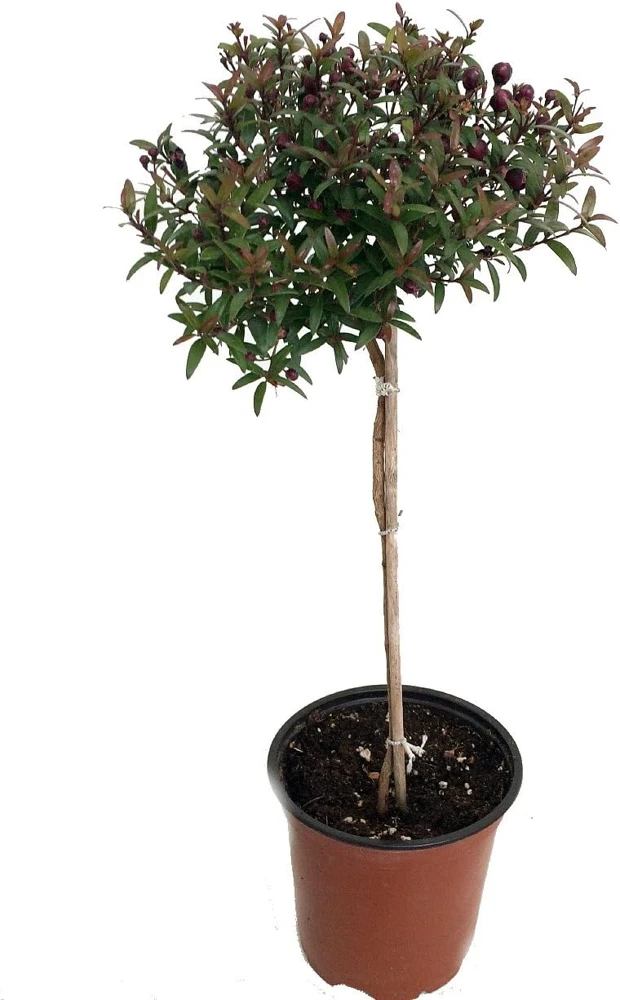
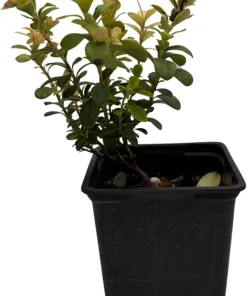
Myrtle Herb Plant – Myrtus communis – Live Plant – 4.5″ Pot – Topiary
Original price was: $88.99.$78.99Current price is: $78.99.
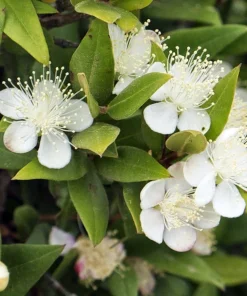
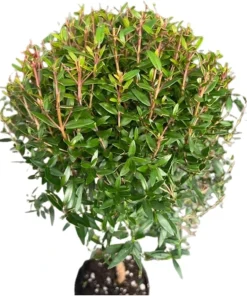
Bring home a beautiful myrtle herb plant (Myrtus communis), known for its dense, fragrant foliage and historical significance. This myrtus communis live plant comes in a 4.5″ pot, ideal for patios or as a houseplant. Enjoy its sweet-scented white flowers and versatility.
Estimated arrival
Sep 29
Oct 04 - Oct 06
Oct 09 - Oct 13
Shop With Confidence
30-Day Plant Health Guarantee
Arrives damaged? We’ll replace it free — see our return policy.
Responsive Support
Email us anytime, we reply within 1 business day.
Expert Packaging
Temperature-controlled shipping to protect your plants in transit.
Secure Checkout
Pay safely with Visa, Mastercard, PayPal.
Plant Specifications
-
USDA Hardiness Zone
USDA Zones 9-11 / Patio / Houseplant -
Soil Type
Well-draining soil -
Sunlight Exposure
Light shade to full sun -
Expected Planting Period
Year-round indoors, Spring to Summer outdoors
Overview
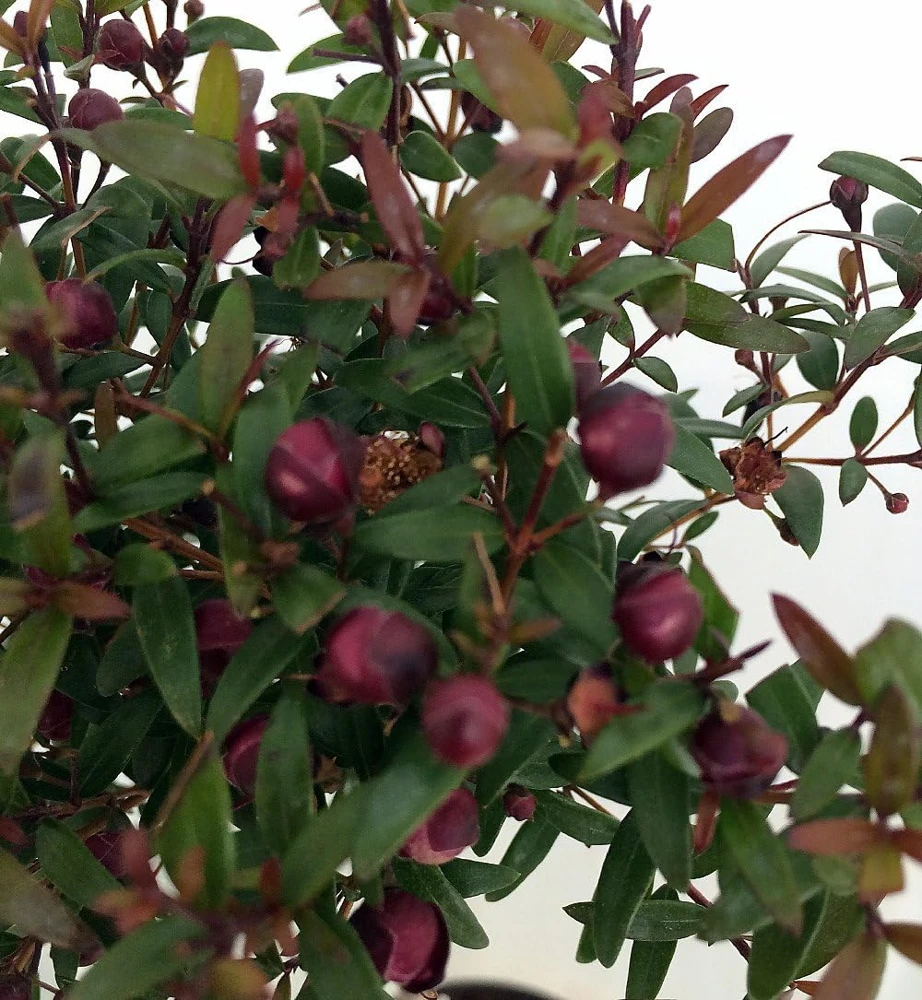
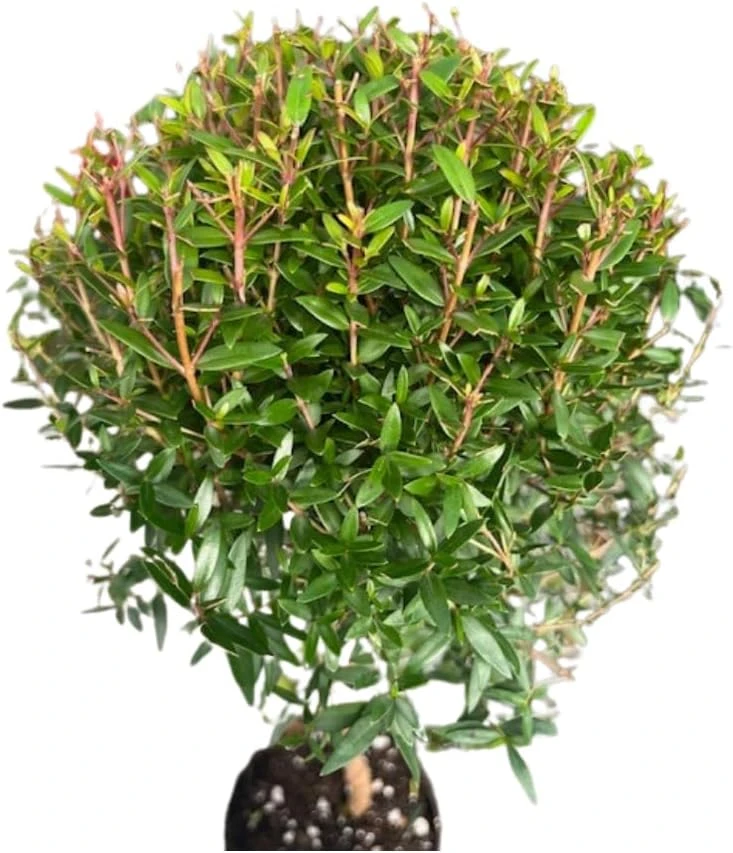
Cultivate a piece of history with the exquisite myrtle herb plant, scientifically known as Myrtus communis. This evergreen shrub or small tree boasts dense, aromatic foliage and a rich cultural heritage, often referenced as an ancient herb plant. Our offering is a healthy myrtus communis live plant, meticulously grown and delivered in a 4.5″ pot, ready to thrive in your home or garden. The lanceolate leaves, strongly scented when crushed, evoke the plant’s Mediterranean origins. While its native habitat is lost to centuries of cultivation, its resilience and beauty have ensured its enduring popularity. Whether you’re looking to add a touch of greenery to your patio, a fragrant accent to your indoor space, or even embark on the art of bonsai, this versatile plant is an excellent choice. Its ability to adapt to various conditions makes it a rewarding addition for both novice and experienced plant enthusiasts.
Key Benefits
The myrtle herb plant offers a multitude of benefits, making it a cherished addition to any plant collection. Its unique characteristics provide both aesthetic pleasure and practical uses:
-
Aromatic Foliage: The dense, evergreen leaves of the myrtle herb plant release a delightful, strong scent when crushed, adding a natural fragrance to your environment. This makes it a wonderful choice for sensory gardens or as a refreshing indoor plant.
-
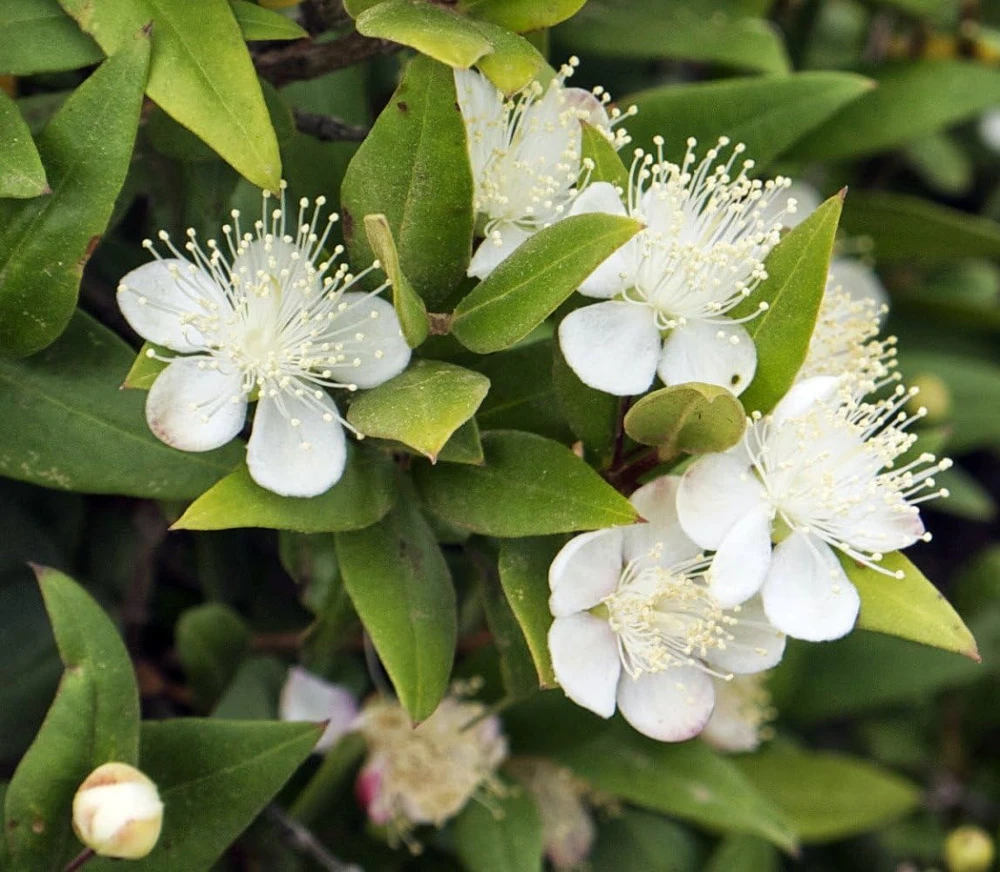
Beautiful Blooms: During summer, this plant produces charming one-inch white flowers that are also sweetly scented. These delicate blossoms enhance its ornamental value and can attract pollinators if grown outdoors.
-
Versatile Growth: Myrtus communis can be grown as an evergreen shrub, a small tree, or even trained as a bonsai. This adaptability allows you to shape it to fit your specific gardening vision or space constraints, offering endless creative possibilities.
-
Drought Tolerance: Once established, the myrtus communis live plant is highly drought tolerant, making it a low-maintenance option for those seeking a beautiful yet resilient plant. This feature reduces the frequency of watering, ideal for busy lifestyles.
-
Culinary and Medicinal History: Historically, the leaves and dried berries of Myrtus communis have been used in Mediterranean cuisine as a substitute for black pepper. While not a primary culinary herb today, its historical uses add to its intrigue as an ancient herb plant.
-
Indoor/Outdoor Flexibility: Hardy to 28 degrees F, it thrives outdoors in warmer climates (Zones 9-11) and makes an excellent patio or houseplant in cooler regions, bringing its beauty indoors during colder months.
-
Bonsai Potential: For those interested in the art of bonsai, the dense foliage and manageable size of the myrtle bonsai make it a popular and rewarding specimen for training.
Plant Care & Growing Tips
Caring for your myrtle herb plant is relatively straightforward, ensuring it flourishes with proper attention. The key to successful growth lies in understanding its preferences for sunlight, water, and soil. Myrtus communis thrives best in light shade to full sun. If growing indoors, place it in a location that receives several hours of bright, direct sunlight daily, such as a south-facing window. Outdoors, it appreciates morning sun with some afternoon shade in hotter climates to prevent leaf scorch. This myrtus communis live plant is highly drought tolerant, preferring its soil to dry out completely between waterings. Overwatering is a common mistake, so always check the soil moisture before adding more water. During active growth periods in spring and summer, you may need to water more frequently, while in winter, reduce watering significantly.
For optimal growth, plant your myrtle herb plant in well-draining soil. A standard potting mix amended with perlite or sand works well for container plants. Ensure the pot has drainage holes to prevent waterlogging. The plant is hardy in USDA Zones 9-11, tolerating temperatures down to 28 degrees F. In cooler climates, it should be brought indoors before the first frost. Fertilize sparingly during the growing season (spring and summer) with a balanced liquid fertilizer, diluted to half strength. Avoid fertilizing in fall and winter. Pests are generally not a major issue for true myrtle care, but occasionally watch for spider mites or scale insects, especially if grown indoors. Good air circulation and proper watering practices will help prevent most problems, ensuring a healthy and vibrant plant.
Size & Details
This offering is for a single myrtle herb plant, delivered as a live plant in a 4.5″ nursery pot. The plant’s overall height will vary but typically ranges from 6 to 12 inches at the time of shipment, depending on growth and pruning. Myrtus communis is a moderate grower, eventually reaching a height of 5-10 feet and a similar spread if grown outdoors in ideal conditions. Indoors or when trained as a myrtle bonsai, its size can be easily managed through regular pruning. It exhibits dense foliage, providing a full and lush appearance. The one-inch white flowers typically bloom in the summer, followed by small, dark berries. This plant is well-suited for container gardening, making it an excellent choice for patios, balconies, or as an indoor houseplant. Our plants are carefully packaged to ensure they arrive in excellent condition, ready to be transplanted or enjoyed in their current pot.
Frequently Asked Questions
-
Q: How big does this myrtle herb plant get? A: If grown outdoors in ideal conditions, Myrtus communis can reach 5-10 feet tall and wide. When grown in a pot or as a houseplant, its size can be easily maintained through regular pruning, making it suitable for smaller spaces or as a myrtle bonsai.
-
Q: What size pot does it come in? A: This myrtus communis live plant is shipped in a 4.5″ nursery pot, providing a good starting size for continued growth in your home or garden.
-
Q: Is this an indoor or outdoor plant? A: It is versatile! The myrtle herb plant can be grown outdoors in USDA Zones 9-11. In cooler regions, it thrives as an excellent patio plant during warm months and should be brought indoors as a houseplant during winter.
-
Q: How much sunlight does it need? A: Myrtus communis prefers light shade to full sun. For indoor growth, provide bright, direct light for several hours daily. Outdoors, it appreciates morning sun and some afternoon shade, especially in hot climates.
-
Q: Is this plant easy to care for? A: Yes, the myrtle herb plant is considered relatively easy to care for, especially due to its drought tolerance. Proper true myrtle care involves well-draining soil and allowing the soil to dry between waterings.
-
Q: What condition will it arrive in? A: Your myrtus communis live plant will arrive carefully packaged and in good health, ready to be acclimated to its new environment. We take great care to ensure safe transit.
-
Q: Is it shipped in soil? A: Yes, the plant is shipped rooted in its 4.5″ nursery pot with soil, ensuring minimal stress during transit and an easy transition to your home.
-
Q: Can I use this ancient herb plant for culinary purposes? A: Historically, the leaves and berries were used in Mediterranean cuisine. While not commonly used in modern cooking, its historical significance as an ancient herb plant adds to its charm. Always ensure proper identification if considering any plant for consumption.
-
Q: When is the best time for blooming? A: The myrtle herb plant typically produces its fragrant white flowers during the summer months, adding a lovely seasonal display.
-
Q: Will it survive winter in my zone? A: It is hardy to 28 degrees F (USDA Zones 9-11). If you live in a colder zone, you will need to bring the plant indoors before temperatures drop to protect it from frost, ensuring continued true myrtle care.
Be the first to review “Myrtle Herb Plant – Myrtus communis – Live Plant – 4.5″ Pot – Topiary”
People Also Viewed

Aquatic Plant Seeds
Colorful Water Lily & Lotus Plant Seeds – Easy Grow Aquarium Aquatic Plant Bulbs
Reviews
There are no reviews yet.