



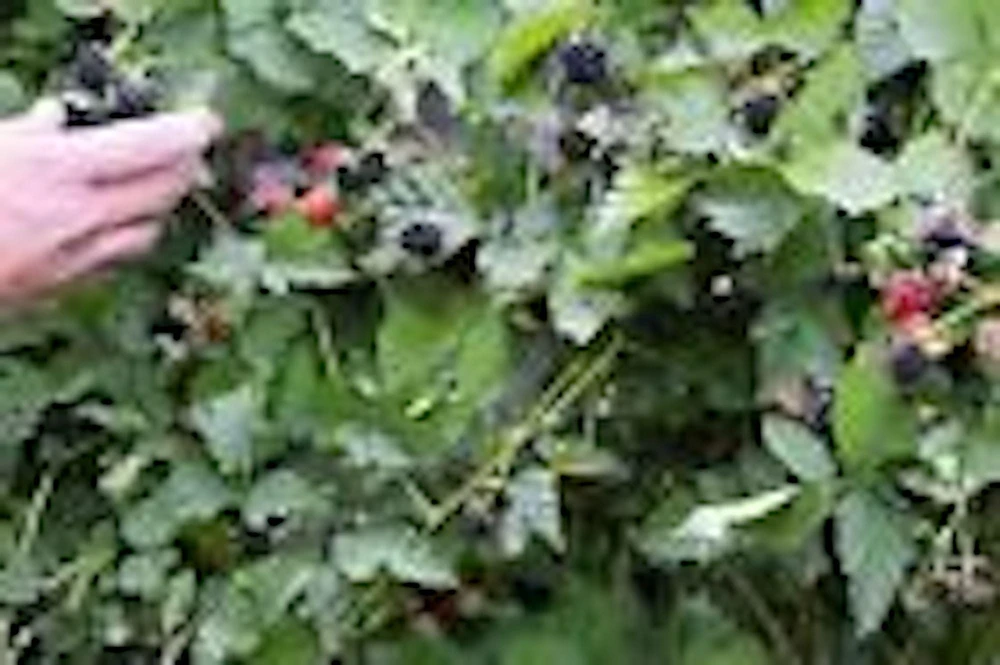
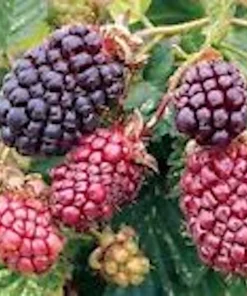

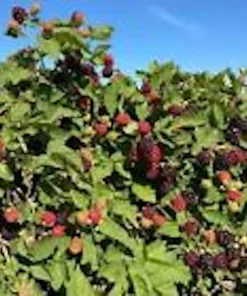

5 Thornless Boysenberry Live Plants – Perennial Fruit Berry Bush Starter Plants
Original price was: $113.99.$88.99Current price is: $88.99.
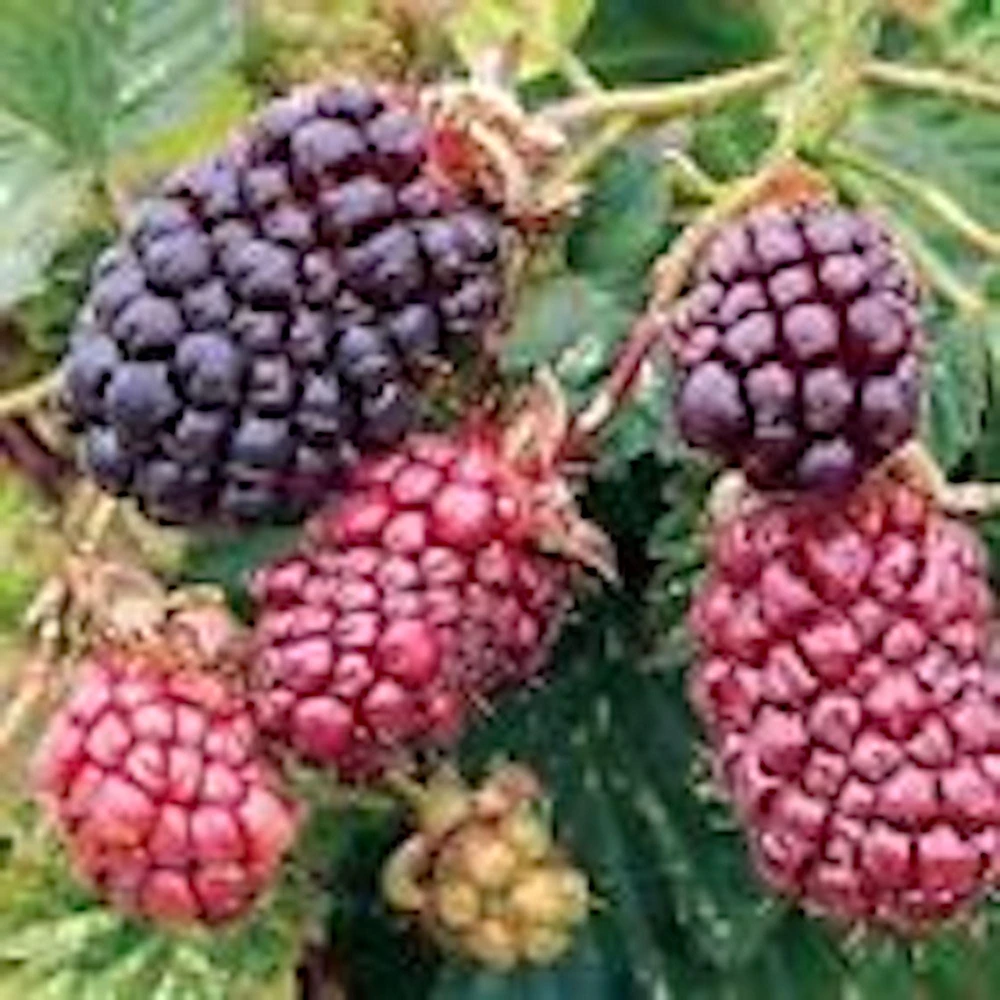
Cultivate your own sweet-tart berries with this set of 5 thornless boysenberry live plant starters. These vigorous perennial fruit bushes offer large, dark purple berries ideal for fresh eating, jams, and desserts. Enjoy the convenience of thorn-free harvesting from these easy-to-grow plants.
Estimated arrival
Sep 29
Oct 04 - Oct 06
Oct 09 - Oct 13
Shop With Confidence
30-Day Plant Health Guarantee
Arrives damaged? We’ll replace it free — see our return policy.
Responsive Support
Email us anytime, we reply within 1 business day.
Expert Packaging
Temperature-controlled shipping to protect your plants in transit.
Secure Checkout
Pay safely with Visa, Mastercard, PayPal.
Plant Specifications
-
USDA Hardiness Zone
USDA Zones 5-9 -
Soil Type
Well-draining, slightly acidic soil -
Sunlight Exposure
Full sun (6-8 hours daily) -
Expected Planting Period
Early spring
Overview
Embark on a rewarding gardening journey with our thornless boysenberry live plant starters. This offering includes 5 individual starter plants, ready to be established in your garden. The boysenberry, scientifically known as Rubus ursinus × Rubus idaeus, is a remarkable hybrid fruit, born from a cross between the European raspberry, American blackberry, and loganberry. Renowned for its large, dark purple to reddish-black berries, this perennial shrub delivers a unique sweet-tart flavor that is highly prized in culinary applications. Imagine fresh boysenberry pies, homemade jams, and vibrant jellies straight from your backyard. These plants are designed for easy cultivation, bringing the joy of homegrown fruit directly to your table.
These robust thornless boysenberry live plant starters are an excellent addition to any home garden, whether you’re a seasoned grower or just beginning your fruit-growing adventure. Their perennial nature means they will return year after year, providing an abundant harvest with proper care. The thornless variety makes harvesting a pleasant experience, free from the usual prickles associated with many berry bushes. Get ready to enjoy the rich taste and versatility of freshly picked boysenberries, a true delight for any fruit enthusiast.
Key Benefits
Adding a thornless boysenberry live plant to your garden offers a multitude of benefits, combining aesthetic appeal with bountiful harvests and ease of maintenance.
- Abundant Fruit Production: These plants are known for their generous yield of large, flavorful berries, ensuring you have plenty for fresh consumption, baking, and preserving.
- Sweet-Tart Flavor Profile: The unique blend of raspberry and blackberry notes creates a distinctive taste that is both sweet and tangy, making it a favorite for various culinary creations.
- Thornless Variety: Enjoy hassle-free harvesting with this thornless cultivar, making it safer and more pleasant for gardeners of all ages to pick ripe fruit.
- Perennial Growth: As a perennial shrub, the boysenberry plant will return year after year, establishing itself and producing fruit consistently without the need for annual replanting.
- Versatile Culinary Use: The berries are perfect for making jams, jellies, pies, tarts, smoothies, and can also be enjoyed fresh, offering endless possibilities in the kitchen.
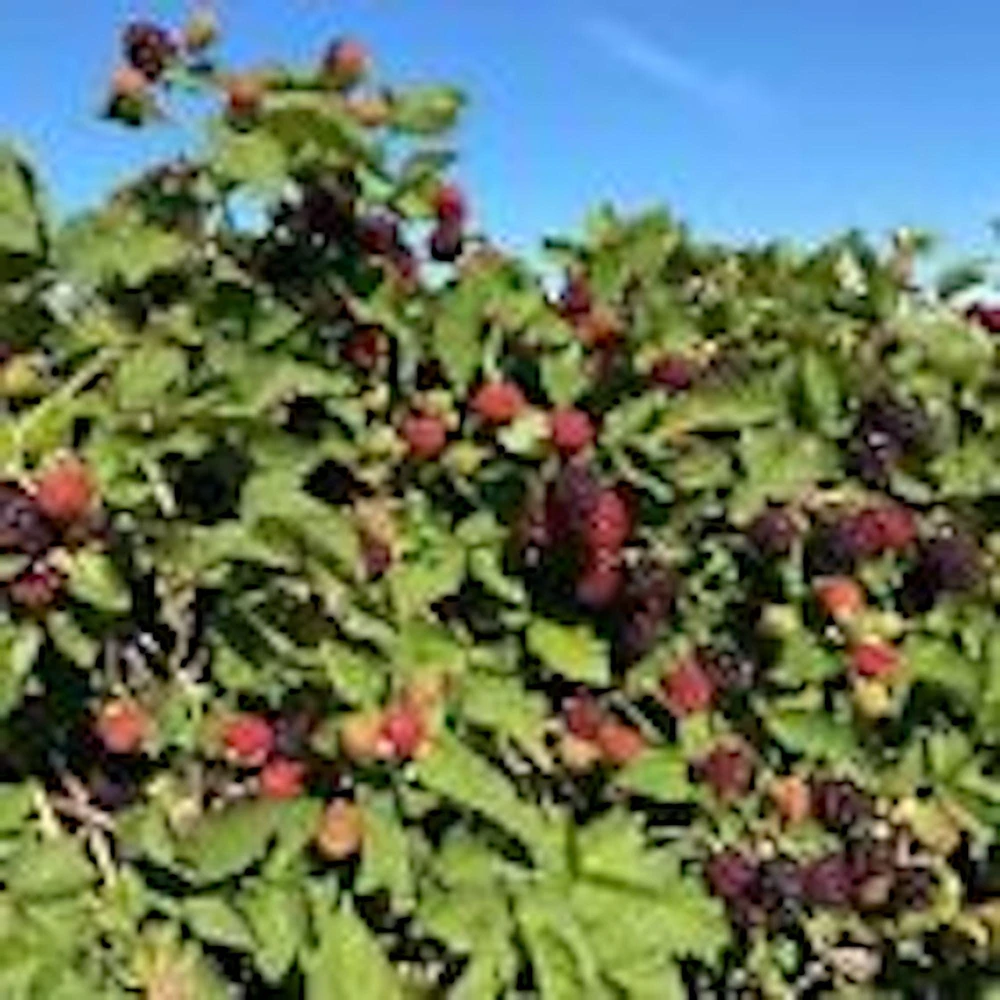
- Attractive Garden Addition: Beyond its fruit, the sprawling vine or shrub habit of the boysenberry can add a natural, rustic charm to your garden landscape.
- Easy to Maintain: With proper care, including adequate sunlight and water, these plants are relatively low-maintenance, making it simple to grow boysenberry bush plants successfully.
Plant Care & Growing Tips
Proper care is essential for a thriving thornless boysenberry live plant and a bountiful harvest. Boysenberries flourish in full sun, requiring at least 6-8 hours of direct sunlight per day for optimal fruit production. While they can tolerate partial shade, fruit yields may be reduced. When it comes to watering, consistent moisture is key, especially during fruiting periods. The soil should be kept evenly moist but not waterlogged. Deep watering once or twice a week, depending on climate and soil type, is generally recommended. Ensure good drainage to prevent root rot. These plants are adaptable to various soil types but prefer well-draining, slightly acidic soil with a pH between 6.0 and 6.5. Amending heavy clay soils with organic matter can improve drainage and aeration.
The boysenberry is generally hardy in USDA zones 5-9, though specific hardiness can vary slightly. It’s a vigorous grower and can reach heights of 4 to 6 feet, spreading 6 to 8 feet if left unpruned. Pruning is crucial for maintaining plant health and maximizing fruit production. Typically, boysenberries fruit on second-year canes (floricanes). After fruiting, these canes should be cut back to the ground. New canes (primocanes) will emerge and produce fruit the following year. Fertilize in early spring with a balanced fertilizer, and again after the harvest season to support new growth. Watch out for common pests like aphids and spider mites, and diseases such as powdery mildew, treating them promptly to ensure a healthy boysenberry fruit plant. Understanding how to grow boysenberry bush successfully involves consistent attention to these basic needs.
Size & Details
This offering includes 5 thornless boysenberry live plant starters, ready for transplanting into your garden. Each starter plant is typically provided as a bare root specimen, meaning it will arrive without soil or a pot, allowing for easier shipping and planting. Upon arrival, it is recommended to plant them as soon as possible to minimize transplant shock. These plants are known for their vigorous growth, developing into sprawling vines or shrubs that can reach an average height of 4 to 6 feet (1.2 to 1.8 meters) and spread widely up to 6 to 8 feet (1.8 to 2.4 meters) when mature and unpruned. Expect these perennial berry plants to establish themselves and begin producing fruit in their second year after planting. The growth rate is moderate to fast, allowing you to enjoy fresh boysenberries relatively quickly. These starters provide a solid foundation for a productive berry patch, offering a consistent harvest for many years to come.
Frequently Asked Questions
- Q: How big do these boysenberry plants get? A: These thornless boysenberry live plant starters can grow into sprawling vines or shrubs, reaching heights of 4 to 6 feet and spreading up to 6 to 8 feet if left unpruned. Regular pruning helps manage their size and encourages better fruit production.
- Q: Are these suitable for container gardening? A: While boysenberries prefer to spread in the ground, they can be grown in very large containers (at least 15-20 gallons) with proper support and consistent watering. Ensure good drainage.
- Q: How much sunlight do boysenberry plants need? A: Boysenberries thrive in full sun, requiring a minimum of 6-8 hours of direct sunlight per day to produce the best fruit yields.
- Q: Is this plant easy to care for? A: Yes, boysenberries are relatively easy to care for, especially the thornless varieties. They require consistent watering, well-draining soil, and annual pruning to maintain health and productivity.
- Q: What condition will the plants arrive in? A: These perennial berry plants are typically shipped as bare root starters, meaning they will arrive without soil or a pot. It’s best to plant them promptly upon arrival.
- Q: When is the best time to plant boysenberry starters? A: The ideal time to plant boysenberry starters is in early spring, after the last frost, allowing them ample time to establish their root system before the heat of summer.
- Q: What is the USDA hardiness zone for boysenberries? A: Boysenberry plants are generally hardy in USDA Zones 5-9, meaning they can tolerate winter temperatures in these regions.
- Q: Can I use the fruit of this Rubus ursinus × Rubus idaeus for cooking? A: Absolutely! The fruit from these Rubus ursinus × Rubus idaeus plants is highly valued for culinary uses, perfect for making jams, jellies, pies, sauces, and enjoying fresh.
- Q: How long until I get fruit from these starters? A: You can typically expect your thornless boysenberry live plant to begin producing fruit in its second year after planting, with increasing yields in subsequent years.
- Q: Do boysenberry plants need a trellis or support? A: Yes, due to their sprawling growth habit, boysenberry plants benefit greatly from a trellis, wires, or other support structures to keep canes off the ground and facilitate harvesting.
Be the first to review “5 Thornless Boysenberry Live Plants – Perennial Fruit Berry Bush Starter Plants”
People Also Viewed

Fruits
Emerald Blueberry Cutting – Vaccinium corymbosum Live Plant for Warm Climates, USDA Zones 8-10
Reviews
There are no reviews yet.