

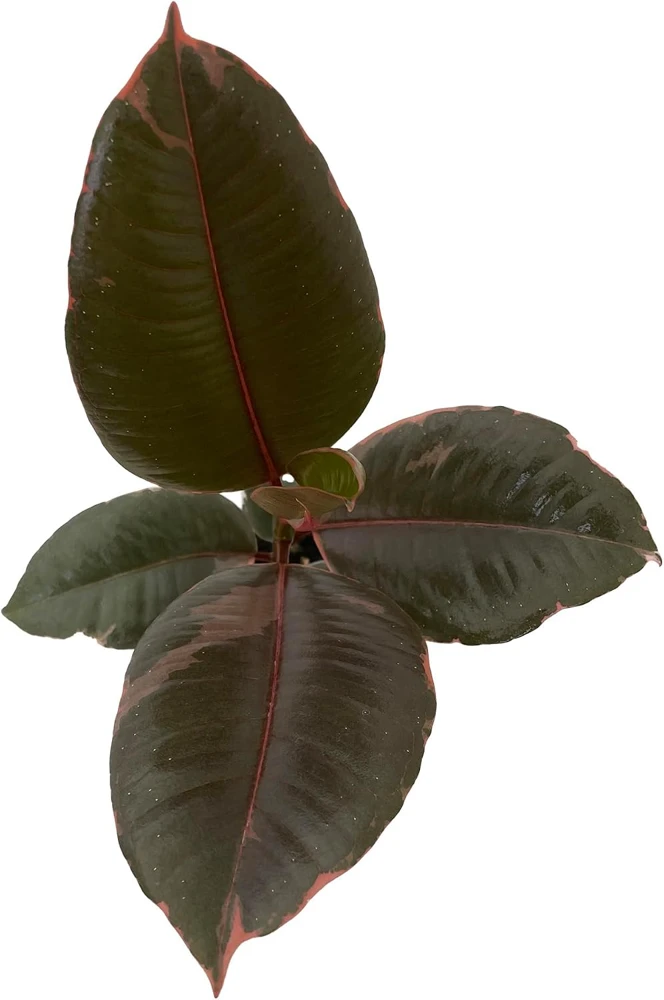
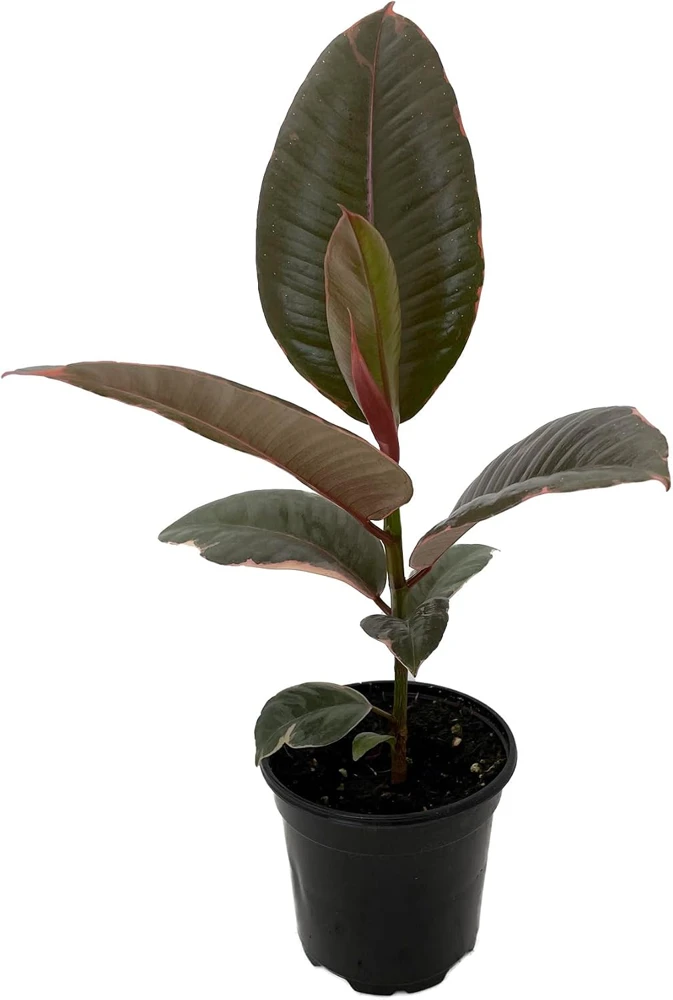
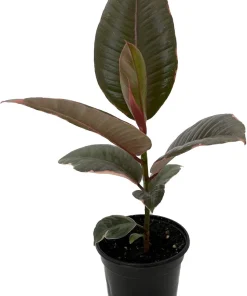
Strawberry & Cream Rubber Tree Plant – Ficus elastica Live Plant – 4″ Pot
Original price was: $57.99.$47.99Current price is: $47.99.
Bring vibrant color and easy care to your home with the strawberry cream rubber tree. This stunning Ficus elastica care plant features glossy green leaves beautifully edged with strawberry-pink, adding a touch of elegance to any room. Perfect for beginners and experienced plant enthusiasts alike, this indoor rubber plant arrives in a convenient 4-inch pot, ready to thrive in bright, indirect light.
Estimated arrival
Sep 29
Oct 04 - Oct 06
Oct 09 - Oct 13
Shop With Confidence
30-Day Plant Health Guarantee
Arrives damaged? We’ll replace it free — see our return policy.
Responsive Support
Email us anytime, we reply within 1 business day.
Expert Packaging
Temperature-controlled shipping to protect your plants in transit.
Secure Checkout
Pay safely with Visa, Mastercard, PayPal.
Plant Specifications
-
USDA Hardiness Zone
USDA zones 10-12 (primarily indoor plant) -
Soil Type
Well-draining potting mix -
Sunlight Exposure
Bright indirect light -
Expected Planting Period
Year-round indoors
Overview
Introduce a splash of vibrant color and natural elegance to your indoor environment with the exquisite strawberry cream rubber tree. This stunning variety of Ficus elastica, also commonly known as the Ruby Rubber Tree or India Rubber Plant, is celebrated for its large, glossy leaves that boast attractive strawberry-pink outlines and creamy variegation. Originating from the tropical regions of India and Malaysia, the Rubber Tree has long been a beloved houseplant worldwide due to its adaptability and striking appearance. Our strawberry cream rubber tree arrives as a healthy, well-rooted live plant in a 4-inch nursery pot, ready to become a captivating focal point in your home, office, or dorm. Its robust nature and eye-catching foliage make it an excellent choice for both novice and experienced plant parents seeking a low-maintenance yet high-impact botanical addition.
The ruby rubber tree plant is not just a beautiful specimen; it’s also known for its resilience and ability to thrive in various indoor conditions. Unlike some more finicky houseplants, this ficus elastica care variety can tolerate a range of light levels, though it truly flourishes with bright, indirect light. Its upright growth habit and impressive foliage make it an ideal choice for adding vertical interest and a touch of the tropics to any interior design scheme. Experience the joy of nurturing a plant that offers both aesthetic appeal and a sense of calm to your living space.
Key Benefits
The strawberry cream rubber tree offers a multitude of benefits, making it a highly desirable addition to any plant collection. Its unique coloration and easy-care nature contribute to its widespread popularity:
-
Stunning Visual Appeal: The most striking feature of this plant is its variegated foliage, with deep green leaves outlined in vibrant pink and cream. This provides a constant source of visual interest and adds a pop of color that stands out from traditional green houseplants. It’s a true living art piece.
-
Air Purification Qualities: Like many Ficus varieties, the indoor rubber plant is known to help improve indoor air quality by filtering out common airborne toxins. This contributes to a healthier and more refreshing environment in your home or office.
-
Low Maintenance: This ficus elastica care plant is remarkably forgiving, making it an excellent choice for busy individuals or those new to plant care. It tolerates occasional neglect better than many other houseplants, bouncing back with proper attention.
-
Versatile Decor Piece: Its upright growth and impressive leaf size make it suitable for various interior styles, from modern minimalist to bohemian. It can be placed on a desk, shelf, or as a floor plant as it grows, adapting to your decor needs.
-
Durable and Resilient: The ruby rubber tree plant is known for its hardiness. It can adapt to slightly lower light conditions and generally withstands less-than-ideal treatment, proving to be a robust and long-lasting houseplant.
-
Growth Potential: While starting in a compact 4-inch pot, this plant has the potential to grow into a substantial indoor tree over time, offering a rewarding long-term gardening experience and a continually evolving decorative element.
Plant Care & Growing Tips
Caring for your strawberry cream rubber tree is straightforward, and with a few key practices, it will flourish and display its beautiful variegation. This ficus elastica care guide will help you provide the best environment for your plant.
Sunlight Requirements: The indoor rubber plant thrives in bright, indirect light. Place it near a window that receives plenty of natural light but avoids direct, harsh afternoon sun, which can scorch its leaves. An east-facing window is often ideal, or a few feet away from a south or west-facing window. While it can tolerate lower light conditions, its growth may slow, and the vibrant pink coloration of the ‘Strawberry & Cream’ variety might become less pronounced. Artificial grow lights can also supplement natural light, especially during shorter winter days.
Watering Schedule and Soil Moisture: Water your ruby rubber tree plant when the top 1-2 inches of soil feel dry to the touch. It’s crucial to avoid overwatering, as this can lead to root rot. Ensure the pot has drainage holes to prevent water from sitting at the bottom. During the growing season (spring and summer), you may need to water more frequently, while in winter, reduce watering as the plant’s growth slows. Always discard any excess water collected in the saucer.
Soil Type and Drainage: A well-draining potting mix is essential for the health of your variegated ficus plant. A good quality potting mix amended with perlite or coarse sand will provide the necessary aeration and drainage. Most any general-purpose houseplant soil will be fine, but ensuring good drainage is paramount. Repotting should be done every 1-2 years, or when the plant becomes root-bound, moving it to a pot only slightly larger than its current one.
Temperature and Humidity: This tropical plant prefers temperatures between 60-75°F (15-24°C). Avoid placing it in areas with cold drafts or sudden temperature fluctuations, which can stress the plant and cause leaf drop. Average household humidity is usually sufficient, but if your home is particularly dry, especially in winter, consider misting the leaves occasionally or placing the pot on a pebble tray with water to increase localized humidity. The USDA hardiness zone for outdoor planting is typically 10-12, but it is primarily grown indoors in most of the US.
Fertilization: Feed your strawberry cream rubber tree with a balanced liquid fertilizer diluted to half strength every 2-4 weeks during the active growing season (spring and summer). Do not fertilize during fall and winter when the plant is dormant. Light fertilization is best; too much can lead to nutrient burn.
Pruning: Trim your indoor rubber plant as needed to maintain its desired shape and size, or to encourage bushier growth. Pruning can also help remove any leggy stems or damaged leaves. Use clean, sharp pruning shears to make cuts just above a leaf node.
Size & Details
This strawberry cream rubber tree arrives as a vibrant live plant, carefully cultivated and ready to thrive in its new home. It is shipped in a 4-inch pot, providing a stable and established root system to ensure a smooth transition. At the time of shipment, the plant typically stands approximately 6-10 inches tall from the base of the pot to the top of its foliage, offering a compact yet impactful presence perfect for desks, shelves, or small corners. The mature size of a ficus elastica care plant can vary significantly depending on growing conditions and pot size, but indoors, it can reach heights of 2-10 feet with proper care and regular repotting.
The glossy leaves of this variegated ficus plant can grow quite large, contributing to its lush, tropical appearance. Expect a moderate to fast growth rate under optimal conditions, allowing you to enjoy its development over time. This plant is a long-term companion, offering years of beauty and air-purifying benefits. It is a live specimen, so some minor variations in size and leaf pattern are natural, making each plant unique. This ruby rubber tree plant is ideal for those looking to add a substantial, yet manageable, piece of living decor to their space.
Frequently Asked Questions
- Q: How big does this strawberry cream rubber tree get? A: When grown indoors in a pot, the strawberry cream rubber tree can typically reach heights of 2 to 10 feet. Its ultimate size depends on the pot size, light conditions, and how often it’s pruned. It starts compact in its 4-inch pot.
- Q: Is this an indoor or outdoor plant? A: The ruby rubber tree plant is primarily grown as an indoor houseplant in most climates. It can be moved outdoors to a shaded patio during warm summer months in USDA zones 10-12, but it must be brought inside before temperatures drop below 50°F (10°C).
- Q: How much sunlight does my ficus elastica care plant need? A: This plant thrives in bright, indirect light. Avoid direct, intense sunlight which can scorch its leaves. A spot near an east-facing window or a few feet from a south or west-facing window is usually ideal for optimal growth and color.
- Q: Is this plant easy to care for? Is it good for beginners? A: Yes, the indoor rubber plant is considered relatively easy to care for and is an excellent choice for beginners. It’s quite forgiving and can tolerate some neglect, making it a robust and rewarding plant for new enthusiasts.
- Q: What condition will my strawberry cream rubber tree arrive in? A: Your plant will arrive healthy and well-packaged in its 4-inch nursery pot, with its root system intact. We take great care to ensure it reaches you in excellent condition, ready to be placed in its new home.
- Q: How often should I water my variegated ficus plant? A: Water when the top 1-2 inches of soil feel dry to the touch. It’s better to slightly underwater than overwater, as rubber trees are susceptible to root rot. Reduce watering frequency during the cooler, dormant months.
- Q: Is the ruby rubber tree plant safe for pets? A: No, Ficus elastica plants, including the strawberry cream rubber tree, are considered toxic to pets if ingested. The sap can cause irritation. It’s best to keep this plant out of reach of curious cats and dogs.
- Q: What kind of soil is best for this plant? A: A well-draining potting mix is crucial. You can use a standard houseplant potting mix, ideally amended with perlite or coarse sand to ensure good aeration and prevent waterlogging for your ficus elastica care.
- Q: Can I prune my indoor rubber plant to control its size? A: Absolutely! The indoor rubber plant responds well to pruning. You can trim it to maintain a desired height and shape, or to encourage bushier growth. Always use clean, sharp shears for pruning.
- Q: What’s the best time to repot my plant? A: Repotting is generally best done in the spring or early summer, during the plant’s active growing season. Repot every 1-2 years or when you notice the plant becoming root-bound, moving it into a pot that is only slightly larger.
Be the first to review “Strawberry & Cream Rubber Tree Plant – Ficus elastica Live Plant – 4″ Pot”
People Also Viewed




Flower Plants
Red Climbing Roses Plant – Fragrant Perennial Rose Bush – Outdoor Live Plant – 2-4 Inch Tall
Flower Bulbs
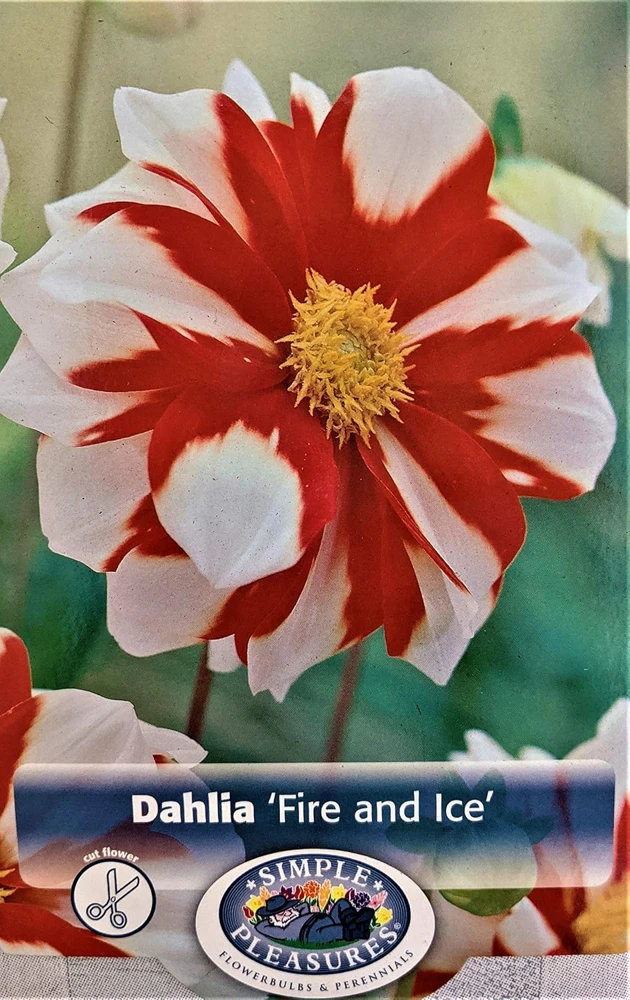
Fire & Ice Anemone Flowering Dahlia Root Clump – Bold Red & White Pattern – 30-50″ Tall

Reviews
There are no reviews yet.