
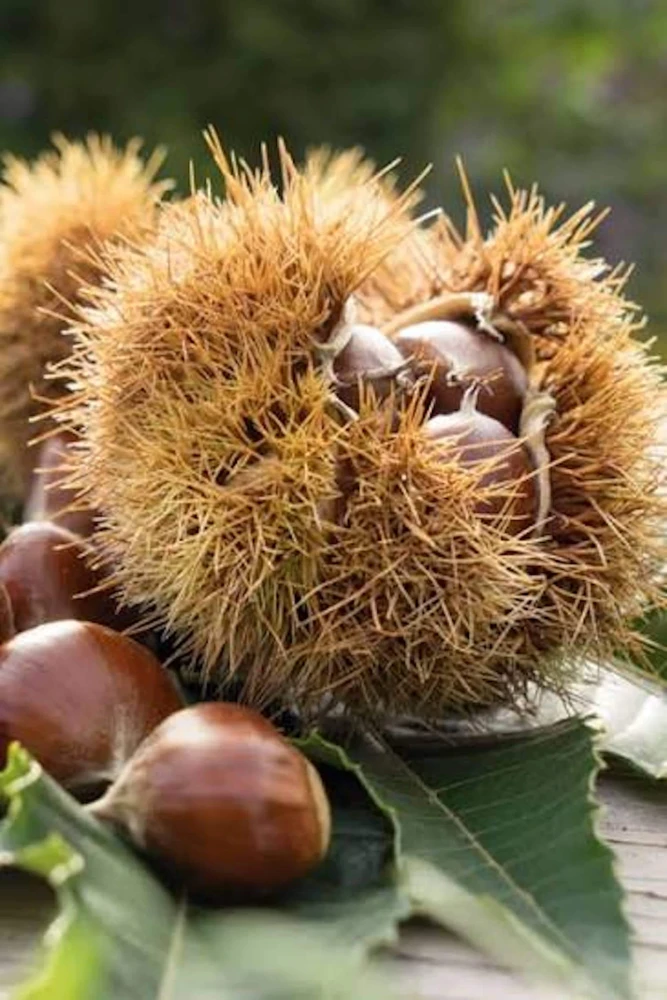
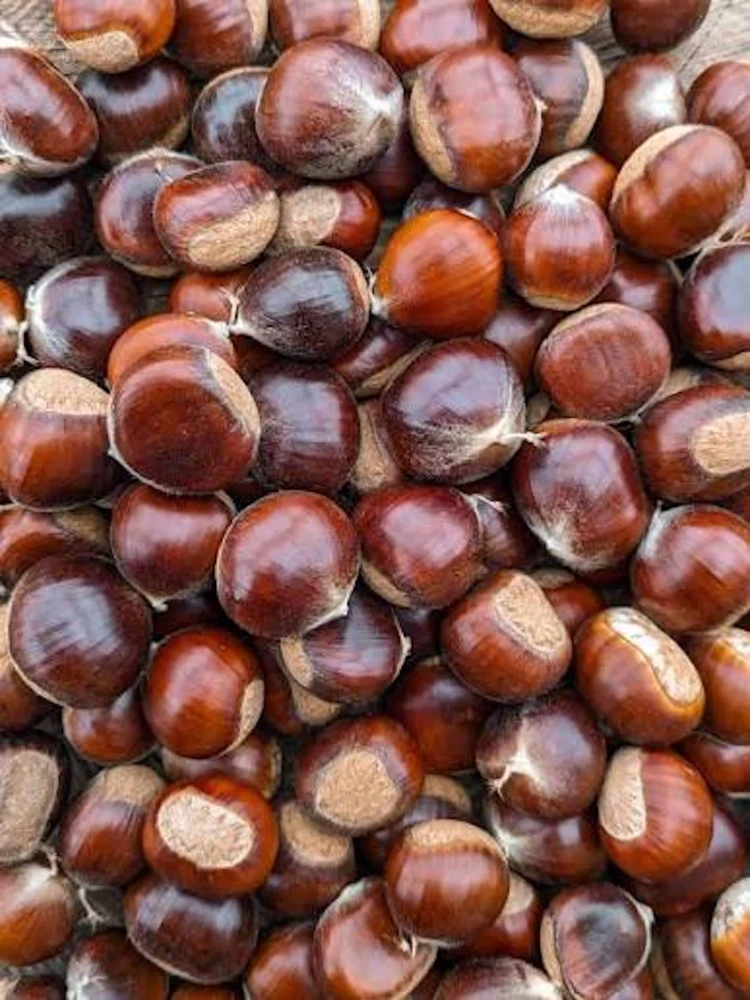
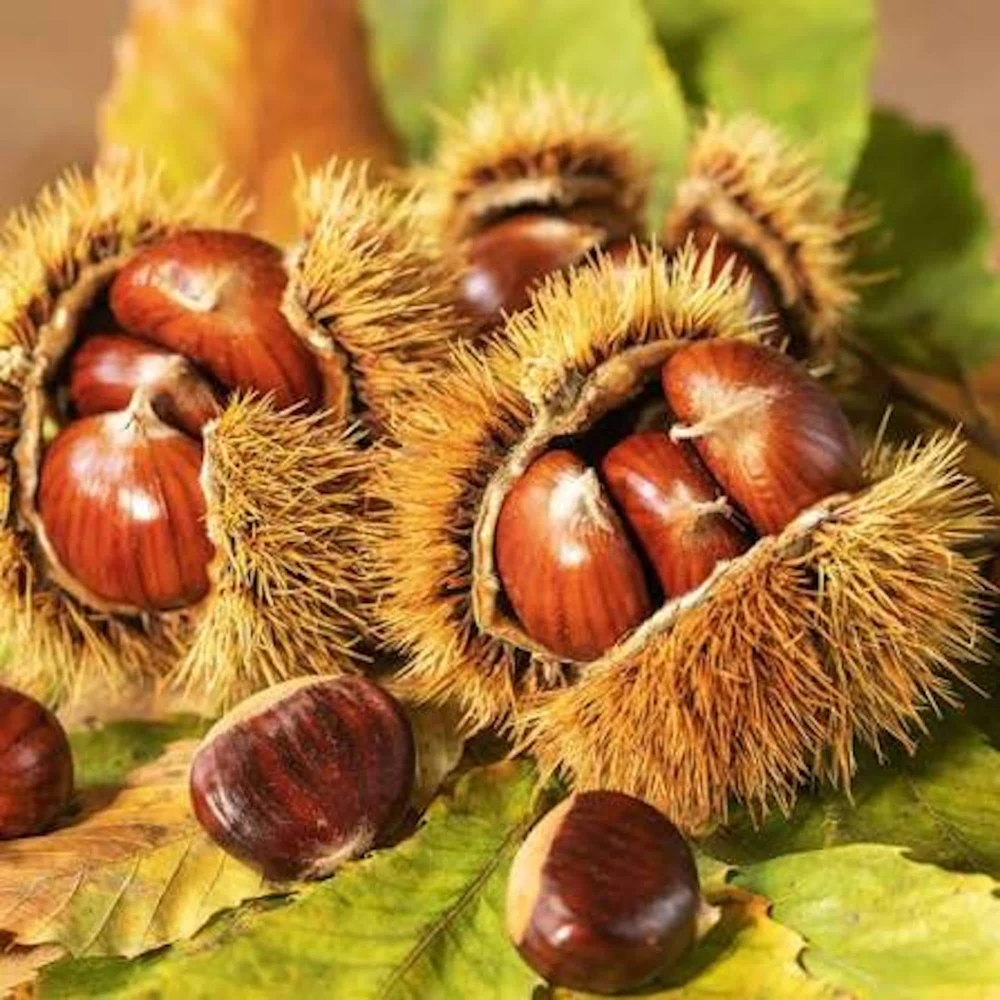
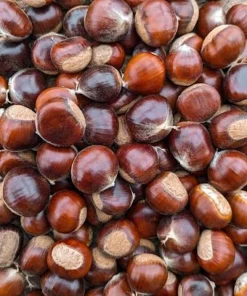
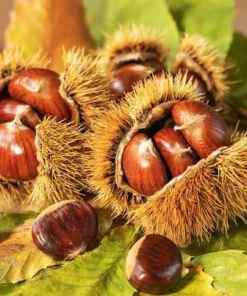
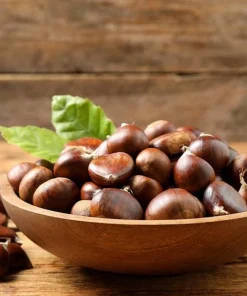
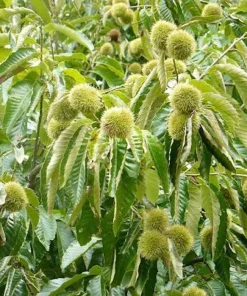
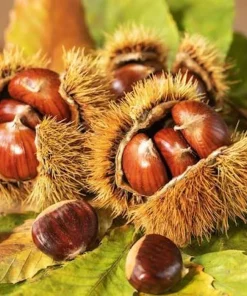
20 Chinese Chestnut Seeds – Blight Resistant Castanea Mollissima for Planting
Original price was: $81.99.$56.99Current price is: $56.99.
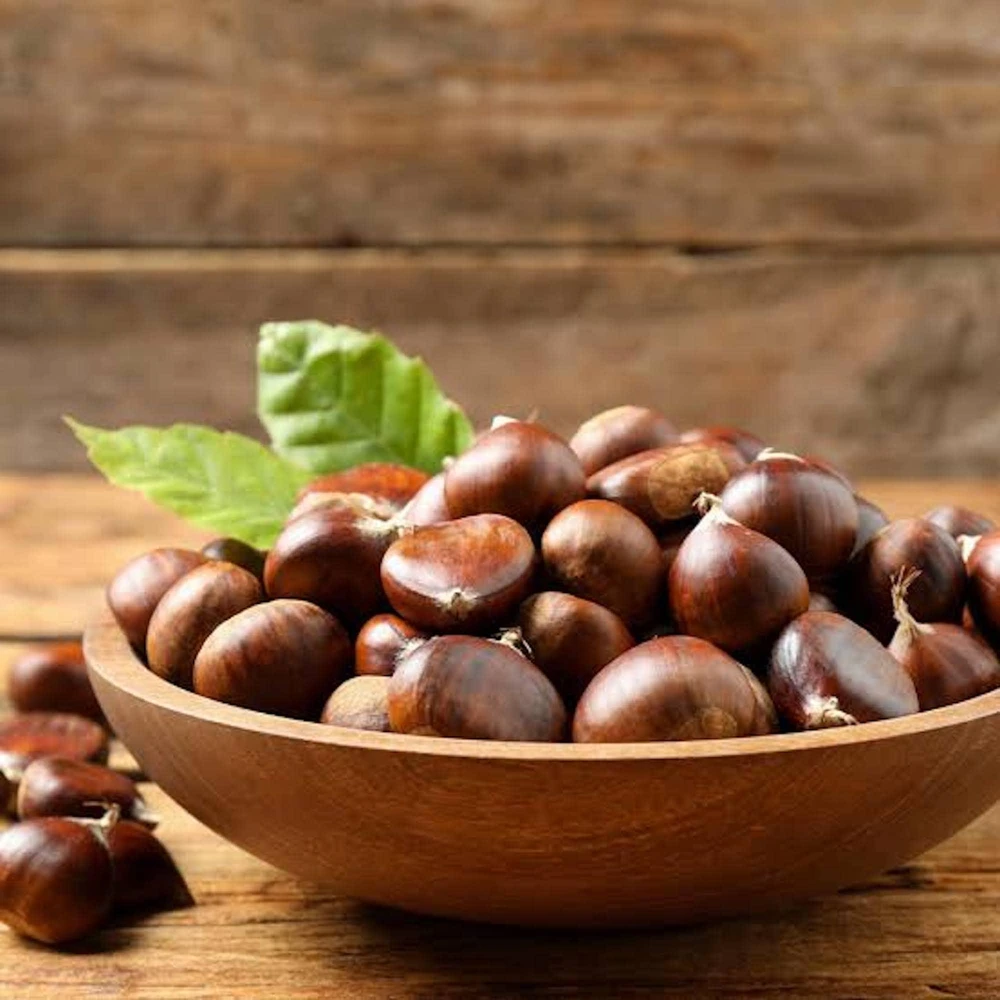
Cultivate robust, blight-resistant Chinese Chestnut trees with this pack of 20 Chinese Chestnut Seeds. Ideal for home orchards, sustainable homesteading, and attracting wildlife, these Castanea mollissima seeds offer a rewarding planting experience.
- Blight-resistant variety
- High-yielding nut production
- Excellent for wildlife food plots
Estimated arrival
Sep 29
Oct 04 - Oct 06
Oct 09 - Oct 13
Shop With Confidence
30-Day Plant Health Guarantee
Arrives damaged? We’ll replace it free — see our return policy.
Responsive Support
Email us anytime, we reply within 1 business day.
Expert Packaging
Temperature-controlled shipping to protect your plants in transit.
Secure Checkout
Pay safely with Visa, Mastercard, PayPal.
Plant Specifications
-
USDA Hardiness Zone
USDA zones 4-8 -
Soil Type
Well-draining, slightly acidic to neutral soil -
Sunlight Exposure
Full sun (6-8+ hours) -
Expected Planting Period
Early spring after stratification
Overview
Embark on a rewarding journey of cultivating your own nut-bearing trees with these premium Chinese Chestnut seeds. Each pack contains 20 Chinese Chestnut Seeds, scientifically known as Castanea mollissima seeds, offering a fantastic opportunity to grow a resilient and productive chestnut orchard. These seeds are carefully selected to ensure high viability, providing you with the foundation for healthy, long-lived trees. The Chinese Chestnut is celebrated for its inherent resistance to the devastating chestnut blight, making it a superior choice over many native varieties. Whether you’re an avid gardener, a homesteader seeking sustainable food sources, or a land manager looking to enhance wildlife habitats, these seeds are an excellent starting point for establishing a robust and rewarding chestnut grove.
These hardy perennials not only produce a generous crop of sweet, delicious nuts but also contribute significantly to the landscape with their attractive foliage and shade. Growing your own blight resistant chestnut trees from seed allows you to witness the entire life cycle, from germination to mature nut production, which can begin in as little as 5 to 7 years. Invest in these quality seeds and bring the timeless beauty and bounty of the Chinese Chestnut to your property.
Key Benefits
The Chinese Chestnut offers a multitude of benefits for various planting goals, from food production to ecological enhancement. These seeds provide a sustainable and rewarding agricultural endeavor, yielding delicious nuts and contributing to local ecosystems.
- Exceptional Blight Resistance: Unlike many other chestnut species, the Chinese Chestnut seeds grow into trees that are naturally resistant to the destructive chestnut blight, ensuring a higher success rate and longevity for your orchard.
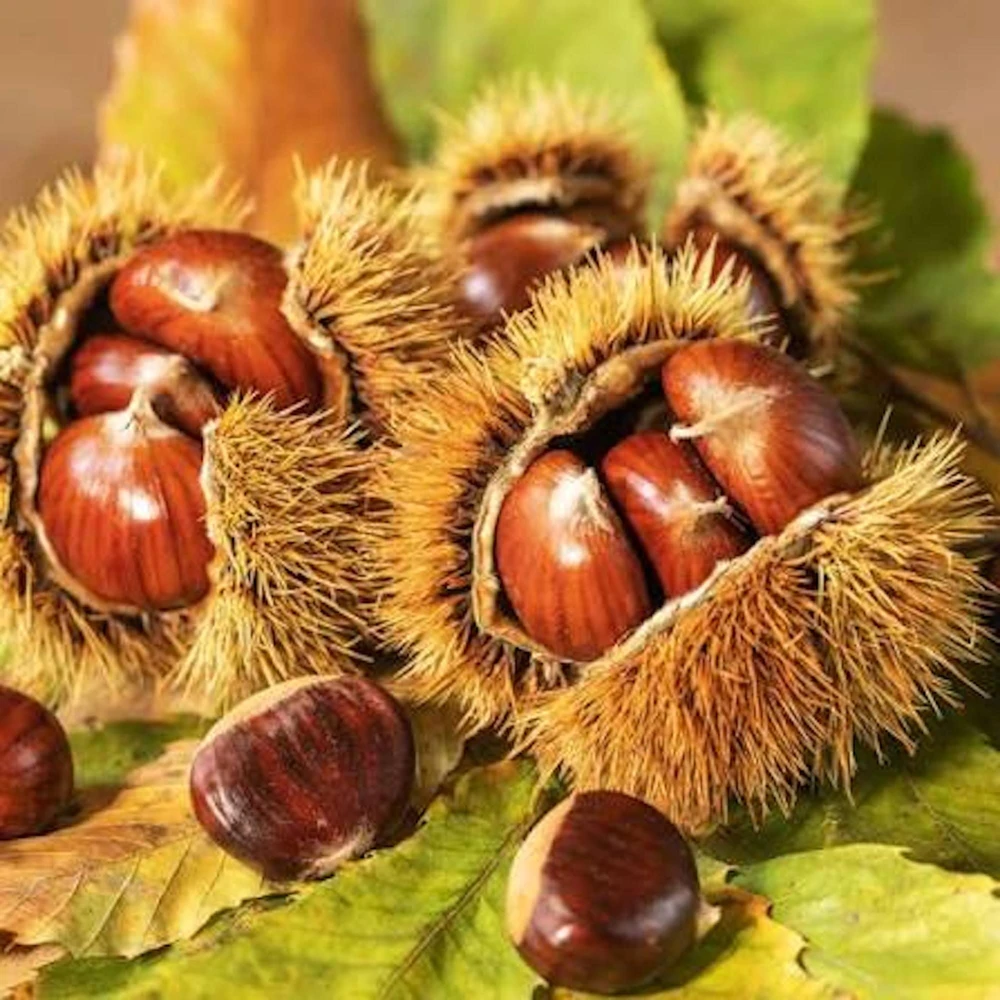
- Abundant Nut Production: Mature trees are known for their heavy yields of sweet, flavorful nuts, perfect for roasting, baking, or fresh consumption. This provides a valuable food source for both humans and wildlife.
- Wildlife Attraction: These trees are a magnet for deer and other wildlife, making them an ideal choice for creating effective wildlife food plot seeds. The nuts provide essential nutrition, especially during fall and winter.
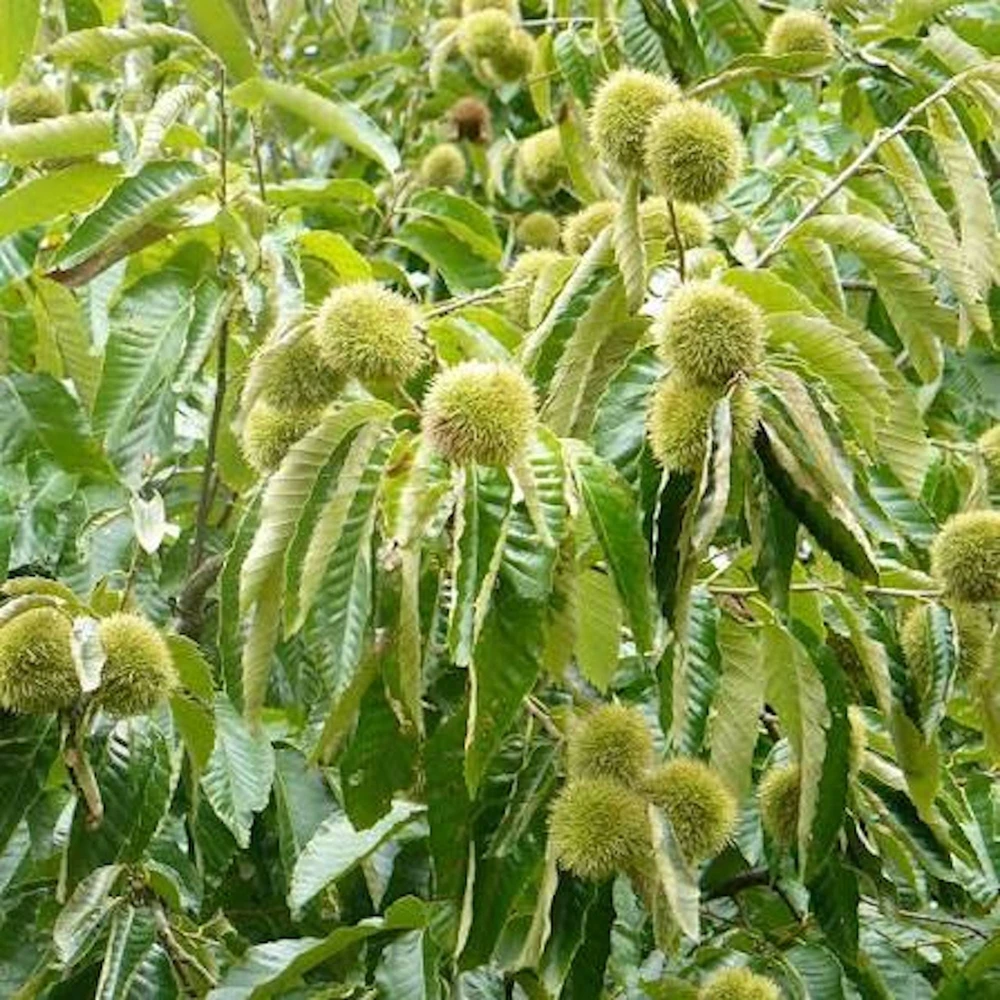
- Beautiful Landscape Addition: Beyond their utility, Chinese Chestnut trees offer significant aesthetic value. They provide excellent shade, boast glossy green summer foliage, and display beautiful yellow-orange fall colors, enhancing any landscape.
- Sustainable Homesteading: Growing your own chestnuts supports sustainable living by providing a renewable food source and contributing to biodiversity on your property. The trees are long-lived, offering decades of production.
- Drought Tolerance: Once established, Castanea mollissima seeds develop into trees that exhibit good drought tolerance, requiring less intensive watering than some other fruit or nut trees.
- Versatile Use: Suitable for home gardens, orchards, large-scale agricultural projects, and ecological restoration efforts, these trees adapt well to various settings.
Plant Care & Growing Tips
To successfully grow your Chinese Chestnut seeds, proper care and attention are crucial from germination through maturity. Begin by stratifying your seeds, which mimics natural winter conditions and encourages germination. This typically involves placing the seeds in a moist medium (like peat moss or sand) in a sealed bag and refrigerating them at 35-40°F (1-4°C) for 90-120 days. After stratification, plant the seeds in well-draining soil, about 1-2 inches deep, in a sunny location. Germination can take several weeks once planted.
Sunlight Requirements: Chinese Chestnut trees thrive in full sun, requiring at least 6-8 hours of direct sunlight daily for optimal growth and nut production. Ensure your chosen planting site receives ample light throughout the day. Watering Schedule: Keep the soil consistently moist, especially during the first few years of growth and dry periods. Water deeply to encourage strong root development, but avoid waterlogging. Once established, they are moderately drought-tolerant. Soil Type: These trees prefer well-draining, slightly acidic to neutral soil (pH 5.0-6.5). Amend heavy clay soils with organic matter to improve drainage. USDA Hardiness Zone: Chinese Chestnuts are hardy and suitable for USDA Zones 4-8. Protect young trees from severe winter conditions in colder zones. Fertilization: Fertilize young trees sparingly with a balanced, slow-release fertilizer in early spring. Avoid over-fertilization, which can harm young roots. Pest and Disease Management: While naturally blight resistant chestnut, monitor for common pests and diseases. Good air circulation and proper watering can prevent many issues. Pruning should be done in late winter or early spring to remove dead or diseased branches and shape the tree. This care will help your chestnut tree seeds develop into strong, productive trees.
Size & Details
This package contains 20 Chinese Chestnut Seeds (Castanea mollissima), ready for stratification and planting. Each seed has the potential to grow into a large, stately tree, typically reaching heights of 30-60 feet with a spread of 20-40 feet at maturity. The growth rate is considered moderate to fast, especially in ideal conditions, with nut production beginning in as little as 5 to 7 years from seed. The trees are shipped as un-germinated seeds, requiring stratification and planting by the customer. When fully grown, these trees will provide a significant canopy, offering ample shade and a rich harvest of nuts. The nuts themselves are typically medium-sized, sweet, and easy to peel. Proper spacing (around 20-30 feet apart) is recommended to allow for adequate growth and air circulation once your Castanea mollissima seeds have grown into established trees.
Frequently Asked Questions
- Q: How do I prepare these 20 Chinese Chestnut Seeds for planting? A: You will need to stratify the 20 Chinese Chestnut Seeds before planting. This involves storing them in a moist medium like peat moss in a refrigerator at 35-40°F for 90-120 days to mimic winter conditions, which encourages germination.
- Q: How long does it take for these chestnut tree seeds to produce nuts? A: With proper care, trees grown from these chestnut tree seeds can begin producing nuts in as little as 5 to 7 years. Full production typically occurs after 10-15 years.
- Q: Are these Chinese Chestnut trees truly blight resistant? A: Yes, the Chinese Chestnut (Castanea mollissima) is known for its strong natural resistance to chestnut blight, making it a highly dependable choice compared to other chestnut varieties. This makes them an excellent option for growing a blight resistant chestnut orchard.
- Q: What kind of soil do these Castanea mollissima seeds prefer? A: They thrive in well-draining, slightly acidic to neutral soil (pH 5.0-6.5). Avoid heavy, waterlogged soils. Amending with organic matter can improve soil structure.
- Q: Can I use these seeds for creating wildlife food plots? A: Absolutely! Chinese Chestnuts are an excellent choice for wildlife food plot seeds. The abundant and nutritious nuts are highly attractive to deer and other wildlife, providing a crucial food source.
- Q: What is the ideal sunlight exposure for Chinese Chestnut trees? A: Chinese Chestnuts prefer full sun, meaning at least 6-8 hours of direct sunlight per day. Adequate sunlight is essential for healthy growth and prolific nut production.
- Q: What USDA hardiness zones are suitable for these seeds? A: These Chinese Chestnut seeds are suitable for planting in USDA Hardiness Zones 4 through 8, offering good cold tolerance in many regions of the US.
- Q: How tall do Chinese Chestnut trees typically grow? A: Mature Chinese Chestnut trees can reach heights of 30-60 feet, with some specimens growing even taller under optimal conditions. They provide significant canopy and shade.
- Q: When is the best time to plant the stratified seeds? A: After stratification, the best time to plant the seeds is in early spring, once the danger of hard frost has passed and the soil has begun to warm.
- Q: Do I need to plant more than one tree for pollination? A: While Chinese Chestnuts are generally self-fertile, planting at least two trees will significantly improve pollination and result in a much heavier nut yield.
Be the first to review “20 Chinese Chestnut Seeds – Blight Resistant Castanea Mollissima for Planting”
People Also Viewed


Reviews
There are no reviews yet.