
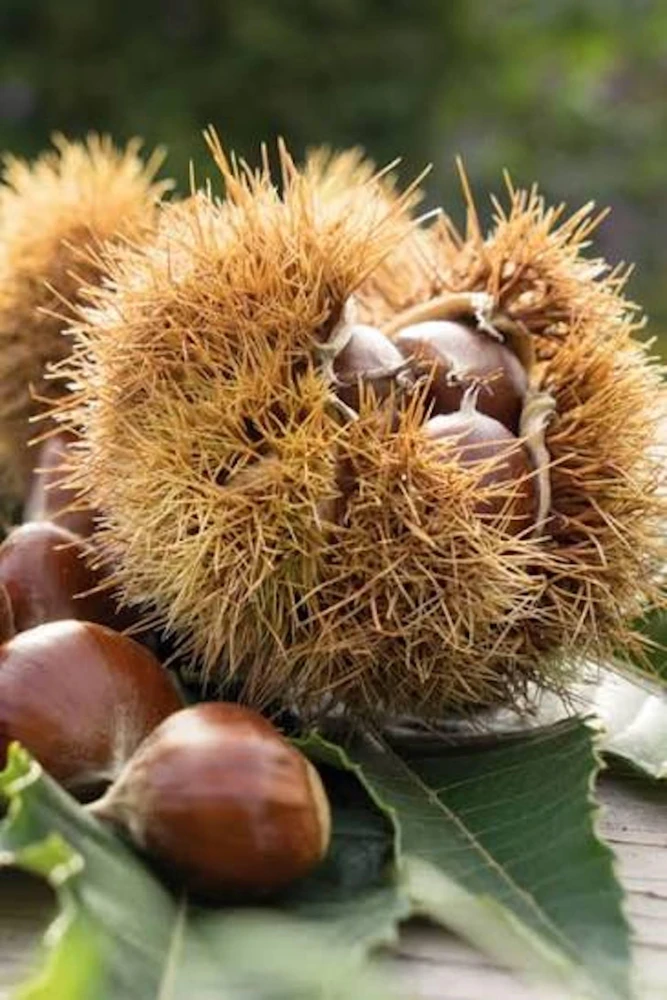
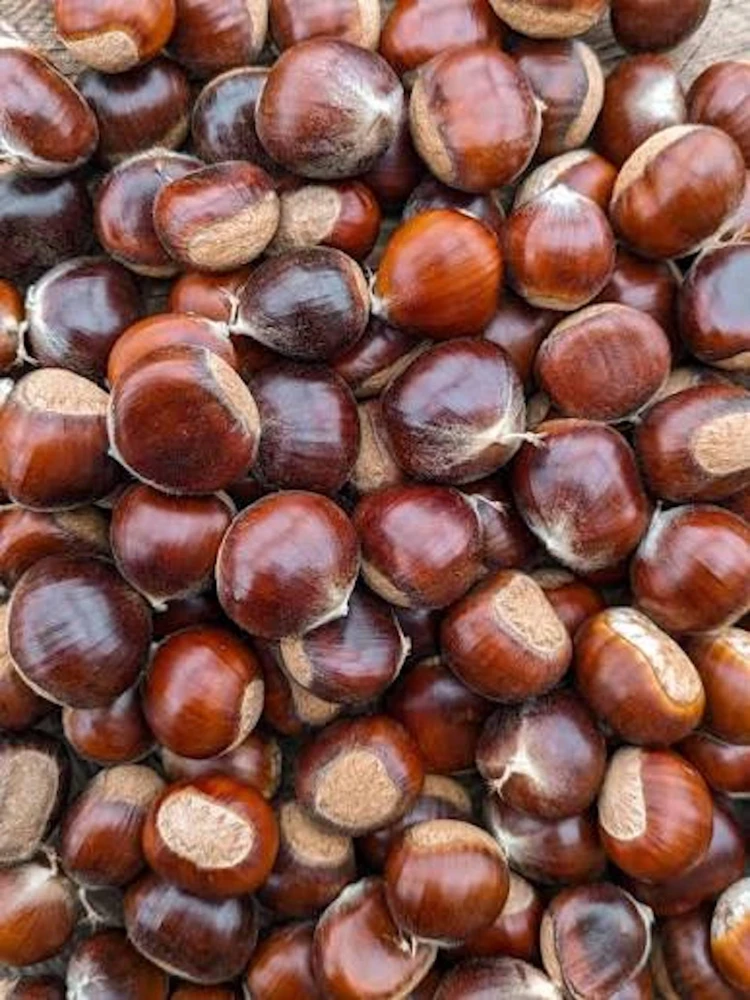
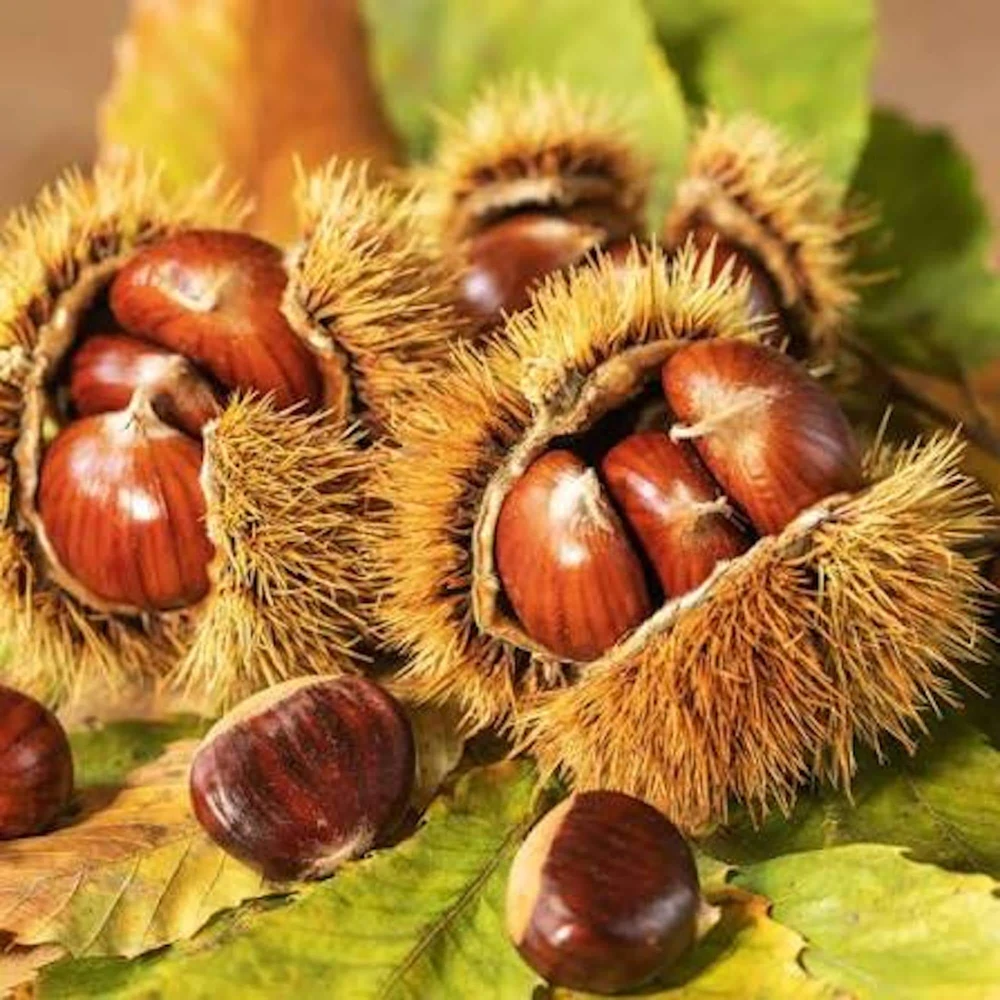
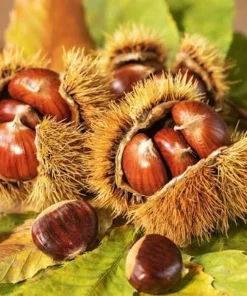
10 Chinese Chestnut Seeds for Planting – Blight Resistant Castanea Mollissima
Original price was: $67.99.$42.99Current price is: $42.99.
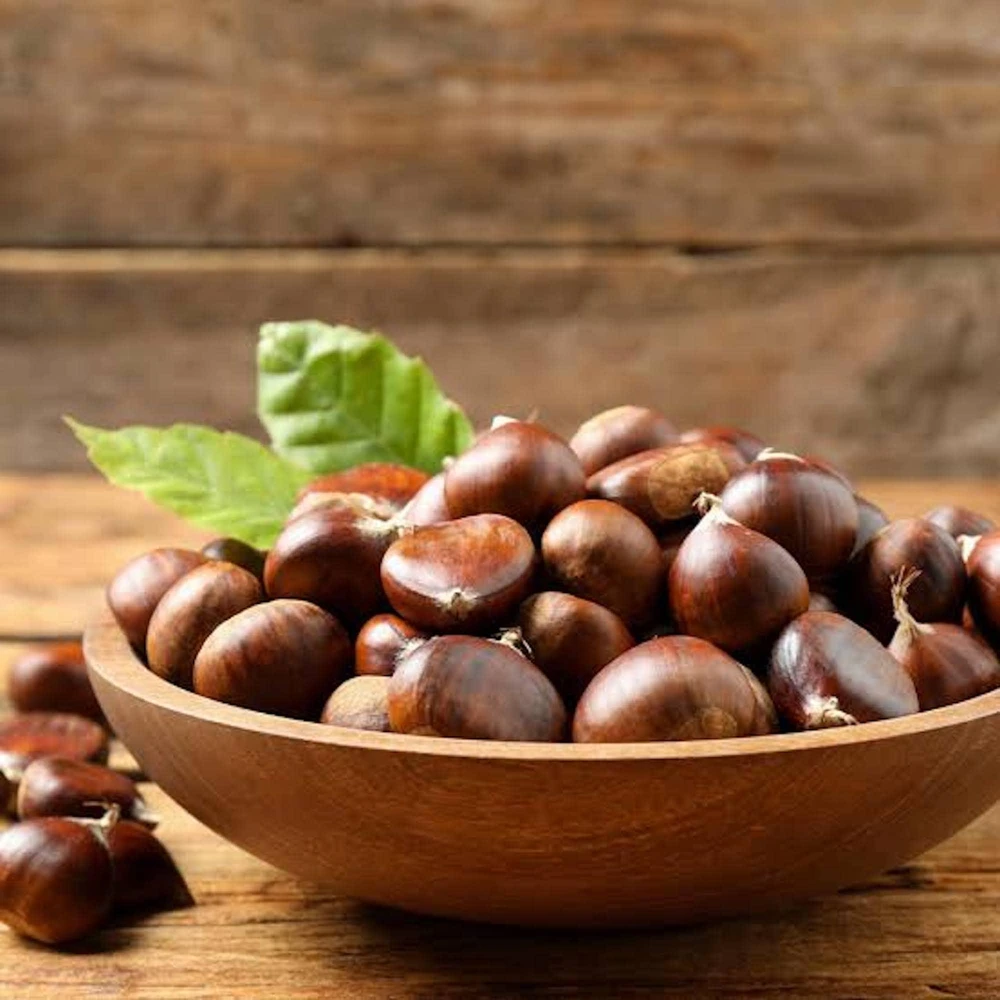
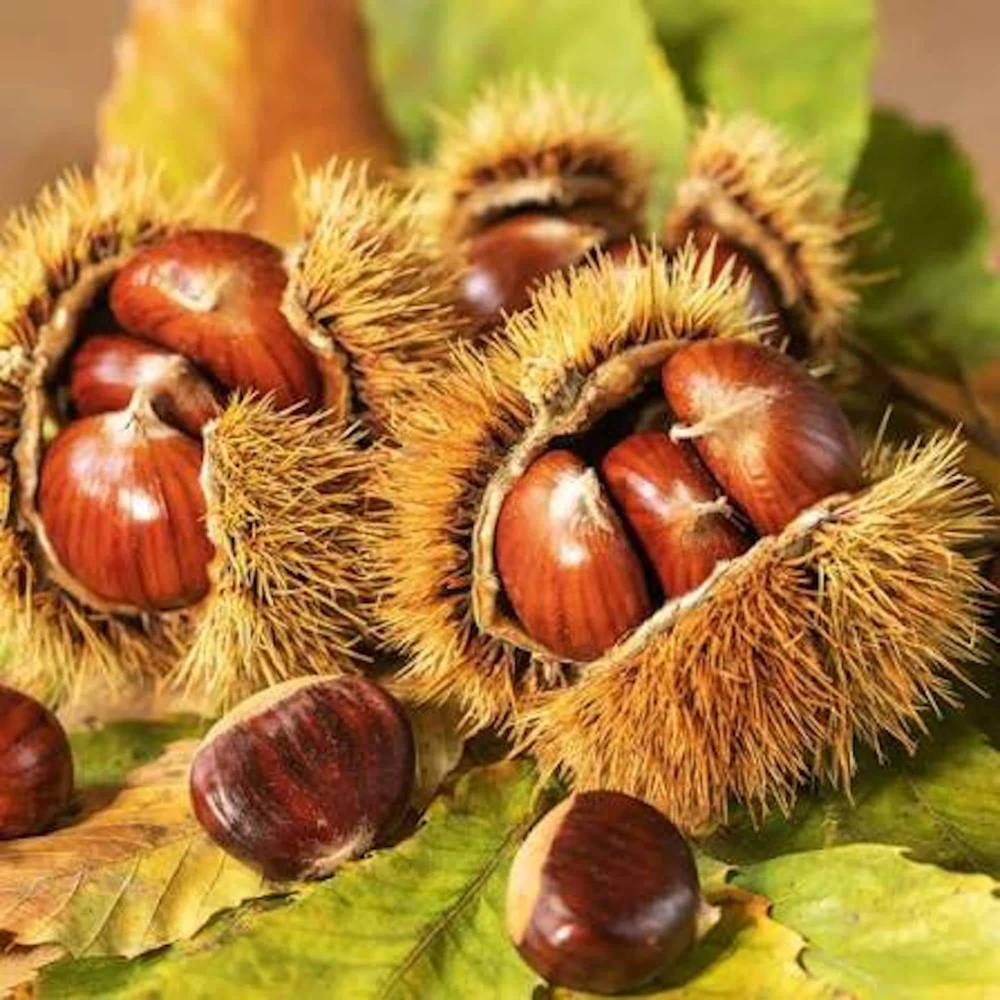
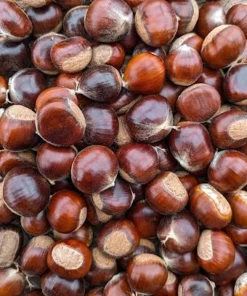
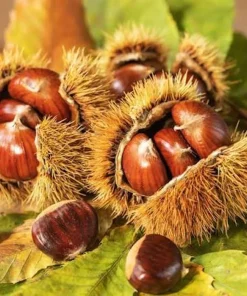
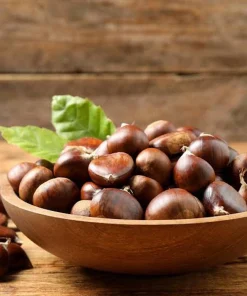
Cultivate robust, blight-resistant chestnut trees with this pack of 10 Chinese chestnut seeds (Castanea mollissima). Perfect for homesteads, wildlife food plots, and attractive landscaping. These stratified seeds are ready for planting to establish a productive and beautiful orchard.
Estimated arrival
Sep 29
Oct 04 - Oct 06
Oct 09 - Oct 13
Shop With Confidence
30-Day Plant Health Guarantee
Arrives damaged? We’ll replace it free — see our return policy.
Responsive Support
Email us anytime, we reply within 1 business day.
Expert Packaging
Temperature-controlled shipping to protect your plants in transit.
Secure Checkout
Pay safely with Visa, Mastercard, PayPal.
Plant Specifications
-
USDA Hardiness Zone
USDA Zones 4-8 -
Soil Type
Well-draining, slightly acidic to neutral soil -
Sunlight Exposure
Full sun -
Expected Planting Period
Late winter to early spring
Overview
Embark on a rewarding gardening journey with our premium pack of Chinese chestnut seeds. These 10 Chinese chestnut seeds (Castanea mollissima) offer a unique opportunity to grow your own high-yielding, blight-resistant chestnut trees, a truly valuable addition to any landscape. Revered for their hardiness and generous production, Chinese chestnuts are an excellent choice for both avid gardeners and those interested in sustainable food sources or wildlife management. Unlike their native counterparts, Castanea mollissima boasts inherent resistance to the devastating chestnut blight, ensuring a more dependable and long-lived orchard. Each seed is carefully selected to provide you with the best chance of establishing robust, healthy trees that will thrive for years to come.
Key Benefits
Choosing to plant Chinese chestnut seeds offers a multitude of advantages, making them an exceptional investment for your property and future. These trees are not only beautiful but also incredibly productive and beneficial.
- Blight Resistance: Inherently resistant to chestnut blight, a disease that has decimated native chestnut populations. This makes Castanea mollissima seeds a reliable choice for establishing a resilient chestnut orchard without constant worry.
- High Yielding: These trees are known for producing a heavy crop of sweet, delicious nuts, often within 5 to 7 years from seed. This provides a consistent and abundant food source for your family or local wildlife.
- Wildlife Magnet: An excellent choice for hunters and land managers, these trees create high-traffic deer food plots. The abundant nuts are a favorite food source for deer, turkeys, and other wildlife, enhancing local ecosystems.
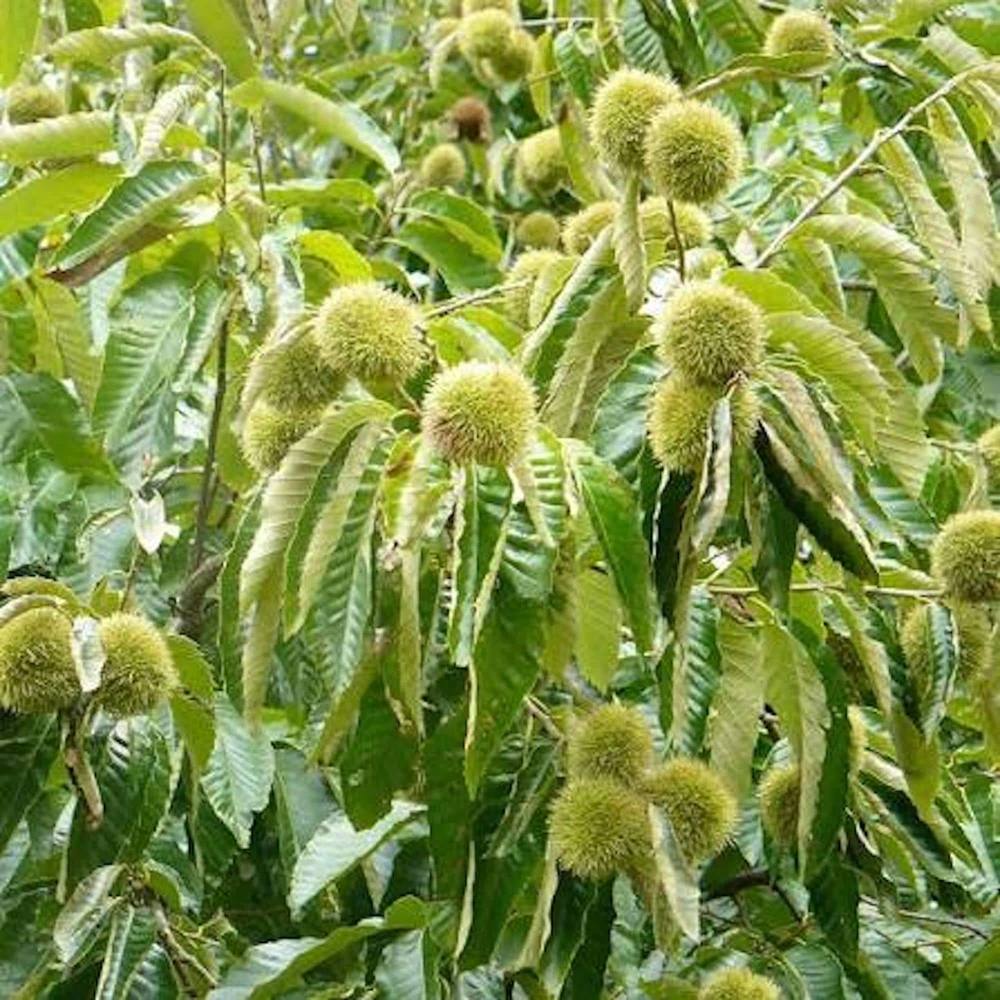
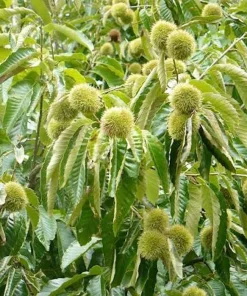
- Landscape Appeal: Beyond their productivity, Chinese chestnuts are beautiful landscape trees. They offer exceptional shade during summer with glossy green foliage and transform into a stunning display of yellow-orange fall colors, adding aesthetic value to any property.
- Sustainable Homesteading: Ideal for sustainable homesteads, these long-lived perennial trees contribute significantly to food self-sufficiency and ecological balance, providing a valuable resource for generations.
- Stratified for Convenience: These chestnut tree seeds come pre-stratified, meaning they have undergone the necessary cold treatment to break dormancy, making them ready for immediate planting and increasing germination success.
- Versatile Use: Suitable for home gardens, small orchards, large-scale food production, or establishing wildlife habitats, demonstrating their adaptability to various needs.
Plant Care & Growing Tips
Successful cultivation of Chinese chestnut trees from seed requires attention to specific environmental conditions and care practices. These trees are generally hardy but thrive best with proper planning and maintenance. When planting your 10 Chinese chestnut seeds, ensure they have adequate space to grow, as mature trees can become quite large. They prefer a site with full sun exposure, meaning at least 6-8 hours of direct sunlight per day, which is crucial for vigorous growth and abundant nut production. Avoid planting in shaded areas, as this can stunt growth and reduce yields.
For soil, Chinese chestnuts prefer well-draining, slightly acidic to neutral soil (pH 5.5-7.0). They do not tolerate heavy, waterlogged clay soils, which can lead to root rot. If your soil is heavy, consider amending it with organic matter like compost or sand to improve drainage. Regular watering is essential, especially during the first few years after germination, to help the young trees establish a strong root system. However, avoid overwatering. Once established, they are relatively drought-tolerant but will benefit from supplemental watering during prolonged dry spells. Fertilize young trees annually in spring with a balanced, slow-release fertilizer to encourage healthy growth. Protect young saplings from deer and other wildlife, as they can browse on tender shoots. These trees are typically hardy in USDA zones 4-8, making them suitable for a wide range of climates when considering growing chestnut trees.
Size & Details
This product includes 10 Chinese chestnut seeds, ready for planting. These seeds are from Castanea mollissima, known for its blight resistance and prolific nut production. Once germinated and established, growing chestnut trees can reach impressive sizes, typically growing 40-60 feet tall with a similar spread, though some can exceed 80 feet under ideal conditions. They exhibit a moderate to fast growth rate, especially in their early years. Expect the trees to begin producing nuts in as little as 5 to 7 years from seed, with production increasing significantly as the tree matures. The nuts themselves are sweet and easily peeled, maturing in the fall. These stratified seeds come ready to plant, having undergone the necessary cold treatment to prepare them for germination. With proper care, these seeds will develop into strong, long-lived trees, providing both ecological benefits and a bountiful harvest.
Frequently Asked Questions
- Q: What condition will the 10 Chinese chestnut seeds arrive in? A: Your 10 Chinese chestnut seeds will arrive pre-stratified and ready for planting, having undergone the necessary cold treatment to break dormancy and promote successful germination.
- Q: How long does it take for Chinese chestnut trees to produce nuts? A: With optimal growing conditions, you can expect your growing chestnut trees to begin producing nuts in as little as 5 to 7 years from planting the seeds, with yields increasing as the tree matures.
- Q: Are these Castanea mollissima seeds truly blight resistant? A: Yes, Castanea mollissima seeds are known for their inherent resistance to chestnut blight, making them a much more reliable choice compared to native American chestnut varieties.
- Q: What is the best time to plant Chinese chestnut seeds? A: Since these seeds are pre-stratified, they can often be planted in late winter or early spring after the last hard frost, allowing them to germinate as the weather warms.
- Q: How much sunlight do Chinese chestnut trees need? A: Chinese chestnut trees thrive in full sun, requiring at least 6-8 hours of direct sunlight per day for optimal growth and nut production.
- Q: What kind of soil is best for growing chestnut trees? A: They prefer well-draining, slightly acidic to neutral soil (pH 5.5-7.0). Avoid heavy clay soils that retain too much moisture, as this can lead to root issues.
- Q: Will these trees attract wildlife to my property? A: Absolutely! The sweet nuts produced by blight resistant chestnut trees are a favorite food source for deer, turkeys, and other wildlife, making them excellent for creating wildlife food plots.
- Q: How tall do Chinese chestnut trees typically grow? A: Mature Chinese chestnut trees generally reach heights of 40-60 feet, with some specimens growing even taller under ideal conditions.
- Q: Is special care required for young Chinese chestnut saplings? A: Young saplings benefit from consistent watering, protection from weeds, and sometimes physical protection from deer browsing until they are more established.
- Q: Can I grow these trees in a colder climate? A: Chinese chestnut trees are quite hardy and are generally suitable for USDA Zones 4-8, allowing them to withstand a good range of winter temperatures.
Be the first to review “10 Chinese Chestnut Seeds for Planting – Blight Resistant Castanea Mollissima”
People Also Viewed
Reviews
There are no reviews yet.