

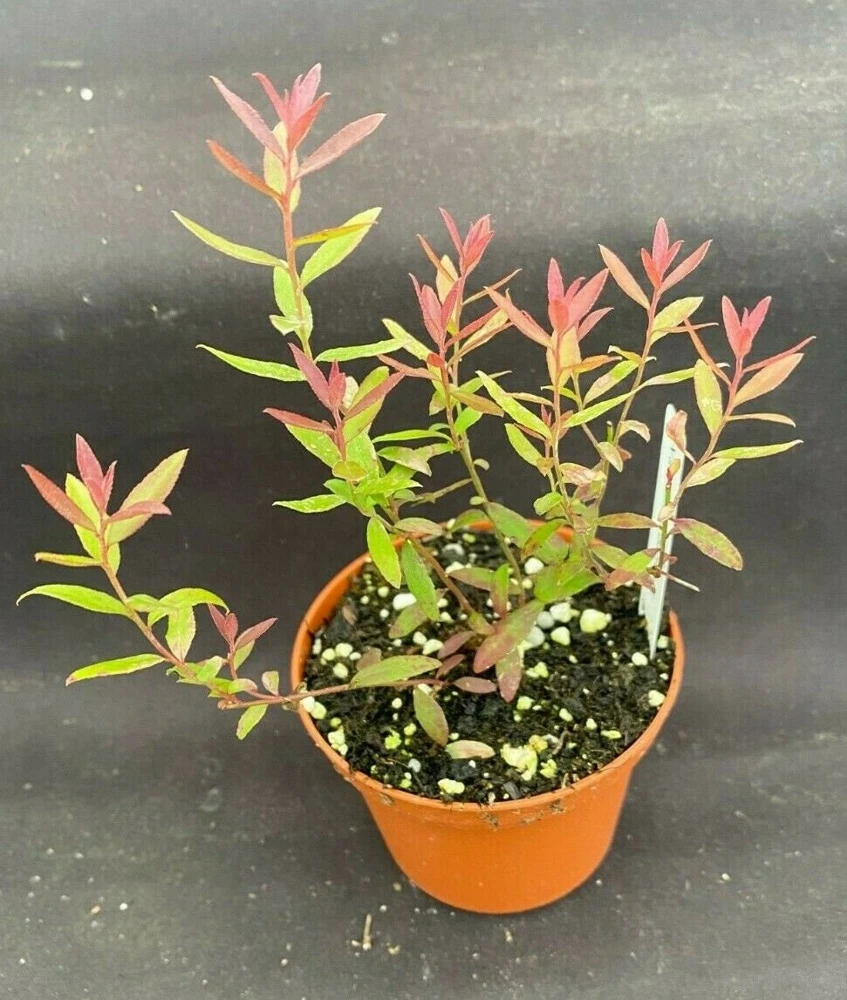
3 Okinawa Spinach Live Plant Gynura bicolor Starter Plants Vegetables
Original price was: $89.99.$64.99Current price is: $64.99.
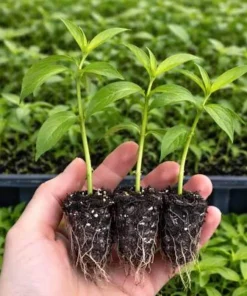
Cultivate your own healthy greens with these okinawa spinach live plant starters. You receive 3 vibrant gynura bicolor plant specimens, perfect for edible landscaping or vegetable gardens. Known for its nutritional value and ease of growth, this plant is an excellent choice for any gardener looking for a continuous harvest of delicious leaves. Ideal for homesteaders and home cooks alike.
Estimated arrival
Sep 29
Oct 04 - Oct 06
Oct 09 - Oct 13
Shop With Confidence
30-Day Plant Health Guarantee
Arrives damaged? We’ll replace it free — see our return policy.
Responsive Support
Email us anytime, we reply within 1 business day.
Expert Packaging
Temperature-controlled shipping to protect your plants in transit.
Secure Checkout
Pay safely with Visa, Mastercard, PayPal.
Plant Specifications
-
USDA Hardiness Zone
USDA Zones 9-11 (perennial); grown as annual or indoors elsewhere -
Soil Type
Well-draining, rich in organic matter -
Sunlight Exposure
Partial shade to full sun -
Expected Planting Period
Spring to early summer (outdoors), year-round (indoors)
Overview
Embark on a journey of home gardening and culinary delight with our premium okinawa spinach live plant starters. This offering includes 3 Okinawa Spinach Live Plants (Gynura bicolor), ready to thrive in your garden or containers. Often referred to as ‘Okinawa spinach’ due to its popularity in the Okinawan diet, Gynura bicolor is a vibrant, leafy green vegetable known for its striking purple undersides and rich nutritional profile. Unlike traditional spinach, this plant is a perennial, offering continuous harvests throughout warmer months. It’s a fantastic addition for anyone interested in sustainable living, homesteading, or simply enjoying fresh, healthy greens straight from their own backyard. These starter plants provide a significant head start, allowing you to establish a robust patch of this beneficial vegetable with ease. Discover the joy of growing your own nutrient-dense food with these resilient and beautiful plants.
The gynura bicolor plant is a versatile and attractive edible. Its leaves have a slightly mucilaginous texture and a mild, pleasant flavor, making them excellent raw in salads, stir-fried, steamed, or added to soups. Beyond its culinary uses, Okinawa spinach is celebrated for its potential health benefits, rich in antioxidants, vitamins, and minerals. Growing your own ensures you have access to pesticide-free, fresh produce, enhancing both your diet and your gardening experience. These starters are carefully nurtured to ensure they arrive healthy and ready for successful transplanting into your chosen growing environment.
Key Benefits
Adding okinawa spinach live plant to your garden offers a multitude of advantages, both for your health and your gardening endeavors. These plants are not only beautiful but also incredibly productive and beneficial.
- Nutrient-Rich Edible Greens: Okinawa spinach is packed with vitamins, minerals, and antioxidants, contributing to a healthy diet. Its leaves are a good source of iron, calcium, and vitamin A, promoting overall well-being.
- Continuous Harvests: As a perennial plant, the gynura bicolor plant provides a steady supply of fresh leaves over an extended growing season, unlike annual spinach varieties that bolt quickly in heat. Simply pinch off the leaves you need, and the plant will continue to produce more.
- Easy to Grow and Low Maintenance: This resilient plant is known for its hardiness and ability to thrive with minimal fuss. It’s an excellent choice for beginner gardeners and those seeking a productive yet undemanding vegetable.
- Attractive Ornamental Value: With its deep green tops and vibrant purple undersides, Okinawa spinach adds a beautiful splash of color to garden beds, containers, or even as a groundcover. It can be a lovely addition to edible landscapes.
- Versatile Culinary Uses: The mild flavor and unique texture of edible spinach starter leaves make them perfect for a wide range of dishes. Enjoy them raw in salads, lightly sautéed, blanched, or blended into smoothies.
- Supports Sustainable Living: Growing your own provides fresh, local produce, reducing your reliance on store-bought items and supporting a more sustainable lifestyle. It’s a key component for any aspiring homestead vegetable plants enthusiast.
- Pest Resistant: Okinawa spinach generally exhibits good resistance to common garden pests, reducing the need for chemical interventions and making it an ideal choice for organic gardening.
Plant Care & Growing Tips
Caring for your okinawa spinach live plant is relatively straightforward, making it an excellent choice for gardeners of all skill levels. This tropical perennial thrives in warm, humid conditions but can adapt to various environments with proper care. It is generally hardy in USDA Zones 9-11, where it will remain evergreen. In cooler climates, it can be grown as an annual or brought indoors during winter months.
For optimal growth, plant your gynura bicolor plant in a location that receives partial shade to full sun. While it can tolerate full sun, especially in cooler climates, some afternoon shade is beneficial in hot, intense summer areas to prevent leaf scorch. The soil should be well-draining and rich in organic matter. A slightly acidic to neutral pH (6.0-7.0) is ideal. When planting, ensure the roots are gently spread out and the plant is placed at the same depth it was in its nursery pot. Water thoroughly after planting to help establish the roots.
Watering is crucial, especially during dry spells. Okinawa spinach prefers consistently moist soil but does not like to sit in waterlogged conditions, which can lead to root rot. Check the soil moisture regularly; water when the top inch or two of soil feels dry to the touch. Fertilize every 4-6 weeks during the growing season with a balanced, organic fertilizer to encourage lush leaf production. Pruning regularly by harvesting the leaves will also encourage bushier growth and prevent the plant from becoming leggy. While generally pest-resistant, keep an eye out for common garden pests and address them with organic solutions if they appear. Learning proper okinawa spinach care will ensure a bountiful harvest.
Size & Details
This offering includes 3 Okinawa Spinach Live Plant (Gynura bicolor) starter plants, each carefully grown and packaged for safe transit. The plants typically arrive in 2-4 inch nursery pots, with a height ranging from 4 to 8 inches, depending on their growth stage at the time of shipping. These are well-rooted starters, ready for transplanting into your garden beds, raised beds, or larger containers. Okinawa spinach is a fast-growing perennial that can reach a mature height of 1 to 3 feet and spread equally wide, forming a bushy mound if left untrimmed. Regular harvesting and pruning will help maintain its shape and encourage new growth.
Expected growth rate is moderate to fast, especially in warm, humid conditions. You can typically begin harvesting leaves within a few weeks of transplanting, once the plants have established themselves and started producing new foliage. These plants are shipped in their nursery pots with soil to minimize transplant shock and ensure they arrive healthy and vibrant, ready to become productive homestead vegetable plants in your collection. With proper okinawa spinach care, these starters will quickly grow into a reliable source of fresh greens.
Frequently Asked Questions
- Q: How big do these Okinawa spinach plants get? A: Your okinawa spinach live plant starters typically arrive 4-8 inches tall. Once established, they can grow to a mature height of 1 to 3 feet and spread equally wide, forming a dense bush if not regularly harvested or pruned.
- Q: Is this an indoor or outdoor plant? A: Okinawa spinach can be grown both indoors and outdoors. It thrives outdoors in USDA Zones 9-11 as a perennial. In cooler climates, it can be grown as an annual or brought indoors as a houseplant during winter months.
- Q: How much sunlight does it need? A: This gynura bicolor plant prefers partial shade to full sun. In very hot climates, some afternoon shade is beneficial to prevent the leaves from scorching. Aim for at least 4-6 hours of sunlight daily for best growth.
- Q: Is this plant easy to care for? A: Yes, Okinawa spinach is known for being very easy to care for, making it an excellent choice for beginners and experienced gardeners alike. It’s resilient and forgiving, requiring consistent watering and occasional fertilization.
- Q: What condition will it arrive in? A: Your edible spinach starter plants will arrive healthy, well-rooted, and actively growing in their nursery pots. We carefully pack them to ensure minimal stress during transit, ready for immediate transplanting.
- Q: Can I use Okinawa spinach in cooking? A: Absolutely! Okinawa spinach is highly prized for its culinary uses. Its mild flavor and slightly mucilaginous texture make it perfect for salads, stir-fries, soups, and smoothies.
- Q: When is the best time to plant Okinawa spinach? A: If planting outdoors, the best time is after the last frost in spring, when soil temperatures have warmed. For indoor growing, you can plant year-round.
- Q: What’s the minimum temperature this plant can tolerate? A: As a tropical plant, the gynura bicolor plant is sensitive to frost. It can tolerate temperatures down to about 40°F (4°C) for short periods, but sustained cold below 50°F (10°C) will slow its growth and can cause damage.
- Q: Is Okinawa spinach good for beginners? A: Yes, its low maintenance requirements and vigorous growth make it an ideal choice for new gardeners looking to grow their own homestead vegetable plants.
- Q: How often should I water my Okinawa spinach? A: Water your Okinawa spinach regularly to keep the soil consistently moist, but not waterlogged. Allow the top inch or two of soil to dry out slightly between waterings.
Be the first to review “3 Okinawa Spinach Live Plant Gynura bicolor Starter Plants Vegetables”
People Also Viewed
Reviews
There are no reviews yet.