


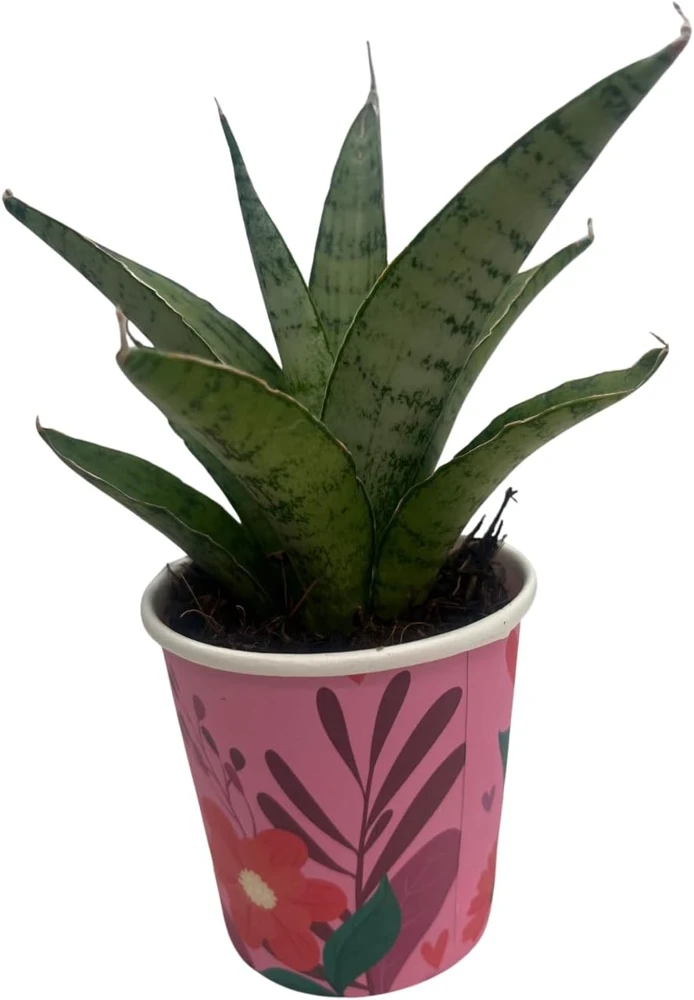
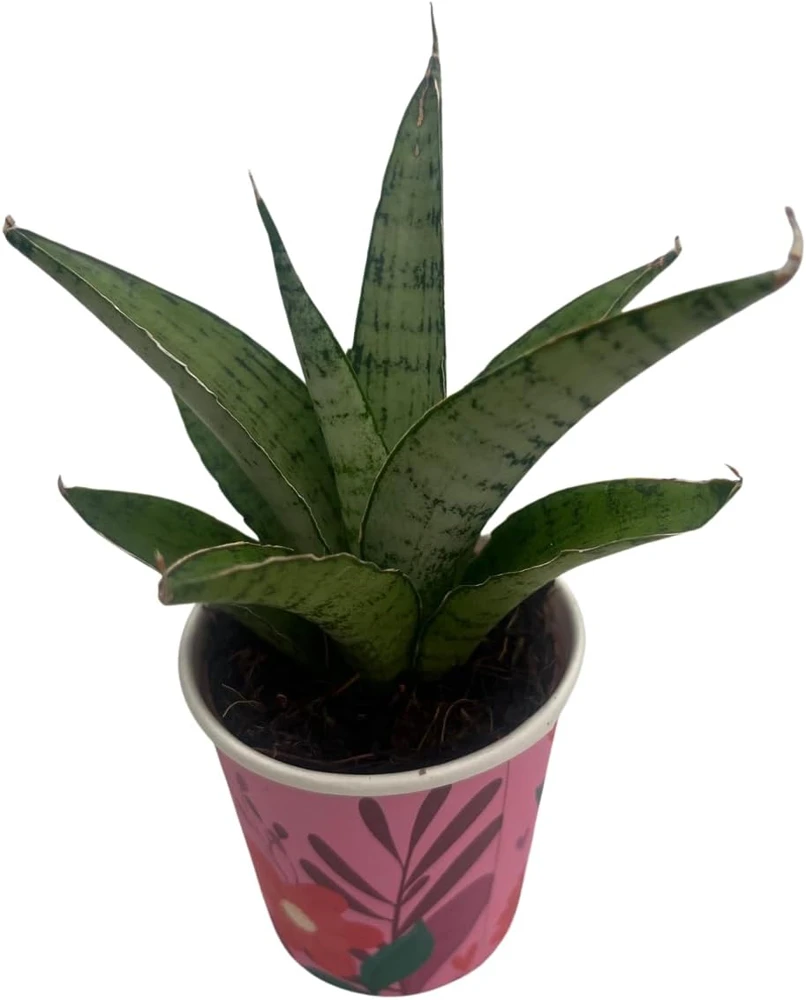
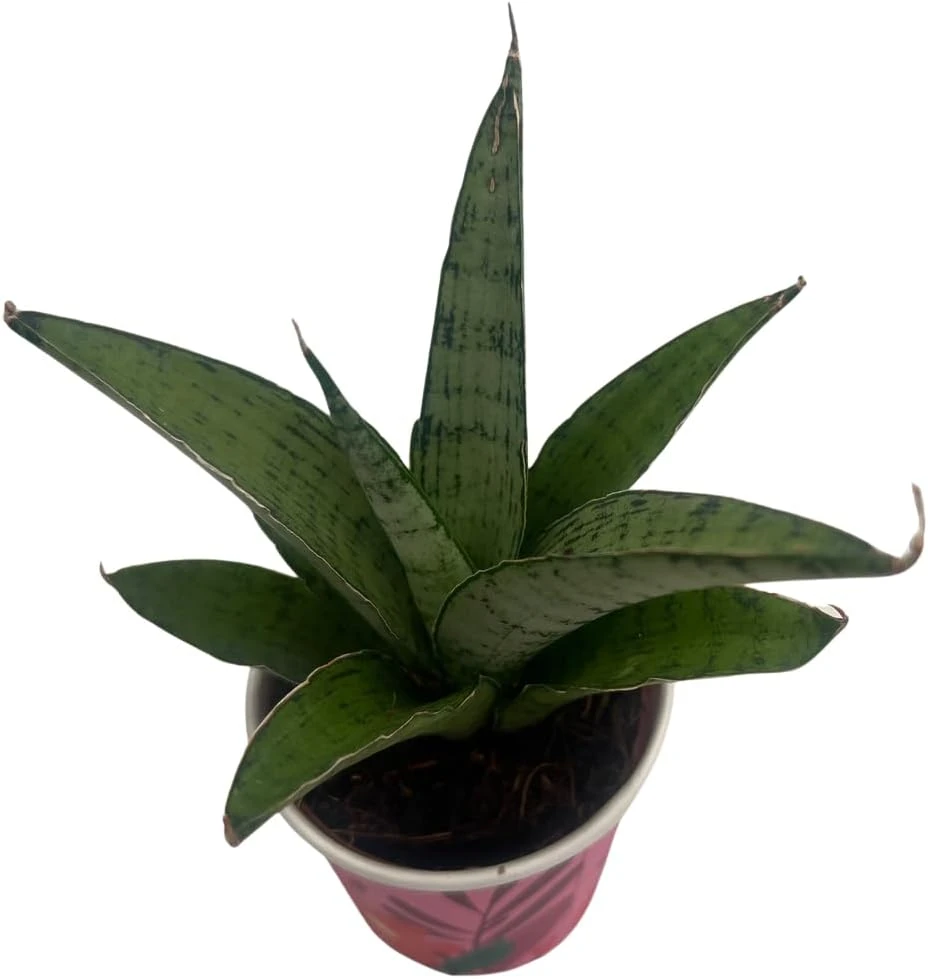
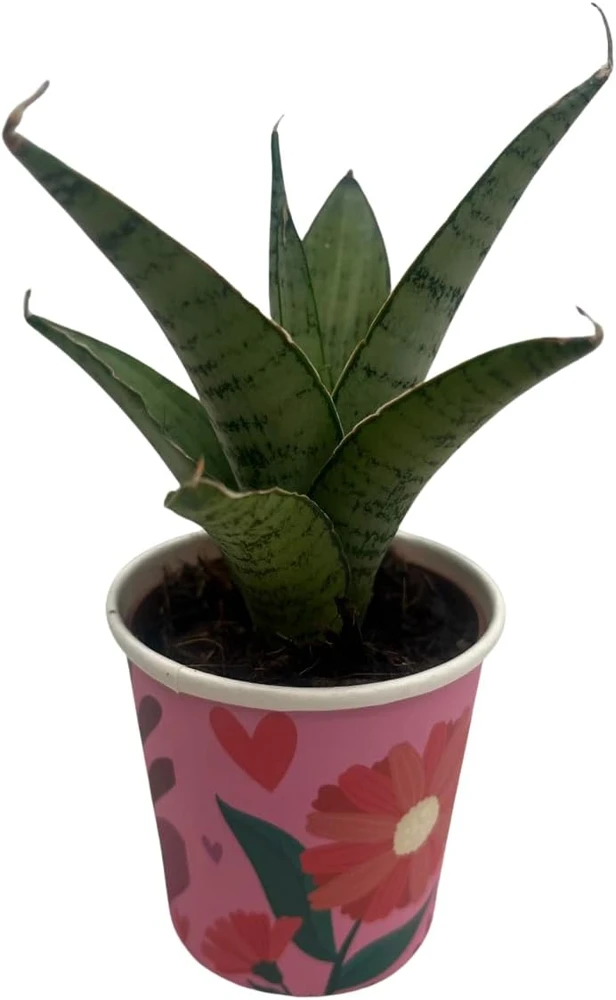
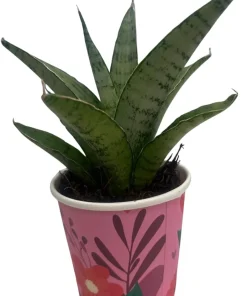
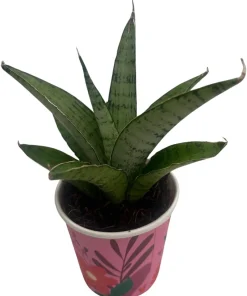
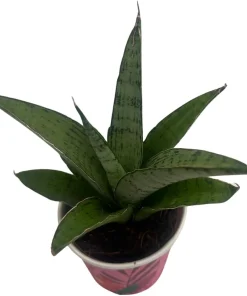
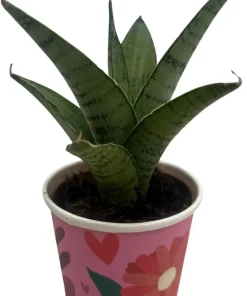
Frozen Rose Snake Plant – Sansevieria Live Plant – 2 Inch Pot – Indoor
Original price was: $47.99.$37.99Current price is: $37.99.
Discover the unique beauty of the frozen rose snake plant, a stunning Sansevieria cultivar. Perfect for beginners and busy plant parents, this 2-inch potted snake plant indoor offers easy care and a striking silvery-green appearance, ideal for desks, shelves, or small spaces.
Estimated arrival
Sep 29
Oct 04 - Oct 06
Oct 09 - Oct 13
Shop With Confidence
30-Day Plant Health Guarantee
Arrives damaged? We’ll replace it free — see our return policy.
Responsive Support
Email us anytime, we reply within 1 business day.
Expert Packaging
Temperature-controlled shipping to protect your plants in transit.
Secure Checkout
Pay safely with Visa, Mastercard, PayPal.
Plant Specifications
-
USDA Hardiness Zone
USDA zones 9-11 (indoors primarily) -
Soil Type
Well-draining potting mix (succulent/cactus mix recommended) -
Sunlight Exposure
Low to bright indirect light -
Expected Planting Period
Year-round indoors
Overview
Introduce a touch of botanical elegance to your living space with the exquisite frozen rose snake plant. This captivating Sansevieria cultivar, also known as Sansevieria trifasciata ‘Frozen Rose’, is a true gem among houseplants, celebrated for its unique aesthetic and remarkable resilience. Unlike traditional snake plants, the ‘Frozen Rose’ boasts a compact, rosette-like growth habit, making it an ideal choice for smaller spaces, desktops, or as an accent in a larger plant collection. Its thick, sculptural leaves are a visual delight, showcasing a beautiful silvery-green, almost ‘frosted’ appearance, subtly edged with darker green margins. This distinctive foliage gives the plant its evocative ‘Frozen Rose’ moniker, creating the illusion of a living, botanical sculpture. As a snake plant indoor variety, it thrives with minimal fuss, making it perfect for both seasoned plant enthusiasts and those new to gardening. This live plant arrives in a convenient 2-inch pot, ready to bring its serene beauty into your home or office. The sansevieria frozen rose is not just a plant; it’s a statement piece that combines natural artistry with effortless maintenance.
Key Benefits
The frozen rose snake plant offers a multitude of advantages that make it a highly sought-after houseplant. Its aesthetic appeal is undeniable, but its benefits extend far beyond its striking looks. This particular cultivar embodies the best qualities of the Sansevieria genus, providing both beauty and practicality for any indoor environment. Incorporating a frozen rose snake plant into your decor enhances the visual appeal and contributes positively to your living space.
- Stunning Visual Appeal: The ‘Frozen Rose’ cultivar features unique silvery-green, frosted leaves with dark green margins, forming a compact, rosette shape. This distinctive coloring and growth habit make it a captivating focal point in any room, adding a sophisticated and modern touch to your decor.
- Exceptional Air Purification: Like other Sansevierias, the mother in law’s tongue is renowned for its ability to purify indoor air. It effectively removes toxins such as formaldehyde, benzene, and trichloroethylene, contributing to a healthier and fresher home environment, especially during the night.
- Extremely Low Maintenance: This is an incredibly hardy and forgiving plant, making it ideal for busy individuals or those new to plant care. It tolerates infrequent watering and a wide range of light conditions, requiring minimal attention to thrive. It truly is one of the easiest easy care houseplants available.
- Compact & Space-Saving: With its small, rosette-like form and slow growth rate, the ‘Frozen Rose’ is perfect for small apartments, office desks, bookshelves, or windowsills where space is limited. It maintains a neat and tidy appearance without quickly outgrowing its spot.
- Drought Tolerant: The thick, succulent leaves of the sansevieria frozen rose store water efficiently, allowing the plant to go for extended periods without watering. This feature makes it highly resistant to neglect and perfect for those who travel frequently.
- Adaptable to Various Light Conditions: While it prefers bright, indirect light, the frozen rose snake plant is remarkably adaptable and can tolerate low light conditions. This versatility allows you to place it in almost any room of your home, making it a flexible decorating choice.
- Long-Lived & Resilient: Sansevierias are known for their longevity and toughness. With proper basic care, your ‘Frozen Rose’ can remain a beautiful part of your home for many years, proving to be a durable and worthwhile investment.
Plant Care & Growing Tips
Caring for your frozen rose snake plant is remarkably straightforward, making it an excellent choice for both novice and experienced plant parents. To ensure your sansevieria frozen rose thrives, understanding its basic needs for light, water, and soil is key. This resilient plant is one of the most forgiving easy care houseplants you can own, but a little attention to detail will ensure its vibrant silvery-green foliage remains stunning.
Sunlight requirements: The ‘Frozen Rose’ Sansevieria is highly adaptable to various light conditions. It prefers bright, indirect light, such as that from an east-facing window or a few feet away from a south or west-facing window. While it can tolerate low light, its growth may slow, and the unique coloration might become less pronounced. Avoid direct, harsh afternoon sun, which can scorch its leaves. It is a fantastic snake plant indoor option because of its flexibility.
Watering schedule and soil moisture preferences: The most common mistake with Sansevierias is overwatering. Allow the soil to dry out completely between waterings. This typically means watering every 2-4 weeks, depending on the light conditions and time of year. In winter, reduce watering frequency significantly. When you do water, water thoroughly until it drains from the bottom, then discard any excess water in the saucer to prevent root rot. The thick leaves of the mother in law’s tongue store water, making it very drought-tolerant.
Soil type and drainage requirements: Use a well-draining potting mix, ideally one formulated for succulents or cacti. A mix containing perlite, pumice, or coarse sand will ensure excellent drainage, which is crucial for preventing root issues. Good drainage is paramount for the health of your frozen rose snake plant.
Temperature range and USDA hardiness zone: Sansevierias prefer average room temperatures between 65-80°F (18-27°C). They are not frost-tolerant and should be kept away from cold drafts. In terms of hardiness, they are generally suited for USDA zones 9-11 if grown outdoors, but are primarily cultivated as indoor plants in most regions.
Fertilization schedule and type: Fertilize sparingly, if at all. A balanced liquid houseplant fertilizer, diluted to half strength, can be applied once or twice during the growing season (spring and summer). Avoid fertilizing in fall and winter when the plant is dormant. Over-fertilization can lead to leggy growth or nutrient burn.
Common problems and solutions: The ‘Frozen Rose’ is largely pest-resistant. The main issue is usually overwatering, leading to root rot. If leaves become soft or mushy at the base, reduce watering immediately. Ensure good air circulation. Pests like mealybugs or spider mites are rare but can be treated with neem oil or insecticidal soap if they appear. Yellowing leaves can indicate either overwatering or insufficient light.
Size & Details
The frozen rose snake plant is known for its charmingly compact size, making it a versatile choice for various indoor settings. This particular offering is for a live plant delivered in a 2-inch nursery pot. At this stage, the plant typically stands approximately 4-6 inches tall, including the pot. Its rosette-like growth habit ensures it remains neat and tidy, with a width comparable to its height, usually around 3-5 inches. The growth rate of the sansevieria frozen rose is slow, meaning it will maintain its adorable size for an extended period before requiring a larger pot. This characteristic makes it an excellent choice for terrariums, small desk planters, or as part of a miniature indoor garden.
The plant is shipped as a healthy, rooted specimen, carefully packaged to ensure its safe arrival. While measurements are approximate, you can expect a robust young plant ready to thrive in its new home. Its mature size will generally not exceed 8-12 inches in height and width, making it a truly compact and manageable houseplant. This snake plant indoor variety is perfect for adding a touch of greenery without overwhelming your space.
Frequently Asked Questions
- Q: How big does this frozen rose snake plant get? A: The ‘Frozen Rose’ cultivar is a compact variety, typically reaching a mature height and width of 8-12 inches. It’s a slow grower, so it will maintain a smaller size for a long time, perfect for small spaces and desktops.
- Q: What size pot does it come in? A: This frozen rose snake plant is shipped in a 2-inch nursery pot, providing a perfect starter home for your new plant. You can choose to repot it into a slightly larger decorative pot upon arrival or allow it to grow for a while in its current container.
- Q: Is this an indoor or outdoor plant? A: The frozen rose snake plant is primarily grown as an indoor houseplant in most climates. While it can be placed outdoors in warm, frost-free USDA zones (9-11), it thrives best indoors where temperatures are stable and it’s protected from harsh elements.
- Q: How much sunlight does the sansevieria frozen rose need? A: This plant prefers bright, indirect light but is highly adaptable and can tolerate lower light conditions. Avoid direct, intense sunlight, which can scorch its leaves. A few feet from a sunny window or in an east-facing window is ideal.
- Q: Is this plant easy to care for? Is it good for beginners? A: Absolutely! The frozen rose snake plant is considered one of the easiest easy care houseplants. Its drought tolerance and adaptability to various light conditions make it an excellent choice for beginners or those with a busy lifestyle.
- Q: What condition will the mother in law’s tongue arrive in? A: Your plant will arrive as a healthy, live specimen, carefully packaged to minimize stress during transit. It will be rooted in its 2-inch nursery pot, ready to be placed in your home.
- Q: Is this snake plant indoor variety pet-safe? A: Like other Sansevierias, the ‘Frozen Rose’ is considered mildly toxic if ingested by pets. It’s best to keep it out of reach of curious cats and dogs to prevent any potential irritation.
- Q: How often should I water my frozen rose snake plant? A: Water sparingly. Allow the soil to dry out completely between waterings, typically every 2-4 weeks. Overwatering is the most common cause of problems for this plant, so err on the side of underwatering.
- Q: What kind of soil is best for this Sansevieria? A: A well-draining potting mix is essential. A succulent or cactus mix with added perlite or pumice is ideal to ensure good drainage and prevent waterlogged roots for your sansevieria frozen rose.
- Q: Will the ‘frosted’ appearance last? A: Yes, the beautiful silvery-green, frosted appearance is a natural characteristic of the ‘Frozen Rose’ cultivar and will persist with proper care, especially when provided with adequate bright, indirect light.
Be the first to review “Frozen Rose Snake Plant – Sansevieria Live Plant – 2 Inch Pot – Indoor”
People Also Viewed
Flower Plants
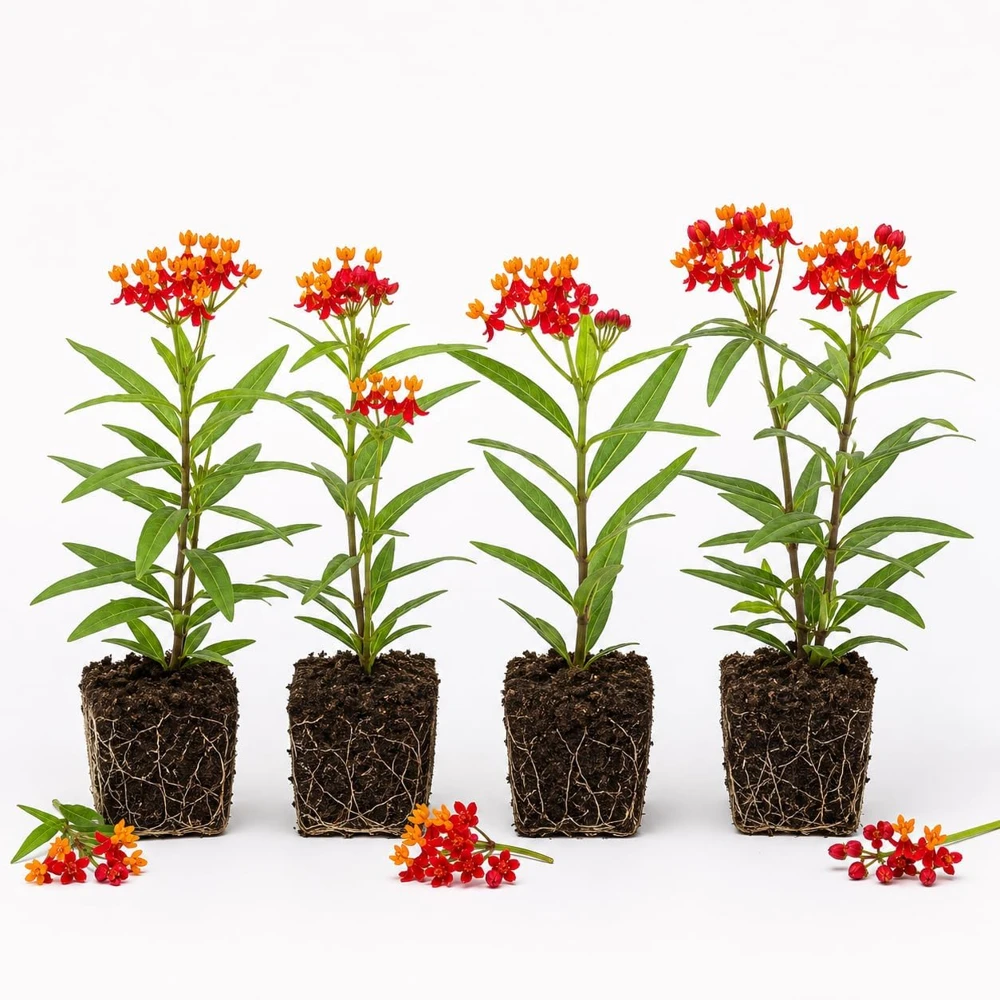
Set of 4 Red Milkweed Live Plants – Asclepias Starter Plants 4-6 Inch – Outdoor Perennial
Flower Bulbs
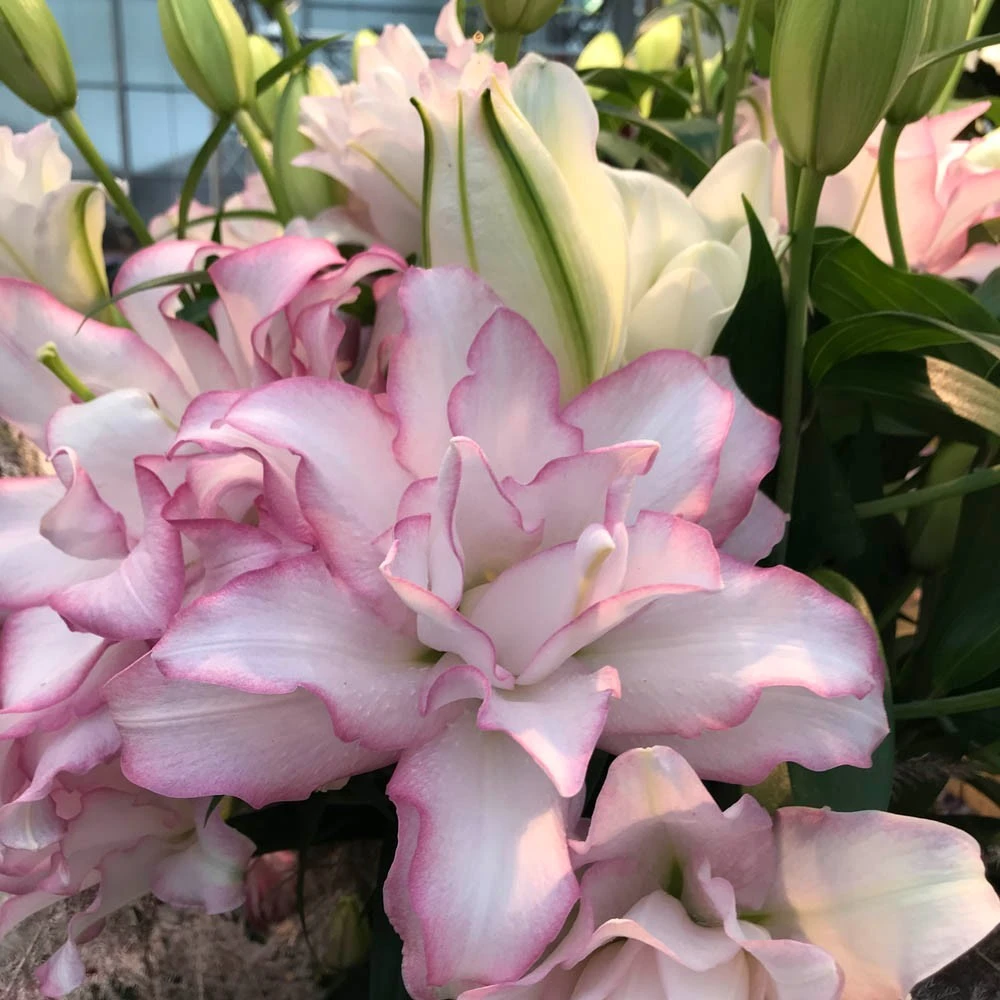
Sweet Rosy Double Oriental Lily Bulb – Impressive Pink & White Blooms – Perennial Flower Bulb





Reviews
There are no reviews yet.