
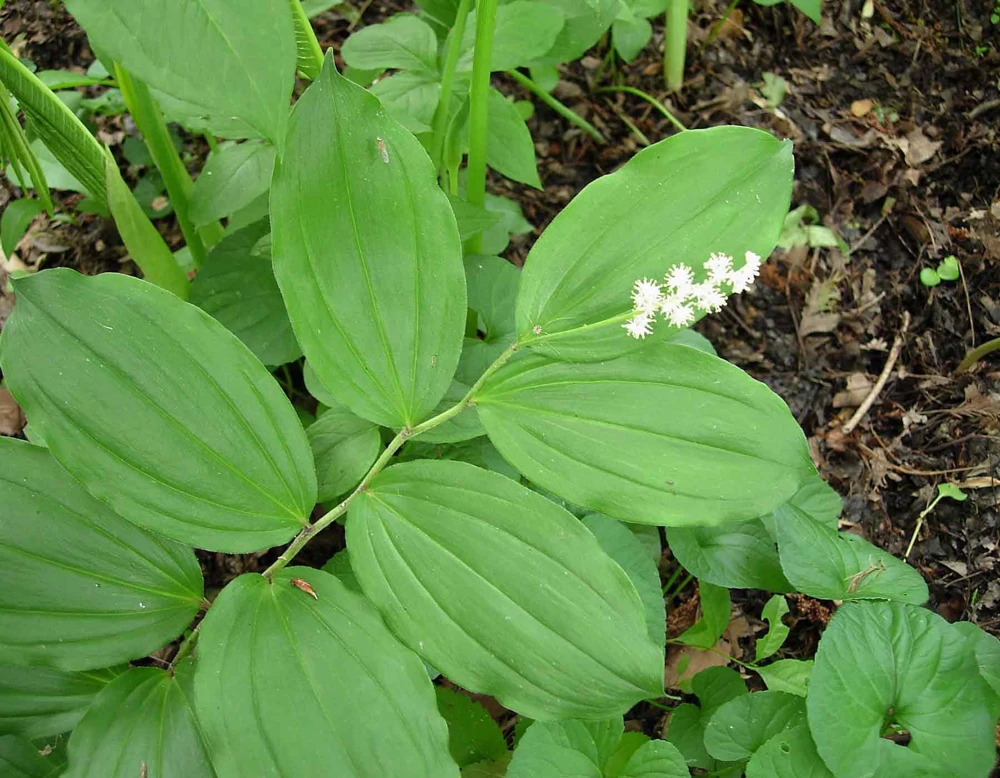
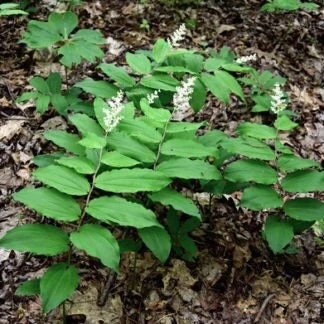
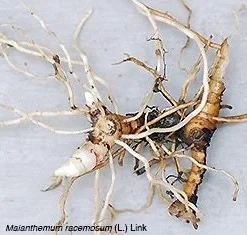
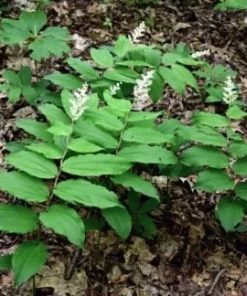
15 False Solomon’s Seal Bare Root Plants – Maianthemum Racemosum Wildflower
Original price was: $78.99.$53.99Current price is: $53.99.
Cultivate a beautiful woodland garden with these 15 False Solomon’s Seal bare root plants. Maianthemum racemosum plants are a charming native wildflower plants, perfect for shady areas, offering lush foliage and attractive berries. Easy to establish and organically grown.
Estimated arrival
Sep 29
Oct 04 - Oct 06
Oct 09 - Oct 13
Shop With Confidence
30-Day Plant Health Guarantee
Arrives damaged? We’ll replace it free — see our return policy.
Responsive Support
Email us anytime, we reply within 1 business day.
Expert Packaging
Temperature-controlled shipping to protect your plants in transit.
Secure Checkout
Pay safely with Visa, Mastercard, PayPal.
Plant Specifications
-
USDA Hardiness Zone
USDA Zones 3-9 -
Soil Type
Rich, well-draining soil with organic matter -
Sunlight Exposure
Partial to full shade -
Expected Planting Period
Early spring or fall
Overview
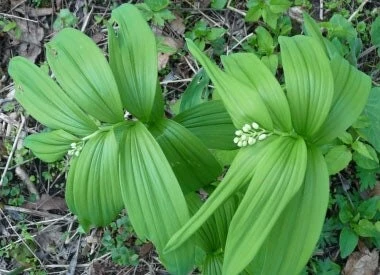
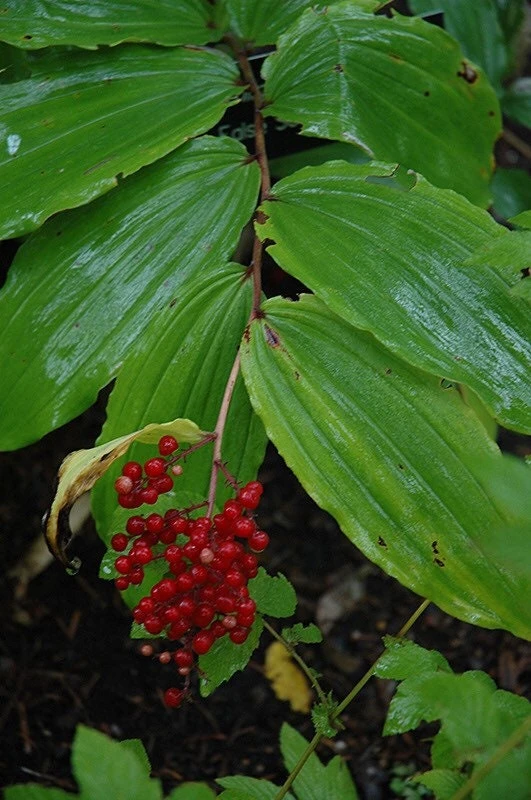
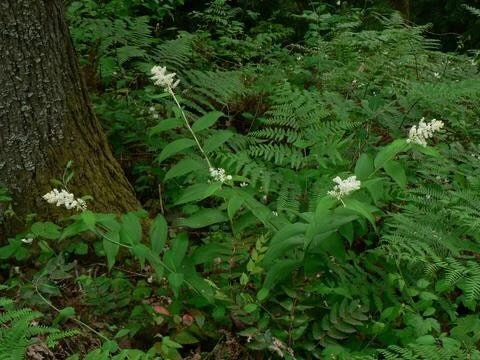
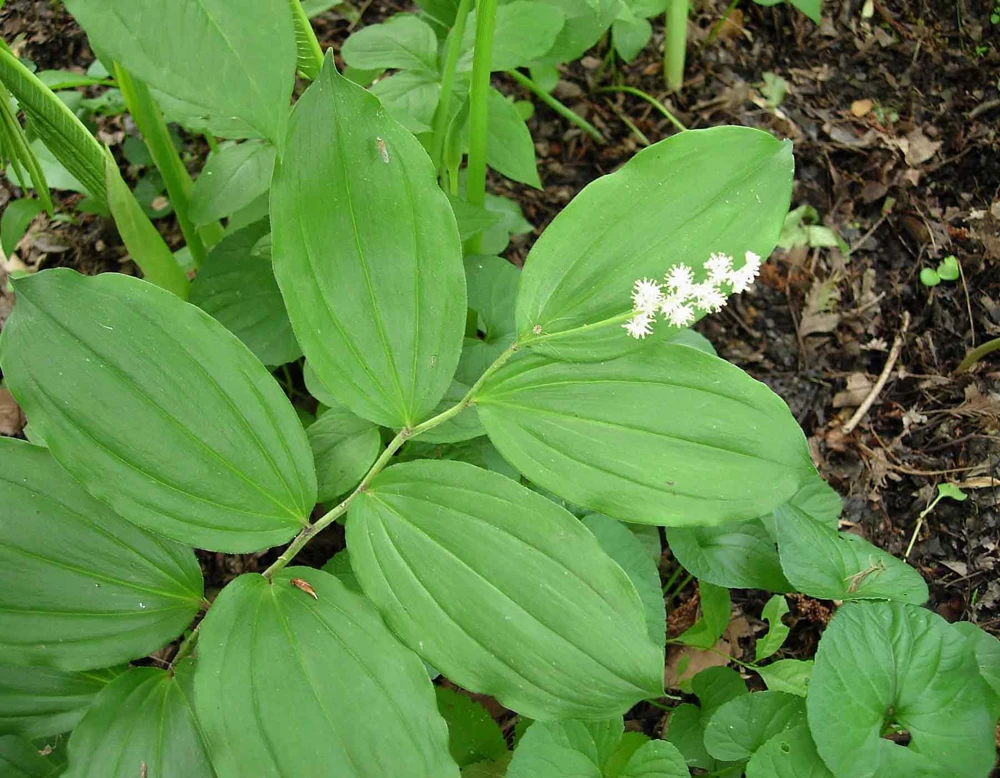
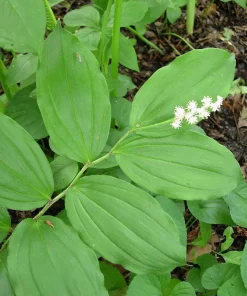
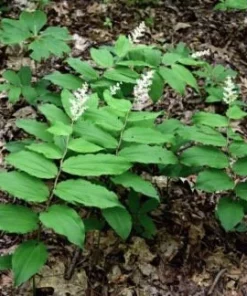
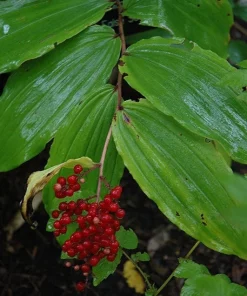
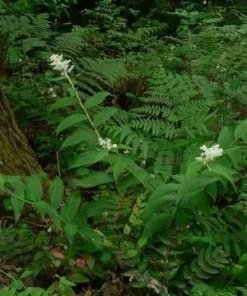
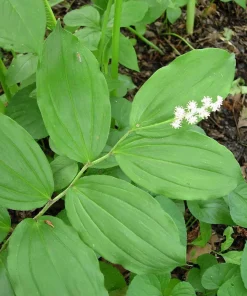
Introduce the natural beauty of the forest floor to your garden with this offering of 15 False Solomon’s Seal bare root plants. Scientifically known as Maianthemum racemosum plants, this enchanting perennial is a true gem for any landscape seeking a touch of native elegance. Often mistaken for true Solomon’s Seal, False Solomon’s Seal distinguishes itself with terminal clusters of creamy white, fragrant flowers in spring, followed by attractive red berries in late summer and fall. These berries provide a valuable food source for local wildlife, making it an excellent choice for supporting biodiversity in your backyard. As a robust and adaptable native wildflower plants, it thrives in woodland settings and partially shaded areas, creating a lush, verdant understory. Organically grown and shipped as bare roots, these plants are ready to establish and flourish in your garden, bringing an authentic piece of nature right to your home.
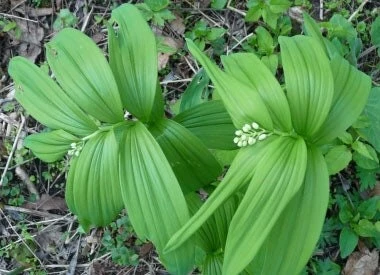
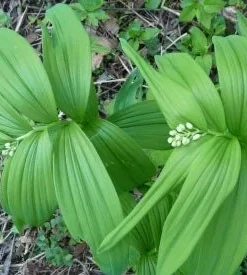
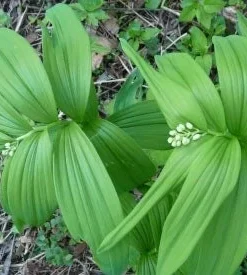
False Solomon’s Seal is celebrated for its graceful arching stems, adorned with broad, lance-shaped leaves that create a stunning textural display. Its resilience and low-maintenance nature make it an ideal candidate for gardeners of all skill levels who wish to cultivate a vibrant, eco-friendly space. Whether you are aiming for a naturalized look, a shade garden, or simply wish to incorporate more native species, these Maianthemum racemosum plants are a superb choice. They are harvested fresh to ensure optimal vitality upon arrival, promising a rewarding gardening experience and a lasting contribution to your outdoor sanctuary. This plant is a fantastic addition to any woodland garden plants collection.
Key Benefits
Integrating False Solomon’s Seal bare root plants into your garden offers a multitude of advantages, enhancing both its aesthetic appeal and ecological value. This native perennial is not only beautiful but also incredibly beneficial for local ecosystems.
- Ecological Support:Maianthemum racemosum plants provide essential food and habitat for native pollinators and wildlife. The berries are a favorite among birds, contributing to a thriving garden ecosystem.
- Shade Tolerance: Unlike many flowering plants, False Solomon’s Seal excels in partial to full shade, making it perfect for those challenging, dimly lit areas under trees or on the north side of buildings.
- Low Maintenance: Once established, these native wildflower plants require minimal care. They are drought-tolerant and generally resistant to pests and diseases, allowing you more time to enjoy your garden.
- Seasonal Interest: From its charming spring flowers to its vibrant fall berries and attractive foliage, False Solomon’s Seal offers visual interest throughout multiple seasons.
- Naturalizing Ability: These plants will slowly spread to form beautiful colonies, creating a natural, established look in your garden without becoming invasive. This makes them ideal for a woodland garden plants design.
- Soil Improvement: The dense root systems help improve soil structure and prevent erosion, particularly on slopes or in areas with loose soil.
- Organically Grown: Our False Solomon’s Seal bare root plants are cultivated organically, ensuring you receive healthy, chemical-free specimens that are safe for your garden and the environment.
Plant Care & Growing Tips
Successfully growing False Solomon’s Seal is relatively straightforward, making it an excellent choice for both novice and experienced gardeners. These resilient plants thrive in conditions that mimic their natural woodland habitat. For optimal growth, choose a location that receives partial to full shade. While they can tolerate some morning sun, intense afternoon sun can scorch their leaves. Aim for at least 4-6 hours of filtered sunlight or dappled shade throughout the day. When planting your 15 False Solomon’s Seal bare root plants, ensure the soil is rich in organic matter and well-draining. They prefer consistently moist, but not waterlogged, soil. Incorporating compost or leaf mold into your planting area will significantly benefit their development.
Watering is crucial during the establishment phase. Keep the soil consistently moist for the first growing season. Once established, False Solomon’s Seal is quite drought-tolerant but will appreciate supplemental watering during prolonged dry spells, especially if planted in areas with more sun exposure. Fertilization is generally not necessary, particularly if planted in rich, organic soil. If your soil is poor, a light application of a balanced, slow-release organic fertilizer in early spring can be beneficial. These plants are remarkably hardy, typically thriving in USDA zones 3-9. Pests and diseases are rarely an issue, though occasionally slugs or snails may feed on the foliage. Proper air circulation and avoiding overhead watering can help prevent fungal issues. Understanding how to care for Maianthemum racemosum plants ensures a thriving display.
Size & Details
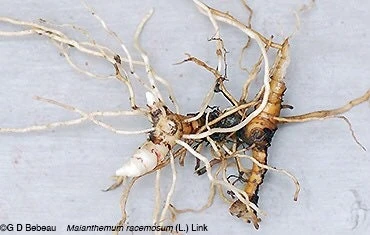
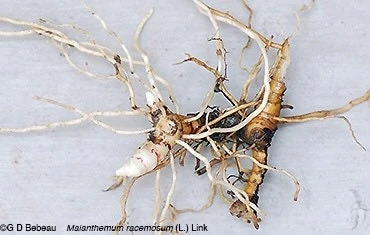
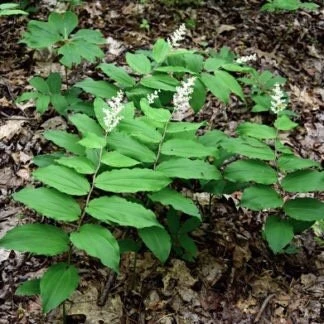
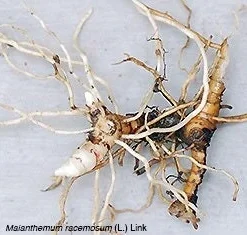
This offering includes 15 False Solomon’s Seal bare root plants, ready for planting upon arrival. Each bare root is carefully harvested to ensure maximum viability and health, promoting vigorous growth once established in your garden. False Solomon’s Seal, or Maianthemum racemosum, typically grows to a height of 2-3 feet (60-90 cm) with a similar spread, forming attractive clumps over time. The plant features arching stems adorned with lush green foliage, culminating in a terminal cluster of creamy white flowers in spring. These flowers are followed by decorative red berries in late summer to early fall. The growth rate is moderate, and you can expect to see foliage emerge in the first season after planting, with flowering typically occurring in the second year. These organically grown roots will arrive without foliage or a pot, allowing for easy handling and planting directly into your prepared garden bed. This is an excellent way of growing False Solomon’s Seal in your garden.
Frequently Asked Questions
- Q: How big does this plant get? A: False Solomon’s Seal typically grows to a height of 2-3 feet with a similar spread, forming attractive, clumping colonies over time. Its arching stems create a graceful presence in the garden.
- Q: Is this an indoor or outdoor plant? A: False Solomon’s Seal (Maianthemum racemosum) is an outdoor perennial plant, best suited for woodland gardens, shade gardens, or naturalized areas in USDA zones 3-9. It is not recommended for indoor cultivation.
- Q: How much sunlight does it need? A: These plants thrive in partial to full shade. They prefer dappled sunlight or filtered light for most of the day, avoiding harsh afternoon sun which can scorch their leaves.
- Q: Is this plant easy to care for? A: Yes, growing False Solomon’s Seal is considered easy. Once established, it is a low-maintenance plant that is drought-tolerant and generally resistant to pests and diseases, making it ideal for various garden types.
- Q: What condition will it arrive in? A: You will receive 15 False Solomon’s Seal bare root plants. They will be harvested fresh and shipped without foliage or a pot, ensuring they are in optimal condition for planting upon arrival.
- Q: When is the best time to plant? A: The best time to plant bare root False Solomon’s Seal is in early spring or fall when the weather is cool and moist. This allows the roots to establish before the stress of summer heat or winter cold.
- Q: Will it survive winter in my zone? A: False Solomon’s Seal is hardy in USDA Zones 3-9. It is a robust perennial that will die back to the ground in winter and re-emerge in spring, making it well-suited for a wide range of climates.
- Q: What is a bare root plant? A: A bare root plant is a dormant plant that is shipped without soil around its roots. This method reduces shipping costs and transplant shock, allowing for easier establishment when planted directly into the garden.
- Q: Are these native wildflower plants safe for pets? A: While the berries of False Solomon’s Seal are a food source for birds, they are generally considered mildly toxic if ingested by humans or pets. It’s best to keep pets from consuming the plant.
- Q: How do I prepare the soil for Maianthemum racemosum plants? A: Amend your planting site with plenty of organic matter like compost or leaf mold to create a rich, well-draining soil. This mimics their natural woodland habitat and promotes healthy root development.
Be the first to review “15 False Solomon’s Seal Bare Root Plants – Maianthemum Racemosum Wildflower”
People Also Viewed
Flower Seeds
Flower Seeds
Reviews
There are no reviews yet.