

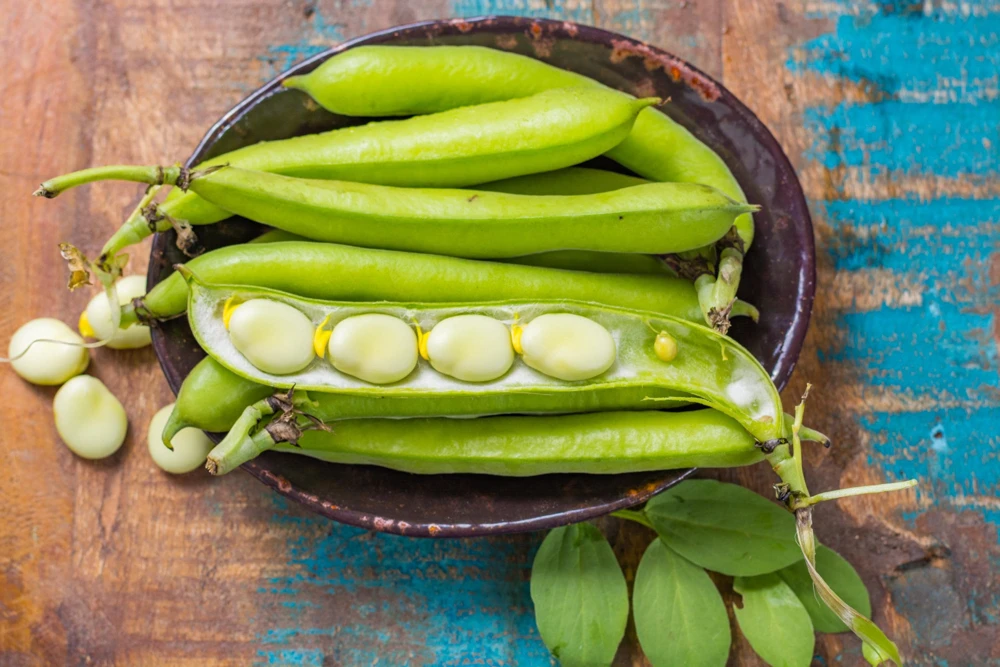
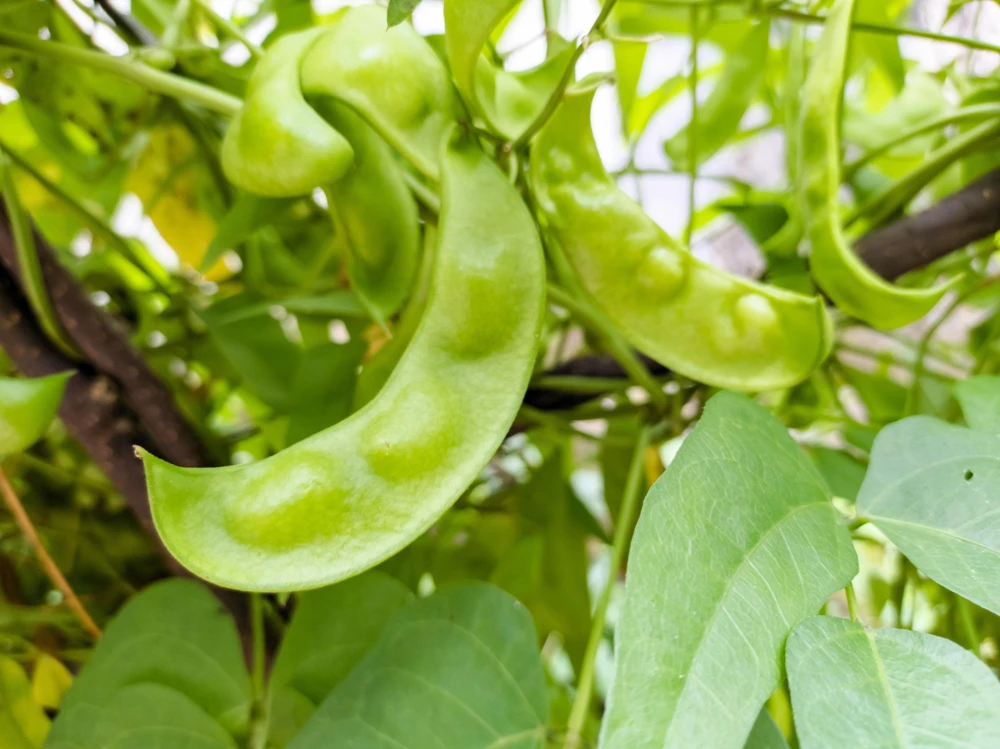
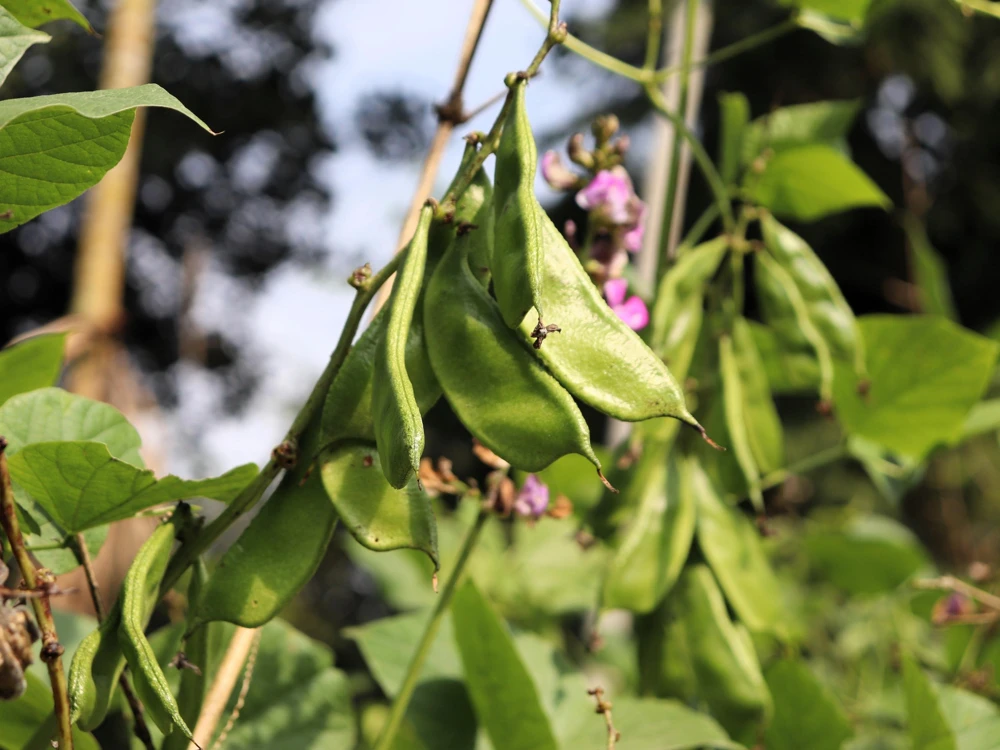
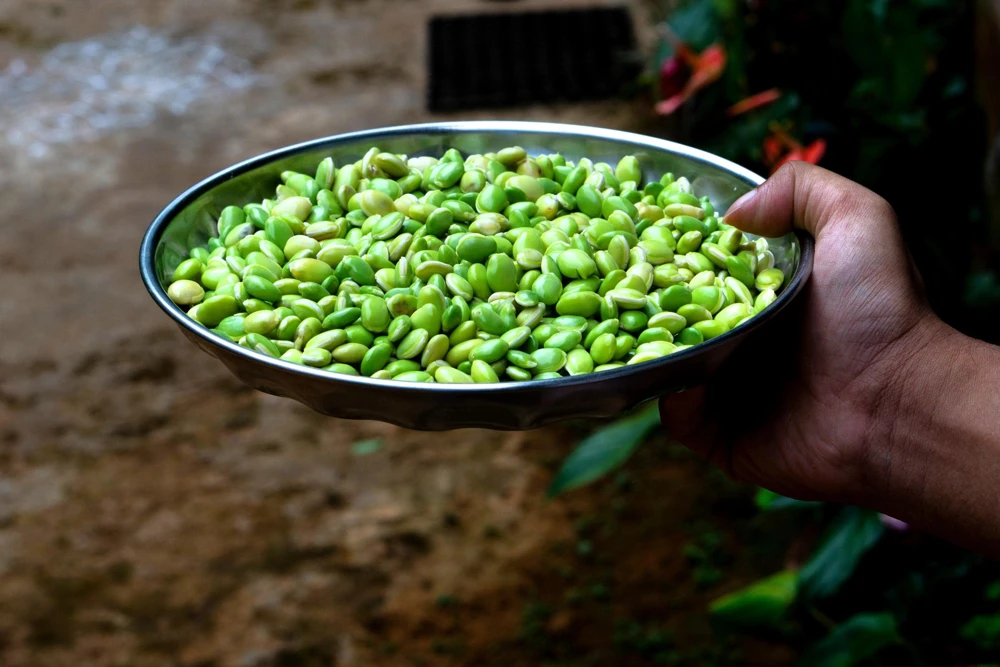
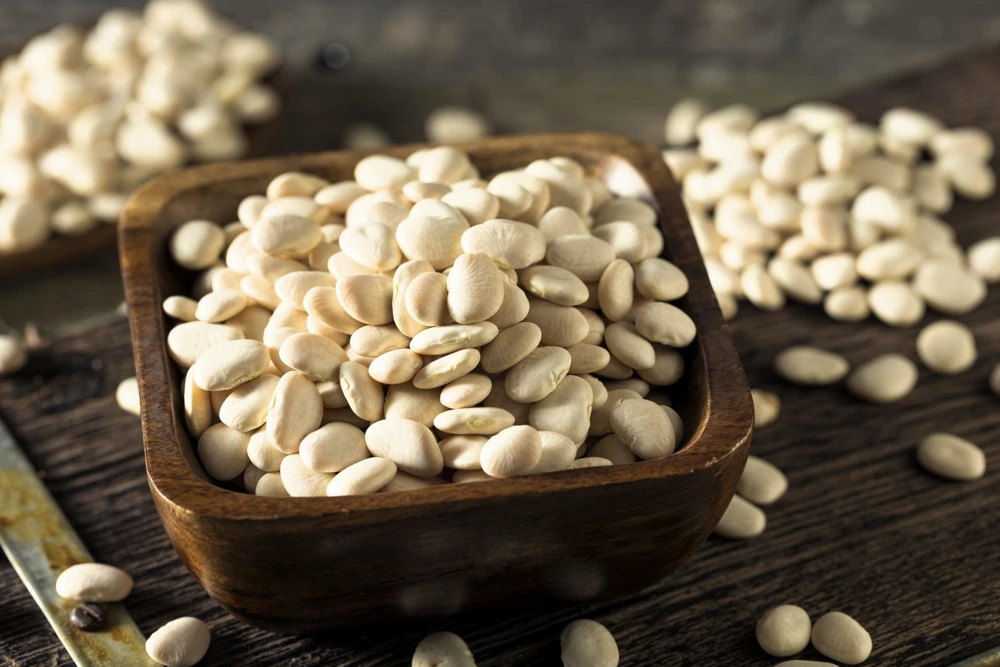
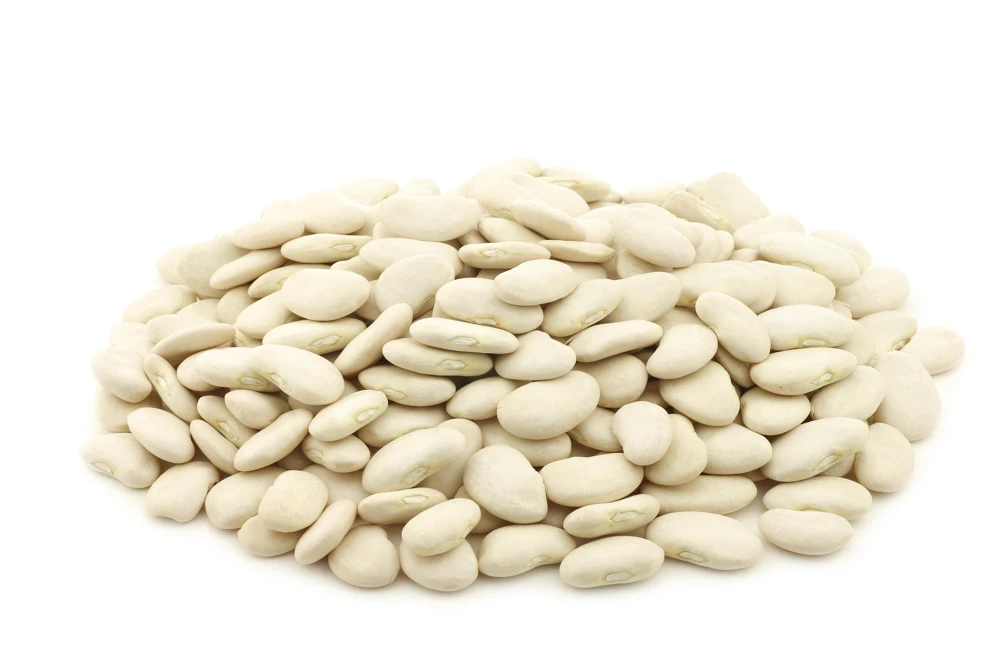
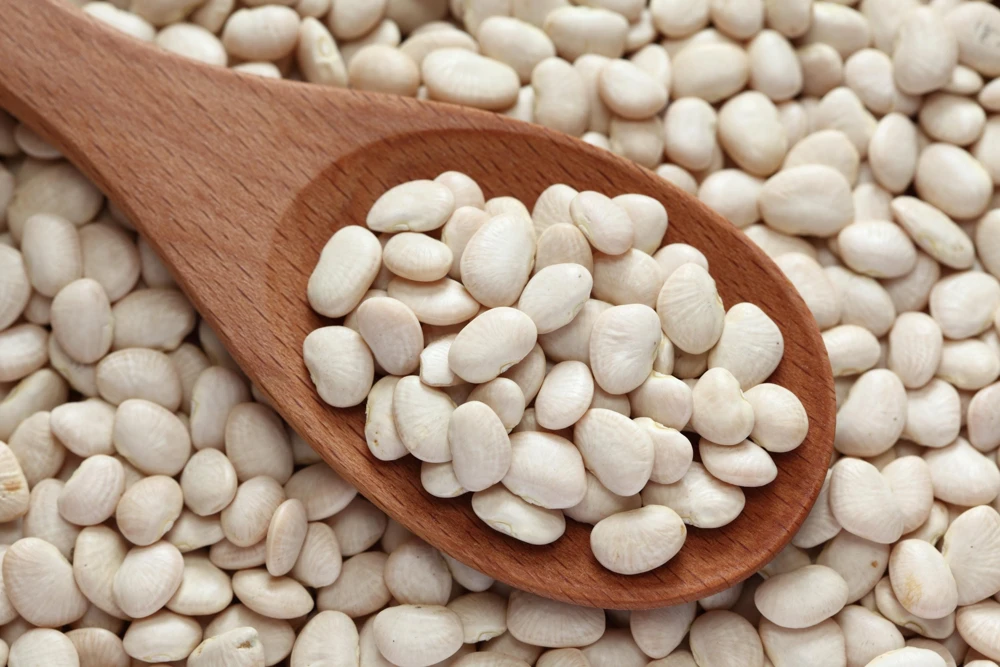
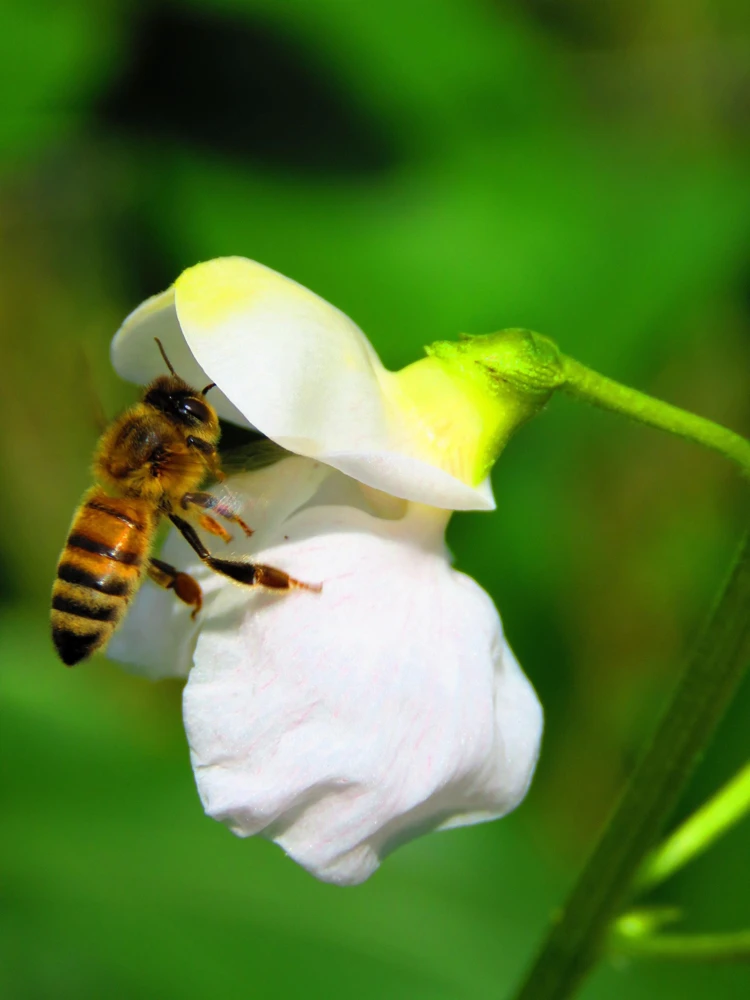
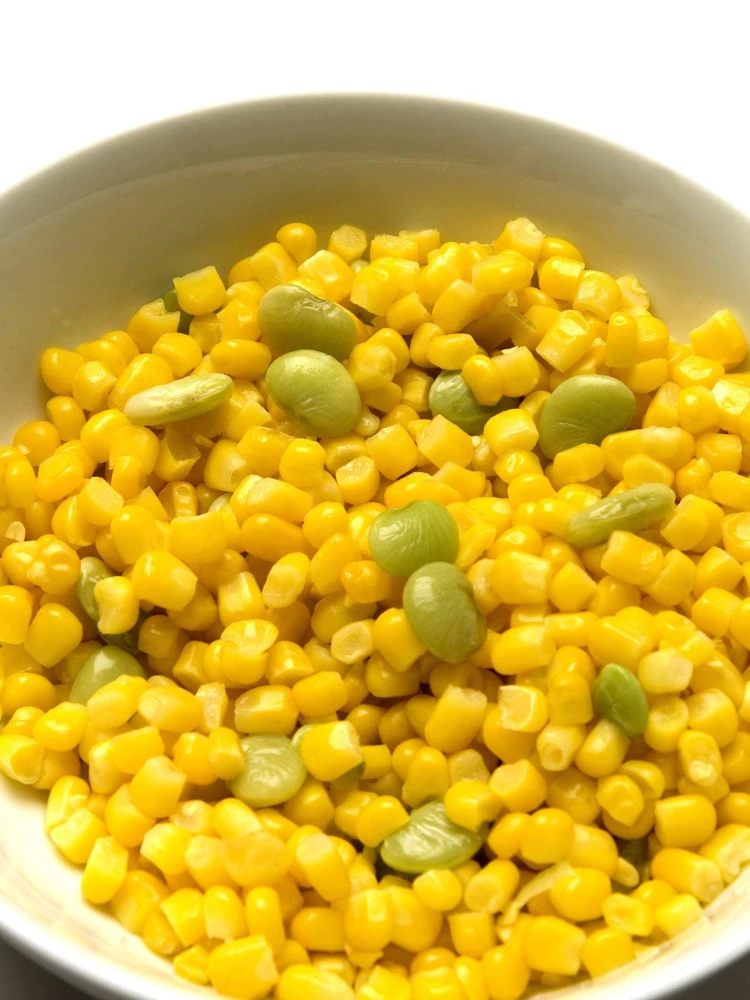
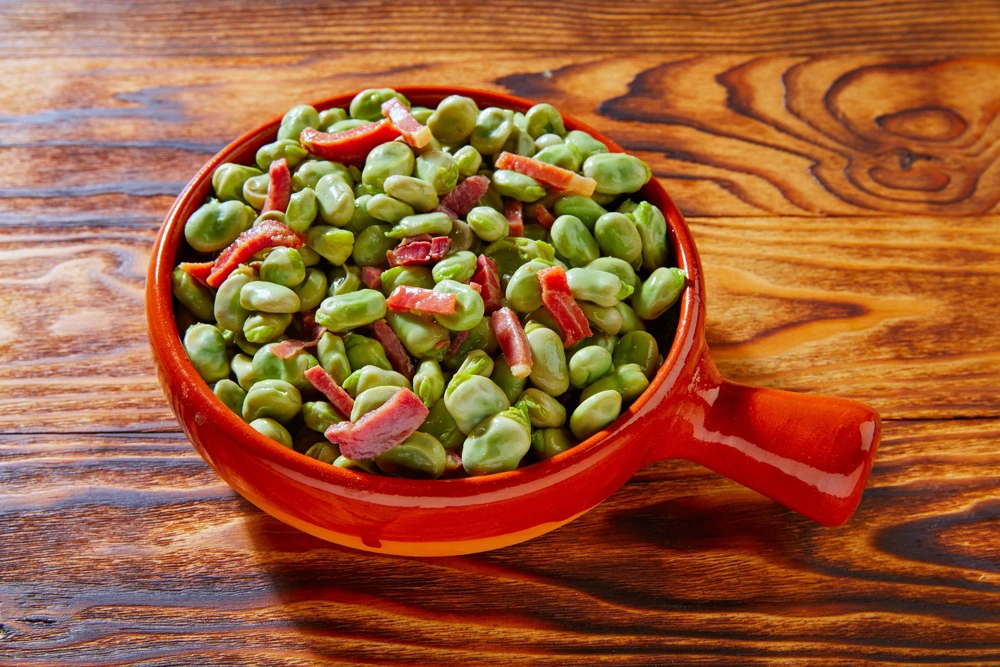
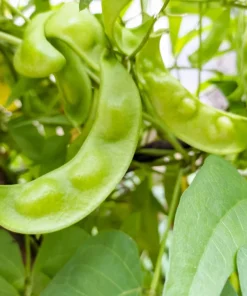
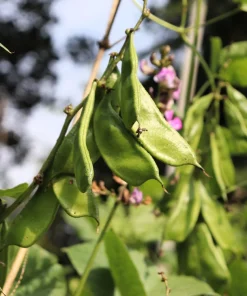
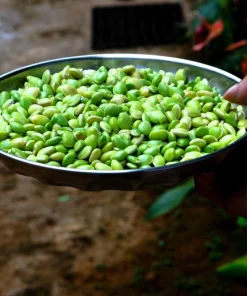
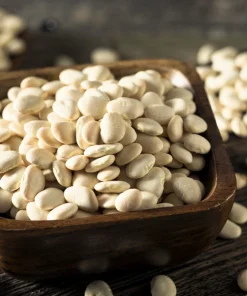
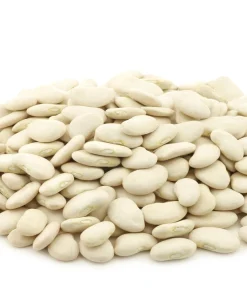
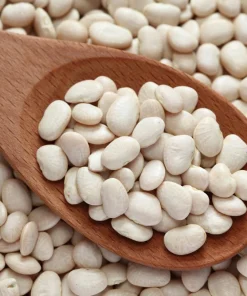
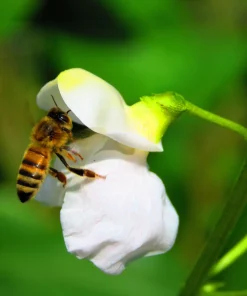
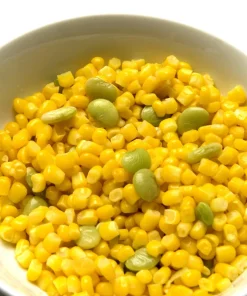
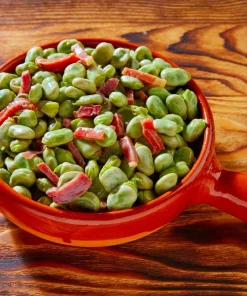
Baby Lima Bean Seeds – 50 Count – Phaseolus Lunatus Vegetable Seeds
Original price was: $36.99.$16.99Current price is: $16.99.
Discover the joy of growing baby lima bean seeds! This variety of Phaseolus Lunatus seeds produces smaller, flavorful beans ideal for a wide range of culinary uses. Perfect for home gardens and easy to grow.
Estimated arrival
Sep 14
Sep 19 - Sep 21
Sep 24 - Sep 28
Shop With Confidence
30-Day Plant Health Guarantee
Arrives damaged? We’ll replace it free — see our return policy.
Responsive Support
Email us anytime, we reply within 1 business day.
Expert Packaging
Temperature-controlled shipping to protect your plants in transit.
Secure Checkout
Pay safely with Visa, Mastercard, PayPal.
Plant Specifications
-
USDA Hardiness Zone
Annual in most zones -
Soil Type
Well-draining, loamy soil -
Sunlight Exposure
Full sun -
Expected Planting Period
Outdoors after frost
Overview
Embark on a rewarding gardening journey with our premium baby lima bean seeds. These Phaseolus Lunatus seeds are specifically selected for their robust growth and delicious yield, offering a delightful addition to any home garden. Known for their distinctive, creamy texture and mild flavor, baby lima beans are a versatile vegetable loved by many. This particular variety produces smaller beans compared to traditional lima beans, making them an excellent choice for a variety of dishes such as soups, stews, pot pies, and mixed vegetable medleys. Growing your own grow lima beans from seed provides the freshest possible produce, ensuring a healthier and more flavorful culinary experience right from your backyard. Our 50-count packet ensures you have plenty of seeds to start a successful harvest, bringing the taste of homegrown goodness to your table.
Whether you’re a seasoned gardener or just starting out, these baby lima bean seeds are an excellent choice. They are relatively easy to cultivate and adapt well to various growing conditions, making them a reliable option for consistent yields. The satisfaction of harvesting your own fresh lima beans is unparalleled, and with these high-quality seeds, you’re set up for success. Enjoy the process of watching your garden flourish and savor the delicious results of your labor.
Key Benefits
Cultivating baby lima bean seeds offers numerous advantages for both your garden and your kitchen. These benefits extend beyond just the delicious taste, contributing to a more sustainable and enjoyable gardening experience.
- Exceptional Flavor and Texture: These smaller beans retain the classic creamy flavor of lima beans but with a more tender texture, making them a gourmet addition to any meal. They are perfect for those who appreciate the delicate taste of fresh legumes.
- Versatile Culinary Use: The compact size of these beans makes them incredibly versatile. They blend seamlessly into soups, casseroles, pot pies, and can be a delightful side dish on their own. Explore new recipes with your homegrown harvest.
- High Yield Potential: With proper care, these grow lima beans plants are known for their generous yield, providing an abundant supply of fresh beans throughout the harvest season. You’ll have plenty to enjoy and share.
- Nutrient-Rich Produce: Lima beans are packed with essential vitamins, minerals, and dietary fiber, contributing to a healthy diet. Growing them at home ensures you get the freshest, most nutritious produce possible.
- Easy to Grow: Ideal for gardeners of all experience levels, these Phaseolus Lunatus seeds are straightforward to plant and maintain. They are resilient and tolerant of various conditions, making them a reliable choice for a successful harvest.
- Space-Efficient Growth: The plants have a manageable height, making them suitable for gardens with limited space. Their compact growth habit allows for efficient use of garden beds.
- Heat Tolerant: This variety tolerates heat well, which is a significant advantage in warmer climates, ensuring sustained growth and production even during hot summer months.
Plant Care & Growing Tips
Ensuring a successful harvest of baby lima bean seeds requires attention to a few key growing conditions. Following these guidelines will help your lima bean planting guide lead to a bountiful yield of delicious beans.
Sunlight Requirements:Baby lima bean seeds thrive in full sun, requiring at least 6-8 hours of direct sunlight per day. Adequate light is crucial for robust growth and optimal bean production. Choose a location in your garden that receives ample sun exposure throughout the day. While they tolerate heat well, consistent sunlight is paramount for these plants to flourish.
Watering Schedule and Soil Moisture: These plants prefer consistently moist, but not waterlogged, soil. Water deeply and regularly, especially during dry spells and when the plants are flowering and forming pods. Aim for about 1 inch of water per week, either from rain or irrigation. Avoid overhead watering to minimize the risk of fungal diseases. Good drainage is essential to prevent root rot.
Soil Type and Drainage:Phaseolus Lunatus seeds grow best in well-draining, fertile loamy soil with a pH between 6.0 and 6.8. Amend heavy clay soils with organic matter like compost to improve drainage and aeration. Before planting, prepare the soil by loosening it to a depth of at least 8-10 inches and incorporating compost to enrich its nutrient content.
Temperature Range and USDA Hardiness Zone: Lima beans are warm-season crops and are sensitive to frost. Plant after all danger of frost has passed and soil temperatures have warmed to at least 65°F (18°C). They thrive in temperatures between 70-85°F (21-29°C). While specific USDA zones are less relevant for annual vegetables grown from seeds, they perform well in most zones where warm summers are present. Protect from early autumn frosts to extend the harvest.
Fertilization: Lima beans are legumes and can fix nitrogen from the atmosphere, so excessive nitrogen fertilization is generally not needed and can even encourage leafy growth at the expense of bean production. If your soil is poor, a balanced, low-nitrogen fertilizer or compost worked into the soil before planting is beneficial. Once plants begin to flower, a phosphorus and potassium-rich fertilizer can support pod development. Regular soil testing can help determine specific nutrient needs.
Common Problems and Solutions: Watch out for common pests like aphids, bean beetles, and spider mites. Organic pest control methods like neem oil or insecticidal soap can be effective. Ensure good air circulation to prevent fungal diseases such as powdery mildew and rust. Crop rotation is also beneficial in preventing soil-borne diseases. Adequate spacing helps with air flow and reduces disease pressure, contributing to a healthy small lima bean variety.
Size & Details
Our 50-count packet of baby lima bean seeds provides ample opportunity to cultivate a thriving crop in your home garden. These plants typically reach a manageable height of 18-24 inches, making them an excellent choice for various garden sizes, including raised beds and containers. Each plant requires approximately 30 inches of spacing to ensure adequate air circulation and nutrient uptake, leading to healthier growth and better yields. The compact nature of this small lima bean variety allows for efficient use of garden space while still producing a significant harvest.
From planting to harvest, you can expect to gather your fresh baby lima beans in approximately 75 days. This relatively quick turnaround makes them a satisfying crop for gardeners eager to enjoy their produce. The seeds are provided in a protective packet, ensuring their viability upon arrival. With proper care and optimal growing conditions, these seeds will germinate and mature into productive plants, offering a continuous supply of delicious beans throughout the growing season. The lima bean planting guide for this specific variety focuses on maximizing your yield within a reasonable timeframe.
Frequently Asked Questions
- Q: What is the best time to plant baby lima bean seeds? A: The best time to plant baby lima bean seeds is after all danger of frost has passed and the soil temperature has consistently reached at least 65°F (18°C), typically in late spring or early summer.
- Q: How much sunlight do these lima beans need? A: This variety of grow lima beans requires full sun, meaning at least 6-8 hours of direct sunlight per day, for optimal growth and bean production.
- Q: How tall do baby lima bean plants get? A: Baby lima bean seeds generally produce plants that grow to a height of 18-24 inches, making them a compact and manageable addition to most gardens.
- Q: Are these lima beans suitable for container gardening? A: Yes, due to their relatively compact size, this small lima bean variety can be successfully grown in large containers, provided they receive adequate sunlight and consistent moisture.
- Q: How long does it take to harvest baby lima beans? A: You can expect to harvest your first batch of baby lima beans approximately 75 days after planting, given favorable growing conditions.
- Q: What kind of soil is best for planting lima beans? A: Well-draining, fertile loamy soil with a pH between 6.0 and 6.8 is ideal for growing Phaseolus Lunatus seeds. Amending with compost can improve soil quality.
- Q: Do I need to fertilize baby lima bean plants? A: Lima beans are legumes and fix nitrogen, so heavy nitrogen fertilization is usually not needed. A balanced, low-nitrogen fertilizer or compost before planting is often sufficient, with a phosphorus-potassium boost during flowering if needed.
- Q: Are these seeds a specific type of lima bean? A: Yes, these are baby lima bean seeds, a smaller variety of Phaseolus Lunatus, known for their tender texture and excellent flavor, making them ideal for a range of dishes.
- Q: What is the recommended spacing for these plants? A: For optimal growth and yield, space your baby lima bean plants about 30 inches apart. This allows for good air circulation and root development.
- Q: Can these beans be frozen for later use? A: Yes, fresh baby lima beans can be blanched and then frozen, allowing you to enjoy your homegrown harvest long after the growing season has ended.
Be the first to review “Baby Lima Bean Seeds – 50 Count – Phaseolus Lunatus Vegetable Seeds”
People Also Viewed
Vegetable Seeds
Reviews
There are no reviews yet.