
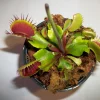
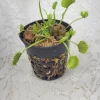
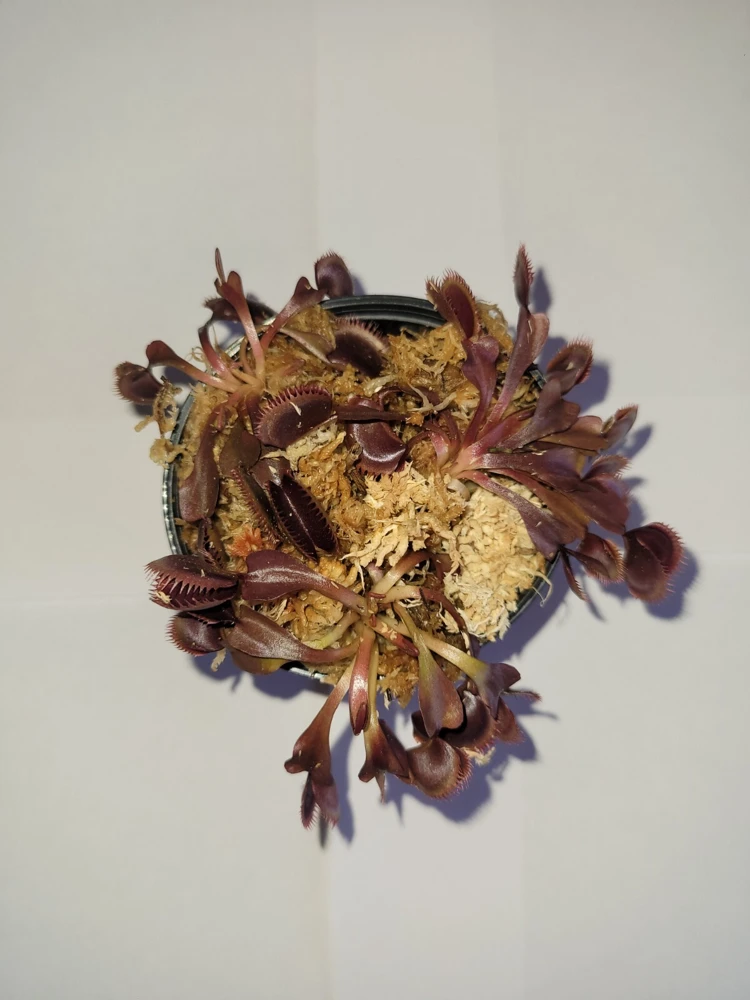
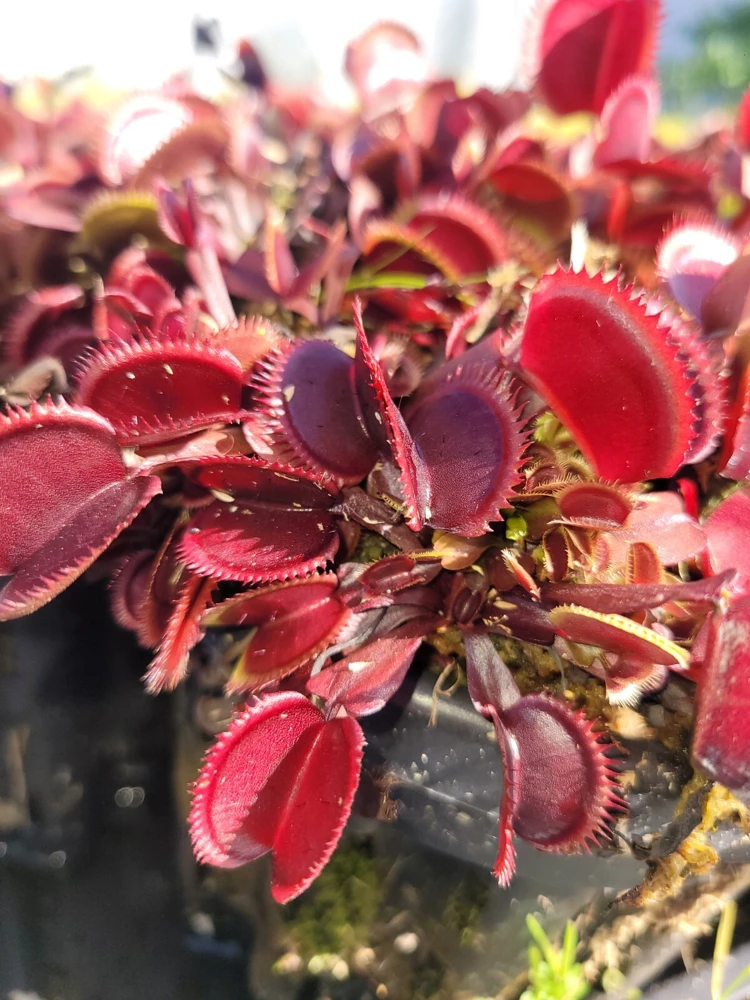
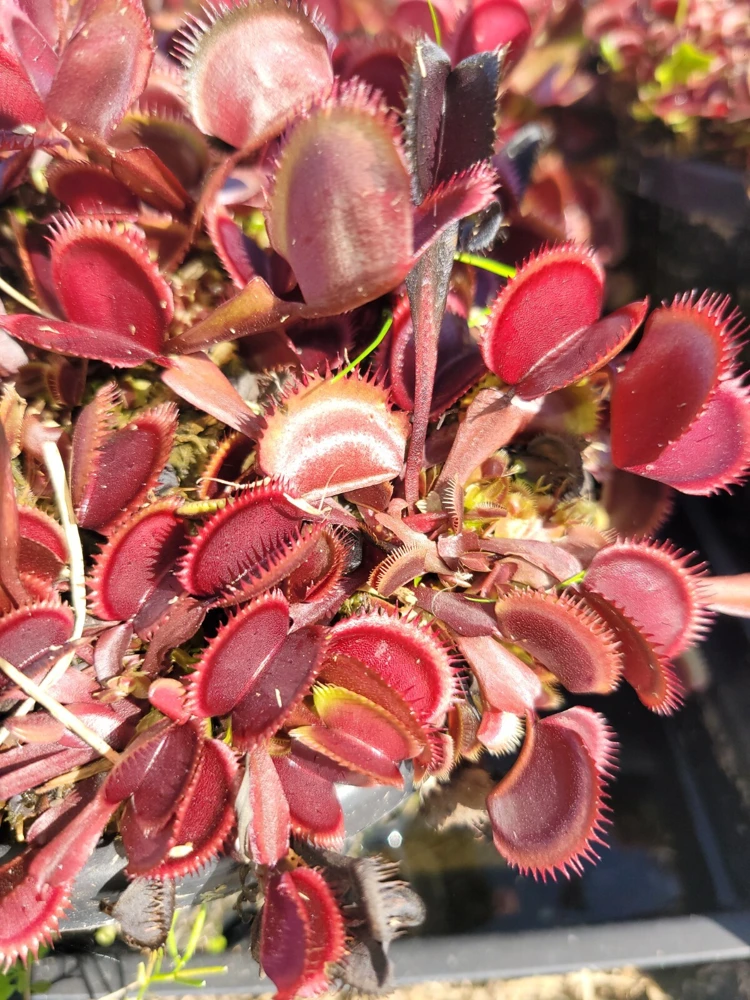
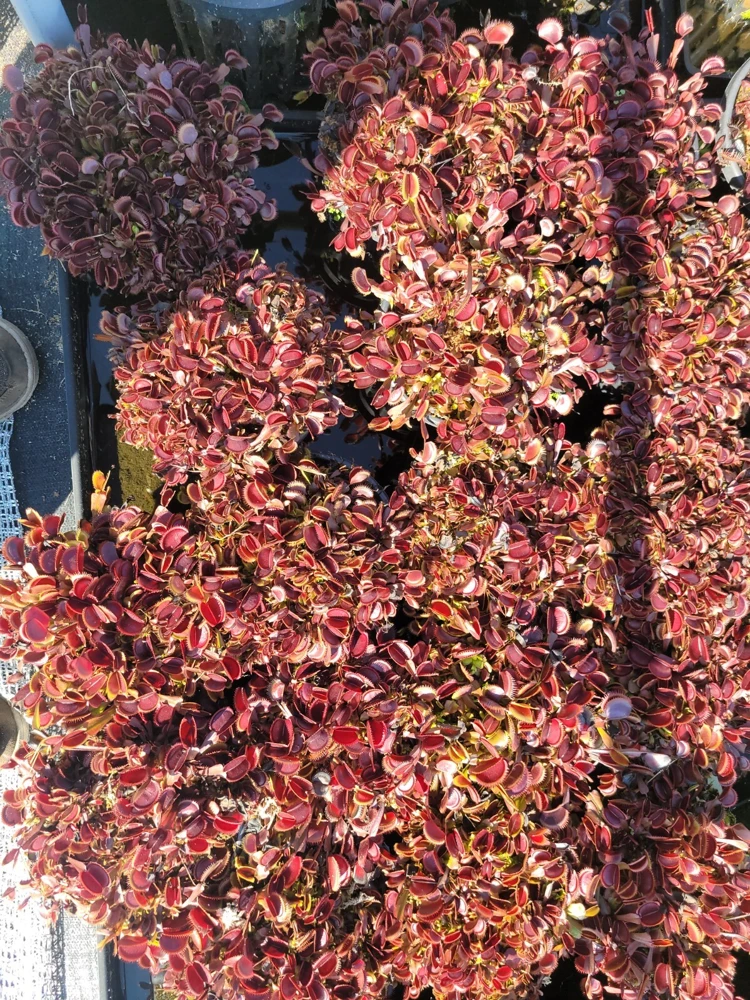
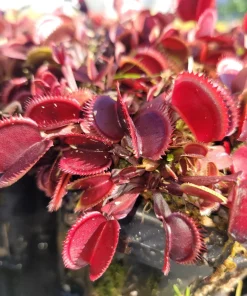
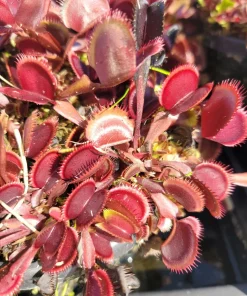
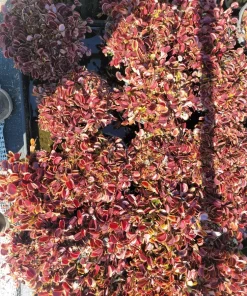
3 Small Red Piranha Venus Flytrap Live Plant – Carnivorous Dionaea Muscipula
Original price was: $80.99.$55.99Current price is: $55.99.
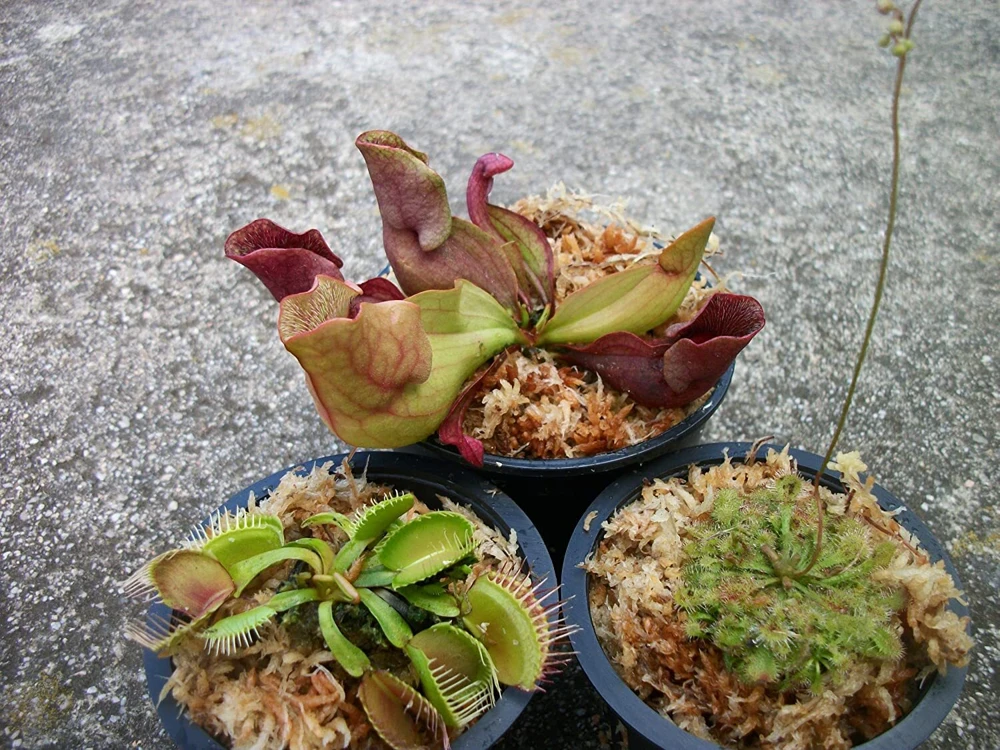
Introduce the fascinating Red Piranha Venus Flytrap live plant to your home or garden. These 3 small, healthy carnivorous plants are perfect for catching insects and adding exotic flair. Ideal for both indoor and outdoor settings, they are a unique conversation starter and easy to grow with proper carnivorous plant care.
Estimated arrival
Sep 29
Oct 04 - Oct 06
Oct 09 - Oct 13
Shop With Confidence
30-Day Plant Health Guarantee
Arrives damaged? We’ll replace it free — see our return policy.
Responsive Support
Email us anytime, we reply within 1 business day.
Expert Packaging
Temperature-controlled shipping to protect your plants in transit.
Secure Checkout
Pay safely with Visa, Mastercard, PayPal.
Plant Specifications
-
USDA Hardiness Zone
9 (20 to 30 °F) -
Soil Type
Peat-based, acidic, well-draining soil -
Sunlight Exposure
Full Sun -
Expected Planting Period
Year-round indoors; Spring to early summer outdoors
Overview
Unleash the wild beauty of nature with this offering of Red Piranha Venus Flytrap live plant specimens. Known scientifically as Dionaea Muscipula, these captivating carnivorous plants are celebrated for their distinctive, toothy traps that snap shut on unsuspecting insects. Each plant is a miniature marvel, showcasing vibrant red interiors and robust growth. The ‘Red Piranha’ cultivar is particularly prized for its striking coloration and aggressive trapping ability, making it a favorite among plant enthusiasts and a fascinating educational tool. These carnivorous plants are not only beautiful but also serve a practical purpose by naturally controlling small insect populations in their environment. Perfect for adding an exotic touch to a terrarium, a sunny windowsill, or a bog garden, these live plants bring a piece of the wild right into your home.
These Red Piranha Venus Flytrap live plant specimens are offered as 3 small, healthy plants, ready to thrive in their new home. They are renowned for their unique feeding mechanism and their ability to add a dramatic visual element to any plant collection. Whether you’re a seasoned collector of carnivorous plants or a curious beginner, these Venus Flytraps offer an engaging and rewarding growing experience. Their resilience and relatively straightforward care make them an excellent choice for anyone looking to explore the world of predatory flora.
Key Benefits
Owning a Red Piranha Venus Flytrap live plant comes with a host of unique advantages, blending aesthetic appeal with natural functionality. These plants are more than just decorative; they are active participants in their ecosystem, offering a truly interactive experience for their caretakers.
- Natural Pest Control: These carnivorous plants are highly effective at catching and digesting small insects like flies, mosquitoes, and gnats, providing a natural and chemical-free method of pest management in your home or garden.
- Unique Aesthetic Appeal: With their vibrant red traps and intricate structure, Red Piranha Venus Flytrap live plant specimens are visually stunning and serve as an instant conversation starter. They add an exotic and intriguing element to any plant display.
- Educational Value: Observing the trapping mechanism of the Dionaea Muscipula care provides a fascinating educational opportunity for all ages, illustrating the wonders of plant adaptation and biology.
- Low Maintenance (with specific conditions): Once their specific environmental needs for light, water, and soil are met, Venus Flytraps are surprisingly easy to maintain, requiring less frequent attention than many other houseplants.
- Adaptable to Various Settings: Suitable for both indoor cultivation on a sunny windowsill or under grow lights, and outdoor bog gardens in appropriate climates, offering versatility in placement.
- Stimulates Curiosity: The dynamic nature of these plants, particularly their trap movements, can spark a deeper interest in botany and the natural world.
- Long-Lived Companions: With proper carnivorous plant care, Venus Flytraps can live for many years, becoming a long-term and rewarding part of your plant collection.
Plant Care & Growing Tips
Providing the right environment is crucial for the health and vitality of your Red Piranha Venus Flytrap live plant. While their care requirements are specific, they are not overly difficult once understood. The key is to mimic their natural bog habitat as closely as possible.
Sunlight Requirements: These carnivorous plants thrive in bright, direct sunlight. For optimal growth and vibrant red coloration, aim for at least 4-6 hours of direct sun daily. If grown indoors, a south-facing window is ideal, or consider supplementing with a full-spectrum grow light to ensure they receive adequate intensity. Insufficient light can lead to weak, pale growth and traps that don’t color up or function properly. They are considered an indoor/outdoor plant, meaning they can be grown outside in suitable climates.
Watering Schedule and Soil Moisture: The most critical aspect of Dionaea Muscipula care is watering. Venus Flytraps require consistently moist soil, but never waterlogged. Use only distilled water, rainwater, or reverse osmosis water. Tap water, even filtered, contains minerals that can build up and kill the plant over time. The tray method is highly recommended: place the pot in a tray filled with about 1 inch of water. Allow the tray to dry out completely before refilling. This mimics their natural bog environment. During dormancy (winter), reduce watering slightly but never let the soil dry out completely. Heavy watering is generally preferred during the growing season.
Soil Type and Drainage: Venus Flytraps need a specific, nutrient-poor soil mix. A common and effective blend is a 1:1 ratio of peat moss (without added fertilizers) and perlite or horticultural sand. Do not use standard potting soil, as it contains fertilizers and minerals that will harm the plant. Good drainage is essential, despite the constant moisture, to prevent root rot. The soil pH should be acidic, which peat moss naturally provides. When considering Venus Flytrap for sale, always ensure you have the correct soil type ready.
Temperature Range and USDA Hardiness Zone: These plants prefer temperate climates. During the growing season, temperatures between 70-95°F (21-35°C) are ideal. They require a winter dormancy period, where temperatures should drop to between 35-50°F (2-10°C) for 3-5 months. This dormancy is crucial for their long-term health and survival. The USDA Hardiness Zone for Venus Flytraps is typically 9 (20 to 30 °F), meaning they can survive mild winters outdoors in these zones. For colder climates, they should be brought indoors or overwintered in a cool, unheated space.
Fertilization Schedule and Type: Do not fertilize Venus Flytraps through the soil. They obtain all necessary nutrients from the insects they catch. Fertilizers will burn their roots and kill the plant. If your plant is not catching enough insects naturally, you can feed it a small, live insect (like a fly or spider) every few weeks during the growing season. Avoid feeding it processed meats or anything larger than one-third of the trap size.
Common Problems and Solutions: Yellowing leaves often indicate too much sun, too little water, or incorrect water type. Blackening traps are normal as old traps die off, but excessive blackening can point to overfeeding, too much moisture, or lack of dormancy. Ensure proper light, water, and soil conditions to prevent most issues. If you buy carnivorous plants, understanding these basics will ensure their longevity.
Size & Details
This offering includes 3 small, healthy Red Piranha Venus Flytrap live plant specimens. Each plant typically arrives with a few active traps and a robust root system, ready to establish in their new environment. While exact dimensions can vary slightly due to their live nature, each plant generally measures around 3.5 inches in width, encompassing the spread of its traps. These are young plants, providing the satisfying experience of watching them mature and grow into larger, more formidable insect predators. They are shipped as live plants, carefully packaged to ensure their safe arrival. With proper carnivorous plant care, these small plants will grow steadily, developing more traps and increasing in size over several months to a year. They exhibit a clumping growth habit, forming a dense rosette of traps over time. Expect a slow growth rate, a characteristic of many carnivorous species, rewarding patience with their unique development.
Frequently Asked Questions
- Q: How big do these Venus Flytraps get? A: These are 3 small plants, each typically around 3.5 inches wide upon arrival. With proper care, they can grow to form a clump of traps up to 5-6 inches in diameter over several seasons.
- Q: Is this an indoor or outdoor plant? A: The Red Piranha Venus Flytrap live plant is versatile and can be grown both indoors on a sunny windowsill or under grow lights, and outdoors in bog gardens within its USDA Hardiness Zone 9.
- Q: How much sunlight does it need? A: This carnivorous plant requires at least 4-6 hours of direct sunlight daily to thrive and develop its vibrant red coloration. More light generally leads to healthier, more colorful traps.
- Q: Is this plant easy to care for? A: Yes, with an understanding of its specific needs for distilled water, peat-based soil, and bright light, the Dionaea Muscipula care is relatively straightforward for beginners and experienced growers alike.
- Q: What condition will it arrive in? A: Your 3 small Red Piranha Venus Flytrap live plant specimens will arrive healthy and carefully packaged, ensuring they are ready to be planted and begin thriving in their new home.
- Q: What type of water should I use for my Venus Flytrap? A: Always use distilled water, rainwater, or reverse osmosis water. Tap water contains minerals that can harm your carnivorous plant over time.
- Q: Does the Red Piranha Venus Flytrap need to eat insects? A: Yes, Venus Flytraps obtain essential nutrients from insects. If grown indoors and not catching enough bugs, you can manually feed them a small live insect every few weeks.
- Q: When is the best time to plant these Venus Flytraps? A: These potted plants can be planted year-round indoors. If planting outdoors in a bog garden, spring or early summer is ideal after the last frost.
- Q: Will it survive winter in my zone? A: The Red Piranha Venus Flytrap live plant is hardy to USDA Zone 9 (20 to 30 °F). In colder zones, it will need to be overwintered indoors in a cool, dormant state.
- Q: What kind of soil is best for Venus Flytraps? A: A mixture of peat moss (fertilizer-free) and perlite or horticultural sand in a 1:1 ratio is ideal for these carnivorous plants, providing the necessary acidic and nutrient-poor environment.
Be the first to review “3 Small Red Piranha Venus Flytrap Live Plant – Carnivorous Dionaea Muscipula”
People Also Viewed
Flowers
Annabelle White Fuchsia Live Plant – 2 Pack, 5″ Pot, White Flowering, Shade-Loving, Ornamental
Houseplants
Syngonium Live Plant Arrowhead Vine – 4in Pot – Green & White Indoor Tropical Houseplant
Reviews
There are no reviews yet.