
Yellow Witch Hazel Live Plant – Hamamelis Shrub, 6-12 Inch Tall, Quart Pot
Original price was: $46.99.$21.99Current price is: $21.99.
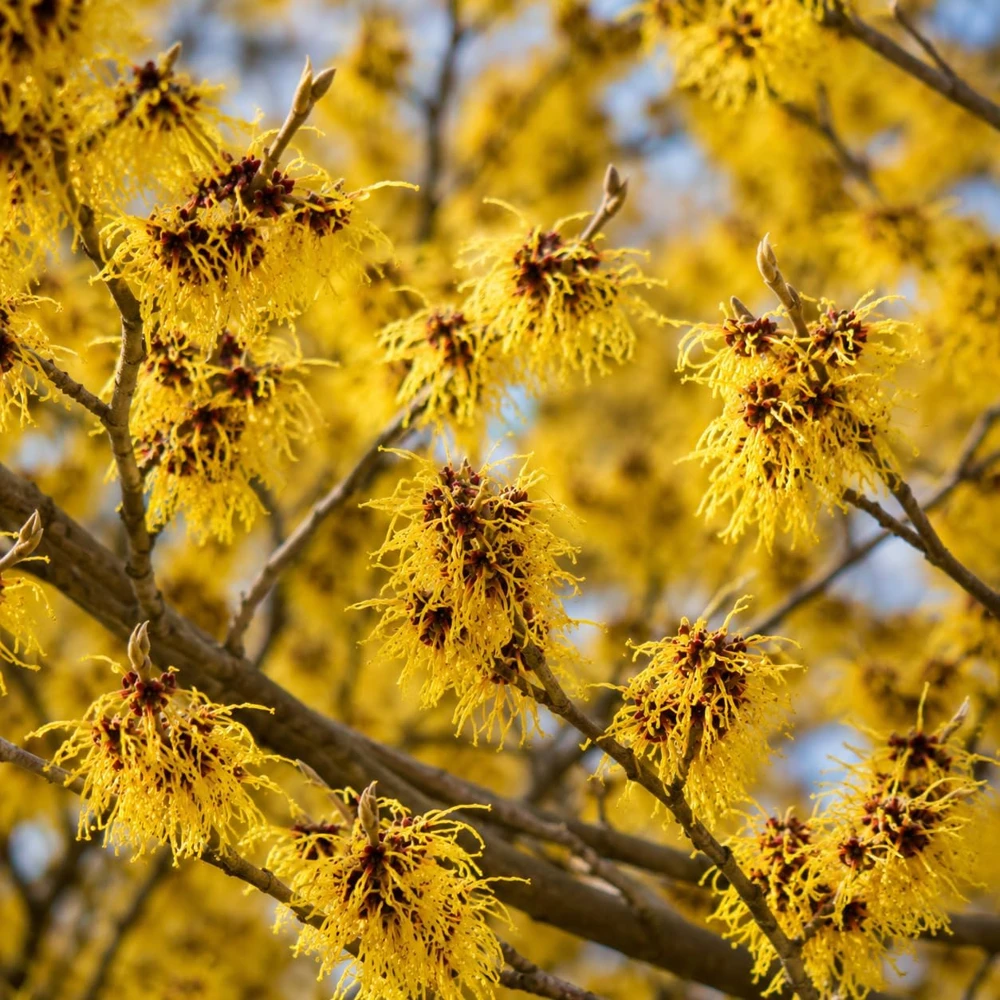
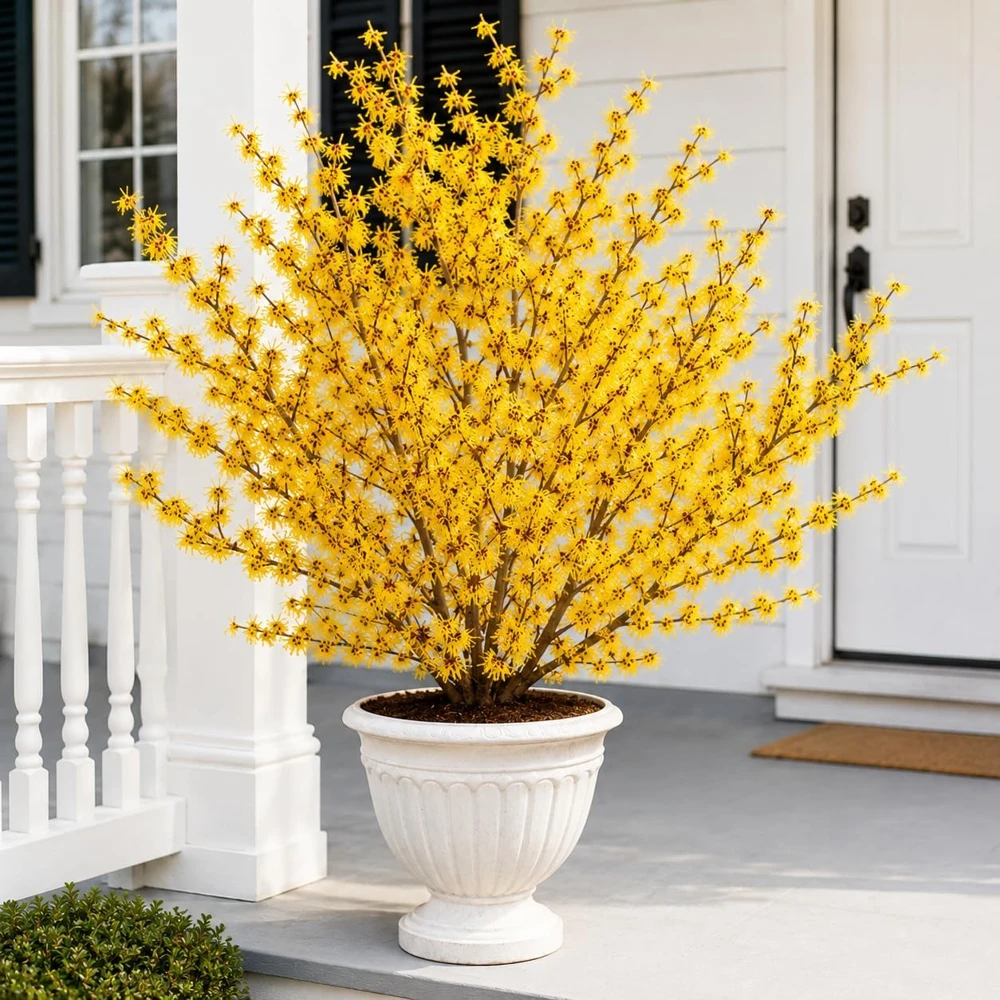
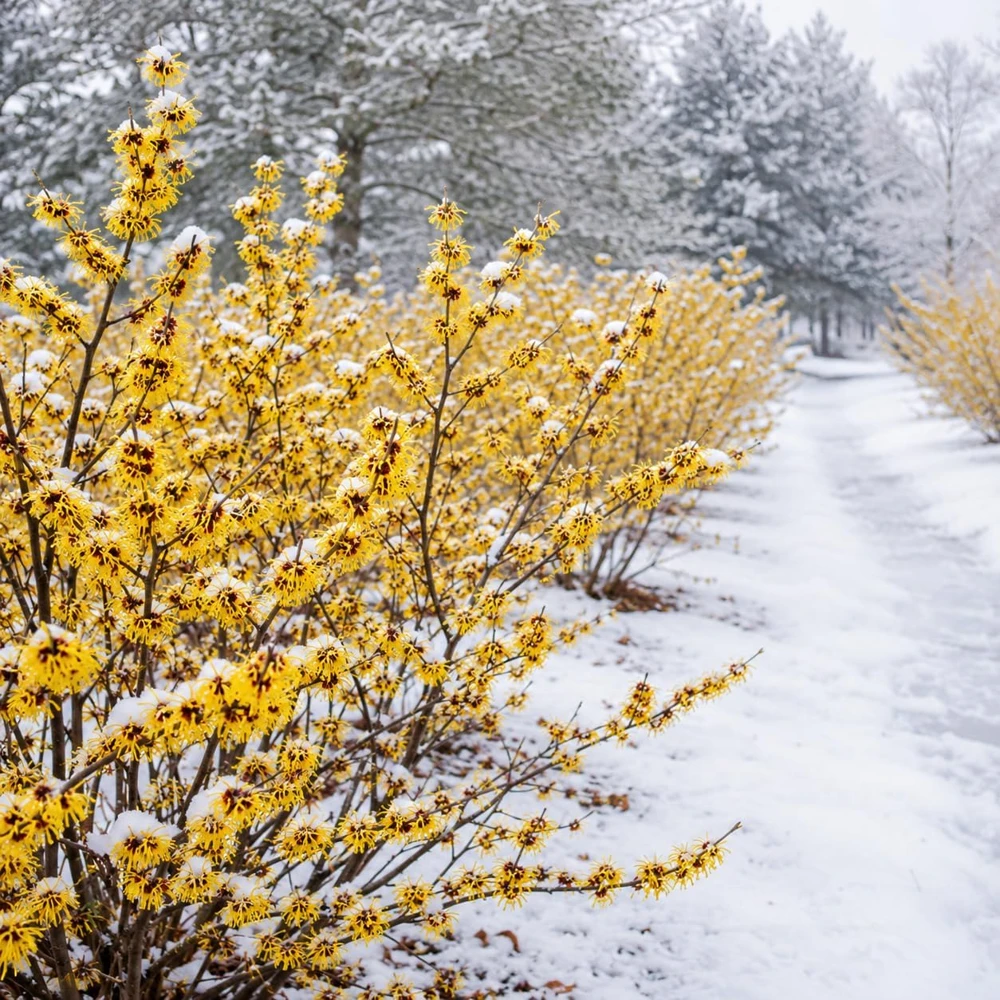
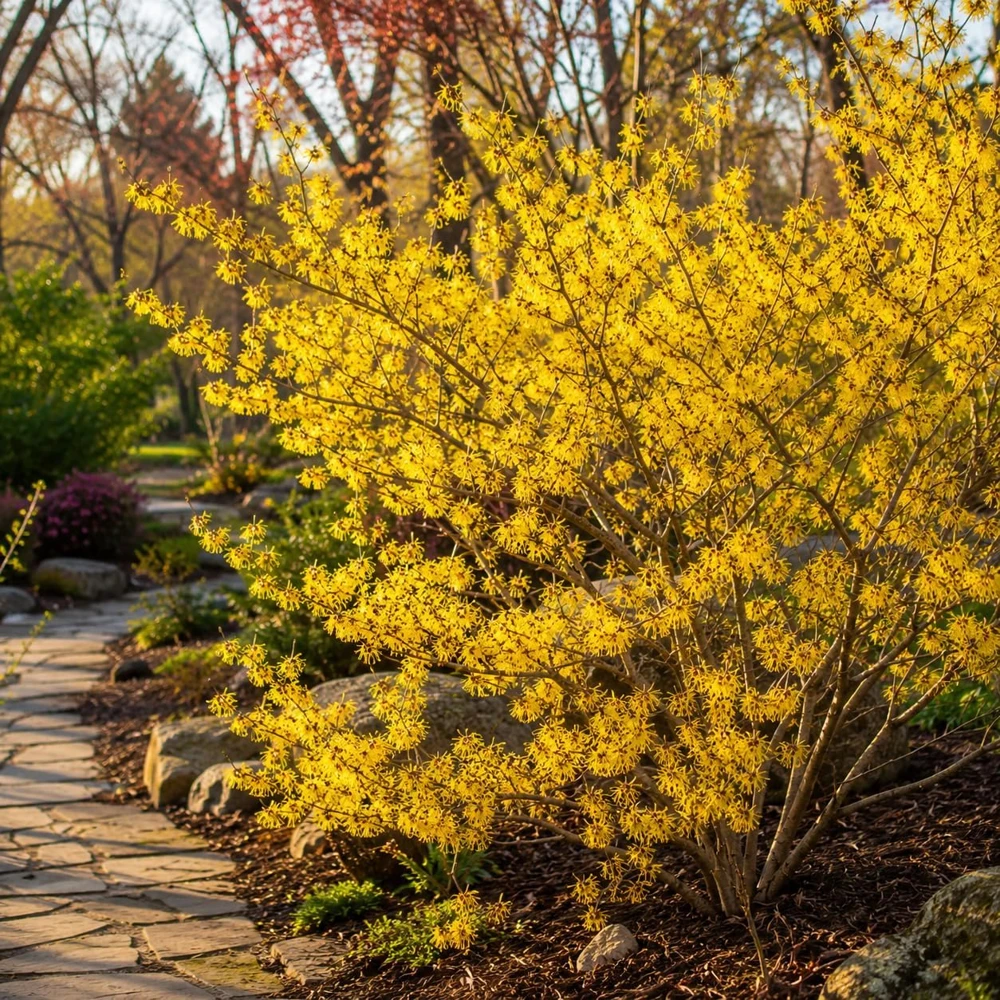
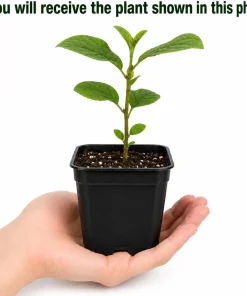
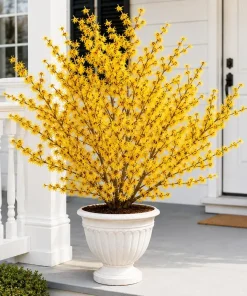
Introduce vibrant winter color with a yellow witch hazel live plant. This deciduous Hamamelis shrub offers fragrant, spidery yellow blooms from late fall to early spring, brightening your landscape when other plants are dormant. Arrives 6-12 inches tall in a quart pot.
Estimated arrival
Oct 10
Oct 15 - Oct 17
Oct 20 - Oct 24
Shop With Confidence
30-Day Plant Health Guarantee
Arrives damaged? We’ll replace it free — see our return policy.
Responsive Support
Email us anytime, we reply within 1 business day.
Expert Packaging
Temperature-controlled shipping to protect your plants in transit.
Secure Checkout
Pay safely with Visa, Mastercard, PayPal.
Plant Specifications
-
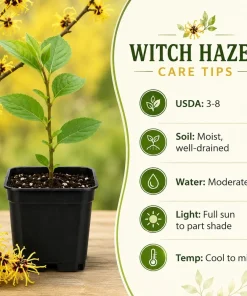
USDA Hardiness Zone
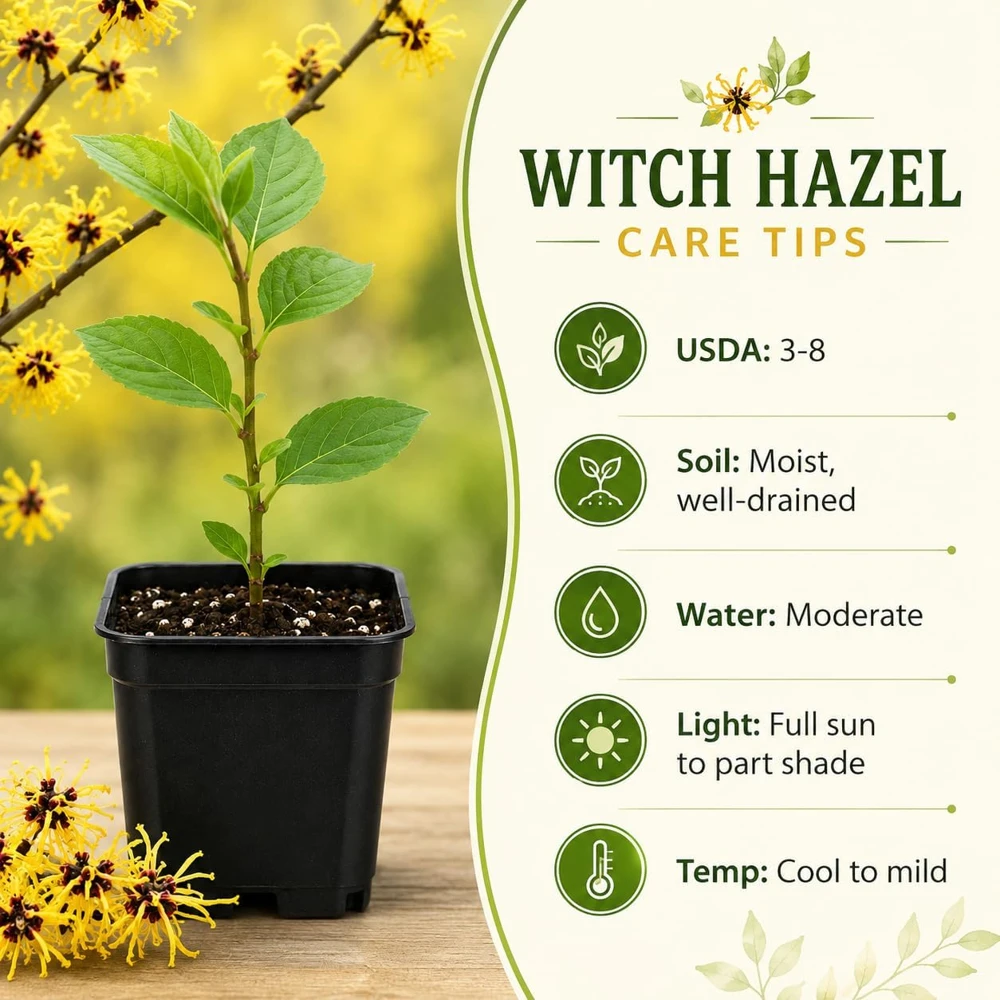
3-9 -
Soil Type
Well-draining, acidic to neutral soil -
Sunlight Exposure
Full sun to partial shade -
Expected Planting Period
Spring or Fall
Overview
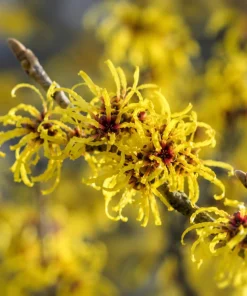
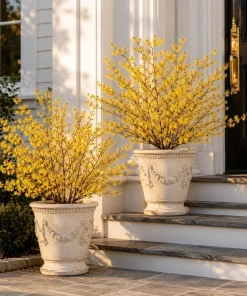
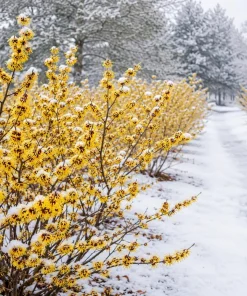
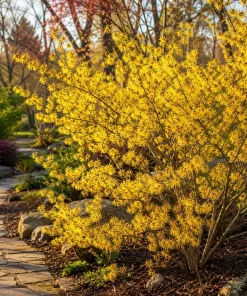
Introduce a splash of unexpected color to your garden during the colder months with the remarkable yellow witch hazel live plant. This deciduous shrub, scientifically known as Hamamelis mollis or a similar yellow-flowering hybrid, is celebrated for its distinctive, spidery yellow flowers that emerge from late fall through early spring, often before other plants even begin to stir. Unlike many plants that go dormant and offer little visual appeal in winter, the yellow witch hazel live plant provides vibrant blooms and a sweet, subtle fragrance that can brighten even the dullest winter day. Perfect for adding a unique focal point, this Hamamelis shrub is a hardy and rewarding addition to any landscape, offering both beauty and a touch of botanical intrigue. The Witch Hazel genus, Hamamelis, is renowned for its late-season to early-season blossoms, making it an invaluable asset for extending the gardening season. This particular variety, with its striking yellow flowers, brings a cheerful disposition to an otherwise dormant garden. Whether you’re an experienced gardener or just starting, growing a yellow witch hazel live plant is a delightful experience, promising a spectacle when most other plants are asleep.
Key Benefits
The yellow witch hazel live plant offers a multitude of benefits that make it a cherished choice for discerning gardeners. Its unique characteristics contribute significantly to both aesthetic appeal and garden health, making it an excellent winter blooming plant.
- Exceptional Winter Interest: Provides vibrant yellow, fragrant blooms from late fall through early spring, offering much-needed color and life when most other plants are dormant. This makes it a standout feature in any winter garden, creating an eye-catching display.
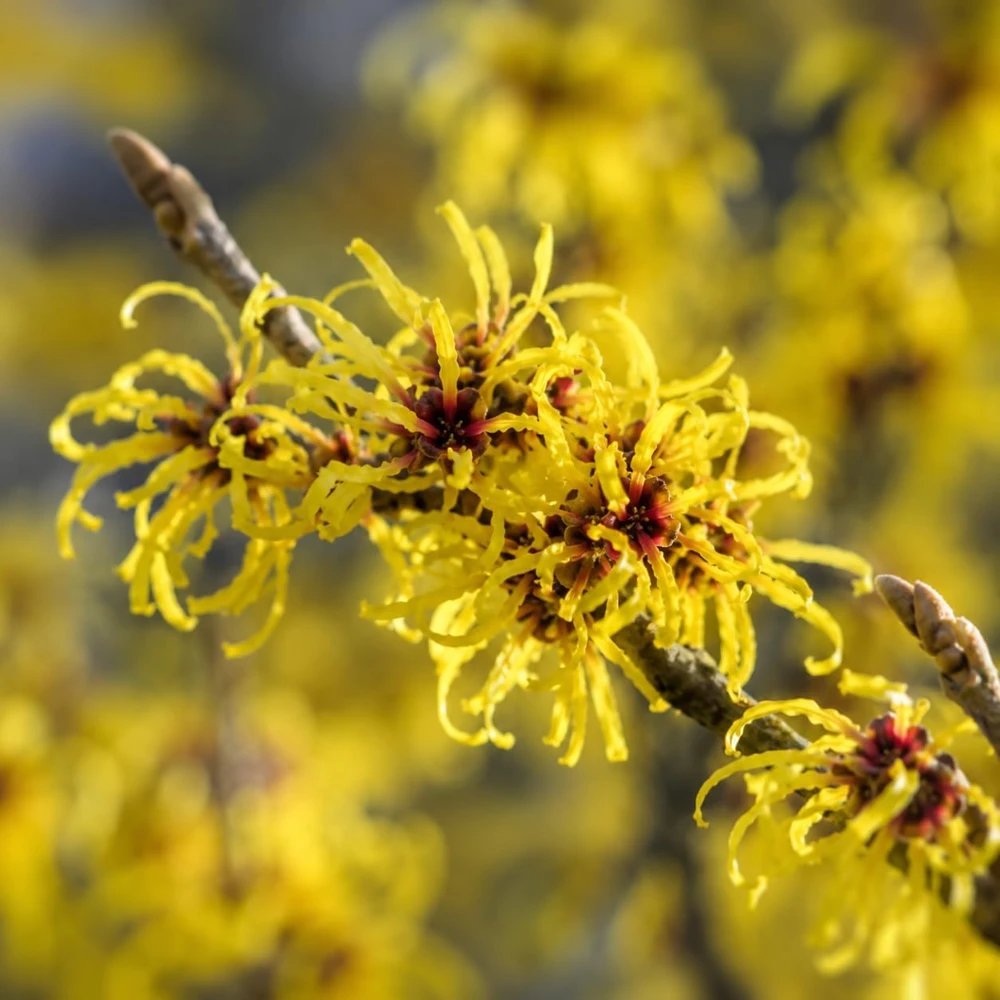
- Unique Floral Display: The spidery, ribbon-like petals of the yellow flowering bushes are truly distinctive, creating an unusual and captivating visual texture in the landscape. Each bloom is a miniature work of art, adding an exotic touch.
- Fragrant Blooms: Many varieties of witch hazel, including this yellow-flowering type, emit a delicate, sweet fragrance that can be enjoyed even on chilly days, adding an olfactory dimension to your winter garden experience. The subtle scent is a pleasant surprise.
- Low Maintenance and Hardy: Once established, the yellow witch hazel live plant is relatively low-maintenance and quite hardy, thriving in USDA Zones 3-9. It’s an excellent choice for gardeners seeking resilient plants that require minimal fuss.
- Deer Resistant: Generally not favored by deer, making it a good option for gardens in areas where deer browsing is a concern, helping to protect your investment and enjoyment of your beautiful shrub.
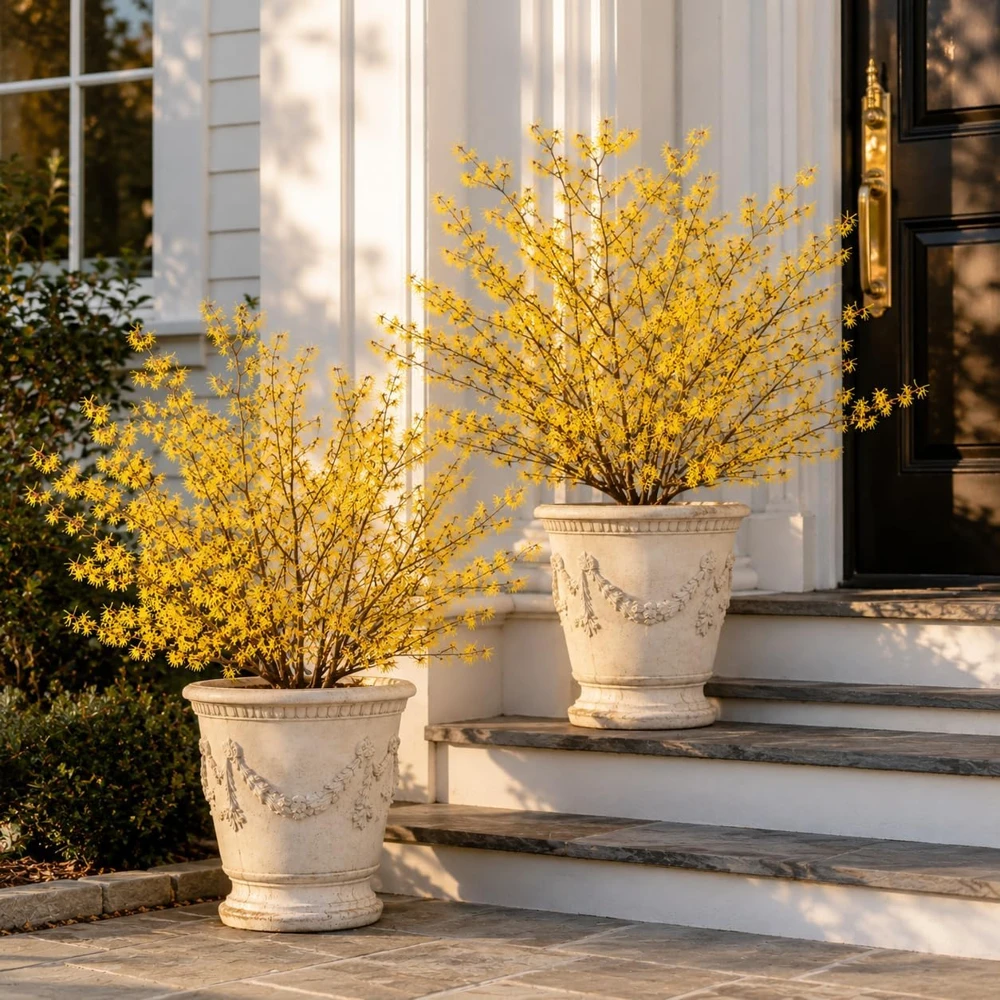
- Versatile Landscape Use: Can be used as a specimen plant, in mixed borders, or as part of a woodland garden design, adding structural interest and seasonal beauty. Its upright, spreading habit provides good form and presence.
- Attracts Early Pollinators: The early blooming period provides a valuable nectar source for any early emerging pollinators, contributing to local biodiversity and ecosystem health at a crucial time of year.
Plant Care & Growing Tips
Proper witch hazel plant care is essential for ensuring your yellow witch hazel live plant thrives and produces its stunning winter blooms. This deciduous shrub is relatively easy to care for, but understanding its specific needs will help it flourish in your garden. For optimal growth, plant your witch hazel in a location that receives full sun to partial shade. Full sun encourages denser flowering, while partial shade, especially in hotter climates, can protect it from scorching afternoon sun. Aim for at least 4-6 hours of direct sunlight daily for the best results. When it comes to soil, the yellow witch hazel live plant prefers well-draining, acidic to neutral soil that is rich in organic matter. Avoid heavy clay soils that retain too much moisture, as this can lead to root rot. Regular watering is crucial during the first year of establishment, ensuring the soil remains consistently moist but not waterlogged. Once established, witch hazel is moderately drought-tolerant but will benefit from supplemental watering during prolonged dry spells. Fertilize in early spring with a balanced, slow-release granular fertilizer formulated for trees and shrubs. Pruning should be done after flowering to maintain shape and remove any dead or crossing branches. Minimal pruning is typically needed, as witch hazel develops an attractive natural form.
Size & Details
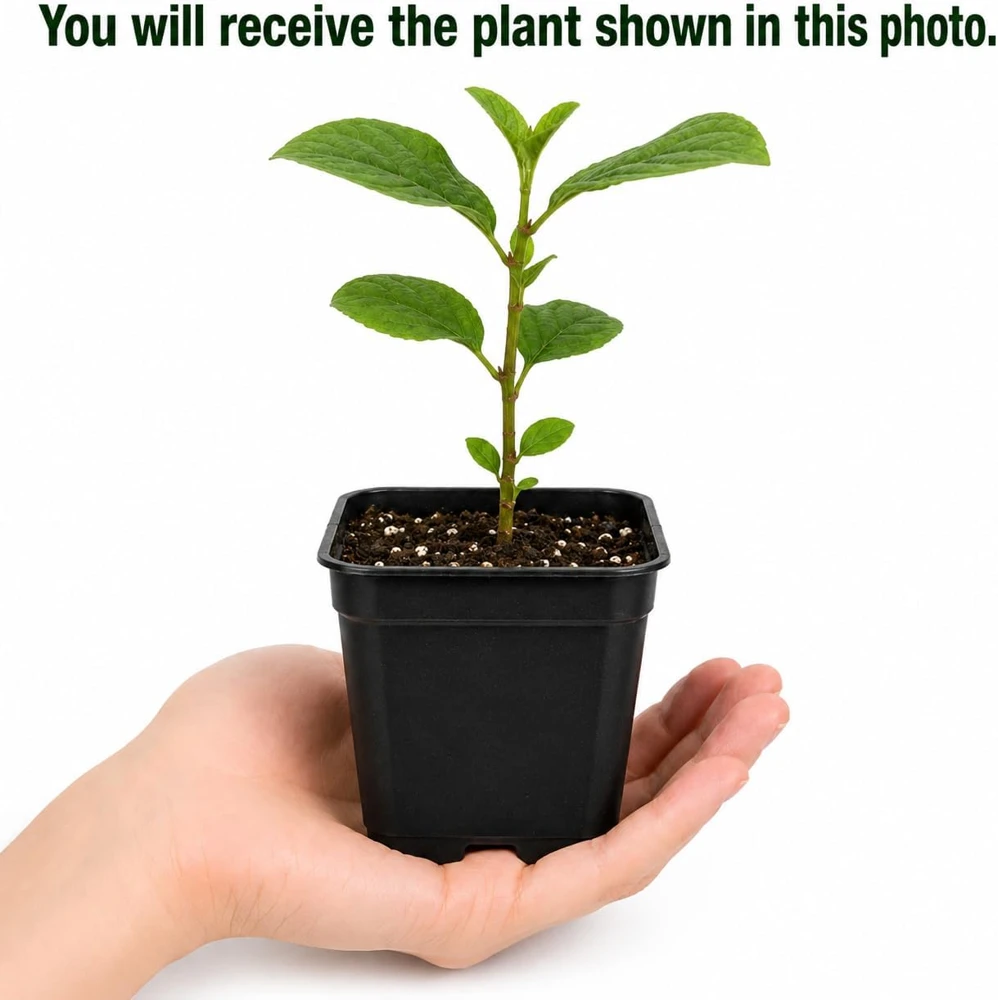
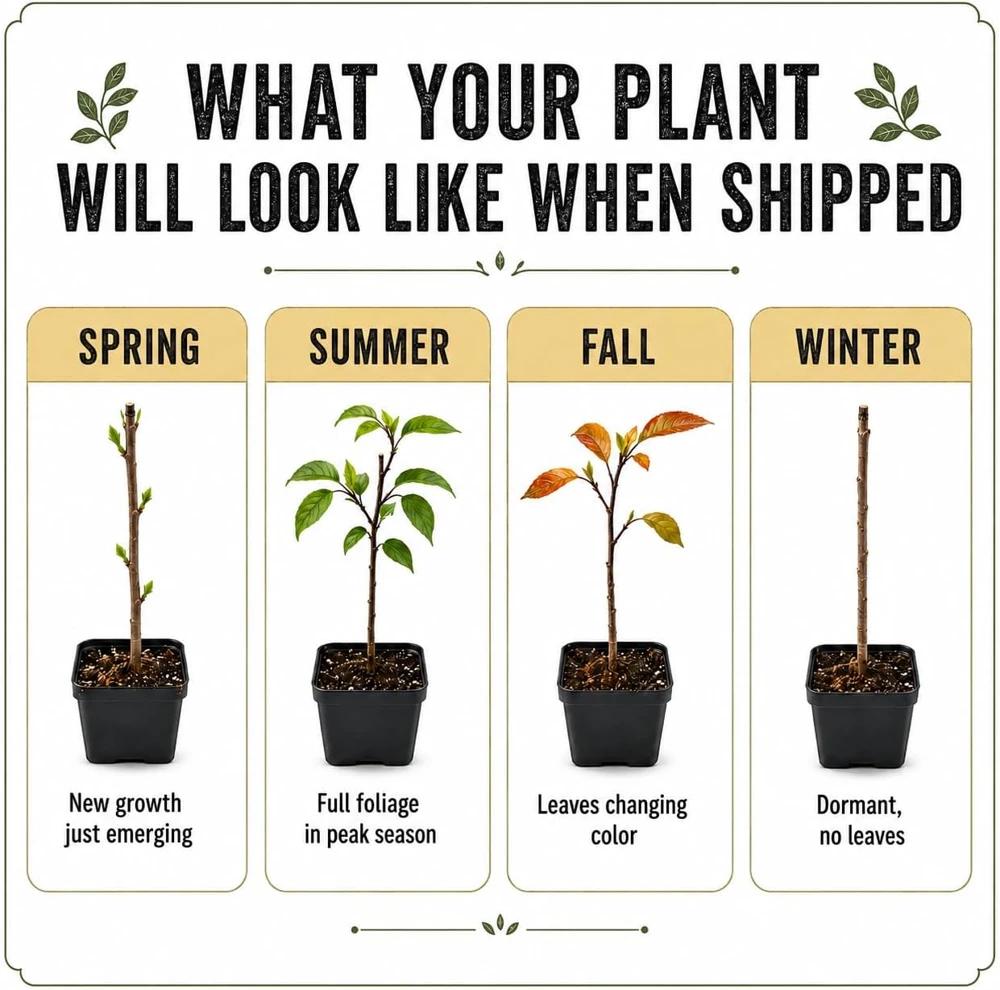
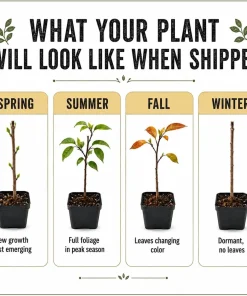
This offering is for a yellow witch hazel live plant, typically arriving 6-12 inches tall, planted in a quart-sized nursery pot. This size is ideal for establishing quickly in your garden, allowing for robust root development. The plant is deciduous and may arrive dormant, especially during colder months, which is a natural and healthy state for a winter blooming plant. It will leaf out and begin to grow vigorously as temperatures warm. Expect this Hamamelis shrub to reach a mature height of 10-20 feet with a similar spread, though it can be maintained at a smaller size with pruning. Its moderate growth rate means you will enjoy its unique beauty for many years. It typically begins to bloom in late fall or early winter, providing a spectacular show when other plants are bare.
Frequently Asked Questions
- Q: How big does this yellow witch hazel live plant get? A: A mature yellow witch hazel live plant can reach heights of 10-20 feet and a similar spread, creating a substantial presence in your landscape. Its size can be managed with annual pruning after flowering.
- Q: Is this an indoor or outdoor plant? A: The yellow witch hazel live plant is an outdoor deciduous shrub, best suited for garden beds, borders, or as a specimen plant in USDA Zones 3-9. It requires winter chill to thrive and bloom.
- Q: How much sunlight does a witch hazel plant need? A: For optimal growth and flowering, a Hamamelis shrub prefers full sun to partial shade, meaning at least 4-6 hours of direct sunlight daily. In hotter climates, some afternoon shade can be beneficial.
- Q: Is this plant easy to care for? A: Once established, the yellow witch hazel live plant is relatively low-maintenance and hardy. Basic witch hazel plant care involves proper watering during establishment, occasional fertilization, and minimal pruning.
- Q: What condition will the plant arrive in? A: Your yellow witch hazel live plant will arrive well-packaged in a quart pot, approximately 6-12 inches tall. Depending on the season, it may be dormant with no leaves, which is normal and healthy for this deciduous shrub.
- Q: When is the best time to plant yellow witch hazel? A: The best time to plant yellow witch hazel live plant is in the spring or fall, allowing its roots to establish before extreme summer heat or winter cold. This ensures the best start for your new yellow flowering bushes.
- Q: What USDA zones is this winter blooming plant suitable for? A: This hardy winter blooming plant is suitable for USDA Hardiness Zones 3-9, making it adaptable to a wide range of climates across the United States.
- Q: Are the yellow witch hazel flowers fragrant? A: Yes, many varieties of witch hazel, including this yellow-flowering type, are known for their delicate and sweet fragrance, which adds a lovely sensory element to your winter garden.
- Q: Is this Hamamelis shrub deer resistant? A: Generally, Hamamelis shrub varieties are considered deer resistant, making them a good choice for gardens where deer browsing is a concern.
- Q: What kind of soil does yellow witch hazel prefer? A: The yellow witch hazel live plant thrives in well-draining, acidic to neutral soil that is rich in organic matter. Good drainage is key to preventing root issues.
Be the first to review “Yellow Witch Hazel Live Plant – Hamamelis Shrub, 6-12 Inch Tall, Quart Pot”
People Also Viewed
Uncategorized
Flower Seeds
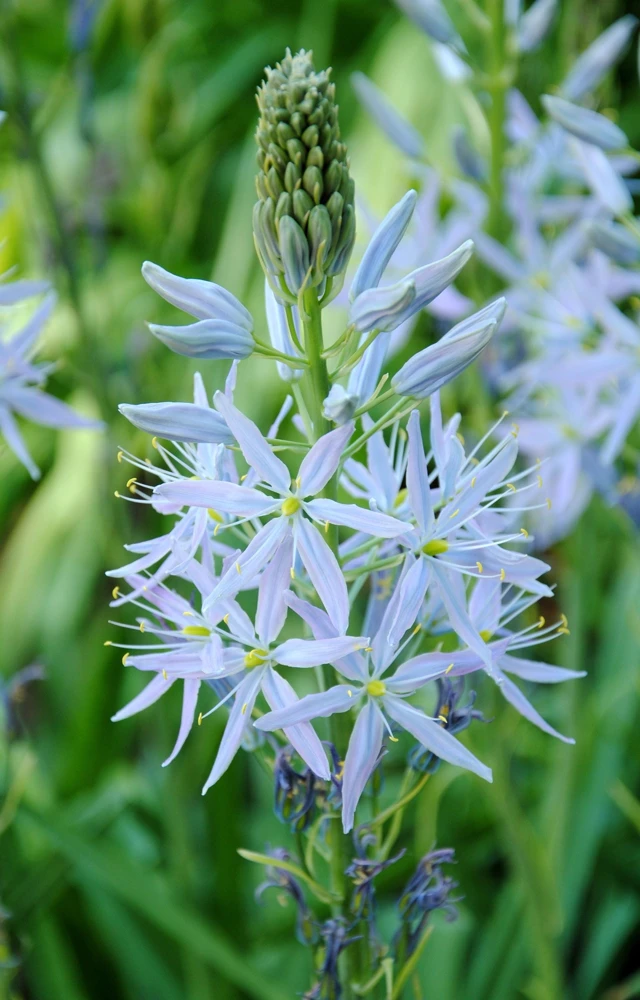
Wild Hyacinth Seeds – 25 Camassia Scilloides Native Flower Seeds, Pale Blue, 18-24″ Tall
Flower Seeds
Fruits
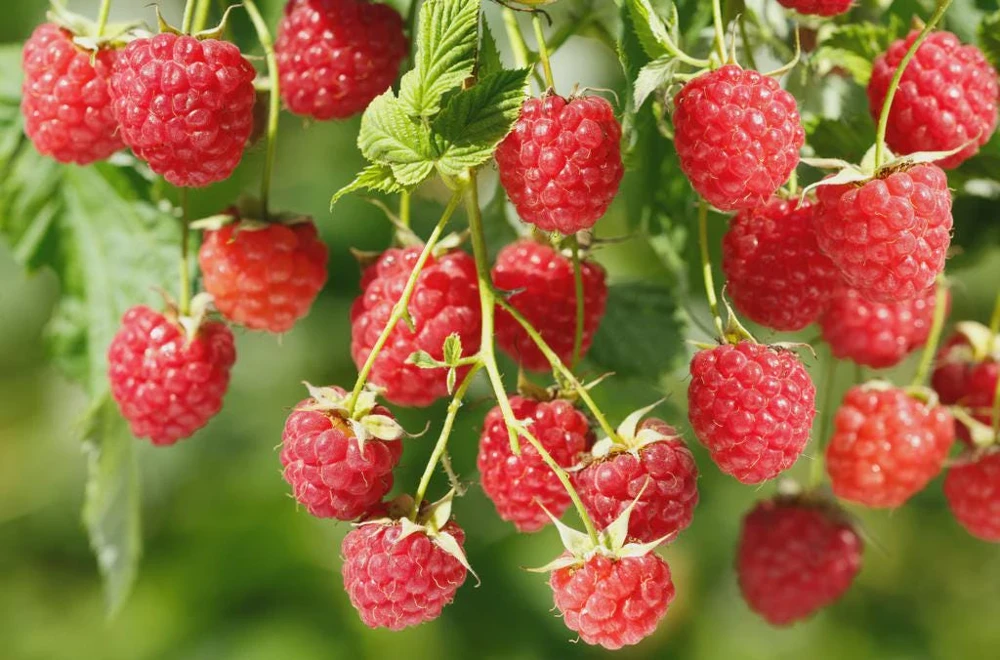
Canby Thornless Red Raspberry Starter Plug – Rubus idaeus Live Plant, June-Bearing, Cold-Hardy
Reviews
There are no reviews yet.