

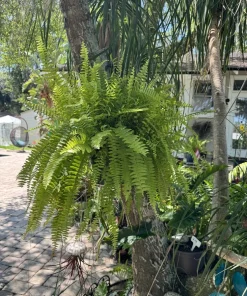
Fern Live Plant – Lush Green Foliage for Indoor & Outdoor
Original price was: $56.99.$36.99Current price is: $36.99.
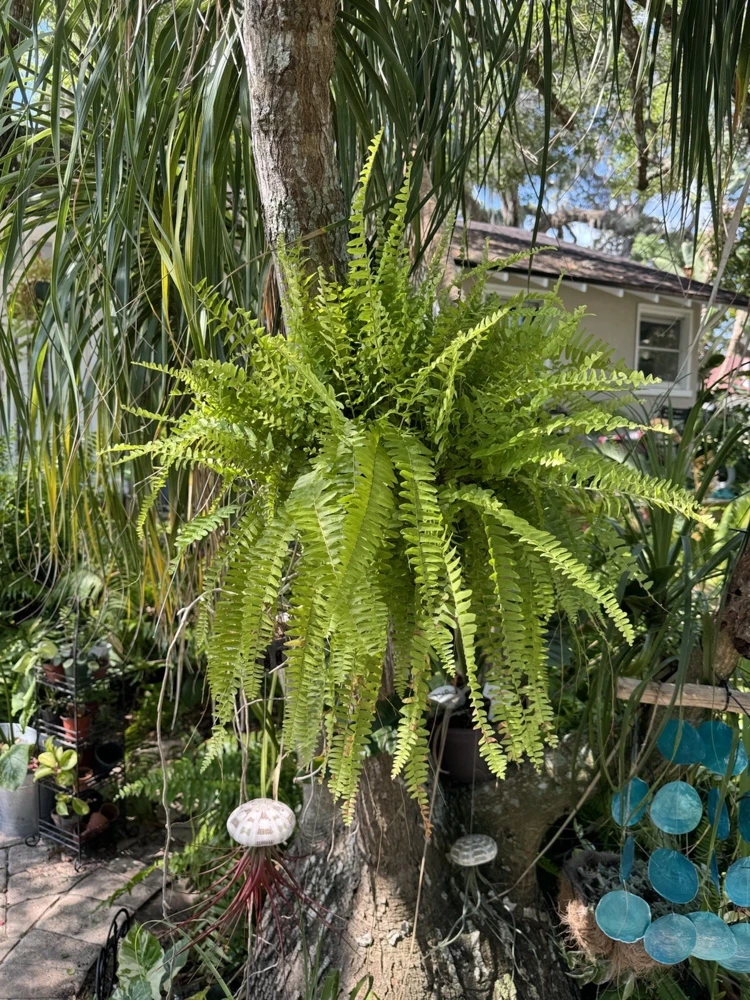
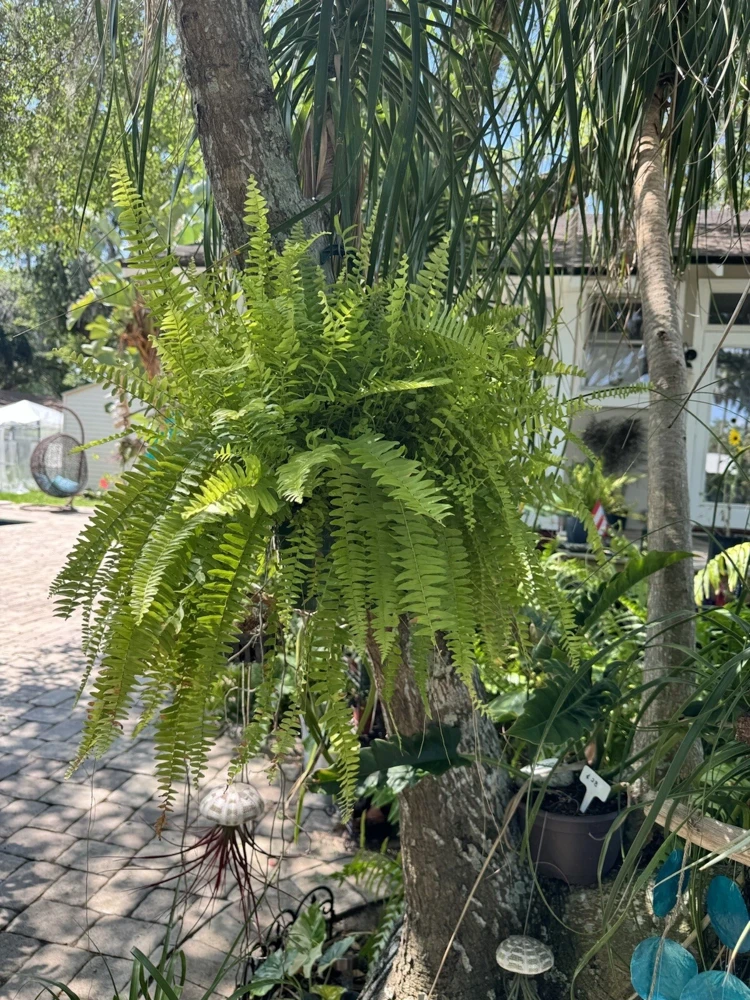
Enhance your living space with a beautiful fern live plant. Known for their intricate fronds and lush greenery, ferns bring a touch of natural elegance to any indoor or outdoor setting. These versatile plants are perfect for adding texture and life to your home or garden decor.
Estimated arrival
Oct 27
Nov 01 - Nov 03
Nov 06 - Nov 10
Shop With Confidence
30-Day Plant Health Guarantee
Arrives damaged? We’ll replace it free — see our return policy.
Responsive Support
Email us anytime, we reply within 1 business day.
Expert Packaging
Temperature-controlled shipping to protect your plants in transit.
Secure Checkout
Pay safely with Visa, Mastercard, PayPal.
Plant Specifications
-
USDA Hardiness Zone
USDA zones 6–10 (for outdoor, varies by type); year-round indoors -
Soil Type
Well-draining, rich, slightly acidic potting mix -
Sunlight Exposure
Bright indirect light -
Expected Planting Period
Year-round indoors; spring to early summer for outdoor planting
Overview
Introduce a touch of timeless elegance and natural beauty to your home or garden with a fern live plant. Ferns, with their distinctive fronds and vibrant green hues, are among the oldest and most captivating plant species on Earth. This live plant offers a refreshing aesthetic, transforming any space into a serene botanical haven. Whether you’re a seasoned plant parent or just beginning your green journey, a fern is an excellent choice for its enduring appeal and relatively straightforward care. Our selection focuses on healthy, robust fern specimens, ready to thrive in their new environment and bring a sense of tranquility and lushness to your surroundings. These classic plants are celebrated for their ability to add intricate texture and a soft, verdant backdrop to various decor styles, making them a versatile addition to any plant collection.
Ferns are renowned for their graceful, feathery foliage, which can range from delicate and airy to bold and architectural, depending on the variety. While the specific species of this fern may vary, all ferns share a common lineage of ancient plants that have graced our planet for millions of years. They flourish in conditions that mimic their natural forest floor habitats, typically preferring indirect light and consistent moisture. A fern live plant is not just a decorative item; it’s a living piece of history that continues to captivate with its unique growth patterns and serene presence.
Key Benefits
Integrating a fern live plant into your space offers numerous advantages, from aesthetic enhancement to contributing to a healthier indoor environment. These plants are celebrated for their unique characteristics that make them a delightful and beneficial addition:
- Air Purification: Ferns are known to help purify the air by absorbing common household toxins, contributing to a fresher and healthier indoor atmosphere. They naturally filter out pollutants, making your living or working space more pleasant.
- Enhanced Aesthetics: With their intricate, often feathery fronds and lush green color, ferns add a sophisticated and natural touch to any decor. They provide texture and visual interest that can complement both modern and traditional styles.
- Stress Reduction: The presence of greenery, particularly plants like ferns, has been shown to reduce stress and improve mood. Their calming appearance can create a more relaxing and inviting environment.
- Adaptability to Low Light: Many fern varieties thrive in indirect or partial shade, making them ideal for spaces that don’t receive abundant direct sunlight. This makes them a versatile choice for various rooms in your home.
- Humidity Boost: Ferns release moisture into the air through transpiration, naturally increasing humidity levels around them. This can be particularly beneficial in dry indoor environments, especially during winter months.
- Low Maintenance: While they appreciate consistent care, many ferns are relatively easy to maintain once their specific light and watering needs are met. This makes them suitable for both experienced and novice plant enthusiasts looking for an indoor fern care routine.
- Versatile Placement: Whether used as a standalone statement piece, part of a plant arrangement, or in a hanging basket, a fern live plant can be placed in various locations to maximize its visual impact and benefits. They are excellent for filling empty corners or adding height to plant displays.
Plant Care & Growing Tips
Caring for your fern live plant is a rewarding experience that ensures its continued lushness and vitality. While specific needs can vary slightly between fern types, most share common preferences that promote healthy growth. Ferns generally thrive in environments that mimic their natural forest floor habitat, valuing consistent moisture and indirect light. Understanding these fundamental requirements is key to successful fern cultivation. For those interested in outdoor fern varieties, ensure they are planted in a shaded, well-draining location that receives protection from harsh afternoon sun.
Sunlight Requirements
Ferns prefer bright, indirect light. Direct sunlight, especially harsh afternoon sun, can scorch their delicate fronds, leading to browning and damage. Indoors, place your fern near a north-facing window or a few feet away from an east or west-facing window. If your home only has south-facing windows, use sheer curtains to diffuse the light. Outdoors, plant ferns in a shaded area, under the canopy of trees, or on the north side of a building where they are protected from intense sun. The ideal light conditions are crucial for vibrant foliage and robust growth.
Watering Schedule and Soil Moisture
Consistent moisture is vital for ferns, but they dislike being waterlogged. Water your fern when the top inch of soil feels slightly dry to the touch. Ensure the pot has good drainage to prevent root rot. During warmer months or in dry indoor environments, you may need to water more frequently. In winter, reduce watering as the plant’s growth slows. Misting your fern regularly, especially indoors, can also help maintain the high humidity levels it loves, contributing to overall plant health and preventing crispy fronds. This is a crucial aspect of good indoor fern care.
Soil Type and Drainage Requirements
Ferns prefer a rich, well-draining, and slightly acidic soil mix. A good quality potting mix amended with peat moss, perlite, or compost works well. The soil should retain some moisture but never become soggy. Excellent drainage is paramount; choose pots with drainage holes and consider adding a layer of gravel or broken pottery at the bottom of the pot to further improve drainage, though this is not strictly necessary if the potting mix is well-draining.
Temperature Range and USDA Hardiness Zone
Most ferns thrive in average room temperatures between 60-75°F (18-24°C). Avoid sudden temperature fluctuations and cold drafts. For outdoor fern varieties, their hardiness varies widely depending on the species. Many popular ferns are hardy in USDA zones 6-9, but some tropical varieties are only suitable for zones 9-11 or as indoor plants in colder climates. It’s important to research the specific hardiness of your fern if you plan to grow it outdoors. Protecting outdoor ferns with mulch in winter can help them survive colder temperatures.
Fertilization Schedule and Type
Ferns are not heavy feeders. During the growing season (spring and summer), you can fertilize your fern every 2-4 weeks with a balanced liquid fertilizer diluted to half strength. Avoid fertilizing in fall and winter when the plant is dormant. Over-fertilization can lead to salt buildup in the soil, which can harm the plant. Always water thoroughly before and after fertilizing to prevent root burn.
Common Problems and Solutions
Common issues with ferns include browning fronds (often due to low humidity, direct sun, or underwatering), yellowing fronds (overwatering or nutrient deficiency), and pest infestations like spider mites or mealybugs. To combat browning, increase humidity, adjust light, and ensure consistent watering. For yellowing, check soil moisture and drainage. For pests, wipe fronds with a damp cloth or use insecticidal soap. Understanding how to grow ferns successfully involves being vigilant for these signs and addressing them promptly.
Size & Details
Our fern live plant typically arrives as a healthy, established specimen, ready to be integrated into your home or garden. The exact dimensions can vary slightly depending on the specific fern variety and its stage of growth at the time of shipment. Generally, these ferns are shipped in a nursery pot, ensuring the root ball is protected and moist during transit. Upon arrival, you can expect a plant that is approximately 6-12 inches tall, with a spread that will gradually increase as it matures. The fronds will be vibrant and full, showcasing the plant’s natural beauty.
The growth rate of ferns is generally moderate, allowing them to fill out their space beautifully without becoming unruly too quickly. With proper indoor fern care or appropriate outdoor placement, these plants can reach mature sizes ranging from 1 to 3 feet in height and width, creating a substantial and lush display. They are shipped as a live, potted plant, ensuring minimal transplant shock and a smooth transition to your environment. Expect the plant to establish itself within a few weeks and begin producing new growth, adding to its overall fullness and appeal.
Frequently Asked Questions
- Q: How big does this plant get? A: The size of your fern live plant can vary, but most popular varieties can grow to be 1 to 3 feet tall and wide when mature, given optimal growing conditions. It will arrive as a smaller, established plant, typically 6-12 inches in height, ready for continued growth in your home or garden.
- Q: What size pot does it come in? A: The fern will typically arrive in a standard nursery pot, usually around 4-6 inches in diameter. This size is ideal for safe shipping and provides enough space for the plant to thrive for a period before requiring repotting.
- Q: Is this an indoor or outdoor plant? A: Many fern species are versatile and can be grown both indoors and outdoors, depending on your climate and the specific variety. Indoors, they make excellent houseplants, while many outdoor fern varieties thrive in shaded garden spots. We recommend checking the specific care instructions for your fern type.
- Q: How much sunlight does it need? A: Ferns prefer bright, indirect light. They should be protected from direct, harsh sunlight, which can scorch their delicate fronds. Indoors, a north-facing window or a spot several feet from an east or west-facing window is ideal. Outdoors, choose a location with dappled shade.
- Q: Is this plant easy to care for? A: Ferns are generally considered moderately easy to care for. They require consistent moisture and high humidity, but once these needs are met, they are quite resilient. They are an excellent choice for those looking to practice their indoor fern care skills.
- Q: Is it good for beginners? A: Yes, many fern varieties are suitable for beginners, particularly those who can commit to regular watering and providing adequate humidity. Their striking appearance and relatively forgiving nature make them a rewarding plant for new enthusiasts.
- Q: What condition will it arrive in? A: Your fern live plant will arrive carefully packaged and in excellent health, ready to be unboxed and placed in its new home. We take great care to ensure the plant is well-hydrated and protected during transit to minimize stress.
- Q: Is it shipped in soil? A: Yes, the fern will be shipped rooted in its nursery pot with soil, ensuring its roots remain undisturbed and hydrated throughout the shipping process. This helps the plant transition smoothly to your environment.
- Q: Is this plant pet-safe? A: Many common fern varieties, such as Boston ferns and Maidenhair ferns, are considered non-toxic to pets. However, it’s always best to research the specific fern variety you receive to confirm its pet-safety status if you have curious animals.
- Q: How long until it looks full and lush? A: With proper care, your fern will typically start showing new growth within a few weeks of arrival. It will gradually fill out and become lush over several months, reaching a more mature appearance within 6-12 months.
- Q: Will it survive winter in my zone? A: For outdoor fern varieties, survival through winter depends on your specific USDA Hardiness Zone and the fern’s cold tolerance. Many ferns are deciduous and will die back in winter, returning in spring. Tropical ferns will not survive freezing temperatures outdoors. For indoor ferns, maintain consistent indoor temperatures.
Be the first to review “Fern Live Plant – Lush Green Foliage for Indoor & Outdoor”
People Also Viewed
Reviews
There are no reviews yet.