
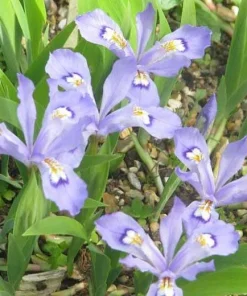
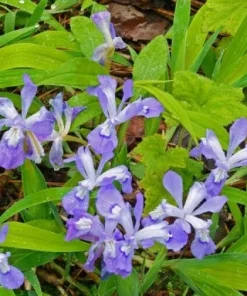
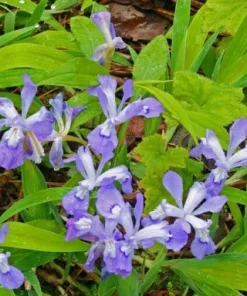
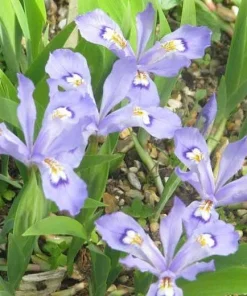
15 Dwarf Crested Iris Bare Root Plants – Iris Cristata Wildflower Native
Original price was: $225.99.$200.99Current price is: $200.99.
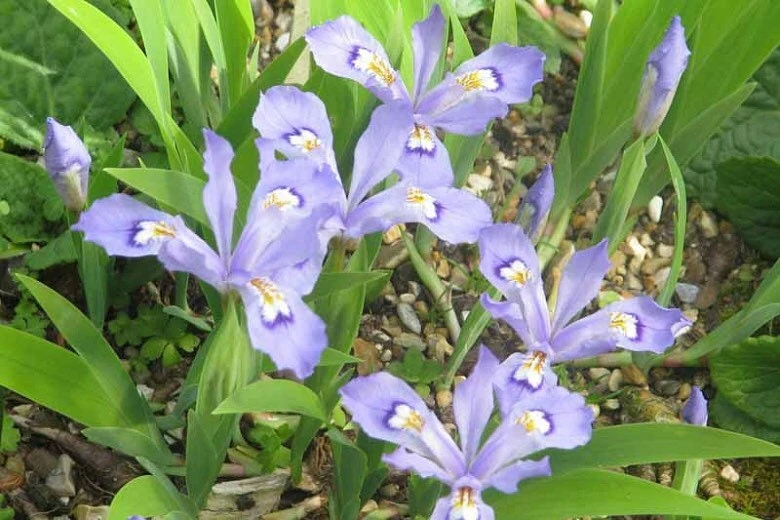
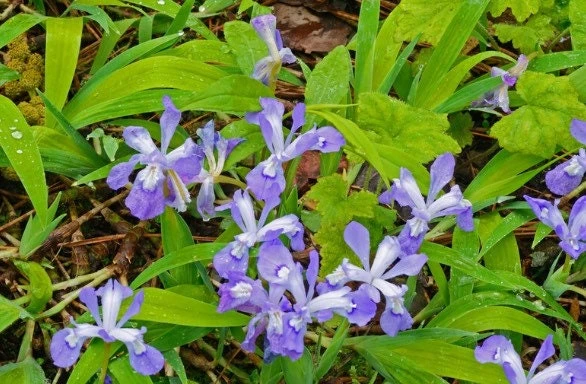
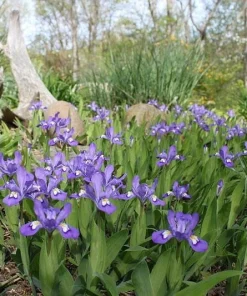
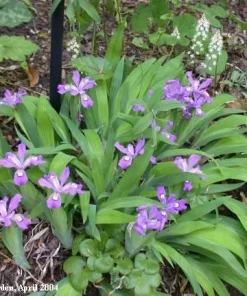
Receive 15 Dwarf Crested Iris bare root plants, perfect for naturalizing in your shade garden. These iris cristata plants are organically grown wildflower iris, ideal for ground cover with their charming blue-purple blooms.
Estimated arrival
Sep 29
Oct 04 - Oct 06
Oct 09 - Oct 13
Shop With Confidence
30-Day Plant Health Guarantee
Arrives damaged? We’ll replace it free — see our return policy.
Responsive Support
Email us anytime, we reply within 1 business day.
Expert Packaging
Temperature-controlled shipping to protect your plants in transit.
Secure Checkout
Pay safely with Visa, Mastercard, PayPal.
Plant Specifications
-
USDA Hardiness Zone
USDA zones 3-9 -
Soil Type
Well-draining, organically rich soil -
Sunlight Exposure
Partial to full shade -
Expected Planting Period
Early spring or fall
Overview
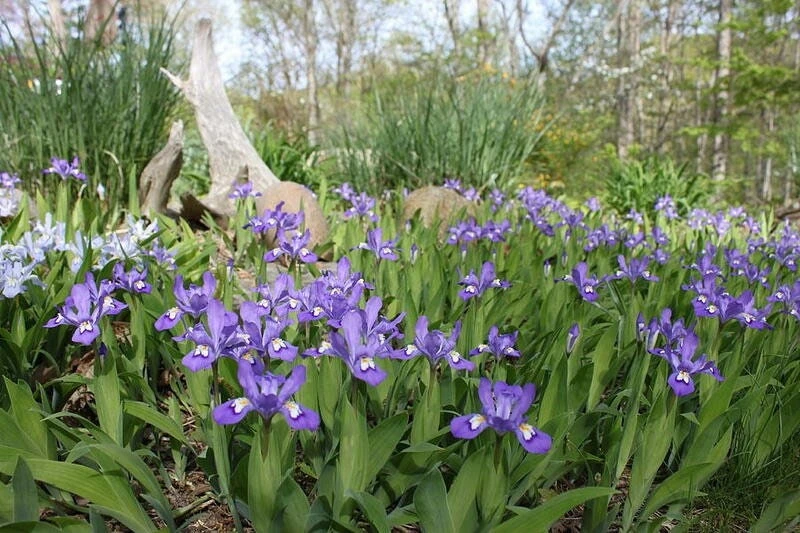
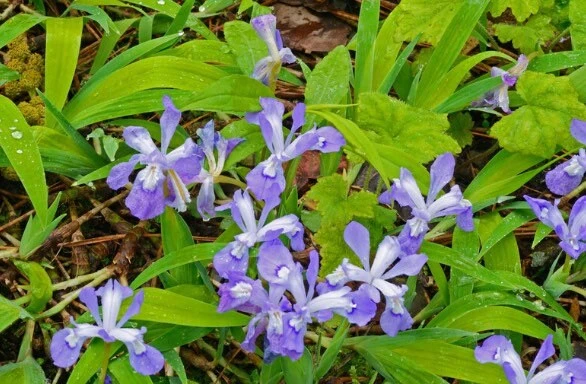
Transform your shaded garden areas into a vibrant display with our collection of 15 Dwarf Crested Iris bare root plants. Known scientifically as Iris cristata, these charming native wildflowers are a true delight, offering a carpet of delicate blue-purple blooms in spring. Each order provides 15 robust bare root divisions, ready to establish quickly and thrive in woodland settings or along pathways where they can spread gracefully. This perennial beauty is celebrated for its compact size and ability to naturalize, creating a stunning visual impact with minimal effort. Our plants are organically grown, ensuring you receive healthy, vigorous specimens ready for planting.
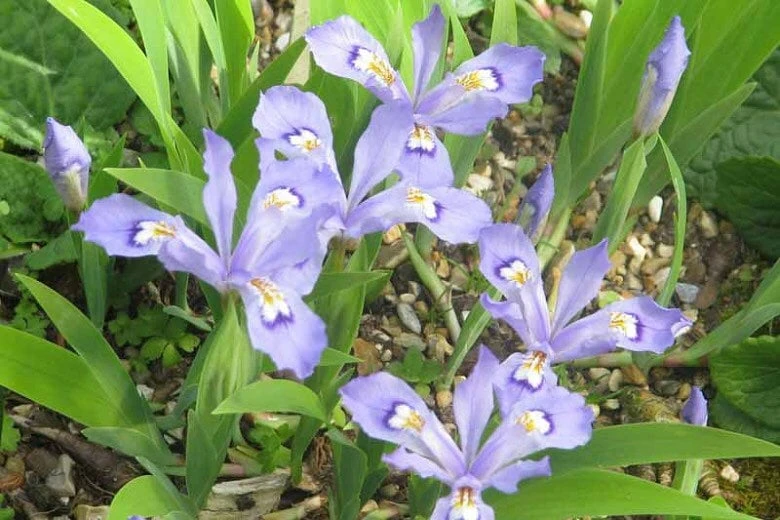
The dwarf crested iris bare root is an excellent choice for gardeners seeking a low-maintenance yet highly rewarding plant. Its distinctive crests on the lower petals give it a unique appeal, making it a standout feature in any native plant garden or shaded border. These particular iris cristata plants are ideal for filling in gaps under trees or in areas that receive dappled sunlight, bringing life and color to often-overlooked spots.
Key Benefits
The dwarf crested iris bare root offers numerous advantages for the home gardener, blending aesthetic appeal with ecological benefits. These plants are not only beautiful but also contribute positively to your garden’s ecosystem.
- Stunning Spring Blooms: Enjoy a prolific display of small, elegant blue-purple flowers each spring, adding a splash of color to your early season garden. The unique crested petals make these blooms particularly captivating.
- Excellent Ground Cover: These iris cristata plants are perfect for naturalizing and forming a dense, attractive ground cover in shaded areas, suppressing weeds and creating a lush landscape.
- Native Wildflower Appeal: As a native species, the wildflower iris supports local pollinators and contributes to the biodiversity of your garden, attracting beneficial insects.
- Low Maintenance & Drought Tolerant: Once established, these plants require minimal care, making them ideal for busy gardeners. They are also quite tolerant of dry conditions, reducing the need for frequent watering.
- Organically Grown Quality: Our organically grown iris bare roots are cultivated without synthetic pesticides or fertilizers, ensuring healthier plants and a safer garden environment.
- Shade Garden Specialist: Thrives in partial to full shade, making it a valuable addition to areas where many other flowering plants struggle to perform.
- Erosion Control: Their spreading root systems help to stabilize soil, making them useful for slopes or areas prone to erosion.
Plant Care & Growing Tips
Caring for your dwarf crested iris bare root plants is straightforward, allowing even novice gardeners to achieve success. These resilient plants prefer conditions that mimic their natural woodland habitat. For optimal growth, choose a location with partial to full shade. While they can tolerate some morning sun, protection from intense afternoon sun is crucial, especially in warmer climates, to prevent leaf scorch and ensure vibrant blooms. They thrive under the dappled light of deciduous trees, where they receive sun in spring before the canopy fills out, and shade during the summer heat.
When it comes to watering, iris cristata plants prefer consistently moist but not waterlogged soil, particularly during their first growing season. Once established, they become quite drought tolerant, but occasional watering during prolonged dry spells will promote healthier growth and better flowering. Good drainage is paramount; avoid heavy, compacted soils that retain too much moisture, as this can lead to root rot. A well-draining soil enriched with organic matter will provide the ideal environment for these native shade garden plants. Consider amending heavy clay soils with compost or sand to improve drainage.
These irises are hardy in USDA zones 3-9. Fertilization is generally not necessary in rich, organic soils. If your soil is poor, a light application of a balanced, slow-release fertilizer in early spring can be beneficial. Avoid over-fertilizing, which can promote foliage growth at the expense of flowers. Pests and diseases are rarely an issue for this robust native plant. Deadheading spent flowers is not strictly necessary but can improve the plant’s appearance. The clumps will gradually spread, and division every few years in late summer or early fall can rejuvenate older plants and provide new ones for other areas of your garden, further enhancing your collection of organically grown iris.
Size & Details
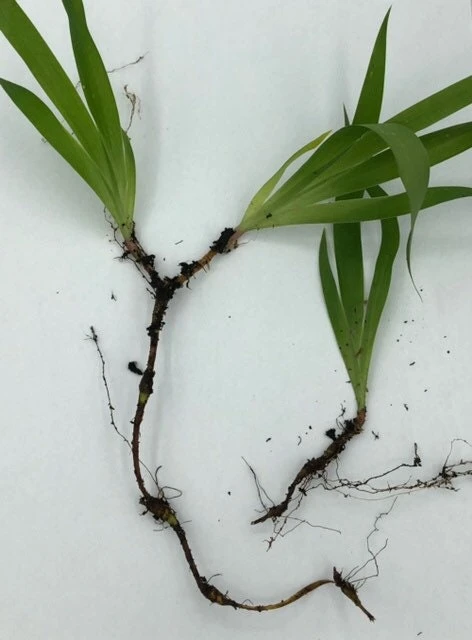
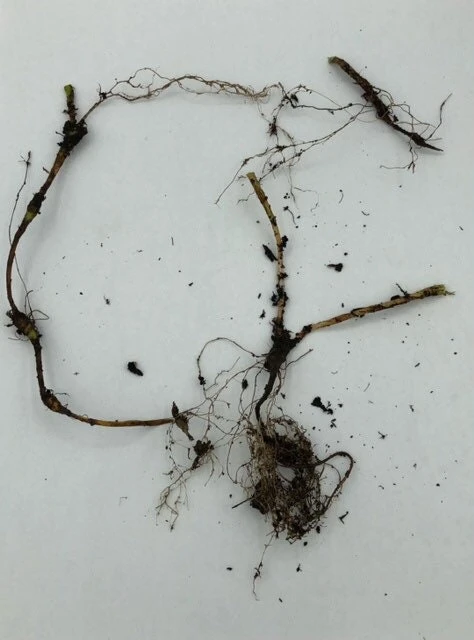
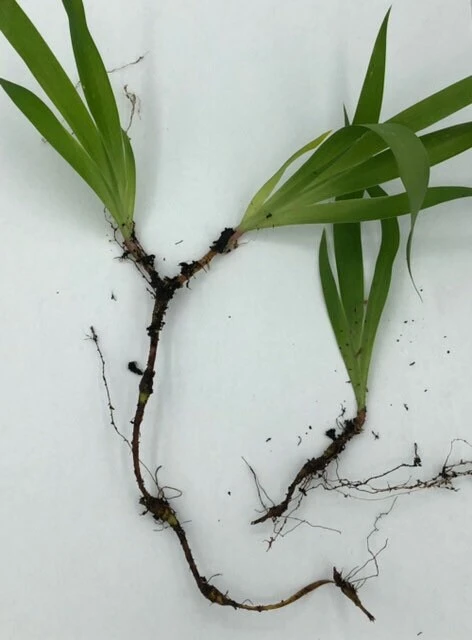
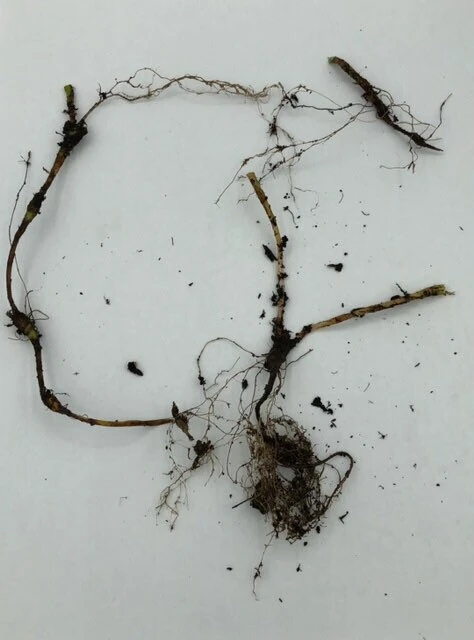
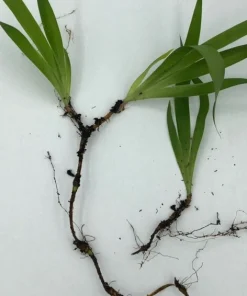
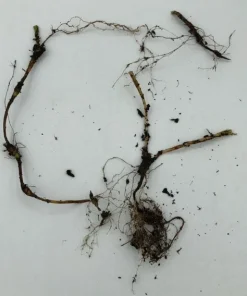
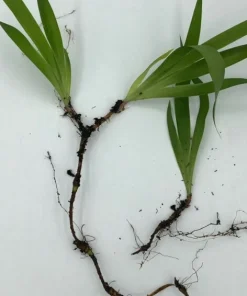
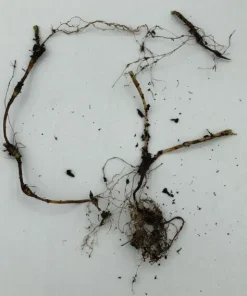
You will receive 15 Dwarf Crested Iris bare root plants, carefully harvested and prepared for shipping. These are mature divisions, typically consisting of a healthy rhizome with established roots, ensuring a strong start in your garden. As bare root plants, they will arrive without foliage or soil, which is the ideal state for transplanting and minimizes transplant shock. Once planted, these iris cristata plants will quickly send up new shoots and foliage, establishing themselves within the first growing season. They generally reach a height of 6-8 inches and spread to form attractive clumps, making them excellent for ground cover or edging.
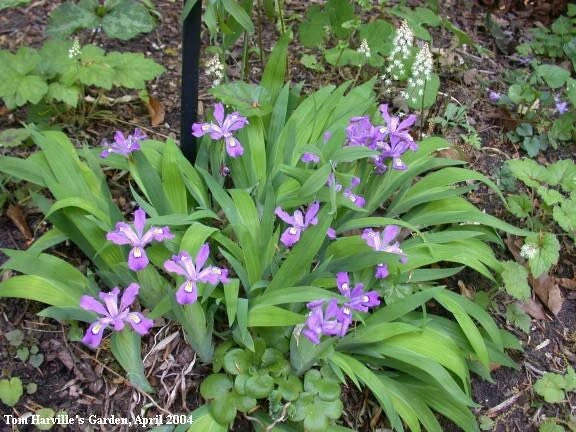
The bloom time for this wildflower iris is typically in mid to late spring, depending on your specific climate and growing conditions. Expect charming blue-purple flowers with a distinctive white and yellow crest. These plants are known for their vigorous growth and ability to naturalize over time, creating a beautiful, low-maintenance display. Planting instructions will be included with your order to guide you in choosing the best location and conditions for your new native shade garden plants, ensuring they flourish and provide years of beauty.
Frequently Asked Questions
- Q: How big does this plant get? A: The dwarf crested iris bare root typically grows to a height of 6-8 inches and will spread to form attractive clumps over time, making it an excellent ground cover.
- Q: What condition will the plants arrive in? A: Your order will contain 15 healthy bare root divisions. They will arrive without foliage or pots, carefully packaged to ensure they are in good condition for planting.
- Q: Is this an indoor or outdoor plant? A: The iris cristata plants are primarily an outdoor perennial, best suited for naturalizing in shaded garden beds, woodland areas, or as ground cover.
- Q: How much sunlight does it need? A: This wildflower iris thrives in partial to full shade. It prefers dappled light, especially protection from intense afternoon sun, to prevent leaf burn.
- Q: Is this plant easy to care for? A: Yes, the dwarf crested iris bare root is considered low-maintenance. Once established, it is quite drought-tolerant and generally pest and disease-free, making it good for beginners.
- Q: When is the best time to plant these bare roots? A: The ideal time to plant these bare roots is in early spring or fall. This allows the roots to establish before extreme summer heat or winter cold.
- Q: Will it survive winter in my zone? A: Yes, these native shade garden plants are very hardy and are suitable for USDA Hardiness Zones 3 through 9, tolerating cold winters in these regions.
- Q: What kind of soil does it prefer? A: They prefer well-draining soil that is rich in organic matter. Avoid heavy clay soils that retain too much moisture, as good drainage is crucial for these organically grown iris.
- Q: How long until it blooms? A: Depending on planting time and conditions, you can expect blooms from your dwarf crested iris bare root in mid to late spring of the first or second year after planting.
- Q: Can I divide these plants to get more? A: Yes, you can divide established clumps of iris cristata plants every few years in late summer or early fall. This helps to rejuvenate the plants and provides new divisions.
Be the first to review “15 Dwarf Crested Iris Bare Root Plants – Iris Cristata Wildflower Native”
People Also Viewed

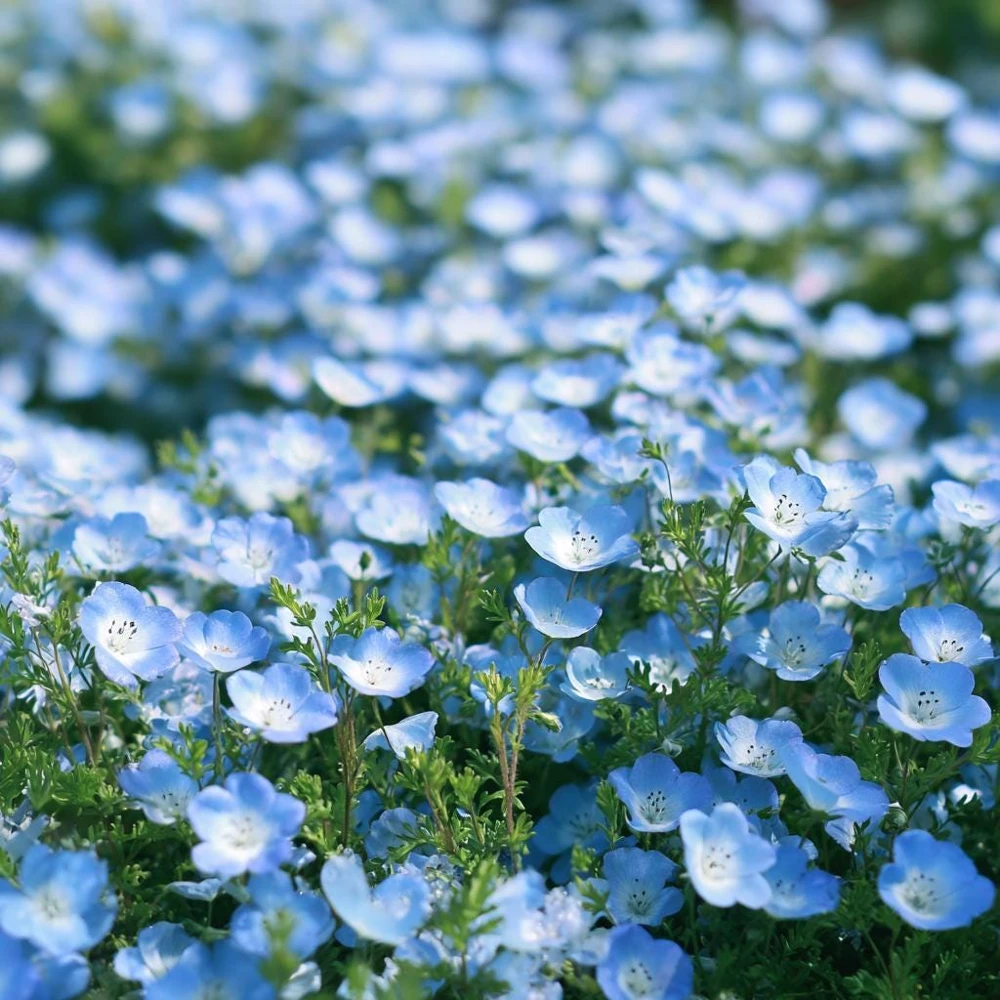
Flower Seeds
Baby Blue Eyes Flower Seeds – Nemophila Menziesii – 200 Seeds – Delicate Sky-Blue Blooms
Reviews
There are no reviews yet.