
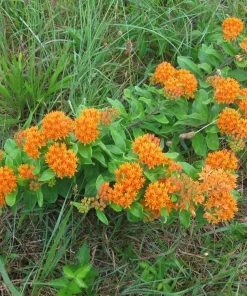
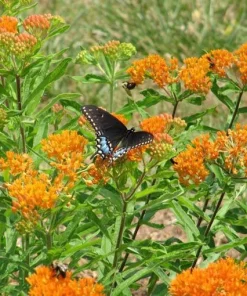
10 Butterfly Weed Bare Root Plants – Asclepias Tuberosa Milkweed Native Wildflower
Original price was: $120.99.$95.99Current price is: $95.99.
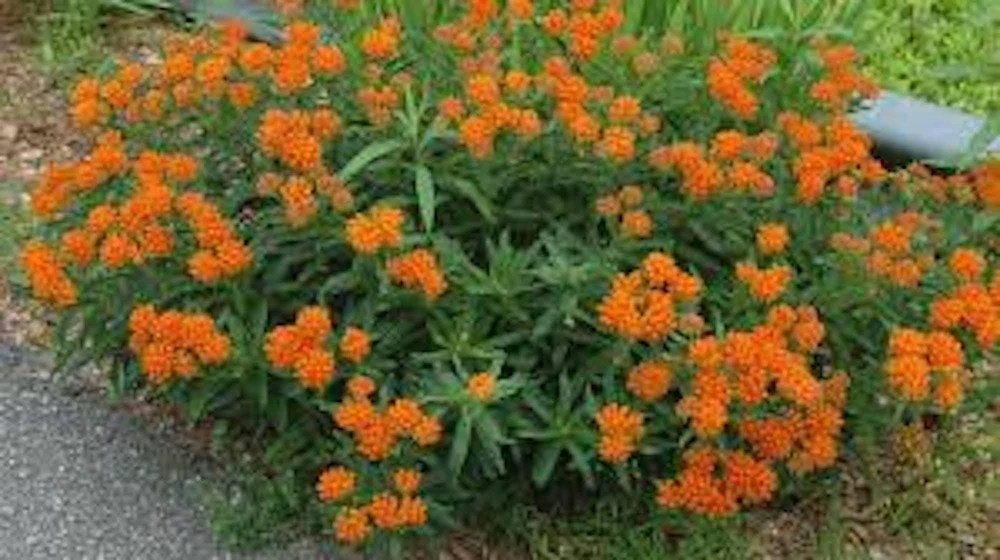
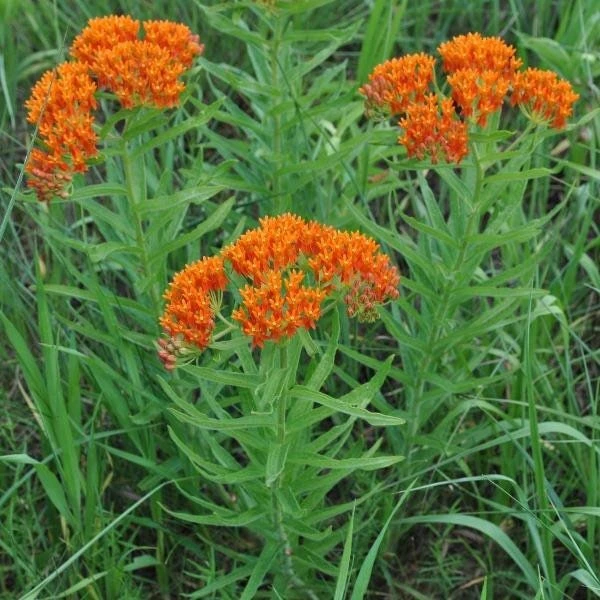
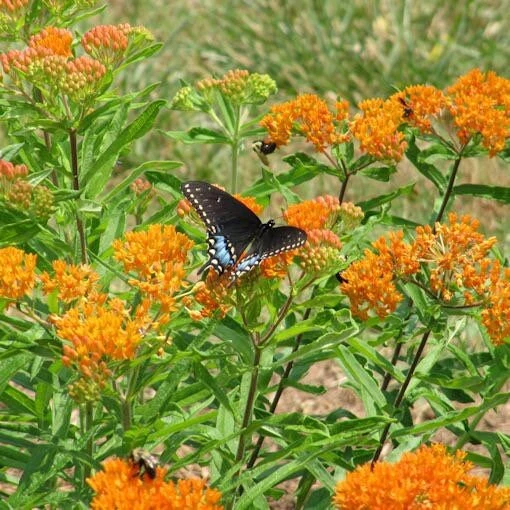
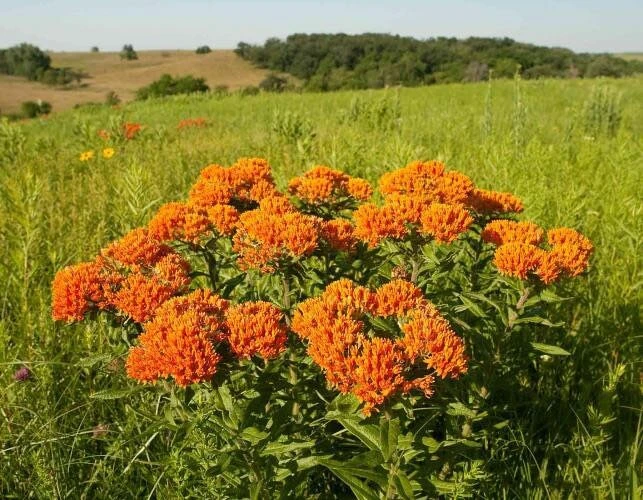
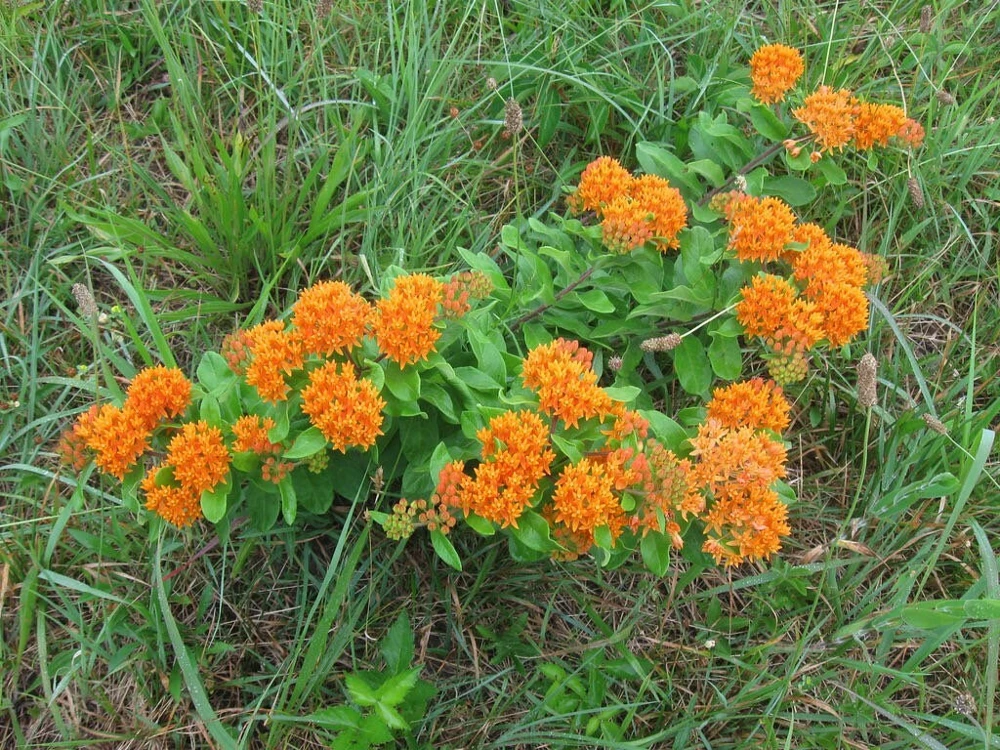
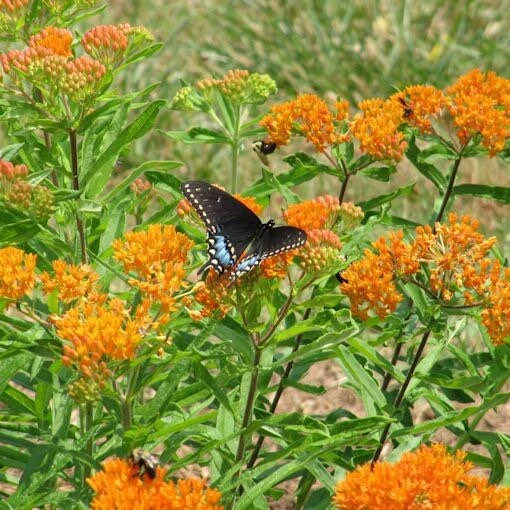
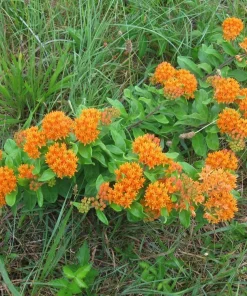
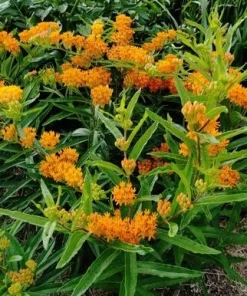
Cultivate a vibrant garden with 10 Butterfly Weed bare root plants. These asclepias tuberosa milkweed specimens are vital for monarch butterflies and other pollinators, producing stunning orange flowers. A resilient native wildflower plants choice for any garden.
Estimated arrival
Sep 29
Oct 04 - Oct 06
Oct 09 - Oct 13
Shop With Confidence
30-Day Plant Health Guarantee
Arrives damaged? We’ll replace it free — see our return policy.
Responsive Support
Email us anytime, we reply within 1 business day.
Expert Packaging
Temperature-controlled shipping to protect your plants in transit.
Secure Checkout
Pay safely with Visa, Mastercard, PayPal.
Plant Specifications
-
USDA Hardiness Zone
USDA zones 3-9 -
Soil Type
Well-draining soil -
Sunlight Exposure
Full sun -
Expected Planting Period
Spring to early summer
Overview
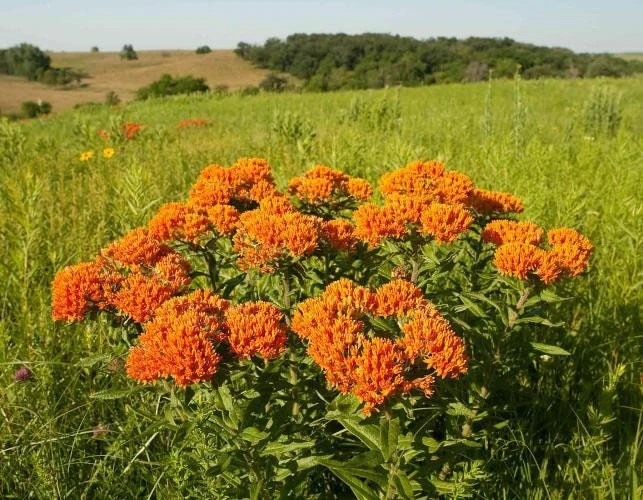
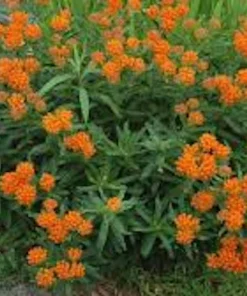
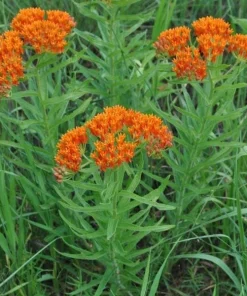
Transform your garden into a pollinator paradise with these 10 Butterfly Weed bare root plants. Scientifically known as Asclepias tuberosa, this remarkable plant is a crucial component for any garden aiming to support local ecosystems, especially monarch butterflies. Unlike many other milkweeds, Butterfly Weed does not have milky sap, making it a unique and attractive addition. Each order includes 10 Butterfly Weed bare root plants, carefully harvested and ready for planting, ensuring a strong start for these beautiful native wildflowers. This perennial is renowned for its vibrant orange flowers and its significant role as a host plant for monarch butterfly caterpillars, making it an essential choice for a truly eco-friendly landscape. Beyond its ecological benefits, the plant, also historically known as pleurisy root for garden use, adds a splash of brilliant color to sunny borders, meadows, and naturalized areas, thriving with minimal fuss once established.
These asclepias tuberosa milkweed roots are organically grown and prepared to provide you with healthy, vigorous plants. They are an excellent choice for gardeners looking to create a visually appealing and ecologically beneficial space. With their striking blooms and ability to attract a variety of beneficial insects, including bees and butterflies, these bare roots promise a lively and colorful display. Planting instructions are included to guide you in selecting the ideal location and conditions for your new plants, ensuring they flourish and become a cherished part of your outdoor sanctuary.
Key Benefits
Integrating butterfly weed bare root plants into your garden offers a multitude of advantages, enhancing both its aesthetic appeal and ecological value. This species is celebrated for its low maintenance and profound impact on local wildlife.
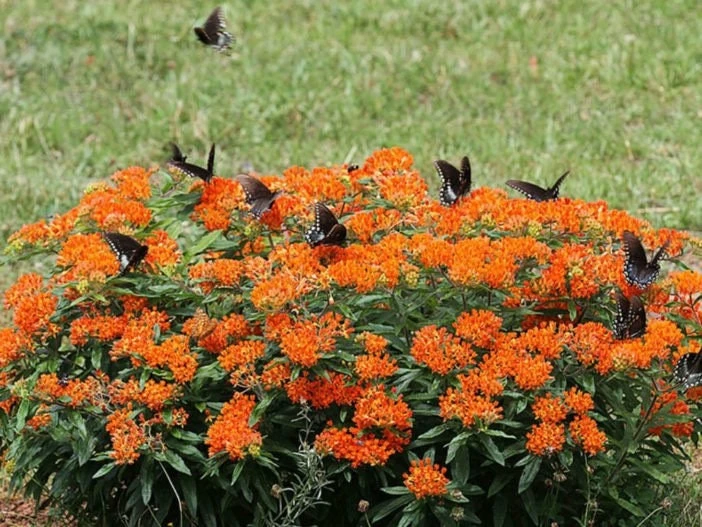
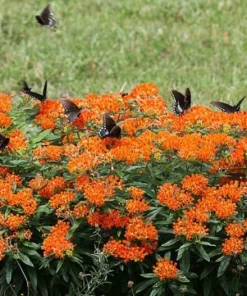
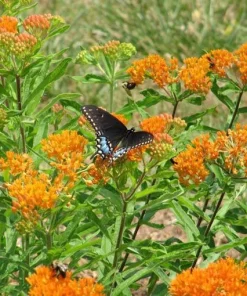
- Supports Pollinator Health: As a vital host plant for monarch butterfly caterpillars and a nectar source for many other butterflies and bees, asclepias tuberosa milkweed significantly contributes to pollinator populations, which are essential for ecosystem health.
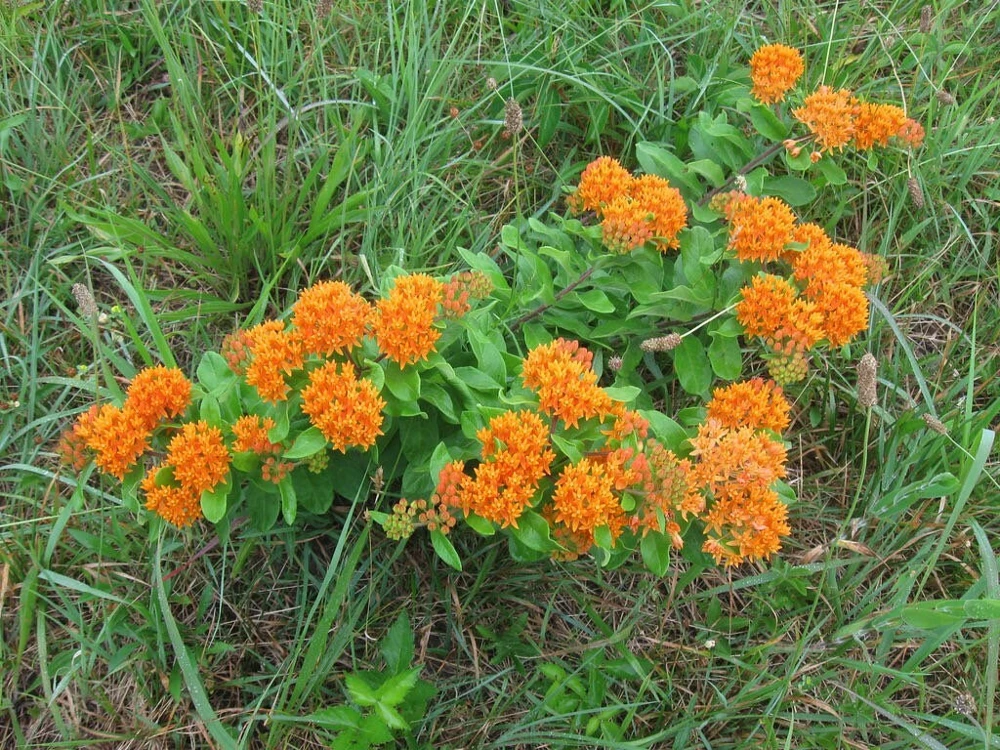
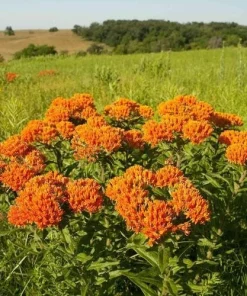
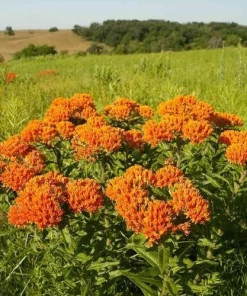
- Vibrant Floral Display: Enjoy a long season of brilliant, fiery orange flowers that stand out in any garden setting, attracting attention and adding a cheerful ambiance to your landscape.
- Drought Tolerant: Once established, this native wildflower plants variety is remarkably drought-resistant, making it an excellent choice for xeriscaping or areas with limited water availability.
- Low Maintenance: Butterfly Weed requires minimal care, thriving in sunny locations with well-draining soil, making it ideal for busy gardeners or those new to gardening.
- Attracts Beneficial Insects: Beyond monarchs, the flowers attract a diverse array of beneficial insects, aiding in natural pest control and increasing biodiversity in your garden.
- Erosion Control: Its strong root system can help stabilize soil, making it a good option for slopes or areas prone to erosion.
- Winter Interest: The seed pods provide visual interest in the fall and winter, and the seeds themselves offer a food source for birds, extending its garden value beyond the blooming season. Consider this robust pollinator friendly plants option.
Plant Care & Growing Tips
Caring for your butterfly weed bare root plants is straightforward, as they are hardy and adaptable. For optimal growth, choose a location that receives full sun, meaning at least six hours of direct sunlight per day. This plant thrives in sunny conditions and will produce the most abundant blooms when exposed to ample light. Good air circulation is also beneficial to prevent fungal issues. When planting, ensure the soil is well-draining. Butterfly Weed is not particular about soil type, tolerating sandy, rocky, or clay soils, but it absolutely detests soggy conditions. Amend heavy clay soils with organic matter and sand to improve drainage.
Watering should be consistent during the first growing season to help the asclepias tuberosa milkweed establish a strong root system. Once established, it is highly drought-tolerant and will only need supplemental watering during prolonged dry spells. Overwatering is a common cause of failure for this plant, so err on the side of underwatering. Fertilization is generally not necessary, especially in average garden soils. If your soil is very poor, a light application of a balanced, slow-release granular fertilizer in early spring can be beneficial. Avoid high-nitrogen fertilizers, which can promote leafy growth at the expense of flowers.
Native wildflower plants like Butterfly Weed are generally resistant to most pests and diseases. However, keep an eye out for aphids, especially on new growth. A strong spray of water or an insecticidal soap can effectively manage them. Deadheading spent flowers can encourage a second flush of blooms, though allowing some flowers to go to seed will benefit birds and ensure self-seeding. These plants are hardy in USDA Zones 3-9, making them suitable for a wide range of climates. With minimal effort, your pollinator friendly plants will provide years of beauty and ecological benefit.
Size & Details
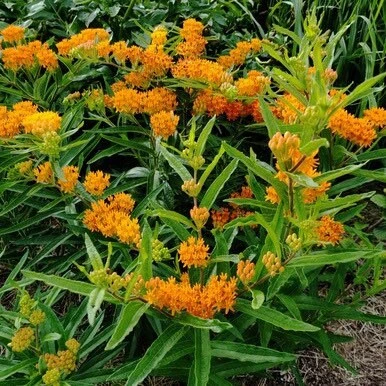
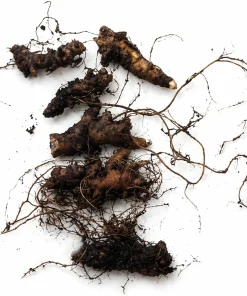
Each order includes 10 Butterfly Weed bare root plants, carefully prepared for planting. These bare roots are typically dormant sections of the plant’s root system, ready to sprout new growth once planted in suitable conditions. When mature, Asclepias tuberosa typically grows to a height of 1 to 2.5 feet (30 to 75 cm) and spreads about 1 to 2 feet wide, forming an upright, clumping habit. The growth rate is moderate, with plants establishing well within their first year and reaching full size in two to three years. The vibrant orange flowers typically appear from early summer to early fall, providing a long season of color and attracting numerous pollinators. These plants are shipped as bare roots, meaning they arrive without soil or foliage, which is a common and effective method for transplanting many perennial species. They are ready to be planted directly into your garden beds upon arrival. Expect these asclepias tuberosa milkweed roots to begin sprouting within a few weeks of planting, given adequate moisture and warmth.
Frequently Asked Questions
- Q: How big does this plant get? A: Mature butterfly weed bare root plants typically reach a height of 1 to 2.5 feet (30 to 75 cm) and spread 1 to 2 feet wide. They form a clumping, upright habit in the garden.
- Q: Is this an indoor or outdoor plant? A: Butterfly Weed (Asclepias tuberosa) is an outdoor plant, best suited for garden beds, meadows, and naturalized areas where it can receive full sun. It is a hardy perennial in USDA Zones 3-9.
- Q: How much sunlight does it need? A: This native wildflower plants variety requires full sun, meaning at least six hours of direct sunlight per day, to produce the most abundant blooms and maintain healthy growth.
- Q: Is this plant easy to care for? A: Yes, Butterfly Weed is considered a low-maintenance plant. Once established, it is very drought-tolerant and generally resistant to pests and diseases, making it suitable for beginners.
- Q: What condition will it arrive in? A: Your order will contain 10 Butterfly Weed bare root plants. These are dormant root sections, shipped without soil or foliage, and are ready for immediate planting.
- Q: How long until it blooms? A: Depending on planting time and conditions, you may see some blooms in the first year, but the plant will typically establish and produce a more robust floral display in its second growing season.
- Q: Will it survive winter in my zone? A: Butterfly Weed is hardy in USDA Zones 3-9. In these zones, it will die back to the ground in winter and re-emerge in spring.
- Q: Is this plant beneficial for monarch butterflies? A: Absolutely! Asclepias tuberosa milkweed is a critical host plant for monarch butterfly caterpillars and a significant nectar source for adult monarchs and other pollinators, making it an excellent choice for a butterfly garden.
- Q: Can I grow this from pleurisy root for garden use? A: Yes, pleurisy root for garden refers to the same plant, Asclepias tuberosa. These bare roots are an effective way to establish this beneficial plant in your garden.
- Q: What type of soil does it prefer? A: Butterfly Weed prefers well-draining soil and can tolerate sandy, rocky, or average garden soils. It does not do well in consistently wet or soggy conditions.
Be the first to review “10 Butterfly Weed Bare Root Plants – Asclepias Tuberosa Milkweed Native Wildflower”
People Also Viewed
Reviews
There are no reviews yet.