
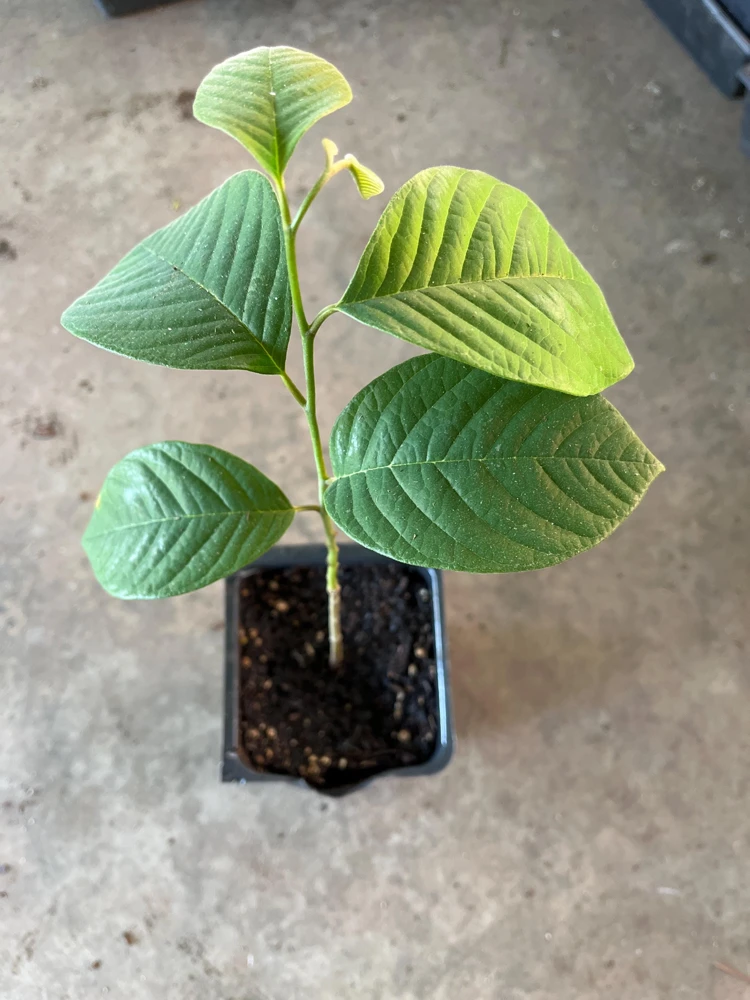
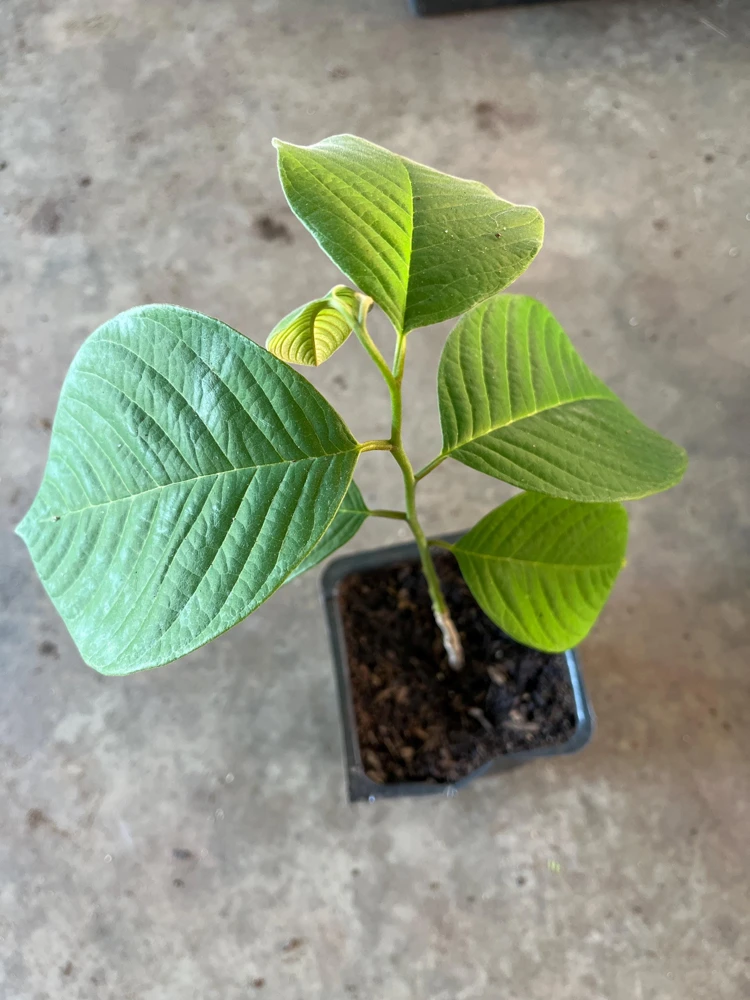
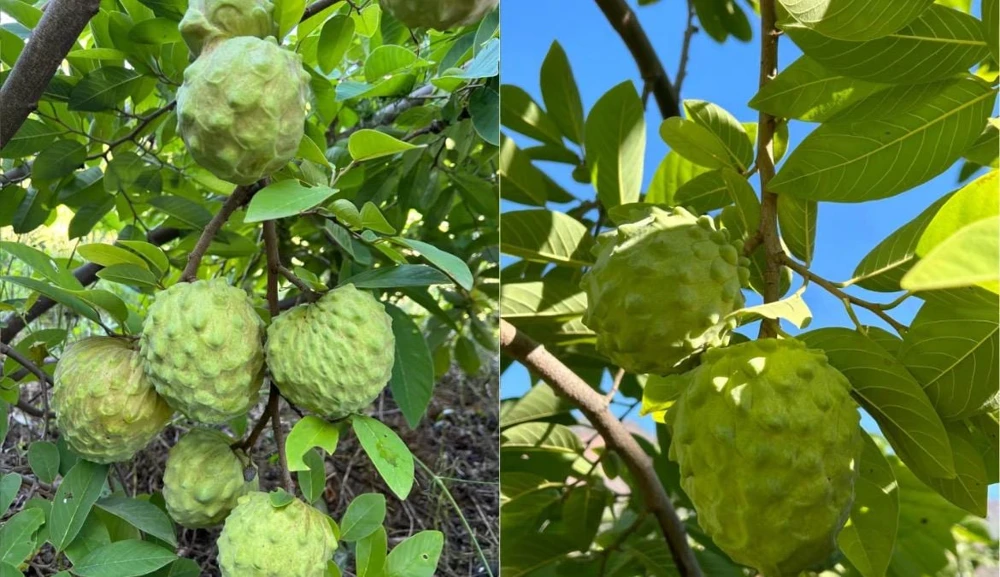
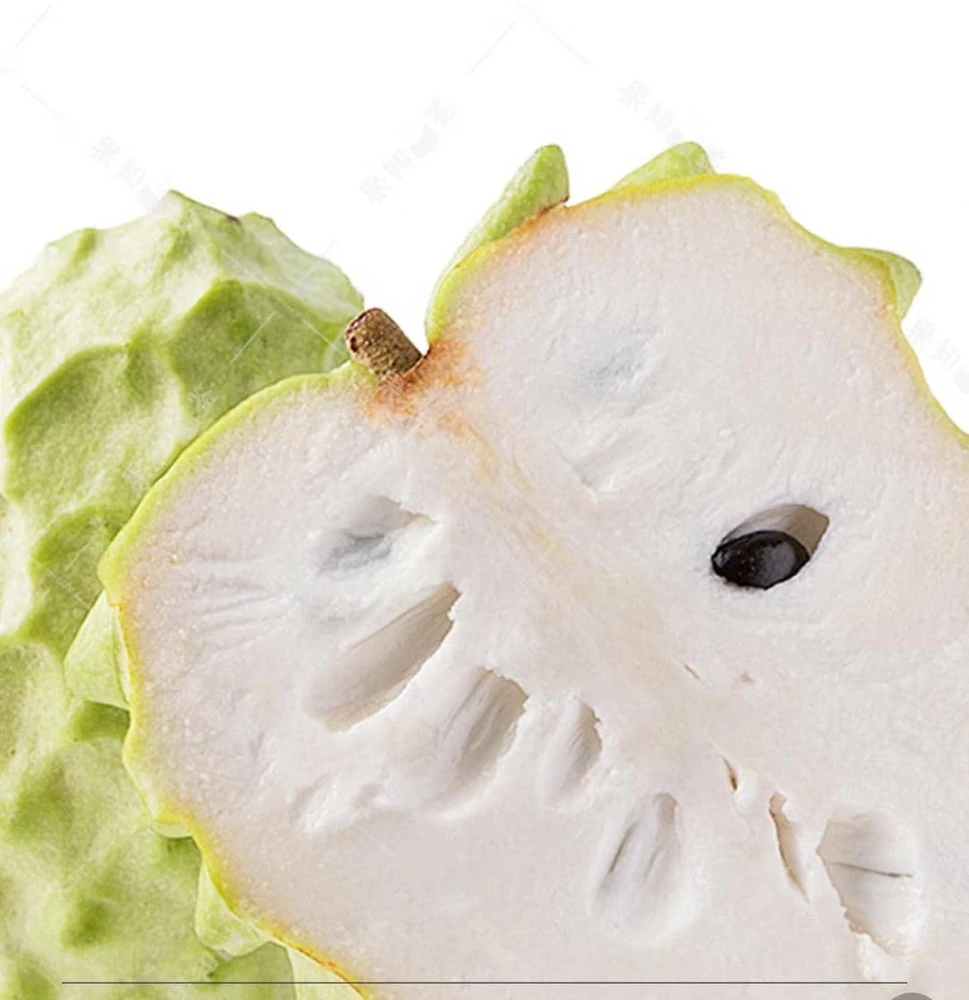
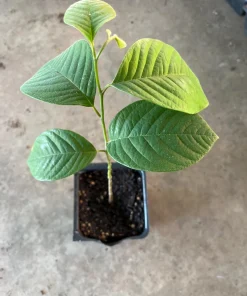
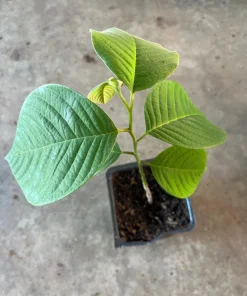
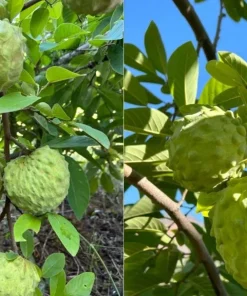
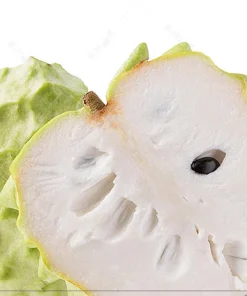
Cherimoya Live Plant – 1 Year Seedling, Custard Apple, Annona cherimola, 3 inch pot
Original price was: $53.99.$33.99Current price is: $33.99.
Cultivate your own exotic cherimoya live plant, also known as custard apple tree. This 1-year seedling (Annona cherimola) arrives in a 3-inch pot, ready to grow into a fruit-bearing tropical delight. Perfect for home gardeners seeking unique fruit trees.
Estimated arrival
Sep 29
Oct 04 - Oct 06
Oct 09 - Oct 13
Shop With Confidence
30-Day Plant Health Guarantee
Arrives damaged? We’ll replace it free — see our return policy.
Responsive Support
Email us anytime, we reply within 1 business day.
Expert Packaging
Temperature-controlled shipping to protect your plants in transit.
Secure Checkout
Pay safely with Visa, Mastercard, PayPal.
Plant Specifications
-
USDA Hardiness Zone
USDA Zones 9-11 -
Soil Type
Well-drained, sandy or loamy soil -
Sunlight Exposure
Full sun -
Expected Planting Period
Year-round in suitable climates; protect from frost
Overview
Embark on a rewarding gardening journey with this exquisite cherimoya live plant. Also known as the custard apple tree or ice cream fruit, Annona cherimola is celebrated for its creamy, sweet, and aromatic fruit, often described as a blend of pineapple, banana, and strawberry. This offering is a robust 1-year seedling, carefully cultivated and ready to establish itself in your home garden. Originating from the Andean highlands, the cherimoya is a subtropical deciduous tree that can thrive in suitable climates, bringing an exotic touch and delicious harvest to your landscape. Growing your own cherimoya live plant from a young seedling allows you to nurture it from its early stages, ensuring a strong and healthy foundation for future fruit production.
Cherimoya fruits are not only a culinary delight but also packed with nutrients, making them a healthy addition to your diet. The distinctive flavor and texture make them a gourmet favorite, perfect for fresh eating, smoothies, or desserts. This annona cherimola plant is an excellent choice for gardeners looking to expand their fruit tree collection with something truly special and rewarding. With proper care, your seedling will mature into a productive tree, offering years of delicious harvests.
Key Benefits
Adding a cherimoya live plant to your garden offers numerous advantages, from its unique fruit to its ornamental appeal. This tropical gem is more than just a fruit producer; it’s a conversation starter and a source of healthy, homegrown produce. Here are some of the key benefits:
- Exotic Fruit Production: Enjoy the unique, sweet, and creamy fruit often called ‘ice cream fruit’ directly from your garden. The flavor profile of a custard apple tree is unparalleled, offering a truly gourmet experience.
- Nutrient-Rich Harvest: Cherimoya fruits are a good source of vitamins C and B6, as well as dietary fiber, supporting overall health and well-being.
- Ornamental Value: The attractive foliage and unique fruit make the annona cherimola plant a beautiful addition to any landscape or patio, providing both aesthetic appeal and delicious food.
- Unique Culinary Ingredient: Beyond eating fresh, the fruit can be used in smoothies, desserts, ice cream, and other sweet culinary creations, offering versatility in the kitchen.
- Rewarding Growing Experience: Nurturing a tropical fruit tree from a seedling to a fruit-bearing plant is incredibly satisfying for any gardener, especially when you’re growing cherimoya.
- Potential Health Benefits: Traditionally, parts of the plant have been used in folk medicine, though the seeds are not edible.
Plant Care & Growing Tips
For your cherimoya live plant to flourish, understanding its specific care requirements is crucial. Cherimoyas thrive in tropical to subtropical climates and are sensitive to frost. They prefer a location with full sun for optimal fruit production, ideally receiving at least 6-8 hours of direct sunlight daily. While they can tolerate partial shade, fruit yield may be reduced. When it comes to soil, a well-drained, sandy or loamy soil is best. The custard apple tree does not tolerate waterlogged roots, so ensure good drainage to prevent root rot. If planting in a pot, use a high-quality potting mix designed for fruit trees.
Watering should be consistent, especially during dry periods and when the plant is establishing. Keep the soil consistently moist but not soggy. Reduce watering in winter when the plant may go dormant. Fertilize your annona cherimola plant with a balanced slow-release fertilizer designed for fruit trees, following the product instructions. Young trees benefit from regular, light feeding. Protect your seedling from frost; if you live in a colder climate, consider growing it in a container that can be moved indoors during winter. Pruning can help maintain shape and encourage better fruit production. Keep an eye out for common pests and diseases, addressing any issues promptly with organic solutions when possible. Proper care is essential for successfully growing cherimoya and enjoying its delicious fruits.
Size & Details
This offering is for one cherimoya live plant, a vigorous 1-year-old seedling. The plant will be approximately 6-12 inches tall upon arrival, shipped in a 3-inch nursery pot. Cherimoyas are known for their moderate growth rate, typically reaching a mature height of 15-30 feet in optimal conditions, though they can be kept smaller with pruning. This young plant provides a head start on establishing your own custard apple tree. Expect the plant to establish quickly with proper care, potentially bearing fruit within 3-5 years, depending on growing conditions and climate. The seedling form allows for adaptability to various growing methods, including grafting later if desired for specific fruit qualities.
Frequently Asked Questions
- Q: How big does this cherimoya live plant get? A: This is a 1-year-old seedling, typically 6-12 inches tall upon arrival. Mature trees can reach 15-30 feet, but can be maintained at a smaller size with regular pruning.
- Q: Is this an indoor or outdoor plant? A: The custard apple tree thrives outdoors in tropical and subtropical climates (USDA Zones 9-11). In colder regions, it can be grown in a container and moved indoors during winter.
- Q: How much sunlight does my annona cherimola plant need? A: For best fruit production, it requires full sun, meaning at least 6-8 hours of direct sunlight per day. It can tolerate partial shade, but fruit yield may be reduced.
- Q: Is this plant easy to care for? A: Cherimoyas require consistent care, particularly with watering and frost protection. They are not considered difficult for experienced gardeners in suitable climates, and growing cherimoya is very rewarding.
- Q: What condition will the cherimoya live plant arrive in? A: Your plant will arrive as a healthy 1-year-old seedling, carefully packaged in a 3-inch pot with soil, ready for transplanting.
- Q: How long until this custard apple tree produces fruit? A: With optimal care and growing conditions, your seedling may begin to produce fruit within 3-5 years.
- Q: What type of soil is best for growing cherimoya? A: A well-drained, sandy or loamy soil is ideal. Avoid heavy clay soils that retain too much water, as the plant is sensitive to waterlogged roots.
Be the first to review “Cherimoya Live Plant – 1 Year Seedling, Custard Apple, Annona cherimola, 3 inch pot”
People Also Viewed
Fruits
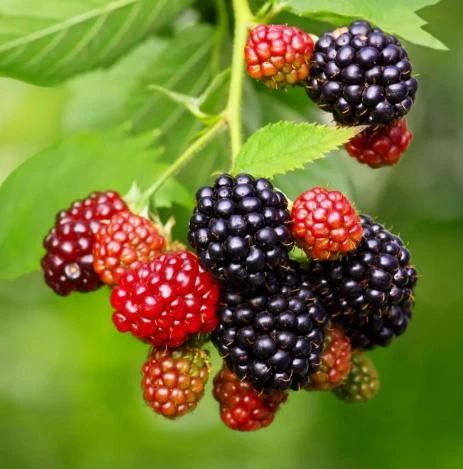
Chester Blackberry Plant Live – Thornless Fruit Bush, Set of 2, 4-6 Inch Tall, Outdoor Garden
Reviews
There are no reviews yet.