
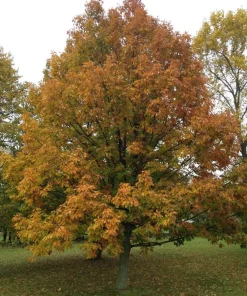
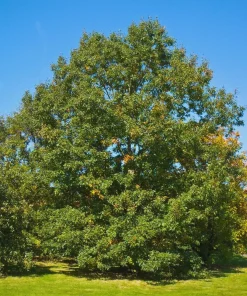
3 Chestnut Oak Tree Live Plant 12-24″ Tall Quart Pot Starter
Original price was: $101.99.$76.99Current price is: $76.99.
Cultivate a majestic landscape with the Chestnut Oak Tree (Quercus montana). This hardy, deciduous oak tree live plant arrives as a 12-24 inch starter, ready to establish its deeply furrowed bark and glossy green leaves in your garden. Known for its adaptability to various soils, it’s an excellent choice for long-term shade and ecological benefits.
Estimated arrival
Sep 29
Oct 04 - Oct 06
Oct 09 - Oct 13
Shop With Confidence
30-Day Plant Health Guarantee
Arrives damaged? We’ll replace it free — see our return policy.
Responsive Support
Email us anytime, we reply within 1 business day.
Expert Packaging
Temperature-controlled shipping to protect your plants in transit.
Secure Checkout
Pay safely with Visa, Mastercard, PayPal.
Plant Specifications
-
USDA Hardiness Zone
USDA Zones 4-8 -
Soil Type
Well-draining, acidic to neutral soil -
Sunlight Exposure
Full sun -
Expected Planting Period
Early spring or fall
Overview
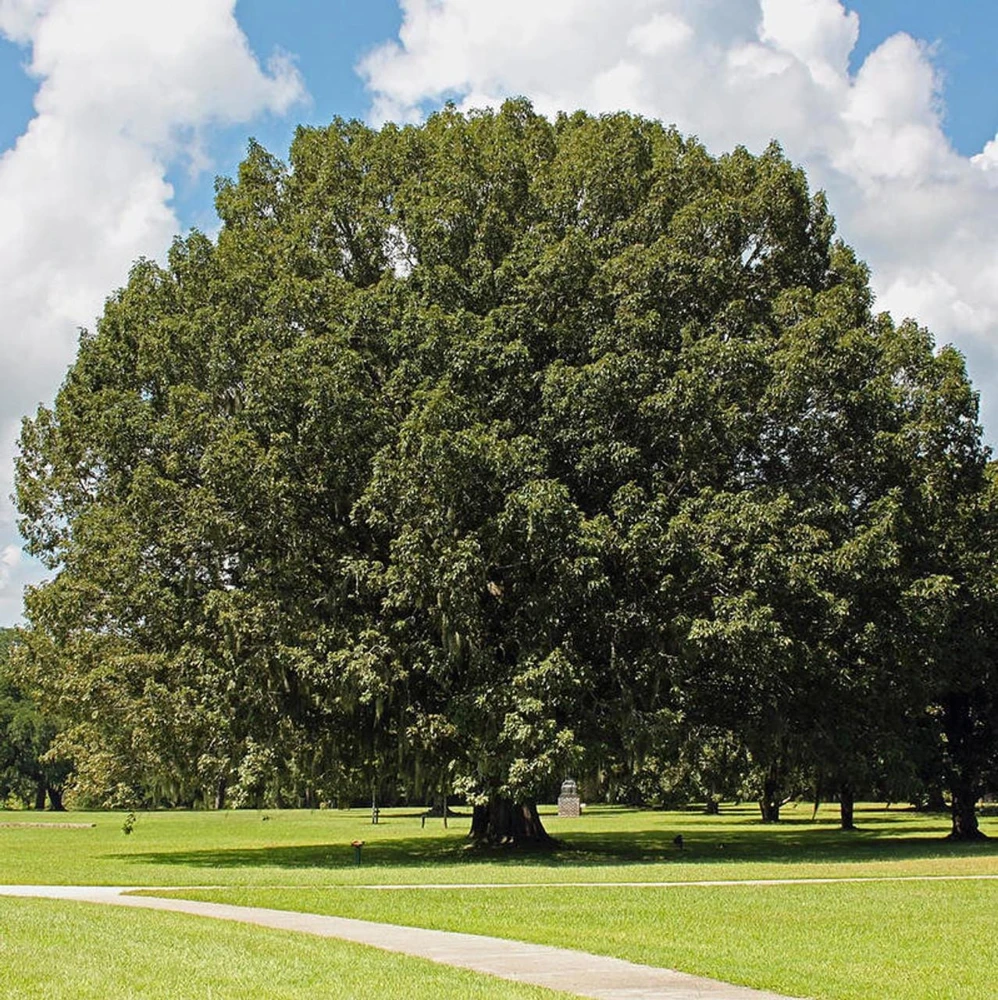
Introduce a piece of natural grandeur to your property with the Chestnut Oak Tree. This offering includes three vigorous Chestnut Oak Tree starter plants, each standing 12-24 inches tall and provided in a quart pot. Also known by its scientific name, Quercus montana, or common names like rock oak tree and mountain oak, this deciduous tree is celebrated for its robust nature and impressive stature. It’s a long-lived species, promising decades of beauty and ecological value to your landscape. With its distinctive rugged, deeply furrowed bark and vibrant glossy green leaves, the Chestnut Oak Tree provides significant aesthetic appeal and vital habitat for local wildlife, making it a cornerstone for any garden seeking to enhance biodiversity and shade.
Key Benefits
The Chestnut Oak Tree offers a multitude of advantages for any landscape, from its aesthetic appeal to its ecological contributions. Planting this remarkable tree means investing in a greener, more vibrant future for your outdoor space. The benefits extend beyond simple beauty, providing a robust and enduring presence.
- Exceptional Hardiness: This oak tree live plant is renowned for its resilience, thriving in a variety of challenging conditions, including dry, rocky, and poor soils. Its adaptability makes it a reliable choice for diverse planting sites, ensuring successful establishment and growth even where other trees might struggle.
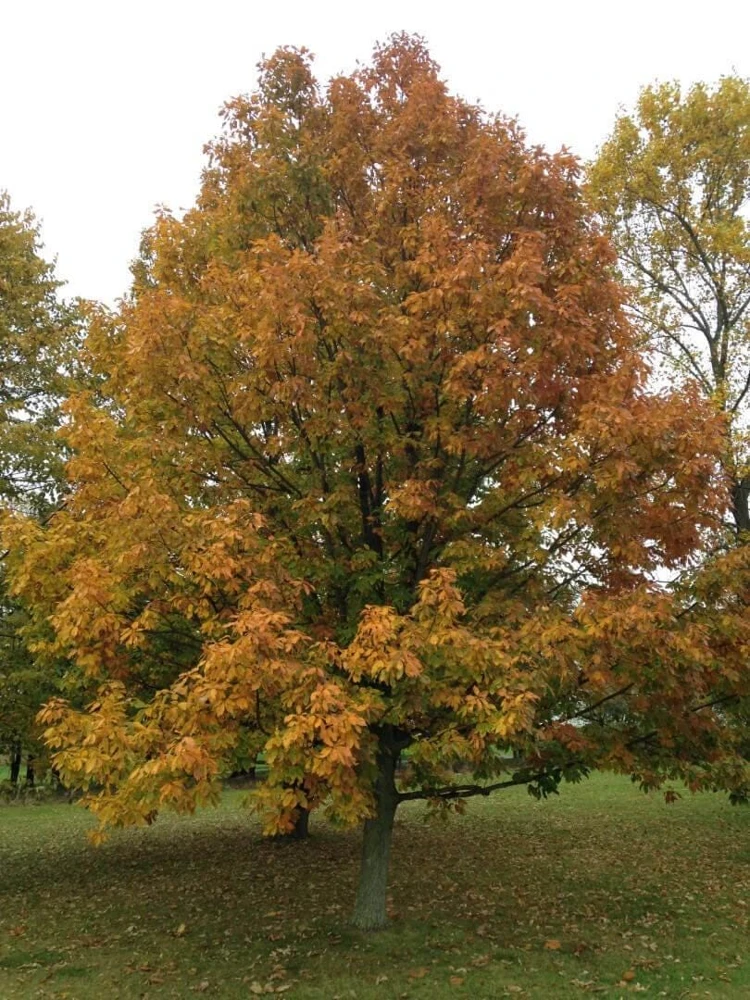
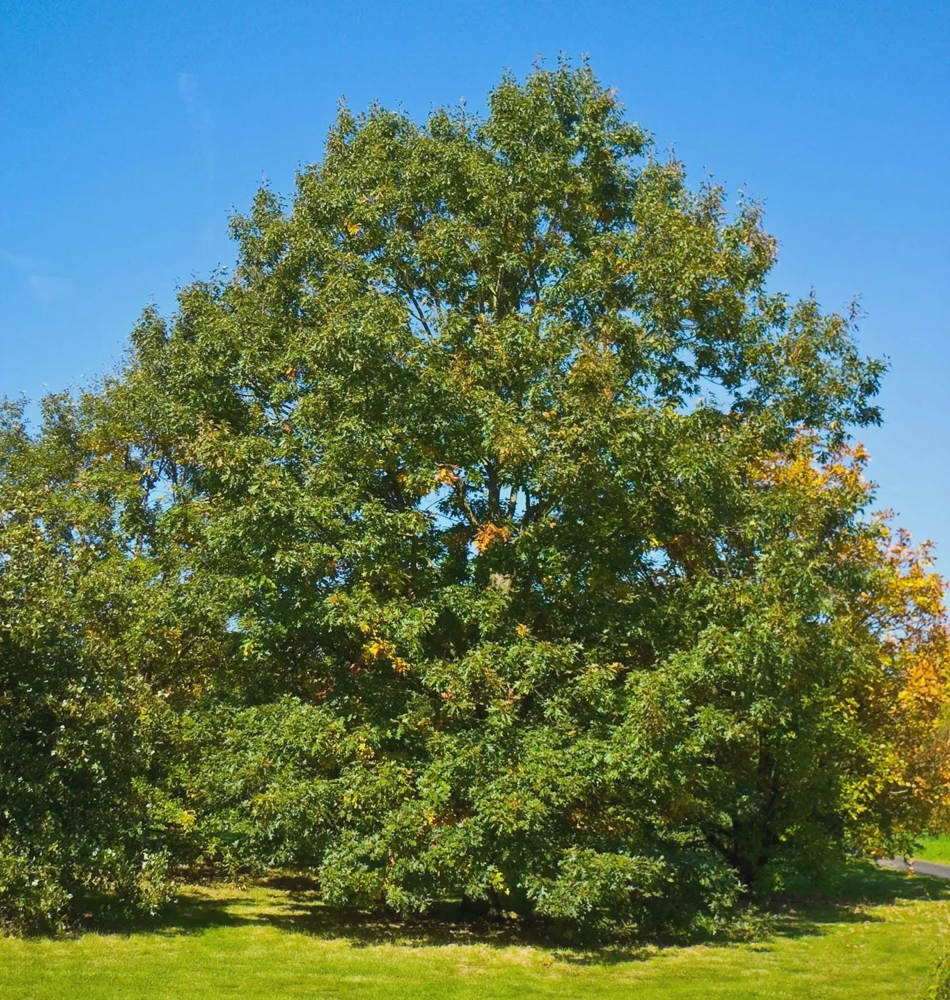
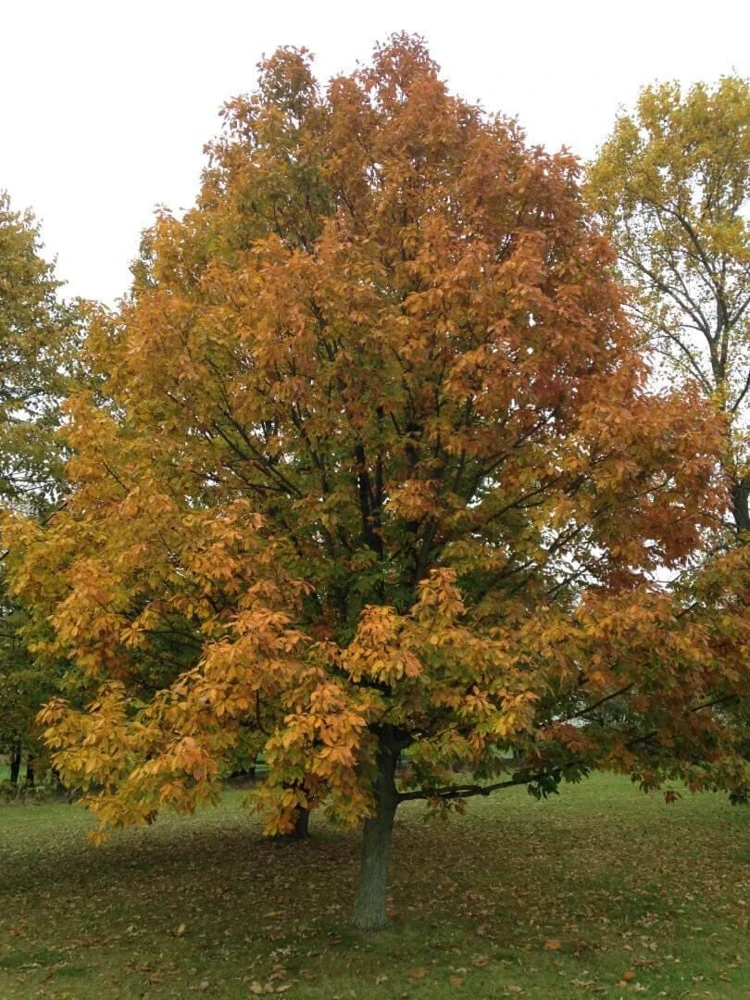
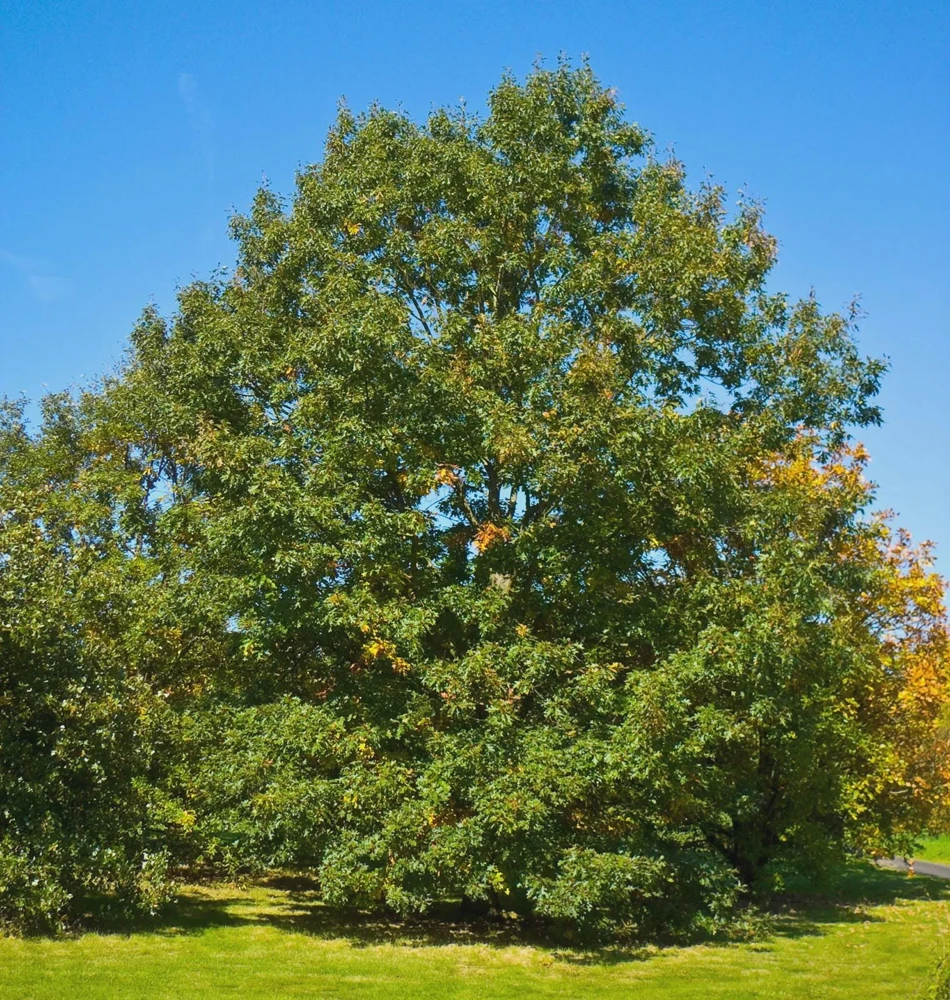
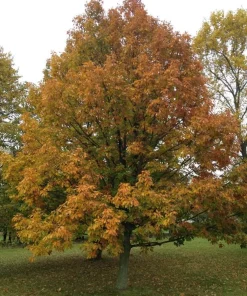
- Stunning Visual Appeal: The Chestnut Oak Tree features a broad, rounded crown, deeply furrowed bark, and glossy green leaves that turn attractive shades in autumn. These characteristics combine to create a visually striking specimen that enhances the beauty of any park, large garden, or naturalized area throughout the seasons.
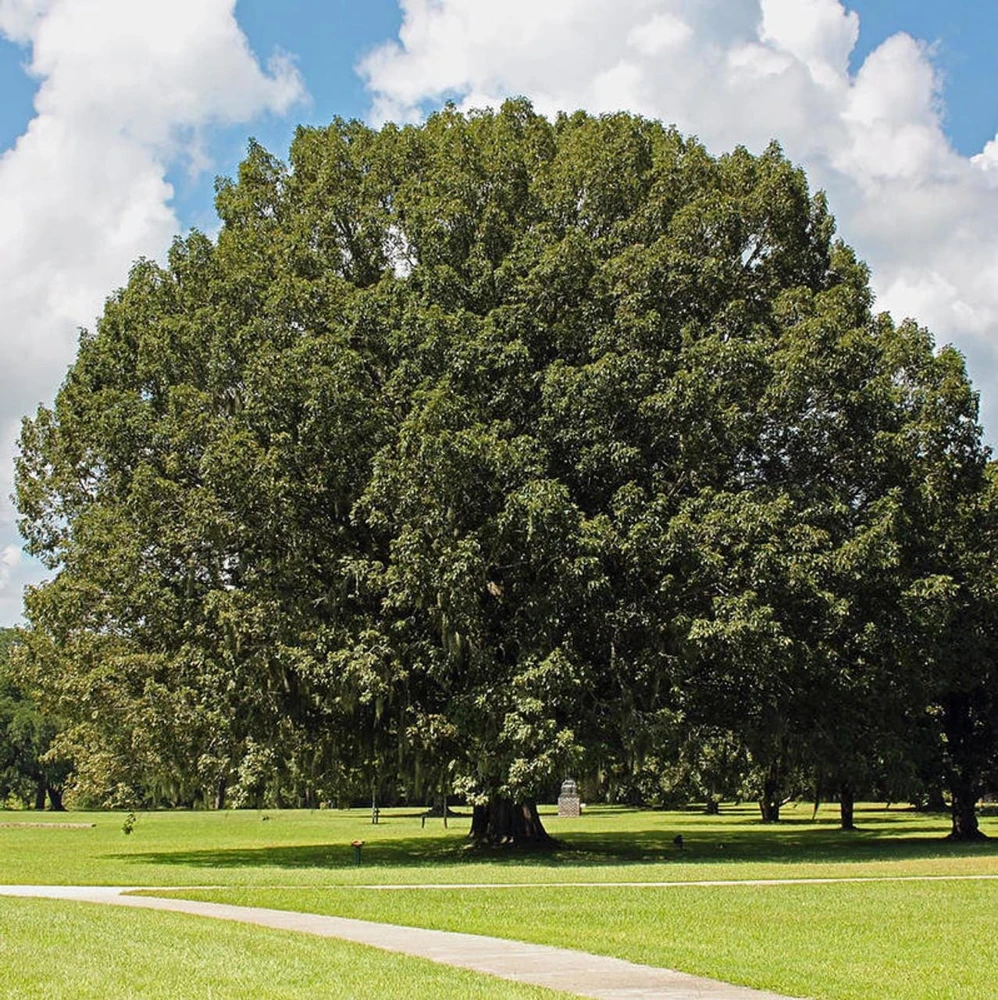
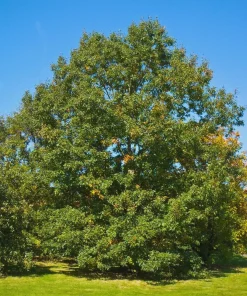
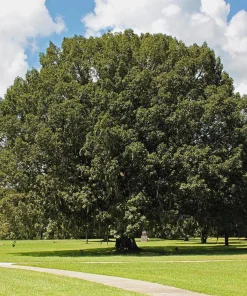
- Significant Shade Provider: Growing to an impressive height of 60-70 feet with a similar spread, and potentially over 100 feet in ideal conditions, this tree casts extensive shade. This makes it perfect for cooling down properties, creating comfortable outdoor living spaces, and reducing energy costs during warmer months.
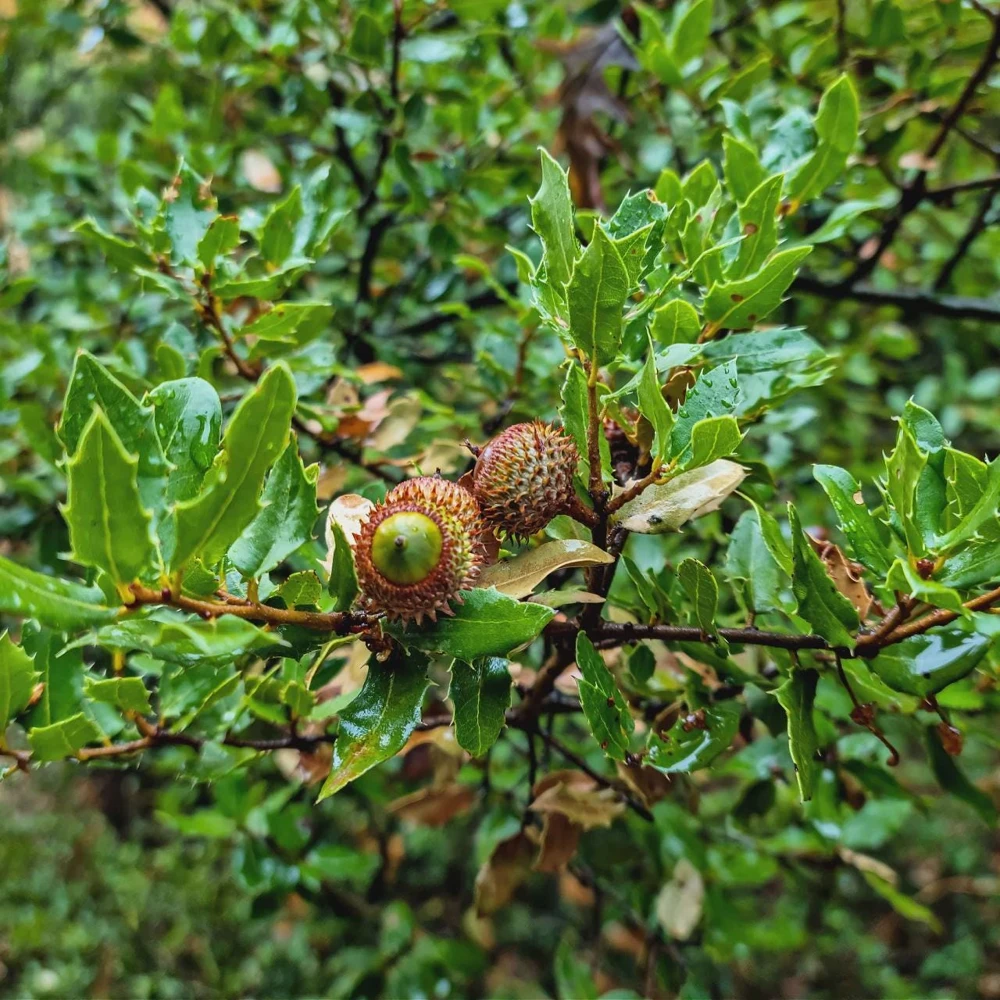
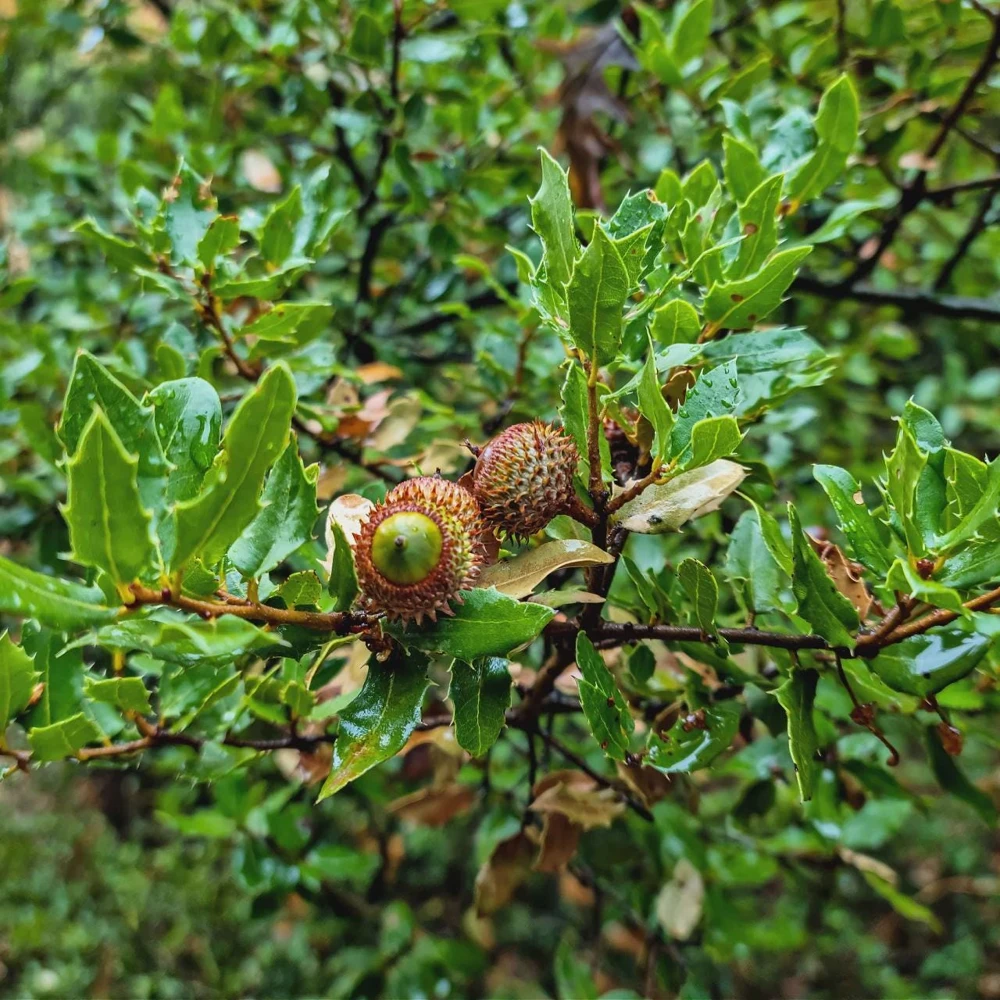
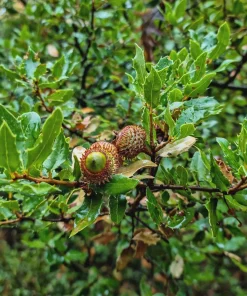
- Wildlife Habitat & Food Source: The acorns produced by the Chestnut Oak Tree are a crucial food source for a wide array of wildlife, including deer, turkeys, squirrels, and various bird species. Planting these trees contributes significantly to supporting local ecosystems and biodiversity.
- Long Lifespan: Known for its longevity, the Chestnut Oak Tree can live for many decades, becoming a lasting legacy for your property. Its enduring presence provides long-term environmental benefits and a timeless aesthetic.
- Low Maintenance Once Established: Once established, the Chestnut Oak Tree requires minimal care, making it an excellent choice for those seeking a majestic tree without constant attention. Its natural hardiness means less fuss and more enjoyment.
- Drought Tolerance: Its natural adaptability to dry, rocky soils means this tree exhibits good drought tolerance once mature, reducing the need for frequent watering in established landscapes. This makes the Chestnut Oak Tree a sustainable choice for many regions.
Plant Care & Growing Tips
Caring for your Chestnut Oak Tree involves understanding its natural preferences to ensure robust growth and longevity. As a hardy native species, it’s relatively low-maintenance once established, but proper initial care is crucial. These oak tree live plant specimens are ready to thrive with the right conditions.
Sunlight Requirements: The Chestnut Oak Tree thrives in full sun, meaning it requires at least 6-8 hours of direct sunlight per day to achieve optimal growth and health. While it can tolerate some partial shade, especially in hotter climates, its growth may be less vigorous. Ensure your planting location provides ample sunlight throughout the day for the best results for your Quercus montana.
Watering Schedule and Soil Moisture: During its establishment phase (the first 1-2 years), consistent watering is key. Water deeply 1-2 times per week, especially during dry periods, to encourage a strong root system. Once mature, the Chestnut Oak Tree is quite drought-tolerant and typically only requires supplemental watering during prolonged dry spells. Avoid overwatering, as this can lead to root rot. Well-draining soil is essential to prevent waterlogging.
Soil Type and Drainage: This adaptable tree prefers well-draining, acidic to neutral soils (pH 5.0-7.0) but is known for its ability to grow in a wide range of soil types, including rocky, sandy, and clay soils. Its common name, rock oak tree, attests to its preference for and ability to thrive in challenging, stony environments. Good drainage is paramount; soggy soils can be detrimental to its health. Amending heavy clay soils with organic matter can improve drainage.
Temperature Range and USDA Hardiness Zone: The Chestnut Oak Tree is incredibly cold-hardy, typically thriving in USDA Hardiness Zones 4-8. It can withstand significant winter cold and summer heat once established. Young trees may benefit from some winter protection in the colder ends of its range during their first year or two.
Fertilization Schedule and Type: In most cases, established Chestnut Oak Trees do not require regular fertilization, especially if planted in reasonably fertile soil. If your soil is poor or the tree shows signs of nutrient deficiency (slow growth, pale leaves), a balanced, slow-release tree fertilizer can be applied in early spring. Always follow product instructions carefully to avoid over-fertilization.
Common Problems and Solutions:Quercus montana is generally resistant to many pests and diseases. However, it can occasionally be affected by oak wilt, cankers, or various insect pests like borers or gall-forming insects. Maintaining good tree health through proper watering and siting is the best defense. Prune out any dead, diseased, or damaged branches promptly. Consult a local arborist if serious issues arise.
Size & Details
This offering provides three robust Chestnut Oak Tree starter plants, each carefully cultivated in a quart pot. Upon arrival, these young trees will stand approximately 12-24 inches tall, offering a fantastic head start for your landscaping project. While they are shipped as bare-root plants to ensure optimal health and ease of transport, they are ready to be planted directly into your garden. The Chestnut Oak Tree is known for its moderate to fast growth rate, especially in its early years, allowing it to quickly establish a presence in your landscape. Ultimately, these magnificent trees can reach impressive mature heights of 60 to 70 feet with a similar spread, forming a majestic, broad, and rounded crown. In ideal growing conditions, some specimens have been known to exceed 100 feet. Expect these trees to mature over several decades, providing long-lasting beauty and ecological benefits. The quart pot size provides a healthy root ball for successful transplanting.
Frequently Asked Questions
- Q: How big does this Chestnut Oak Tree get? A: The Chestnut Oak Tree typically grows 60-70 feet tall with a similar spread, forming a broad, rounded crown. In optimal conditions, it can even reach over 100 feet, providing significant shade and presence.
- Q: What size pot does this Chestnut Oak Tree come in? A: Each Chestnut Oak Tree starter plant is shipped in a quart-sized pot, ensuring a healthy root system for successful transplanting into your garden. They are provided as bare-root plants for optimal transport.
- Q: Is this an indoor or outdoor plant? A: The Chestnut Oak Tree (Quercus montana) is an outdoor tree, best suited for large landscapes, parks, and naturalized areas where it has ample space to grow to its mature size. It is not suitable for indoor cultivation.
- Q: How much sunlight does the Chestnut Oak Tree need? A: This tree thrives in full sun, requiring at least 6-8 hours of direct sunlight per day. While it can tolerate some partial shade, full sun promotes the strongest growth and overall health for your oak tree live plant.
- Q: Is this plant easy to care for? A: Once established, the Chestnut Oak Tree is considered low-maintenance due to its natural hardiness and adaptability to various soil conditions. Initial care focuses on consistent watering during the establishment phase.
- Q: What condition will the Chestnut Oak Tree arrive in? A: These Chestnut Oak Tree starter plants are shipped bare root, meaning they arrive without soil around their roots. This method is common for dormant trees and helps reduce transplant shock, ensuring a healthy start.
- Q: When is the best time to plant a Chestnut Oak Tree? A: The ideal time to plant a Chestnut Oak Tree is in early spring or fall when temperatures are mild. This allows the tree to establish its root system before the stress of summer heat or winter cold.
- Q: Will this mountain oak survive winter in my zone? A: Yes, the mountain oak (Quercus montana) is very cold-hardy and thrives in USDA Hardiness Zones 4-8, making it suitable for a wide range of climates across the US.
- Q: What kind of soil does the rock oak tree prefer? A: The rock oak tree is highly adaptable, preferring well-draining, acidic to neutral soils. It can tolerate rocky, sandy, and even clay soils, highlighting its resilience in various challenging environments.
- Q: How long until the Chestnut Oak Tree produces acorns? A: Chestnut Oak Trees typically begin producing acorns when they are between 20-30 years old, though this can vary depending on growing conditions. Acorns are a vital food source for wildlife.
Be the first to review “3 Chestnut Oak Tree Live Plant 12-24″ Tall Quart Pot Starter”
People Also Viewed

Reviews
There are no reviews yet.