

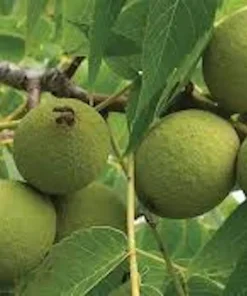
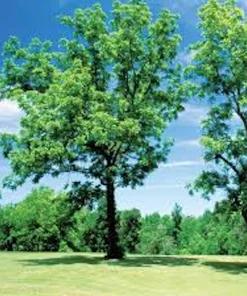
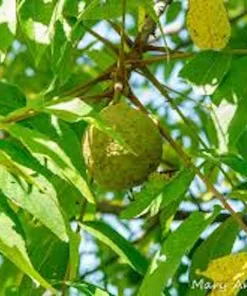
5 Black Walnut Tree Seedlings – Juglans nigra – Live Plant – 12-24in Tall – Quart Pot
Original price was: $123.99.$98.99Current price is: $98.99.
Cultivate strong, majestic black walnut tree seedlings for your landscape. This offer includes 5 healthy Juglans nigra live plant specimens, each 12-24 inches tall and grown in a quart pot. Ideal for timber, wildlife, or shade, these trees thrive in zones 4-9.
Estimated arrival
Sep 29
Oct 04 - Oct 06
Oct 09 - Oct 13
Shop With Confidence
30-Day Plant Health Guarantee
Arrives damaged? We’ll replace it free — see our return policy.
Responsive Support
Email us anytime, we reply within 1 business day.
Expert Packaging
Temperature-controlled shipping to protect your plants in transit.
Secure Checkout
Pay safely with Visa, Mastercard, PayPal.
Plant Specifications
-
USDA Hardiness Zone
4-9 -
Soil Type
Well-drained, moist, rich, loamy soil -
Sunlight Exposure
Full sun -
Expected Planting Period
Spring or Fall
Overview
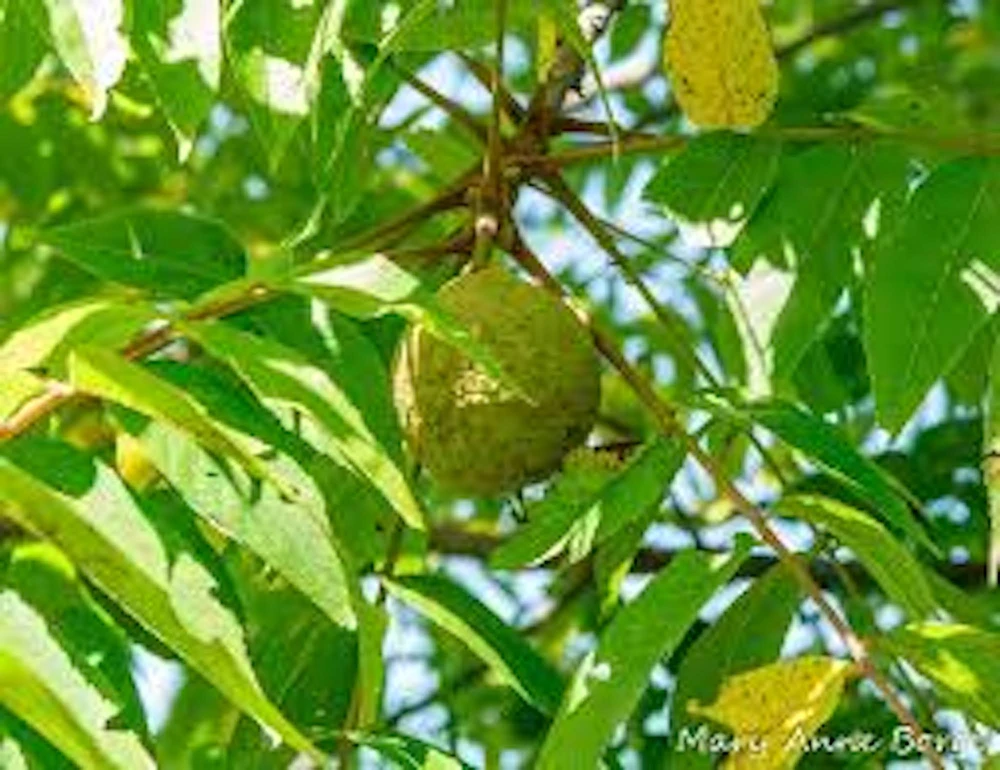
Embark on a rewarding planting journey with these premium black walnut tree seedlings. This offering provides 5 robust Juglans nigra live plant specimens, each standing 12-24 inches tall, meticulously grown in quart pots. The Black Walnut, also known as Eastern Black Walnut or American walnut tree, is a deciduous tree native to eastern North America, highly prized for its valuable timber, edible nuts, and majestic appearance. These seedlings are perfect for establishing a new grove, enhancing your existing landscape, or contributing to reforestation efforts. Known for their deep taproots and stately presence, they grow into magnificent trees that can provide shade, attract wildlife, and become a long-term investment. Planting black walnut tree seedlings is an excellent way to connect with nature and enjoy the benefits of this iconic species for generations.
The Juglans nigra is renowned for its rapid growth in ideal conditions and its ability to produce delicious nuts, which are a favorite among both humans and local wildlife. Beyond its practical uses, the tree offers significant ecological benefits, providing habitat and food. Its strong, durable wood is highly sought after for furniture, flooring, and cabinetry, making it a valuable asset for any landowner. These young trees are ready to be transplanted and established in your garden, farm, or woodland, offering a promising start to a thriving natural environment.
Key Benefits
Investing in black walnut tree seedlings offers a multitude of advantages, from ecological contributions to long-term economic value. These trees are a fantastic addition to any property.
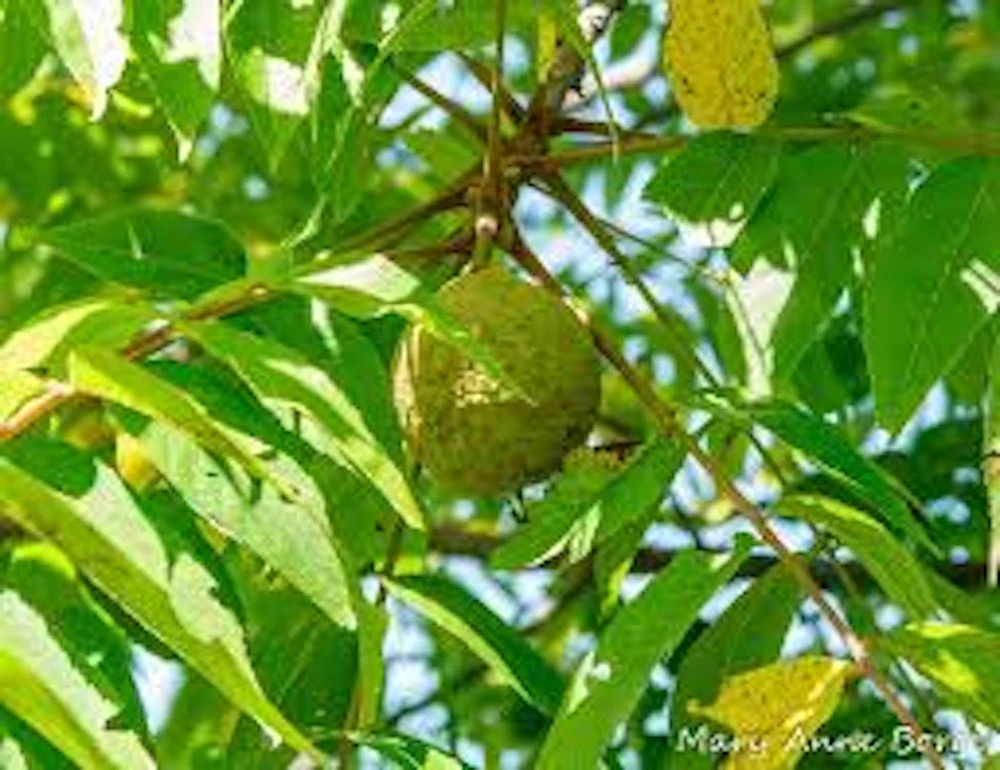
- Valuable Timber Production: The Juglans nigra live plant is highly esteemed for its dark, strong, and beautiful wood, which is among the most valuable hardwoods in North America. Planting these seedlings can be a significant long-term investment for future timber harvest.
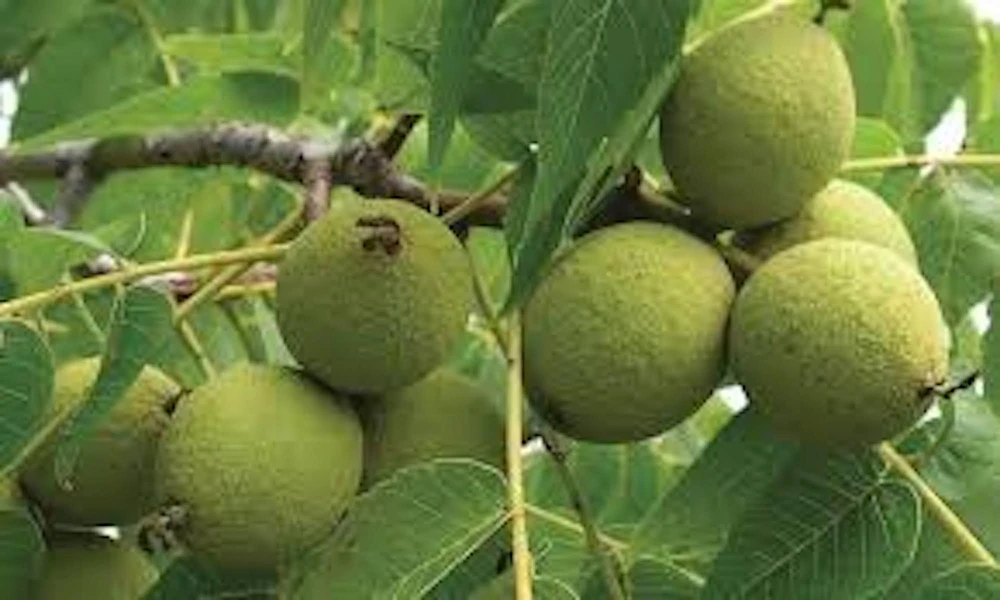
- Edible Nuts: These trees produce delicious, nutrient-rich black walnuts that can be harvested for culinary use or enjoyed by local wildlife. They are a great source of protein and healthy fats.
- Wildlife Habitat: The nuts provide an important food source for squirrels, deer, and other animals, while the tree itself offers shelter and nesting sites, enhancing biodiversity in your area.
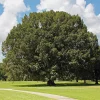
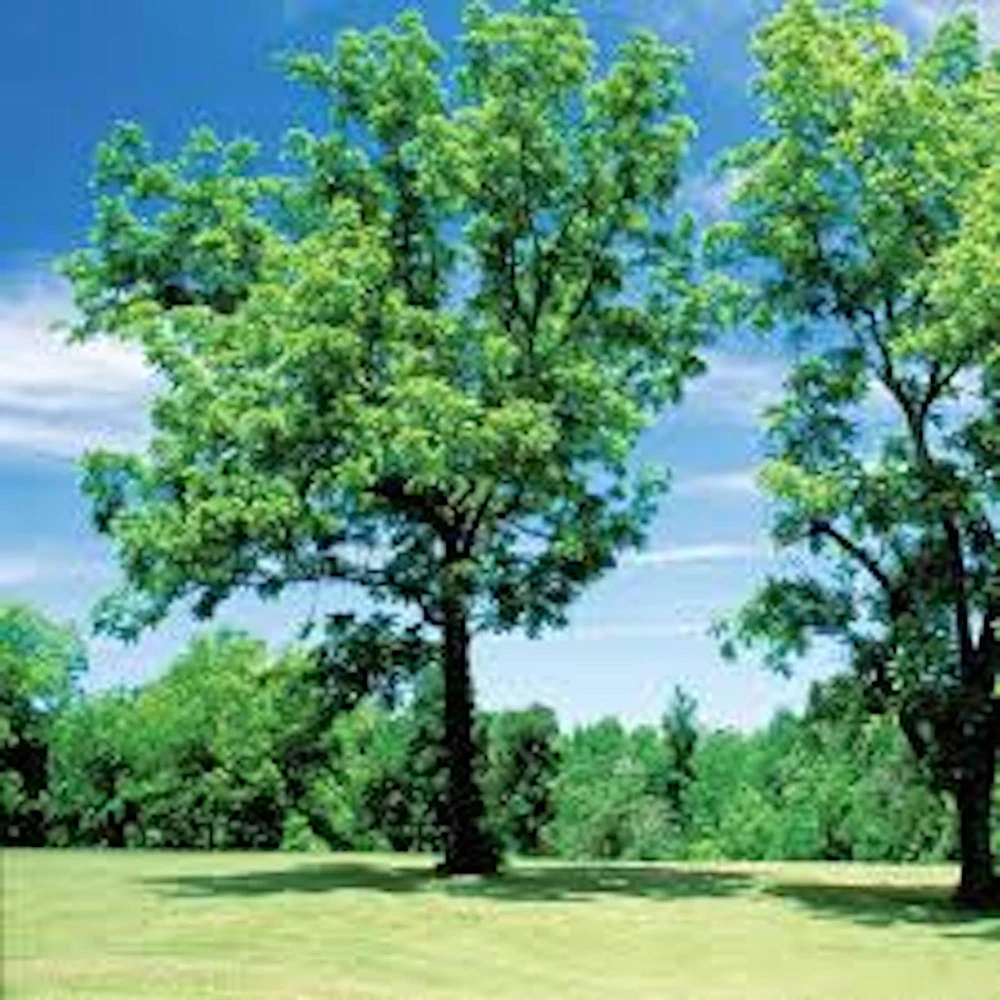
- Shade & Aesthetic Appeal: With a mature height of 70-100 feet, the Black Walnut develops a broad, attractive crown, providing ample shade and a grand presence in any landscape.
- Soil Improvement: The deep taproot system of the American walnut tree helps stabilize soil, prevent erosion, and can improve soil structure over time.
- Long-Term Investment: Black Walnut trees have a long lifespan, often living for over 100 years, increasing in value as they mature, especially for timber.
- Adaptability: These seedlings are well-suited for a wide range of climates, thriving in USDA Zones 4-9, making them a versatile choice for many regions.
Plant Care & Growing Tips
Proper care is essential for successful establishment and growth of your black walnut tree seedlings. The black walnut tree care is relatively straightforward once established, but young trees require attention to get a strong start. These trees prefer full sun exposure, meaning at least 6 hours of direct sunlight per day. They thrive in well-drained, moist, rich, and deep loamy soils. Avoid planting in compacted or poorly drained areas, as this can hinder root development and overall health. When planting, dig a hole that is twice as wide as the root ball and just as deep. Gently loosen the roots before placing the seedling in the hole, ensuring the top of the root ball is level with the ground.
Water your newly planted Juglans nigra live plant regularly, especially during dry periods, to ensure the soil remains consistently moist but not waterlogged. Deep watering encourages the development of the crucial deep taproot. Once established, mature black walnuts are more drought-tolerant. Fertilization is generally not necessary in rich soils, but a balanced, slow-release fertilizer can be applied in early spring if soil nutrients are lacking. Pruning should focus on removing dead, damaged, or crossing branches to maintain a strong central leader and good canopy structure. Be aware of Juglone, a natural chemical produced by black walnuts that can inhibit the growth of certain sensitive plants nearby; research companion planting options if this is a concern. For optimal growth, ensure adequate spacing between trees to allow for their mature size.
Size & Details
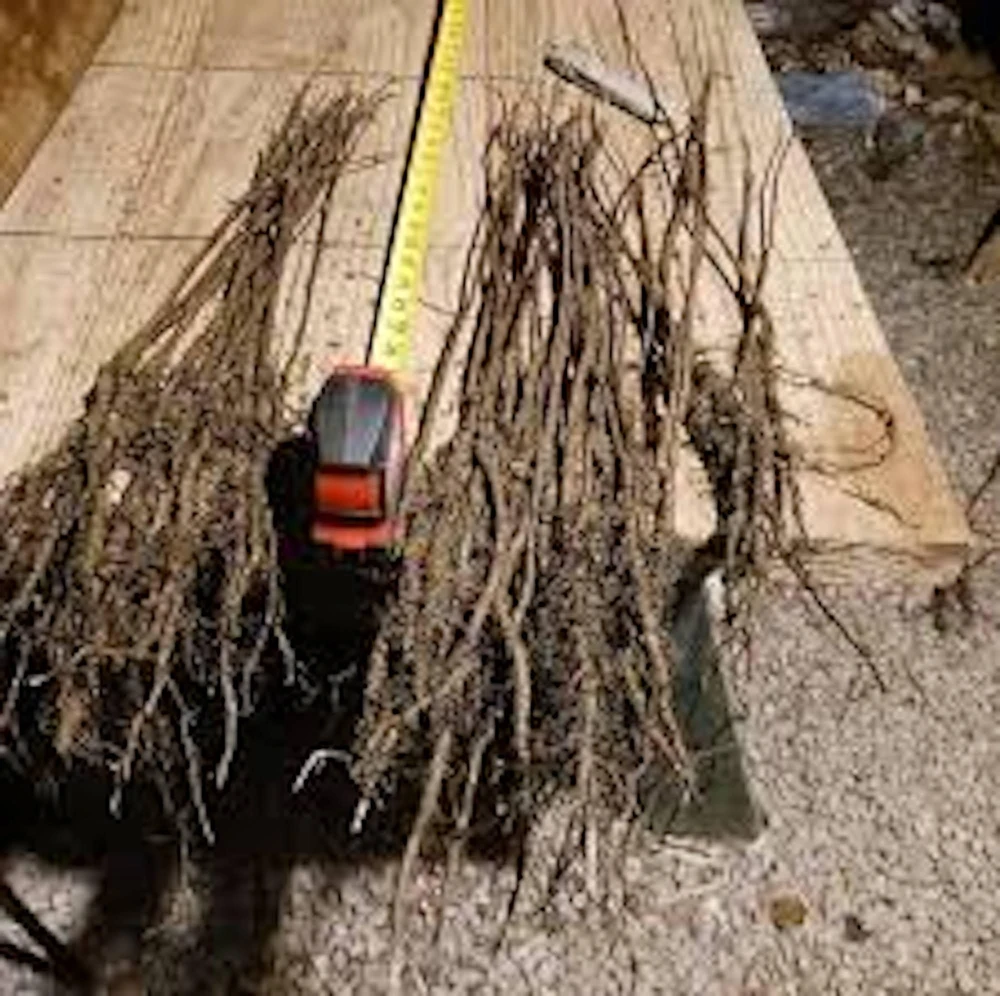
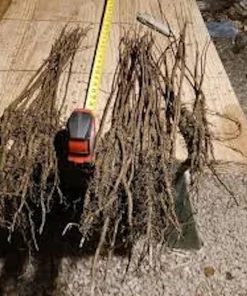
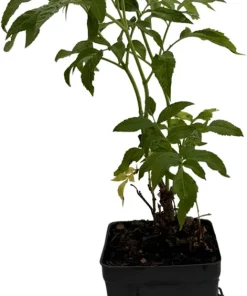
This offer includes 5 individual black walnut tree seedlings, each measuring approximately 12-24 inches in height from the top of the soil to the tip of the plant. They are shipped actively growing in individual quart-sized nursery pots, providing a healthy root system ready for transplanting. The American walnut tree is known for its relatively fast growth rate, especially in favorable conditions, typically adding 1-2 feet per year once established. These young trees have already begun to develop their characteristic deep taproot, which is crucial for their long-term stability and drought resistance. With proper care, these seedlings will mature into impressive trees, reaching a height of 70-100 feet and a similar spread, forming a stately, oval to round crown.
The trees are suitable for planting in USDA Hardiness Zones 4-9, indicating their resilience to a wide range of temperate climates. They are self-pollinating, meaning a single tree can produce nuts, though planting multiple trees can increase overall yield. Expect to see initial nut production begin around 10-15 years after planting, with significant yields occurring after 20-30 years. These robust seedlings provide an excellent foundation for creating a productive and beautiful landscape that will thrive for decades.
Frequently Asked Questions
- Q: How big do these black walnut tree seedlings get? A: These seedlings are 12-24 inches tall when shipped. Mature black walnut tree seedlings can reach impressive heights of 70-100 feet with a similar spread, developing a large, stately crown over time.
- Q: Is this an indoor or outdoor plant? A: Black Walnut trees are outdoor plants. They require ample space to grow and thrive in natural outdoor environments, making them unsuitable for indoor cultivation.
- Q: How much sunlight does the Juglans nigra live plant need? A: The Juglans nigra live plant thrives in full sun, requiring at least 6 hours of direct sunlight per day for optimal growth and health. They do not perform well in shaded areas.
- Q: Is this black walnut tree care difficult for beginners? A: While initial establishment requires consistent watering, black walnut tree care is relatively easy once the tree is established. They are hardy and adaptable to a range of conditions within their hardiness zones.
- Q: What condition will the seedlings arrive in? A: Your 5 black walnut tree seedlings will arrive as live plants, actively growing in quart pots, with their roots intact and ready for transplanting into your garden.
- Q: How long until these trees produce nuts? A: Black Walnut trees typically begin producing nuts around 10-15 years after planting, with significant nut yields occurring after 20-30 years of maturity.
- Q: Will the American walnut tree survive winter in my zone? A: The American walnut tree is hardy in USDA Zones 4-9, meaning it can withstand winter temperatures within these zones. If your zone falls within this range, it should survive winter effectively.
- Q: What is the best time to plant black walnut trees? A: The ideal time to plant black walnut trees is in the spring or fall when temperatures are moderate, allowing the roots to establish before extreme heat or cold.
- Q: Can I plant other plants near black walnut trees? A: Black walnuts produce a chemical called juglone, which can be toxic to some plants. Research juglone-tolerant plants if you plan to garden near your black walnut trees.
- Q: What kind of soil is best for these trees? A: Black walnuts prefer deep, rich, moist, well-drained loamy soils. They do not tolerate poorly drained or excessively sandy soils.
Be the first to review “5 Black Walnut Tree Seedlings – Juglans nigra – Live Plant – 12-24in Tall – Quart Pot”
People Also Viewed
Trees
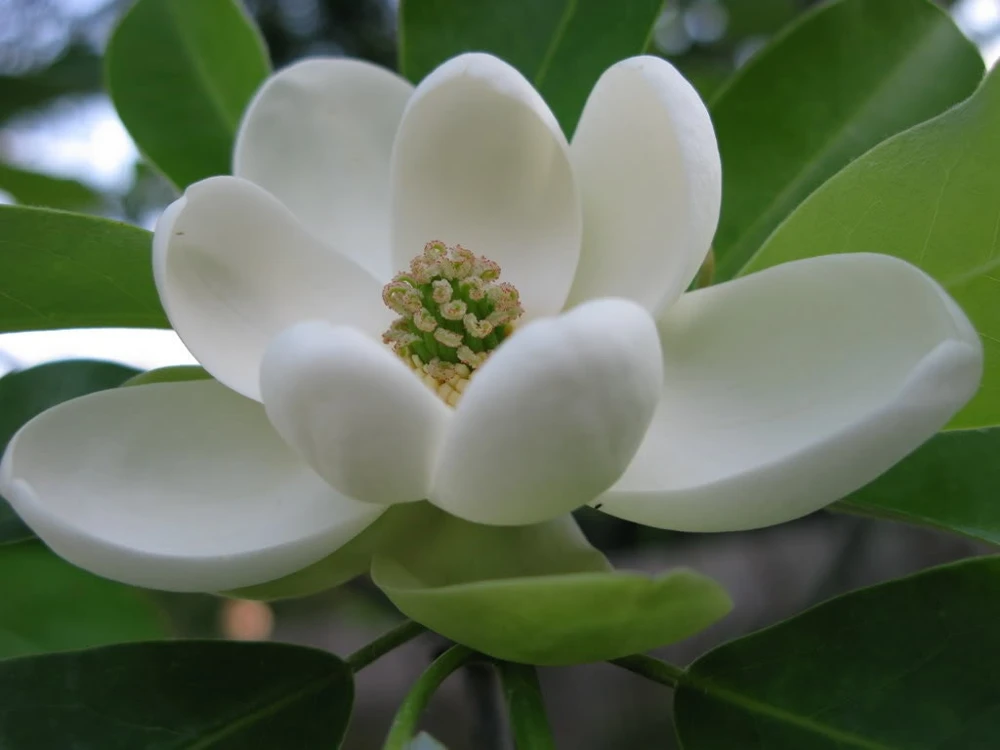
Sweetbay Magnolia Live Tree – Fragrant White Blooms – Quart Pot – 6-12 Inch Tall – Outdoor Plant
Reviews
There are no reviews yet.