
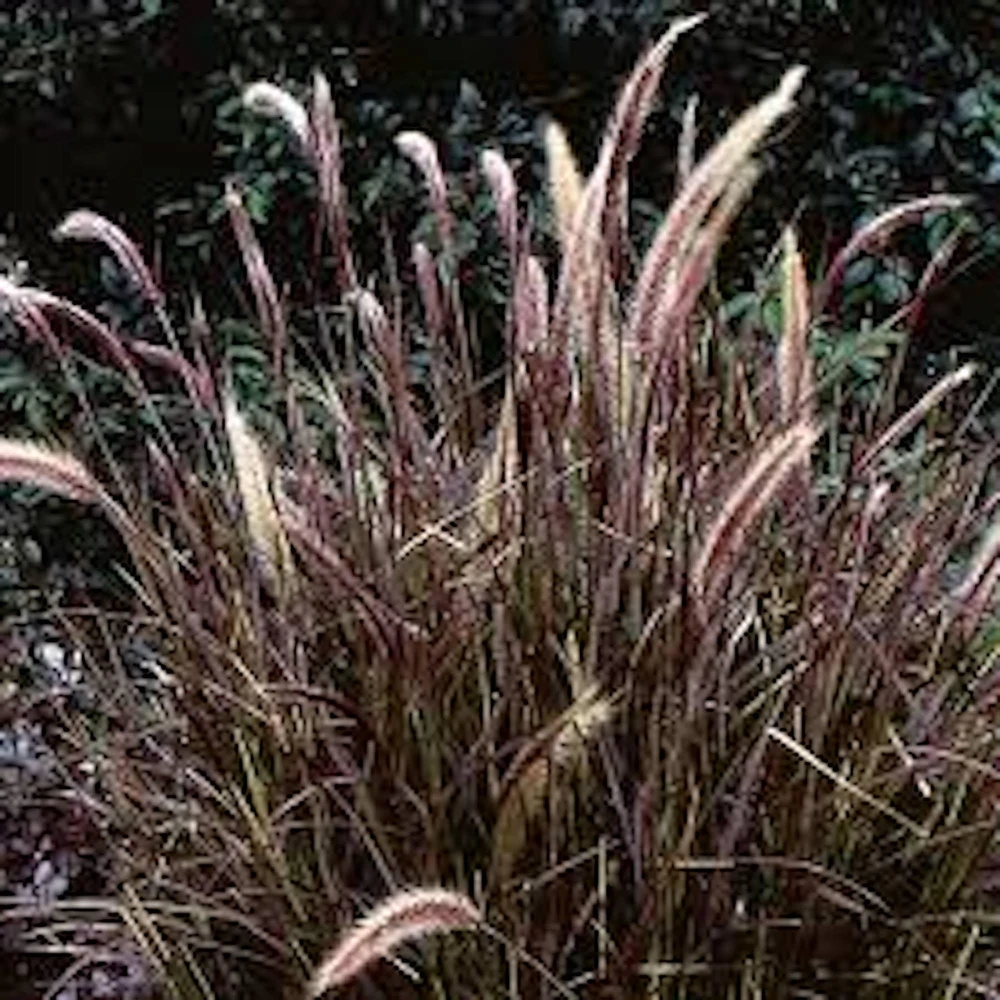
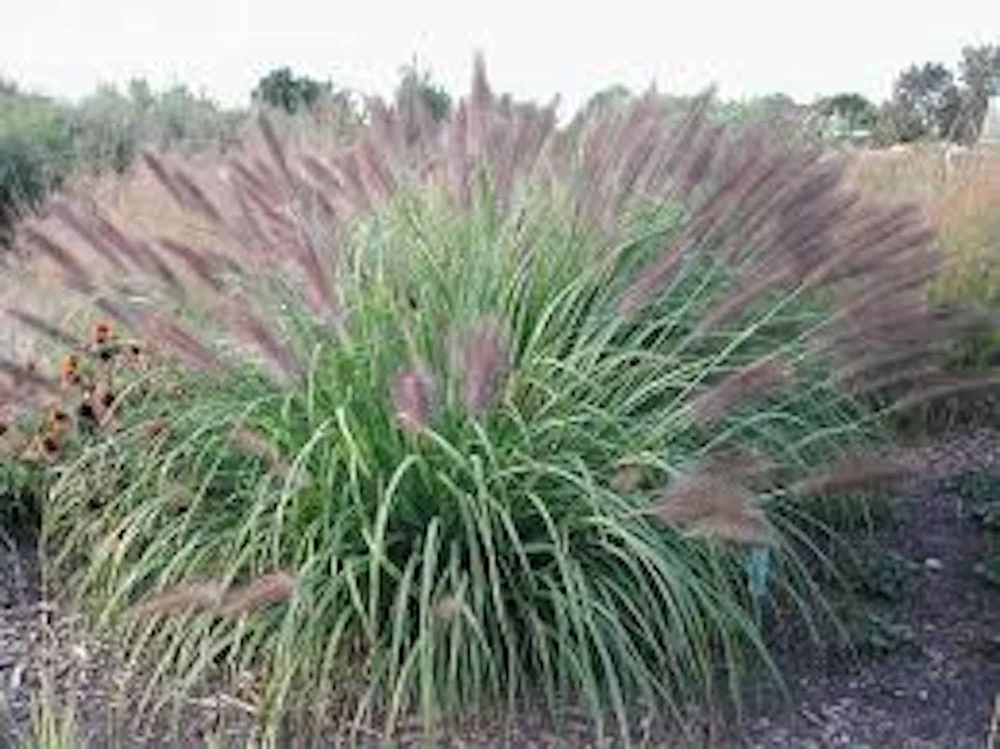
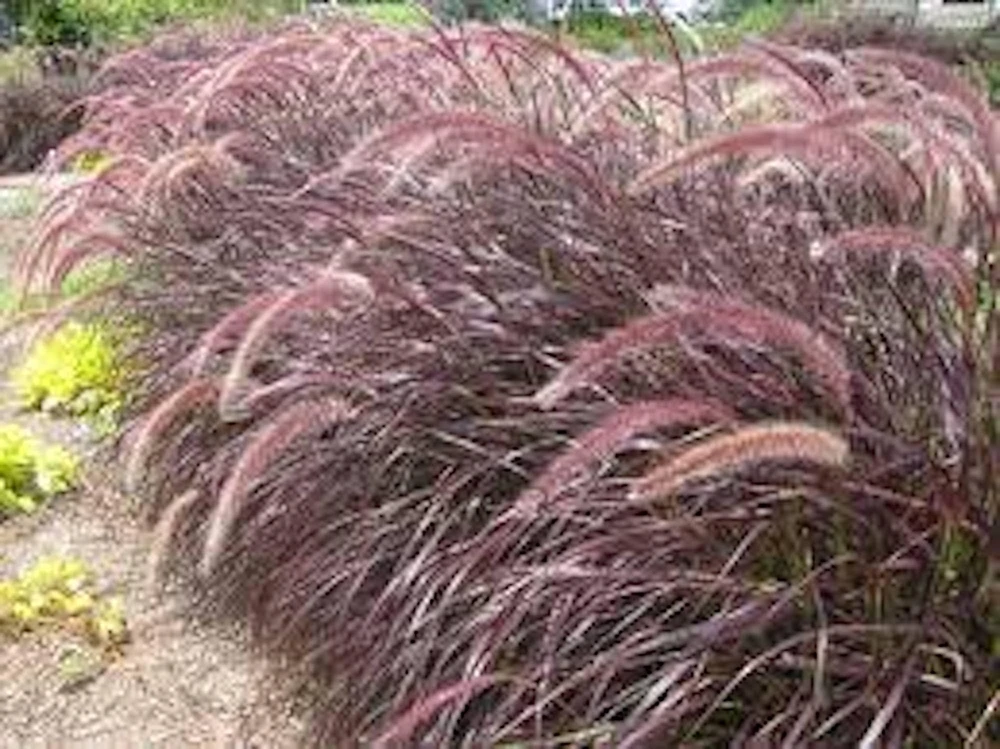
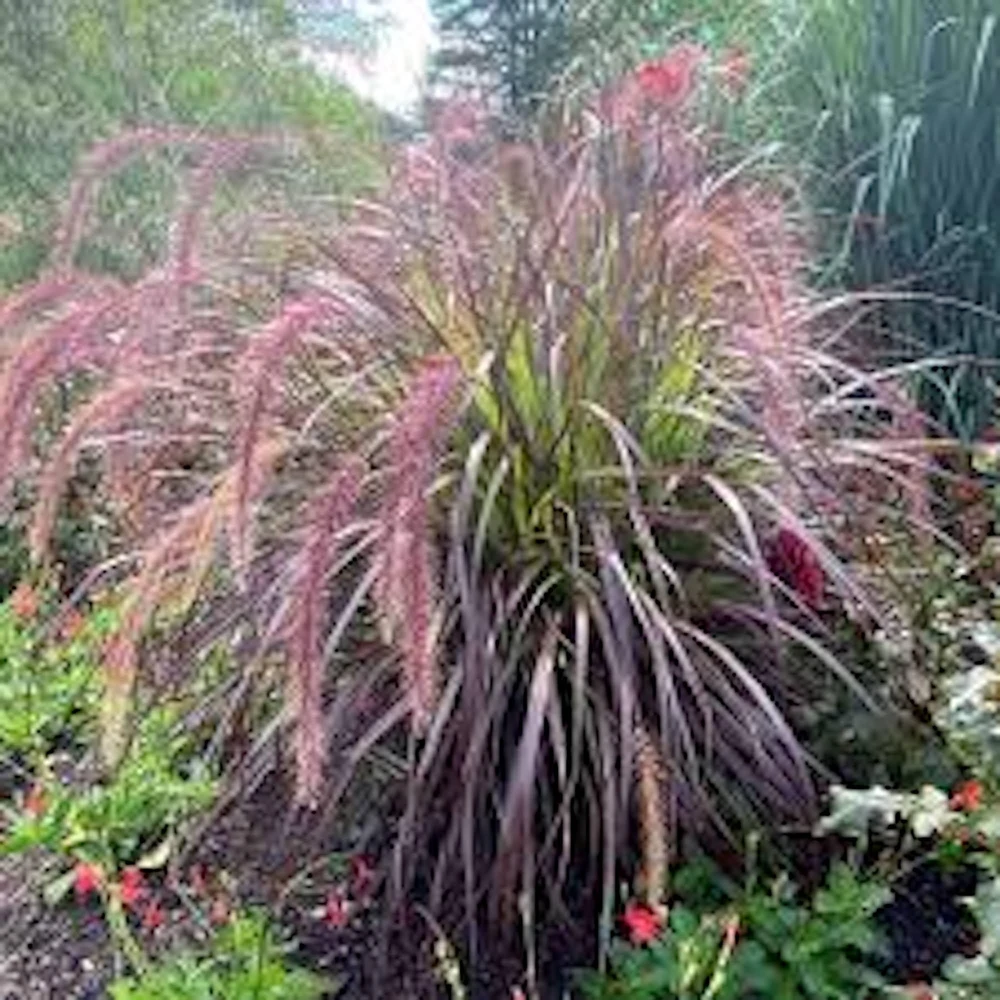
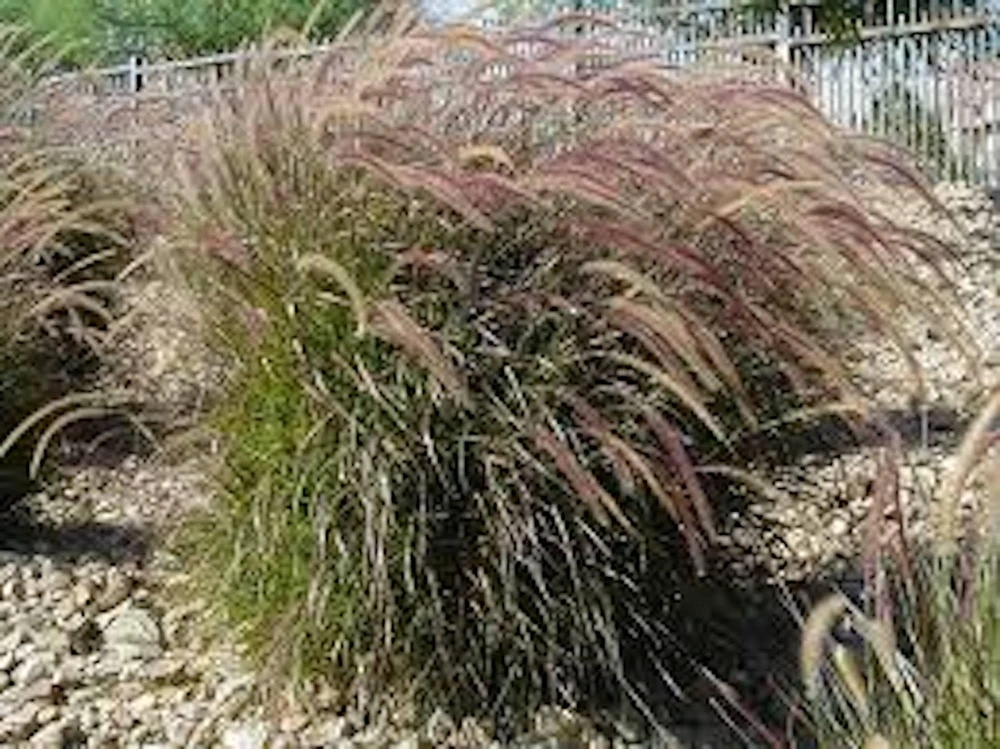
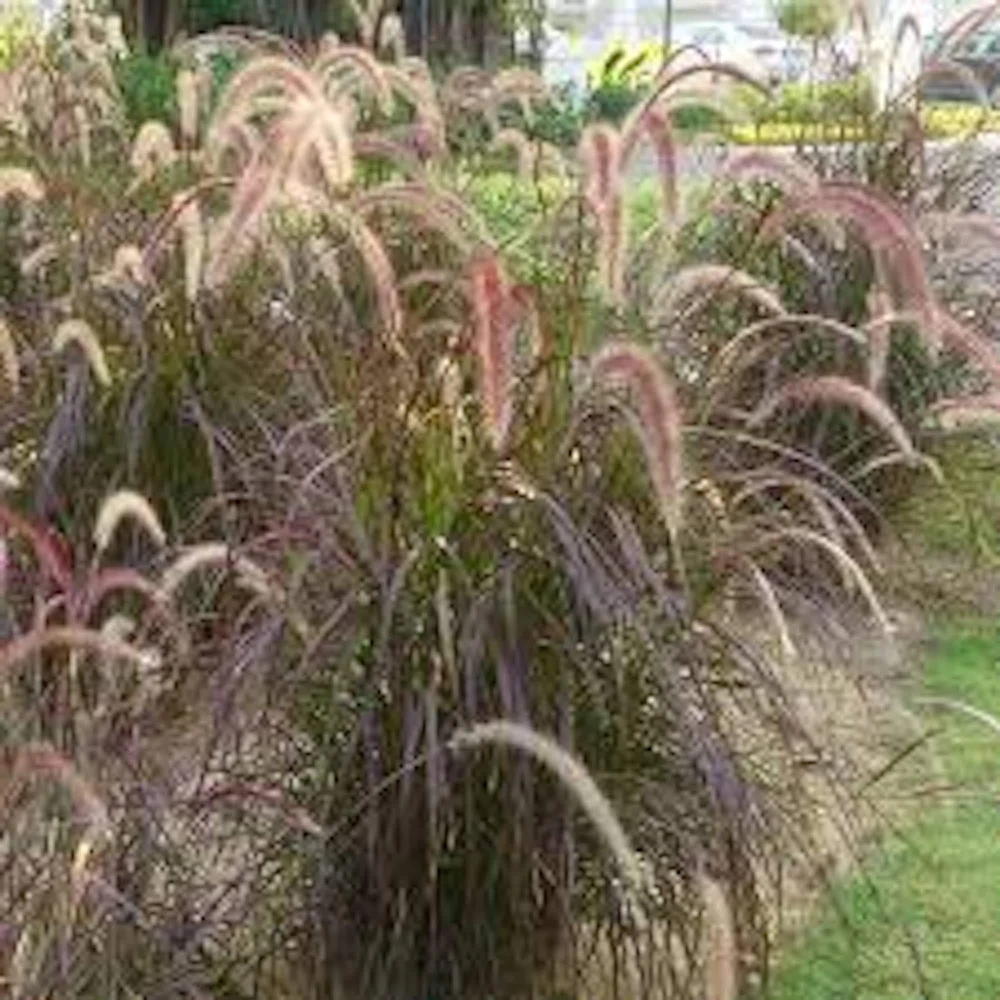
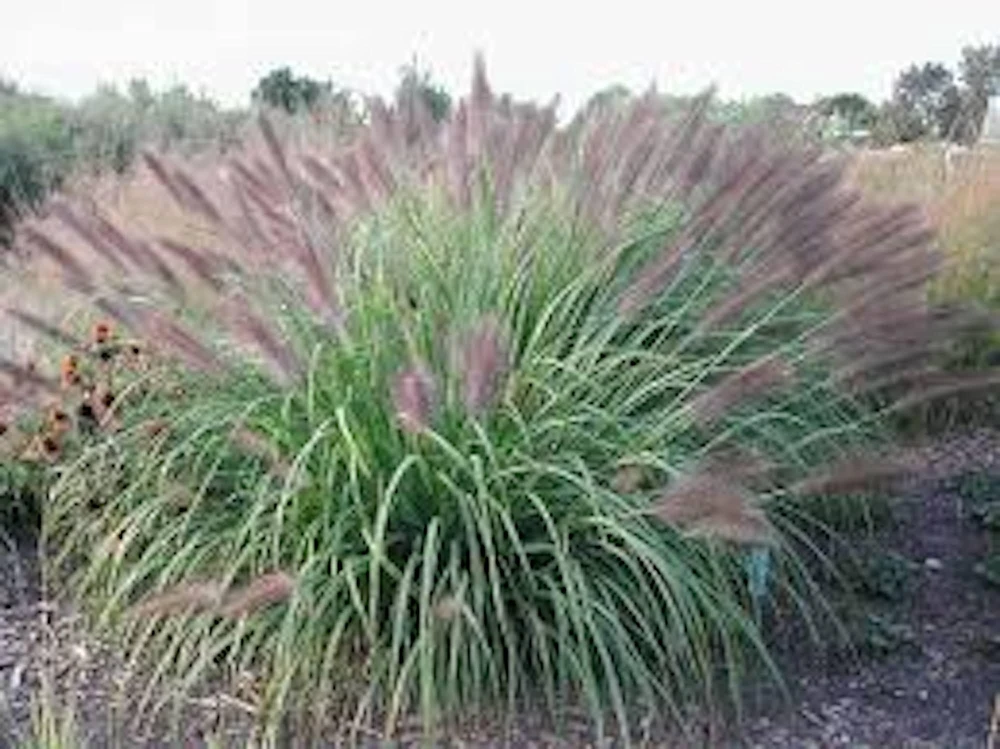
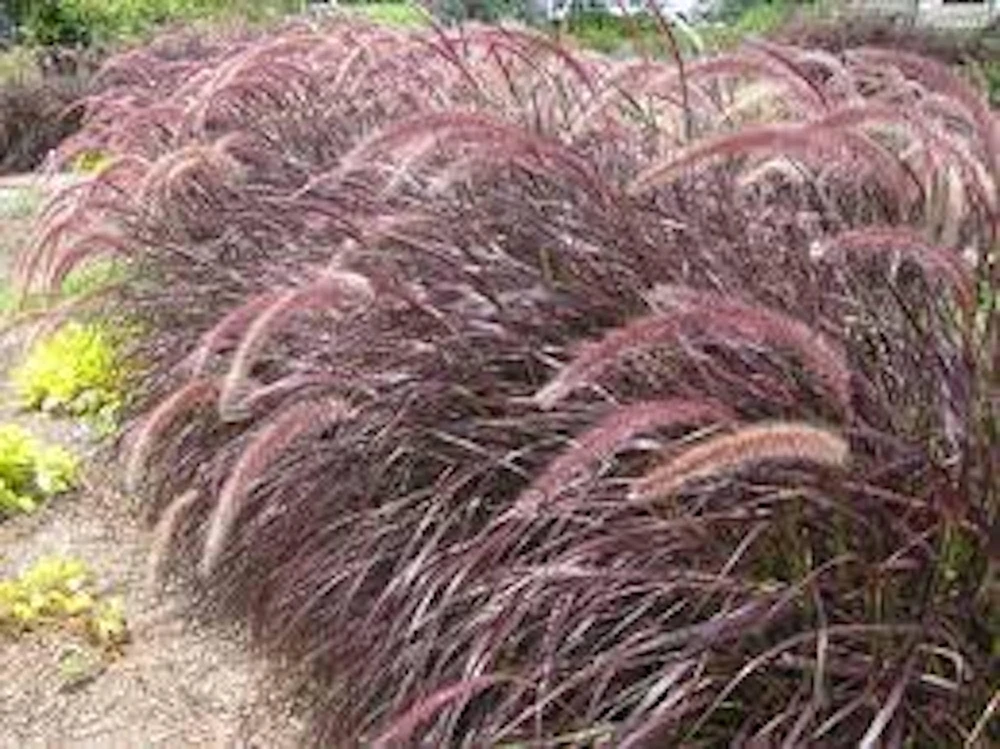
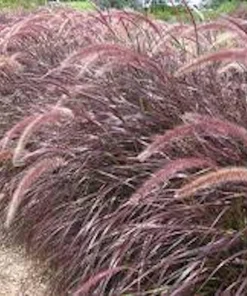
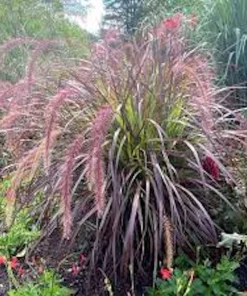
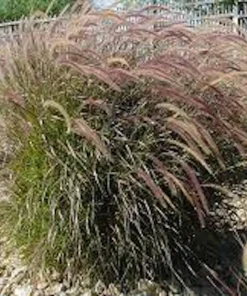
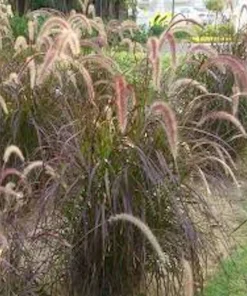
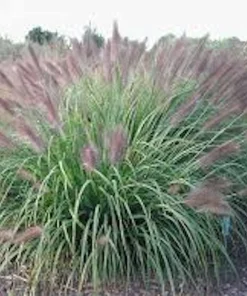
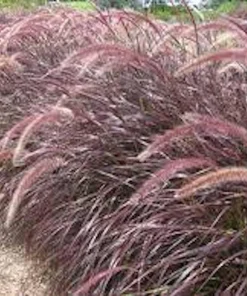
3 Red Fountain Grass Live Plant – Burgundy Ornamental Grass, Bare Root
Original price was: $88.99.$63.99Current price is: $63.99.
Introduce striking fall color and texture to your garden with 3 Red Fountain Grass live plant. This ornamental grass features vibrant burgundy foliage and graceful, feathery plumes, creating a dynamic focal point. Ideal for borders, mass plantings, and xeriscapes, it’s a beautiful and low-maintenance choice for diverse landscapes.
Estimated arrival
Sep 29
Oct 04 - Oct 06
Oct 09 - Oct 13
Shop With Confidence
30-Day Plant Health Guarantee
Arrives damaged? We’ll replace it free — see our return policy.
Responsive Support
Email us anytime, we reply within 1 business day.
Expert Packaging
Temperature-controlled shipping to protect your plants in transit.
Secure Checkout
Pay safely with Visa, Mastercard, PayPal.
Plant Specifications
-
USDA Hardiness Zone
USDA Zones 9 to 11 (as perennial), cooler zones as annual -
Soil Type
Well-draining, sandy to loamy soil -
Sunlight Exposure
Full sun (at least 6 hours direct sunlight daily) -
Expected Planting Period
Spring to early summer
Overview
Transform your garden into a captivating display of color and movement with the addition of a red fountain grass live plant. Known for its striking burgundy foliage and elegant, feathery plumes, this ornamental grass, scientifically known as Pennisetum setaceum ‘Rubrum’, is a favorite among gardeners and landscape designers alike. Each order includes 3 bare root starter plants, ready to establish and thrive in your outdoor space. This perennial grass typically reaches a height of 3 to 4 feet with a similar spread, forming a lush, fountain-like mound that adds dramatic texture and visual interest. The deep red to purple coloration of its leaves intensifies beautifully when exposed to full sun, providing a vibrant backdrop that contrasts wonderfully with other garden elements. Whether you’re aiming to create a modern aesthetic or a natural, flowing landscape, this fast-growing grass is an excellent choice for adding dynamic beauty.
The allure of burgundy ornamental grass lies not only in its stunning foliage but also in its graceful flower spikes. Emerging in late summer to early fall, these airy plumes start as a soft pinkish-tan and mature into a more silvery hue, extending their visual appeal well into autumn. The swaying motion of these plumes in the breeze adds a sense of tranquility and life to any garden setting. As a low-maintenance and drought-tolerant option once established, the red fountain grass live plant is perfect for gardeners seeking impactful results with minimal effort. Its adaptability to various soil types and its preference for full sun make it a versatile choice for many landscape applications, from accent plantings to large-scale mass plantings.
Key Benefits
Choosing to incorporate this ornamental grass into your landscape offers a multitude of benefits, enhancing both the aesthetic and practical aspects of your garden. The red fountain grass live plant is celebrated for its unique qualities.
- Dramatic Visual Appeal: The vibrant burgundy to deep red foliage provides a stunning color contrast throughout the growing season, intensifying in full sunlight. This creates an eye-catching focal point and adds depth to your garden design.
- Graceful Movement: The slender, arching leaves and feathery plumes sway elegantly in the breeze, introducing dynamic movement and a soothing ambiance to your outdoor space. This natural motion enhances the garden’s sensory experience.
- Extended Seasonal Interest: From its rich foliage in spring and summer to its airy flower plumes in late summer and fall, which mature to a silvery appearance, this grass offers continuous visual interest well into autumn.
- Low Maintenance: Once established, drought tolerant grass requires minimal care. It’s relatively pest-resistant and benefits from simple annual pruning, making it an ideal choice for busy gardeners or those seeking an easy-care landscape.
- Versatile Landscaping Use: Perfect for a variety of garden styles, it can be used as an accent plant, in mass plantings for dramatic effect, as a border along pathways, or in mixed perennial beds. It also thrives in modern, coastal, and xeriscape designs.
- Attracts Wildlife: While not a primary pollinator plant, the dense clumps can offer shelter to small birds, and the seed heads can be a food source for some species, contributing to local biodiversity.
- Adaptable & Resilient: Tolerant of various soil types and once established, quite drought-tolerant, making it suitable for a wide range of growing conditions, especially in warmer climates.
Plant Care & Growing Tips
Caring for your red fountain grass live plant is straightforward, making it an excellent choice for both experienced and novice gardeners. This beautiful pennisetum rubrum plant thrives in environments that mimic its natural habitat. For optimal growth and the most vibrant foliage color, plant your bare root starters in a location that receives full sun, meaning at least 6 hours of direct sunlight daily. Adequate sunlight is crucial for the burgundy hues to intensify. When it comes to soil, well-drained conditions are paramount. While it tolerates a variety of soil types, including sandy and loamy soils, ensure that the planting site does not retain excessive moisture, as this can lead to root rot. If your soil is heavy clay, consider amending it with organic matter to improve drainage.
Watering is important during the establishment phase. After planting your fall color grass, water regularly to keep the soil consistently moist but not waterlogged. Once established, typically after its first growing season, Red Fountain Grass becomes quite drought-tolerant, requiring less frequent watering. You can reduce watering frequency, allowing the soil to dry out between waterings. Fertilization is generally not heavily required; a light application of a balanced slow-release fertilizer in early spring can promote vigorous growth, but avoid over-fertilizing. This grass is hardy in USDA Zones 9 to 11, where it behaves as a perennial. In cooler climates (Zones 8 and below), it is often grown as an annual or brought indoors during winter. Annually, in late winter or early spring before new growth appears, prune the entire plant back to about 4-6 inches from the ground. This encourages fresh, healthy growth and maintains its attractive clumping habit. Keep an eye out for common garden pests, though this grass is generally pest-resistant.
Size & Details
Each purchase includes 3 Red Fountain Grass live plant starter plants, provided as bare roots. These plants are ready to be potted or planted directly into your garden beds upon arrival. Red Fountain Grass (Pennisetum setaceum ‘Rubrum’) is a vigorous grower, quickly establishing itself to reach a mature height of approximately 3 to 4 feet, with a similar spread. Its arching leaves can grow 2 to 3 feet long, contributing to its signature fountain-like appearance. The airy flower plumes, which emerge in late summer to early fall, can extend up to 12 inches in length, adding to the plant’s overall stature and visual impact. As a fast-growing ornamental, you can expect to see significant development within its first season, especially when provided with ideal growing conditions. While these are bare root plants, they are robust and designed for successful transplantation, offering a cost-effective way to introduce multiple specimens of this beautiful burgundy ornamental grass into your landscape. Expect blooms to appear in late summer to early fall, continuing to provide interest into the autumn months.
Frequently Asked Questions
- Q: How big will the 3 Red Fountain Grass live plants get? A: Each red fountain grass live plant typically grows to a mature height of 3 to 4 feet with a similar spread, creating a lush, fountain-like mound. The individual leaves can reach 2 to 3 feet in length.
- Q: Is this an indoor or outdoor plant? A: This ornamental grass is primarily an outdoor plant, thriving in garden beds and landscapes. In colder USDA Zones (below 9), it can be grown as an annual or overwintered indoors in a container.
- Q: How much sunlight does the pennisetum rubrum plant need? A: For the best growth and most vibrant burgundy foliage, the pennisetum rubrum plant requires full sun, meaning at least 6 hours of direct sunlight per day.
- Q: What condition will the plants arrive in? A: The plants will arrive as bare root starter plants. This means they will not be in a pot or soil, but will have their roots carefully packaged for shipping to ensure freshness and viability.
- Q: Is this plant easy to care for? A: Yes, red fountain grass live plant is considered relatively low-maintenance. Once established, it is drought-tolerant and generally pest-resistant, requiring minimal care beyond annual pruning.
- Q: When is the best time to plant this fall color grass? A: The best time to plant this fall color grass is in spring after the last frost, allowing it ample time to establish before the heat of summer or the cold of winter.
- Q: Will the red fountain grass survive winter in my zone? A: Red Fountain Grass is perennial in USDA Zones 9 to 11. In cooler climates, it typically will not survive winter outdoors and is best treated as an annual or brought indoors.
- Q: What type of soil does this drought tolerant grass prefer? A: This drought tolerant grass prefers well-drained soil. It can tolerate various soil types, but thrives best in sandy to loamy conditions. Avoid heavy, waterlogged soils.
Be the first to review “3 Red Fountain Grass Live Plant – Burgundy Ornamental Grass, Bare Root”
People Also Viewed

Reviews
There are no reviews yet.