

Korean Lilac ‘Palibin’ Live Plant – Fragrant Starter Shrub 6-9 Inch Tall
Original price was: $55.99.$25.99Current price is: $25.99.
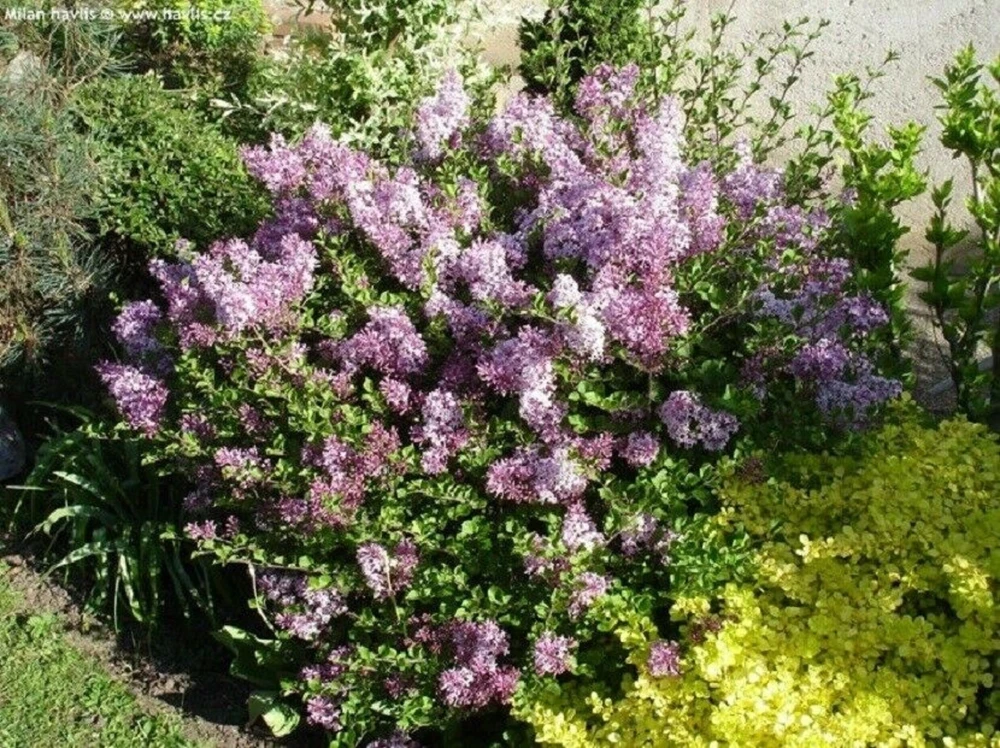
Add elegance to your garden with a korean lilac palibin live plant. This beautiful, fragrant starter shrub (approx. 6-9 inches) produces sweet-smelling, pale pink flowers, ideal for compact spaces and cut flower arrangements.
Estimated arrival
Nov 07
Nov 12 - Nov 14
Nov 17 - Nov 21
Shop With Confidence
30-Day Plant Health Guarantee
Arrives damaged? We’ll replace it free — see our return policy.
Responsive Support
Email us anytime, we reply within 1 business day.
Expert Packaging
Temperature-controlled shipping to protect your plants in transit.
Secure Checkout
Pay safely with Visa, Mastercard, PayPal.
Plant Specifications
-
USDA Hardiness Zone
USDA Zones 3-7 -
Soil Type
Well-draining, loamy soil -
Sunlight Exposure
Full sun -
Expected Planting Period
Spring to early summer
Overview
Introduce a touch of timeless beauty and delightful fragrance to your landscape with the korean lilac palibin live plant. This charming deciduous shrub, scientifically known as Syringa meyeri ‘Palibin’, is a compact and highly sought-after variety of lilac, perfect for gardens of all sizes. Revered for its abundant clusters of pale pink, sweetly-fragrant flowers, the ‘Palibin’ Korean Lilac offers a spectacular spring display that captivates both sight and smell. As a starter plant, approximately 6-9 inches tall, it provides an excellent foundation for a thriving, mature shrub that will enhance your outdoor living space for years to come. Whether you’re a seasoned gardener or just starting, this easy-to-grow plant is a rewarding addition.
The korean lilac palibin live plant is a fantastic choice for those seeking a manageable yet impactful flowering shrub. Unlike some larger lilac varieties, ‘Palibin’ maintains a neat, rounded habit, making it suitable for smaller gardens, foundation plantings, or even container gardening. Its deep green foliage provides a lovely backdrop for the profusion of blooms, and its disease resistance ensures a healthy, vibrant plant with minimal fuss. Prepare to be enchanted by the sweet perfume that wafts from its blossoms each spring, creating an inviting atmosphere in your garden.
Key Benefits
The korean lilac palibin live plant offers numerous advantages for any gardener looking to enhance their outdoor space with beauty and fragrance. Its compact nature and stunning blooms make it a popular choice. Here are some of its key benefits:
- Spectacular Spring Blooms: Enjoy a breathtaking display of dense, terminal clusters of pale pink, single flowers each spring. These blooms are a true highlight, transforming your garden with their vibrant color.
- Sweetly Fragrant: The flowers of the ‘Palibin’ Korean Lilac emit a delightful, sweet fragrance that can perfume an entire section of your garden, making it a joy to spend time outdoors.
- Compact & Manageable Size: Growing to an average height of 4-5 feet, this dwarf variety is perfect for smaller gardens, urban landscapes, or as a charming accent plant without overwhelming the space.
- Excellent Cut Flower: The beautiful and fragrant flower clusters make superb cut flowers, allowing you to bring the beauty and aroma of your garden indoors.
- Hardy & Resilient: This shrub is known for its robust nature and adaptability, thriving in a wide range of climates (USDA Zones 3-7) and showing good resistance to common lilac diseases.
- Low Maintenance: Once established, the korean lilac palibin live plant requires minimal care, making it an ideal choice for busy gardeners who still desire a stunning landscape.
- Attracts Pollinators: The fragrant blooms are a magnet for beneficial pollinators like bees and butterflies, contributing to the biodiversity and health of your garden ecosystem.
Plant Care & Growing Tips
Caring for your korean lilac palibin live plant is relatively straightforward, ensuring years of beautiful blooms. This hardy shrub thrives with proper attention to its basic needs. For optimal growth and flowering, plant your Korean Lilac in a location that receives full sun, meaning at least 6-8 hours of direct sunlight per day. Adequate sunlight is crucial for abundant flower production. While it can tolerate some light shade, flowering may be reduced. Ensure the soil is well-drained, as lilacs do not like wet feet. A rich, loamy soil with a neutral to slightly alkaline pH is ideal, but they are adaptable to various soil types as long as drainage is good.
Watering should be consistent, especially during the first growing season to establish a strong root system. Once established, the syringa palibin shrub is relatively drought-tolerant, but regular watering during prolonged dry spells will promote healthier growth and better blooms. Fertilize in early spring with a balanced, slow-release fertilizer formulated for flowering shrubs. Avoid over-fertilizing, particularly with high-nitrogen fertilizers, as this can promote leafy growth at the expense of flowers. Pruning should be done immediately after flowering in late spring or early summer. Remove spent flower clusters to encourage new growth and maintain the desired shape. You can also thin out older, less productive stems to rejuvenate the plant. The dwarf korean lilac care routine is simple and rewarding.
This deciduous shrub is cold hardy, thriving in USDA Zones 3-7. It can withstand cold winters, dropping its leaves in the fall and regrowing them in the spring. Watch out for common pests like powdery mildew, especially in humid conditions. Ensure good air circulation around the plant to prevent fungal issues. Overall, providing the right amount of sun, well-drained soil, and appropriate watering and pruning will ensure your best compact lilac flourishes and provides a stunning display each spring.
Size & Details
This offering is for a korean lilac palibin live plant, which arrives as a well-rooted starter plant. Typically, the plant will be approximately 6-9 inches in height when shipped, ready for planting in your garden or a larger container. It is a deciduous shrub, meaning it will lose its leaves in the fall and enter a dormant state, regrowing lush foliage and preparing for spring blooms. The ‘Palibin’ Korean Lilac is known for its compact growth habit, maturing to a height of 4-5 feet tall with a similar spread, creating a beautiful, rounded form. Its moderate growth rate ensures it will establish well and begin producing its fragrant flowers within a few seasons.
The plant is shipped in a 2 1/2 x 3 1/2 inch pot, ensuring its roots are protected and healthy upon arrival. This size makes it easy to transplant directly into your chosen location. Expect the first fragrant pale pink blooms to appear in spring, typically from April to May, depending on your specific climate and growing conditions. This particular variety, Syringa meyeri ‘Palibin’, is celebrated for its reliable flowering and consistent performance, making it a cherished addition to any landscape.
Frequently Asked Questions
- Q: How big does this plant get? A: The korean lilac palibin live plant typically grows to a mature height of 4-5 feet tall with a similar spread, maintaining a compact, rounded shape. Its dwarf nature makes it suitable for various garden sizes.
- Q: What size pot does it come in? A: This starter plant is shipped in a 2 1/2 x 3 1/2 inch pot, ensuring a healthy root system for successful transplanting into your garden or a larger pot.
- Q: Is this an indoor or outdoor plant? A: The fragrant korean lilac is an outdoor plant, best suited for garden beds, borders, or large outdoor containers where it can receive adequate sunlight and space to grow.
- Q: How much sunlight does it need? A: For optimal growth and abundant flowering, the ‘Palibin’ Korean Lilac requires full sun, meaning at least 6-8 hours of direct sunlight daily.
- Q: Is this plant easy to care for? A: Yes, the syringa palibin shrub is considered relatively easy to care for. Once established, it is low-maintenance, requiring consistent watering during establishment and minimal pruning after flowering.
- Q: What condition will it arrive in? A: Your plant will arrive as a well-rooted starter plant, approximately 6-9 inches tall, carefully packaged to ensure its health during transit. It may be dormant or in spring regrowth depending on the season.
- Q: How long until it blooms? A: With proper care, your dwarf korean lilac care will lead to blooms typically in the spring following establishment, usually within 1-2 years of planting.
- Q: When is the best time to plant? A: The best time to plant your Korean Lilac is in spring or fall, allowing the plant sufficient time to establish its root system before extreme weather conditions.
- Q: Will it survive winter in my zone? A: Yes, this lilac is very hardy and thrives in USDA Zones 3-7, meaning it is well-equipped to survive cold winter temperatures in these regions.
- Q: What type of soil does it prefer? A: The ‘Palibin’ Korean Lilac prefers well-draining soil. While adaptable, it thrives best in rich, loamy soil with a neutral to slightly alkaline pH.
Be the first to review “Korean Lilac ‘Palibin’ Live Plant – Fragrant Starter Shrub 6-9 Inch Tall”
People Also Viewed


Uncategorized
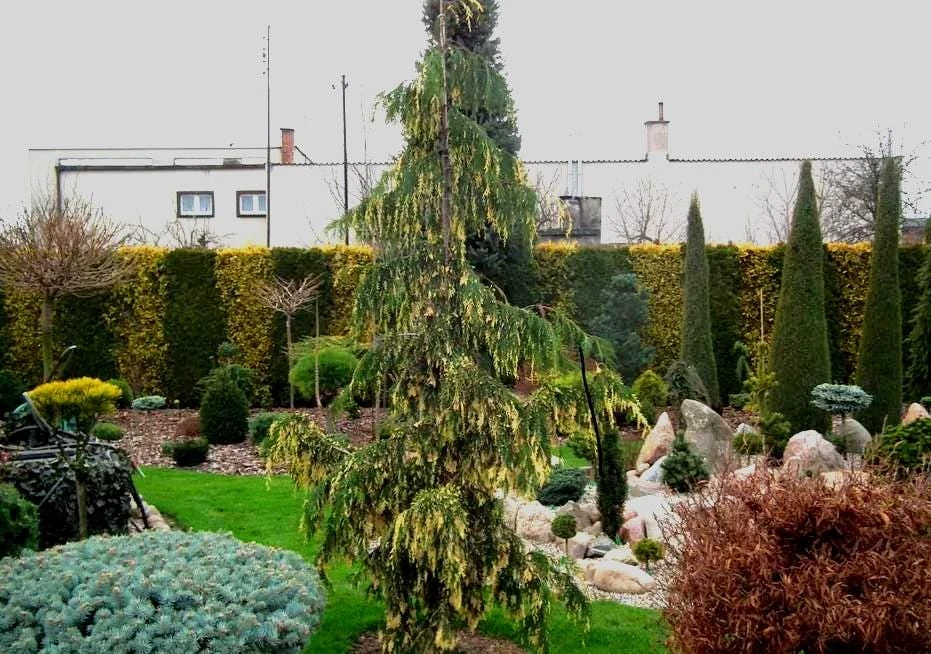
Chamaecyparis nootkatensis Variegated Weeping Alaskan Cedar- 6-12″ Height- #1 Container Size



Reviews
There are no reviews yet.