
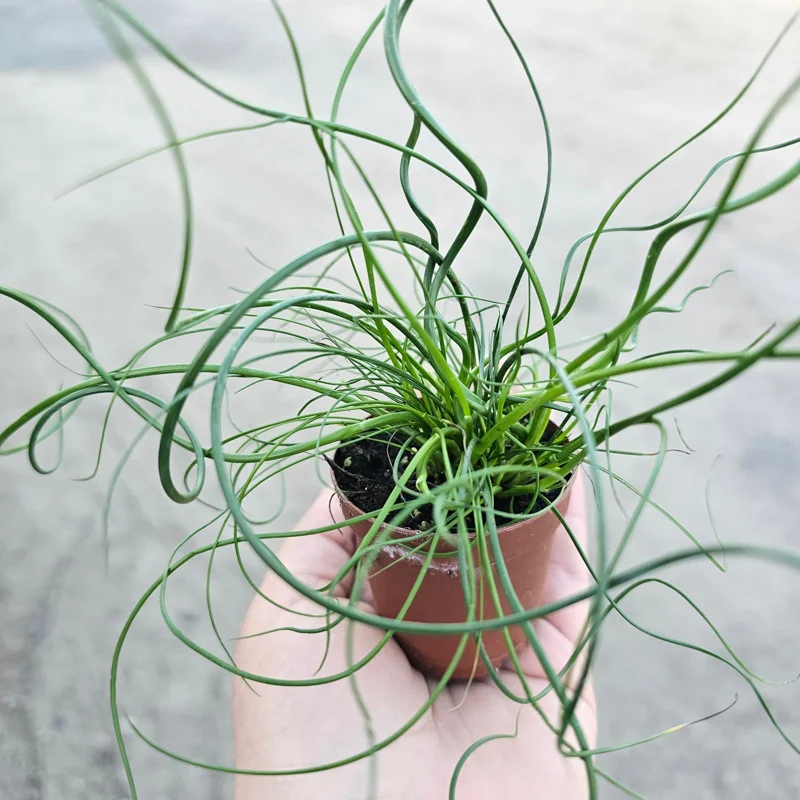
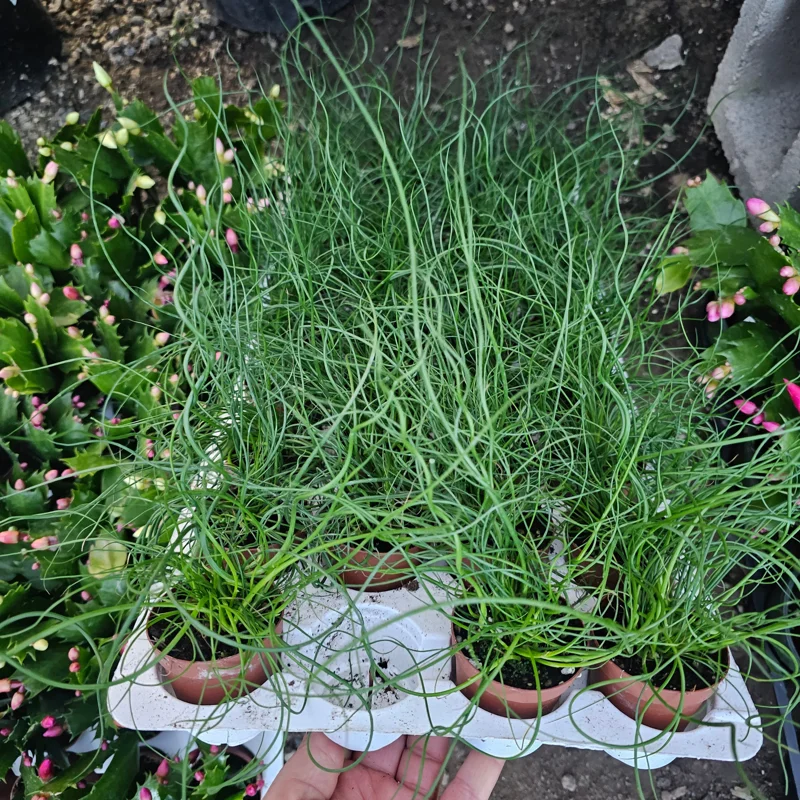
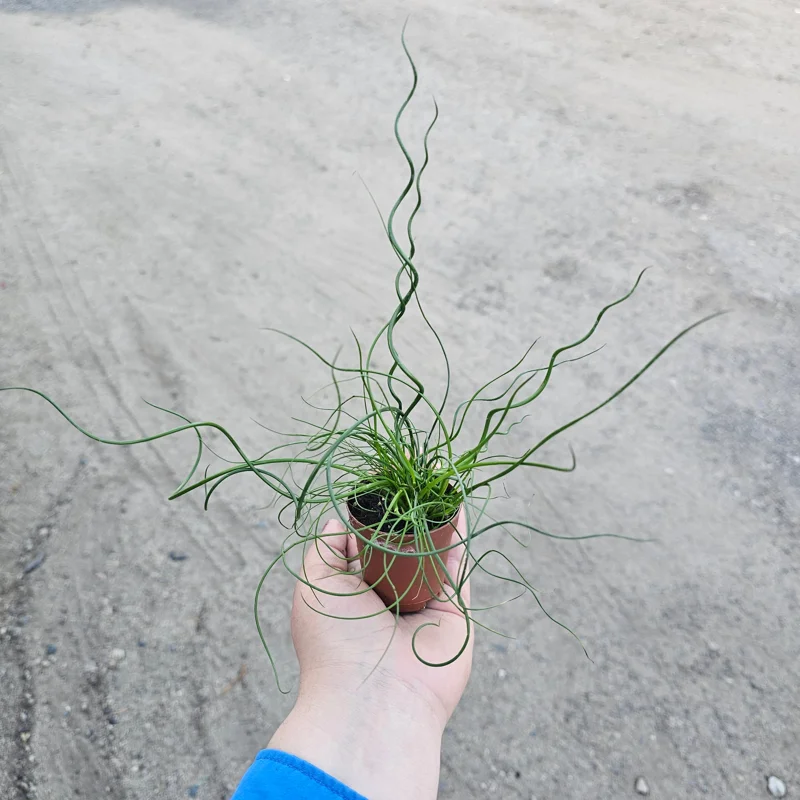
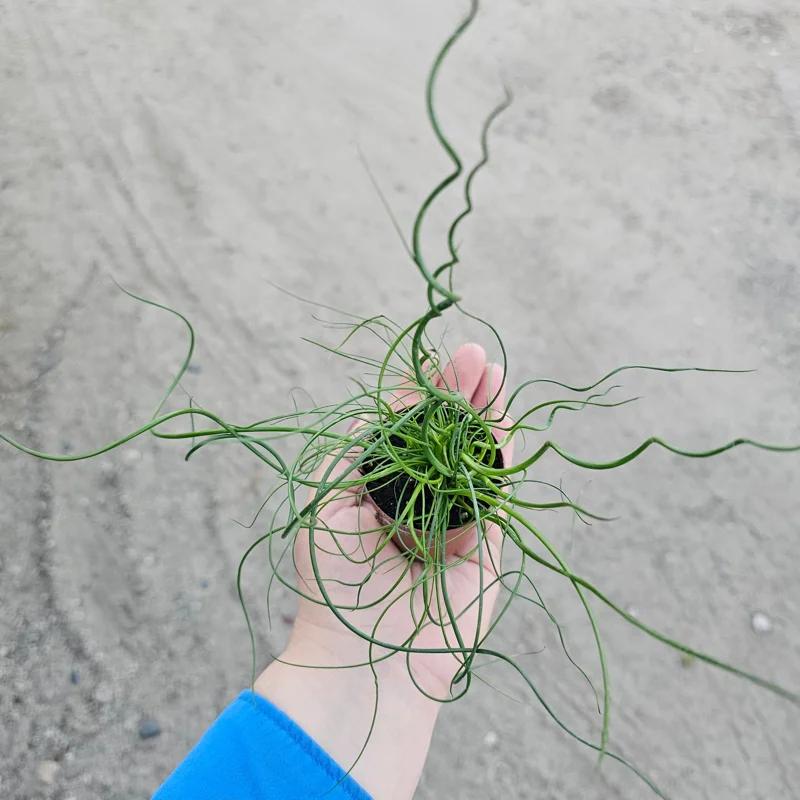
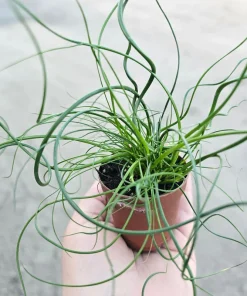
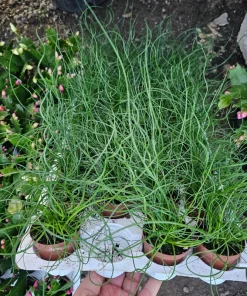
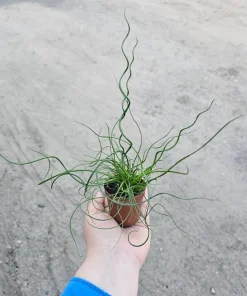
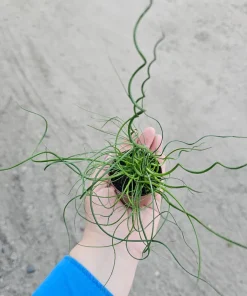
Corkscrew Rush Live Plant – Juncus Spiralis – 2in & 4in Pot – Indoor/Outdoor
Original price was: $49.99.$24.99Current price is: $24.99.
Add unique texture to your home or garden with the fascinating corkscrew rush live plant. Also known as Juncus Spiralis, this plant features distinctive twisted, spiral-like stems that create an eye-catching display. Ideal for ponds, bog gardens, or as a striking potted accent indoors.
Estimated arrival
Oct 15
Oct 20 - Oct 22
Oct 25 - Oct 29
Shop With Confidence
30-Day Plant Health Guarantee
Arrives damaged? We’ll replace it free — see our return policy.
Responsive Support
Email us anytime, we reply within 1 business day.
Expert Packaging
Temperature-controlled shipping to protect your plants in transit.
Secure Checkout
Pay safely with Visa, Mastercard, PayPal.
Plant Specifications
-
USDA Hardiness Zone
USDA zones 5-9 -
Soil Type
Well-draining, consistently moist soil -
Sunlight Exposure
Full sun to partial sun -
Expected Planting Period
Year-round indoors, spring to fall outdoors
Overview
Introducing the captivating corkscrew rush live plant, scientifically known as Juncus spiralis or Juncus effusus spiralis. This extraordinary perennial is celebrated for its truly unique and ornamental corkscrew-like stems that twist and curl, providing an unparalleled architectural element to any plant collection. Unlike typical straight-stemmed rushes, the corkscrew rush live plant offers a playful, sculptural form that can transform a mundane space into a conversation starter. Whether you’re looking to enhance a water feature, create a distinctive container garden, or add an intriguing texture to your indoor plant display, this live plant is an excellent choice. Its vibrant green foliage and intriguing growth habit make it a favorite among gardeners and plant enthusiasts seeking something out of the ordinary. This resilient plant is relatively easy to care for, making it suitable for both novice and experienced growers.
The Juncus Spiralis is a versatile plant that thrives in consistently moist conditions, often found naturally in wetlands and boggy areas. Its adaptability allows it to be grown in various settings, from submerged in shallow water to planted in damp garden beds or containers. The distinctive twisted rush plant stems are not only visually appealing but also add a dynamic element as they sway gently in the breeze. This plant arrives as a healthy, established live plant, ready to be introduced to its new environment. Its robust nature ensures it will quickly settle in and begin to display its characteristic spirals, providing continuous visual interest throughout the growing season.
Key Benefits
The corkscrew rush live plant brings a host of advantages to your garden or indoor space, making it a highly desirable addition. Its unique aesthetics are just one of many reasons to cultivate this fascinating plant.
- Exceptional Ornamental Appeal: The most striking feature of the Juncus Spiralis is its wonderfully twisted, corkscrew-like stems. These provide incredible texture and visual interest, making it a standout specimen in any arrangement, whether it’s a pond edge, a container, or a mixed border.
- Versatile Placement: This plant is incredibly adaptable and can thrive in various settings. It’s perfect for aquatic gardens, bog gardens, rain gardens, or as a potted specimen for a patio or indoor display. Its ability to handle consistently moist to wet conditions expands its potential uses.
- Low Maintenance: Once established, the corkscrew rush live plant requires minimal care. It’s generally pest and disease resistant, and its primary needs are consistent moisture and adequate light, making it an easy-care option for busy gardeners.
- Air Purification: Like many live plants, Juncus Spiralis contributes to a healthier environment by helping to filter airborne toxins and improve indoor air quality, making your living spaces fresher and more inviting.
- Unique Foliage Plant: For those looking to diversify their plant collection beyond traditional flowers, this unique foliage plant offers a refreshing alternative. Its green, spiraling stems are captivating and provide year-round interest.
- Erosion Control: When planted along pond edges or stream banks, the root system of the twisted rush plant can help stabilize soil, preventing erosion in wet areas.
- Wildlife Attraction: While not a primary food source, the dense growth can provide shelter for small aquatic creatures in pond environments, contributing to local biodiversity.
Plant Care & Growing Tips
Caring for your corkscrew rush live plant is straightforward, especially when you understand its preferred growing conditions. This plant thrives with consistent moisture and ample light, mimicking its natural wetland habitats. To ensure your Juncus Spiralis flourishes, pay close attention to its specific requirements for light, water, and soil.
For optimal growth, the corkscrew rush live plant prefers full to partial sun. This means it should receive at least 4-6 hours of direct sunlight per day. When grown outdoors, choose a location that gets plenty of morning sun and some afternoon shade in hotter climates to prevent scorching. If you’re cultivating it indoors, position the plant near a bright, south-facing window where it can soak up sufficient light. Insufficient light can lead to less vibrant growth and fewer characteristic twists in the stems. The ideal soil for this plant is a well-draining mix that retains moisture. A combination of potting soil, perlite, and perhaps some sand or peat moss works well. The key is to keep the soil consistently moist but never waterlogged. This plant naturally enjoys damp conditions, so avoiding dryness is crucial for its health.
Watering is perhaps the most critical aspect of care for the Juncus Spiralis. The soil should always be kept consistently moist, especially during its active growing season in spring and summer. Water thoroughly when the top inch of soil begins to feel slightly dry to the touch. Do not allow the soil to dry out completely between waterings, as this can stress the plant. If growing in a container, ensure it has drainage holes to prevent root rot, but also consider placing the pot in a saucer of water to maintain continuous moisture. Humidity is generally not a major concern, as the plant tolerates average room humidity. However, in very dry indoor environments, occasional misting or placing a pebble tray with water nearby can be beneficial. Fertilize your corkscrew rush live plant with a balanced liquid fertilizer, diluted to half strength, every 2-4 weeks during the growing season. Reduce or stop fertilization during the dormant fall and winter months. Pruning is rarely necessary, but you can trim back any yellowing or dead foliage to maintain a tidy appearance. Repotting every 1-2 years, or when roots become crowded, with fresh, well-draining soil will help ensure continued vigor for your unique foliage plant.
Size & Details
This offering includes healthy corkscrew rush live plant specimens, available in both 2-inch and 4-inch nursery pots, providing options for various planting needs. These plants are shipped in their original nursery pots, ensuring minimal disturbance during transit and facilitating an easy transition to your chosen location. The Juncus Spiralis typically grows to a height of 1-3 feet (30-90 cm) with a similar spread, forming dense clumps of upright, spiraling stems. The growth rate is moderate, and with proper care, you can expect your plant to establish itself quickly and begin producing its distinctive twisted foliage. While individual plant sizes may vary slightly upon arrival due to natural growth patterns, each plant is carefully selected to be robust and ready to thrive.
The corkscrew rush live plant is a perennial, meaning it will return year after year, offering long-lasting beauty. It does not produce showy flowers; instead, its appeal lies entirely in its striking green foliage. These plants are mature enough to display their characteristic corkscrew twists, making them immediately impactful upon arrival. Whether you choose the 2-inch pot for a delicate accent or the 4-inch pot for a more substantial presence, these specimens are perfect for adding unique texture to indoor settings, water features, or damp garden areas. Expect your plant to continue growing and developing its intricate spirals as it matures.
Frequently Asked Questions
- Q: How big does this corkscrew rush live plant get? A: The corkscrew rush live plant typically grows to a height of 1 to 3 feet (30-90 cm) with a similar spread, forming attractive clumps of spiraling stems. Its size can vary slightly depending on growing conditions and pot size.
- Q: Is this an indoor or outdoor plant? A: The Juncus Spiralis is versatile and can be grown both indoors and outdoors. It thrives outdoors in consistently moist to wet conditions, such as bog gardens or pond edges. Indoors, it makes a striking potted plant near a bright window.
- Q: How much sunlight does the twisted rush plant need? A: This plant prefers full to partial sun, meaning it needs at least 4-6 hours of direct sunlight daily. Indoors, a south-facing window is ideal. Outdoors, aim for a sunny spot, possibly with some afternoon shade in very hot climates.
- Q: Is this plant easy to care for? A: Yes, the corkscrew rush live plant is considered relatively easy to care for. Its primary requirement is consistent moisture, and it’s generally resistant to pests and diseases, making it a good choice for beginners.
- Q: What condition will it arrive in? A: Your plant will arrive as a healthy, established live plant in its original nursery pot (either 2-inch or 4-inch, as selected). It is carefully packaged to minimize damage during shipping.
- Q: What is the best soil for Juncus Spiralis? A: It prefers a well-draining soil mix that remains consistently moist. A mix of standard potting soil with perlite or sand to improve drainage and moisture retention is suitable.
- Q: Does this unique foliage plant need a lot of water? A: Yes, it prefers consistently moist to wet soil. Do not let the soil dry out completely between waterings, especially during the growing season. If growing in a pot, consider placing it in a saucer of water.
- Q: When is the best time to repot my corkscrew rush? A: Repotting is generally recommended every 1-2 years, or when you notice the roots becoming crowded in the current pot. Use fresh, well-draining soil during repotting.
- Q: Is Juncus Spiralis pet-safe? A: While generally considered non-toxic to pets, it’s always best to prevent pets from ingesting any plant material. Consult with a veterinarian for specific concerns.
- Q: Will the twisted rush plant survive winter? A: The hardiness of the corkscrew rush live plant depends on your USDA zone. In colder zones, it may die back to the ground but often re-emerges in spring if its roots are protected. In warmer zones, it can remain evergreen.
| amount | 1, Bundle Of 3, Bundle Of 5 |
|---|
Be the first to review “Corkscrew Rush Live Plant – Juncus Spiralis – 2in & 4in Pot – Indoor/Outdoor”
People Also Viewed
Flower Seeds
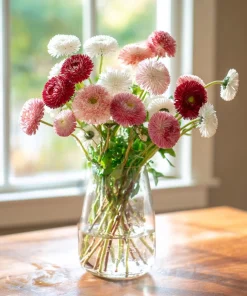
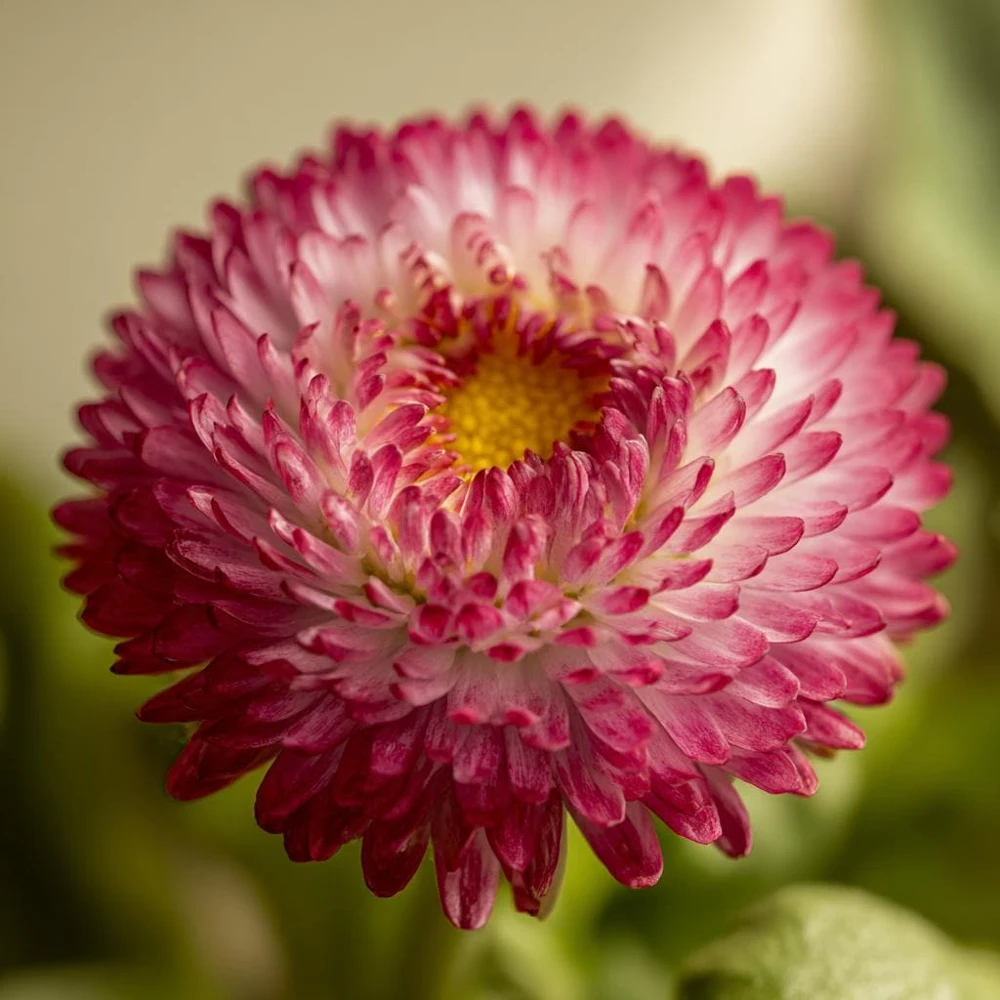
Habanera Mixed Bellis Daisy Seeds – 10 Count, Double Pompon Blooms, Mixed Colors, Outdoor


Flower Seeds
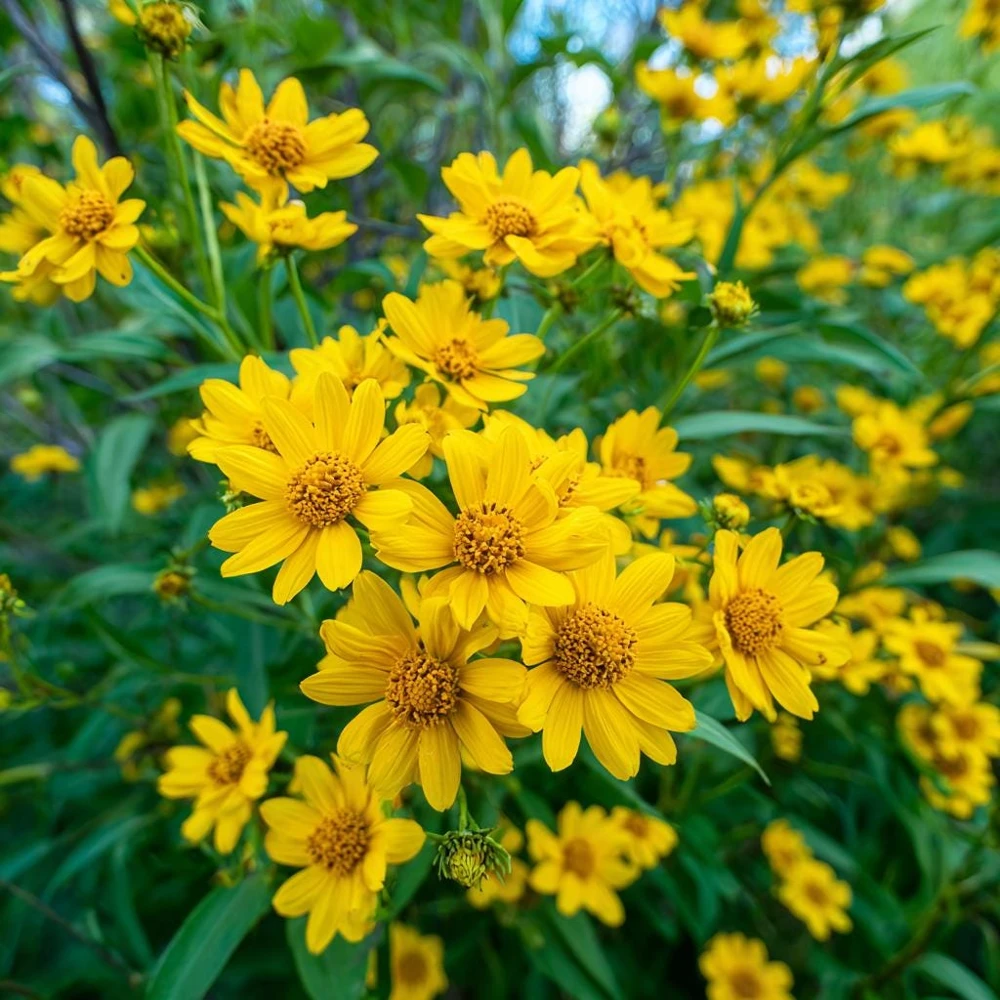
Oregon Sunshine Seeds – Woolly Sunflower, Bright Yellow Blooms, 100 Seeds, Hardy Perennial
Reviews
There are no reviews yet.