
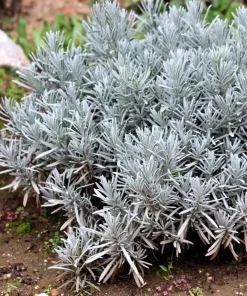
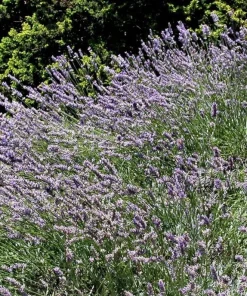
Spiked Broadleaf Lavender Live Plant – 3″ Pot – Fragrant Herb for Pollinator Garden
Original price was: $42.99.$22.99Current price is: $22.99.
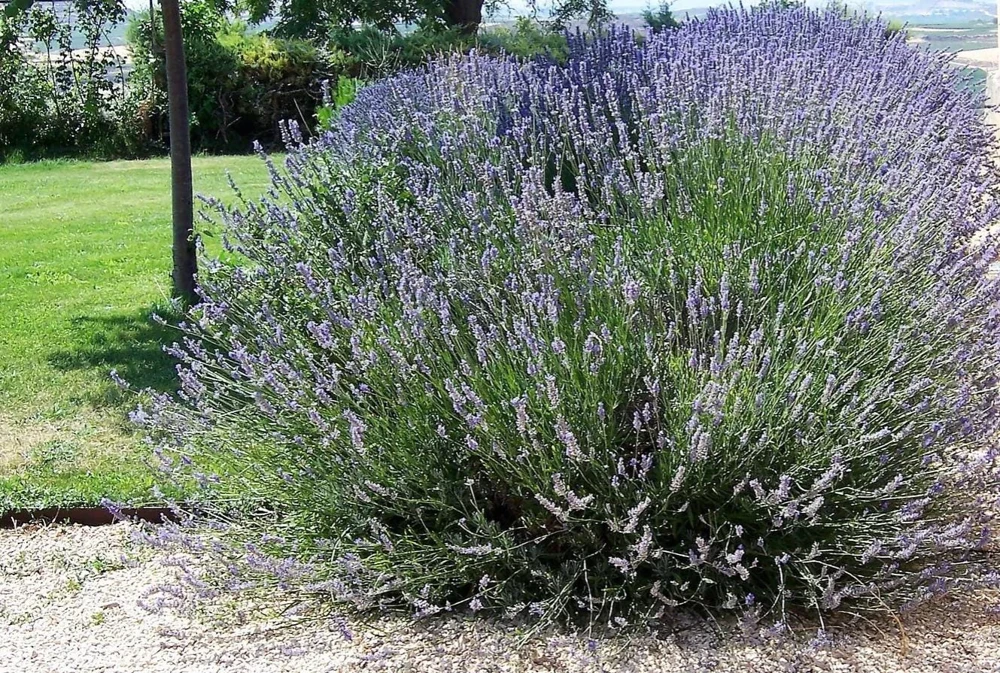
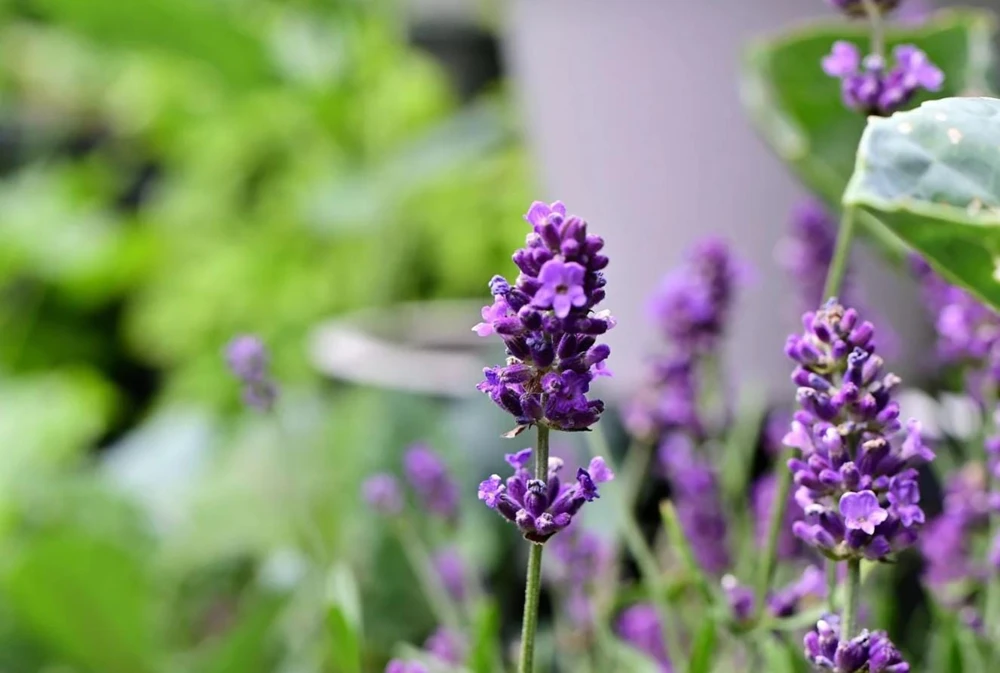
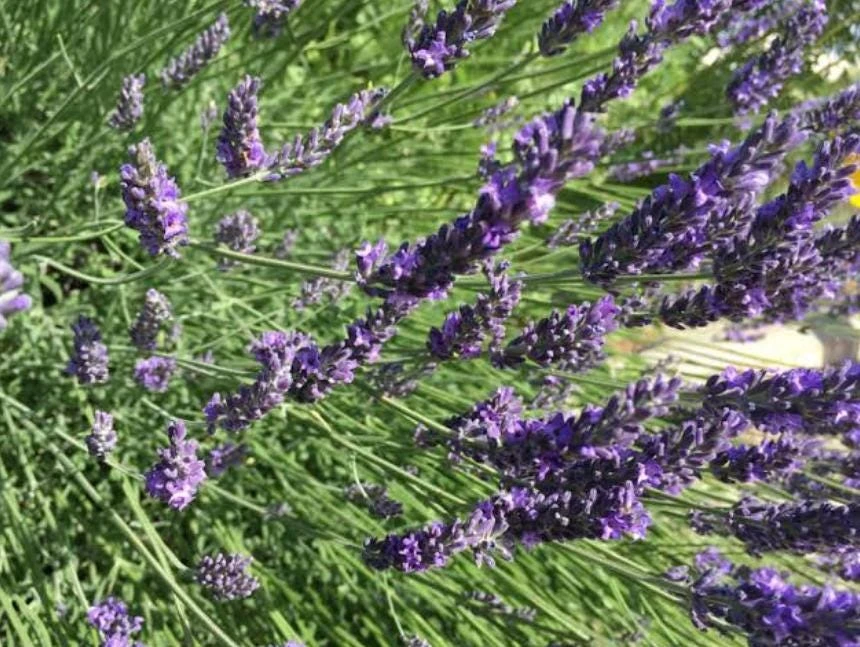
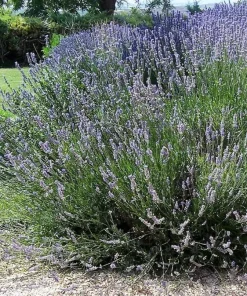
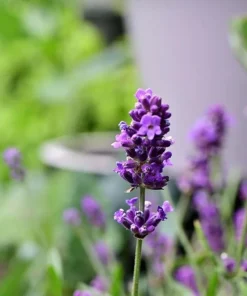
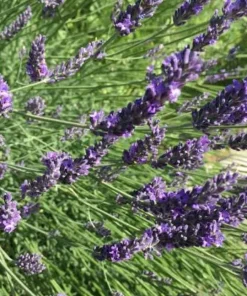
Bring the delightful aroma and beauty of a spiked broadleaf lavender plant to your outdoor space. This live 3-inch potted herb features distinctive broad foliage and fragrant purple flower spikes, perfect for pollinator gardens, herb collections, and sunny decorative plantings. Enjoy its heat tolerance and ability to attract bees and butterflies.
Estimated arrival
Sep 29
Oct 04 - Oct 06
Oct 09 - Oct 13
Shop With Confidence
30-Day Plant Health Guarantee
Arrives damaged? We’ll replace it free — see our return policy.
Responsive Support
Email us anytime, we reply within 1 business day.
Expert Packaging
Temperature-controlled shipping to protect your plants in transit.
Secure Checkout
Pay safely with Visa, Mastercard, PayPal.
Plant Specifications
-
USDA Hardiness Zone
USDA Zones 7-10 -
Soil Type
Well-draining, sandy or loamy soil -
Sunlight Exposure
Full sun -
Expected Planting Period
Spring to early summer
Overview
Introduce a touch of Mediterranean charm and a captivating aroma to your garden with this vibrant spiked broadleaf lavender plant. Also known by its botanical name, Lavandula latifolia, this live herb plant arrives in a compact 3-inch nursery pot, ready to be transplanted into your favorite sunny spot. Renowned for its distinctive broad, aromatic foliage and tall, fragrant purple flower spikes, this lavender variety is a favorite among gardeners seeking both ornamental beauty and practical herbal uses. Its robust nature and strong scent make it an excellent choice for creating a sensory garden experience, deterring pests, and attracting beneficial insects. Whether you’re an experienced gardener or just starting, this beautiful and resilient plant offers a rewarding growing experience, transforming any space with its unique texture and intoxicating fragrance.
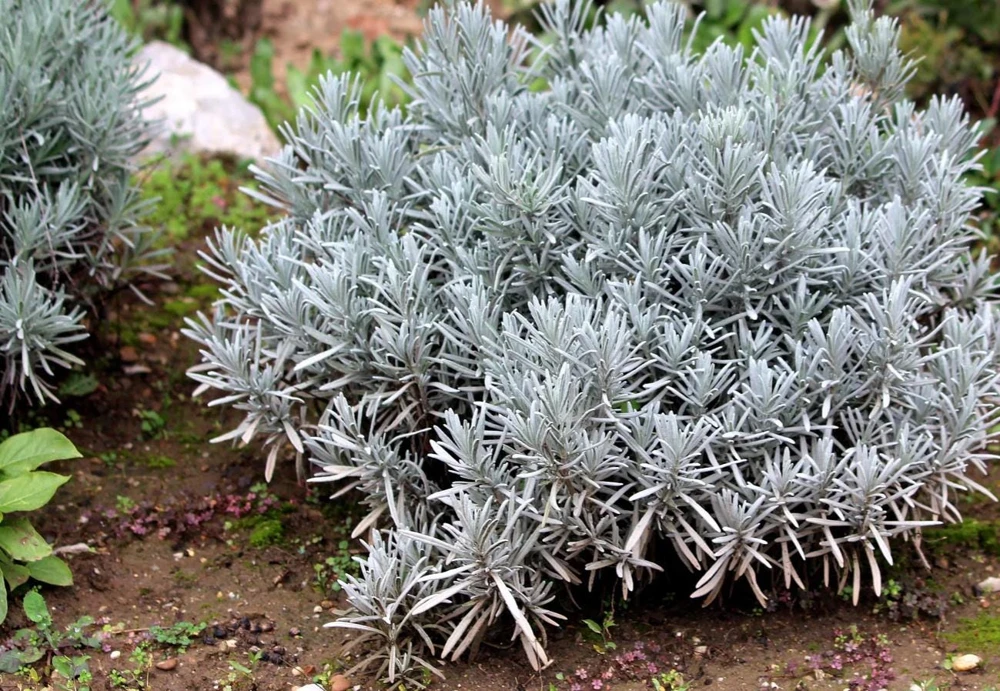
This particular type of lavender, often called broadleaf or Portuguese lavender, stands out from other varieties due to its wider leaves and typically stronger, camphoraceous aroma. It’s a perennial herb, meaning it will return year after year in suitable climates, providing continuous beauty and fragrance. Ideal for sunny borders, rock gardens, herb beds, or containers, the spiked broadleaf lavender plant is a versatile addition that combines visual appeal with a host of practical benefits.
Key Benefits
Adding a spiked broadleaf lavender plant to your garden offers numerous advantages, from enhancing biodiversity to providing sensory pleasure. This resilient herb is more than just a pretty face; it’s a hardworking plant that contributes positively to its environment and your well-being.
- Attracts Pollinators: The vibrant purple flowers are a magnet for bees, butterflies, and other beneficial pollinators, making it an essential component for a thriving pollinator garden and supporting local ecosystems.
- Aromatic Fragrance: Enjoy the classic, strong, and refreshing scent of lavender. Its distinct aroma can help create a calming atmosphere and is often used in aromatherapy and for pest deterrence.
- Drought Tolerant: Once established, this lavandula latifolia is remarkably drought-tolerant, requiring minimal watering and making it an ideal choice for xeriscaping or water-wise gardens.
- Heat Tolerant: Thrives in full sun and can withstand hot summer temperatures, making it a reliable performer in warmer climates where other plants might struggle.
- Versatile Use: Perfect for herb gardens, container planting, borders, rock gardens, or as a decorative accent. Its upright growth habit and striking flowers add architectural interest to any landscape.
- Low Maintenance: This hardy perennial requires relatively little care once established, making it suitable for busy gardeners or those new to gardening.
- Deer and Rabbit Resistant: The strong scent and taste of lavender typically deter deer and rabbits, protecting your garden from common garden pests.
Plant Care & Growing Tips
Caring for your spiked broadleaf lavender plant is straightforward, as it’s a relatively robust and forgiving perennial herb. The key to its success lies in providing the right environmental conditions, mimicking its native Mediterranean habitat. Proper care ensures vigorous growth, abundant flowering, and a strong, aromatic presence in your garden. This particular variety, lavandula latifolia, is known for its resilience.
Sunlight Requirements: Lavender thrives in full sun, meaning it needs at least 6-8 hours of direct sunlight per day. Plant it in the sunniest part of your garden or on a south-facing patio if growing in containers. Insufficient light can lead to leggy growth and reduced flowering. Watering: Lavender prefers drier conditions. Allow the soil to dry out completely between waterings. Overwatering is the most common cause of lavender plant failure, leading to root rot. Water deeply but infrequently, especially once the plant is established. In containers, ensure excellent drainage. Soil: Well-draining soil is crucial. Lavender prefers sandy, gravelly, or loamy soil with a neutral to slightly alkaline pH. Avoid heavy clay soils that retain too much moisture. If your soil is heavy, amend it with sand or grit to improve drainage. Temperature & Hardiness: This lavender is generally hardy in USDA Zones 7-10, though specific hardiness can vary. It tolerates heat well but may need protection from extreme winter wetness or severe frosts in colder regions. Fertilization: Lavender is not a heavy feeder. A light application of a balanced, slow-release fertilizer in spring, or a top-dressing of compost, is usually sufficient. Avoid high-nitrogen fertilizers, which can promote leafy growth at the expense of flowers. Pruning: Prune your lavender after it finishes flowering to maintain a compact shape and encourage new growth and more blooms next season. Avoid cutting into old wood that has no green leaves, as it may not regrow. A light trim in early spring can also help shape the plant. Following these guidelines will help ensure your broadleaf lavender care is successful.
Size & Details
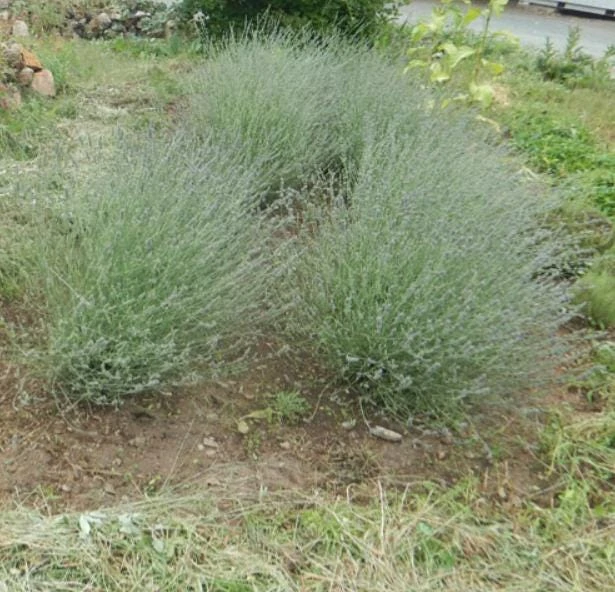
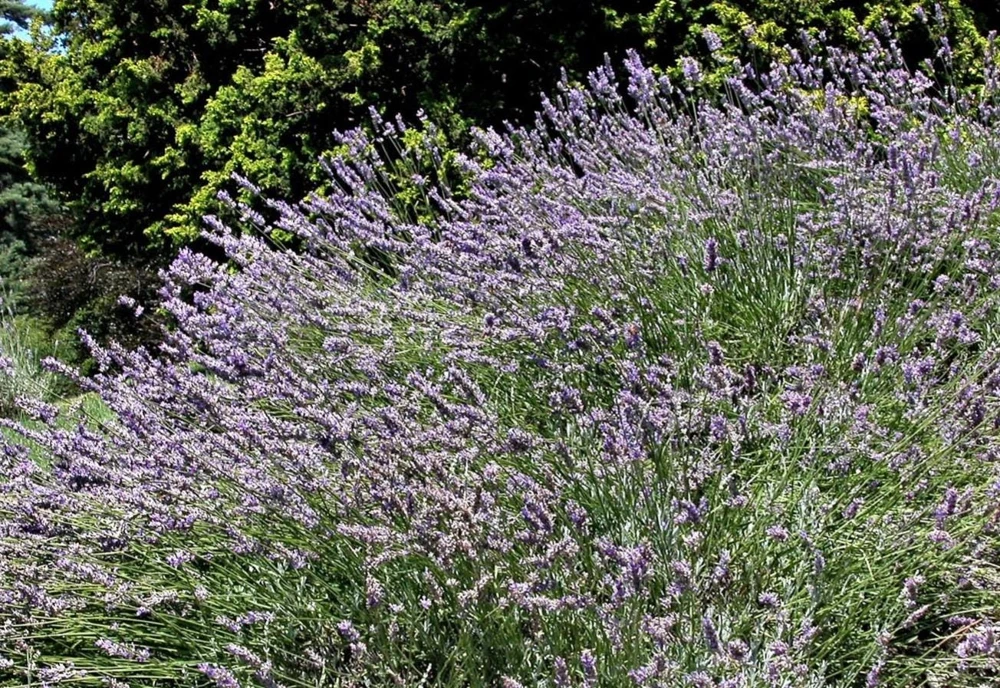
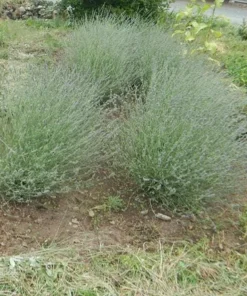
Your spiked broadleaf lavender plant will arrive as a healthy, small starter plant cultivated in a 3-inch nursery pot. This pot size indicates a well-developed root system, ready for transplanting into its permanent home. While the plant size at shipping is compact, allowing for easy establishment, mature plants typically reach a height of 24-36 inches and a similar spread, forming a beautiful, mounding shrub. Growth rate is moderate, with significant development often seen in the first growing season after transplanting. Expect to see its characteristic fragrant purple flower spikes emerge from late spring through summer, depending on your climate and planting time. This single live plant is ideal for starting a new herb garden, adding to a container collection, or incorporating into a larger landscape design. The plant’s overall height will vary upon arrival as it is a live specimen, but it will be a robust starter ready for growth.
Frequently Asked Questions
- Q: How big does this spiked broadleaf lavender plant get? A: This lavender variety typically grows to about 2 to 3 feet tall and wide at maturity, forming a lovely rounded shrub. Its size can be managed with regular pruning after flowering.
- Q: What size pot does it come in? A: The spiked broadleaf lavender plant is shipped as a live starter plant in an individual 3-inch nursery pot, providing a healthy root system ready for transplanting.
- Q: Is this an indoor or outdoor plant? A: This lavender is primarily an outdoor plant, thriving in full sun. While it can be grown indoors in a very sunny window, it generally performs best and flowers more profusely when planted outside.
- Q: How much sunlight does it need? A: Lavandula latifolia requires full sun, meaning at least 6 to 8 hours of direct sunlight per day, to ensure optimal growth, fragrance, and flowering.
- Q: Is this plant easy to care for? A: Yes, lavender is generally considered a low-maintenance plant once established. It requires well-draining soil, plenty of sun, and infrequent watering, making broadleaf lavender care relatively simple for most gardeners.
- Q: What condition will it arrive in? A: Your plant will arrive as a small, healthy live starter plant. As live specimens, slight variations in size, shape, and foliage may occur. We pack them carefully to ensure safe transit.
- Q: Is it shipped in soil? A: Yes, the plant is shipped in its 3-inch nursery pot with soil, ensuring its roots are protected and hydrated during transit.
- Q: Can I use this lavender for culinary purposes? A: While some lavender varieties are preferred for culinary use, Lavandula latifolia (spiked lavender) typically has a stronger, more camphoraceous scent and flavor, making it less commonly used in cooking than English lavender. It’s excellent for fragrance, essential oils, and ornamental use.
- Q: Is it pet-safe? A: Lavender is generally considered mildly toxic to pets if ingested in large quantities, potentially causing gastrointestinal upset. It’s best to place it where curious pets cannot easily access it.
- Q: How long until it blooms? A: Depending on when you plant it and your growing conditions, your spiked broadleaf lavender plant may bloom in its first year, typically from late spring through summer. Established plants will bloom reliably each year.
- Q: Will it survive winter in my zone? A: This lavender is hardy in USDA Zones 7-10. In colder zones, it can be grown as an annual or overwintered indoors in a bright, cool spot. Protection from excessive winter moisture is key in marginal zones.
Be the first to review “Spiked Broadleaf Lavender Live Plant – 3″ Pot – Fragrant Herb for Pollinator Garden”
People Also Viewed
Uncategorized
Reviews
There are no reviews yet.