

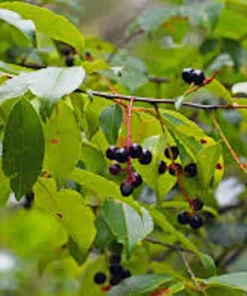
Black Cherry Live Plant – Prunus serotina Tree – 12-24in Tall – Bare Root
Original price was: $74.99.$49.99Current price is: $49.99.
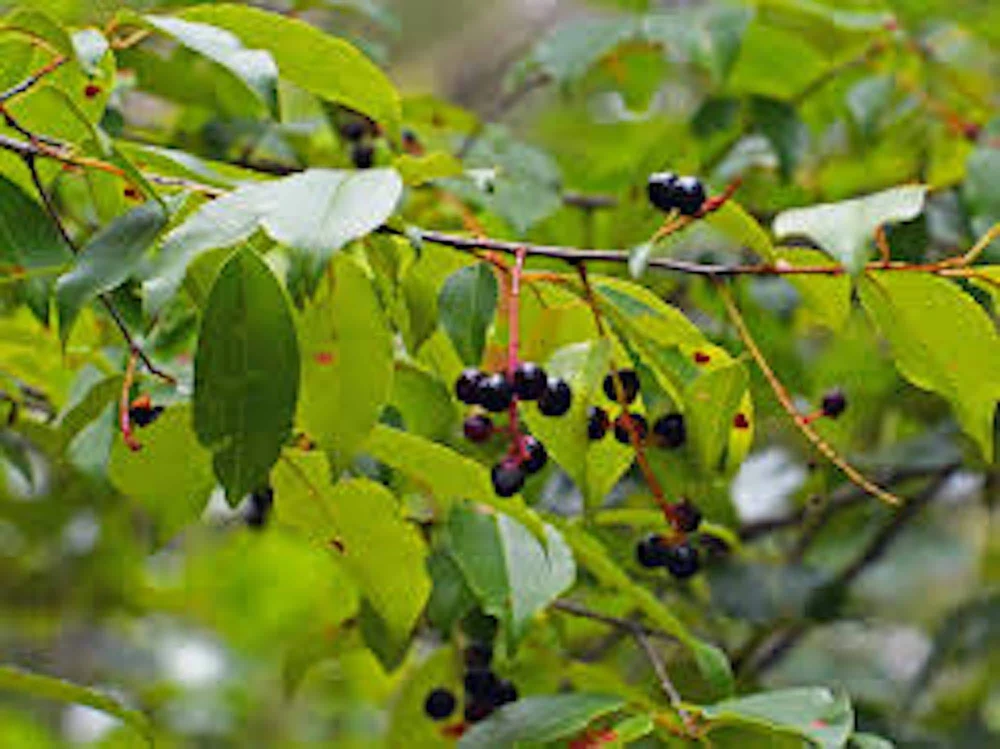
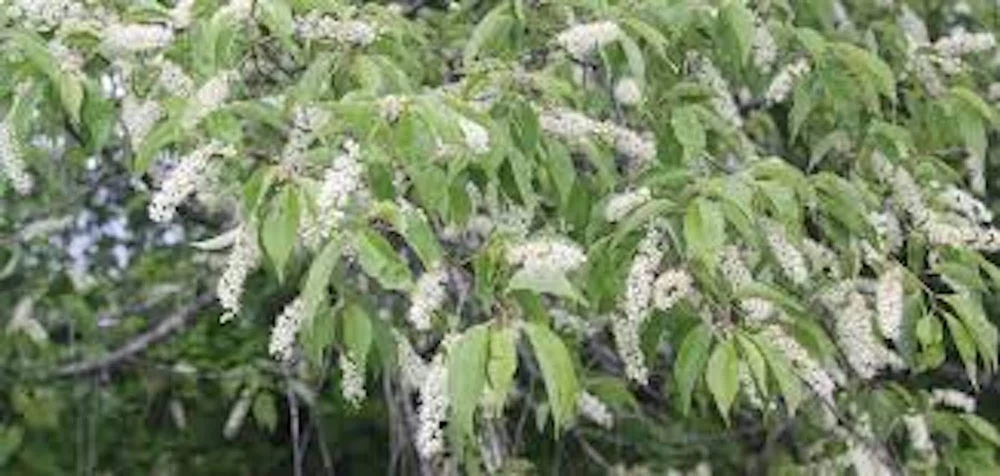
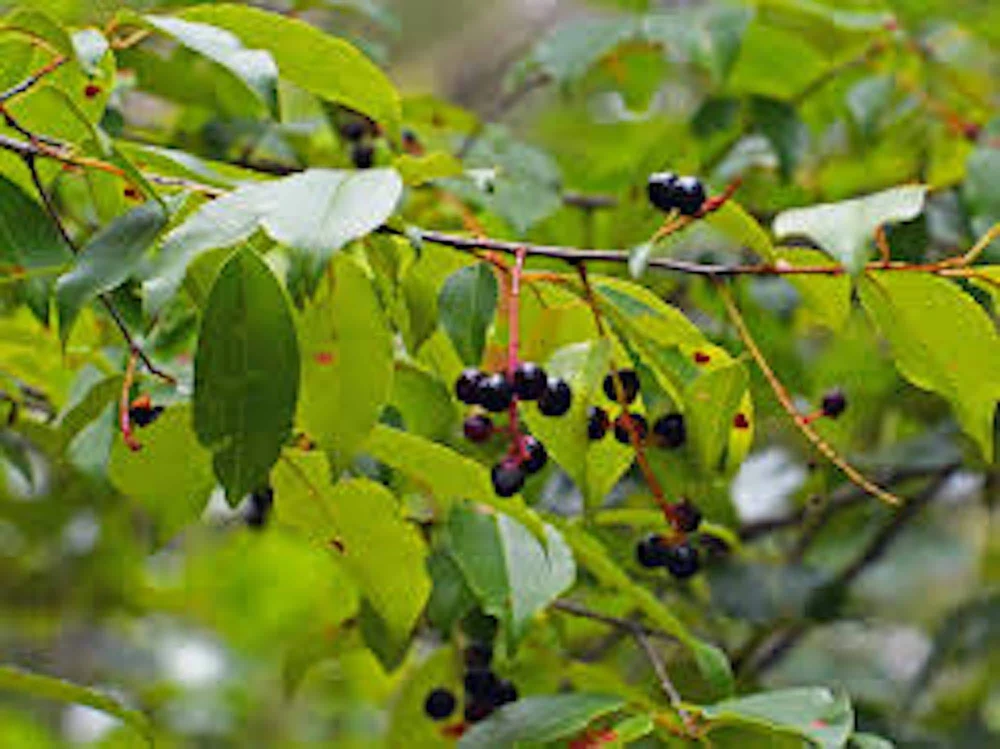
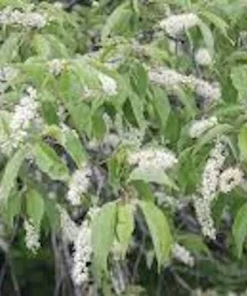
Bring the beauty of a black cherry live plant to your garden. This Prunus serotina tree is a native North American species, known for its attractive white spring blooms and dark summer cherries. Supplied as a cherry tree bare root, it is 12-24 inches tall, ready for planting to establish a strong root system.
Estimated arrival
Sep 29
Oct 04 - Oct 06
Oct 09 - Oct 13
Shop With Confidence
30-Day Plant Health Guarantee
Arrives damaged? We’ll replace it free — see our return policy.
Responsive Support
Email us anytime, we reply within 1 business day.
Expert Packaging
Temperature-controlled shipping to protect your plants in transit.
Secure Checkout
Pay safely with Visa, Mastercard, PayPal.
Plant Specifications
-
USDA Hardiness Zone
3-9 -
Soil Type
Well-draining soil -
Sunlight Exposure
Full sun to partial shade -
Expected Planting Period
Early spring or late fall
Overview
Transform your landscape with a majestic black cherry live plant, scientifically known as Prunus serotina. This stunning native North American tree is celebrated for its remarkable beauty and valuable timber. Our Prunus serotina tree is offered as a bare root specimen, typically measuring 12-24 inches in height, ensuring a robust start in your garden. Known for its showy white flowers that burst forth in spring, followed by an abundance of dark, edible cherries that ripen in late summer, this tree provides year-round interest. As it matures, the distinctive bark develops a scaly, dark appearance, adding unique character to any setting. Whether you’re enhancing a naturalized area or simply looking for a beautiful and beneficial addition to your yard, a black cherry live plant is an excellent choice for its ecological value and ornamental appeal.
The native North American tree thrives in a wide range of climates, making it a versatile option for many gardeners. Its adaptability and resilience contribute to its popularity. Planting a cherry tree bare root allows for optimal root development and establishment, setting the stage for a healthy, long-lived tree. This species is not only visually appealing but also provides food for wildlife, making it a valuable component of a biodiverse ecosystem. Experience the joy of watching this tree flourish, from its delicate spring blossoms to its rich summer fruit and striking autumn foliage.
Key Benefits
The black cherry live plant offers a multitude of benefits, making it an excellent addition to various landscapes. Its natural beauty and ecological contributions are just some of the reasons to consider planting this remarkable tree.
- Stunning Ornamental Value: The Prunus serotina tree boasts beautiful white flower clusters in spring, which are highly attractive to pollinators. Its dark, lustrous foliage and distinctive bark provide visual interest throughout the seasons, culminating in attractive fall colors.
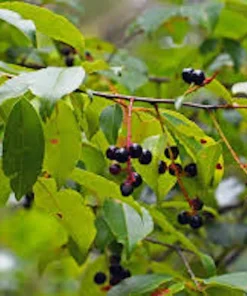
- Edible Fruit Production: In late summer, the tree yields numerous dark cherries, which are a favorite food source for birds and other wildlife. While somewhat tart for human consumption straight from the tree, they can be used in jams, jellies, and pies, offering a delicious harvest.
- Ecological Contribution: As a native North American tree, it supports local ecosystems by providing food and habitat for a variety of wildlife, including birds and small mammals. It plays a crucial role in maintaining biodiversity.
- Valuable Timber: Black cherry wood is highly prized for its beauty and durability, often used in fine furniture and cabinetry. While growing your own timber is a long-term benefit, it adds to the tree’s overall value.
- Adaptable and Resilient: This tree thrives in USDA hardiness zones 3 through 9, demonstrating its wide adaptability to various climates and soil conditions. It’s a relatively low-maintenance option once established.
- Distinctive Bark: The bark of the black cherry live plant develops a unique scaly, dark appearance with age, adding textural interest to the tree’s silhouette, especially during winter months.
- Easy Establishment with Bare Root: Planting a cherry tree bare root allows for direct contact with the soil, promoting rapid root growth and a strong foundation for the tree’s future development.
Plant Care & Growing Tips
Caring for your black cherry live plant involves understanding its basic needs to ensure healthy growth and abundant fruit production. This native North American tree is relatively hardy but benefits from proper siting and care. For optimal growth, black cherry trees generally prefer full sun, meaning at least 6 hours of direct sunlight per day. While they can tolerate some partial shade, too much shade can reduce flowering and fruit yield. When planting your cherry tree bare root, choose a location with well-draining soil. Black cherry trees are adaptable to a variety of soil types, including sandy, loamy, and clay soils, but good drainage is crucial to prevent root rot.
Watering is important during the establishment phase. After planting, water thoroughly to settle the soil around the roots. During its first year, ensure the soil remains consistently moist but not waterlogged. Once established, the Prunus serotina tree is quite drought-tolerant, though supplemental watering during prolonged dry spells will benefit fruit production and overall vigor. Fertilization is typically not necessary in rich soils, but a balanced, slow-release fertilizer can be applied in early spring if soil nutrients are lacking. Pruning should be done in late winter or early spring to remove dead, damaged, or crossing branches, and to shape the tree. This also helps improve air circulation and sunlight penetration, which can reduce disease incidence.
The black cherry tree care routine also includes monitoring for common pests and diseases. While generally robust, they can be susceptible to issues like tent caterpillars or black knot disease. Regular inspection and prompt action, such as hand-picking pests or pruning affected branches, can keep your tree healthy. Given its hardiness in USDA zones 3 through 9, it can withstand a broad range of winter temperatures. Providing a layer of mulch around the base of the tree can help retain soil moisture, regulate soil temperature, and suppress weeds, contributing to a thriving black cherry live plant.
Size & Details
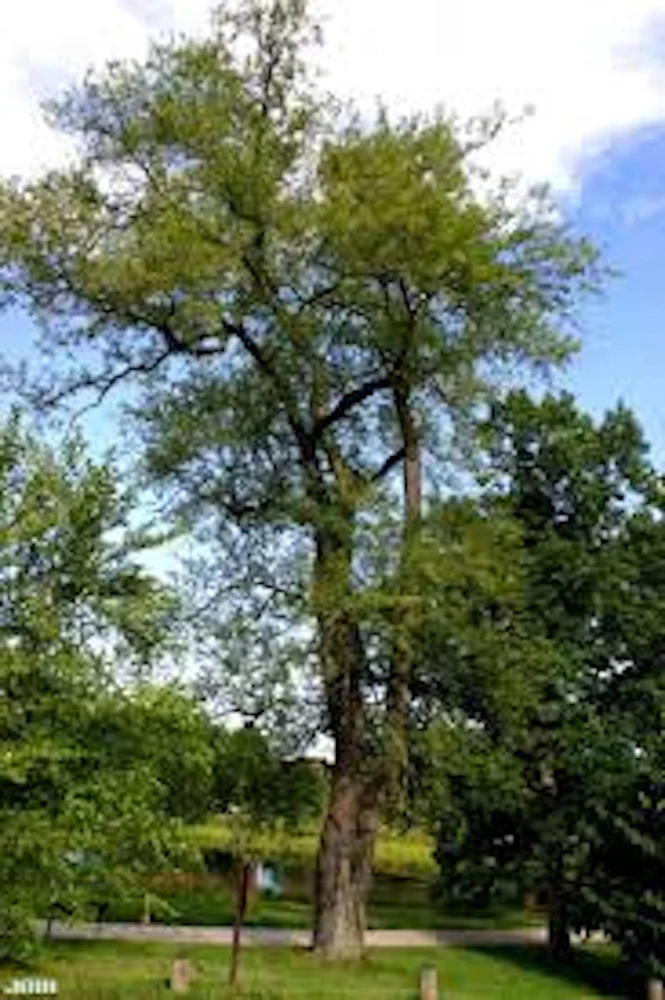
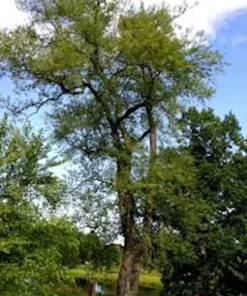
This offering is for one black cherry live plant, supplied as a cherry tree bare root. The tree typically measures between 12-24 inches tall upon arrival, providing a good starting size for establishment. Bare root plants are shipped without soil around their roots, which allows for easier transport and often encourages quicker root establishment once planted. The mature size of a Prunus serotina tree can vary significantly based on growing conditions, but they can reach heights of 50-80 feet with a spread of 30-50 feet over many years, forming a stately, broad crown. Its growth rate is considered medium to fast, adding 1 to 2 feet per year under ideal conditions.
Planting your black cherry live plant in its permanent location is best done in early spring or late fall when the tree is dormant. This allows the roots to acclimate before the stress of active growth or extreme weather. While the initial size is modest, with proper black cherry tree care, this bare root specimen will develop into a robust and beautiful native North American tree, providing many years of enjoyment, ecological benefits, and delicious fruit for wildlife.
Frequently Asked Questions
- Q: How big does this black cherry live plant get? A: This black cherry live plant is supplied as a 12-24 inch tall bare root. At maturity, a Prunus serotina tree can reach impressive heights of 50-80 feet with a spread of 30-50 feet, depending on growing conditions and environment.
- Q: Is this an indoor or outdoor plant? A: The black cherry live plant is an outdoor tree. It requires ample space to grow and thrives in full sun conditions, making it unsuitable for indoor cultivation.
- Q: How much sunlight does a black cherry tree need? A: For optimal growth and fruit production, a black cherry live plant prefers full sun, meaning at least 6 hours of direct sunlight per day. It can tolerate partial shade, but fruit yield may be reduced.
- Q: Is this black cherry tree bare root easy to care for? A: Once established, the black cherry live plant is relatively low-maintenance. Initial black cherry tree care involves proper planting and consistent watering during its first year. It’s a hardy native North American tree.
- Q: What condition will the cherry tree bare root arrive in? A: Your cherry tree bare root will arrive dormant, without leaves, and with its roots carefully packed to retain moisture. This is normal for bare root plants and ensures successful transplanting.
- Q: When is the best time to plant this Prunus serotina tree? A: The best time to plant a cherry tree bare root is in early spring or late fall, when the tree is dormant. This allows the root system to establish before the demands of active growth.
- Q: Will this native North American tree survive winter in my zone? A: Yes, the black cherry live plant is very adaptable and hardy, thriving in USDA hardiness zones 3 through 9, which covers a wide range of climates and winter conditions across North America.
- Q: What is the minimum height of the black cherry bare root plant? A: The minimum height for this cherry tree bare root is 12 inches, though it typically ranges from 12-24 inches tall upon shipment.
- Q: What type of soil does a black cherry tree prefer? A: A Prunus serotina tree prefers well-draining soil. It can adapt to various soil types, including sandy, loamy, and clay, as long as drainage is adequate.
- Q: Can the cherries from this black cherry live plant be eaten? A: Yes, the cherries are edible, though they are often quite tart. They are primarily a significant food source for wildlife but can be used by humans in cooked applications like preserves, pies, and jellies.
Be the first to review “Black Cherry Live Plant – Prunus serotina Tree – 12-24in Tall – Bare Root”
People Also Viewed

Reviews
There are no reviews yet.