
Male Kiwi Pollinator Live Plant – Hardy Actinidia arguta – Zones 4-8
Original price was: $62.99.$47.99Current price is: $47.99.
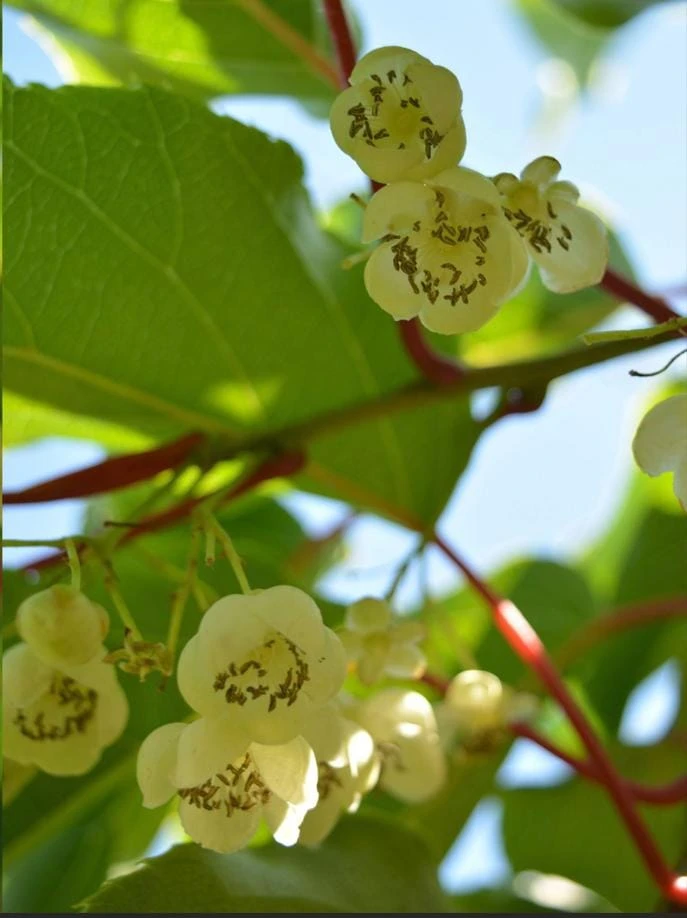
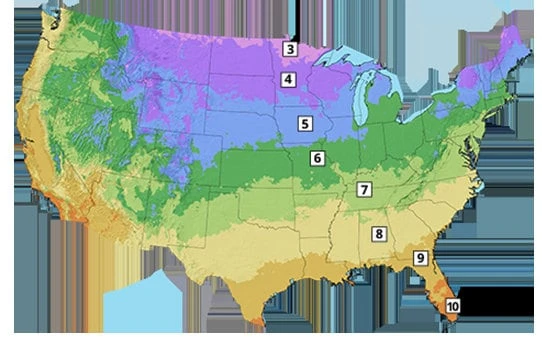
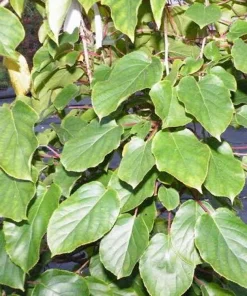
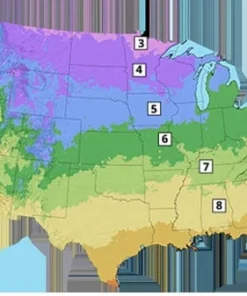
Introduce a robust male kiwi pollinator live plant to your garden to ensure abundant fruit production from your female kiwi vines. This hardy variety thrives in USDA Plant Hardiness Zones 4-8, offering beautiful foliage and fragrant white flowers from early spring to late summer. Essential for cross-pollination, it supports both self-pollinating and female kiwi types.
Estimated arrival
Sep 17
Sep 22 - Sep 24
Sep 27 - Oct 01
Shop With Confidence
30-Day Plant Health Guarantee
Arrives damaged? We’ll replace it free — see our return policy.
Responsive Support
Email us anytime, we reply within 1 business day.
Expert Packaging
Temperature-controlled shipping to protect your plants in transit.
Secure Checkout
Pay safely with Visa, Mastercard, PayPal.
Plant Specifications
-
USDA Hardiness Zone
4-8 -
Soil Type
Well-draining, fertile, slightly acidic soil -
Sunlight Exposure
Full sun to partial shade -
Expected Planting Period
Early spring to early fall
Overview
Elevate your fruit garden with a robust male kiwi pollinator live plant, a crucial addition for anyone looking to maximize their kiwi harvest. This specific variety is a male hardy kiwi (Actinidia arguta), known for its resilience and ability to thrive in a wide range of climates. While it does not produce fruit itself, its role is indispensable: it provides the pollen necessary for female kiwi plants to bear fruit. Without a male pollinator, most female kiwi vines will not produce a harvest. Our offering is a live, rooted starter plant, ready to establish itself and contribute to a flourishing and productive kiwi patch. This particular selection is noted for its adaptability and long flowering window, making it an excellent choice for various kiwi types.
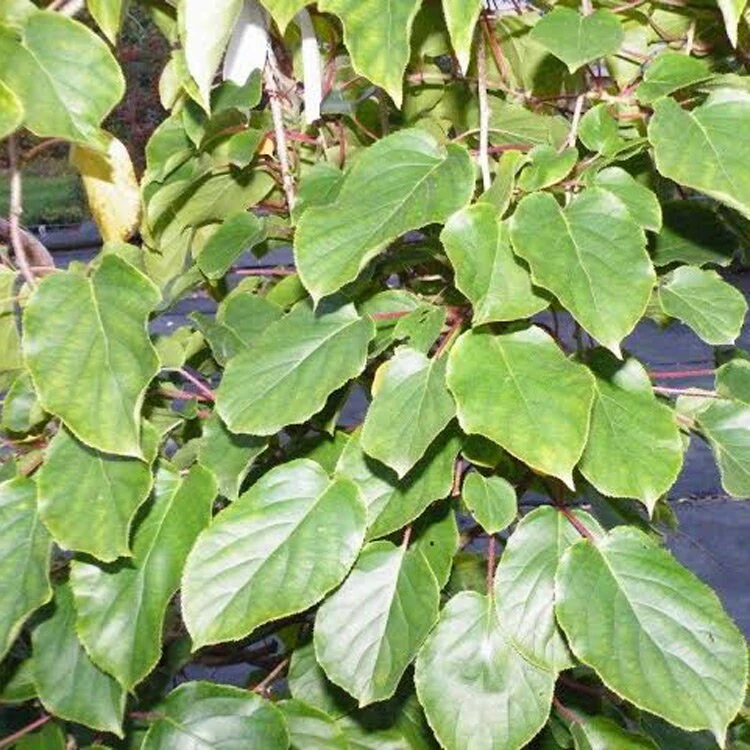
The hardy kiwi plant is a vigorous vine that can reach impressive lengths, creating an attractive and functional landscape feature. Beyond its pollinating duties, this plant offers ornamental value with its glossy green foliage and fragrant white flowers that appear from early spring to late summer. It’s a natural choice for gardeners seeking both productivity and aesthetic appeal. The presence of a male pollinator significantly boosts fruit set and overall yield, making it an intelligent investment for any kiwi grower.
Key Benefits
Adding a male kiwi pollinator live plant to your garden offers numerous advantages, ensuring the success and productivity of your kiwi growing efforts. This hardy vine is not only essential for fruit production but also contributes to the overall beauty and biodiversity of your outdoor space.
- Essential for Fruit Production: This male kiwi is vital for pollinating female kiwi vines, ensuring a bountiful harvest of delicious kiwi fruit. Without it, most female plants will not produce.
- Wide Hardiness Range: Thrives in USDA Plant Hardiness Zones 4-8, making it suitable for a broad spectrum of climates and garden settings.
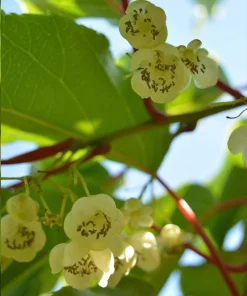
- Long Flowering Window: Features an extended flowering period from early spring to late summer, maximizing its effectiveness as a pollinator for various female kiwi varieties.
- Attracts Beneficial Pollinators: The fragrant white flowers attract butterflies and other beneficial insects, enhancing the ecological health of your garden.
- Vigorous Growth & Screening: A fast-growing vine that can reach 12-20 feet, providing excellent coverage for privacy screens, arbors, or pergolas with its dense, glossy foliage.
- Disease and Insect Resistant: The foliage is naturally resistant to many common diseases and insects, reducing the need for chemical treatments and making care easier.
- Low Maintenance: Once established, this hardy kiwi requires minimal ongoing care, making it an ideal choice for both novice and experienced gardeners.
Plant Care & Growing Tips
Caring for your male kiwi pollinator live plant is straightforward, especially given its hardy nature. Proper site selection and initial care will ensure a vigorous vine that effectively pollinates your female kiwi plants. This vine performs best in a location that receives full sun to partial shade, meaning at least 6 hours of direct sunlight daily for optimal growth and flowering. While adaptable, good air circulation is beneficial to prevent fungal issues. Provide sturdy support for the climbing vine, such as a trellis, arbor, or fence, as it grows rapidly and can become quite heavy.
When it comes to watering, consistent moisture is key, especially during the first growing season. Water deeply once or twice a week, or more frequently during hot, dry periods, ensuring the soil remains evenly moist but not waterlogged. Established plants are more tolerant of drier conditions but will perform best with regular irrigation. The ideal soil for a hardy kiwi plant is well-draining, fertile, and slightly acidic (pH 6.0-6.5). Amend heavy clay soils with organic matter like compost or aged manure to improve drainage and fertility. Fertilize in early spring with a balanced slow-release fertilizer, following product instructions. Pruning is important to manage growth and encourage flowering; prune in late winter when dormant to remove dead or weak wood and shape the vine, and again in summer to control rampant growth.
This kiwi vine care is relatively simple, making it a rewarding plant to grow. It is cold hardy and thrives in USDA Plant Hardiness Zones 4-8. While generally resistant to pests and diseases, monitor for common garden issues and address them promptly. Ensure proper spacing if planting multiple vines to allow for adequate air circulation and growth. Understanding the needs of your actinidia arguta male plant will lead to a healthy, productive vine that guarantees a successful kiwi harvest.
Size & Details
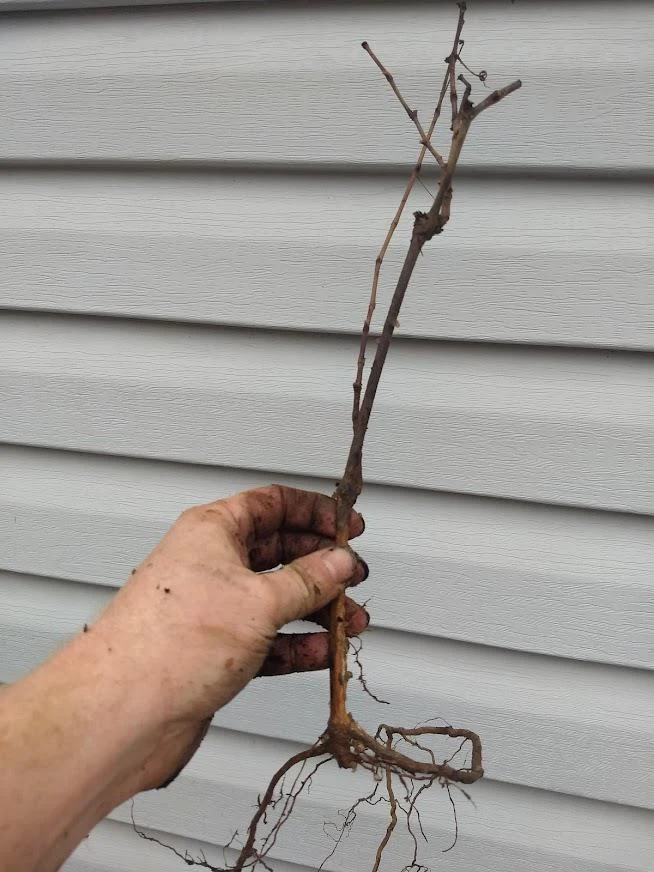
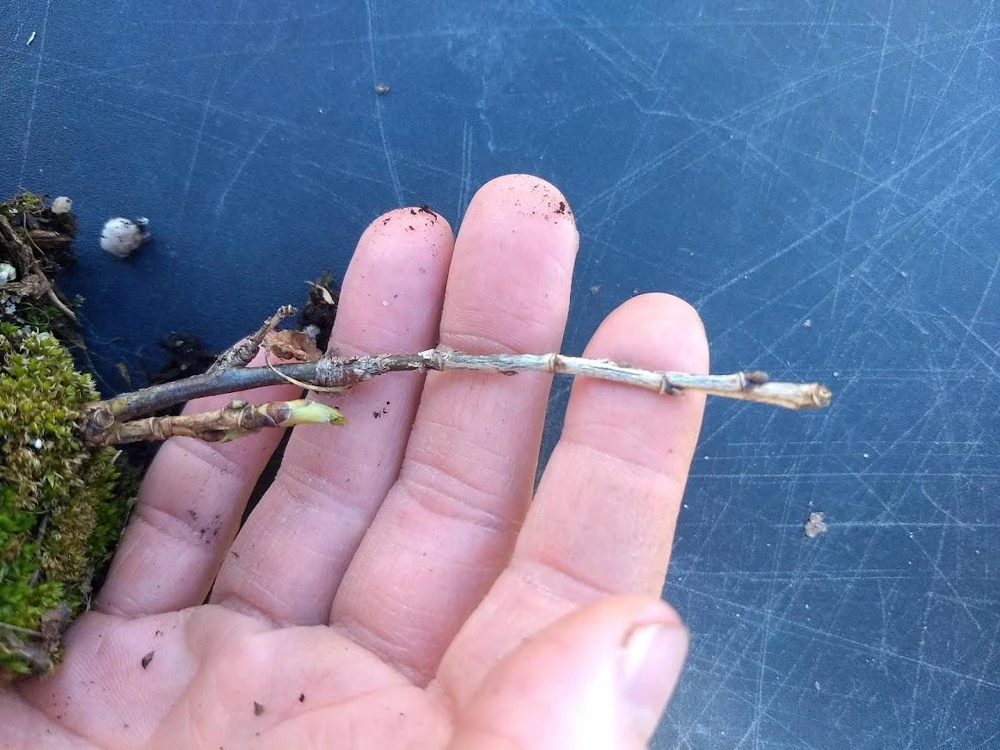
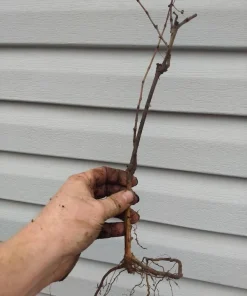
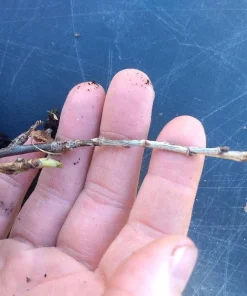
This offering is for one live, rooted starter plant of a male kiwi pollinator live plant. The plant will arrive healthy and ready for transplanting into your garden. While the exact size may vary slightly upon arrival, these hardy kiwi plants are vigorous growers and will quickly establish themselves. They are typically shipped with their root ball protected, ensuring a smooth transition to your growing environment. Once established, these vines are known for their rapid growth rate, with mature plants capable of reaching lengths of 12-20 feet.
The plant is designed to thrive in USDA Plant Hardiness Zones 4-8, indicating its resilience to cold temperatures. It will begin producing fragrant white flowers from early spring to late summer, a critical period for pollen distribution. For optimal kiwi fruit production, it is recommended to plant one male pollinator for every 5-8 female kiwi vines. Provide a sturdy support structure to accommodate its mature size and encourage healthy vertical growth. This starter plant offers an excellent foundation for a long-lived and productive kiwi patch.
Frequently Asked Questions
- Q: How big does this male kiwi pollinator live plant get? A: This vigorous vine can reach impressive lengths of 12-20 feet at maturity, requiring a sturdy support structure like a trellis or arbor. Its rapid growth makes it an excellent choice for covering large areas.
- Q: Is this an indoor or outdoor plant? A: This hardy kiwi plant is primarily an outdoor plant, designed to thrive in garden settings within USDA Plant Hardiness Zones 4-8. It needs ample space to grow and climb.
- Q: How much sunlight does it need? A: For optimal growth and flowering, the male kiwi pollinator requires full sun to partial shade, ideally receiving at least 6 hours of direct sunlight per day.
- Q: Is this plant easy to care for? A: Yes, once established, the male kiwi pollinator live plant is relatively low-maintenance. It’s known for its hardiness and disease resistance, making kiwi vine care straightforward for most gardeners.
- Q: What condition will it arrive in? A: You will receive one healthy, rooted starter plant. It is carefully packaged to protect the root system and foliage during transit, ensuring it arrives ready for planting.
- Q: Can this male kiwi pollinator help with my kiwi fruit production? A: Absolutely! This male plant is essential for pollinating female kiwi vines. It provides the necessary pollen to ensure your female plants set fruit, leading to a successful and abundant harvest.
- Q: When is the best time to plant this male kiwi pollinator? A: The best time to plant is in early spring or early fall, allowing the plant sufficient time to establish its root system before extreme weather conditions.
- Q: Will it survive winter in my zone? A: This hardy kiwi plant is suitable for USDA Plant Hardiness Zones 4-8, meaning it is well-adapted to survive cold winters within this range. Protection may be needed in the colder end of its zone during exceptionally harsh winters for young plants.
- Q: Do I need a female kiwi plant for this male plant to grow? A: No, the male kiwi pollinator will grow independently. However, you will need female kiwi plants if your goal is to produce kiwi fruit, as the male plant only provides pollen.
- Q: How many male kiwi plants do I need for my female plants? A: Generally, one male kiwi pollinator is sufficient to pollinate 5-8 female kiwi vines, ensuring effective kiwi fruit production.
Be the first to review “Male Kiwi Pollinator Live Plant – Hardy Actinidia arguta – Zones 4-8”
People Also Viewed
Shrubs
Marinka Fuchsia Live Plant Set – 2x 5″ Pots – Red Blooms, Attracts Hummingbirds, Shade Garden Shrub
Reviews
There are no reviews yet.