


300 Fenugreek Seeds – Trigonella Foenum Graecum Herb Flower Seeds for Culinary & Medicinal Use
Original price was: $37.99.$17.99Current price is: $17.99.
Cultivate your own aromatic and beneficial herb garden with this packet of fenugreek seeds. Known for its versatile culinary and medicinal uses, Trigonella Foenum Graecum is easy to grow and adds a unique flavor to many dishes.
Estimated arrival
Sep 17
Sep 22 - Sep 24
Sep 27 - Oct 01
Shop With Confidence
30-Day Plant Health Guarantee
Arrives damaged? We’ll replace it free — see our return policy.
Responsive Support
Email us anytime, we reply within 1 business day.
Expert Packaging
Temperature-controlled shipping to protect your plants in transit.
Secure Checkout
Pay safely with Visa, Mastercard, PayPal.
Plant Specifications
-
USDA Hardiness Zone
USDA zones 2-11 (as an annual) -
Soil Type
Well-draining, loamy soil -
Sunlight Exposure
Full sun -
Expected Planting Period
Spring to early summer
Overview
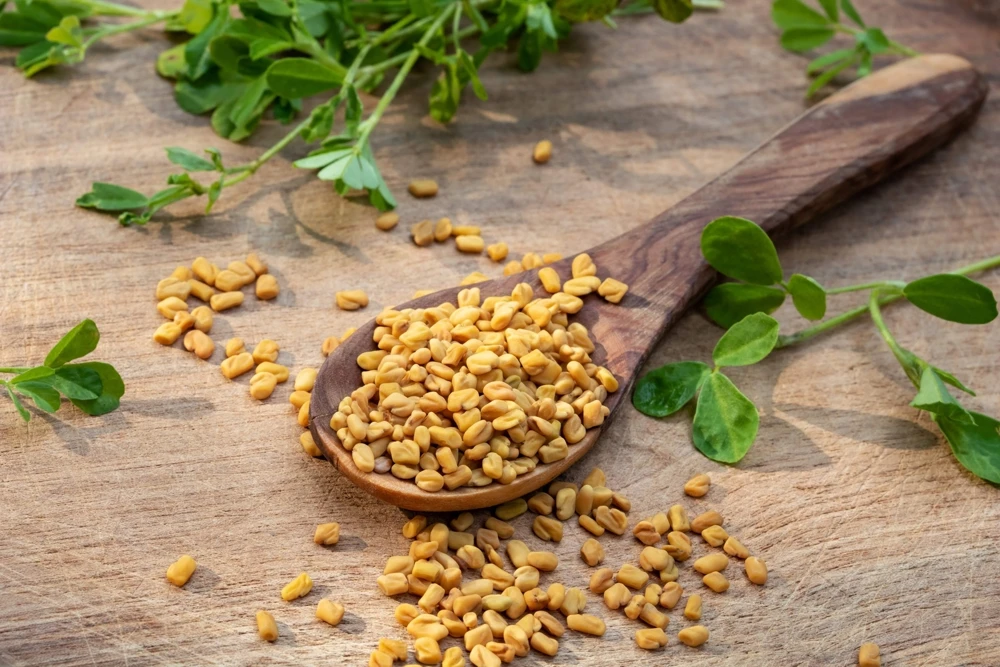
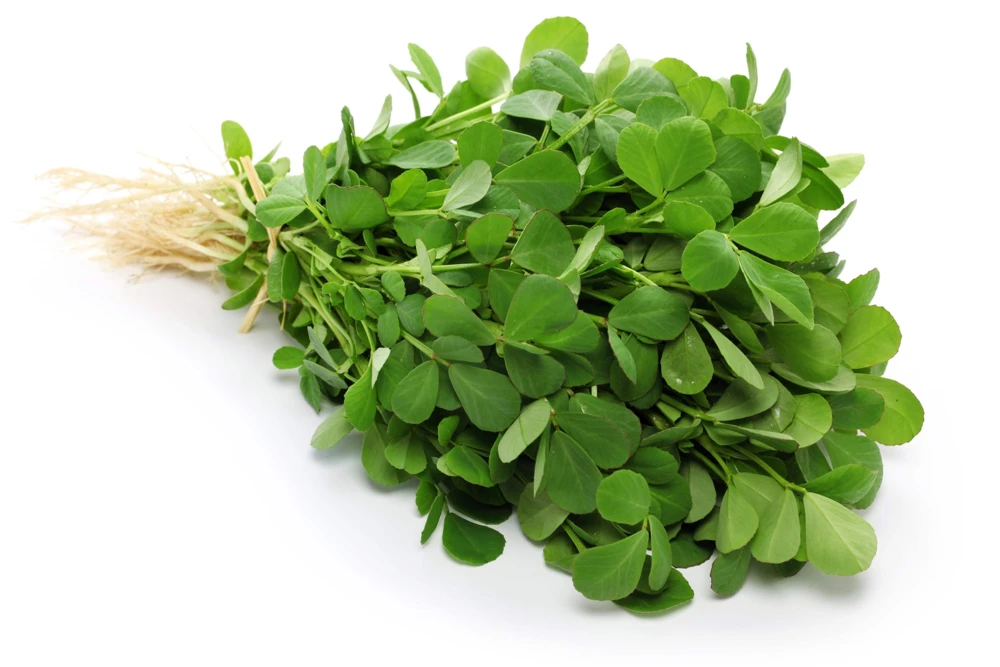
Discover the joy of growing your own herbs with our premium packet of fenugreek seeds. Fenugreek, scientifically known as Trigonella Foenum Graecum, is a remarkable annual herb cherished for its aromatic leaves and nutritious seeds. These fenugreek seeds are perfect for gardeners looking to cultivate a plant that offers both culinary delights and potential health benefits. Native to the Mediterranean region, Southern Europe, and Western Asia, fenugreek has been used for centuries in traditional medicine and as a spice in various cuisines. It’s an excellent addition to any herb garden, providing fresh leaves for salads and curries, and seeds that can be sprouted or ground into a flavorful powder. Growing Trigonella Foenum Graecum from seed is a rewarding experience, allowing you to enjoy fresh, organic fenugreek right from your backyard.
Key Benefits
Growing your own fenugreek seeds offers a multitude of benefits, from enhancing your culinary creations to contributing to a healthier lifestyle. These versatile seeds yield plants that are not only easy to cultivate but also packed with potential advantages for your home and garden.
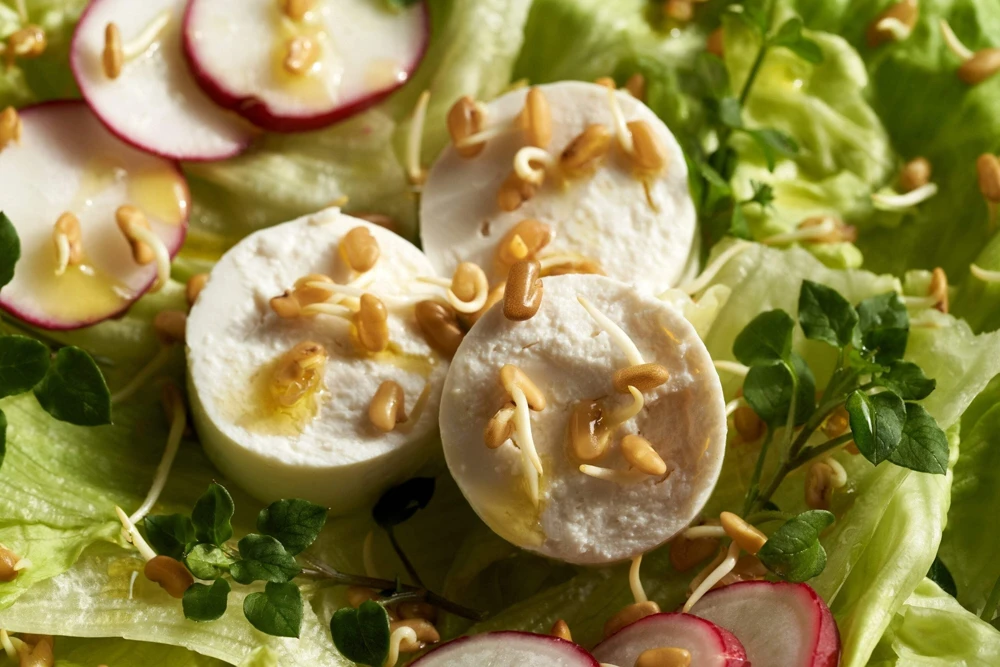
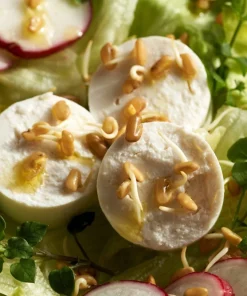
- Culinary Versatility: Fresh fenugreek leaves add a distinctive, slightly bitter, and aromatic flavor to curries, stews, and stir-fries, while the seeds are a staple in Indian, Middle Eastern, and North African cuisines. You can use them whole, sprouted, or ground as a spice.
- Medicinal Properties: Fenugreek has a long history of use in traditional medicine, believed to aid digestion, support lactation, and help regulate blood sugar levels. Cultivating your own ensures a fresh supply for herbal remedies.
- Easy to Grow: These fenugreek seeds are relatively simple to sprout and grow, making them suitable for both novice and experienced gardeners. They thrive in various conditions, making them a low-maintenance choice.
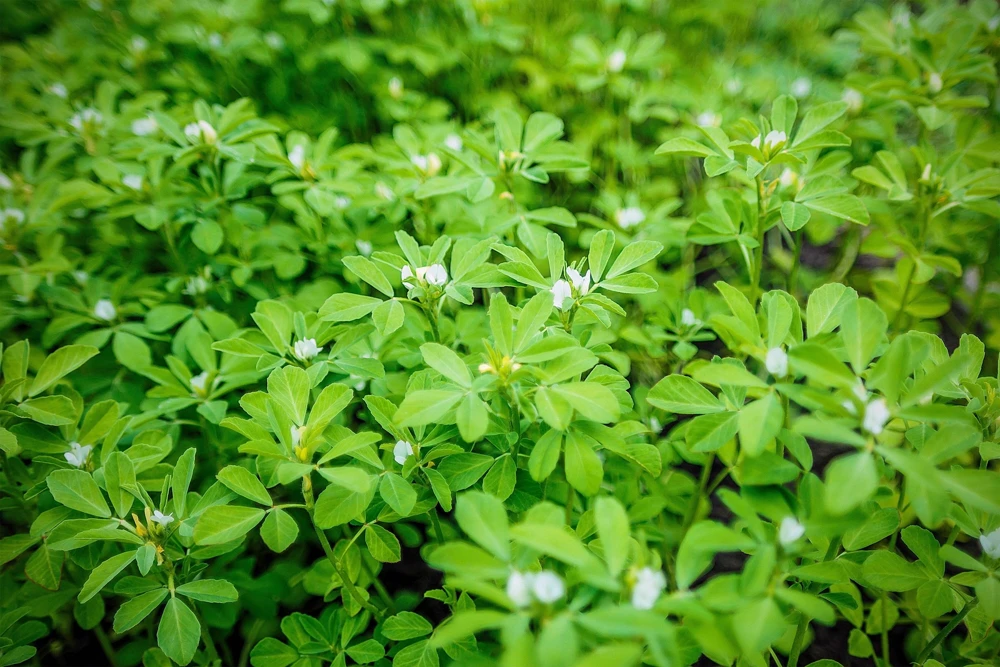
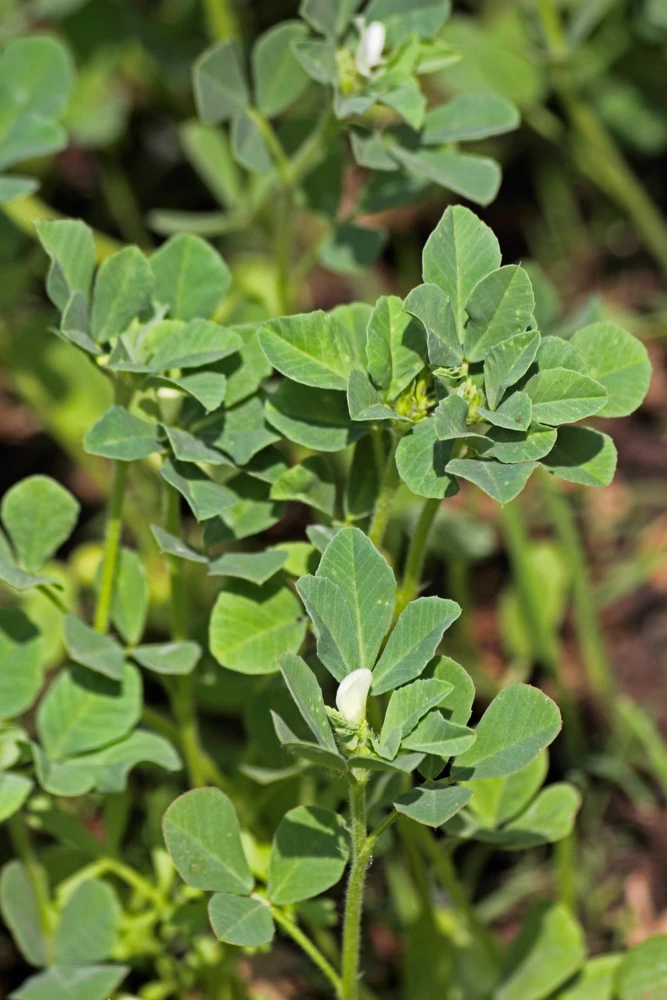
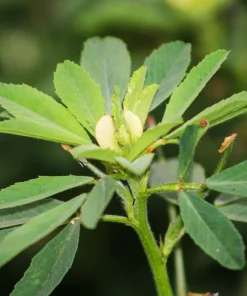
- Attracts Pollinators: The small, pale yellow flowers of the fenugreek plant can attract beneficial pollinators like bees to your garden, contributing to overall garden health and biodiversity.
- Soil Improvement: As a legume, fenugreek can fix nitrogen in the soil, enriching it naturally and benefiting other plants in your garden. This makes it an excellent cover crop or companion plant.
- Freshness and Quality: Growing your own fenugreek plant care ensures you have access to the freshest possible leaves and seeds, free from pesticides and chemicals, offering superior flavor and nutritional value compared to store-bought options.
- Cost-Effective: A single packet of fenugreek seeds can yield a substantial harvest, providing a continuous supply of this valuable herb at a fraction of the cost of purchasing it regularly.
Plant Care & Growing Tips
Successful cultivation of fenugreek seeds requires attention to a few key environmental factors to ensure healthy growth and a bountiful harvest. Fenugreek is an annual plant, meaning it completes its life cycle within one growing season, typically thriving in warmer conditions.
For optimal growth, fenugreek prefers a location that receives full sun, meaning at least 6-8 hours of direct sunlight per day. While it can tolerate partial shade, full sun will result in stronger plants and a better yield of both leaves and seeds. The ideal soil for Trigonella Foenum Graecum is well-draining, loose, and rich in organic matter. A slightly acidic to neutral pH (6.0-7.0) is best. Before planting, amend heavy clay soils with compost or sand to improve drainage. Sow the fenugreek seeds directly into the garden bed after the last frost, when soil temperatures have warmed to at least 60°F (15°C). Plant seeds about 1/4 to 1/2 inch deep and 2-3 inches apart in rows, with rows spaced 12-18 inches apart. Keep the soil consistently moist but not waterlogged during germination, which usually takes 3-7 days.
Once established, fenugreek is relatively drought-tolerant but will produce more lush foliage with regular watering. Aim for about 1 inch of water per week, either from rainfall or irrigation. Avoid overwatering, as this can lead to root rot. Fertilization is generally not heavily required, especially if your soil is rich in organic matter, as fenugreek is a nitrogen fixer. However, a balanced organic fertilizer can be applied once the plants are about 6 inches tall if growth appears sluggish. Pests are rarely a major issue for fenugreek, but keep an eye out for aphids or spider mites, which can be treated with insecticidal soap. Harvesting leaves can begin as early as 3-4 weeks after planting. For seeds, allow the pods to dry on the plant before harvesting. Proper fenugreek plant care will ensure a successful and flavorful harvest.
Size & Details
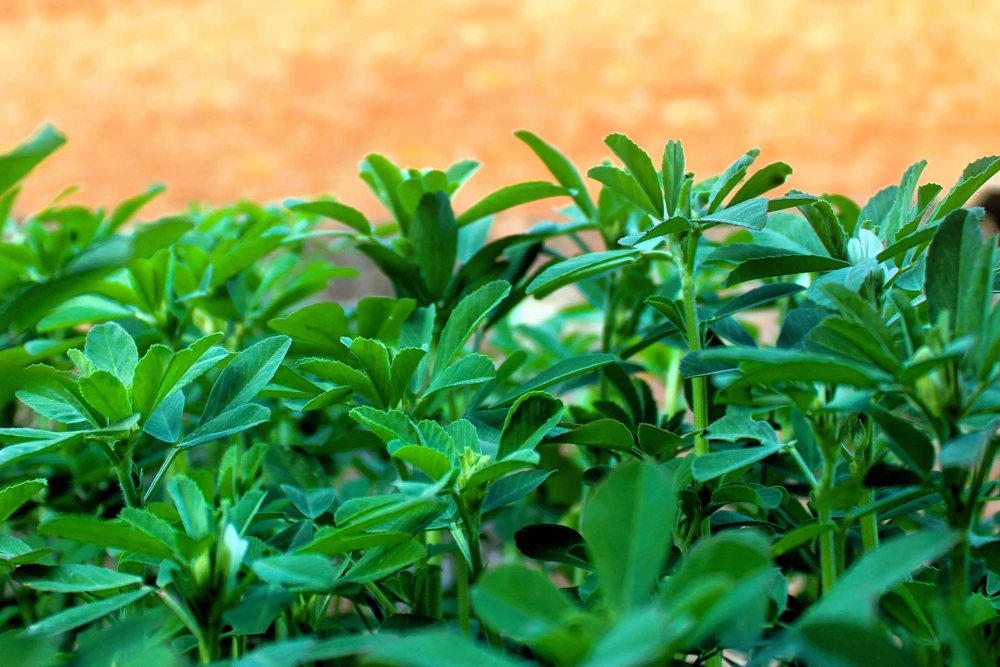
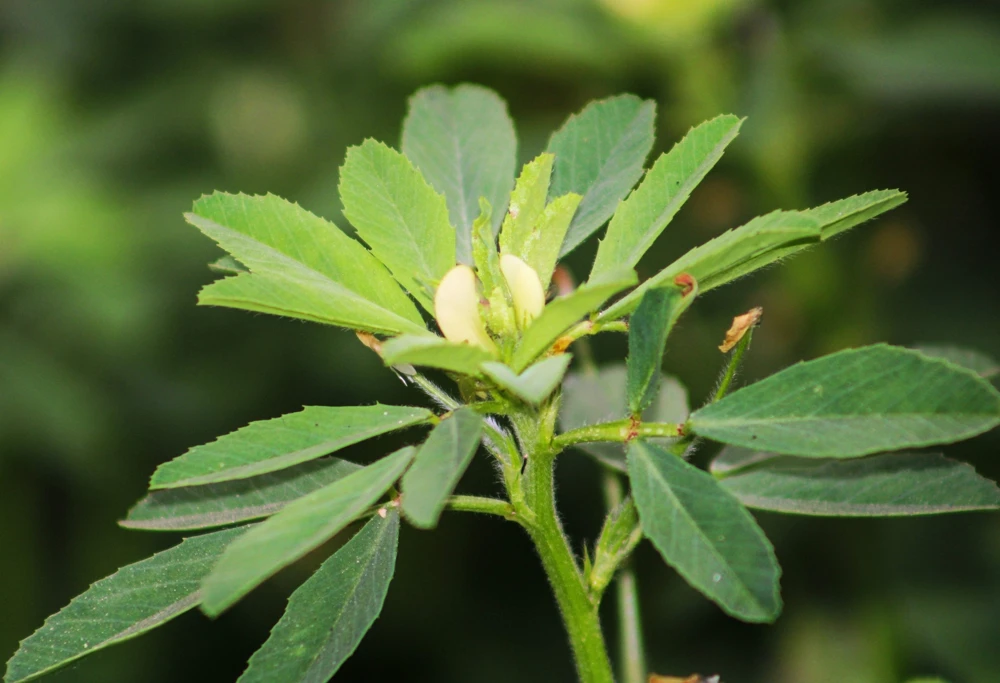
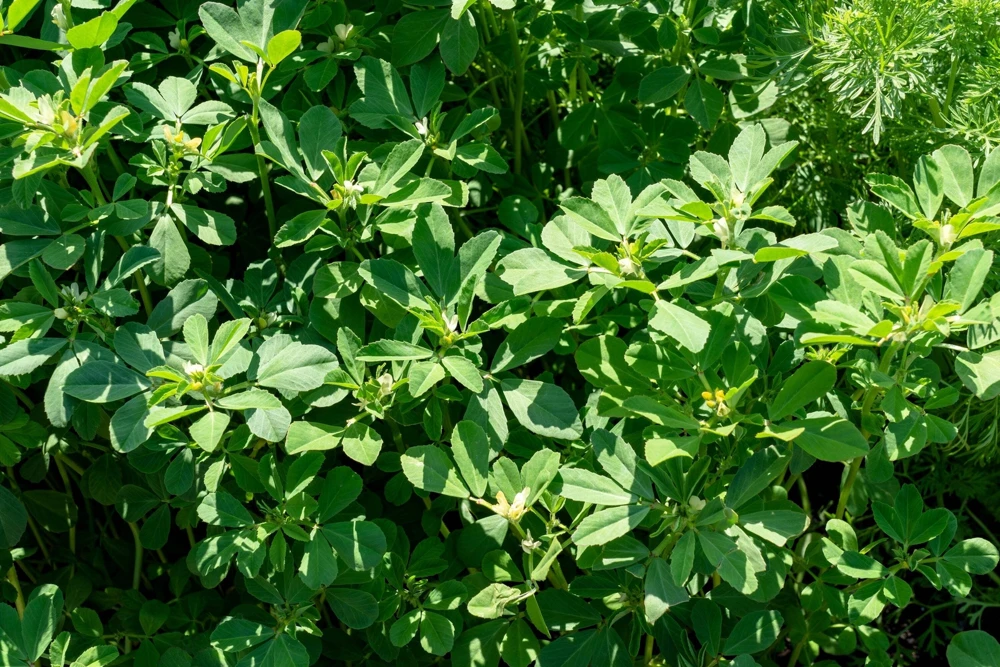
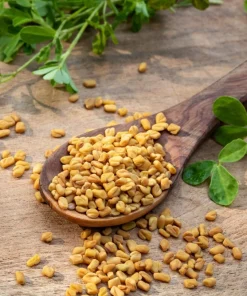
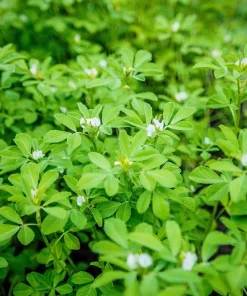
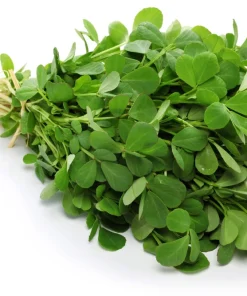
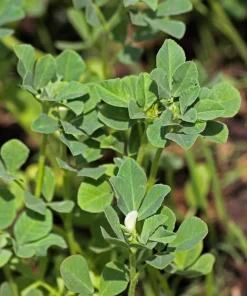
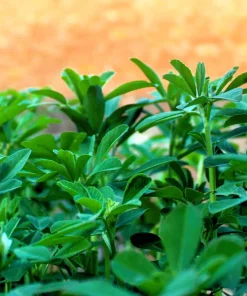
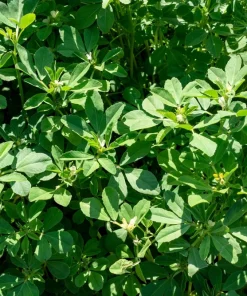
This packet contains approximately 300 fenugreek seeds, providing ample opportunity to establish a thriving herb patch. Fenugreek plants typically grow to a height of 1 to 2 feet (30-60 cm) with a similar spread, forming bushy, upright foliage. The leaves are trifoliate, resembling clover, and have a fresh, slightly bitter taste. The plant produces small, pale yellow to white flowers, followed by slender, sickle-shaped pods containing the aromatic seeds. These seeds are ready for harvest when the pods turn yellow and dry. The growth rate is relatively fast, with leaves ready for harvesting within 3-4 weeks and seeds maturing in about 3-4 months from planting. The seeds are ideal for sprouting, culinary use, or for planting the next season. With good fenugreek plant care, you can expect a generous yield from these seeds.
Frequently Asked Questions
- Q: How big does the fenugreek plant get? A: A: Fenugreek plants typically grow to a height of 1 to 2 feet (30-60 cm) and have a similar spread, forming a compact, bushy habit. Its size makes it suitable for both garden beds and larger containers.
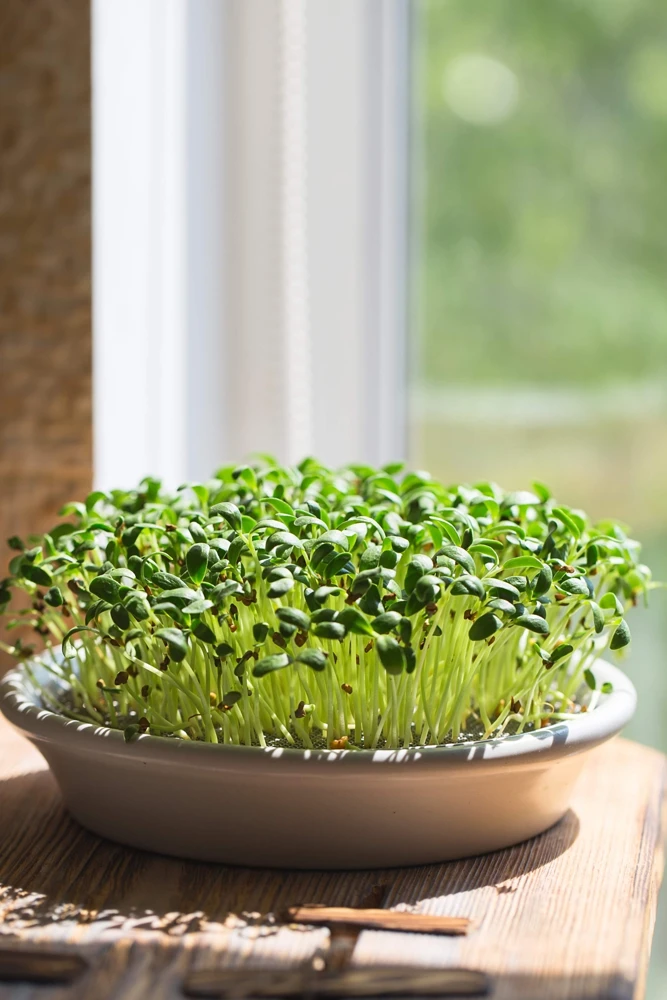
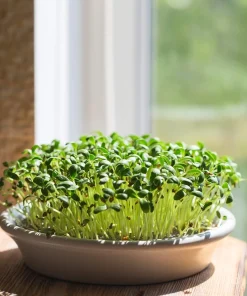
- Q: Is this an indoor or outdoor plant? A: Fenugreek is primarily grown outdoors as an annual herb, thriving in full sun. However, with adequate light and proper conditions, it can also be grown indoors in a sunny window or under grow lights, especially for harvesting fresh leaves.
- Q: How much sunlight does fenugreek need? A: For best results, fenugreek requires full sun, meaning at least 6-8 hours of direct sunlight per day. While it can tolerate some partial shade, ample sunlight promotes stronger growth and better seed production.
- Q: Is this plant easy to care for? A: Yes, fenugreek is considered an easy-to-grow herb, making it an excellent choice for beginner gardeners. It requires well-draining soil, consistent moisture, and plenty of sunlight, but is generally low-maintenance.
- Q: What condition will the seeds arrive in? A: The fenugreek seeds will arrive in a sealed packet, ensuring their freshness and viability for planting. They are dry and ready to be sown directly into your garden or sprouting tray.
- Q: Can I use fenugreek for cooking? A: Absolutely! Both the leaves and seeds of fenugreek are widely used in cooking. The fresh leaves are excellent in curries, salads, and stir-fries, while the seeds can be sprouted, roasted, or ground into a spice for various dishes.
- Q: When is the best time to plant fenugreek seeds? A: The best time to plant fenugreek is in the spring, after the last frost, when soil temperatures have warmed sufficiently. In warmer climates, it can also be planted in late summer for a fall harvest.
- Q: What kind of soil does fenugreek prefer? A: Fenugreek thrives in well-draining, loose, and fertile soil with a slightly acidic to neutral pH (6.0-7.0). Amending the soil with organic matter will help improve its structure and nutrient content.
- Q: How long until I can harvest fenugreek leaves? A: You can typically start harvesting fresh fenugreek leaves as early as 3-4 weeks after planting, once the plants have developed a few sets of true leaves. For seeds, it takes about 3-4 months for the pods to mature and dry.
- Q: Is fenugreek good for beginners? A: Yes, fenugreek is an ideal herb for beginners due to its relatively fast growth, minimal pest issues, and straightforward care requirements. It’s a rewarding plant to grow for those new to gardening.
Be the first to review “300 Fenugreek Seeds – Trigonella Foenum Graecum Herb Flower Seeds for Culinary & Medicinal Use”
People Also Viewed
Flower Seeds
Reviews
There are no reviews yet.