
Set of 2 Red Christmas Cactus Thanksgiving Cactus Live Plants, 4-8 Inch Tall
Original price was: $40.99.$15.99Current price is: $15.99.
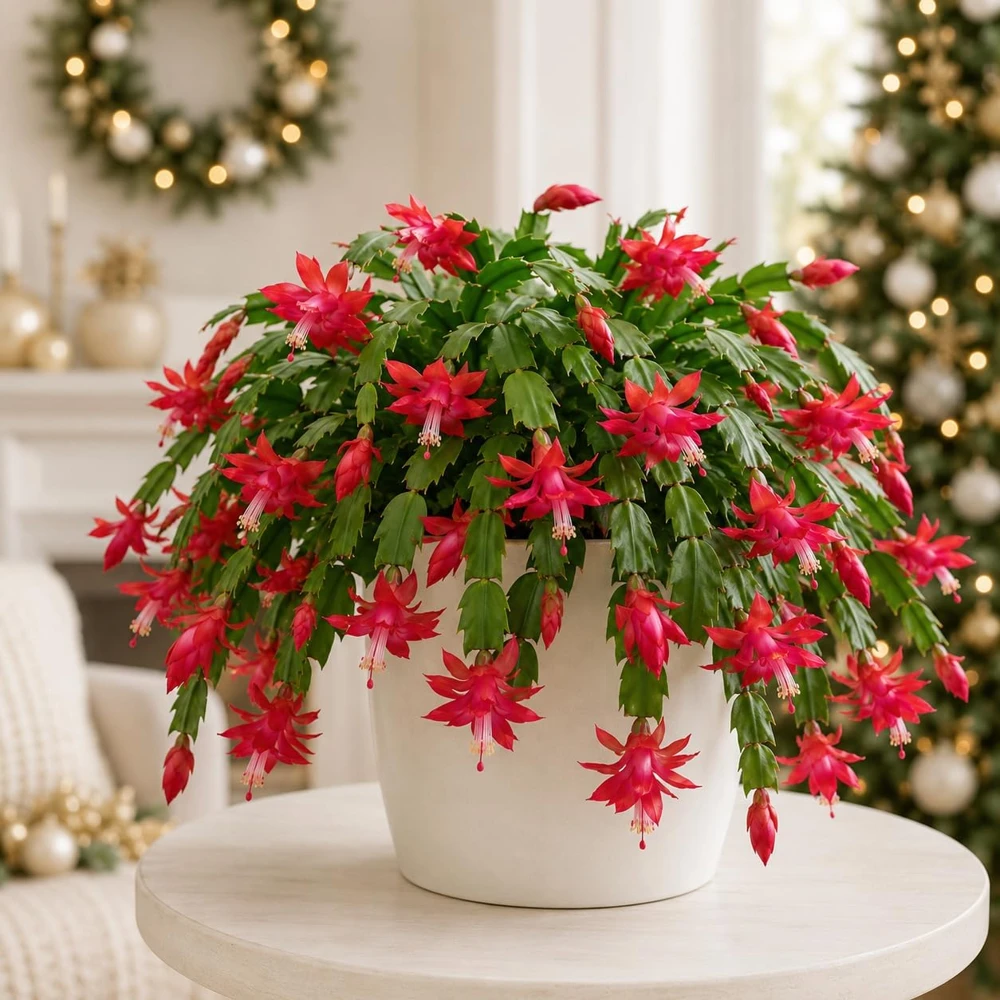
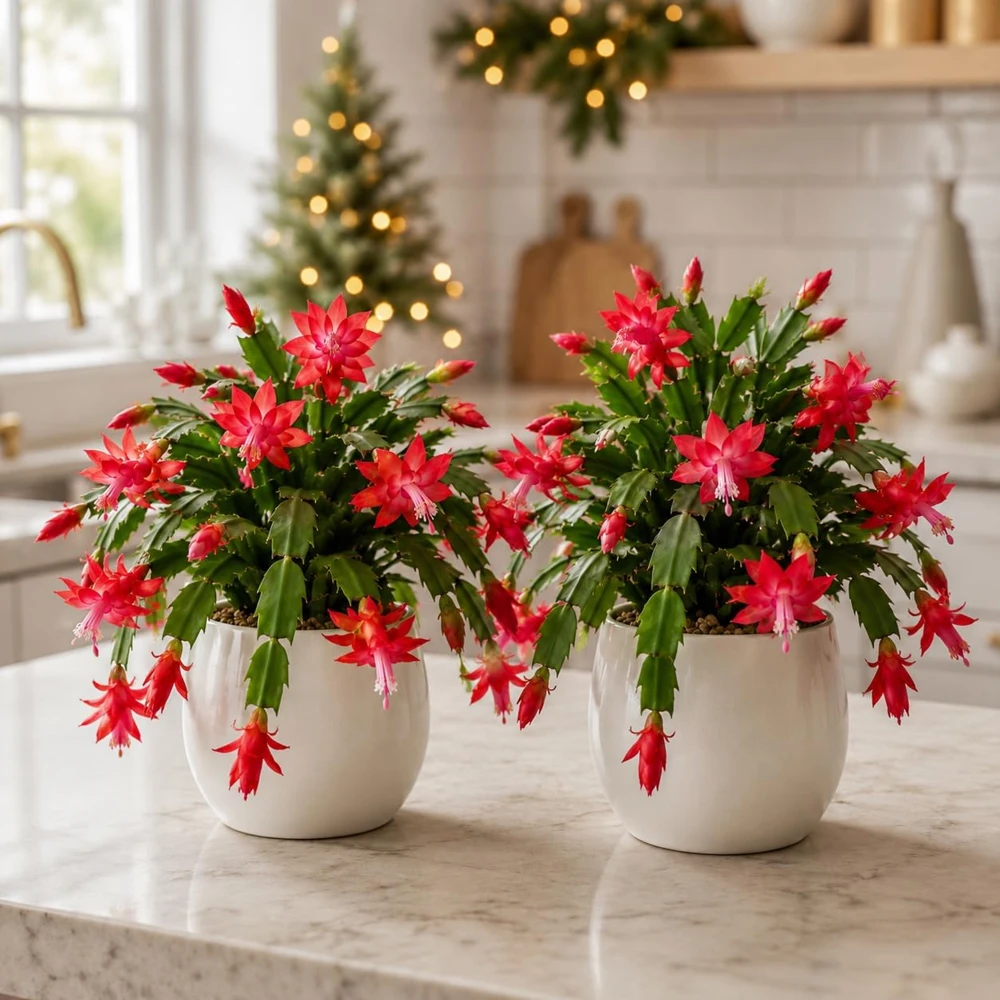
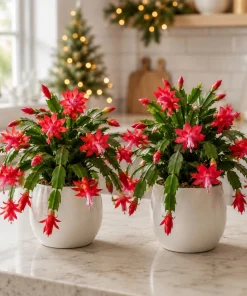
Bring festive cheer with this set of 2 red Christmas cactus live plant specimens. These 4-8 inch tall tropical cacti offer vibrant blooms from late fall through winter, perfect for indoor enjoyment. Easy to care for and ideal for gifting or brightening your home.
Estimated arrival
Oct 27
Nov 01 - Nov 03
Nov 06 - Nov 10
Shop With Confidence
30-Day Plant Health Guarantee
Arrives damaged? We’ll replace it free — see our return policy.
Responsive Support
Email us anytime, we reply within 1 business day.
Expert Packaging
Temperature-controlled shipping to protect your plants in transit.
Secure Checkout
Pay safely with Visa, Mastercard, PayPal.
Plant Specifications
-
USDA Hardiness Zone
10-12 (for outdoor, otherwise indoor plant) -
Soil Type
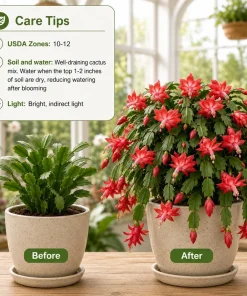
Well-draining soil -
Sunlight Exposure
Bright, indirect light -
Expected Planting Period
Year-round indoors (blooms late fall through winter)
Overview
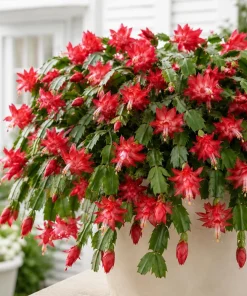
Welcome the holiday season with the stunning beauty of a red Christmas cactus live plant. This offering includes a set of two healthy, vibrant tropical cacti, each measuring between 4-8 inches tall. Known botanically as Schlumbergera, these popular houseplants are cherished for their spectacular, pendulous flowers that typically bloom from late fall through winter, making them a festive addition to any home. Often referred to as Thanksgiving Cactus or Holiday Cactus, these plants are native to the coastal mountains of southeastern Brazil, where they grow as epiphytes on trees or lithophytes on rocks. Their unique segmented stems and brilliant red blossoms create a captivating display, providing a splash of color when most other plants are dormant. These particular specimens are carefully selected to ensure vigorous growth and abundant flowering, ready to transform your indoor space into a festive haven.
The red Christmas cactus live plant is a delightful choice for both seasoned plant enthusiasts and beginners alike. Its relatively low-maintenance nature, combined with its striking appearance, makes it a rewarding plant to cultivate. Unlike desert cacti, the Christmas cactus thrives in humid environments and prefers a bright, indirect light setting. When cared for properly, these plants can live for many years, becoming cherished heirlooms that bring joy season after season. Their unique growth habit and vibrant blooms make them an excellent focal point in any room, adding a touch of tropical elegance to your décor during the cooler months.
Key Benefits
Choosing a red Christmas cactus live plant for your home offers a multitude of advantages, from aesthetic appeal to ease of care. These plants are not just beautiful; they are also a joy to grow and maintain.
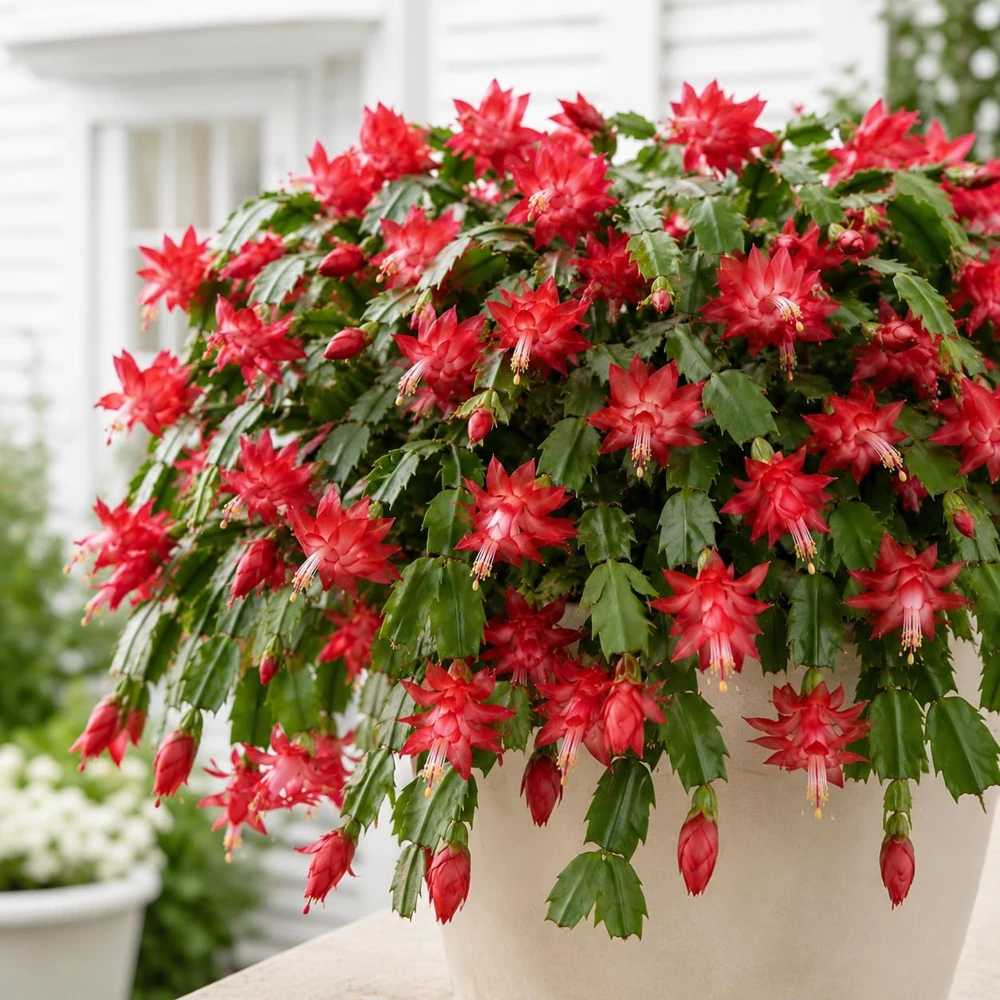
- Spectacular Seasonal Blooms: The primary benefit of these plants is their breathtaking display of bright red flowers that emerge typically from late autumn through winter. This makes them perfect for adding natural festive décor to your home during the holiday season. The vibrant blooms provide a much-needed splash of color when outdoor gardens are often dormant.
- Easy Care & Low Maintenance: Despite their exotic appearance, Christmas cacti are surprisingly easy to care for, making them suitable for gardeners of all experience levels. They don’t demand constant attention and thrive with basic watering and light requirements, ensuring you can enjoy their beauty without extensive effort.
- Long Lifespan & Heirloom Potential: With proper care, a red Christmas cactus live plant can live for decades, often being passed down through generations. This longevity makes them a truly special and enduring addition to your plant collection, creating lasting memories.
- Adaptable to Indoor Environments: These tropical cacti are perfectly suited for indoor living. They thrive in typical household temperatures and humidity levels, provided they receive adequate indirect light, making them an ideal houseplant choice.
- Unique Growth Habit: The segmented, flattened stems of the Christmas cactus provide unique texture and visual interest even when not in bloom. Their cascading growth habit makes them excellent candidates for hanging baskets or elevated planters, allowing their blooms to truly shine.
- Air Purifying Qualities: Like many houseplants, the Christmas cactus contributes to a healthier indoor environment by helping to filter and improve air quality, making your living space more pleasant.
- Great for Gifting: A blooming red Christmas cactus live plant makes a thoughtful and impressive gift for friends and family during the holidays or any special occasion. Its beauty and ease of care are appreciated by many.
Plant Care & Growing Tips
Caring for your red Christmas cactus live plant is straightforward, ensuring you’ll enjoy its beautiful blooms for many years. These plants thrive when their specific needs for light, water, and temperature are met. When considering red Thanksgiving cactus care, remember that they are tropical cacti, not desert varieties, so their requirements differ significantly from their spiny cousins.
Sunlight Requirements: Christmas cacti prefer bright, indirect light. Direct, harsh sunlight, especially during the summer, can scorch their delicate leaves and prevent blooming. An east-facing window is often ideal, providing gentle morning sun. If you only have south or west-facing windows, place the plant a few feet away or use sheer curtains to filter the light. Too little light can result in leggy growth and sparse flowering. For optimal blooming, they benefit from 12-14 hours of darkness per day for 6-8 weeks leading up to their blooming period in late fall.
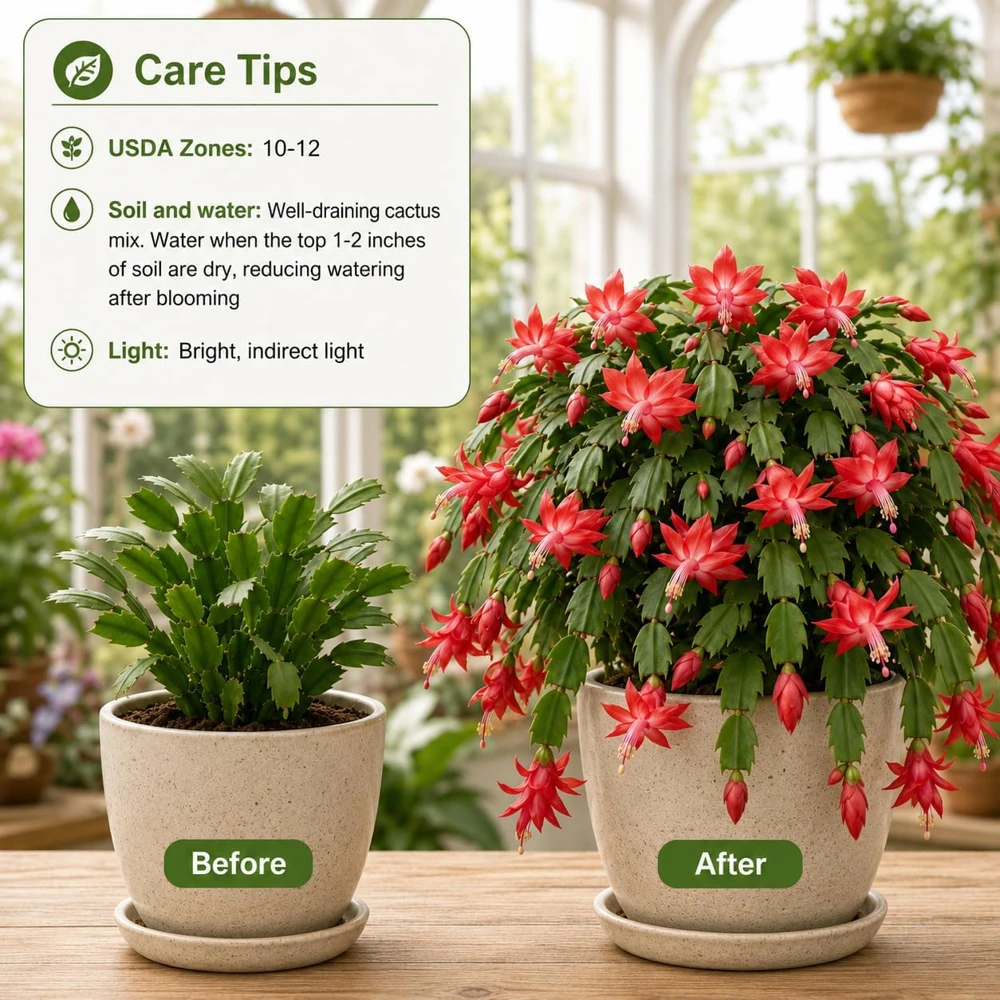
Watering Schedule and Soil Moisture: Water your Christmas cactus thoroughly when the top 1–2 inches of soil feel dry to the touch. Allow excess water to drain completely from the bottom of the pot to prevent root rot. These plants do not like to sit in soggy soil. Reduce watering after the plant has finished blooming, allowing the soil to dry out a bit more between waterings during its dormancy period. Increase watering again as new growth appears in spring. Humidity is also important; consider placing the pot on a pebble tray filled with water or misting around the plant periodically, especially in dry indoor environments.
Soil Type and Drainage: A well-draining soil mix is crucial for the health of your Christmas cactus. A good option is a mix specifically formulated for cacti and succulents, or a general potting mix amended with perlite, sand, or orchid bark to improve drainage. The soil should be slightly acidic, with a pH between 5.5 and 6.5. Ensure the pot has drainage holes to prevent waterlogging.
Temperature Range and USDA Hardiness Zone: These plants prefer temperatures between 60 degrees Fahrenheit and 75 degrees Fahrenheit (15-24°C). They can tolerate slightly cooler temperatures at night, which can actually help encourage blooming. Avoid sudden temperature fluctuations and cold drafts. The USDA Zones for outdoor planting are 10-12, but as an indoor plant, consistent indoor temperatures are key. Protecting your holiday cactus indoor from extreme cold is vital.
Fertilization: Feed your Christmas cactus with a balanced liquid houseplant fertilizer every 2-4 weeks during its active growing season (spring and summer). Reduce or stop fertilizing during the fall and winter while the plant is blooming or dormant. Over-fertilization can lead to leggy growth and fewer blooms. For those looking to buy Christmas cactus online, understanding these feeding tips will help ensure a thriving plant.
Common Problems and Solutions: Yellowing leaves can indicate overwatering or nutrient deficiency. Dropping buds can be caused by sudden changes in temperature, light, or water, or insufficient darkness during the bud formation stage. Pests like mealybugs or spider mites can be treated with insecticidal soap.
Size & Details
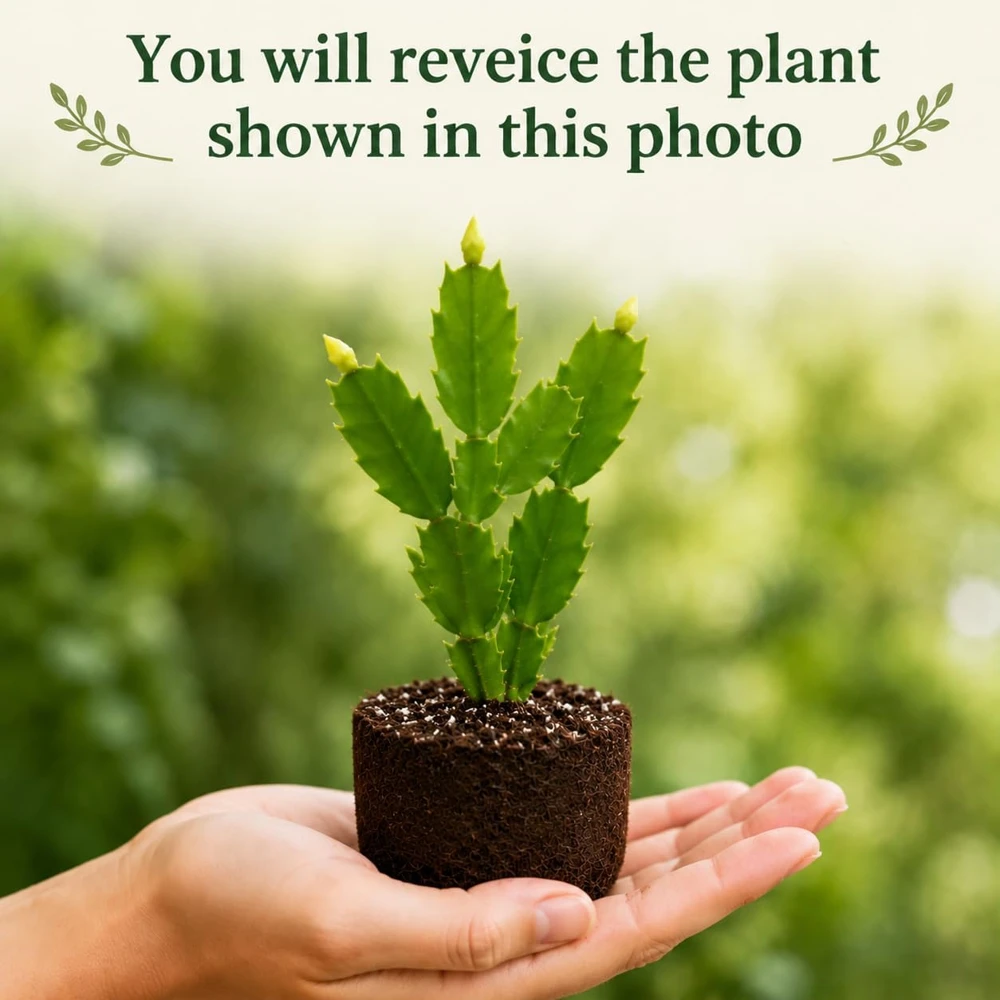
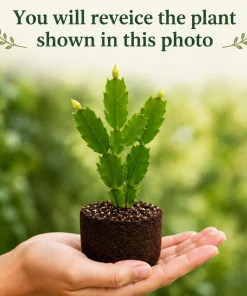
This offering includes a set of two live red Christmas cactus live plant specimens, each standing approximately 4-8 inches tall from the base of the plant to the tip of its tallest stem. These plants are shipped without a pot, allowing you to choose your preferred container and potting medium upon arrival. The plants are carefully packaged to ensure their safe journey and healthy arrival. While the exact spread will vary, these plants typically develop a bushy, slightly cascading form as they mature, making them ideal for display on shelves, tabletops, or in hanging baskets. They have a moderate growth rate, and with proper care, you can expect them to reach a mature size of about 12-24 inches in height and spread over several years. Blooming season is typically late fall through winter, with the most prolific flowering occurring when plants receive the correct light and temperature cues.
Frequently Asked Questions
- Q: How big will my red Christmas cactus get? A: Each plant in this set arrives 4-8 inches tall. With proper care, a red Christmas cactus live plant can grow to be 12-24 inches tall and wide, forming a beautiful, cascading mound over several years.
- Q: Is this an indoor or outdoor plant? A: This is primarily an indoor plant, especially in most US climates. It thrives in typical household temperatures and humidity. If you live in USDA Zones 10-12, it can be grown outdoors in a protected, shady spot.
- Q: How much sunlight does a red Christmas cactus need? A: Your red Thanksgiving cactus care routine should include bright, indirect light. Avoid harsh, direct sunlight, which can burn its leaves. An east-facing window or a few feet away from a south or west-facing window is ideal.
- Q: Is this plant easy to care for? A: Yes, the Christmas cactus is considered a relatively easy-care houseplant. It requires consistent watering when the topsoil is dry and appropriate light conditions, making it suitable for beginners and experienced plant owners alike.
- Q: What condition will the plants arrive in? A: The plants are shipped as bareroot cuttings or small rooted plants without a pot to ensure safe transit. They will be carefully packaged to protect their delicate stems and roots, ready for you to pot upon arrival.
- Q: How often should I water my holiday cactus indoor? A: Water when the top 1-2 inches of soil are dry. Reduce watering after blooming. Ensure the pot has good drainage to prevent root rot.
- Q: When is the best time to plant this Christmas cactus? A: As these are live plants, they can be potted any time of year indoors. For outdoor planting in appropriate zones, spring or early summer is ideal to allow them to establish before cooler weather.
- Q: What kind of soil is best for my red Christmas cactus? A: A well-draining potting mix is essential. A mix designed for cacti and succulents, or a regular potting mix amended with perlite or orchid bark, works well.
- Q: Will my plant bloom immediately after I receive it? A: Blooming depends on the time of year and the plant’s current cycle. They typically bloom from late fall through winter. Providing the correct light and temperature cues will encourage future blooms.
- Q: Can I propagate this red Christmas cactus? A: Yes, Schlumbergera plant varieties are very easy to propagate from stem cuttings. Simply take a section of two to three segments, let it callus for a day or two, and then plant it in moist potting mix.
Be the first to review “Set of 2 Red Christmas Cactus Thanksgiving Cactus Live Plants, 4-8 Inch Tall”
People Also Viewed
Shrubs
Winter Honeysuckle Live Plant – 6-12″ Tall Shrub, 2.5″ Pot – Fragrant Lonicera fragrantissima
Reviews
There are no reviews yet.