












5 Fresh Turmeric Root Plants – Curcuma longa Live Rhizomes for Planting
Original price was: $39.99.$14.99Current price is: $14.99.
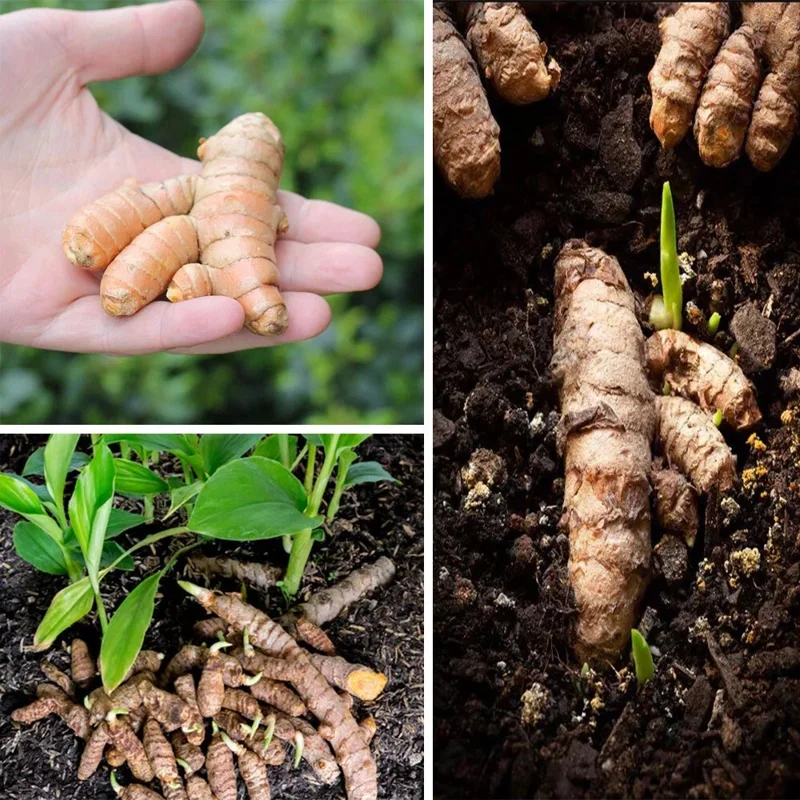
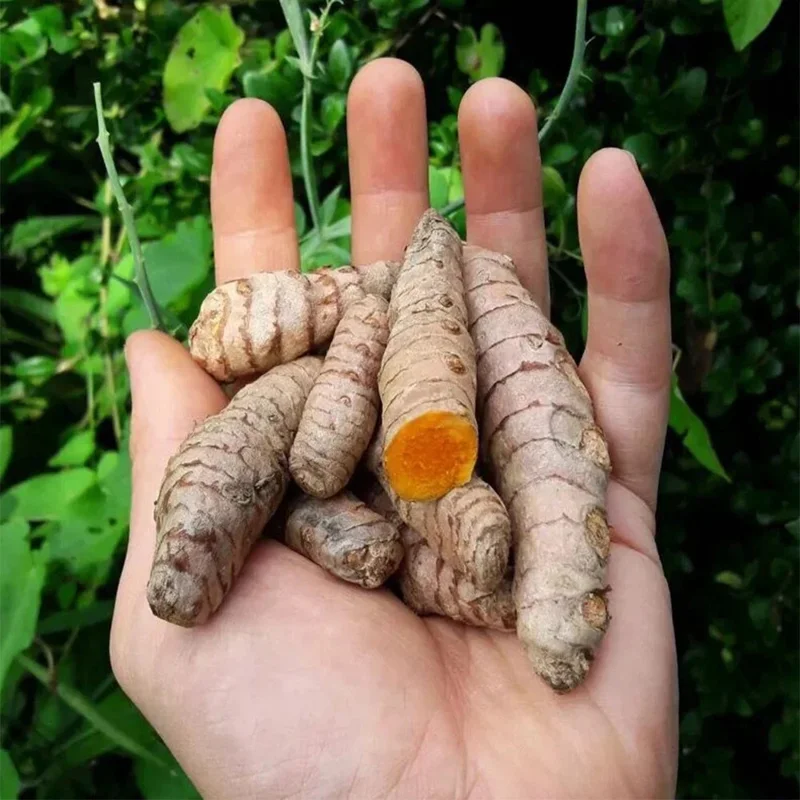
Cultivate your own vibrant spice garden with these turmeric root plants. You will receive 5 fresh curcuma longa rhizomes, perfectly prepared and ready for planting. Ideal for both culinary and ornamental purposes, these live roots promise a rewarding growing experience for any enthusiast.
Estimated arrival
Oct 15
Oct 20 - Oct 22
Oct 25 - Oct 29
Shop With Confidence
30-Day Plant Health Guarantee
Arrives damaged? We’ll replace it free — see our return policy.
Responsive Support
Email us anytime, we reply within 1 business day.
Expert Packaging
Temperature-controlled shipping to protect your plants in transit.
Secure Checkout
Pay safely with Visa, Mastercard, PayPal.
Plant Specifications
-
USDA Hardiness Zone
USDA zones 8-11 -
Soil Type
Rich, well-draining soil -
Sunlight Exposure
Partial shade to full sun -
Expected Planting Period
Spring
Overview
Embark on a journey to grow your own healthful spice with our premium selection of turmeric root plants. This offering includes 5 fresh, vibrant curcuma longa rhizomes, carefully harvested and prepared to ensure optimal growth and vitality. Turmeric, known scientifically as Curcuma longa, is a flowering plant of the ginger family, Zingiberaceae. It is native to Southeast Asia and widely cultivated in tropical regions. The rhizomes, or underground stems, are primarily used as a spice in various cuisines, for dyeing, and for their traditional medicinal properties. Growing your own turmeric allows you to enjoy the freshest possible roots, free from preservatives and chemicals, right from your garden or patio.
These live rhizomes are perfect for gardeners of all experience levels, from beginners looking to try something new to seasoned cultivators seeking to expand their herb collection. Each rhizome is a living piece, eager to sprout and develop into a lush plant that will yield abundant turmeric roots. Experience the satisfaction of nurturing these plants and harvesting your very own golden spice, bringing a touch of exotic flavor and wellness to your home.
Key Benefits
Growing turmeric root plants offers a multitude of benefits, from enhancing your culinary endeavors to potentially contributing to your well-being. These fresh rhizomes are designed to provide a successful and enriching gardening experience.
- Fresh, Organic Harvest: Enjoy the unparalleled taste and potency of freshly harvested turmeric, grown without synthetic pesticides or fertilizers, right from your own garden. This is a key benefit of growing your own fresh turmeric for planting.
- Culinary Versatility: The golden rhizomes are a staple in many dishes, adding unique flavor and color to curries, stews, teas, and smoothies.
- Ornamental Appeal: Beyond its culinary uses, the turmeric plant itself is beautiful, featuring broad green leaves and sometimes striking flower spikes, making it an attractive addition to your garden or indoor plant collection.
- Traditional Wellness Properties: Turmeric has been revered for centuries in traditional medicine systems for its potential anti-inflammatory and antioxidant properties, often associated with the compound curcumin.
- Educational Experience: A wonderful project for families and children, providing a hands-on learning experience about plant growth and food sourcing. Understanding turmeric plant care is part of this engaging process.
- Sustainable Gardening: Cultivating your own herbs reduces your carbon footprint and promotes a more sustainable lifestyle.
- Easy to Grow: While requiring specific conditions, turmeric is relatively straightforward to cultivate, especially when starting with healthy curcuma longa rhizomes like these.
Plant Care & Growing Tips
Successful cultivation of your turmeric root plants requires attention to a few key environmental factors. Turmeric thrives in warm, humid conditions, mimicking its native tropical habitat. Choose a location that receives ample sunlight, ideally partial shade to full sun, meaning about 4-6 hours of direct sunlight per day, especially in hotter climates where afternoon shade is beneficial. If growing indoors, a south-facing window with bright, indirect light is suitable, or consider using grow lights to supplement.
Watering is crucial for turmeric. The soil should be kept consistently moist but never waterlogged. Good drainage is paramount to prevent root rot. Water regularly, especially during dry spells, and reduce watering as the plant approaches dormancy in the cooler months. The ideal soil for turmeric root plants is rich, well-draining, and slightly acidic to neutral (pH 6.0-7.0). A mix of compost, peat moss, and perlite or sand works well to provide both nutrients and drainage. Turmeric is a heavy feeder, so incorporate organic matter into the soil before planting and fertilize every few weeks during the growing season with a balanced liquid fertilizer or a slow-release granular fertilizer high in potassium.
Turmeric is a tropical plant and is not frost-hardy. It grows best in USDA hardiness zones 8-11. If you are in a cooler zone, you can grow turmeric in containers and bring them indoors before the first frost. The ideal temperature range for growth is between 68°F and 95°F (20°C and 35°C). Harvest typically occurs 8-10 months after planting, when the leaves start to yellow and die back. Gently dig up the rhizomes, clean them, and either use them fresh or cure them for storage. Proper turmeric plant care ensures a bountiful harvest.
Size & Details
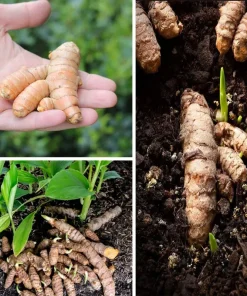
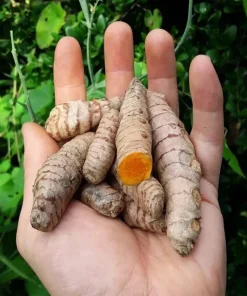
This offering includes 5 individual curcuma longa rhizomes, each selected for its health and viability. These are live rhizomes, not dormant bulbs or seeds, ensuring a higher success rate for sprouting. While individual sizes may vary slightly, each rhizome is substantial enough to produce a robust plant. When mature, a single turmeric plant can reach a height of 3-4 feet and spread 1-2 feet wide, forming a dense clump of foliage. The rhizomes themselves will multiply underground, yielding a generous harvest over time. Plant these rhizomes about 2-4 inches deep, with the ‘eyes’ or buds facing upwards, and space them 6-8 inches apart for optimal growth. Expect sprouts to emerge within a few weeks to a couple of months, depending on conditions. The full growing cycle to harvest typically takes 8 to 10 months.
Frequently Asked Questions
- Q: How big do these turmeric root plants get when mature? A: A mature turmeric plant can grow to be about 3 to 4 feet tall and spread 1 to 2 feet wide, forming a lush clump of green foliage. The rhizomes themselves will multiply underground, providing a good harvest.
- Q: Are these turmeric root plants suitable for indoor or outdoor growing? A: These turmeric root plants can be grown both indoors and outdoors. They thrive outdoors in warm climates (USDA Zones 8-11) and can be successfully grown in containers indoors in cooler regions.
- Q: How much sunlight do these curcuma longa rhizomes need? A: Turmeric plants prefer partial shade to full sun, ideally receiving 4-6 hours of direct sunlight daily. In very hot climates, some afternoon shade is beneficial to prevent leaf scorch.
- Q: Is growing turmeric difficult for beginners? A: No, growing turmeric root plants is relatively easy for beginners, provided they receive adequate warmth, moisture, and well-draining soil. Following basic turmeric plant care guidelines will lead to success.
- Q: What condition will the fresh turmeric for planting arrive in? A: Your 5 fresh curcuma longa rhizomes will arrive carefully packed and ready for planting, ensuring they are in optimal condition to sprout and grow.
- Q: When is the best time to plant turmeric rhizomes? A: The best time to plant turmeric is in the spring, after the last frost, when soil temperatures have warmed up. This allows for a full growing season before the cooler months.
- Q: Can I use the harvested turmeric in cooking? A: Absolutely! The primary purpose of growing these turmeric root plants is for their fresh, flavorful rhizomes, which are excellent for culinary uses in curries, teas, and many other dishes.
- Q: What type of soil is best for turmeric? A: Turmeric thrives in rich, well-draining soil with a slightly acidic to neutral pH (6.0-7.0). A mix of compost, peat moss, and perlite is ideal.
- Q: How long does it take for turmeric to be ready for harvest? A: Turmeric typically takes 8 to 10 months from planting until the rhizomes are ready for harvest. You’ll know it’s time when the plant’s leaves begin to yellow and die back.
- Q: Is this turmeric plant pet-safe? A: While turmeric is generally considered safe for humans, it’s always best to consult with a veterinarian regarding specific plants and pet safety, as individual animal reactions can vary.
Be the first to review “5 Fresh Turmeric Root Plants – Curcuma longa Live Rhizomes for Planting”
People Also Viewed

Flower Seeds
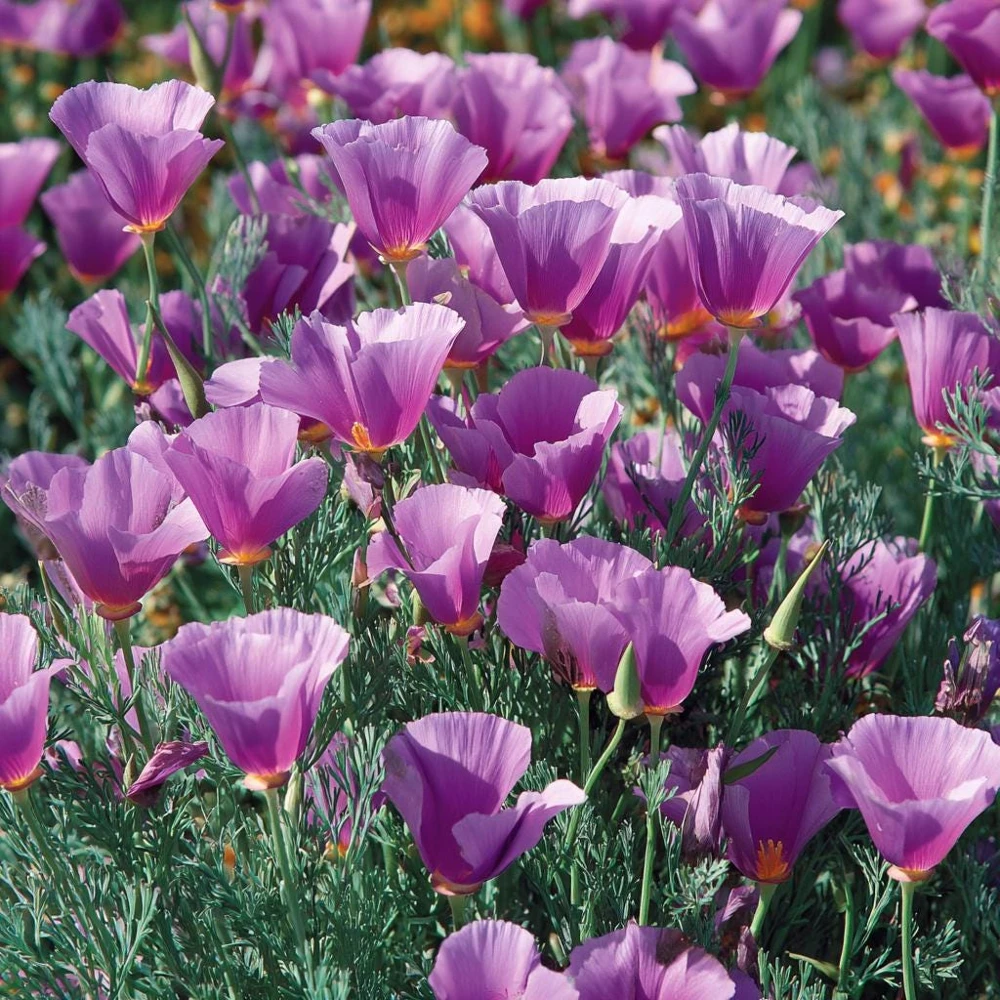
Purple Gleam California Poppy Seeds – 250 Wildflower Seeds, Easy-to-Grow, Drought Tolerant
Reviews
There are no reviews yet.