
Japanese Flowering Quince ‘Toyo Nishiki’ Live Plant 6+ Inches Tall for Garden
Original price was: $83.79.$63.79Current price is: $63.79.
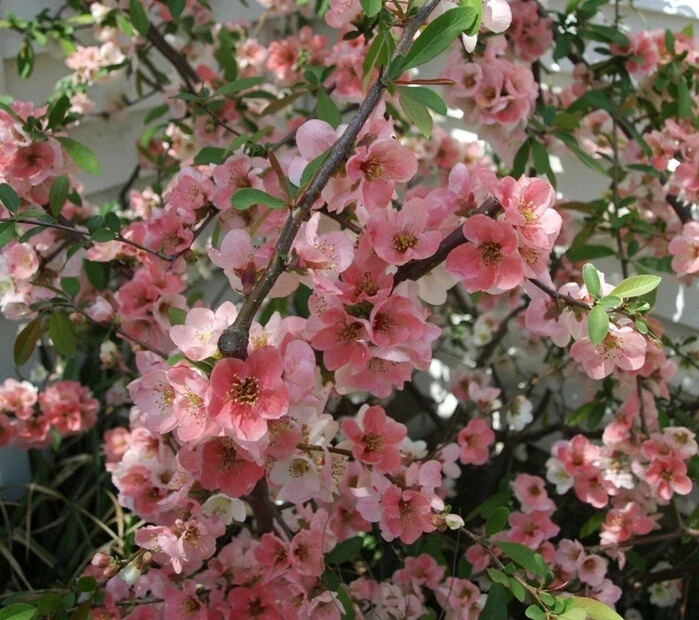
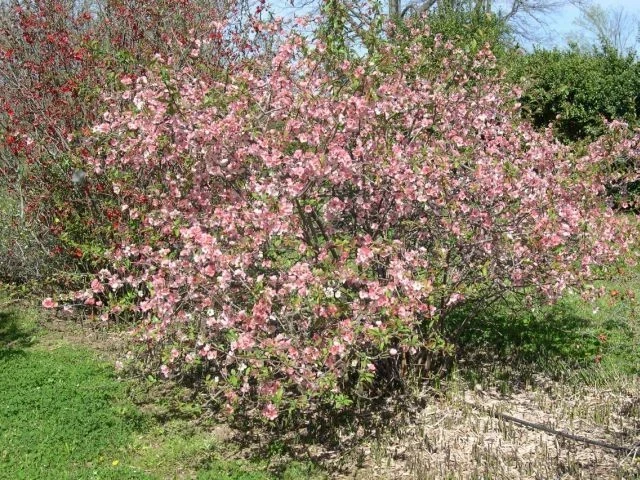
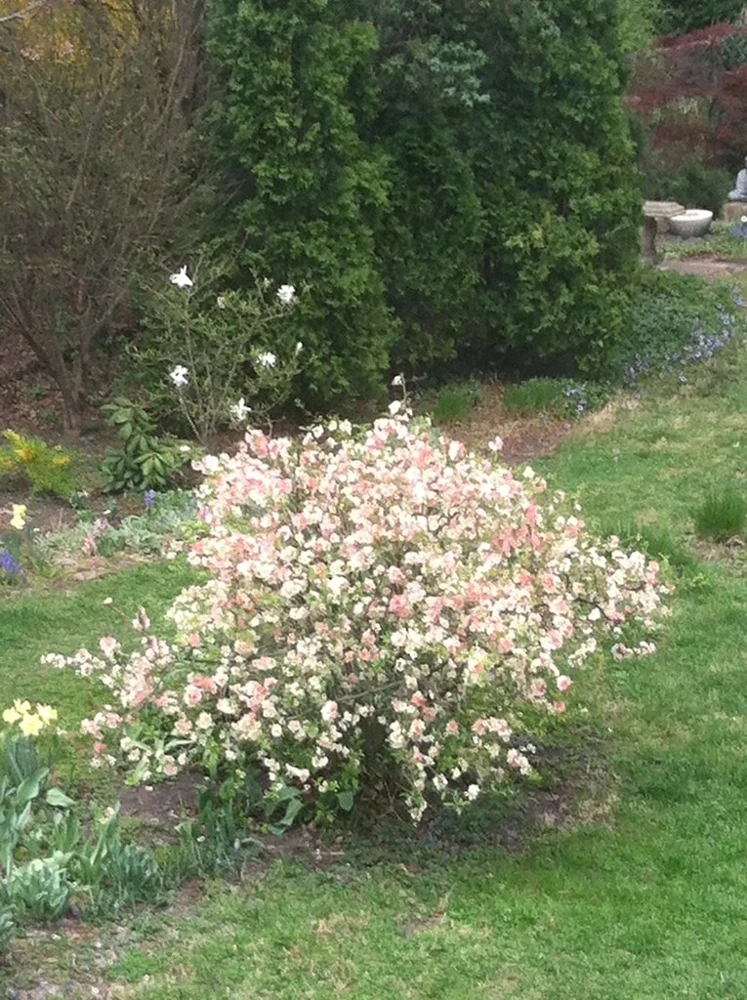
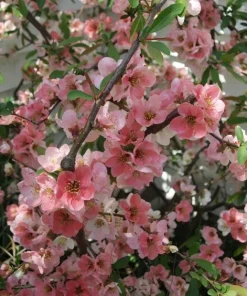
Add a burst of color to your landscape with the stunning Japanese Flowering Quince ‘Toyo Nishiki’ live plant. This particular variety is celebrated for its unique ability to produce white, pink, and red flowers all on the same bush, offering a spectacular display. Growing over 6 inches tall, it’s a perfect choice for garden beds, borders, or as a vibrant specimen plant.
Estimated arrival
Oct 15
Oct 20 - Oct 22
Oct 25 - Oct 29
Shop With Confidence
30-Day Plant Health Guarantee
Arrives damaged? We’ll replace it free — see our return policy.
Responsive Support
Email us anytime, we reply within 1 business day.
Expert Packaging
Temperature-controlled shipping to protect your plants in transit.
Secure Checkout
Pay safely with Visa, Mastercard, PayPal.
Plant Specifications
-
USDA Hardiness Zone
USDA Zones 5-9 -
Soil Type
Well-draining soil -
Sunlight Exposure
Full sun to partial shade -
Expected Planting Period
Early spring or fall
Overview
Introduce a magnificent spectacle to your garden with the Japanese Flowering Quince ‘Toyo Nishiki’ live plant. This exquisite shrub, scientifically known as Chaenomeles speciosa ‘Toyo Nishiki’, is a true horticultural marvel, famous for its ability to produce white, pink, and red flowers simultaneously on a single bush. Unlike single-color quinces, the Chaenomeles speciosa Toyo Nishiki offers a dynamic and ever-changing floral display that captivates from late winter to early spring. This particular offering is for a healthy live plant, measuring 6+ inches in height, ready to establish itself in your landscape and bring years of multi-hued beauty. Ideal for gardeners seeking unique and low-maintenance flowering shrubs, the Japanese Flowering Quince live plant is a fantastic choice for adding early season interest.
Originating from Japan and China, flowering quinces are renowned for their hardiness and resilience, making them suitable for a wide range of climates. The ‘Toyo Nishiki’ cultivar stands out with its unusual tri-color blossoms, ensuring it becomes a focal point in any garden design. Its thorny branches also make it an excellent choice for a natural barrier or an informal hedge, providing both beauty and a degree of security. Expect a robust and vibrant addition to your outdoor space, bringing cheer and early spring color when most other plants are still dormant.
Key Benefits
The Japanese Flowering Quince live plant offers a multitude of benefits for any gardener. Its unique characteristics and ease of care make it a highly desirable addition. Here are some of the key advantages:
- Spectacular Multi-Color Blooms: Enjoy the rare beauty of white, pink, and red flowers blooming simultaneously on the same bush, creating a stunning visual impact that is truly unique among flowering shrubs. This makes the Chaenomeles speciosa Toyo Nishiki a conversation starter.
- Early Spring Interest: Provides vibrant color during late winter and early spring, often before other plants have begun to awaken from dormancy, extending the seasonal interest of your garden.
- Hardy and Resilient: Known for its robust nature, this flowering quince for sale tolerates a variety of soil conditions and is generally pest and disease resistant, making it a low-maintenance option for busy gardeners.
- Versatile Landscape Use: Can be used as a specimen plant, in shrub borders, as a hedge, or even trained as an espalier against a wall, offering flexibility in garden design.
- Drought Tolerant Once Established: After its initial establishment period, the Toyo Nishiki quince care becomes minimal as it can withstand periods of drought, reducing the need for constant watering.
- Attracts Pollinators: The early blooms provide a valuable nectar source for early emerging bees and other pollinators, contributing to the biodiversity of your garden.
- Edible Fruit: Produces small, apple-like fruits (quinces) that, while tart when raw, can be used to make jellies, preserves, or baked goods after cooking.
Plant Care & Growing Tips
Proper Toyo Nishiki quince care is essential to ensure your Japanese Flowering Quince live plant thrives and produces its signature multi-colored blooms. This hardy shrub is relatively low-maintenance once established, but a good start will ensure its long-term health and vigor. It prefers a location with full sun to partial shade; ideally, it should receive at least 6 hours of direct sunlight daily for the best flowering performance. While it can tolerate some shade, too much will result in fewer blooms. Ensure good air circulation to prevent fungal issues.
When it comes to soil, the Chaenomeles speciosa Toyo Nishiki is adaptable but prefers well-draining soil. It can grow in sandy, loamy, or clay soils, as long as they are not waterlogged. A neutral to slightly acidic pH is ideal. Water deeply and regularly during the first growing season to help establish a strong root system. Once established, it is fairly drought-tolerant, but occasional deep watering during prolonged dry spells will be beneficial. Fertilize in early spring before new growth begins with a balanced slow-release granular fertilizer, or use an organic compost around the base of the plant. Pruning should be done after flowering to shape the plant, remove dead or damaged branches, and maintain desired size. You can also thin out older branches to encourage new growth and more abundant flowers. This multi-color quince plant is generally hardy in USDA Zones 5-9.
Size & Details
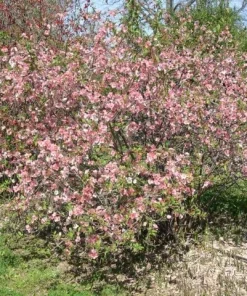
This offering is for one robust Japanese Flowering Quince live plant, measuring at least 6 inches in height. It arrives ready for planting, carefully packaged to ensure its health during transit. Expected to grow into a medium-sized shrub, typically reaching 6-10 feet tall and wide at maturity, depending on growing conditions and pruning. Its growth rate is moderate, allowing you to enjoy its development over time. The plant will be shipped either bare-root or in a small nursery pot, depending on the season and best practices for plant health. With proper care, you can anticipate seeing its unique white, pink, and red blossoms as early as the first spring after planting, especially for this flowering quince for sale.
The establishment period typically lasts for one to two years, during which consistent watering and monitoring for pests are important. After this, your Chaenomeles speciosa Toyo Nishiki will be a strong and self-sufficient addition to your garden. The small, hard fruits that follow the flowers will mature in the fall, offering an additional point of interest and a culinary opportunity if desired.
Frequently Asked Questions
- Q: How big does this Japanese Flowering Quince get? A: The Japanese Flowering Quince live plant typically grows to a mature size of 6-10 feet tall and wide, but its size can be managed with regular pruning after flowering.
- Q: Is this an indoor or outdoor plant? A: This is an outdoor plant, best suited for gardens and landscapes. It requires outdoor conditions to thrive and produce its signature blooms.
- Q: How much sunlight does it need? A: For optimal flowering, your Chaenomeles speciosa Toyo Nishiki needs full sun, meaning at least 6 hours of direct sunlight per day. It can tolerate partial shade, but flowering may be reduced.
- Q: Is this plant easy to care for? A: Yes, the Toyo Nishiki quince care is considered relatively easy. It’s a hardy and adaptable shrub that requires minimal attention once established, making it good for beginners.
- Q: What condition will the plant arrive in? A: Your Japanese Flowering Quince live plant will arrive as a healthy, over 6-inch tall specimen, carefully packaged to ensure its safe journey and readiness for planting.
- Q: When is the best time to plant this flowering quince? A: The best time to plant is in early spring or fall, allowing the plant to establish its root system before extreme temperatures.
- Q: Will it survive winter in my zone? A: The multi-color quince plant is hardy in USDA Zones 5-9, meaning it can withstand winter temperatures in these regions.
- Q: Can the fruit be eaten? A: Yes, the fruit produced by the Japanese Flowering Quince live plant is edible after cooking, often used for jellies and preserves due to its tart flavor.
- Q: How often should I water my newly planted quince? A: Water deeply and regularly during the first growing season, typically 1-2 times per week, especially during dry periods, to help establish the roots.
- Q: Why is it called ‘Toyo Nishiki’? A: ‘Toyo Nishiki’ is a cultivar name, signifying a specific cultivated variety of Chaenomeles speciosa known for its unique multi-colored flowers, making it a distinct flowering quince for sale.
Be the first to review “Japanese Flowering Quince ‘Toyo Nishiki’ Live Plant 6+ Inches Tall for Garden”
People Also Viewed


Reviews
There are no reviews yet.