
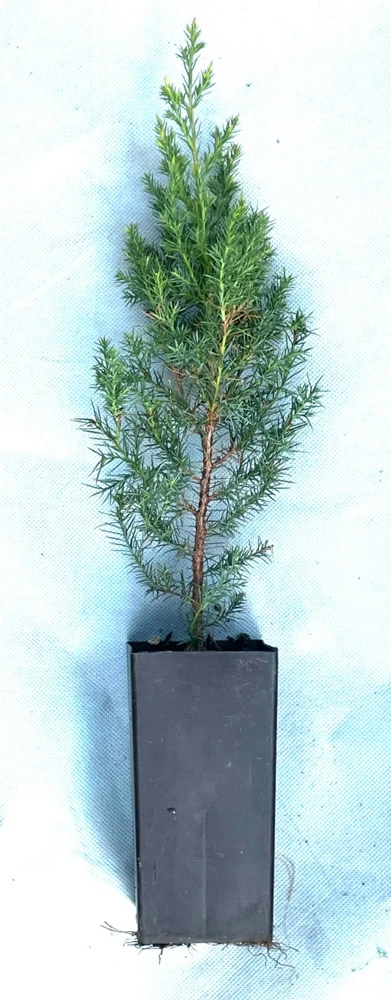
Eastern Redcedar Live Plant (Juniperus virginiana) – 2 Potted Seedlings, Full Sun
Original price was: $71.99.$46.99Current price is: $46.99.
Cultivate a natural landscape with this Eastern Redcedar live plant 2-pack. These Juniperus virginiana seedlings are shipped potted and ready for planting, thriving in full sun. Ideal for creating wildlife habitats and providing year-round greenery, these potted Redcedar trees are a resilient and beautiful addition to any outdoor space.
Estimated arrival
Sep 17
Sep 22 - Sep 24
Sep 27 - Oct 01
Shop With Confidence
30-Day Plant Health Guarantee
Arrives damaged? We’ll replace it free — see our return policy.
Responsive Support
Email us anytime, we reply within 1 business day.
Expert Packaging
Temperature-controlled shipping to protect your plants in transit.
Secure Checkout
Pay safely with Visa, Mastercard, PayPal.
Plant Specifications
-
USDA Hardiness Zone
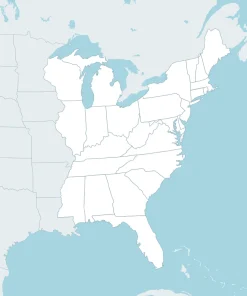
USDA zones 2-9 -
Soil Type
Well-draining soil, adaptable to various types -
Sunlight Exposure
Full Sun -
Expected Planting Period
Spring or Fall
Overview
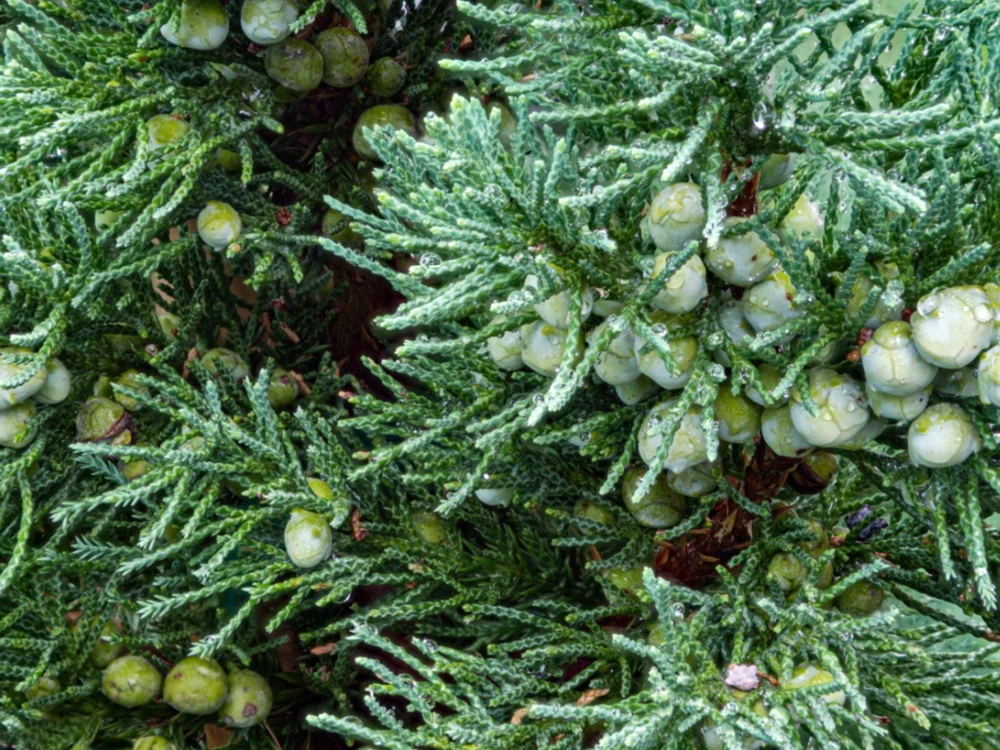
Bring the beauty and ecological benefits of native trees to your property with our Eastern Redcedar live plant 2-pack. These robust Juniperus virginiana seedlings are carefully nurtured in pots, ensuring they arrive healthy and ready for successful transplanting. Often called Red Cedar, this iconic evergreen is a vital component of many ecosystems, providing shelter and food for a variety of wildlife. Known for its distinctive pyramidal shape and fragrant, scale-like foliage, the Eastern Redcedar live plant is an excellent choice for windbreaks, privacy screens, and reforestation projects. Its adaptability to various soil types and climates makes it a popular and reliable choice for gardeners and landscapers alike, allowing you to easily grow Eastern Redcedar in your own backyard.
Each order includes two vigorous Juniperus virginiana seedlings, offering a great start for establishing a small grove or integrating them into existing plantings. These potted Redcedar trees are young but well-rooted, providing a strong foundation for future growth. Whether you’re looking to enhance biodiversity, create a natural barrier, or simply enjoy the timeless appeal of an evergreen, the Eastern Redcedar is a superb option. Its resilience and relatively fast growth rate ensure that you will soon enjoy the benefits of these magnificent trees.
Key Benefits
Choosing an Eastern Redcedar live plant offers a multitude of advantages for your landscape and local ecosystem. These trees are not just aesthetically pleasing; they serve crucial environmental functions and are remarkably easy to care for.
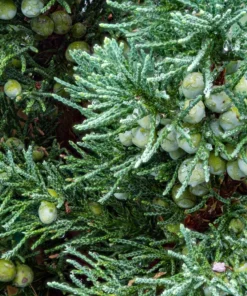
- Wildlife Habitat Enhancement: The dense foliage provides excellent cover and nesting sites for birds throughout the year, especially in winter. The bluish-white berries are a significant food source for many bird species, making these Juniperus virginiana seedlings a cornerstone of any wildlife-friendly garden.
- Drought Tolerance & Adaptability: Once established, the Eastern Redcedar live plant is highly drought-tolerant and can thrive in a wide range of soil conditions, from poor and rocky to moist and sandy. This makes them a low-maintenance choice for challenging sites.
- Natural Privacy & Windbreak: With their dense, evergreen needles and upright growth habit, potted Redcedar trees create effective natural screens and windbreaks, offering privacy and protection from strong winds year-round.
- Year-Round Greenery & Fragrance: The deep green foliage of the Eastern Redcedar provides consistent color in the landscape, even during the harshest winters. The needles also emit a pleasant, woodsy fragrance, adding an aromatic dimension to your garden.
- Soil Stabilization: The extensive root system of the Eastern Redcedar live plant helps to prevent soil erosion, particularly on slopes or in areas with loose soil, contributing to overall land health.
- Low Maintenance: These resilient trees require minimal care once established, making them ideal for busy gardeners or those seeking an easy-to-manage landscape solution. They generally do not require pruning for shape and are resistant to many pests and diseases.
Plant Care & Growing Tips
To successfully grow Eastern Redcedar, understanding its basic care requirements is key. These trees are known for their hardiness and adaptability, making them relatively easy to cultivate. They prefer a location with Full Sun, meaning at least 6-8 hours of direct sunlight per day. While they can tolerate some partial shade, full sun promotes the densest growth and best berry production. Good air circulation is also beneficial to prevent fungal issues.
When it comes to watering, newly planted Juniperus virginiana seedlings will need regular moisture to establish their root systems. Water deeply and consistently during their first year, especially during dry spells. Once established, potted Redcedar trees are quite drought-tolerant and generally only require supplemental watering during prolonged periods of extreme dryness. They are not particular about soil type and can grow in sandy, loamy, or clay soils, as long as it is well-draining. Avoid consistently waterlogged conditions, which can lead to root rot. The pH preference is generally neutral to alkaline.
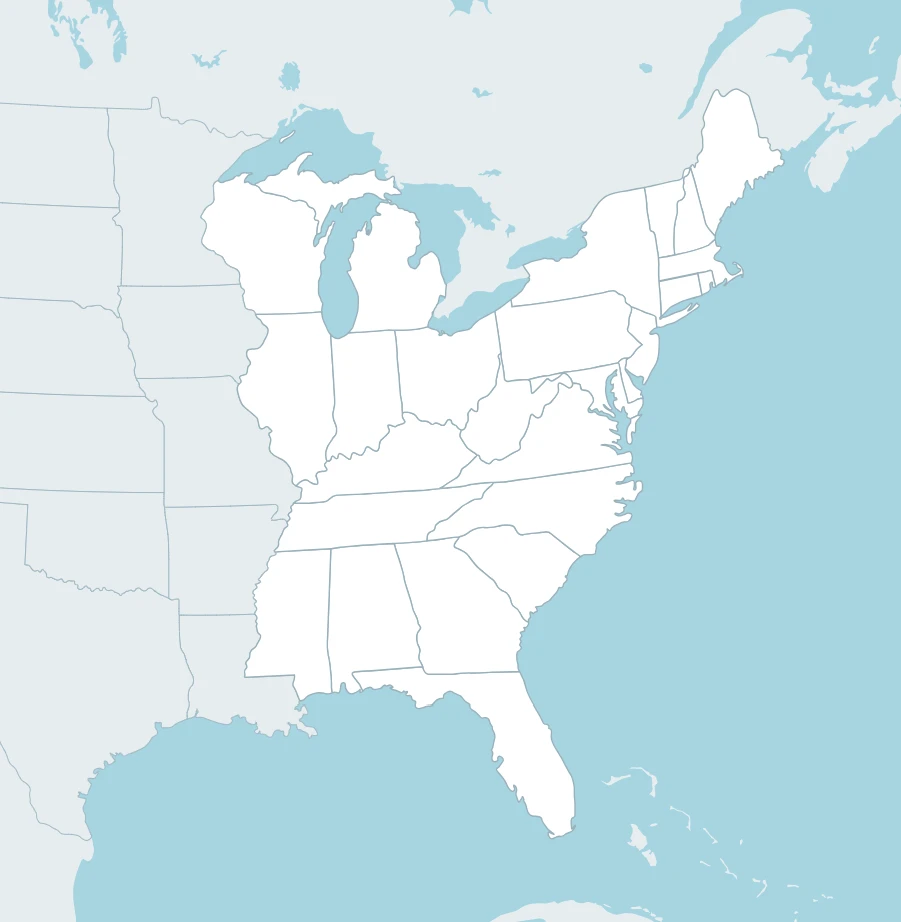
Eastern Redcedar is adaptable to a wide range of climates and is typically hardy in USDA Zones 2-9. Fertilization is usually not necessary for established trees, especially if planted in reasonably fertile soil. If growth appears stunted or foliage is sparse, a balanced, slow-release fertilizer can be applied in early spring. Pruning is generally not required for health, but dead or damaged branches can be removed at any time. For shaping or to maintain a specific size, light pruning can be done in late winter or early spring. These trees are generally pest and disease resistant, though occasional issues like bagworms or cedar-apple rust can occur. Proper spacing and good air circulation can help prevent many problems when you grow Eastern Redcedar.
Size & Details
This offering includes two individual Eastern Redcedar live plant seedlings, each carefully grown in its own pot. While specific height will vary upon arrival, they are typically young, healthy plants ready for transplanting into your garden. The exact pot size will ensure the roots are well-contained and protected during transit, facilitating a smooth transition to their new home. These Juniperus virginiana seedlings are known for their moderate to fast growth rate, especially in optimal conditions, eventually reaching heights of 30-50 feet with a spread of 8-20 feet, though they can grow taller in ideal environments.
The potted Redcedar trees are shipped in their containers, minimizing root disturbance and stress. This method provides the best chance for successful establishment and vigorous growth. Eastern Redcedars are long-lived trees, providing decades of beauty and ecological benefit. They begin to produce their characteristic blue berries, which are consumed by birds, typically after a few years of growth. These plants are ideal for those looking to establish a native evergreen presence quickly and effectively.
Frequently Asked Questions
- Q: How big does this Eastern Redcedar live plant get? A: Eastern Redcedar trees typically grow to be 30-50 feet tall with a spread of 8-20 feet, though they can reach greater heights in ideal conditions over many years. Their growth rate is moderate to fast, depending on site conditions.
- Q: Is this an indoor or outdoor plant? A: The Eastern Redcedar live plant is an outdoor tree. It requires full sun exposure and is hardy enough to withstand various outdoor climates, making it unsuitable for indoor cultivation.
- Q: How much sunlight does the Juniperus virginiana seedlings need? A: These seedlings thrive in Full Sun, meaning they need at least 6-8 hours of direct sunlight every day. While they can tolerate some partial shade, full sun exposure is crucial for their best growth and health.
- Q: Is this plant easy to care for? A: Yes, the Eastern Redcedar is considered a very easy-to-care-for tree once established. It is drought-tolerant, adaptable to various soils, and generally resistant to pests and diseases, making it excellent for beginners.
- Q: What condition will the potted Redcedar trees arrive in? A: Your potted Redcedar trees will arrive as healthy, live seedlings, carefully packaged in their pots to protect the root system. They will be ready for immediate planting upon arrival.
- Q: When is the best time to plant Juniperus virginiana seedlings? A: The best times to plant Eastern Redcedar are in early spring or early fall. This allows the roots to establish before the stress of extreme summer heat or winter cold.
- Q: Will this Redcedar wildlife tree survive winter in my zone? A: Eastern Redcedar is incredibly cold hardy, typically thriving in USDA Zones 2-9. This wide range means it can survive very cold winters in many parts of the United States.
- Q: What kind of soil is best for grow Eastern Redcedar? A: Eastern Redcedar is highly adaptable and can grow in a variety of soil types, including sandy, loamy, and clay soils, as long as they are well-draining. It tolerates both acidic and alkaline conditions.
- Q: What are the benefits of planting a Redcedar wildlife tree? A: Eastern Redcedars provide excellent year-round cover and nesting sites for birds, and their berries are a crucial winter food source. They also offer natural privacy screens and act as effective windbreaks.
- Q: How frequently should I water my newly planted Eastern Redcedar live plant? A: For the first year after planting, water your new Eastern Redcedar live plant deeply and regularly, especially during dry periods, to help it establish a strong root system. Once established, it is quite drought-tolerant.
Be the first to review “Eastern Redcedar Live Plant (Juniperus virginiana) – 2 Potted Seedlings, Full Sun”
People Also Viewed
Houseplants
Reviews
There are no reviews yet.