

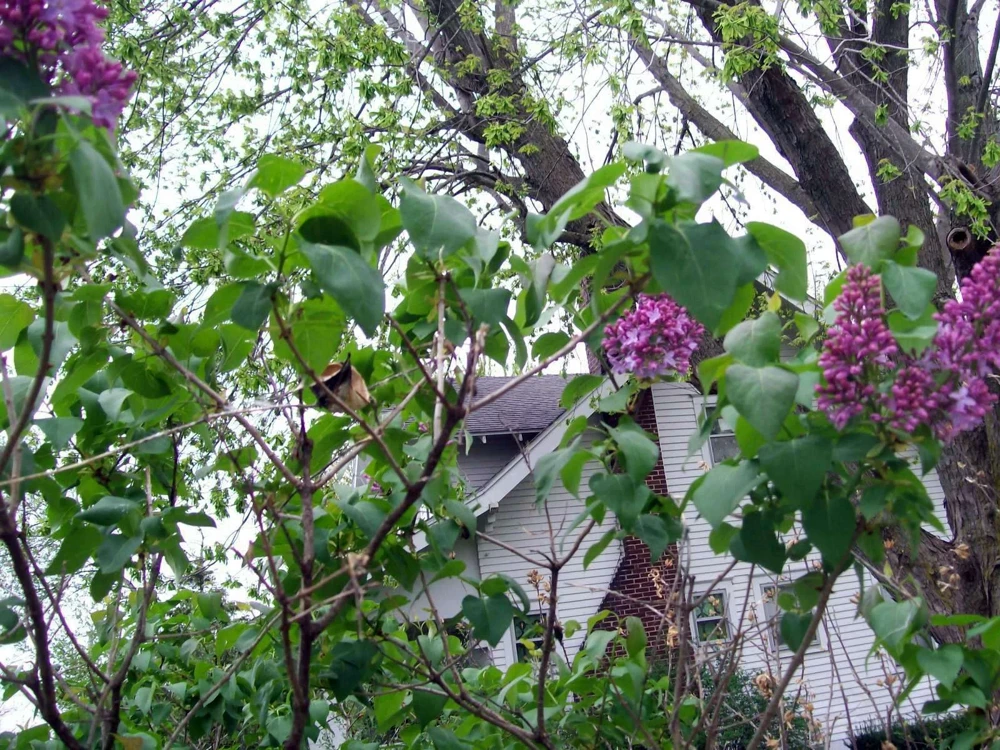
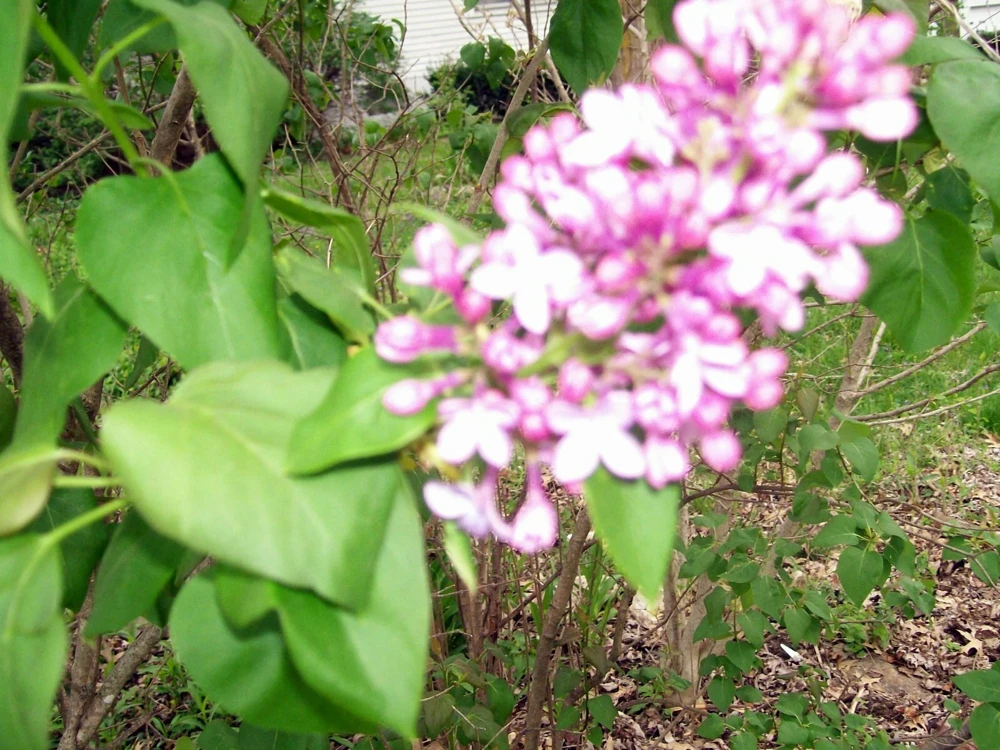
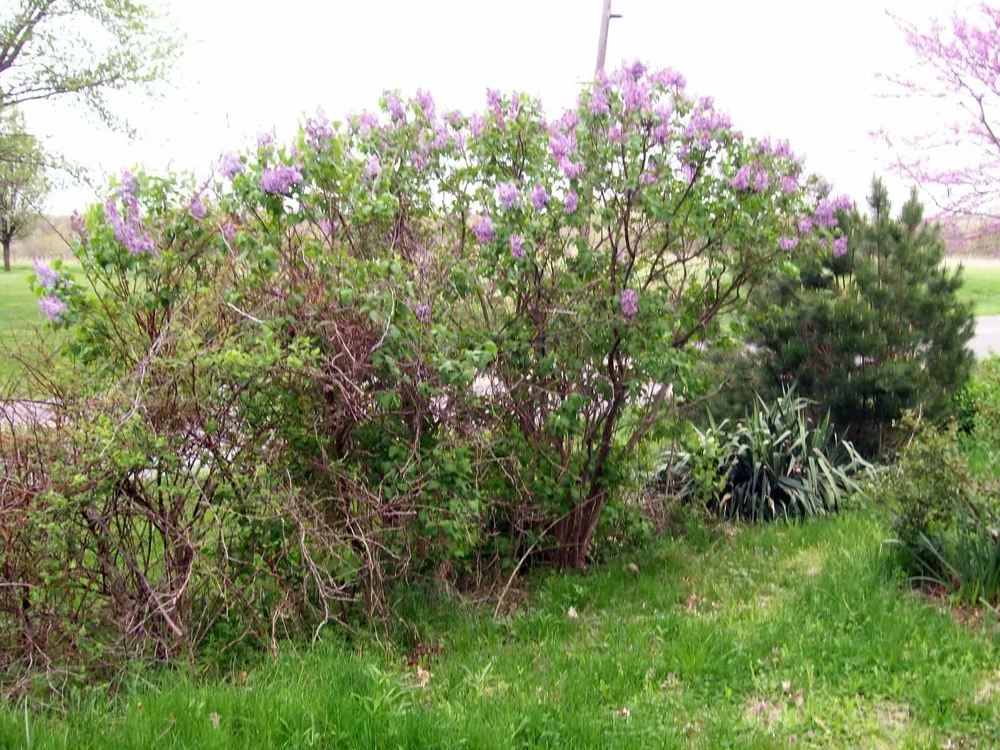
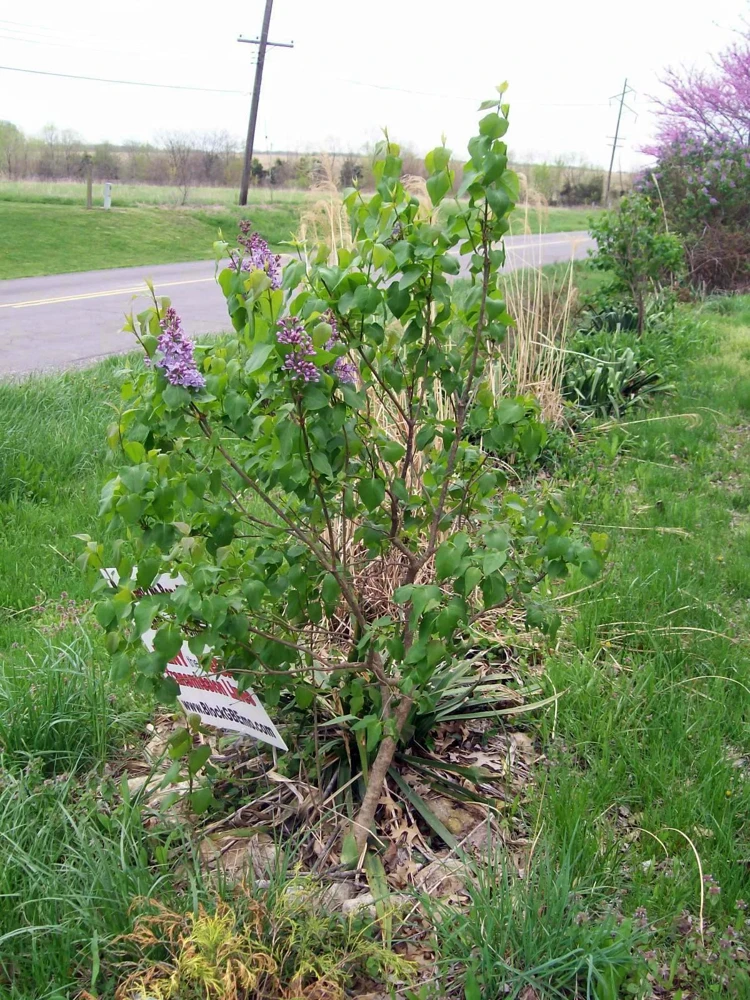
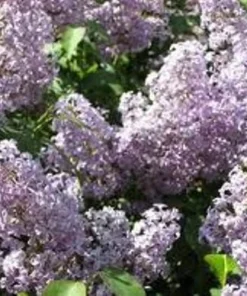
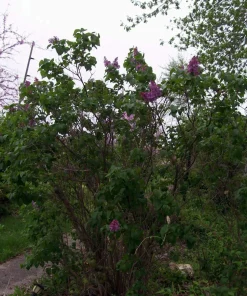
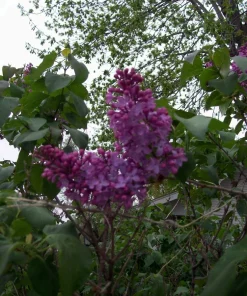
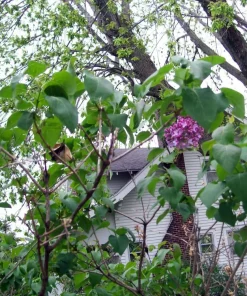
Old Fashion Purple Lilac Bush – Live Bare Root Plant – 6-12 Inches – Outdoor
Original price was: $41.79.$21.79Current price is: $21.79.
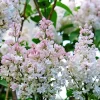
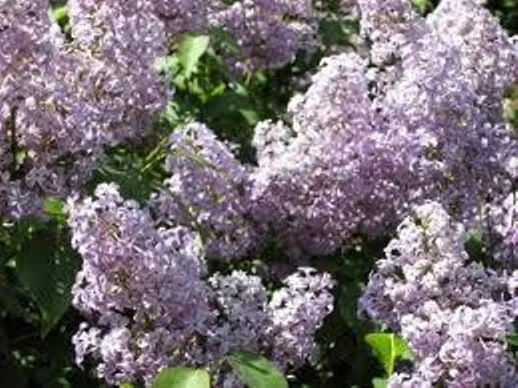
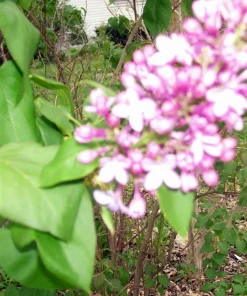
Bring classic beauty to your landscape with this old fashion purple lilac bush. This 6-12 inch bare root live plant is ready to establish, offering stunning, fragrant purple flowers each spring. Perfect for hedges, borders, or as a standalone specimen, this purple lilac plant thrives outdoors in full sun.
Estimated arrival
Oct 15
Oct 20 - Oct 22
Oct 25 - Oct 29
Shop With Confidence
30-Day Plant Health Guarantee
Arrives damaged? We’ll replace it free — see our return policy.
Responsive Support
Email us anytime, we reply within 1 business day.
Expert Packaging
Temperature-controlled shipping to protect your plants in transit.
Secure Checkout
Pay safely with Visa, Mastercard, PayPal.
Plant Specifications
-
USDA Hardiness Zone
USDA Zones 3-7 -
Soil Type
Well-draining, neutral to slightly alkaline soil -
Sunlight Exposure
Full sun -
Expected Planting Period
Early spring or late fall
Overview
Introduce timeless elegance and enchanting fragrance to your garden with the old fashion purple lilac bush. This classic variety, scientifically known as Syringa vulgaris, is renowned for its intoxicating scent and clusters of vibrant purple flowers that herald the arrival of spring. Our offering is a healthy, live bare root plant, typically measuring 6-12 inches, ready for planting and establishment in your outdoor space. The bare root form allows for easier handling and promotes strong root development once planted, ensuring a robust and thriving shrub for years to come. A well-established old fashion purple lilac bush can transform any garden or yard into a sensory delight with its visual appeal and aromatic presence. This deciduous shrub is a beloved choice for gardeners seeking a reliable and beautiful flowering plant.
The old fashion purple lilac bush is a hardy and relatively low-maintenance plant, making it an excellent choice for both experienced gardeners and those new to cultivating flowering shrubs. Its historical charm and widespread popularity are testaments to its enduring beauty and ease of care. When mature, it forms a dense, upright shrub perfect for creating natural screens, accentuating garden beds, or serving as a stunning focal point. Prepare to be captivated by the sweet, memorable perfume that drifts through your garden each spring, attracting pollinators and delighting anyone who passes by. This bare root specimen is an economical and effective way to begin growing your very own piece of garden history.
Key Benefits
The old fashion purple lilac bush offers a multitude of benefits that make it a cherished addition to any landscape. From its aesthetic appeal to its hardiness, this plant delivers consistent performance and beauty:
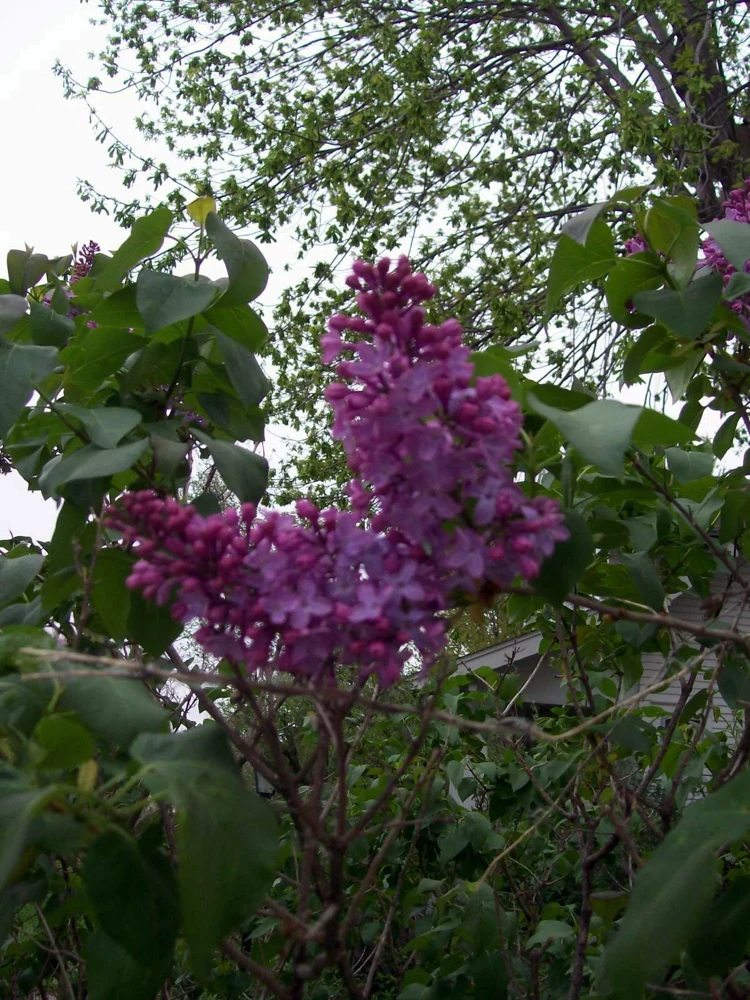
- Stunning Spring Blooms: Each spring, the bush explodes with magnificent clusters of deep purple flowers. These prolific blooms create a breathtaking display that is a true highlight of the season, adding rich color and texture to your garden.
- Intoxicating Fragrance: One of the most beloved features of the purple lilac plant is its incredibly sweet and pervasive fragrance. The scent can fill an entire garden, making it ideal for planting near patios, windows, or walkways where its perfume can be fully appreciated.
- Attracts Pollinators: The vibrant flowers are a magnet for beneficial insects such as bees and butterflies, contributing to the biodiversity and health of your garden ecosystem. This makes it an excellent choice for a pollinator-friendly landscape.
- Excellent for Cut Flowers: The long-lasting blooms are perfect for cutting and bringing indoors. A vase full of fresh lilac branches can brighten any room with both its beauty and its delightful aroma, extending the enjoyment beyond the garden.
- Hardy and Resilient: This variety of lilac is known for its robust nature, tolerating a range of soil conditions and climates once established. It’s a reliable choice that can withstand many environmental challenges, ensuring a long life in your garden.
- Versatile Landscape Use: The fragrant lilac bush can be used in various garden designs, from creating privacy hedges and borders to serving as a specimen plant or part of a mixed shrub border. Its upright growth habit provides structure and interest.
- Low Maintenance Once Established: After its initial planting and establishment period, this lilac requires minimal care. Regular watering during dry spells and occasional pruning are generally sufficient to keep it healthy and blooming year after year.
Plant Care & Growing Tips
Proper care ensures your old fashion purple lilac bush thrives and produces abundant, fragrant blooms. When planting your bare root lilac, choose a location that receives at least 6 hours of full sunlight daily. Adequate sun is crucial for prolific flowering. Dig a hole wide enough to accommodate the roots spread out, and deep enough so that the crown (where the roots meet the stem) is at soil level. Amend heavy clay soils with organic matter to improve drainage. While lilacs are adaptable, they prefer well-draining soil with a neutral to slightly alkaline pH. Avoid planting in areas where water tends to sit, as this can lead to root rot.
Watering is critical during the establishment phase. Keep the soil consistently moist but not waterlogged for the first year after planting. Once established, the fragrant lilac bush is relatively drought-tolerant but will benefit from deep watering during prolonged dry periods, especially when flowering. Fertilize in early spring with a balanced slow-release fertilizer or one formulated for flowering shrubs. Avoid over-fertilizing with nitrogen, which can promote leafy growth at the expense of flowers. Pruning should be done immediately after flowering to shape the bush and remove spent blooms, which can encourage more flowers the following year. Remove any dead, damaged, or crossing branches to maintain good air circulation and plant health. This also helps to maintain the desired size and shape of your bare root lilac.
Lilacs are generally hardy but can benefit from a layer of mulch around the base to conserve moisture, regulate soil temperature, and suppress weeds. Watch out for common pests like lilac borers or powdery mildew, though these are usually not severe. Good air circulation and proper plant spacing can help prevent fungal diseases. For those looking to enjoy the delightful aroma of Syringa vulgaris, ensuring these optimal growing conditions will lead to a spectacular display every spring. With a little attention, your lilac will become a cherished part of your garden for many seasons.
Size & Details
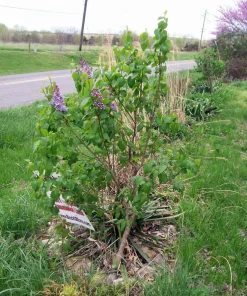
This offering is for one old fashion purple lilac bush, provided as a bare root live plant. The plant typically measures between 6 to 12 inches in height from the root crown to the tip of the dormant stem. Bare root plants are shipped without soil around their roots, which allows for easier transport and often results in quicker establishment when planted correctly. This size is ideal for planting directly into your garden or a larger container if you prefer to grow it out before permanent placement. Lilacs are known for their moderate to fast growth rate, and with proper care, this young plant will quickly develop into a substantial shrub.
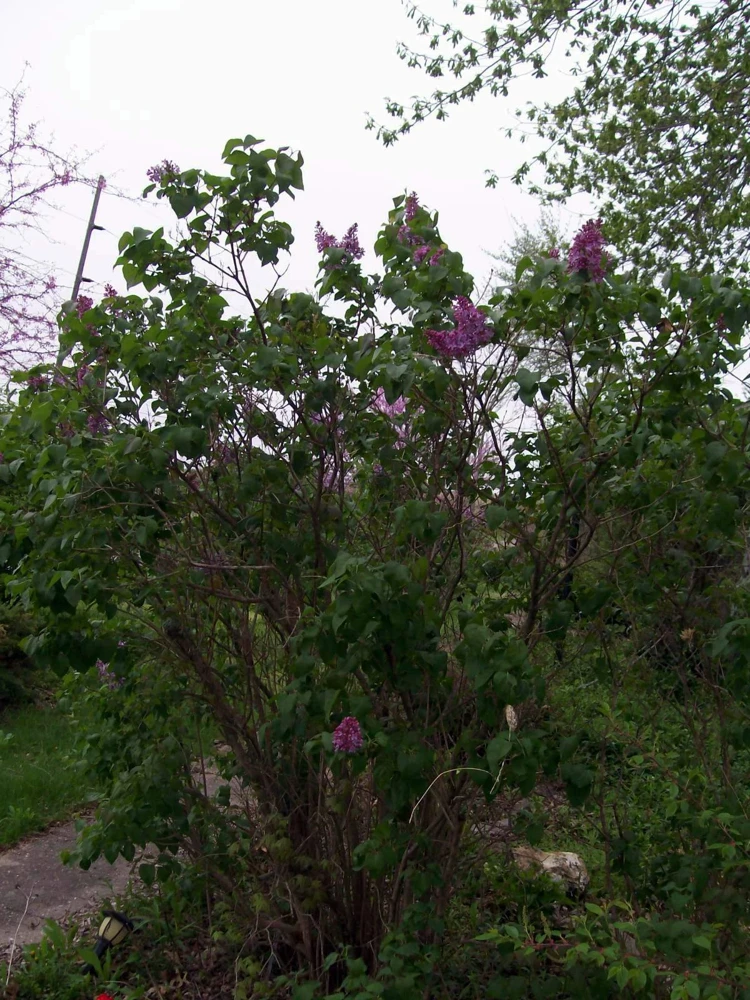
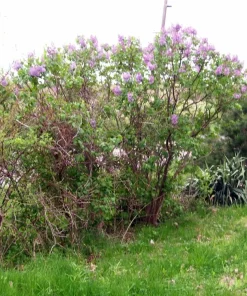
Once mature, the purple lilac plant can reach a height of 8 to 15 feet and a spread of 6 to 12 feet, forming a dense and attractive specimen. It typically begins to bloom within 2-3 years of planting, with increasing flower production as it matures. The bare root form is best planted in early spring or late fall when the plant is dormant, allowing its root system to establish before the stress of active growth or extreme weather. Expect this plant to deliver its first fragrant blooms in the spring following its first full growing season, bringing the classic beauty of Syringa vulgaris to your home.
Frequently Asked Questions
- Q: How big does this plant get? A: This old fashion purple lilac bush is a bare root plant measuring 6-12 inches upon arrival. When mature, it can reach a height of 8 to 15 feet and a spread of 6 to 12 feet, depending on growing conditions and pruning.
- Q: What condition will it arrive in? A: Your lilac will arrive as a dormant bare root live plant. This means it will not have leaves or soil around its roots, which is a normal and healthy state for bare root plants ready for planting.
- Q: Is this an indoor or outdoor plant? A: The old fashion purple lilac bush is an outdoor plant that thrives in garden settings, requiring full sun exposure to produce its best blooms. It is not suitable for long-term indoor cultivation.
- Q: How much sunlight does it need? A: For optimal growth and abundant flowering, this purple lilac plant requires at least 6 hours of direct full sun per day. More sun generally leads to more blooms.
- Q: Is this plant easy to care for? A: Yes, once established, the bare root lilac is considered relatively low-maintenance. It’s hardy and tolerant of various conditions, making it a good choice for beginners and experienced gardeners alike.
- Q: When is the best time to plant this bare root lilac? A: The ideal time to plant a bare root lilac is in early spring, after the last frost, or in late fall, before the ground freezes. This allows the roots to establish while the plant is dormant.
- Q: Will it survive winter in my zone? A: The old fashion purple lilac bush is very hardy and typically thrives in USDA Hardiness Zones 3-7. It requires a cold dormancy period to flower properly.
- Q: How long until it blooms? A: While young, your fragrant lilac bush may take 2-3 years to establish and produce its first significant blooms. Flower production will increase as the plant matures.
- Q: What kind of soil does this lilac prefer? A: Lilacs prefer well-draining soil that is neutral to slightly alkaline. They can tolerate a range of soil types but perform best when the soil is not overly wet or heavy.
- Q: Can I use the flowers for bouquets? A: Absolutely! The fragrant flowers of Syringa vulgaris are excellent for cutting and making beautiful, aromatic bouquets to enjoy indoors.
Be the first to review “Old Fashion Purple Lilac Bush – Live Bare Root Plant – 6-12 Inches – Outdoor”
People Also Viewed
Flower Seeds
Reviews
There are no reviews yet.